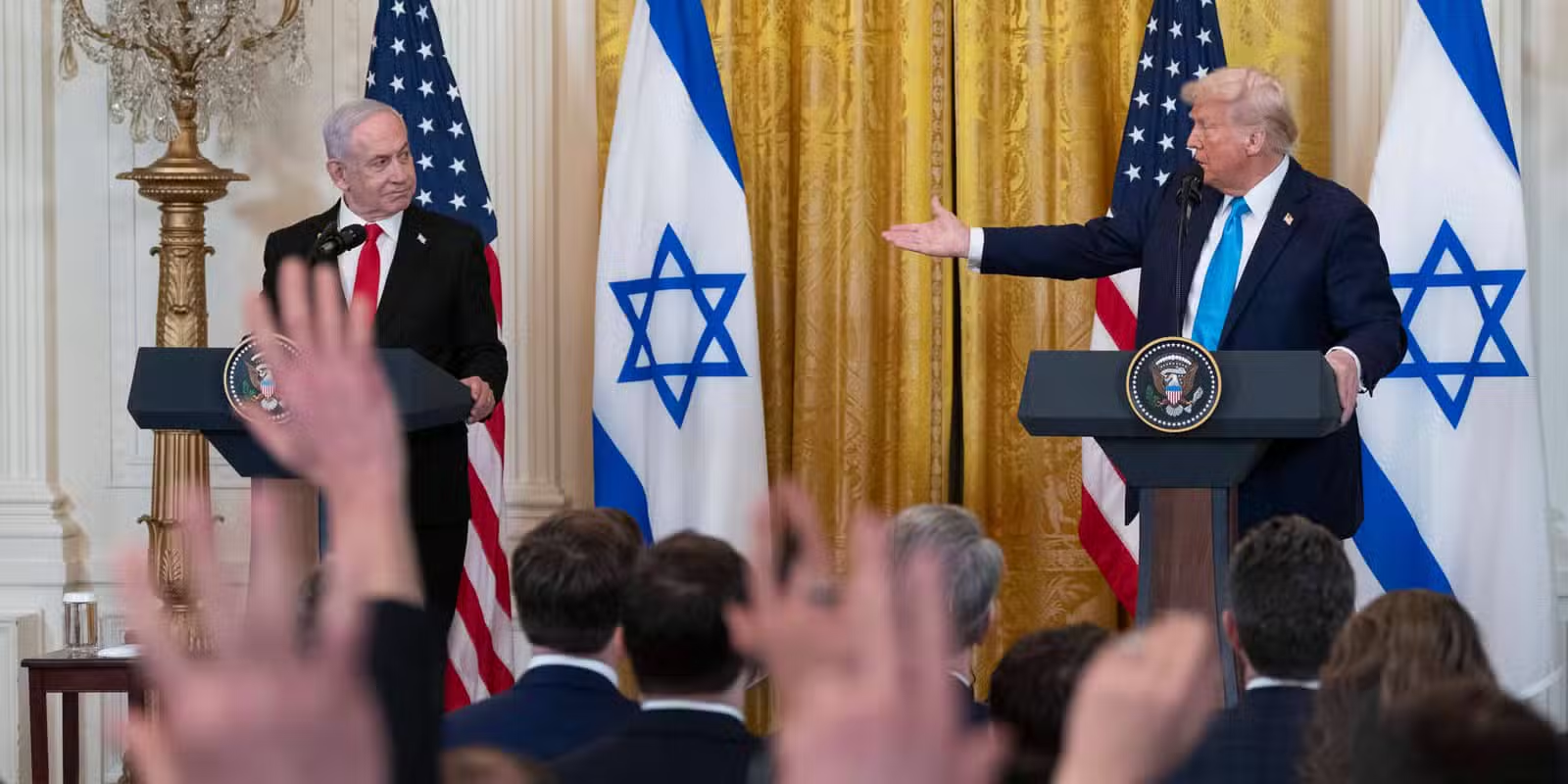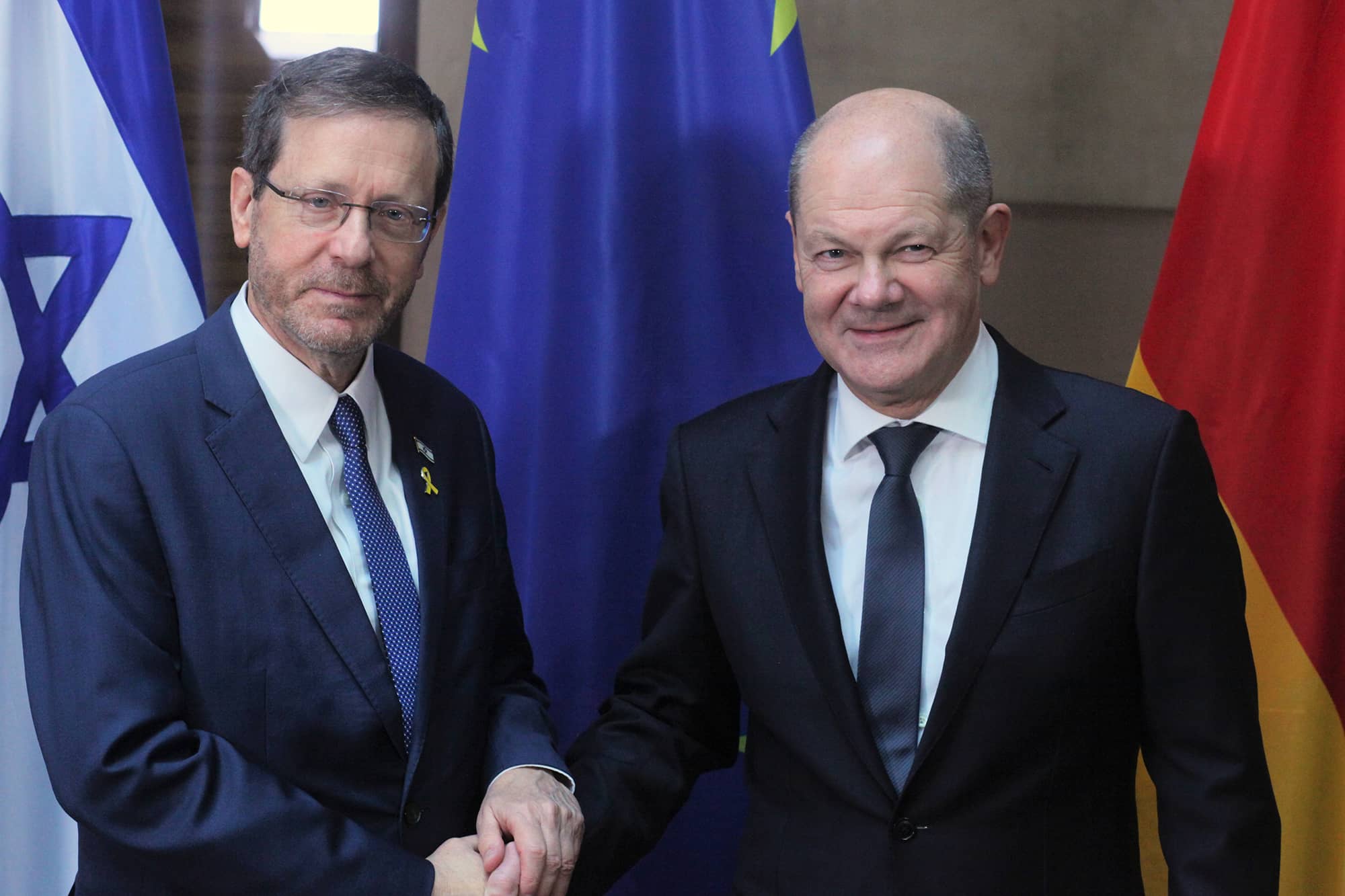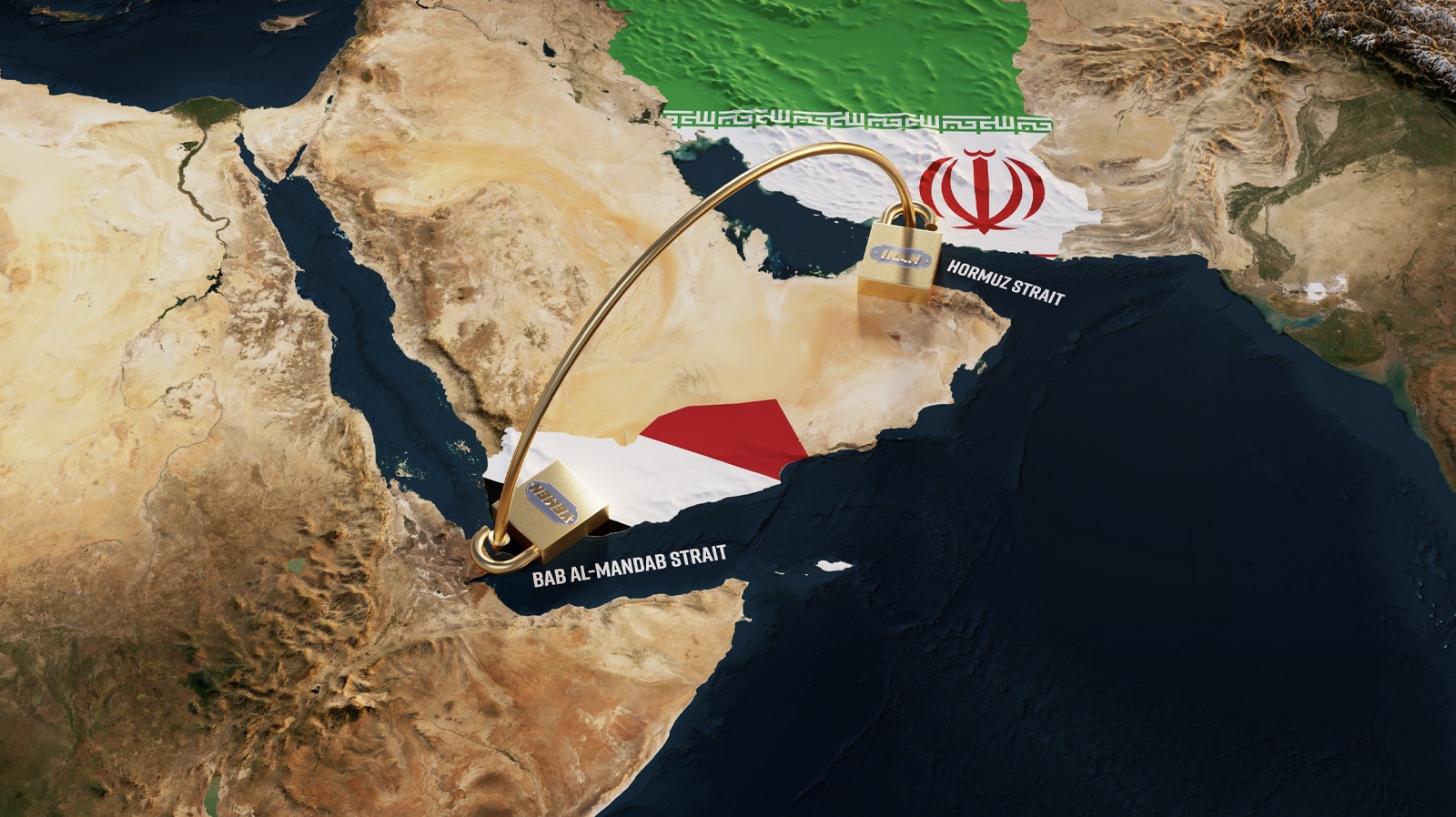


One of the first foreign policy tasks of the next Israeli government that hopefully will emerge from the March 23 elections will be to build a working relationship with the Biden administration. While the administration’s focus in the Middle East is going to be the nuclear deal with Iran, it will not ignore the Palestinian issue. Having shelved Donald Trump’s “Deal of the Century,” President Biden eventually will propose ideas for dealing with the protracted Palestinian-Israeli conflict. Israel should be ready to outline its policy positions regarding the future of the West Bank (Judea and Samaria) and the Gaza Strip.
The Biden administration has appointed former “peace processors” (like John Kerry and Robert Malley) to positions of influence, but it is unlikely to waste too much political capital on the Israeli-Palestinian gordian knot. Kerry (who unsuccessfully tried to force an Israeli-Palestinian agreement in 2014) is in now in charge of climate change. Malley (who infamously minimized Arafat’s responsibility for the failed Camp David summit in 2000) was appointed Biden’s envoy on Iran.
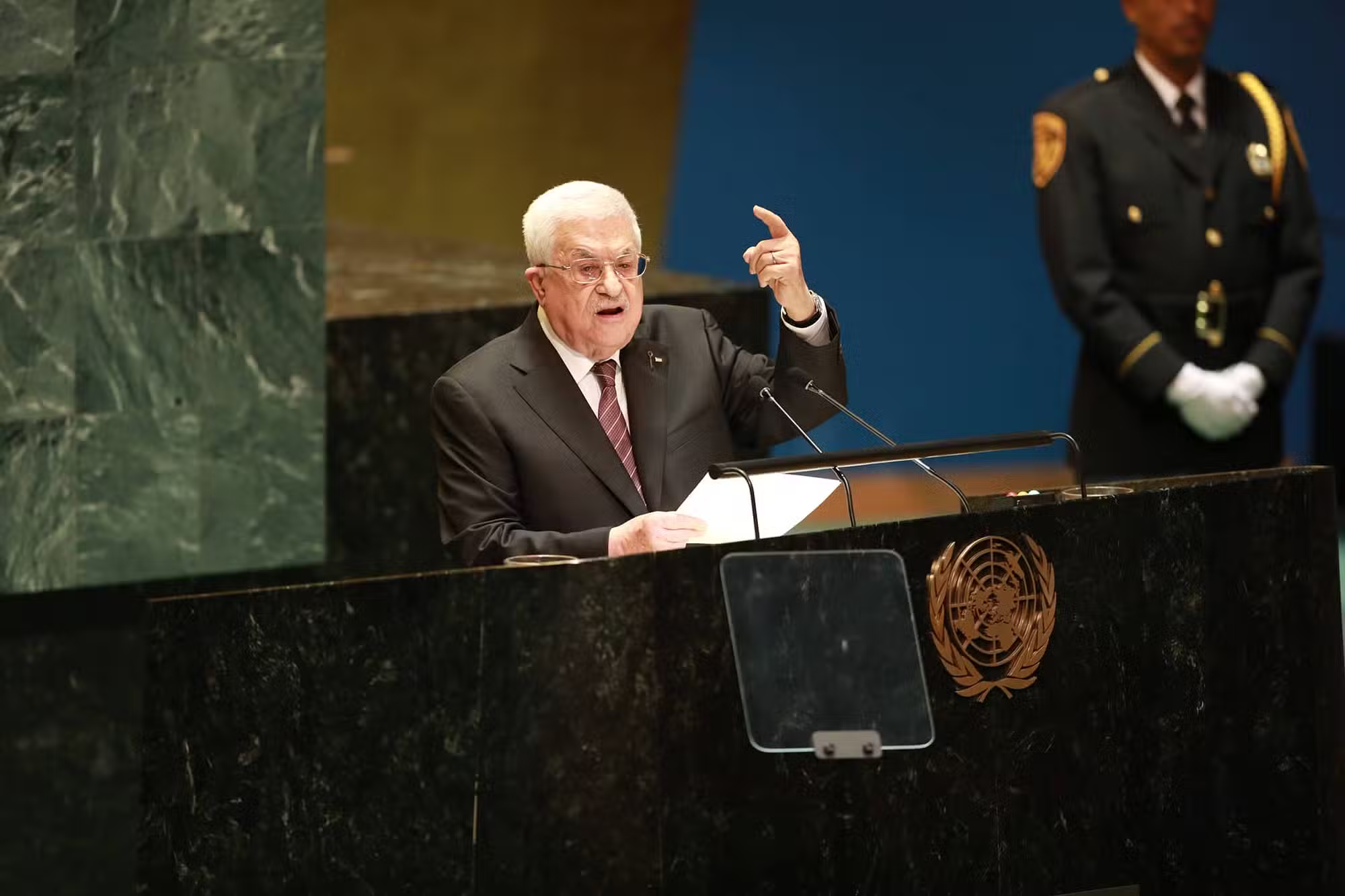
In private conversations, officials from the Biden administration admit to having low expectations for the peace process between Israel and the Palestinians, but nevertheless expect Israel to propose practical ideas for the improvement of daily life in Palestinian areas.
The Biden administration is formally committed to the two-state solution. To most Israelis, this “solution” may work in theory but it has failed in practice. Yasir Arafat’s rejection in 2000 of Ehud Barak’s Camp David proposal and of the Clinton parameters, as well as the bloody second intifada Arafat launched, have left lasting stains of disillusion and scepticism in Israeli society about the possibility of peace with the Palestinians.
Meanwhile, the political implosion in recent years of Arab states such as Libya, Iraq, Syria, and Lebanon (leading to civil wars and the spread of radical Islamism) has made many Israelis wonder what is so urgent about establishing yet another likely-to-be-failed Arab state a few kilometres from Tel Aviv, Jerusalem, and Israel’s only international airport.
The recent normalization accords between Israel, the United Arab Emirates, Bahrain, Morocco, and Sudan also has exposed the flimsiness of the argument that there can be no normalization between Israel and the Arab world without establishing a Palestinian state. Just the opposite is apparently true. There is a wide consensus in Israel that resolution of the Israeli-Palestinian dispute is currently out of reach (like other conflicts in Nagorno-Karabakh, Cyprus, western Sahara, and eastern Ukraine), while peace between Israel and Arab states is feasible and at hand.
The next Israeli government should seek to restore good relations with Jordan, something that accords with both Israel’s national interest and the expectations of the Biden administration. Jordan feels that it has been sidelined by the Abraham Accords, despite being Israel’s “strategic buffer” versus Syria and Iraq. Israel should not embarrass King Abdullah by talking about a “Jordanian option” (i.e., the restoring of political contiguity between Jordan and the West Bank, which was formally severed by King Hussein in 1988). Israel should encourage economic cooperation and integration between the Hashemite Kingdom and the Palestinian Authority (PA). A good starting point would be the relaunching of the moribund Read Sea-Dead Sea Water Conveyance project.
There are additional ways of restoring cooperation between Israel, Jordan, and the Palestinian Authority. Palestinian agriculture could be extended in parts of Area C. Zoning rules could be adjusted to allow for the natural growth of both Israeli settlement blocs and the densely populated Palestinian city of Qalqilya. Israel and Jordan also have a common interest in curbing Turkey’s influence and investments in eastern Jerusalem.
Israel’s relations with Egypt and the Gaza Strip are even more complicated, but changes are called for and some could be implemented, perhaps. Just as King Abdullah is not interested in the political integration of Jordan with the West Bank, President Al-Sisi wants to keep the Hamas-run Gaza Strip separate from Egypt. Yet the demographic pressures in, and economic misery of, the Gaza Strip must be addressed.
The dismal state of the Egyptian economy creates an opportunity to incentivize the Egyptian president into partially lifting the border closure between Gaza and Egypt. Precisely because Al-Sisi has concluded economic agreements with China and Russia, the US has an interest in upgrading its economic relations with Egypt. However, American aid ought to be concomitant with an economic strategy for the Gaza Strip in coordination with Israel. For example, qualified industrial zones for Gazans could be established in the northern Sinai desert adjacent to Gaza, in accordance with the peace agreement between Israel and Egypt.
While Trump’s peace plan is currently shelved, its core idea of investing in the Palestinian economy should be pursued, alongside political and economic reforms in the Palestinian Authority. The Abraham Accords have opened economic opportunities which can be channelled for investment in the West Bank, with proper international monitoring.
Israel should spare no efforts to make the case against renewal of US funding for UNRWA. By sustaining and perpetuating the myth of a Palestinian “right of return” to Israel, this organization constitutes a major obstacle to a Palestinian-Israeli settlement. Rather than renewing the funding of UNRWA, the Biden administration should be convinced to invest its resources in the building of permanent infrastructures for those displaced by the 1948 and 1967 Arab wars against Israel.
In sum, while the Biden administration is focused first and foremost on Iran (and rightly so), it eventually will explore ways of reinforcing regional alliances. This will entail revived cooperation between Israel, Jordan, and Egypt, as well as practical steps to improve the daily lives of Palestinians. The next Israeli government would be well-advised to come-up with its own proposals, both to further improve its own regional standing and to meet (some of the) administration’s expectations, in dialogue and partnership.
JISS Policy Papers are published through the generosity of the Greg Rosshandler Family.
Source: https://jiss.org.il/en/navon-israel-and-the-palestinian-issue-in-the-biden-era/