


BY YONAH JEREMY BOB
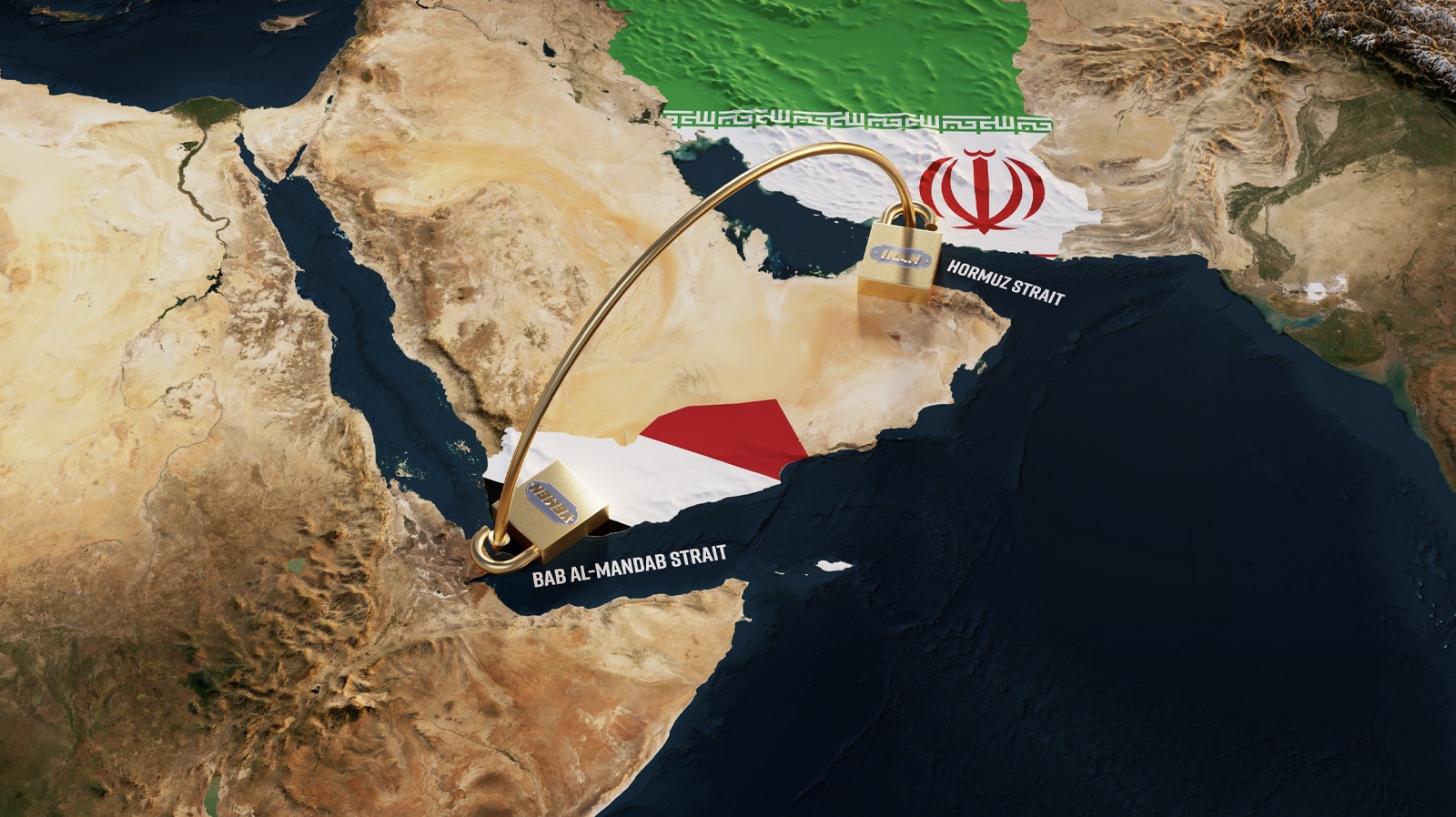
The first cyber target that Israel should go after in any future conflict with Iran or Hezbollah should be its adversaries’ energy infrastructure, former Unit 8200 “the Israeli NSA” chief Brig.-Gen. Ehud Schneorson said on Sunday.
Speaking at a cyber conference at Tel Aviv University, Schneorson said: “Energy is a major pillar of economies, and for some it is their cardiovascular system,” seemingly emphasizing the importance, especially to Iran’s economy.
He said that this kind of attack would have a greater, broader impact in a conflict than neutralizing the weapons systems of Israel’s adversaries, which he said was important in gaining tactical superiority, but would not have as big a strategic impact.
Schneorson’s comment was notable as traditionally, Israeli officials, even out of service, have avoided discussing major cyber attack targets.
The former-IDF Unit 8200 chief said, “There were still targets which should never be put into cyber operations” for ethical reasons, including the water, food and healthcare sectors. He also advised against attacking adversaries’ banking sectors “due to the butterfly effect” it could incidentally have on the global economy.
On cyber defense, he said, Israel’s biggest priority is blocking cyberattacks on its anti-missile defense shield, such as the Iron Dome and Arrow missile systems, as well as its “C4I systems, which bring efficiencies to the battlefield” in networking the IDF’s targeting and “collaboration between differences forces.”
During the same panel, top Defense Ministry official and retired Brig-Gen. Dan Gold said that a major focus of cyber operations is fighting back against “enemies trying to jam our radars for finding aircraft.” He said that Israel has a cyber “technique to clear jamming, to stop hundreds of fake targets, which really look like real aircraft,” from overloading its radar system that tracks enemy aircraft.
Former national security council chief Maj.-Gen. (ret.) Yaakov Amidror discussed the importance of adopting lessons from classical warfare into the cyber arena.
Amidror, who is now a fellow at the Jerusalem Institute for Security Studies, said that Israel “must presume that its cyber defense line will be penetrated by the enemy.”
He explained that classical warfare had two major moves for when you anticipated that an enemy could penetrate your defense line. “One answer was multiple defense lines to lead the enemy into a killing zones where you have the chance to destroy it,” he said. “But if you are smart, you don’t destroy the enemy. You set a honey trap. You give him some information, so he thinks he is in the right place… You manipulate the enemy into thinking he had a huge success.”
dror said that if the cyber enemy thinks it hacked into the right area, it will not realize that it should be planning another attack and will try to stay in the fake cyber deception system, where it has been contained.
Retired IDF cyber official, Brig.- Gen. Yaron Rosen, emphasized the importance of fighting cyber adversaries “asymmetrically.”
“We need SWAT teams in cyberspace, a national level division of responsibilities and accountable forces… When I ask who is accountable and see more than one hand, I know that” no one is really accountable, he said.
Rosen also highlighted the importance of figuring out a system of “deterrence in cyberspace” against potential enemies, though he said that this was a very tough challenge due to potential, unpredictable escalation.
The Jerusalem Post, 18.06.2018
Source: https://jiss.org.il/en/amidror-ex-israeli-nsa-chief-target-iran-hezbollah-energy-infrastructure-first/