A Policy-Oriented Think Tank Addressing Foreign Policy and National Security Issues for a Safe Israel

גבי סיבוני

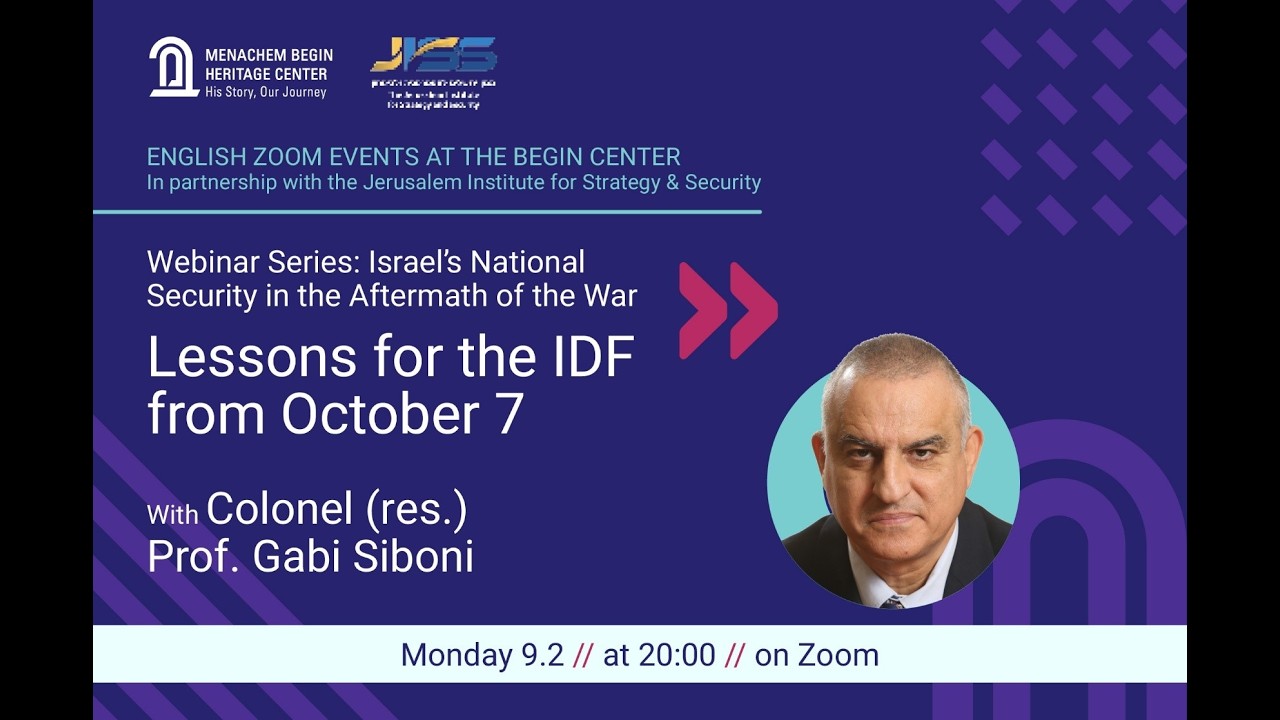
Colonel (res.) Prof. Gabi Siboni

CEO of the Jerusalem Institute for Strategy and Security. Expert on cyber security, military strategy, and technology.

Prof. Siboni was director of the military and strategic affairs program, and the cyber research program, of the Institute for National Security Studies (INSS) from 2006-2020, where he founded academic journals on these matters. He serves as a senior consultant to the IDF and other Israeli security organizations and the security industry. He holds a B.Sc. and M.Sc. in engineering from Tel Aviv University and a Ph.D. in Geographic Information Systems (GIS) from Ben-Gurion University.

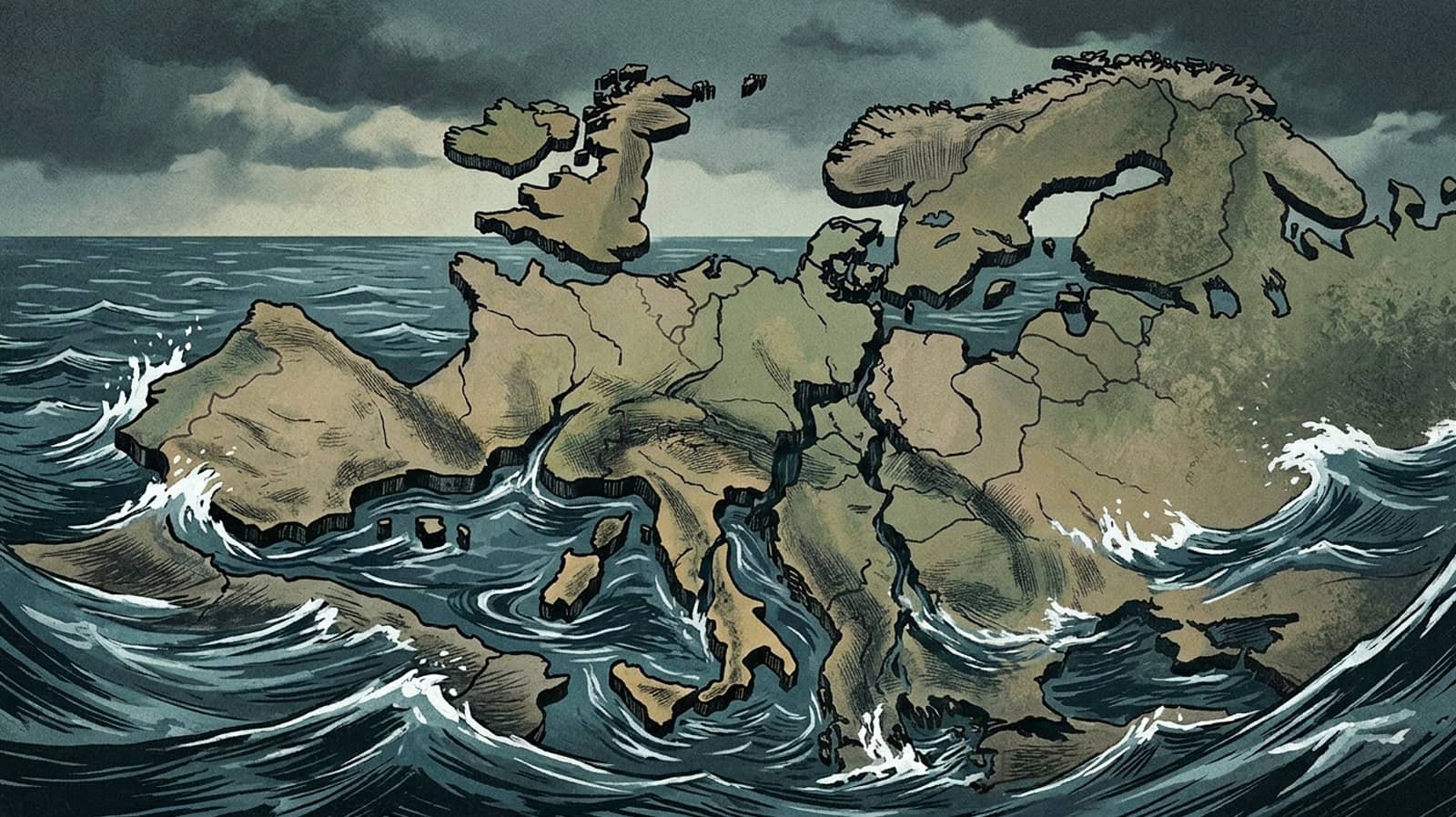
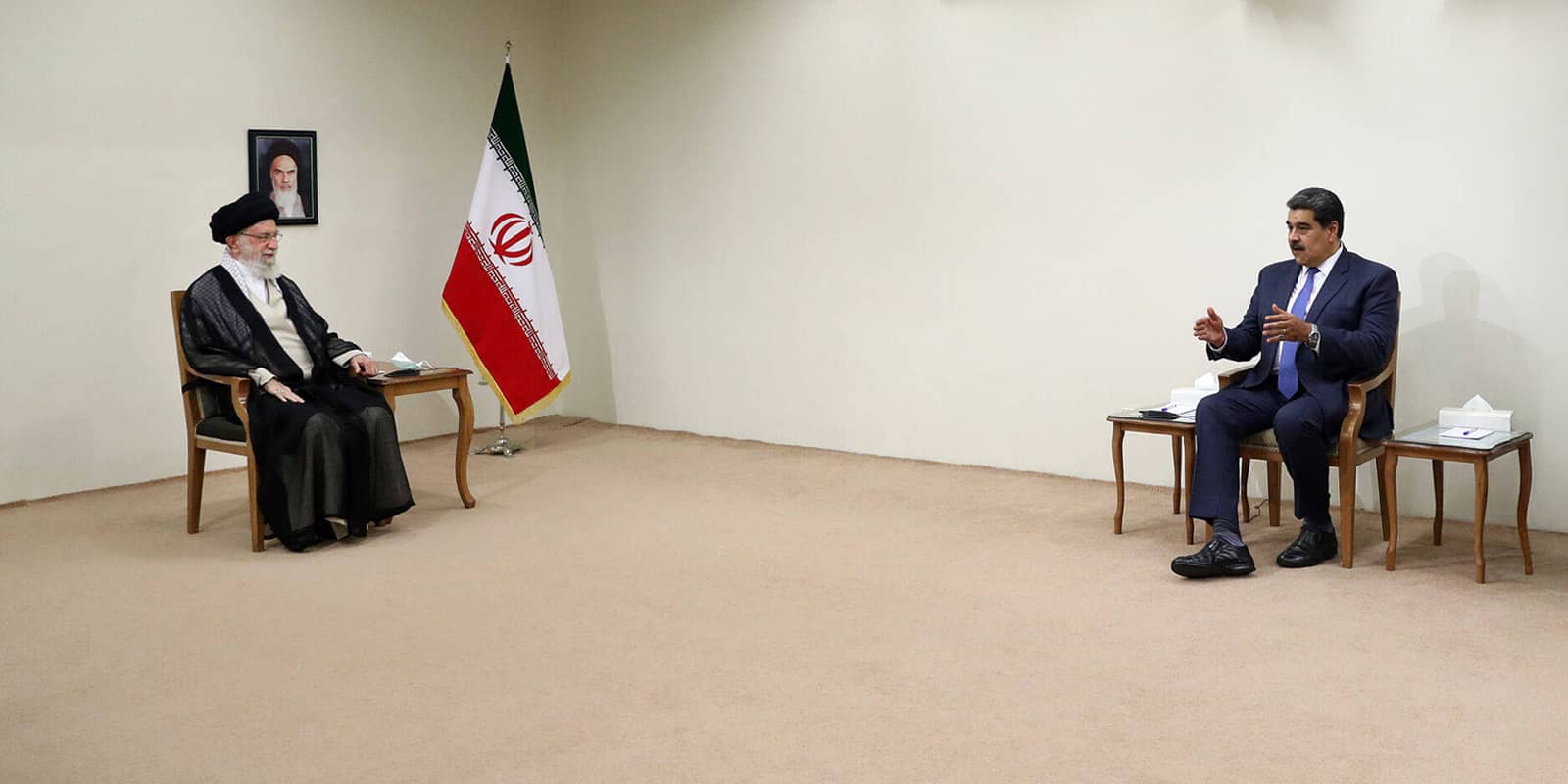
Venezuela President Maduro Visits Iran 2022 June 11, 2022, Tehran, Tehran, Iran: A handout photo made available by the Iranian supreme leader s office shows Iranian supreme leader Ayatollah ALI KHAMENEI (L) talks to Iranian president EBRAHIM RAISI (R) and Venezuelan President NICOLAS MADURO (C) during a meeting in Tehran, Iran, 11 June 2022. Alongside the likes of Russia, China, Cuba, and Turkey, Iran is one of Venezuela s main allies, and like Venezuela, it is subject to tough US sanctions. Iran is the third country that Maduro is visiting this week after trips to Turkey and Algeria. Copyright: xIranianxSupremexLeader sxOfficex

Between Caracas and Tehran

The U.S. abduction of Nicolás Maduro, withdrawal from international institutions, and return to “peace through strength” signal a strategic realignment with far-reaching consequences for Iran, its proxy network, and Israel’s security environment

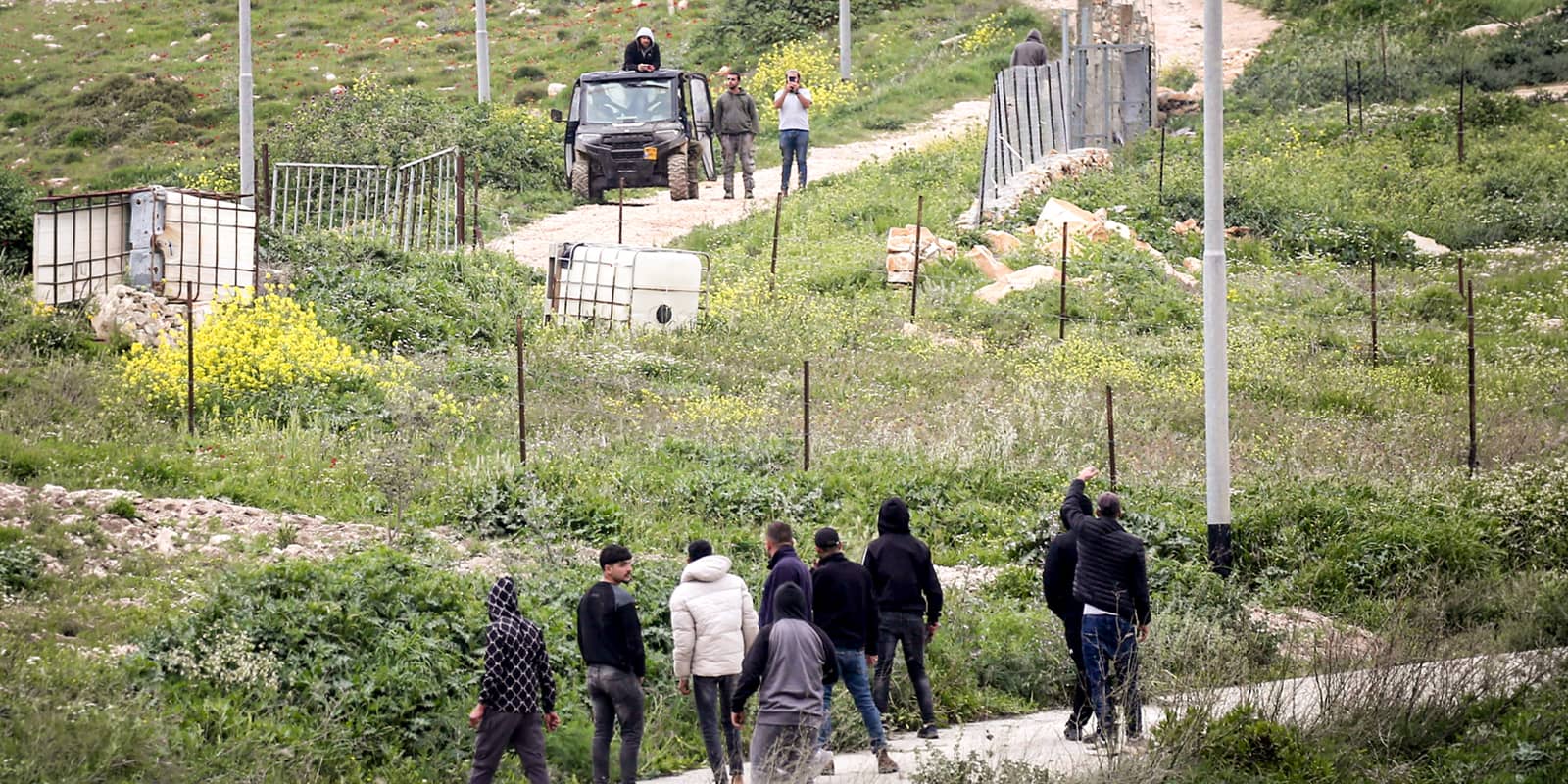
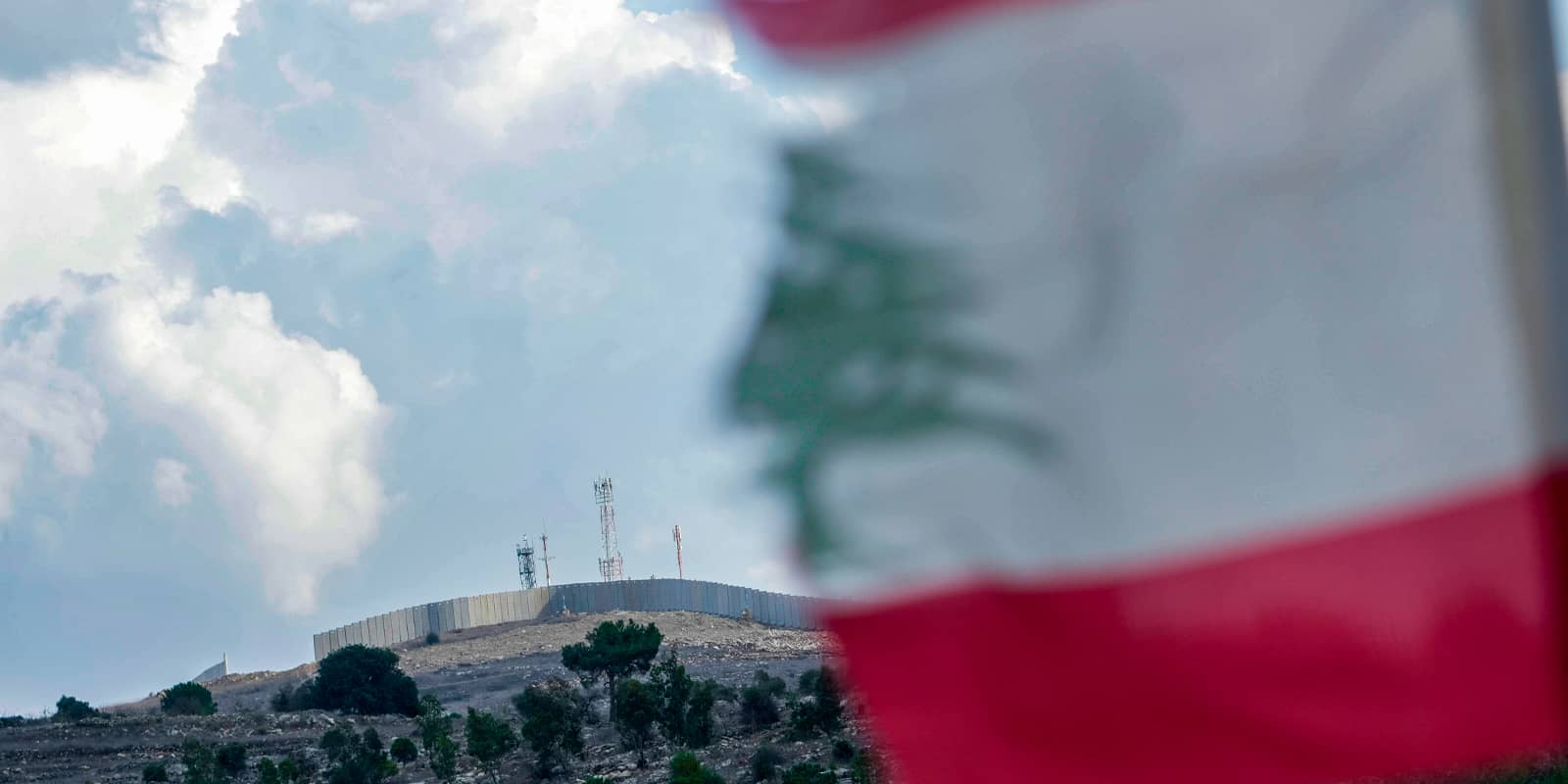
Israeli Concrete Wall in Lebanon A view of a concrete wall built by Israel near the Blue Line

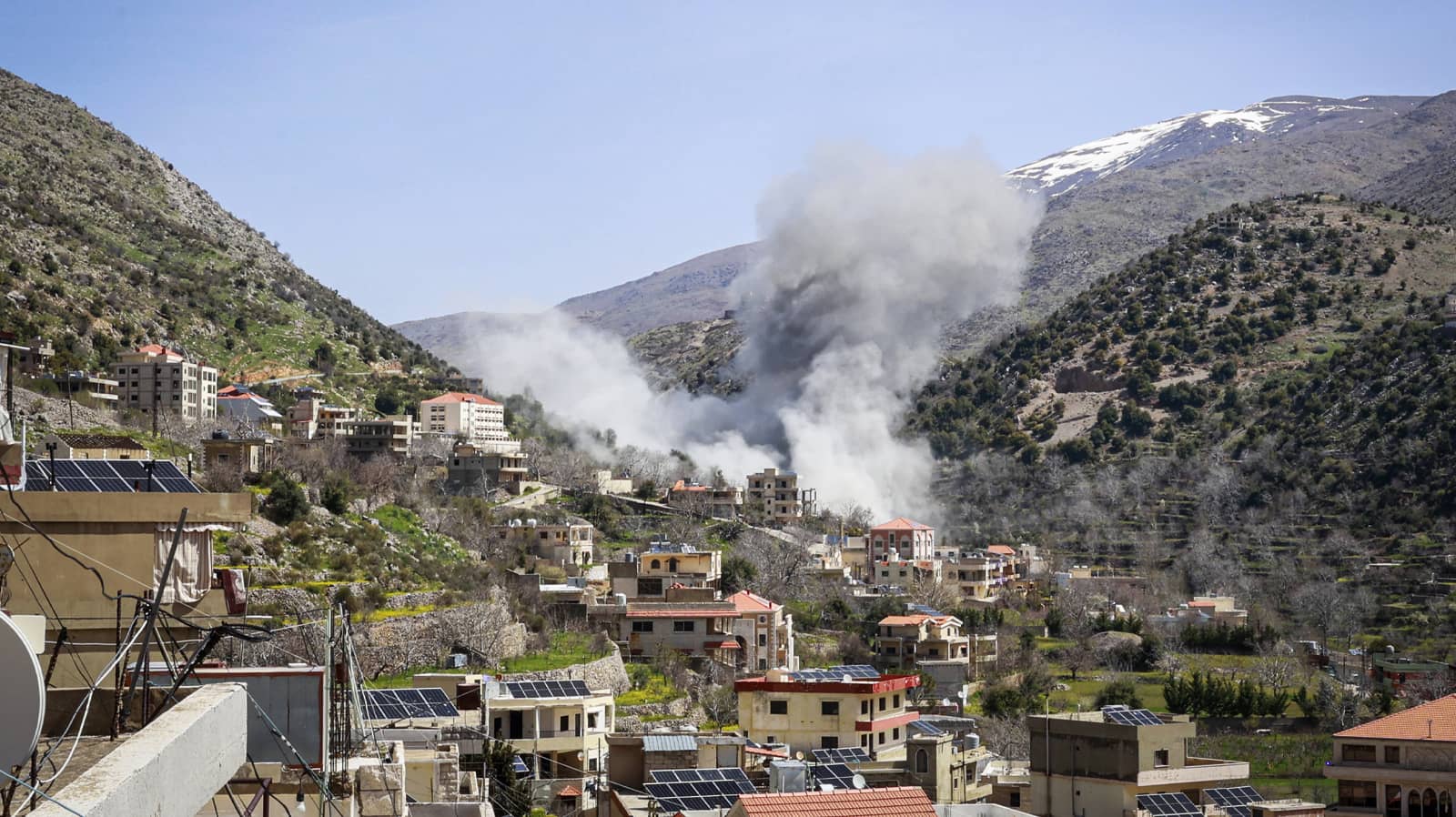
Determination and Resolve Are Required in Lebanon

Israel should fully utilize its current freedom of action in Lebanon, created by U.S. pressure on Beirut, while preparing for broad military action to complete the task against Hezbollah if diplomacy fails

משטרת ישראל, אילוסטרציה.

How to Deal with Severe Crime in Israel’s Arab Sector

Israel’s battle against severe crime in the Arab sector is a systemic failure that threatens the pillars of the state: the rule of law, national security, and public trust. The national task force created to manage this effort is, in principle, an excellent instrument, but in recent years it has been badly mismanaged. The Attorney General, who heads the force, must recognize that she is effectively leading Israel’s war cabinet against serious crime—a responsibility she cannot sidestep. She must work with the government to enable a coordinated and effective campaign against this escalating threat.

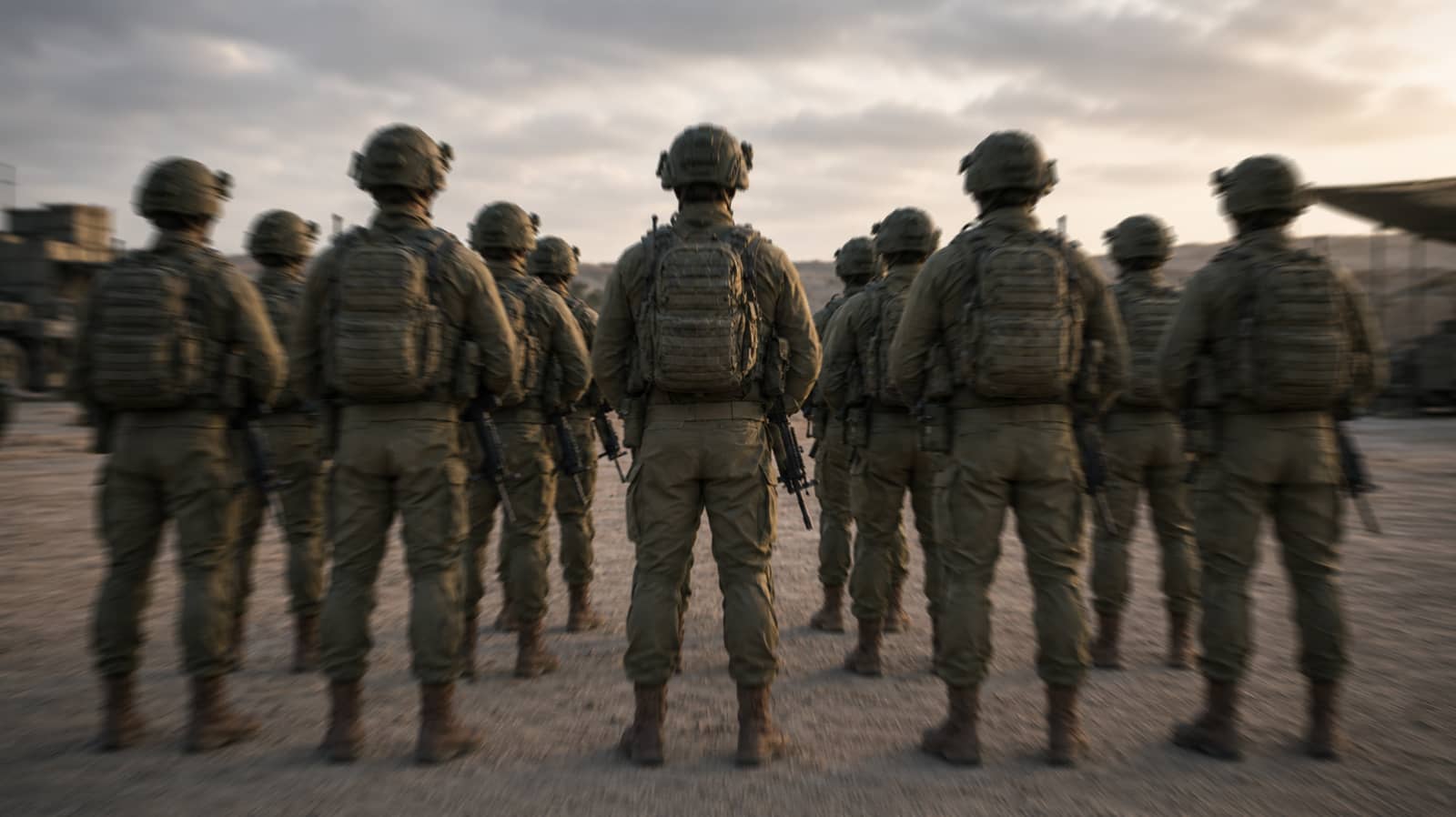
חייל צה״ל, אילוסטרציה

What Happened to the IDF?

A decline in the development of military doctrine and training has sidelined core military knowledge and produced a system misaligned with the threats Israel faces. A growing focus on technology has deepened social stratification and eroded the IDF’s combat ethos. The lessons of the War of Redemption require a fundamental restructuring. The IDF stands at a crossroads: a return to an ethos of existential mission or continued decline. The changes that have taken place from the time of the Oslo Accords to today point to the need for comprehensive reform so the army can defend the State of Israel effectively and safeguard the Jewish home for generations to come.

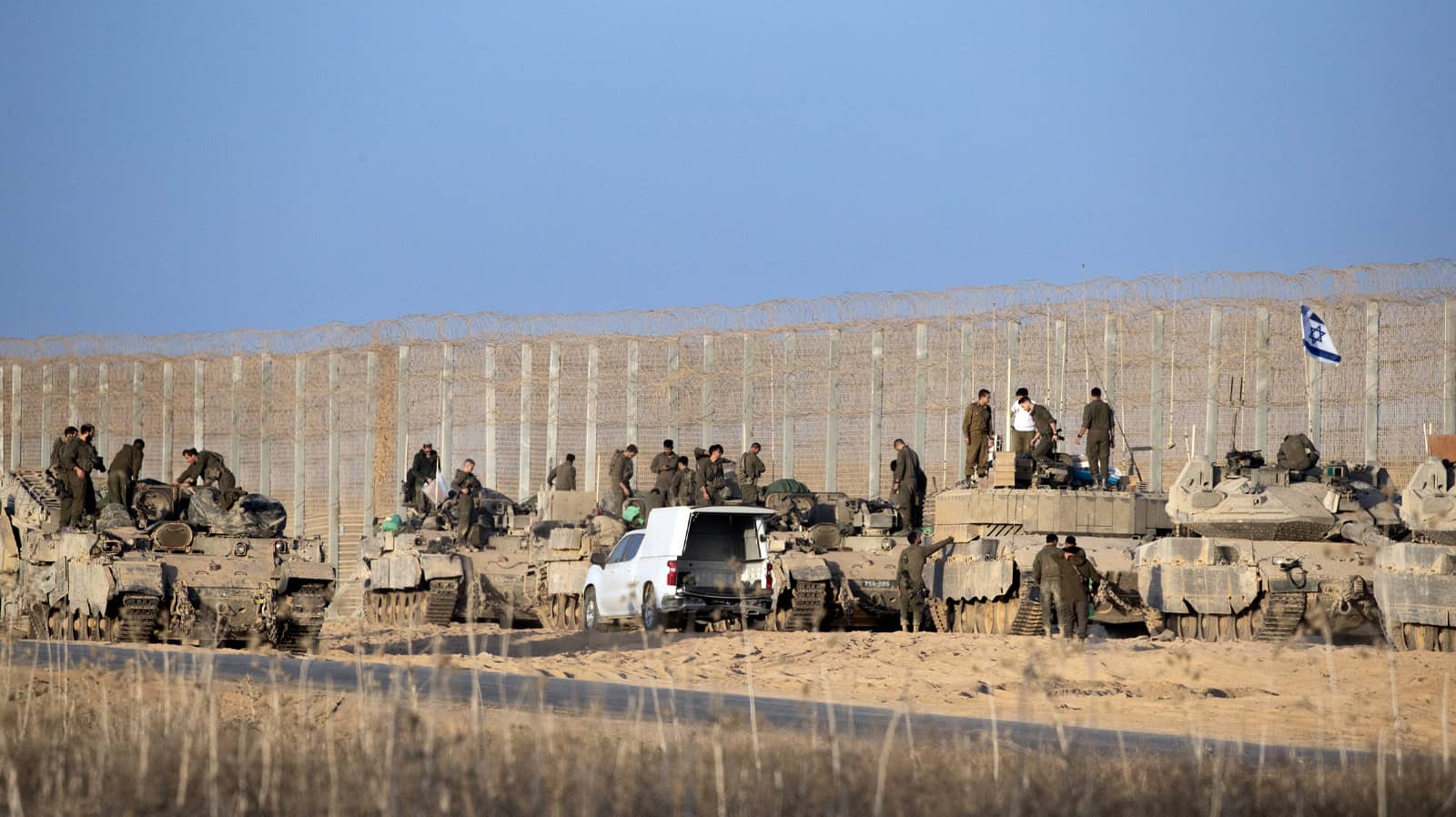
egypt border

Egypt’s Force Buildup in the Sinai: A Growing Challenge from the South

Egypt is rearming at an alarming pace and continues to violate the peace treaty’s military annex. At the same time, weapons smuggling across the border, carried out with the help of Bedouin networks in the western Negev, has intensified. Israel must respond on two fronts: diplomatically, by pressing Cairo to correct its violations, and militarily, by expanding intelligence collection and analysis and preparing operationally for the challenges Egypt presents, in order to prevent a strategic surprise


Are You In?

Join 8,000+ Subscribers who enjoy our weekly digest