

By Steve Linde, Editor-in-Chief.
The deep differences in approach between the country’s two leading security think tanks were on full display in October. The Tel Aviv-based Institute for National Security Studies (inss.org.il) presented a plan of action to separate Israel from the Palestinians.
The institute is advocating unilateral Israeli steps to reduce settlements outside the so-called settlement blocs and to create a contiguous Palestinian entity under the control of the Palestinian Authority comprising approximately 65 percent of the West Bank. The institute concedes that no peace seems to be in the offing, but argues that a “Zionist initiative” necessitates Israeli withdrawals.
The INSS is led by former Zionist Union candidate for defense minister Maj.-Gen. (res.) Amos Yadlin, former Olmert government negotiator Brig.-Gen. (res.) Udi Dekel, and former Barak government chief negotiator Gilead Sher.
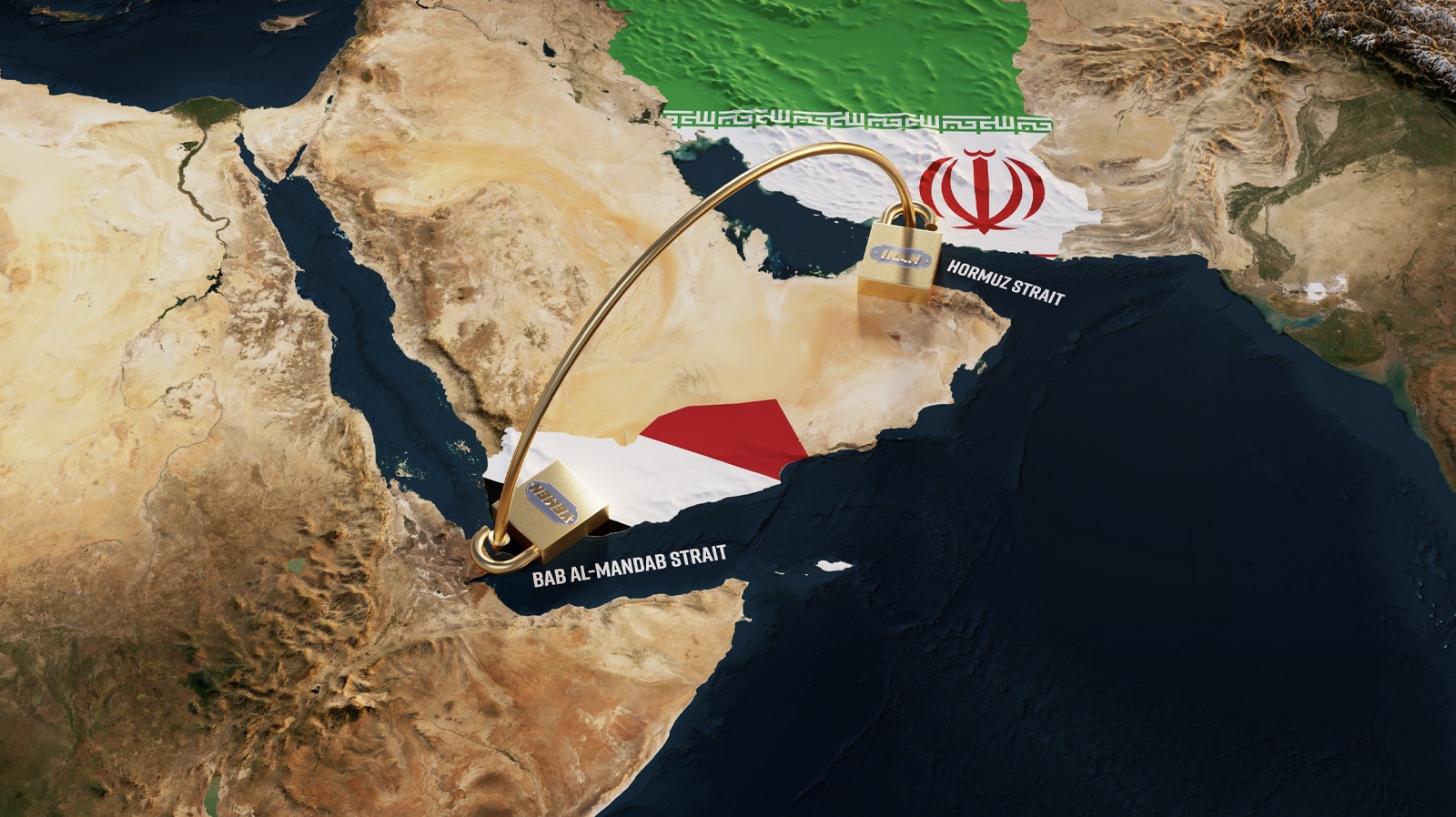
By contrast, the rival Jerusalem Institute for Strategic Studies (jiss.org.il) published a major study and ran a high-profile conference about Israel’s looming confrontation with Iran, arguing that pushing Iran out of Syria may take a full-scale war, and that this may be worth the sacrifice to prevent an Iranian forward base of attack against Israel.
Defense Minister Avigdor Liberman and Strategic Affairs Minister Gilad Erdan were among the speakers at the JISS conference on Iran held in Jerusalem on October 21.
The Jerusalem-based security think tank is led by the conservative strategist Prof. Efraim Inbar, former national security advisor to Prime Minister Benjamin Netanyahu Maj.-Gen. (res.) Yaakov Amidror, and former deputy national security advisor to Netanyahu Col. (res.) Dr. Eran Lerman.
The founding vice president of JISS, North American immigrant David M. Weinberg (who is also a longtime columnist for The Jerusalem Post), published a scathing critique of the INSS withdrawal plan. He called it “warmed-over withdrawal syndrome.”
“Unilateral Israeli withdrawals will not enhance Israeli security nor improve Israel’s international position and moral standing; and it will rip Israeli society apart, for no good reason. And as the Lebanon and Gaza precedents proved, unilateral Israeli withdrawals only guarantee continuation of the conflict and even its escalation, not its de-escalation,” Weinberg says.
In its first year of operation, JISS certainly has made its mark, assembling a top-notch team of experts as research fellows, producing a quality intellectual product – over 200 policy-oriented studies and opinion articles, dominating Israeli security policy debate in the local and global media, and engaging intensively with Israeli and foreign policymakers.
The institute seeks “to counter debilitating currents in Israeli defense and diplomatic discourse, give expression to a realist strategic worldview, and reinforce the healthy, steadfast instincts of the Israeli majority.”
As an example, JISS executives point to polls that show a solid majority of Israelis (64%) believing that Israel must rule the entire Jerusalem envelope for security and ideological reasons. Even larger majorities believe that Israel must maintain sovereignty over the Temple Mount whatever diplomatic accords emerge (72%), and that Jews should be able to pray on the Temple Mount (68%).
“Our Jerusalem security institute advances pragmatic policies that keep Israel strong and will lead to peace in the long term; emphasizes security in diplomatic agreements and rejects unilateral Israeli moves that strengthen adversaries; promotes the Jewish People’s historic connection to the Land of Israel as a central component of a strategic worldview; and insists on the importance of a united Jerusalem to Israel’s security and destiny,” says Weinberg.
Another focus of the Jerusalem security institute is training the next generation of national security specialists – a younger cohort from the Israeli academic, intelligence, military and foreign policy communities.
Without taking sides, in the spirit of true democracy and robust debate, may both of these Israeli think tanks thrive and prosper!
The Jerusalem Report, 12.11.2018
Source: https://jiss.org.il/en/inss-vs-jiss-worthy-intellectual-battles/