Cybercrime or Political Warfare?
Be it the work of cybercriminals or a state actor with as-yet unclear motives, the Bank Sepah hack and the leak of IRGC personnel data expose the vulnerability of Iran’s financial system

Dr. Avi Davidi is a senior Research Fellow at the Jerusalem Institute for Strategy and Security (JISS) and the Elrom Air and Space Research Center, Tel Aviv University. With over 36 years of experience in U.S.-Israel-Iran relations, strategic intelligence, and cyber threats, he is a recognized expert on Iranian affairs. Dr. Davidi previously served as Iran Director at Israel’s Ministry of Strategic Affairs, led digital diplomacy at the Ministry of Foreign Affairs, and was the Editor-in-Chief of the Times of Israel in Persian. Since December 2025, he has been serving as Head of the National Projects Division of the “Horizon” Division at the Ministry of Innovation, Science and Technology. He holds a Ph.D. in International Relations from the University of Southern California (USC).
Email address: [email protected]
Be it the work of cybercriminals or a state actor with as-yet unclear motives, the Bank Sepah hack and the leak of IRGC personnel data expose the vulnerability of Iran’s financial system

Foreign Policy and the Nuclear Issue ⮚ IAEA Report and the Reimposition of UN Sanctions On May 31, 2025, the International Atomic Energy Agency (IAEA)

Foreign and Nuclear Policy The sixth round of talks between Iran and the United States on the nuclear issue took place in Rome on May

Avi Davidi is quoted in the article
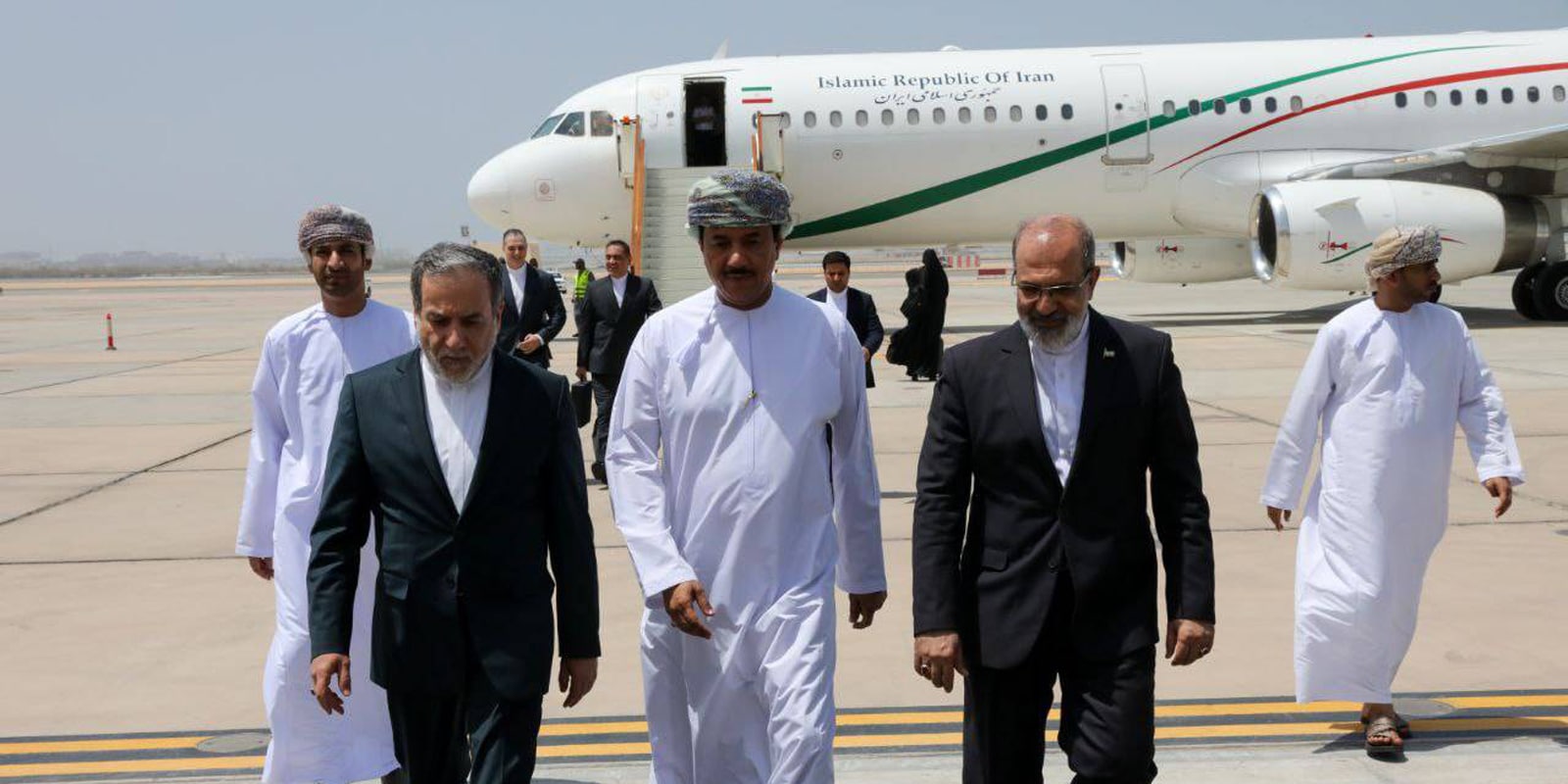
This update monitors the nuclear talks, military deployments, and economic, social and political crises in Iran. Its purpose is to provide decision-makers with up-to-date insights and early warnings regarding potential strategic shifts in the Iranian arena.
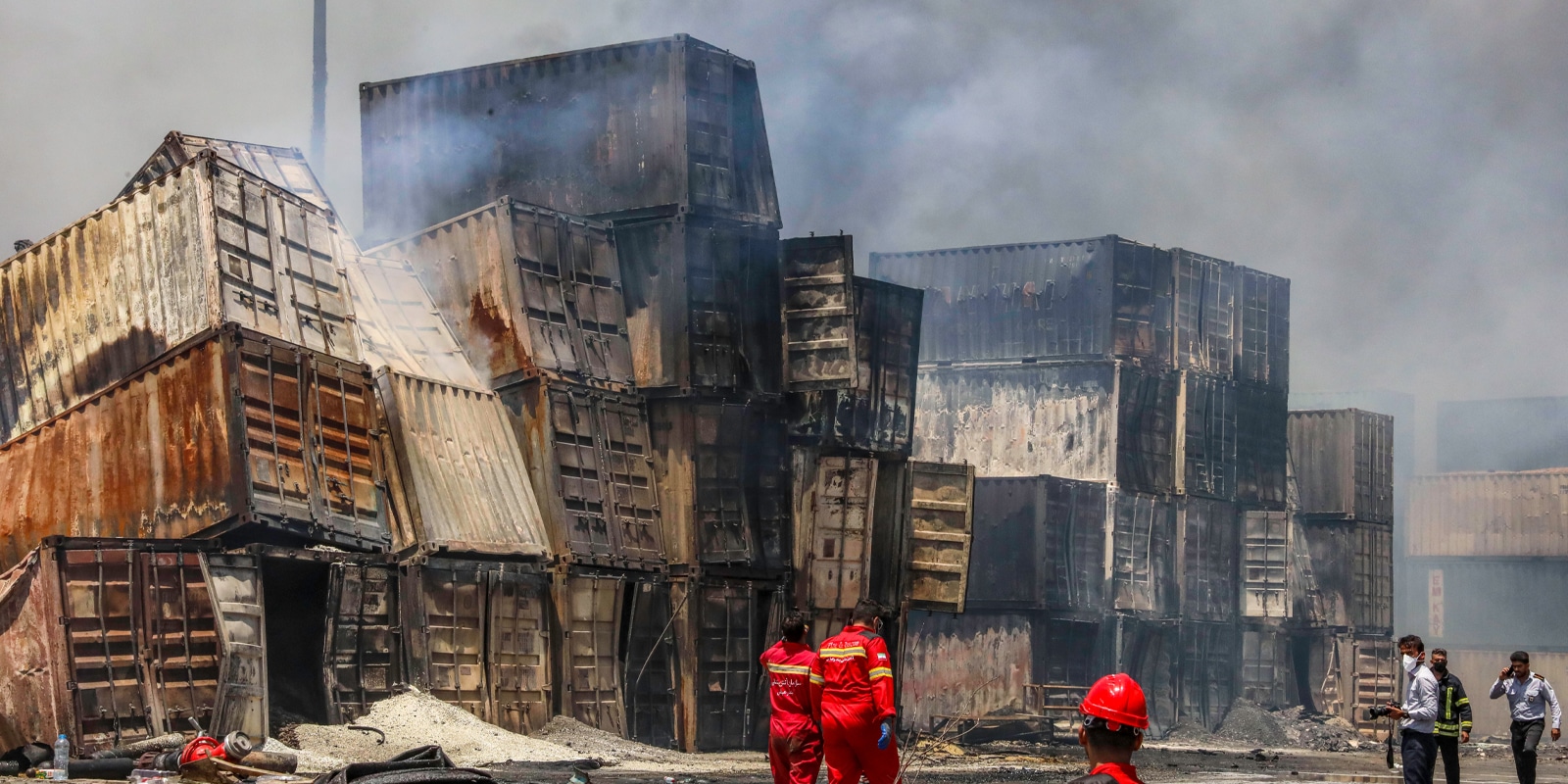
A Series of Mysterious Explosions in Iran Raises Questions: Are These Fatal Malfunctions or Intentional Sabotage?
Total of 31 articles in English
24 articles
Introduction: Not a Breakdown, a Method Recent reports that Iran blamed attacks on vessels in the Strait of Hormuz on “rogue elements”…
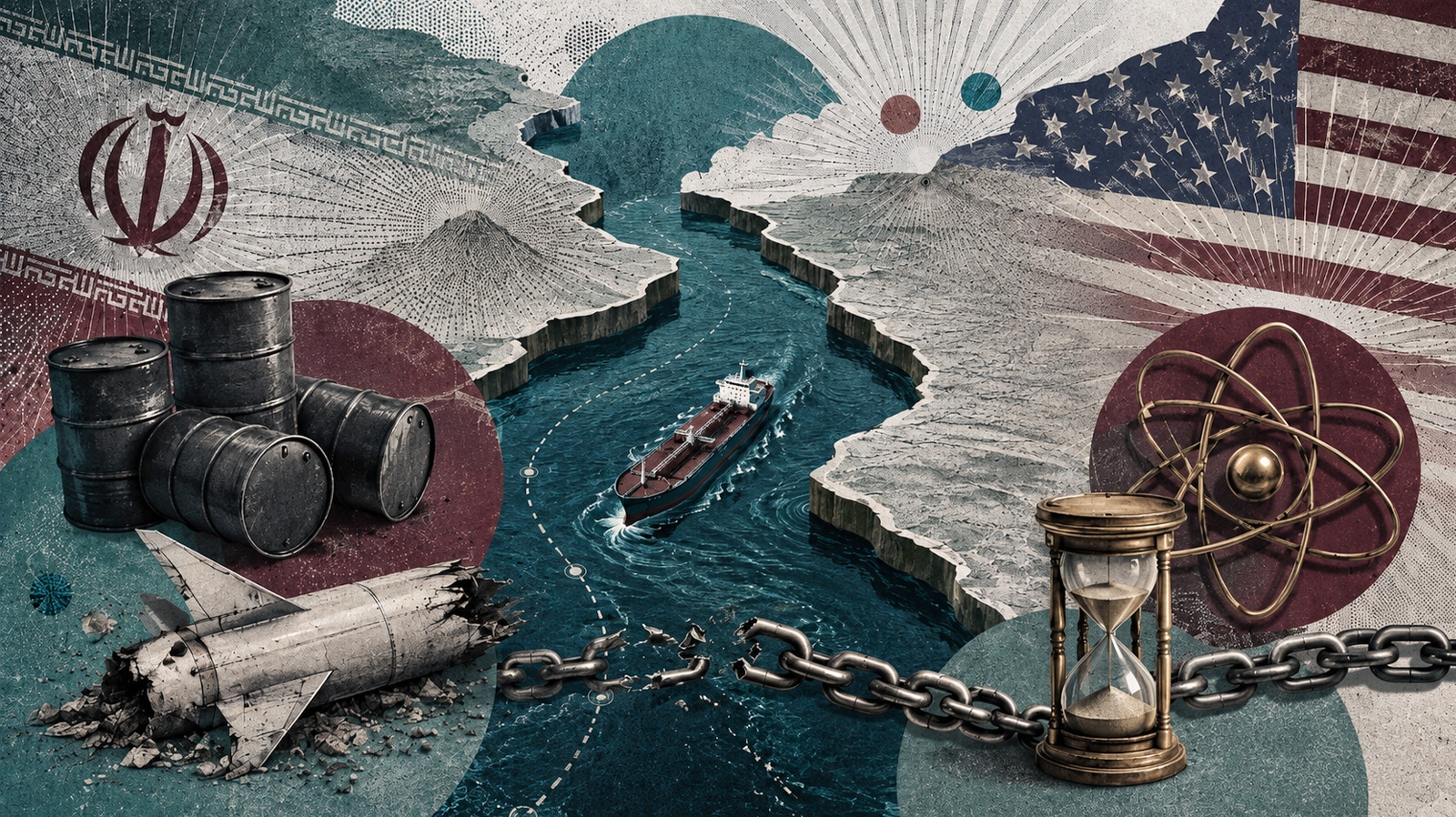
Introduction The U.S.–Iran memorandum of understanding signed in mid-June 2026 abruptly changed the course of the United States-Israeli campaign against Iran launched…
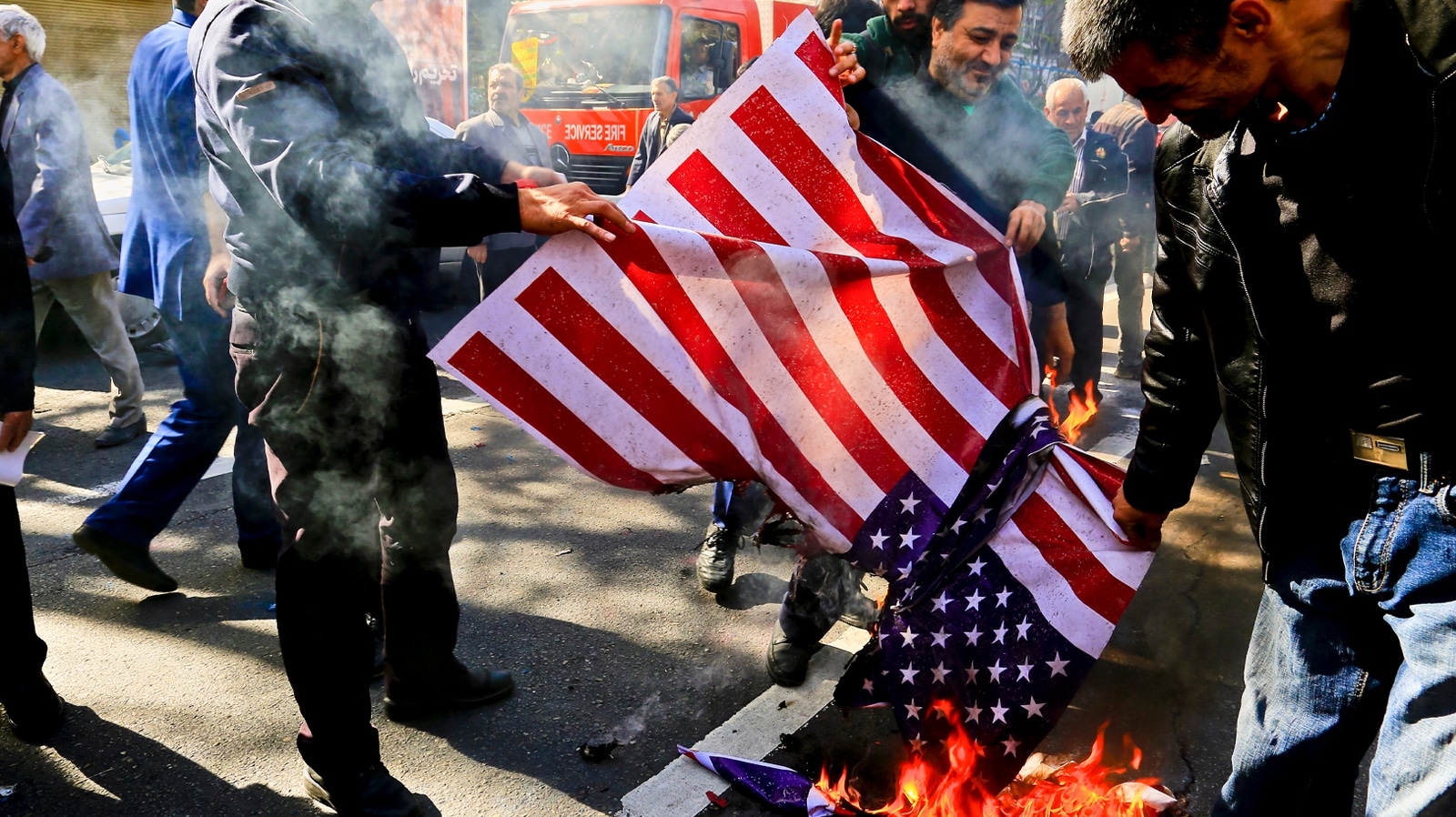
Article 2’s ambiguous noninterference clause could become a flashpoint over human rights, political influence, propaganda, and cyber activity.
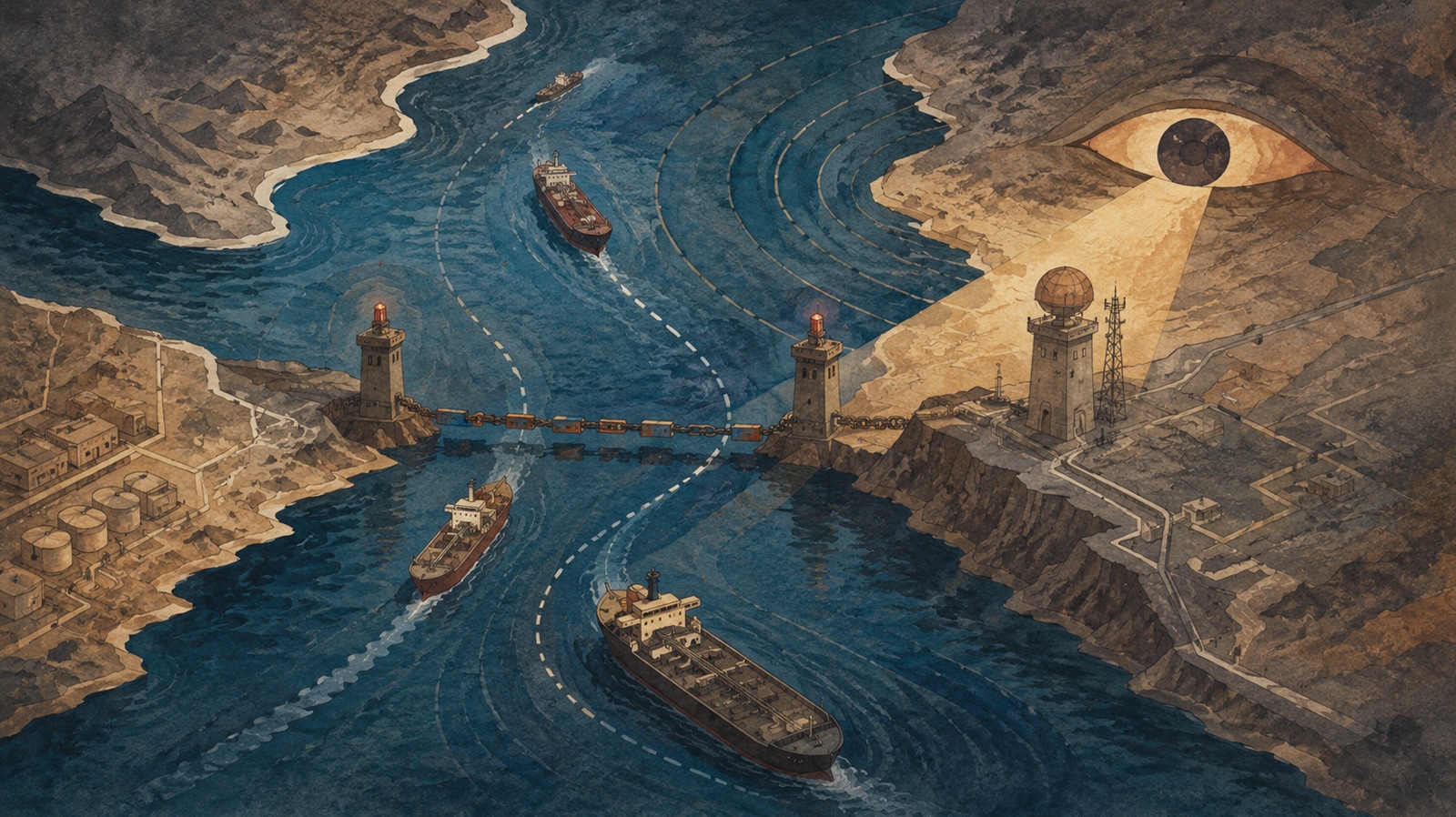
Introduction Developments in the Strait of Hormuz during the 2026 war between Iran, Israel, and the United States may ultimately prove to…
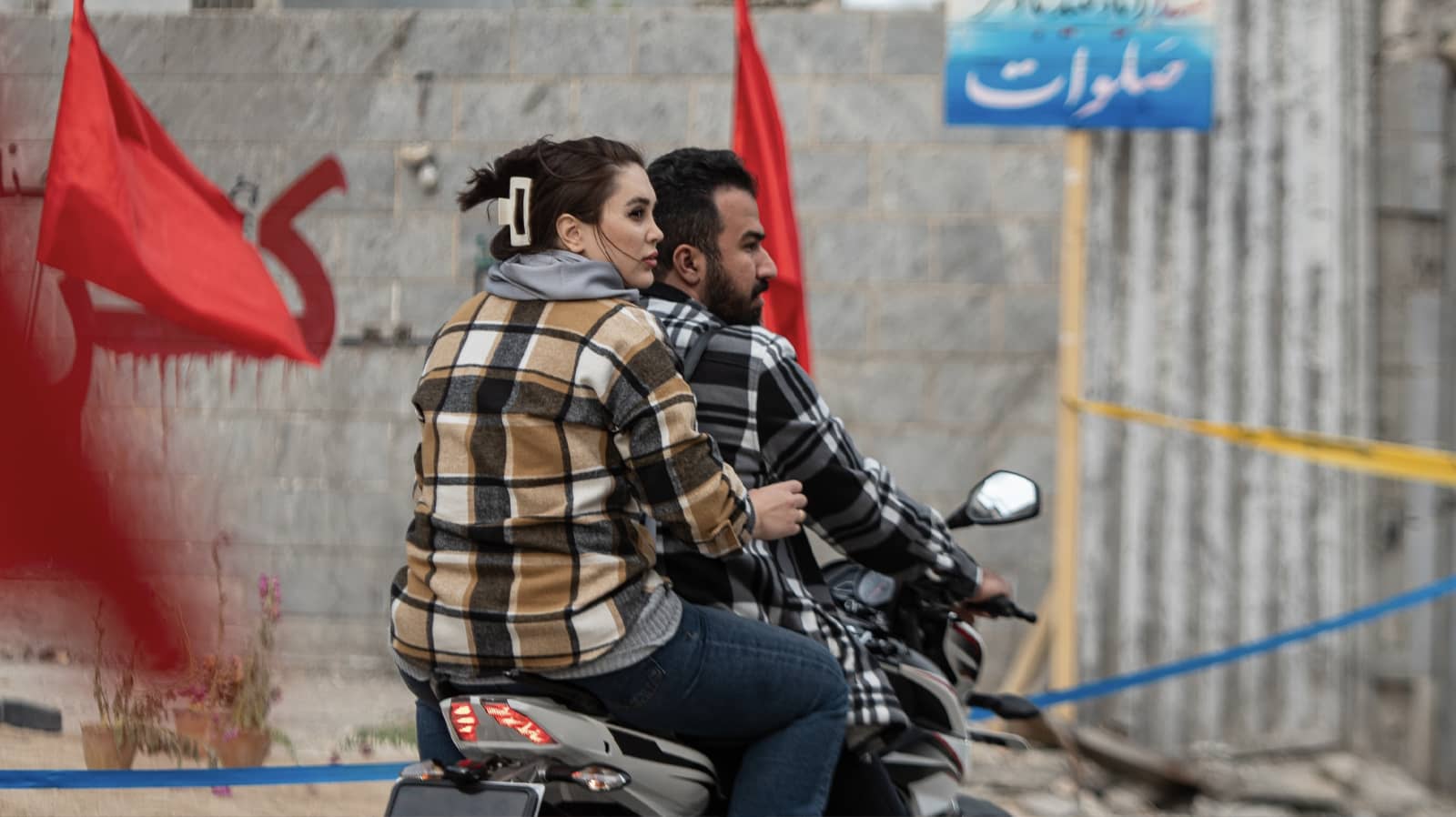
Introduction: Adopting Flexibility During the war with the United States and Israel, the Iranian regime acted systematically and aggressively to identify, map,…
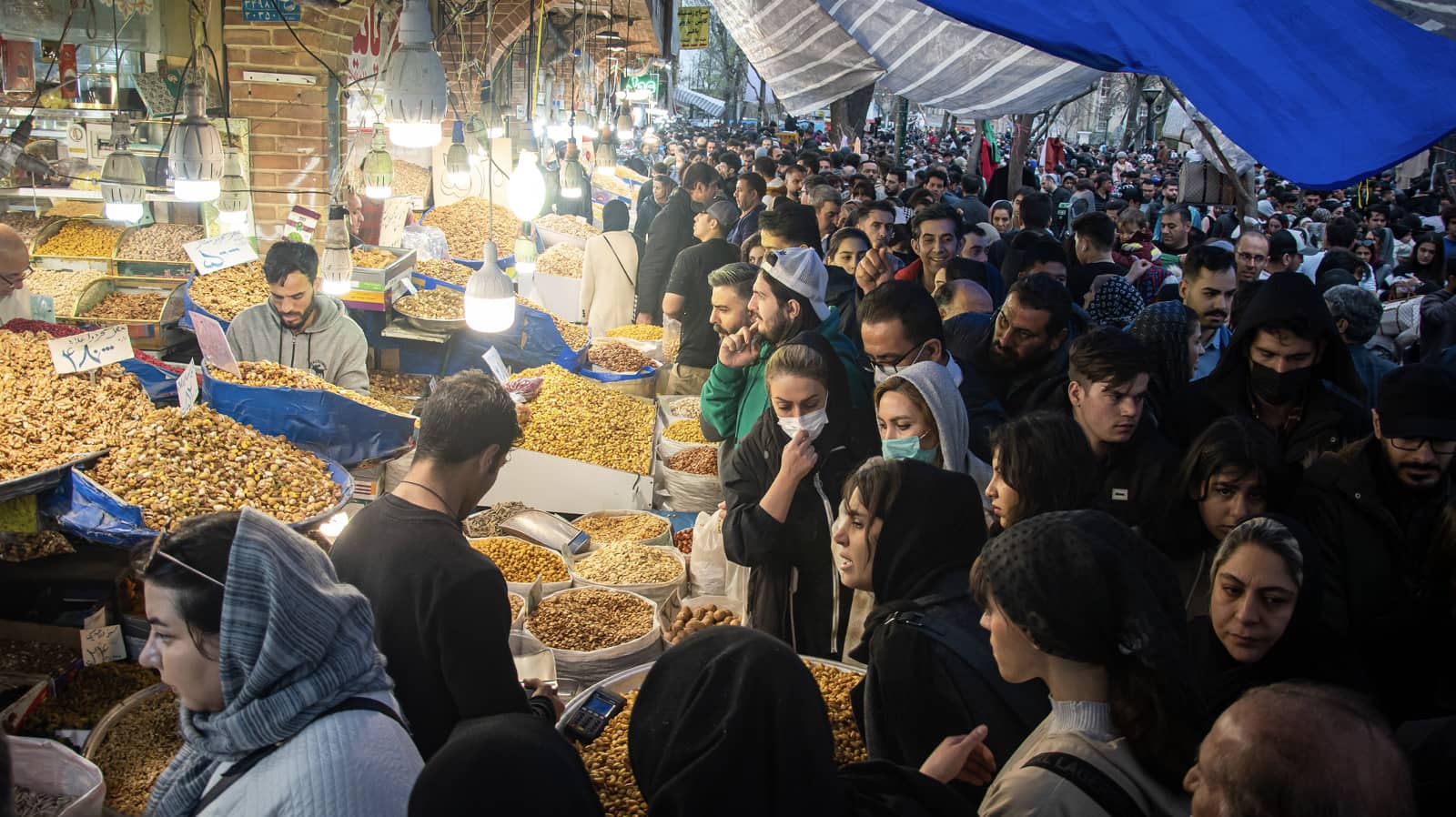
As oil exports stall, industrial output weakens, and financial systems come under pressure, Iran’s economy is moving closer to a strategic breaking…
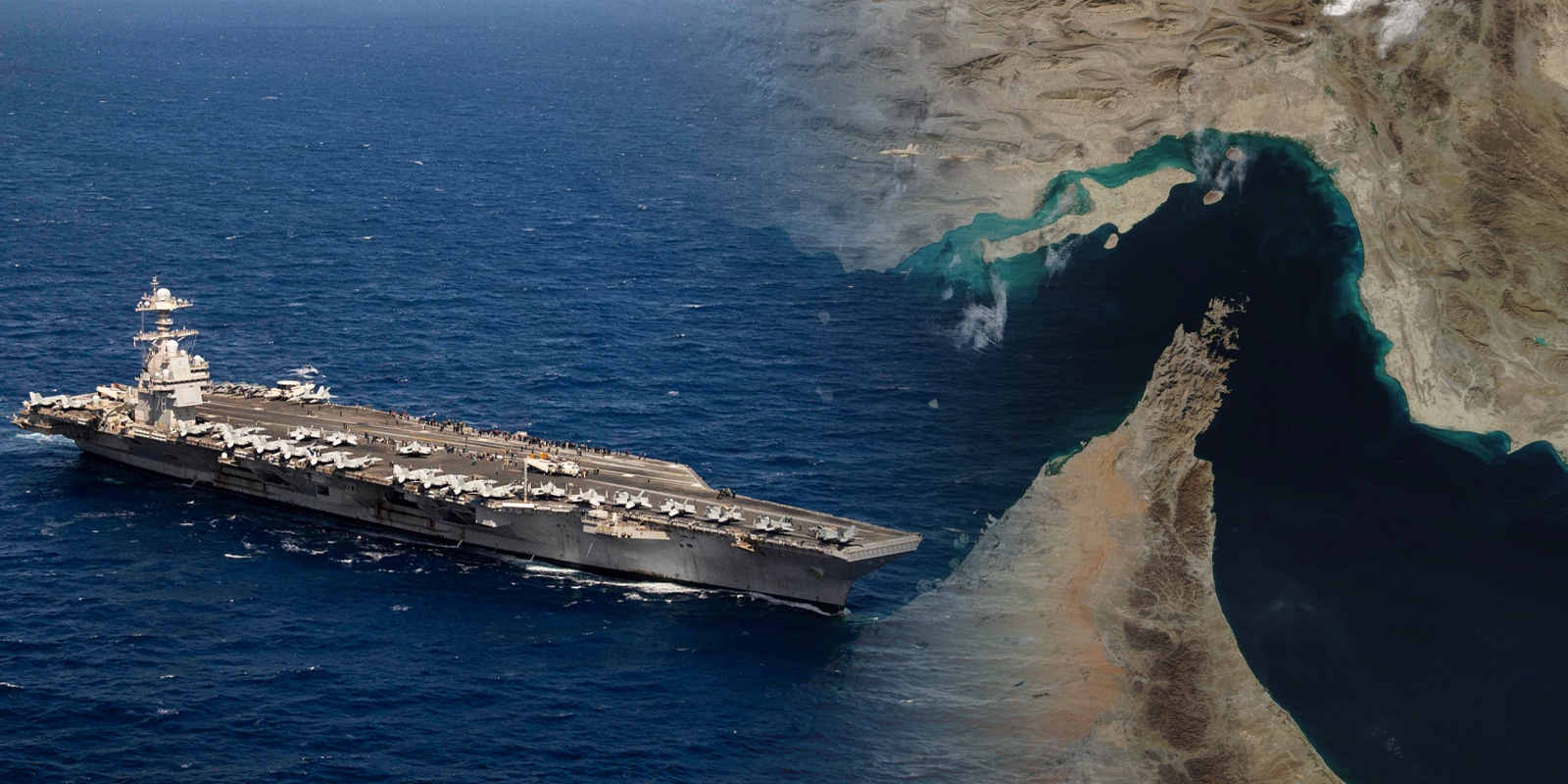
Introduction: From Deterrence to Attrition For years, Iran has recognized that it cannot match Israel or the United States in a direct…
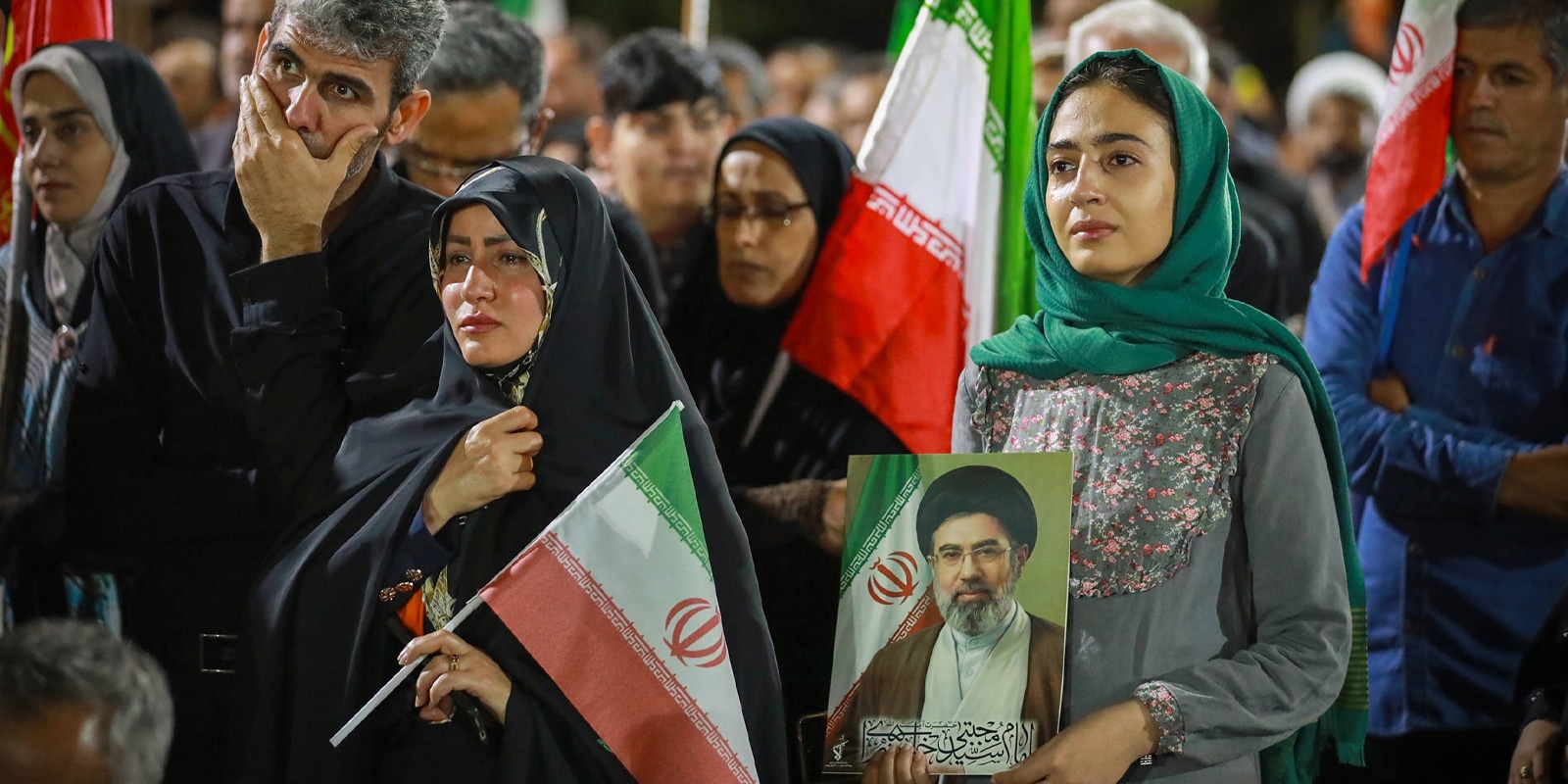
This paper analyzes how Iran’s internal arena shapes regime decision-making during the war. The findings point to relative stability and effective control,…
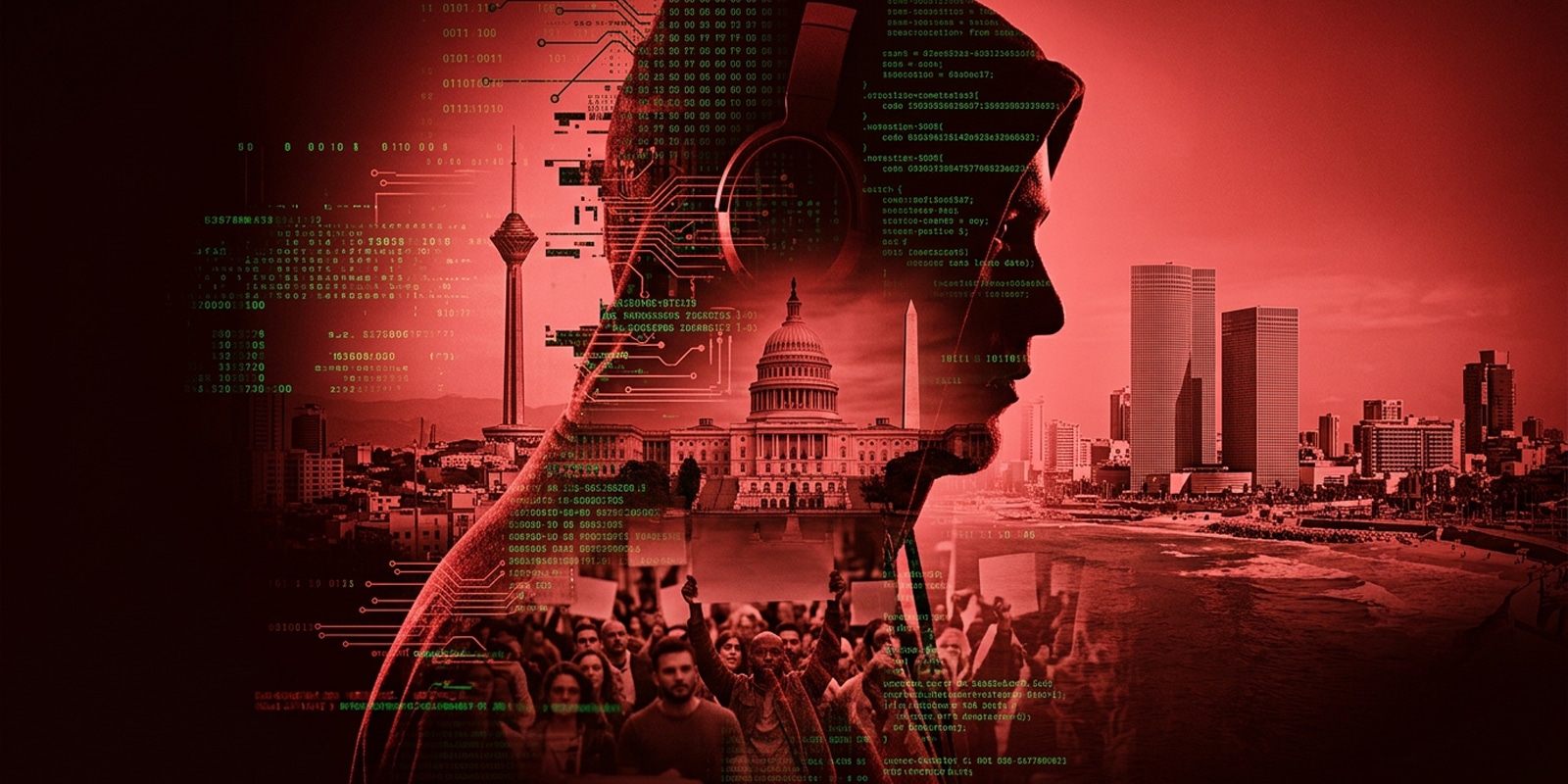
The Handala Hacking Group as a Case Study of Iran’s Cyber Proxy Strategy During the 2026 War with Israel and the United…

Introduction This paper analyzes the wave of protests that swept in Iran in late December 2025 and early January 2026, examining how…

For years, Iran has employed overt and covert influence mechanisms against its adversaries[1]—foremost among them Israel and the United States, and at…

1. Introduction The global artificial intelligence revolution has not escaped Iran’s notice. Despite heavy sanctions and an unprecedented economic crisis, Iran is…
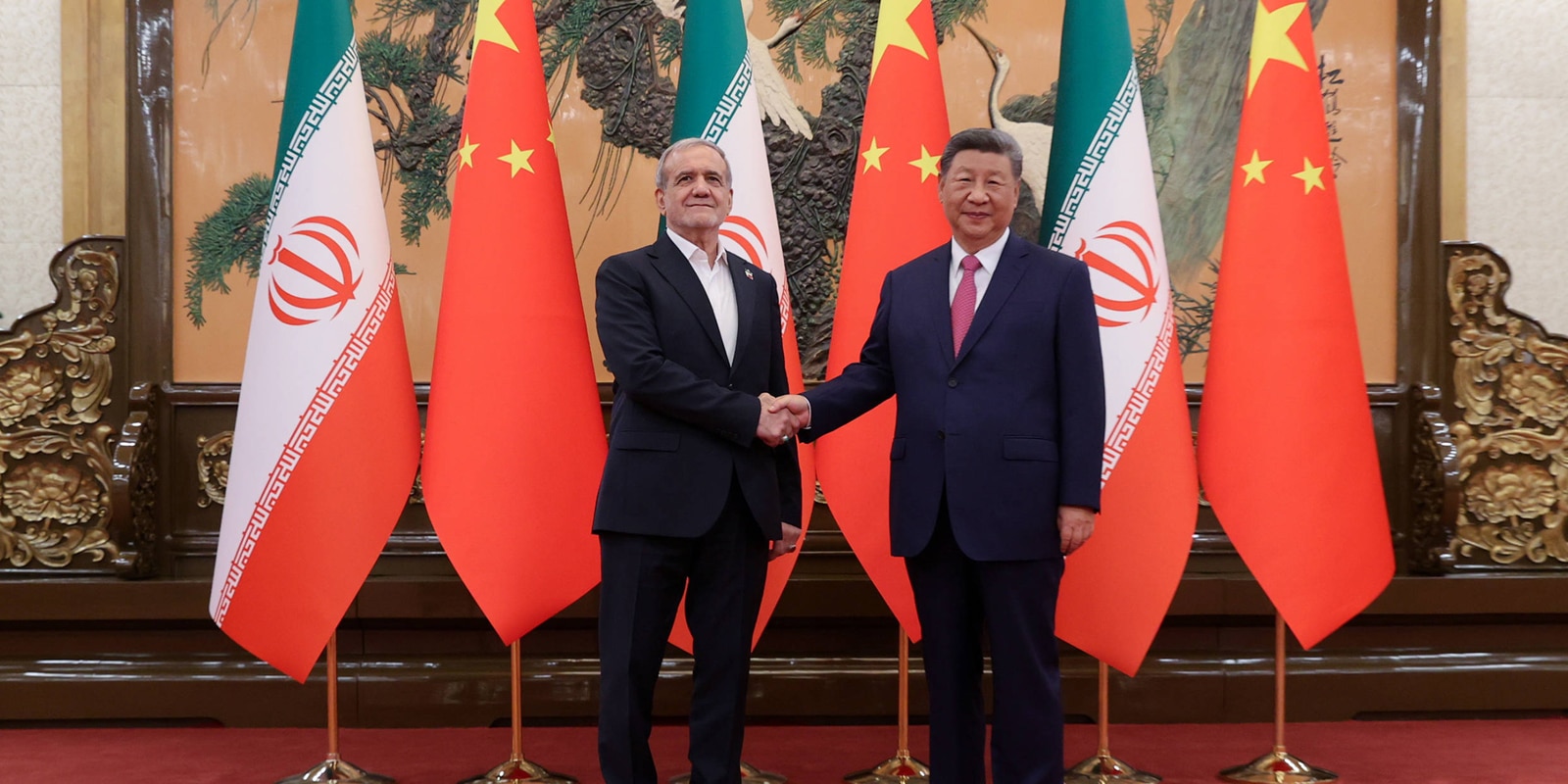
Following Operation Rising Lion, Tehran Adjusts Its Balance between Moscow and Beijing—an Evolution, Not a Revolution, in Iranian Strategy
Executive Summary The Iranian regime is currently grappling with an unprecedented economic and energy crisis that is directly impacting its domestic, regional,…
How Tehran exploits cyber personae for asymmetric warfare—projecting power, targeting Israel and dissidents, and compensating for weakened military capabilities.

The conflict’s aftermath has opened space for moderate policies, though the shift may fade once the crisis passes

Since Israel and Iran agreed to cease fire on June 24, 2025, Tehran has once again found itself grappling with the same…

In the International Arena On June 21, the United States attacked the nuclear facilities at Natanz, Fordow and Isfahan with a combined…

Introduction The internal situation in Iran has reached a boiling point. Reports coming out of the country indicate that internet restrictions have…
Be it the work of cybercriminals or a state actor with as-yet unclear motives, the Bank Sepah hack and the leak of…
Foreign Policy and the Nuclear Issue ⮚ IAEA Report and the Reimposition of UN Sanctions On May 31, 2025, the International Atomic…
Foreign and Nuclear Policy The sixth round of talks between Iran and the United States on the nuclear issue took place in…
This update monitors the nuclear talks, military deployments, and economic, social and political crises in Iran. Its purpose is to provide decision-makers…
A Series of Mysterious Explosions in Iran Raises Questions: Are These Fatal Malfunctions or Intentional Sabotage?
1 articles

An interview with Dr Avi Davidi
6 articles

The Times of Israel, 10.06.2026 Click here to read the article

Dr. Avi Davidi is quoted in the article

GB News, 22.06.2025 https://www.youtube.com/live/K6VwN_XPQTo?feature=shared&t=9661

Avi Davidi is quoted in the article
Avi Davidi is quoted in the article
Avi Davidi is quoted in the article