A Policy-Oriented Think Tank Addressing Foreign Policy and National Security Issues for a Safe Israel

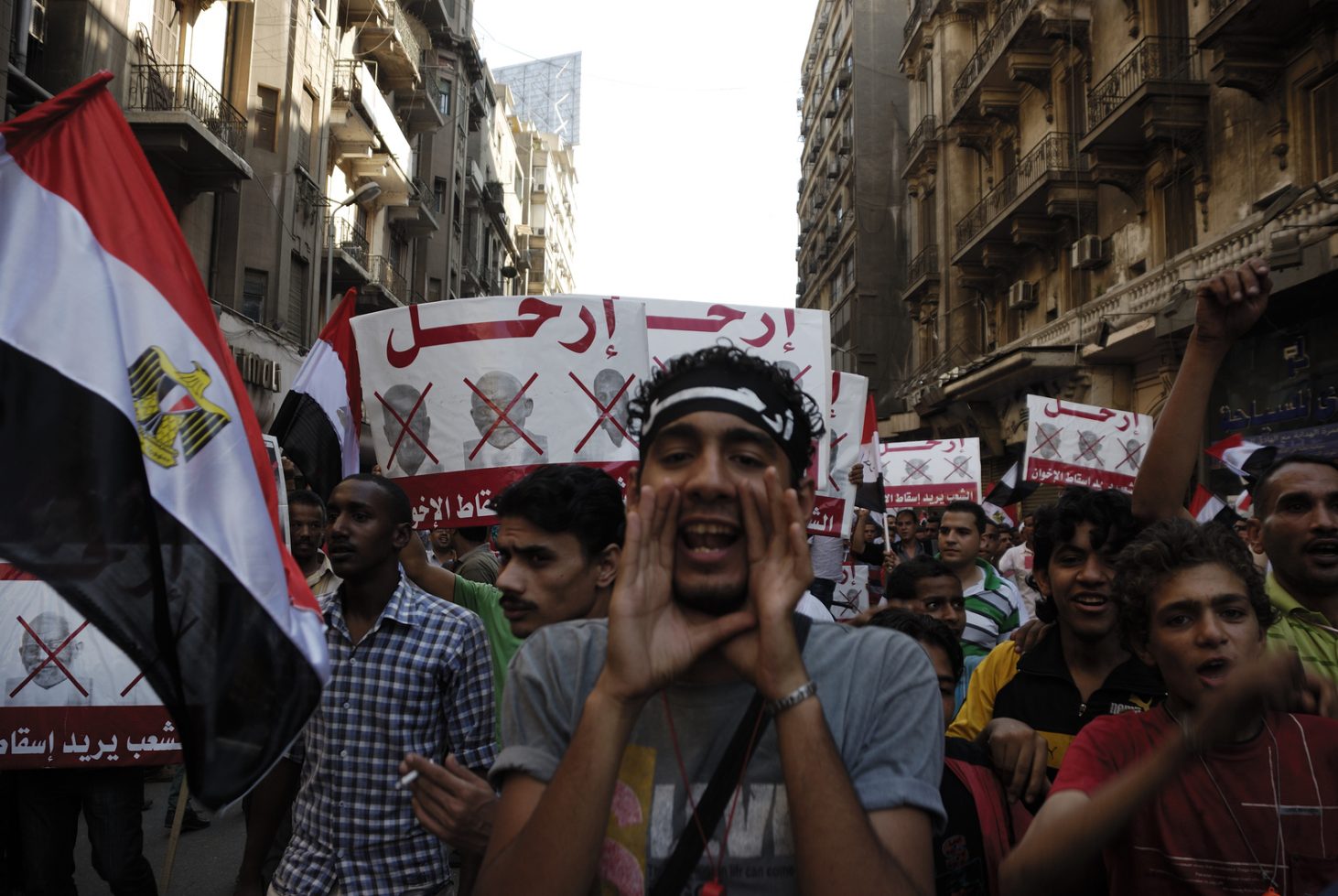
CAIRO - JUNE 30: Unidentified anti Muslim Brotherhood/Morsi protesters in Tahrir Square shout slogans calling for Morsi's resignation on June 30 2013 in Cairo Egypt.

The Second Wave?

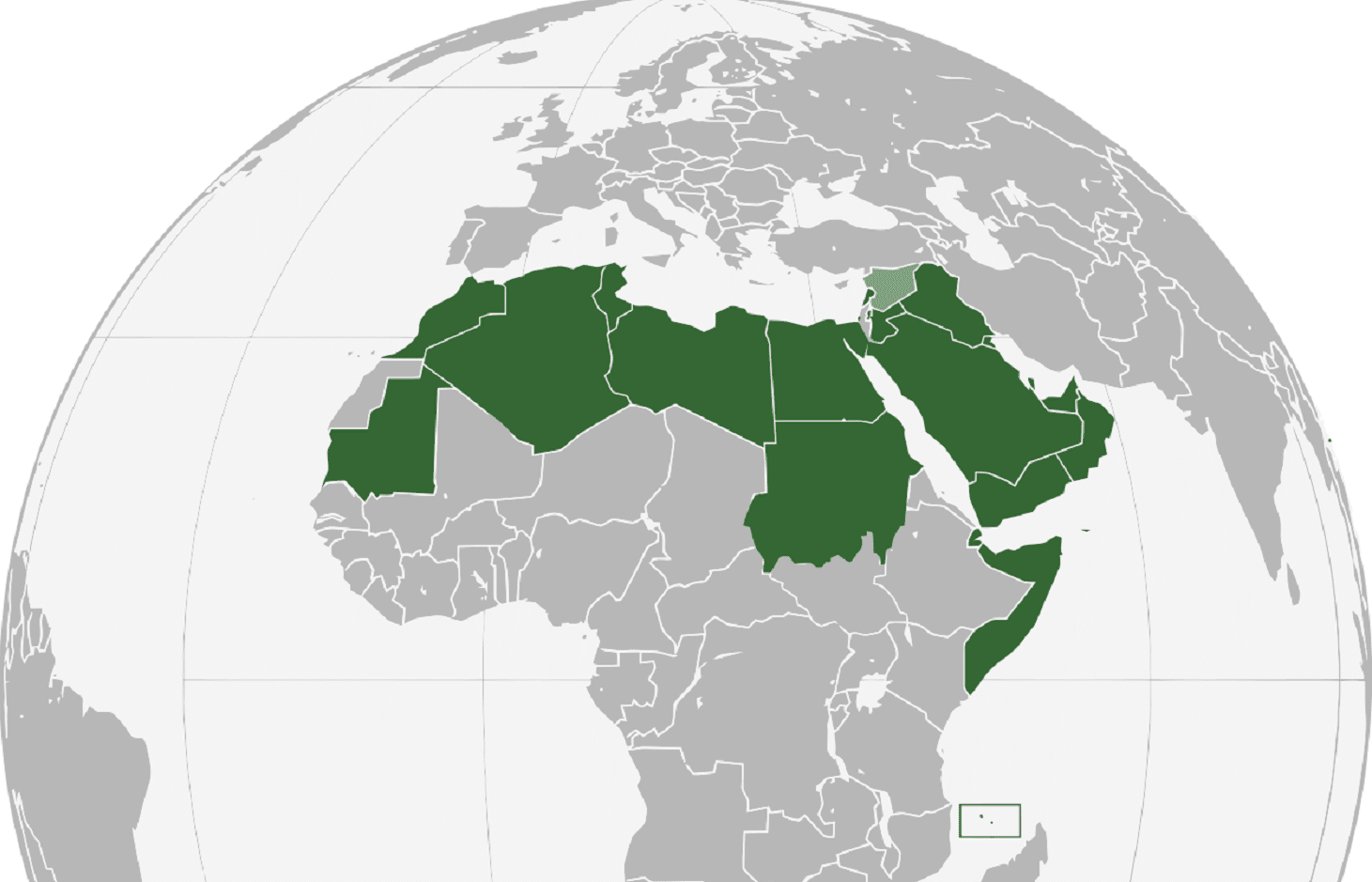
Much ink has been and is being spilt regarding whether or not current developments in Algeria and Sudan – the second and third most populous Arab states after Egypt – constitute the Second Wave of the “Arab Spring”. But what is clear is that the second and succeeding waves of Arab Uprisings will not look the same as that of 2011.

Syria’s Return to the Arab Fold

Arab countries are re-normalizing their relations with the Assad regime, seeking to balance the strong Iranian and Turkish influences in Syria and to achieve some degree of influence in a new Syrian political-strategic structure. This further cements a Russian-oriented strategic architecture in the region. In the long term, this could lead to tensions between conservative Arab states and Israel, if Israel targets the Syrian military and government in the campaign against Iran, or if Israel continues to promote diplomatic recognition of its Golan annexation.

Will Saudi Arabia establish full diplomatic ties with Israel?

Will Saudi Arabia establish full diplomatic ties with Israel?

Dr. Joshua Krasna: I don’t think it’s likely we will see formal diplomatic relations with Saudi Arabia, or indeed with any of the Gulf Arab states, at any time in the near future.

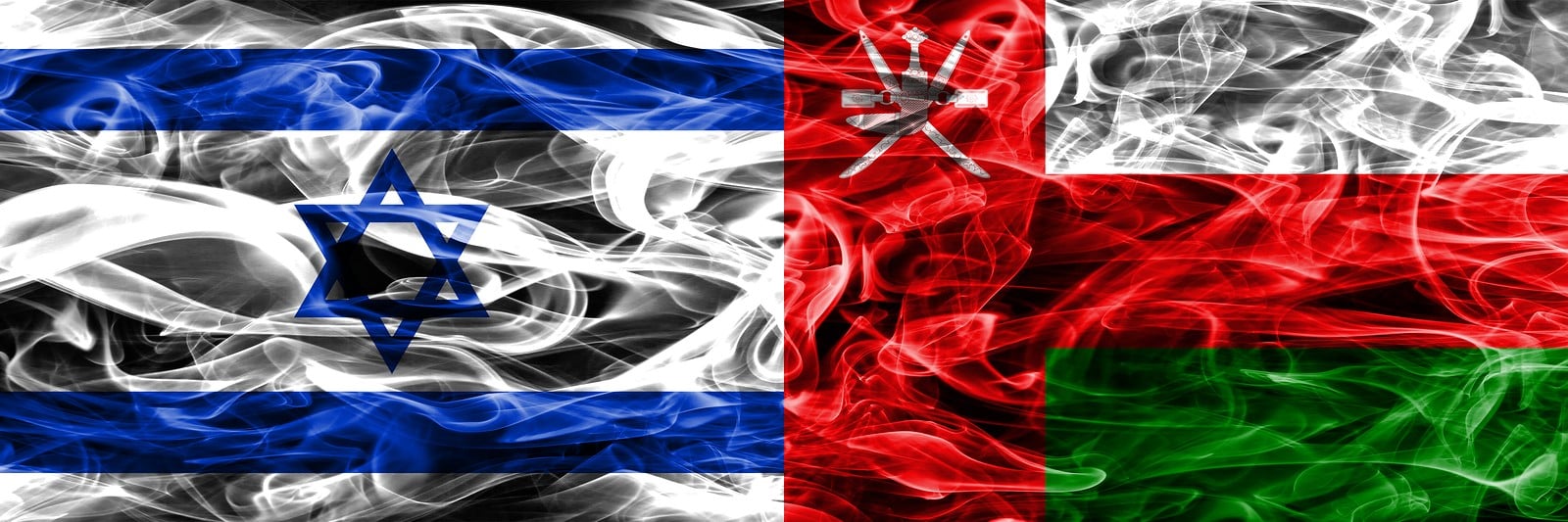
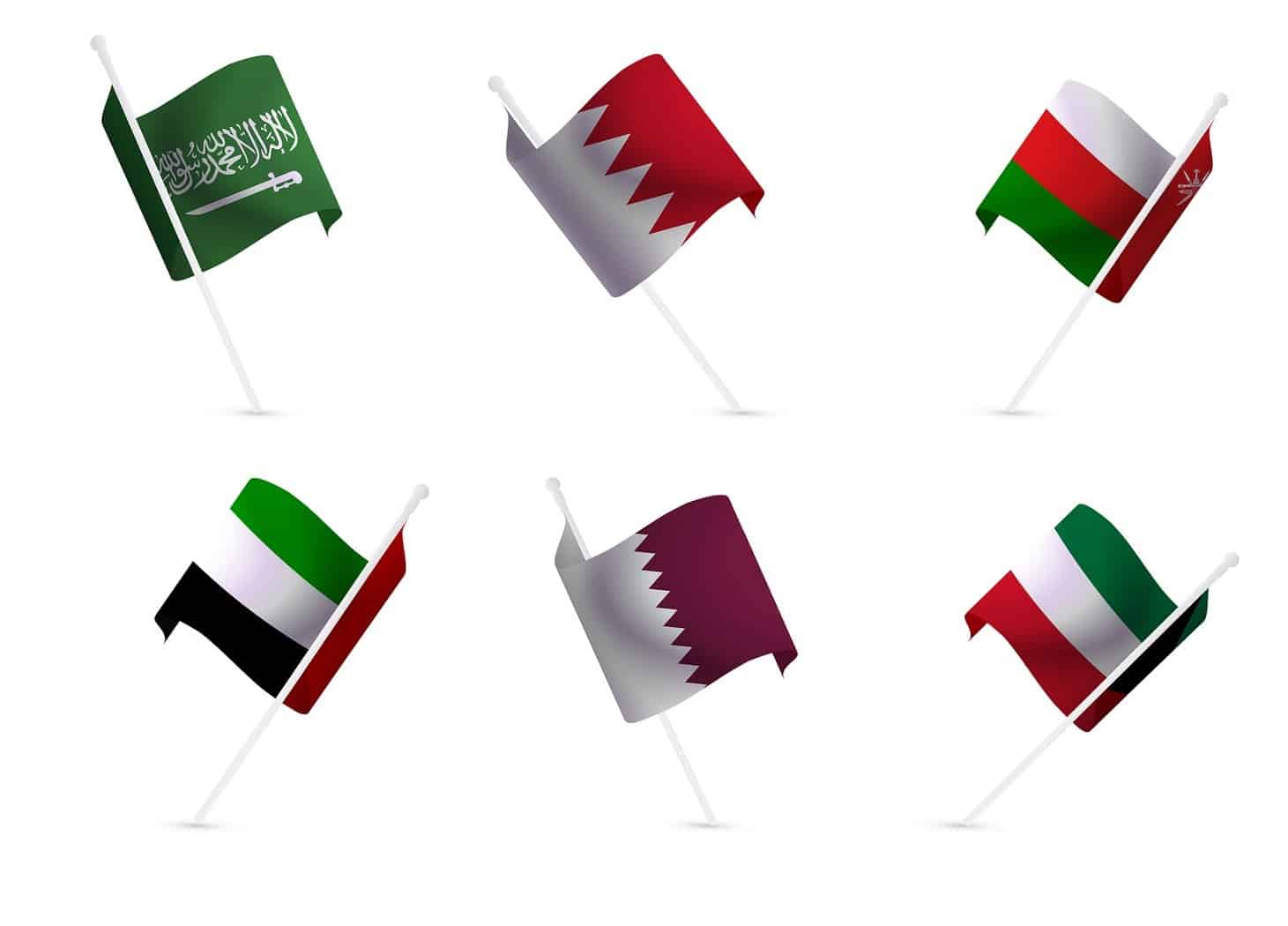
Israel vs Oman smoke flags placed side by side.

Israel and the Gulf States: Some Things Change, Some Stay the Same

Prime Minister Netanyahu’s visit to Oman, the first overt visit in over twenty years by an Israeli prime minister to an Arab country that does not maintain diplomatic relations with Israel, is extremely significant. However, formal diplomatic relations between Israel and Arab states will not develop without an Israeli-Palestinian agreement. While it may view positively the steps of other Gulf states to increase the visibility of their ties with Israel and it may even encourage them, Saudi Arabia itself will not formal ties with Israel in the foreseeable future either.

The “Moderate Sunni Camp” – Does it Really Exist?

In recent years there has been much talk in Israel and the US about the “moderate/pragmatic Sunni camp” as a potential regional ally for dealing with Iran and even for pursuing a “creative” solution to the Palestinian issue. However, this “camp” is not really a unified player, but more an expression of Saudi and Emirati aspirations for hegemony. There is also a lack of identity of interests and agendas between these states and Egypt and Jordan, which have long been important strategic partners of Israel. Although Israel should pursue any opportunity to strengthen ties with Arab and Muslim states, it should not rely on an incoherent  “bloc” headed by an unstable and problematic leadership, even if doing so would correspond with the interests of the US Administration.
Are You In?

Join 8,000+ Subscribers who enjoy our weekly digest