

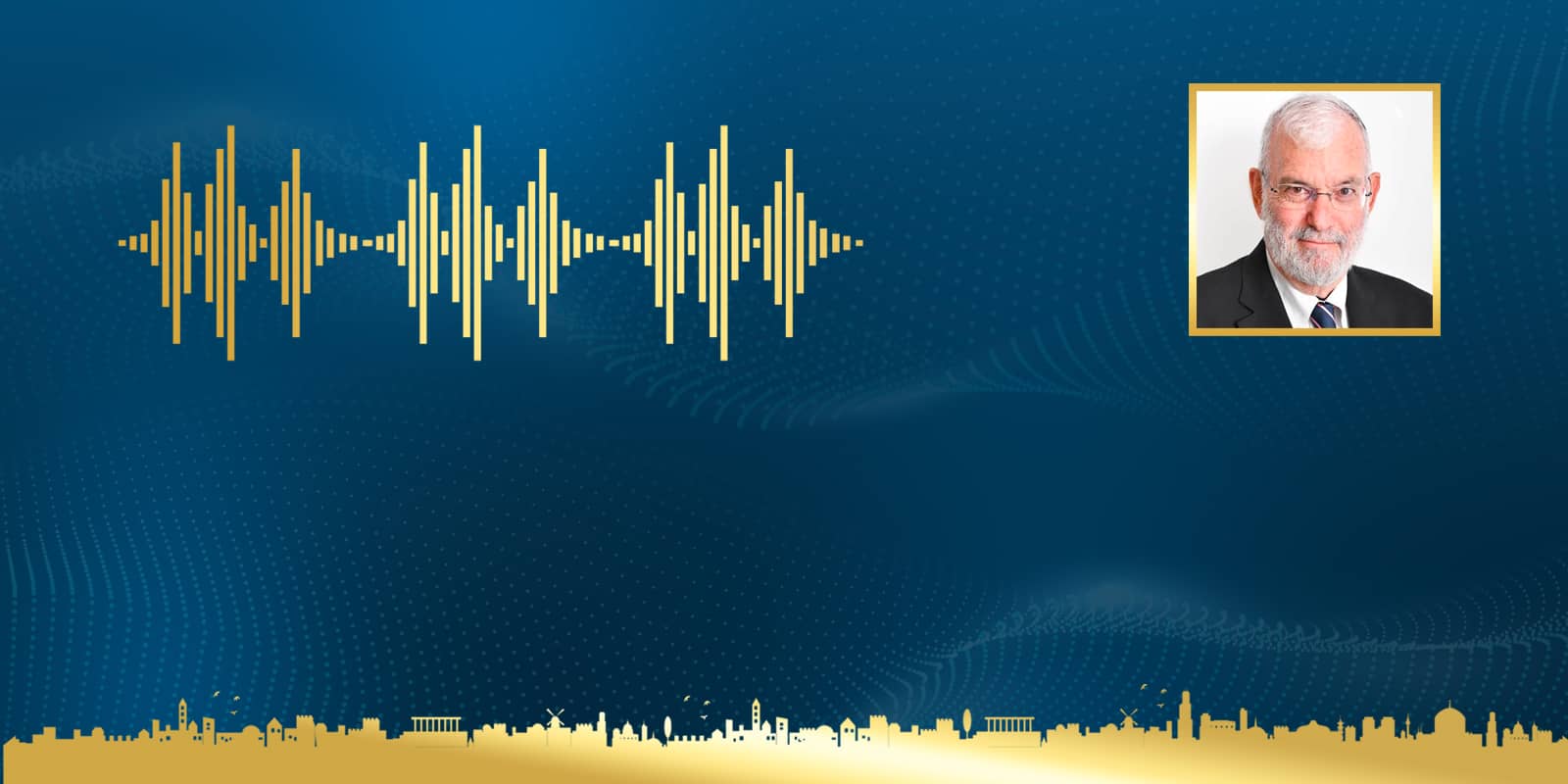
In the latest podcast, I sat down with Maj. (res.) Alexander Grinberg, an expert on Iran and former member of IDF Military Intelligence Research Department.
We moved past the headlines to discuss the covert influence campaign Iran is waging in Europe, and the realistic status of their nuclear and missile program recovery.
Grinberg reveals a disturbing Soviet-style Iranian destabilization campaign in France.
- The Blueprint: Iran recruits agents of influence in academia, science, and the Foreign Ministry. Iran sells influential figures a narrative. It also hires criminals to target Jews and Israelis.
- The Iranian – Algerian cooperation in France no one is talking about.
- The organized campaign against French Jewish authors.
Recommended further reading: Iran’s Hidden Influence in France: Espionage, Alliances, and the “Mechanics of Chaos”
Post-War Assessment: Are they Rebuilding?
Following the 12-Day War and the devastating Israeli – American strikes on Iran’s capabilities, Alexander assesses the realistic pace of Iranian rebuilding efforts in its nuclear and missile programs.
- The breaking down of functionality in these programs has very likely been achieved; restoring the complex network of smuggling, science, and engineering is not an overnight operation.
- A good portion of the “rapid rebuilding” reports are likely Iranian psychological (psyops) warfare designed to project strength they don’t have.
- While dangerous, launching ballistic missiles requires moving launchers that are detectable by satellites.The Iranians cannot achieve total surprise on this front.
Iran’s proxy strategy (Hamas, Hezbollah) failed to protect them in the direct war. Now, they are pivoting to new arenas.
Grinberg also assessed the hope for an Iranian popular uprising.
- The “North Tehran” Paradox: The upper-middle-class liberals in Tehran despise the regime, but they are the last people to pick up a Kalashnikov. They want Western lifestyles, not a bloody civil war.
- No Military Split: Unlike other revolutions (Chile, 1973; Iran, 1953), there is no such major split in the ruling elites. The regular Iranian Army, despite budget grievances, is ideologically aligned with the IRGC.
- Conclusion: Regimes don’t fall because people are unhappy; they fall when the elite fractures. That hasn’t happened yet.

What the Failed Oslo Accords Can Teach Us About Prospects for Middle East Peace