A Policy-Oriented Think Tank Addressing Foreign Policy and National Security Issues for a Safe Israel

Maj. (res.) Alexander Grinberg

Expert on Iran

Maj. (res.) in the IDF Military Intelligence research department. Holds degrees in Middle East and Islamic studies, and Arab language and literature, from the Hebrew University of Jerusalem. Doctoral student in Iranian history at Tel Aviv University.

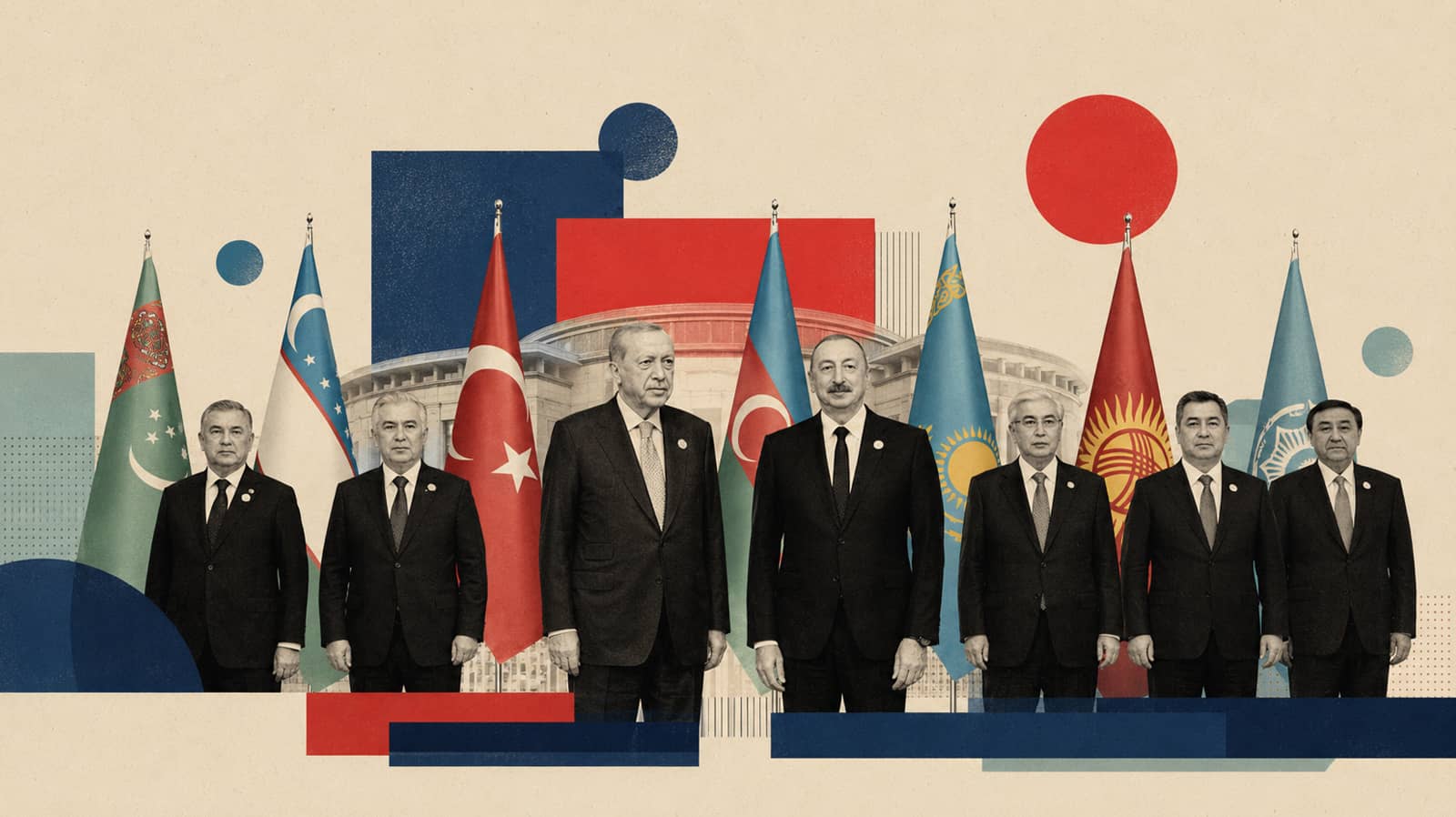
Editorial collage depicting the signing of the Badr defense cooperation agreement between Turkey, Qatar, Pakistan, and Indonesia, against a backdrop of military aircraft production.

The Badr Agreement: Ambitions and Limitations

Turkey, Qatar, Pakistan, and Indonesia hope to strengthen their defense industries through joint production and technology transfer. But divergent national interests, unequal technological capabilities, and undisclosed commercial arrangements leave the agreement’s practical and strategic significance uncertain
A naval frigate in the Strait of Hormuz, August 2026. Photo credit: Shutterstock.

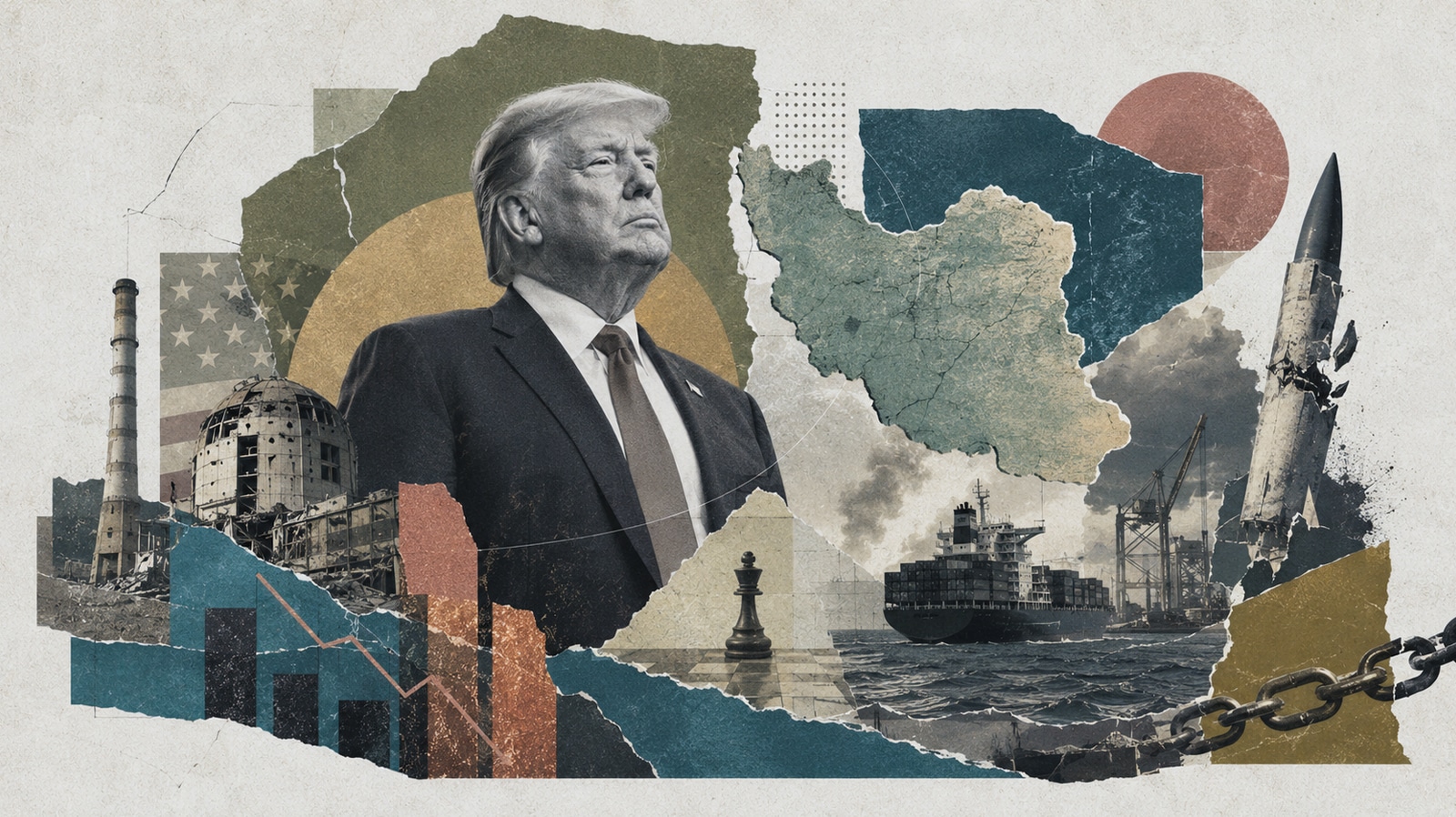
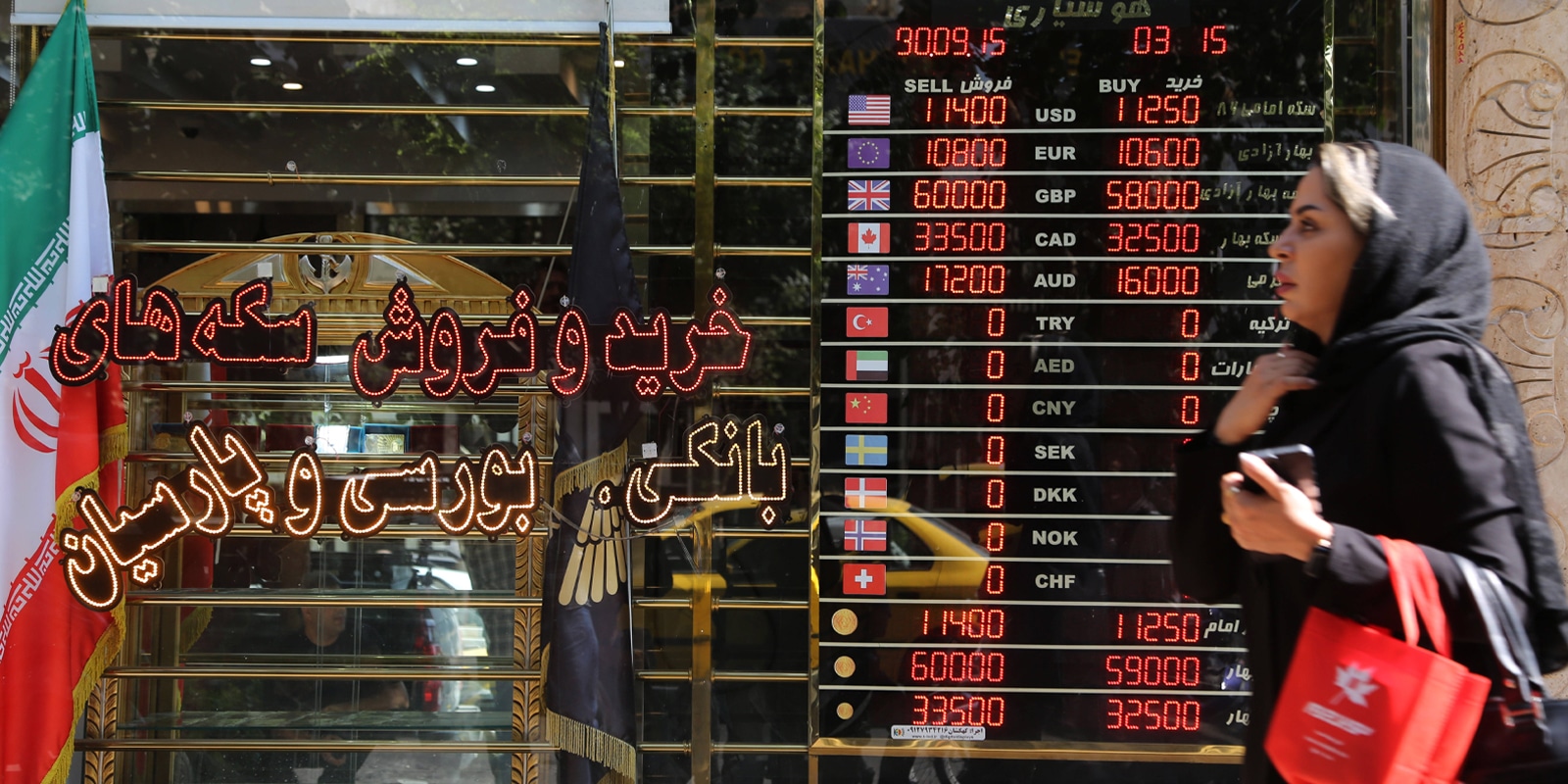
Operation Economic Outcast and Iran’s Strategic Paralysis

The United States blockade, secondary sanctions, and Iran’s growing commercial isolation are unlikely to bring down the Islamic Republic in the near term. But by depriving Tehran of oil revenue, imports, and foreign exchange, they could increasingly constrain its ability to rebuild its military, nuclear, and proxy capabilities

Iran, Tehran , 15 june 2025: Iranians are lining up at gas stations to refuel, there is a ten-liter limit for each car - Israel's war against Iran

Iran’s Fuel Crisis Is More Than an Energy Problem

War damage and import bottlenecks have intensified a long-standing gasoline imbalance, while cheap fuel continues to drive overconsumption and smuggling. Tehran’s efforts to fix the system are constrained by the political risks of subsidy reform

Are You In?

Join 8,000+ Subscribers who enjoy our weekly digest