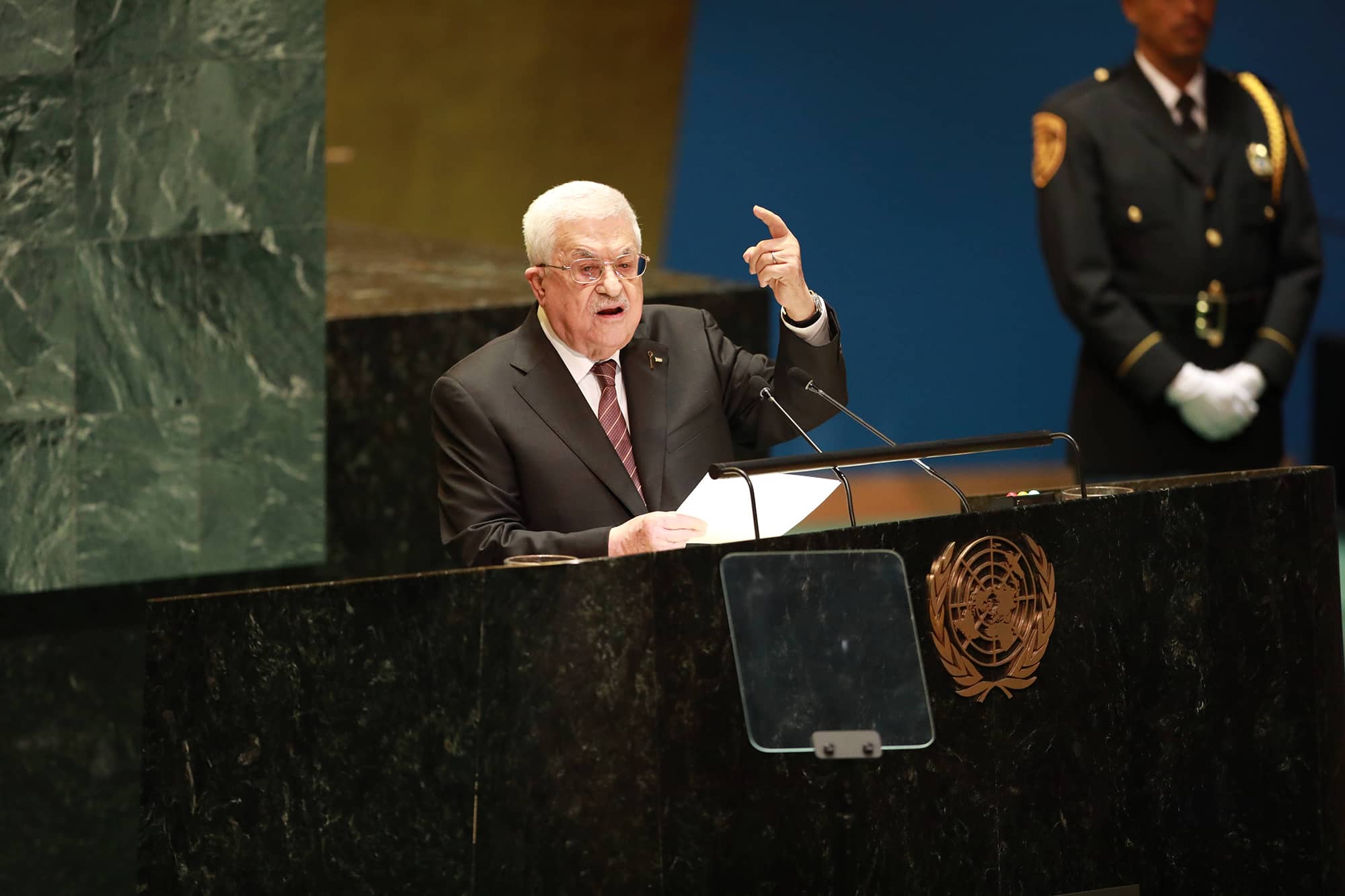

The 70th anniversary of the UN resolution on the partition of British Palestine is an opportunity to debunk a myth about this resolution, and to rethink Israel’s policy toward the United Nations.
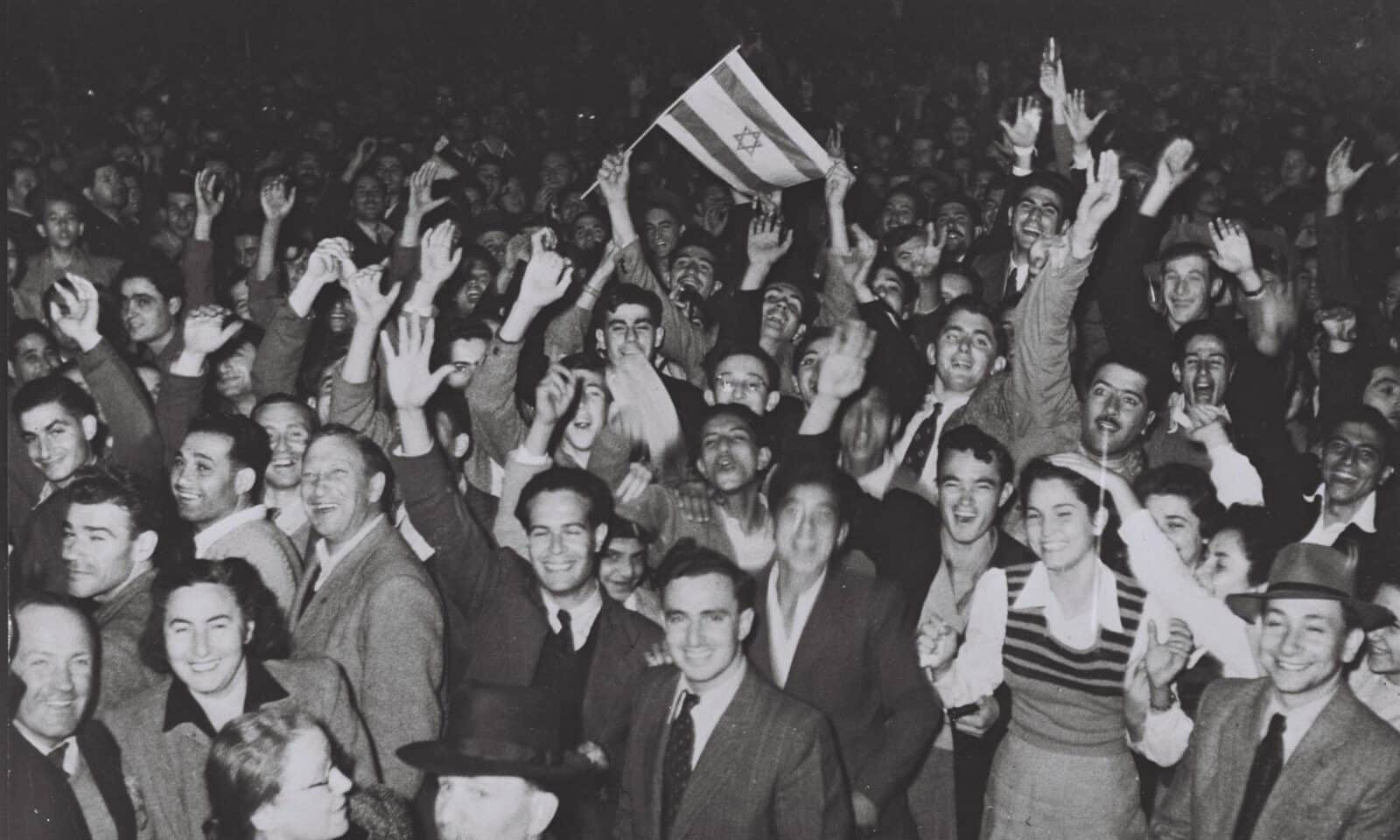
The General Assembly (GA) vote on 29 November 1947 was a recommendation and not a binding decision (like all GA resolutions). It became moot the moment it was rejected by the Arab League. The Security Council did not act to implement the GA resolution, even though it knew that the Arab League opposed the resolution and that it was preparing for war. Israel would not have become independent had the Jews not built a society and an economy for decades, and had they not won the war imposed on them by the Arab League.
In 1947, Israel got lucky at the UN: Stalin wanted to end Britain’s presence in Palestine (to him, any British and Western retreat was a victory); Truman was determined to override the State Department (“Dealing with them was as rough as a cob” he said); and France was eager to give Britain a taste of its own medicine (the French blamed the British for the independence of Syria and Lebanon in 1944). There were very few independent Arab and Muslim states back then (Africa, the Middle-East, and Southeast Asia were mostly under European colonial rule).
Decolonization and the Cold War changed this configuration to Israel’s disadvantage. The number of Arab and Muslim states rocketed, and the Soviet Union successfully recruited them to fight “imperialism” (Soviet foreign policy became openly pro-Arab in 1953, and Egypt became a Soviet ally in 1955). After the 1973 Yom Kippur War, the Arab world used not only the oil blackmail but also its “automatic majority” at the UN to isolate Israel. This diplomatic warfare culminated in the November 1975 GA resolution that condemned Zionism as a form of racism.
Despite the end of the Cold War and peace agreements between Israel, Egypt, and Jordan, the political hijacking of the UN never abated. The 2001 UN Conference against Racism in Durban turned into an anti-Israel festival, and the replacement of the Human Rights Commission by the Human Rights Council (HRC) in 2006 only made things worse for Israel (and for human rights). Special UN agencies such as UNESCO are still manipulated by the Palestinians and the Arab states to gang-up against Israel.
Yet Israel is not helpless, and there are ways of taming the hijacking of the UN.
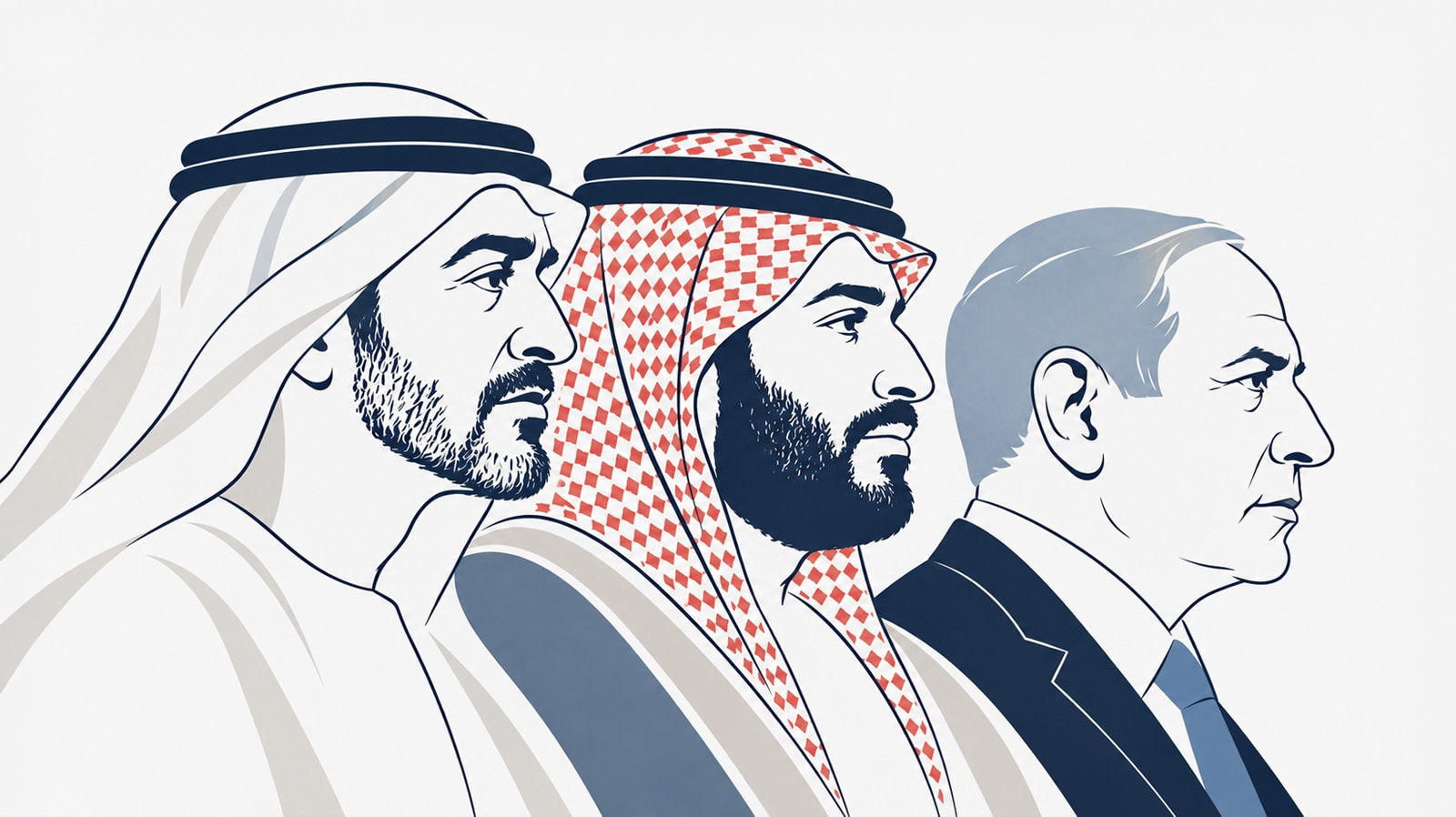
One powerful tool is US defunding (or the threat thereof). Since the US funds 22% of the UN budget, pulling the plug on agencies such as UNESCO or HRC is likely to concentrate the mind of abusers. In addition, Israel must strengthen its ties with countries that traditionally vote with the Arab and Muslim bloc at the UN. Prime Minister Netanyahu’s proactive diplomacy in India, Africa and South America has started to dent the “automatic majority,” but Israel must make it clear to emerging economies that they cannot benefit from Israeli technology while bashing Israel at the UN. Israel should also use its tacit alliance with Saudi Arabia to drive a wedge in the UN’s “automatic majority.” The same way that Saudi Arabia led the post-1973 oil embargo against Israel, it can influence the Arab world today in a different direction. Saudi Crown Prince Mohammed bin Salman’s struggle against Iran makes Israel an indispensable partner, thus granting Israel some diplomatic leverage.
Finally, Israel must forcefully make the case for its sovereignty in Jerusalem. In 1947, the internationalization of Jerusalem was advocated by the Peruvian member of UNSCOP (the United Nations Special Committee on Palestine), Arturo García Salazar (who was his country’s ambassador to the Vatican and was likely influenced by the Pope). Other members of UNSCOP proposed the city’s partition between the prospective Arab and Jewish states (with a special status for the holy sites). At the end, a majority recommended internationalization, but the city was divided between Israel and Jordan in 1949, and reunited by Israel in 1967. The UN eventually gave-up on the internationalization of Jerusalem in the 1950s, but it never gave-up on challenging Israel’s full sovereignty after 1967. Yet it is only under Israeli sovereignty that religious freedom has been guaranteed and the holy sites of all religions have been protected.
The UN vote of November 1947 was a historical landmark, but it did not create the State of Israel nor did it guarantee its existence. Since then, the UN has changed for the worse. Israel was a victim of the political hijacking of the UN after 1973, but today Israel is a powerful country whose military clout, diplomatic reach, and technological edge are coveted. Israel can and must leverage these assets to improve its position at the UN and, incidentally, to restore some of the UN’s credibility.
This article was published in The Times of Israel, 29.11.2017
JISS Policy Papers are published through the generosity of the Greg Rosshandler Family.
photo: PINN HANS, JPO
Source: https://jiss.org.il/en/70-years-un-vote-partition-looking-back-looking-ahead/