



To the recipients of its support in places like the Gaza Strip, the continued existence of the United Nations Relief and Works Agency is perceived as a matter of daily survival.
“My mom, my father, my brother are all diabetics. Insulin is very expensive in Gaza and they don’t have the money to buy it. UNRWA provides it to them,” says Raed al-Atamneh, a driver who lives in Beit Hanun and whose mother is a refugee from what was the Najid village, near Yad Mordechai.
It is UNRWA, founded in 1949 for Palestine refugees who fled or were expelled during the War of Independence, that continues to meet many of the basic needs of Atamneh, his wife and eight children.
All went to, or are currently attending, UNRWA schools, are treated by UNRWA medical care and the family also relies on UNRWA food distributions every three months. The agency has also helped other Gazan families rebuild homes damaged or destroyed in Operation Protective Edge.
Atamneh says that UNRWA does “a very good job” helping people. Gazans are “so afraid” of the recent American threat to cut funding for UNRWA over the Palestinian Authority’s refusal to accept the US as mediator in peace negotiations.
“If you close UNRWA, you close our life,” he says.
But to the Israeli government and its supporters, UNRWA – by defining refugees in a way that passes refugee status from generation to generation so that great-grandchildren of refugees are treated as refugees – is perpetuating the refugee problem.
UNRWA critics say that what started out as a body to create public works, jobs and to provide immediate relief to refugees, has become an enduring barrier to their descendants integrating into the societies they live in and to ridding them of the hopes of a “return” to ancestral homes that would be tantamount to Israel’s destruction.
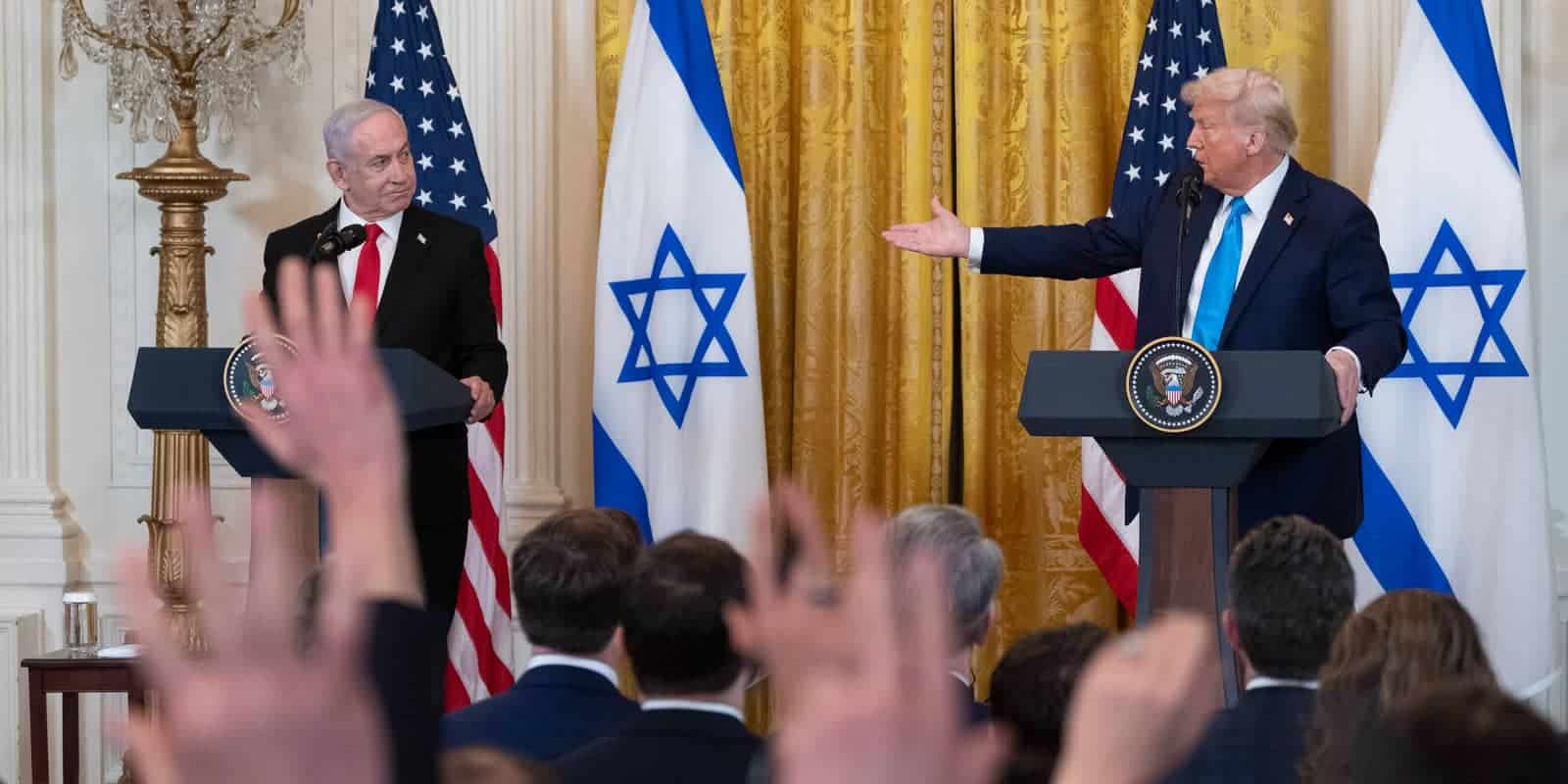
Prime Minister Benjamin Netanyahu has said that the US should gradually reduce its support of UNRWA and transfer the money instead to the Office of the United Nations High Commission on Refugees (UNHCR), which handles all non-Palestinian refugee affairs. Over time, UNRWA should cease to exist, he said.
UNRWA’s defenders counter that it is not UNRWA that is perpetuating the refugee problem, but rather the failure of the parties to arrive at a political solution to it. Some say that the real intention of the push of Trump and Netanyahu against UNRWA is to remove the refugees as an issue from the negotiating agenda.
Asked what UNRWA’s function is in 2018, its spokesman, Chris Gunness, responded: “We provide emergency services as first responders in places like Syria and Gaza, we give short-term emergency assistance and long-term human development services such as education, primary health, relief and social services.
In peace we’re able to do longer term human development but when there’s conflict and violence we also are first responders to emergencies and humanitarian situations.”
Gunness said that UNRWA’s existence as a separate entity from UNHCR is “a historical thing.” It was founded to aid the Palestinian refugees two years before the international refugee convention that governs UNHCR. It has about 30,000 employees, with over 20,000 of those being teachers and educational staff. It also employs doctors, nurses, engineers, social workers and sanitation workers.
In the view of Efraim Inbar, director of the Jerusalem Institute for Strategic Studies, “It makes no sense to have an agency take care of five generations of Palestinians. UNRWA is maintaining the Palestinians as refugees. It doesn’t give them an incentive to integrate into civil society. It ties them to this refugee status.”