

As the Rosh Hashana, the Jewish New Year, approaches, this is a time to take stock of the year that has passed and look ahead to the year to come—considering what it may hold and what Israel must do to make it a better year for the national security of the State of Israel and the Jewish people.
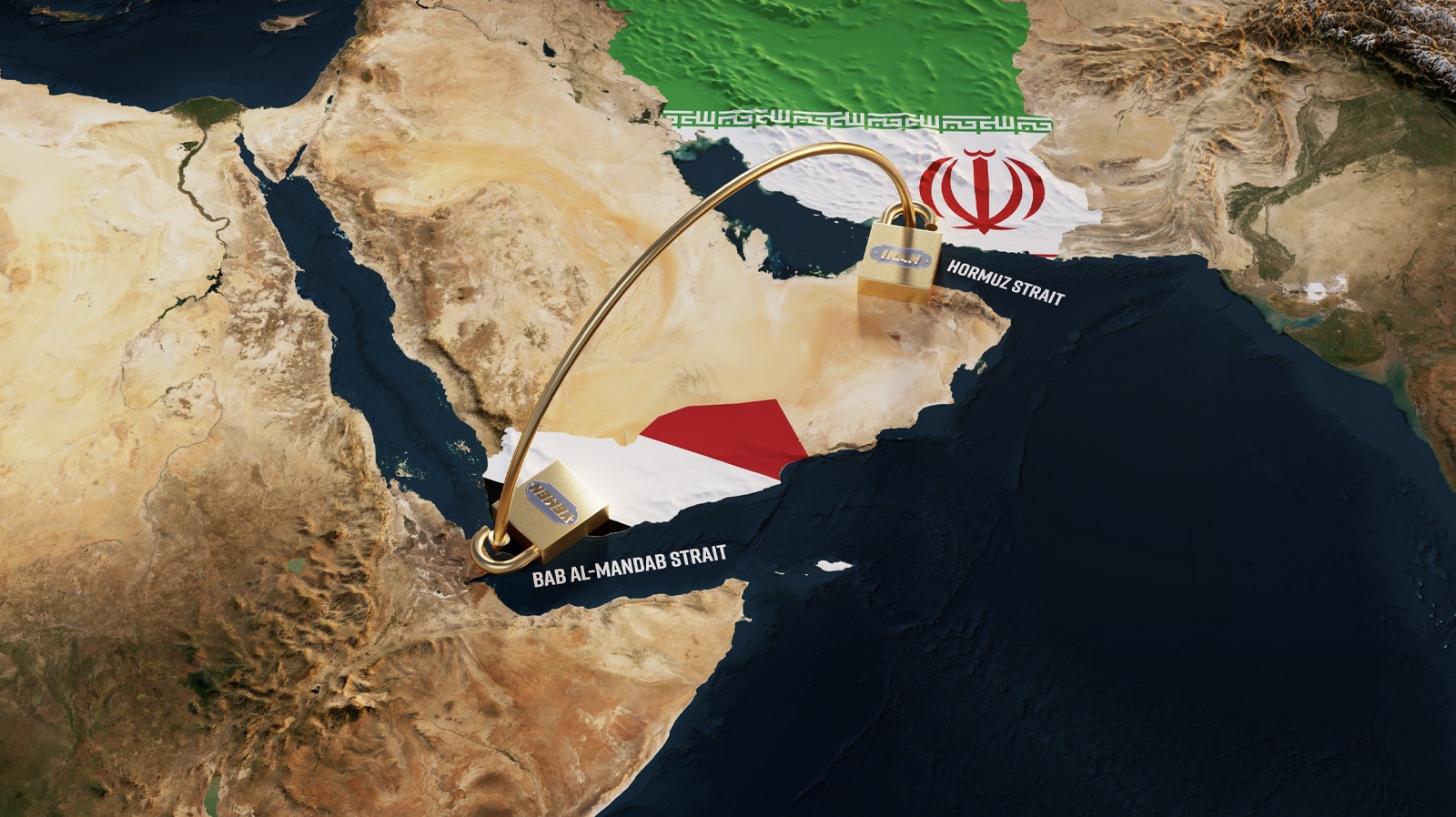
This has been a turbulent and eventful year, dominated by the continuing effort to weaken Iran’s “Axis of Evil.” The axis was dealt severe blows, but continues to threaten Israel’s security and global stability, including through the disruption of vital shipping routes in the Strait of Hormuz and the Bab el-Mandeb Strait.
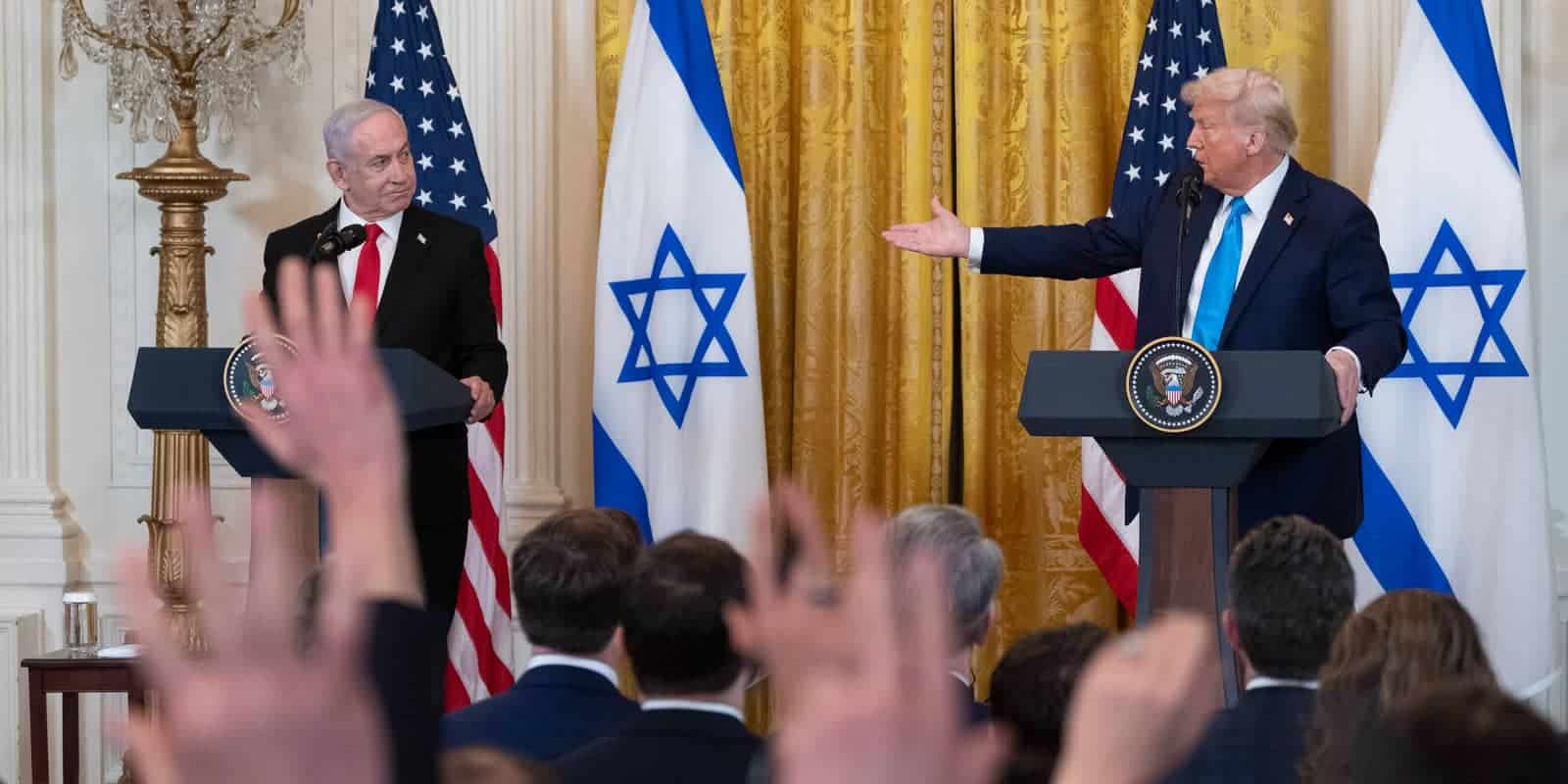
President Donald Trump’s 20-point plan for Gaza, facilitated in part by Hamas’s fear that Israel would launch Operation Gideon’s Chariots II and take control of Gaza, secured the release of all the hostages, living and dead, and created a new reality in the Strip. The IDF now controls more than 50 percent of the territory, while most of the population remains under Hamas rule. Hamas, however, is exploiting the new status quo and international humanitarian assistance to rebuild its strength, although Israel’s control of the border with Egypt constrains those efforts.
Looking ahead, the plan’s most important achievement is the broad agreement that Hamas must disarm and that, until it does, Israel will not permit reconstruction in areas under the organization’s control. Hamas has so far refused to accept a definition of disarmament that Israel would consider satisfactory, but it has had little choice but to accept the principle itself. Israel should continue to use the current circumstances to impede Hamas’s efforts to rebuild, target its operatives—especially those who participated in the October 7 attack—deepen its control on the ground, and prepare to respond forcefully to any renewed Hamas attempts to harass residents of the Gaza border which are slowly but steadily rebuilding. If, further down the road, the international community loses hope of achieving Hamas’s disarmament on terms acceptable to Israel, greater military pressure on the organization may become necessary.
In Lebanon, Israel and the Lebanese government reached a framework agreement in direct negotiations brokered by the United States. Here too, the arrangement rests on the recognition that Israel will retain control of a security zone inside Lebanon until Hezbollah disarms. Two pilot zones have been designated in which the Lebanese Armed Forces will have to demonstrate that they can prevent Hezbollah from reestablishing itself in territory vacated by the IDF. Thus far, the indications are that the Lebanese army may struggle to fulfill even this limited task. Meanwhile, Hezbollah is working, with Iranian assistance, to rebuild its severely damaged capabilities within the constraints imposed by Israel, the Syrian regime, and the Lebanese government. Israel, for its part, continues to dismantle the extensive operational infrastructure Hezbollah constructed in southern Lebanon and is preventing residents of villages within the security zone from returning to homes many of which were demolished because they previously served Hezbollah.
The most consequential event of the past year was the 40-day joint United States-Israel war against Iran. The air campaign severely damaged Iran’s nuclear and missile production programs, military capabilities, and leadership. It has not yet, however, met hopes that it would create the conditions for the Iranian people to replace the regime or compel Tehran to relinquish its military nuclear program. The regime proved remarkably resilient. It used its missile capabilities to strike Israel, the Gulf states, and other targets and, above all, halted oil exports through the Strait of Hormuz, thereby exerting economic pressure on the West. Once the U.S. administration itself recognized that the “Memorandum of Misunderstanding” it had signed with Iran was both dangerous and absurd, Washington responded with a campaign of economic pressure against Tehran, including a naval blockade and sanctions on countries that assist Iran in economically critical areas. The underlying lesson had been clear from the outset: airpower can achieve only so much when it is also constrained by the need to avoid damage that cannot be quickly repaired and could therefore produce chaos. Given these limitations, the ayatollahs’ determination to preserve their regime, together with the weakness of the opposition, considerable resolve and patience will be required to generate enough economic pressure to undermine the stability of the regime and force Tehran to seriously consider major concessions on the nuclear issue and control of the Strait of Hormuz. Does the United States have the necessary staying power? Probably, although the outcome of the November congressional elections could affect its willingness to sustain the campaign.
From Israel’s perspective, the principal achievements were the damage inflicted on Iran’s nuclear and missile infrastructure, the broad agreement that Tehran must relinquish the capability to produce nuclear weapons, and the extraordinary and unprecedented level of cooperation with the United States. Israel also demonstrated impressive military capabilities, underscoring its value as a strategic asset and partner to Washington. But the war failed so far to create the conditions for regime change or induce Iran to give up its nuclear program and its stockpile of enriched uranium. Moreover, Washington has not been able to fully restore free and secure navigation through the Strait of Hormuz. These shortcomings have damaged perceptions of American power and intensified criticism of both the administration and Israel over the war.
Beyond the war’s principal theaters, several secondary fronts and other developments deserve attention. In Syria, Ahmad al-Sharaa is gradually consolidating his rule with broad Arab and international support, including from the United States, with his close ties to Turkey playing the most significant role. Israel is in contact with al-Sharaa both directly and through the United States, but relations remain tense. Jerusalem is concerned that Ankara and Islamist terrorist organizations could establish a significant presence in Syria and that the country’s Druze minority remains under threat. Damascus, for its part, objects to Israel’s continued presence in the buffer zone Israel established inside Syrian territory and to Israeli offensive operations there.
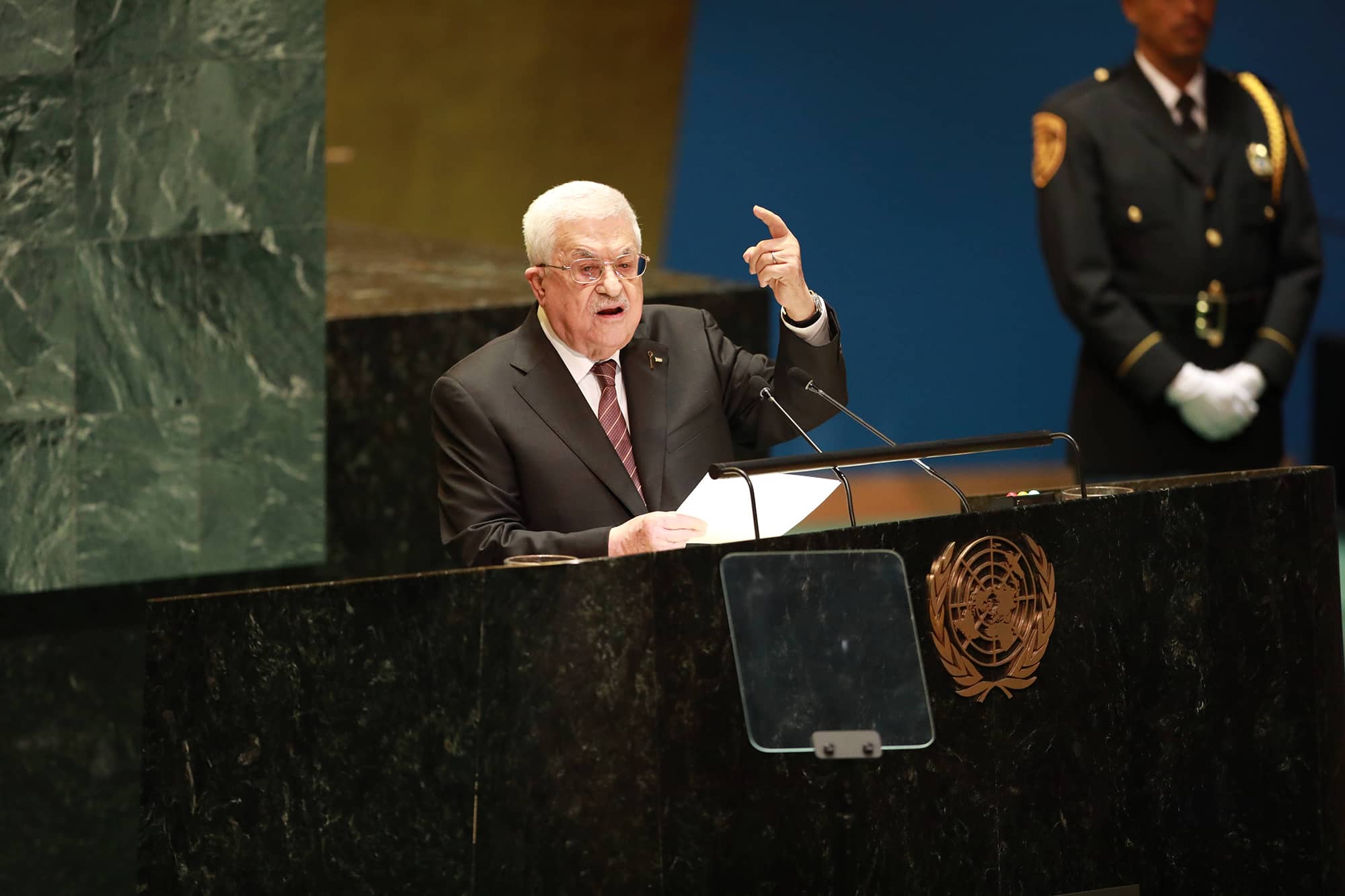
Tensions are also rising in Judea and Samaria. Palestinians continue to incite violence and terrorism, while the Palestinian Authority—which has been recognized as a state by several European countries—continues to pay salaries to terrorists and build up military capabilities. At the same time, violence by extremist Jewish elements is increasing the risk of a wider conflagration and is being exploited by Israel’s enemies and critics to damage its standing and image. With the Palestinian Authority facing a crisis of legitimacy, the possibility of Palestinian parliamentary elections has resurfaced. If elections are held and Hamas is allowed to participate, Fatah’s weakness could once again be exposed, while Hamas could interpret a strong showing as Palestinian public validation of its decision to carry out the October 7 terrorist attack. The Palestinian Authority will presumably seek either to structure the election so that the outcome is favorable and effectively predetermined or to avoid holding it altogether. There is no certainty, however, that it will succeed, and the election process itself could heighten tensions on the ground. Israel should continue to act decisively to preempt and prevent terror attacks and adopt a more determined and effective policy to stop Jewish extremist violence.
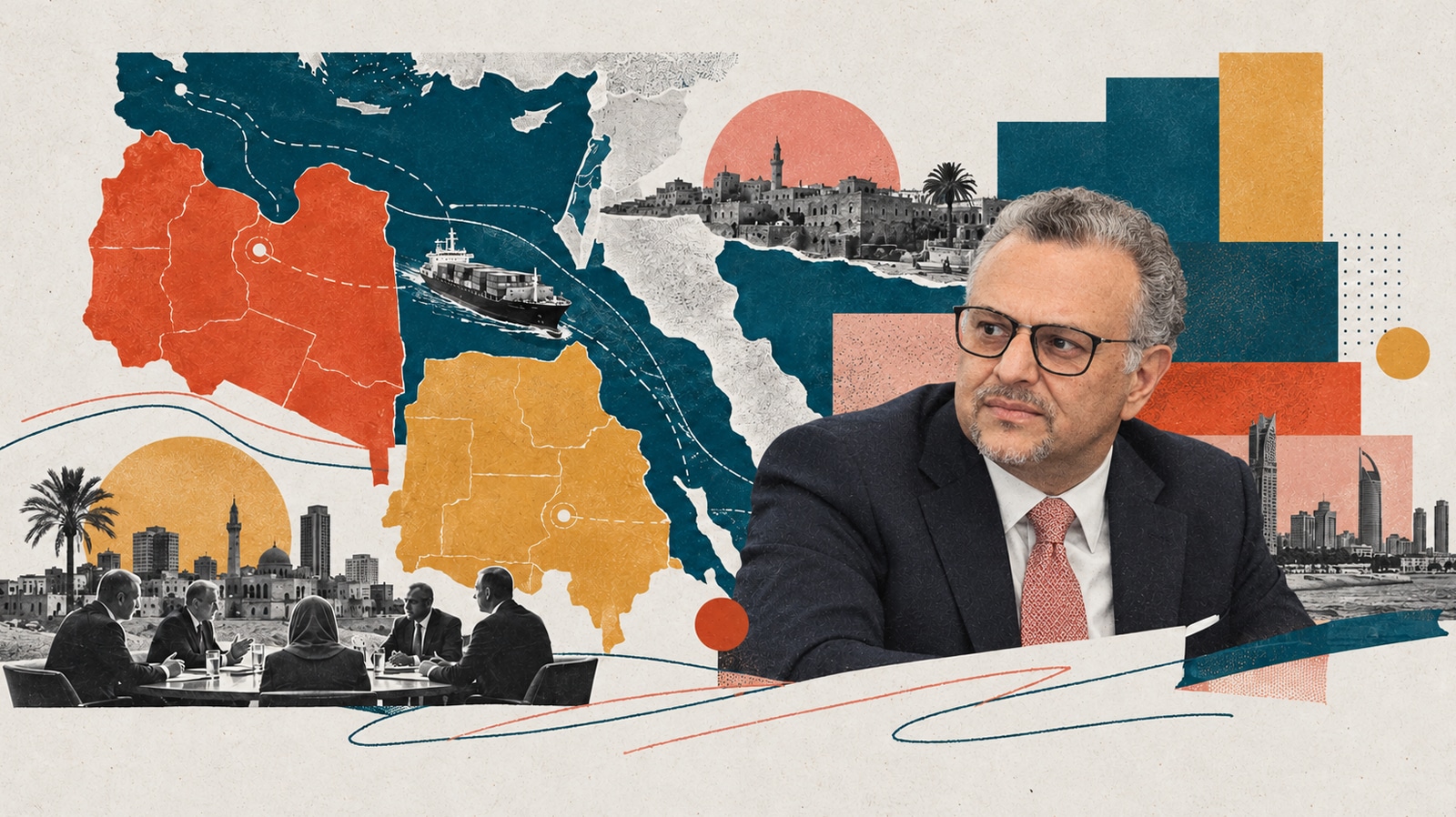
The regional arena has also continued to evolve. The weakening of Iran and its allies has enabled Turkey to further strengthen its position including through the signing of the “Mecca Pact” with Saudi Arabia and Pakistan, improved relations with Egypt, its growing involvement in the Palestinian arena, and its role in Syria. President Recep Tayyip Erdoğan’s intense hostility toward Israel raises concern that increasing tensions with Ankara could lead to direct friction. Relations with Israel’s peace partners and the Abraham Accords states have nevertheless remained stable. The broader camp of regional stability, however, has weakened as divisions among its members have widened and frustration has grown over repeated shifts in U.S. policy. The prospects for a breakthrough that would expand the circle of normalization with Israel therefore appear limited, despite direct contacts with Syria and Lebanon and Washington’s commitment to make greater U.S. assistance to Saudi Arabia in the nuclear field conditional on steps toward normalization. Qatar, which supports Turkey, continues to play a central mediating role across the various arenas while maintaining its special relationship with the United States. At the same time, it continues to fuel the campaign to vilify Israel and erode the foundations of American and international support for it.
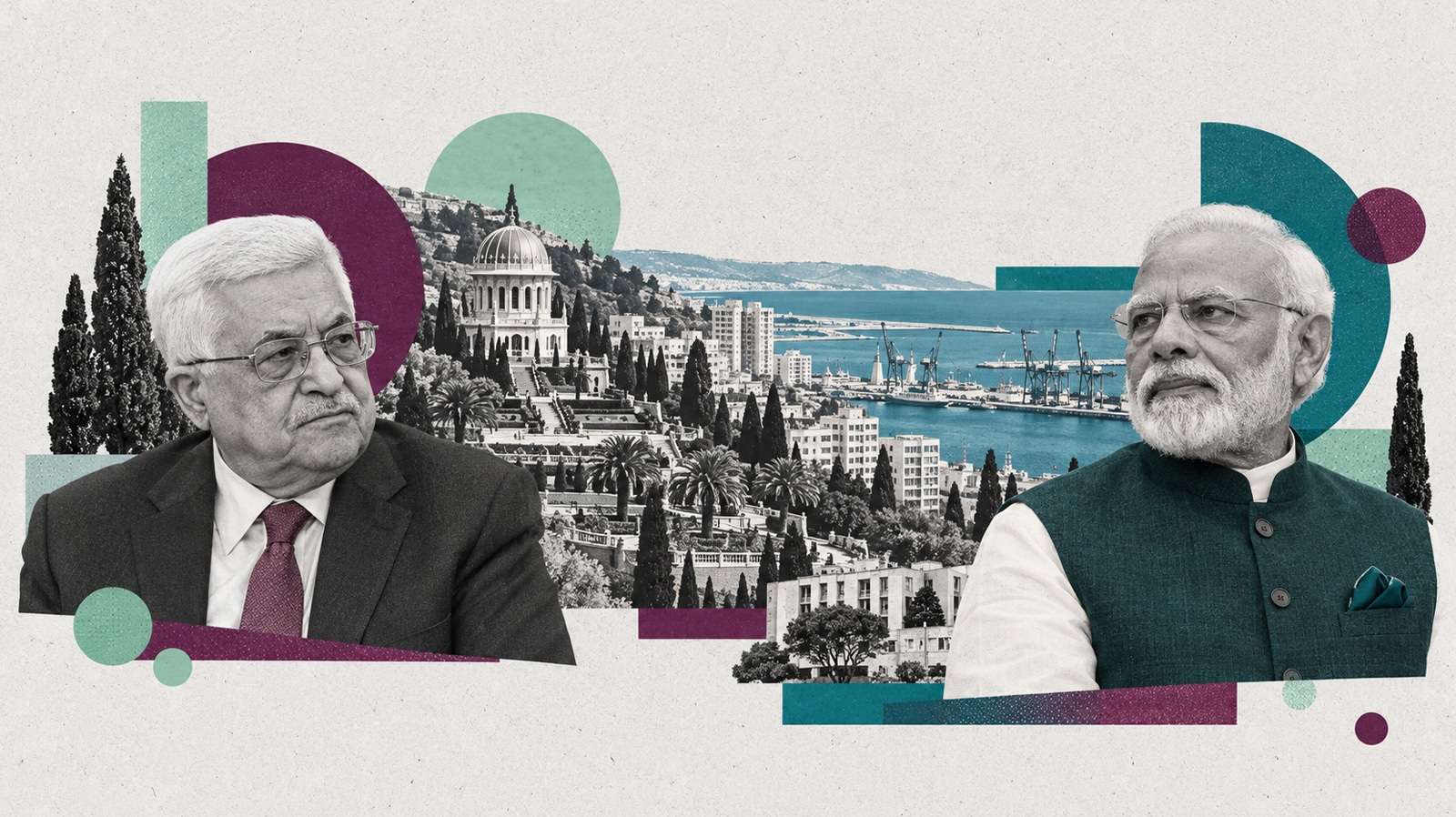
Finally, the international arena is no less important than the military fronts. Antisemitism and hostility toward Israel have continued to grow. The unfinished campaign against Iran, the plight of civilians in Gaza and southern Lebanon, and the growing strength of anti-Israel forces on both sides of American politics, particularly within the Democratic Party, have contributed to increasing hostility toward Zionism in the West and further manifestations of antisemitism. The deadliest manifestation was the murderous terrorist attack at Bondi Beach in Sydney. At the same time, pro-Israel forces are gaining strength in Latin America and in countries on the broader periphery of the Middle East. These developments further underscore the importance of deepening relations with India, as reflected both in Prime Minister Narendra Modi’s visit to Israel on the eve of the war with Iran and in the particularly close ties between the two countries’ defense industries. They also highlight the importance of advancing the India-Middle East-Europe Economic Corridor (IMEC), which would connect India with Europe through the Middle East, including Israel.
Israel remains committed to removing the threats to its security. At the same time, it recognizes that despite impressive achievements across all theaters, completing the task remains difficult because of military and political constraints and because some key features of the strategic environment are resistant to change. These include deep hostility toward Israel among broad sectors of Middle Eastern societies and the continuing commitment of many within them to radical Islamist ideology. To move closer to its objectives, Israel must implement the updated security doctrine it adopted in response to the lessons of October 7 and the prolonged multi-front war it has fought ever since. The doctrine goes beyond early warning, deterrence, and defense, all of which failed to a considerable degree. At its core is a commitment to prevent threats from developing in the first place, including by creating the conditions for regime change in Iran and, particularly along Israel’s borders, by temporarily seizing security zones to establish defensible borders against ground incursions and prevent direct fire. It also entails adherence to international understandings that condition withdrawal from parts of these zones on the disarmament of terrorist organizations. In parallel, Israel must substantially expand its defense industrial base, find solutions to new military challenges (drones, for example) and reduce its dependence on U.S. assistance, address the military’s manpower shortage, and develop an effective strategy to counter the campaign of delegitimization in the West, particularly in the United States.
The coming year will be shaped to a considerable extent by the election results in both Israel and the United States. Israel may appear to have a broad consensus on security policy across most theaters, but differences that may sound like nuances during an election campaign could prove much more substantial afterward, particularly on the Palestinian issue. In the United States, disagreements over both Israel and national security policy are far sharper and more explicit. A major electoral gain by the Democratic Party in its current form could place vital security interests at risk.
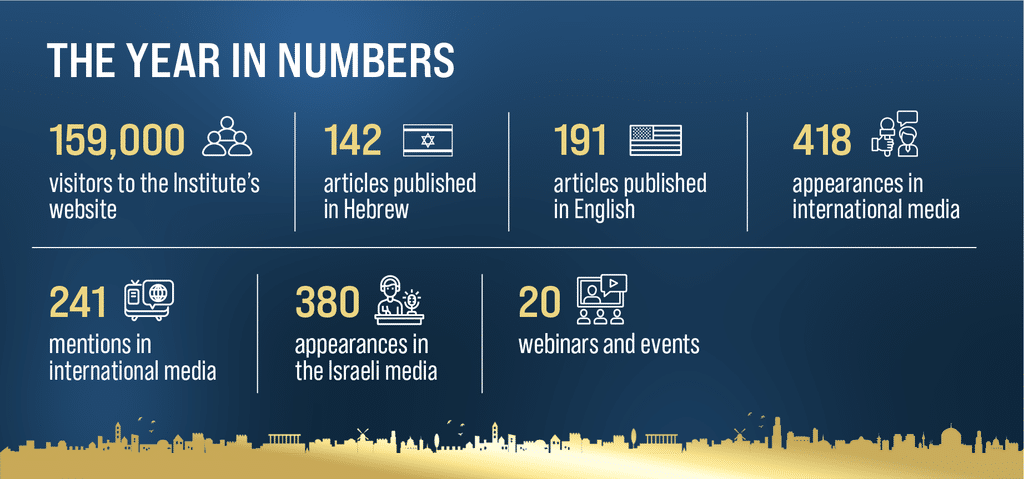
Throughout the year, the research fellows of the Jerusalem Institute for Strategy and Security addressed all these issues and many others through webinars, research papers, articles, appearances in the Israeli and international media, and meetings with policymakers and diplomats. They put forward a wide range of ideas for addressing these challenges. Their work reflects the Institute’s realist approach: one that recognizes both the severity of the threats Israel faces and the difficulty of achieving a decisive outcome in the various theaters, while also advocating an active and creative policy that makes full use of Israel’s tremendous capabilities and firmly defends its security interests. The Institute’s work has been possible thanks to the generous support of many of you. To sustain this extensive and important work in the year ahead, we will once again need your support, for which we are deeply grateful.
The Jerusalem Institute for Strategy and Security wishes you a Shanah Tovah, a happy New Year —a year of security and prosperity, happiness and fulfillment, and one in which sound strategic decisions lead Israel toward a better future.
Brig. Gen. (res.) Yossi Kuperwasser
Head, Jerusalem Institute for Strategy and Security (JISS)
Source: https://jiss.org.il/en/newsletter-090926/