
The ugly scenes at Ahvaz were reminiscent of terror attacks that Iran – which now poses as a victim of terror – had often instigated or at least applauded. But this time it was Tehran’s ox that was gored. The Iranian response indicates that the violent campaigns of mutual subversion against Mideastern states will continue to escalate, and with them, the cost of Iran’s present policies. While Israel should steer away from overt identification with internal challengers in Iran, this is the time to urge the US. and other like-inded nations to ratchet up the pressure on the regime, explaining to the Iranian people the growing cost of their leaders’ ambitions. Intelligence and security measures should also be increased against a possible attempt by Tehran to lash out against Israeli or Jewish targets worldwide.
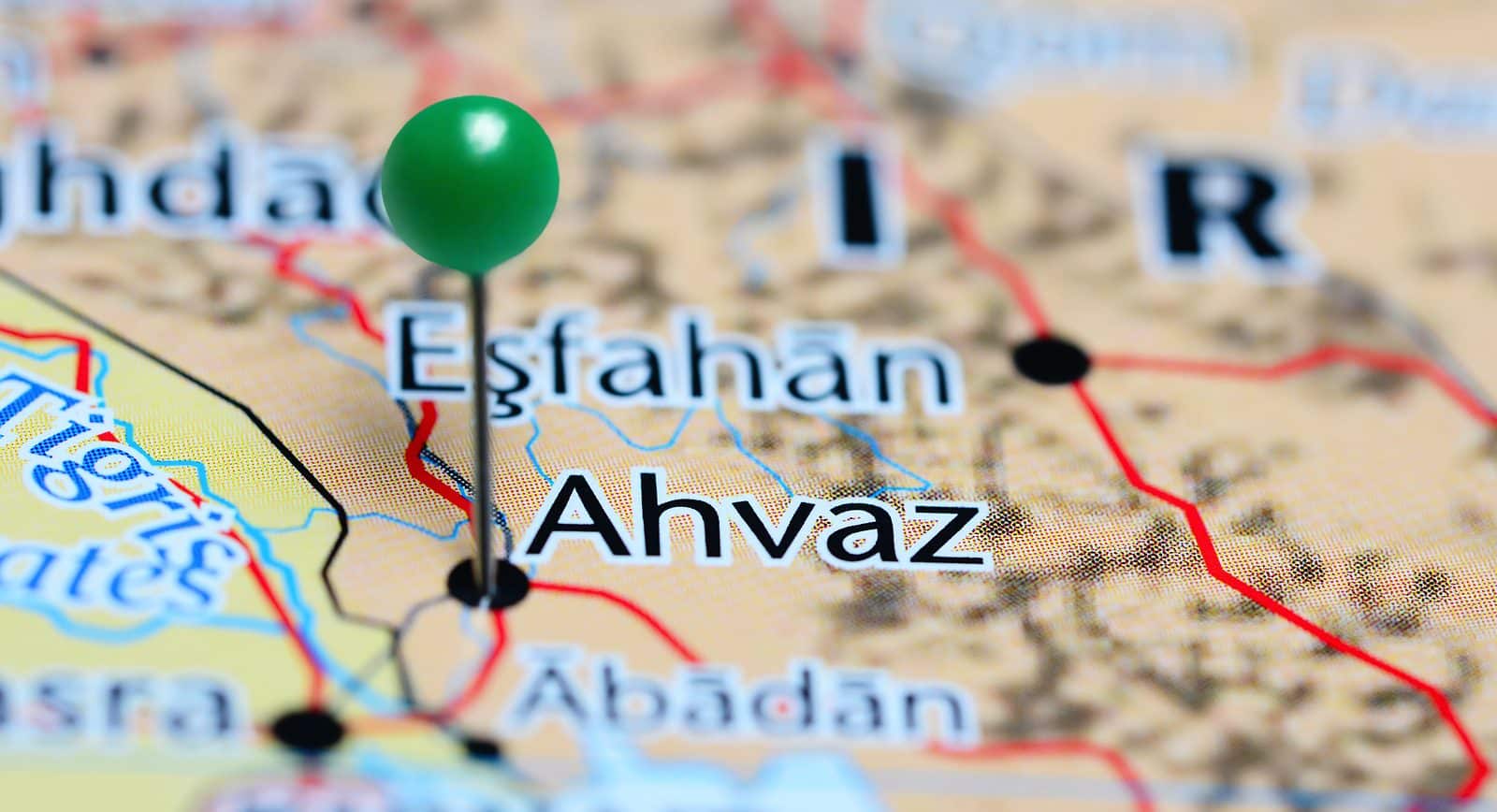
To those who remember the 6th of October 1981, the events in Ahvaz – where on 22 September 2018, armed men masquerading as soldiers slaughtered IRGC troops and onlookers during a military parade – seemed eerily familiar. The attack which claimed the life of President Anwar al-Sadat of Egypt, a peace-maker and a reformer was also launched in the midst of a parade, commemorating the October 1973 War: and it resulted in similar scenes of bloodshed and chaos.
At the time, however, Iran (under Khomeini’s rule) not only applauded the act: a major thoroughfare in Tehran was named after the chief assassin, al-Islambuli. This was but one of myriad terror events which the Iranian regime either instigated directly (by its own agents of the ministry of Intelligence or by the IRGC, or more often through fully-controlled proxies such as Hizbullah) or encouraged and eulogized. Now, against the background of the common cause against Da’esh (ISIL) – which claimed the attack in Ahvaz as an act of retaliation for Iran’s role in destroying ISIL in Iraq and Syria – it is Iran that poses as the victim of senseless terrorism.
Tensions in Khuzistan (or Arabistan), between the Arab population and the Persian occupiers, go back to the 1920s. As of now, it is difficult to determine whether this attack was indeed the work of ISIL, as the latter claims, or an act of local separatists. It is also too early to judge whether this is a singular event or the beginning of a persistent campaign of terror, subversion and local insubordination, which may ultimately constitute a threat to the stability of the regime.
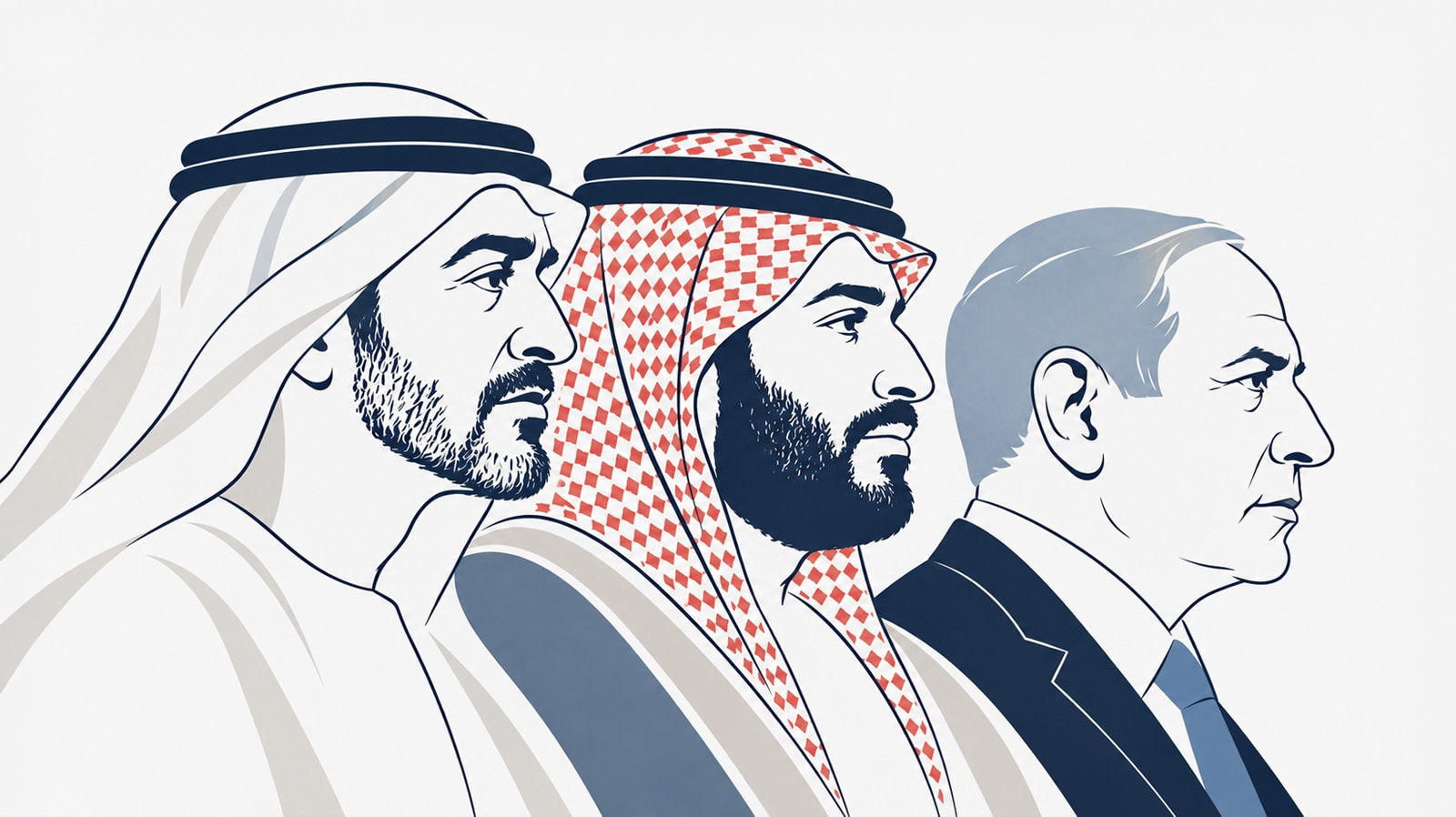
Still, the Iranian claim that subversives in Khuzestan – whether or not they were actually responsible for the attack – are actually sponsored by some unnamed Gulf states (namely Saudi Arabia and the United Arab Emirates) is not entirely fanciful. For years, Iran has been recruiting agents and proxies across the region, from Hizbullah to the Houthis and from the various components of the Popular Mobilization Forces (al-hashd al-Sha’abi) in Iraq to the Polisario Front in Western Sahara, as well as among the Shi’a of Saudi Arabia and Bahrain. For Iran’s rivals in the battle for regional hegemony – who see themselves under an existential threat – not to revert to similar tactics, when available, would have been almost super-human.
“For drowning others, you have been drowned” goes the Talmudic saying; and so it goes with internal subversion across the region. All the more so when Iranian-made missiles have been falling for some time now on Riyadh and other Saudi targets, as part of a conflict in Yemen in which the Saudis and the Emiratis are fighting with their own troops in the field, while Iran equips and trains their enemies. This is a war, and few holds are barred.
As it happens, Iran’s threats of revenge and escalation come against the background of other major developments. The new U.S. Action Group on Iran, established in August 2018, reporting directly to Secretary of State Pompeo, is busy lining up Arab support for the measures being prepared to enforce the sanctions, looking towards the entry into force of renewed restrictions on Iran’s access to the energy markets. In response Iran has openly threatened to deny such access to all exporters, and has underlined the threat by demonstrative maneuvers of the IRGC naval elements in the Gulf of Aden. As the anti-Houthi coalition in Yemen tightens its grip of Hudeidah, choking off one of Iran’s most important lines of supply to the rebel government in Sana’a, the likelihood that the fighting will spill over into a broader Saudi-Iranian confrontation is steadily rising.
Israel is truly an observer in this struggle, but not a neutral one. No such brutal act of terror is legitimate, and it is in Israel’s interest to make this point in a manner which will resonate with the Iranian public. Nor is it in our interest to take the rebels’ side in Khuzestan, thus helping the regime in Tehran accuse us of seeking to destroy and dismember Iran. At the same time, it is also useful to convey the message, in the direct and indirect channels available to us, that this event is an ugly but perhaps inevitable response to Iran’s own subversive campaigns across the region and beyond it. It is part of the huge cost, some of it in blood (including their losses in Syria), and financially estimated in the tens of billions of dollars, that the Iranian people are paying and will continue to pay for the regime’s revolutionary ambitions.
JISS Policy Papers are published through the generosity of the Greg Rosshandler Family.
photo: Bigstock
Source: https://jiss.org.il/en/lerman-after-ahvaz-irans-regime-faces-the-consequences-of-its-subversive-campaigns/