


Dear Subscribers,
One month after the launch of Operation Roaring Lion and Operation Epic Fury, and as Passover approaches, the time has come for an interim assessment of the war and a look ahead. This is a war that is unlike any other in Israel’s history. Israel is fighting shoulder to shoulder with its ally, the United States, under the leadership of President Donald Trump, to complete the mission it began on October 8, 2023: removing the threat posed by Iran and its proxies to the Middle East, the world, and Israel itself. The two air forces have achieved freedom of operation over Iranian skies and are systematically degrading the Islamic regime’s strategic capabilities in the nuclear and missile domains, severely damaging its military assets, eliminating elements of its leadership, and eroding its security apparatus.
Despite the progress toward achieving the declared objectives, the more far-reaching goals of the campaign have yet to be achieved—chief among them preparing the ground for the fall of the Iranian regime, removing enriched uranium from Iran, and suppressing its ballistic missile launch capabilities. Moreover, no practical solution has yet been found for the effective closure of the Strait of Hormuz, nor have Israel’s objectives in other arenas—primarily the dismantling and disarmament of Hamas and Hezbollah—been achieved. At the same time, mounting indications suggest that the kinetic phase of the campaign is approaching its end. This is due, inter alia, to the economic and geopolitical pressures generated by the closure of the Strait of Hormuz, pressures from regional actors, domestic political considerations within the United States, and a growing sense that the benefits of continued strikes are diminishing as the planned four-to-six-week campaign reaches completion.
The Jerusalem Institute for Strategy and Security (JISS) has followed the campaign with research papers analyzing its objectives and prospects for success, webinars featuring a range of experts, and hundreds of interviews and articles in both international and Israeli media, including leading outlets (as detailed in the appendix). On the one hand, JISS researchers—Maj. Gen. (res.) Yaakov Amidror, Prof. Efraim Inbar, Col. (res.) Dr. Eran Lerman, Col. (res.) Prof. Gabi Siboni, Brig. Gen. (res.) Erez Winner, Maj. (res.) Alex Grinberg, Dr. Ariel Admoni, Dr. Pnina Shuker, Dr. Avi Davidi, Dr. Oshrit Birvadker, Vita Avrahamov, and Brig. Gen. (res.) Yossi Kuperwasser—have emphasized the importance of patience and strategic endurance in completing the military mission and increasing pressure on the Iranian regime. This is intended to support efforts to weaken, as much as possible, Iran’s capacity to rebuild its strategic capabilities and to prepare the ground for regime change. At the same time, they have underscored the difficulty of achieving these objectives and other desired end states. The Institute’s fellows have highlighted both the significance of the achievements already secured by Israel and the United States and the unique nature of their cooperation, while stressing the critical importance of removing enriched uranium from Iran.
In the fourth week of the fighting, as contacts began toward a possible arrangement, the Institute conducted a scenario exercise to examine alternative trajectories and to recommend courses of action that would increase the likelihood of outcomes favorable to Israel.
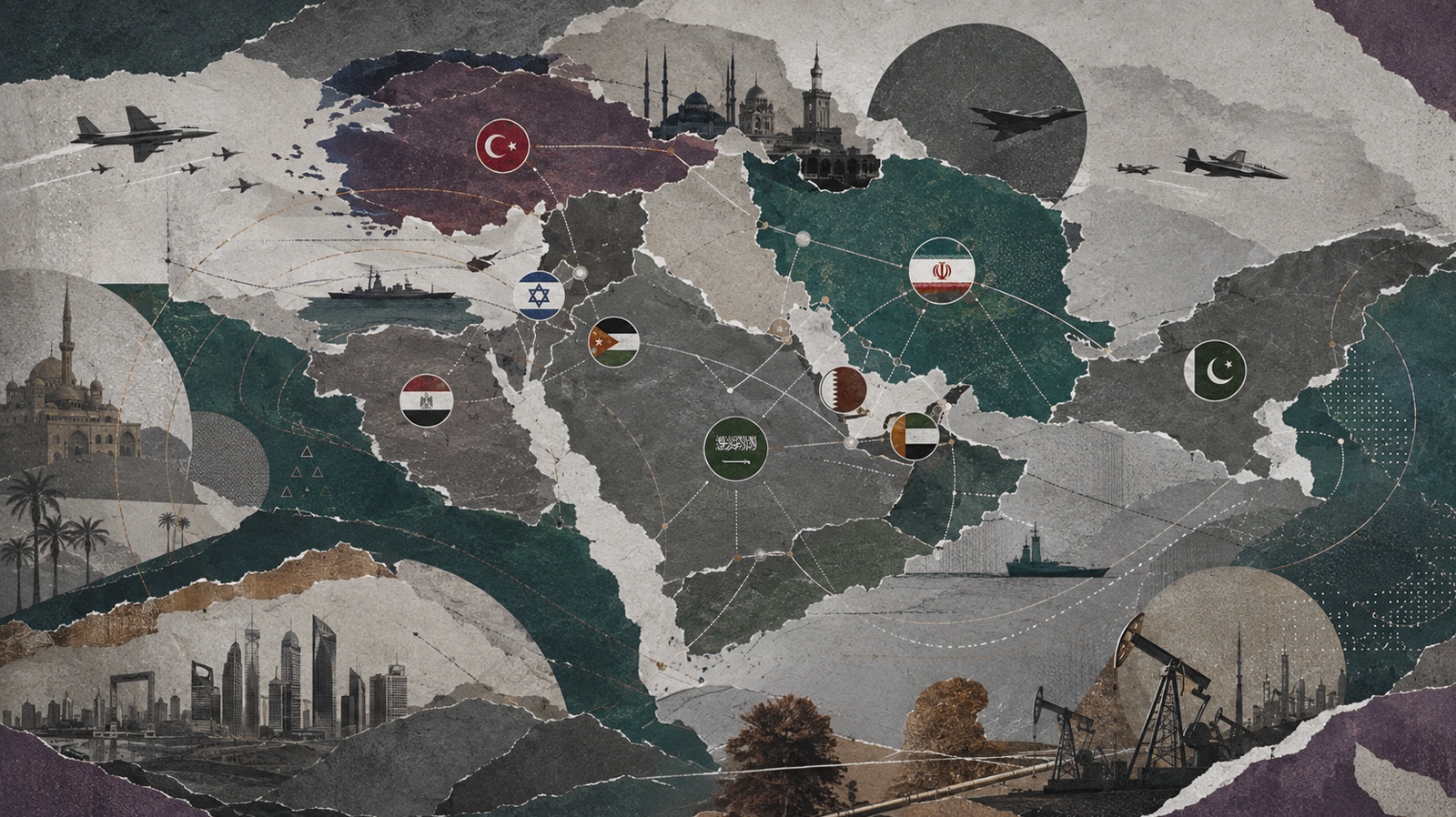
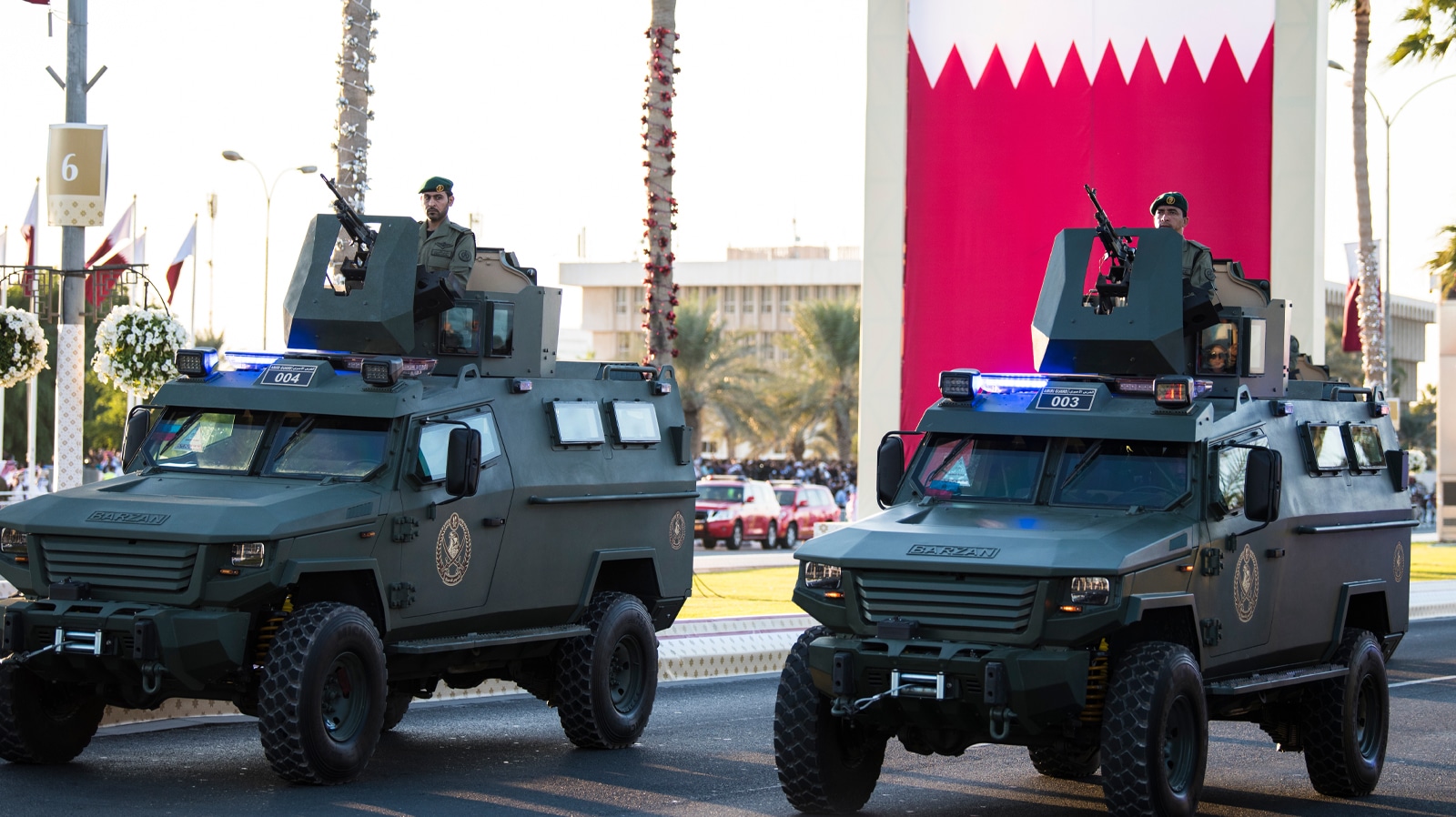
In parallel, the Institute addressed additional issues on the agenda—both related to the war and beyond it. War-related analyses included the role of the Gulf states, Houthi policy, developments in the energy market, Pakistan’s potential role as a mediator, and the Indian dimension of the conflict. Other topics included recommendations for establishing an external intelligence oversight body, proposals for reforms in the military justice system and the formulation of the IDF’s core values, policy recommendations regarding Syria, analysis of Syria’s energy sector, assessments of the regional order in the Middle East on the eve of the war, Qatar’s problematic policies, Secretary of State Marco Rubio’s speech at the Munich Conference, and the visit of Indian Prime Minister Narendra Modi to Israel.
At the same time, the Institute continues to expand its activities and to recruit new research fellows, including former Member of Knesset and Deputy Foreign Minister Idan Roll (who wrote the paper on oversight of Israel’s intelligence bodies), as well as research fellows Vita Avrahamov (who has written on the energy market and developments in the Horn of Africa) and Shimon Rafaelli (who served as a political adviser to Minister Ron Dermer).
All of us at the Jerusalem Institute hope that this extensive body of research will contribute to informed decision-making and to the achievement of the maximum possible objectives in the fateful war against Iran and its proxies. We wish all our readers and supporters a happy Passover.
Brig. Gen. (res.) Yossi Kuperwasser
Head, Jerusalem Institute for Strategy and Security (JISS)