
In June 2026, reports surfaced that Qatar Foundation International, the Washington D.C. arm of the government owned Qatar Foundation, which works with American universities, was shutting down. At about the same time, NAFSA, the U.S. association for international student advisers, held its conference in Florida. A partnership announced there brought together Qatar Foundation, Hampton University in Virginia, Xavier University of Louisiana, and Prairie View A&M University in Texas. The Prairie View agreement was particularly telling. After complaints about Qatari funding for U.S. universities Texas A&M announced that it would close its Doha campus. Qatar’s leaders condemned the decision. Even the U.S. ambassador to Qatar did so, apparently under pressure from Doha. The renewed engagement some two years later showed how much sway Qatar still in American academia.
The backdrop to the closure was a wide-ranging investigation by the Foundation for Defense of Democracies (FDD), published around the same time, into Doha’s U.S. investments, which had reached roughly $400 billion. News that the Qatari foundation was shutting down its operations in the United States gave influencers acting on Qatar’s behalf a way to fend off accusations about Qatari involvement in American academia and other parts of American society. The influencers’ response showed that Qatar wanted to keep its close ties to American academia while drawing less attention to them. Another factor was the conflict in the Middle East had also damaged Qatar’s economy, and Doha needed to announce cuts. By scaling back its overseas investments, it sought to reduce public attention and criticism and show that it was managing its finances more responsibly.
Qatar continues to fund U.S. institutions while keeping the money out of public view as illustrated by two visits to Qatar by U.S. officials in October 2026. Maryland’s commerce secretary went to Doha early in the month and met with several senior Qatari officials, including the health minister. The talks reportedly focused on the need for Qatari help in training medical staff. That meant using Qatari money and academic institutions in both Qatar and Maryland to train staff, an example of how Doha was still maintaining its foothold in American academia. A senator from Connecticut visited Qatar the next day. He met with Qatar Foundation President Sheikha Hind, the daughter of Sheikha Moza, and stressed the need to work with Qatar to help American universities thrive. Ties like these rest on specific programs in different states, even as Qatar seeks to keep its activities out of view.
That same month, U.S. Health Secretary Robert F. Kennedy Jr. took aim in a post on X at the influence of Qatar and the Muslim Brotherhood in American academia. As Health Secretary, he was in the position to have had a measure of influence over Doha’s medical agreements with Maryland universities. Regrettably, however, Kennedy deleted the tweet after only a few hours, setting off a wave of speculation about Qatari influence within the administration. Doha’s extensive ties with President Donal Trump and his advisors Steve Witkoff and Jared Kushner added further context to that speculation and the episode raised questions about Qatar’s leverage and why Kennedy deleted his tweet.
An illustration of how Qatari money flowing into academic institutions can escape scrutiny came a few days earlier when a federal judge in Washington temporarily barred the U.S. Department of Education from releasing the names of donors whose contributions had not crossed a certain threshold. In her ruling, the judge noted that the donations had been reported and that academic institutions feared that donors would be reluctant to give if their names became public. She also ruled that nongovernmental entities are entitled to confidentiality. Qatar benefits from the ruling as it can keep giving through private entities, such as foundations whose ties to the state are unclear, without facing the scrutiny such donations warrant.
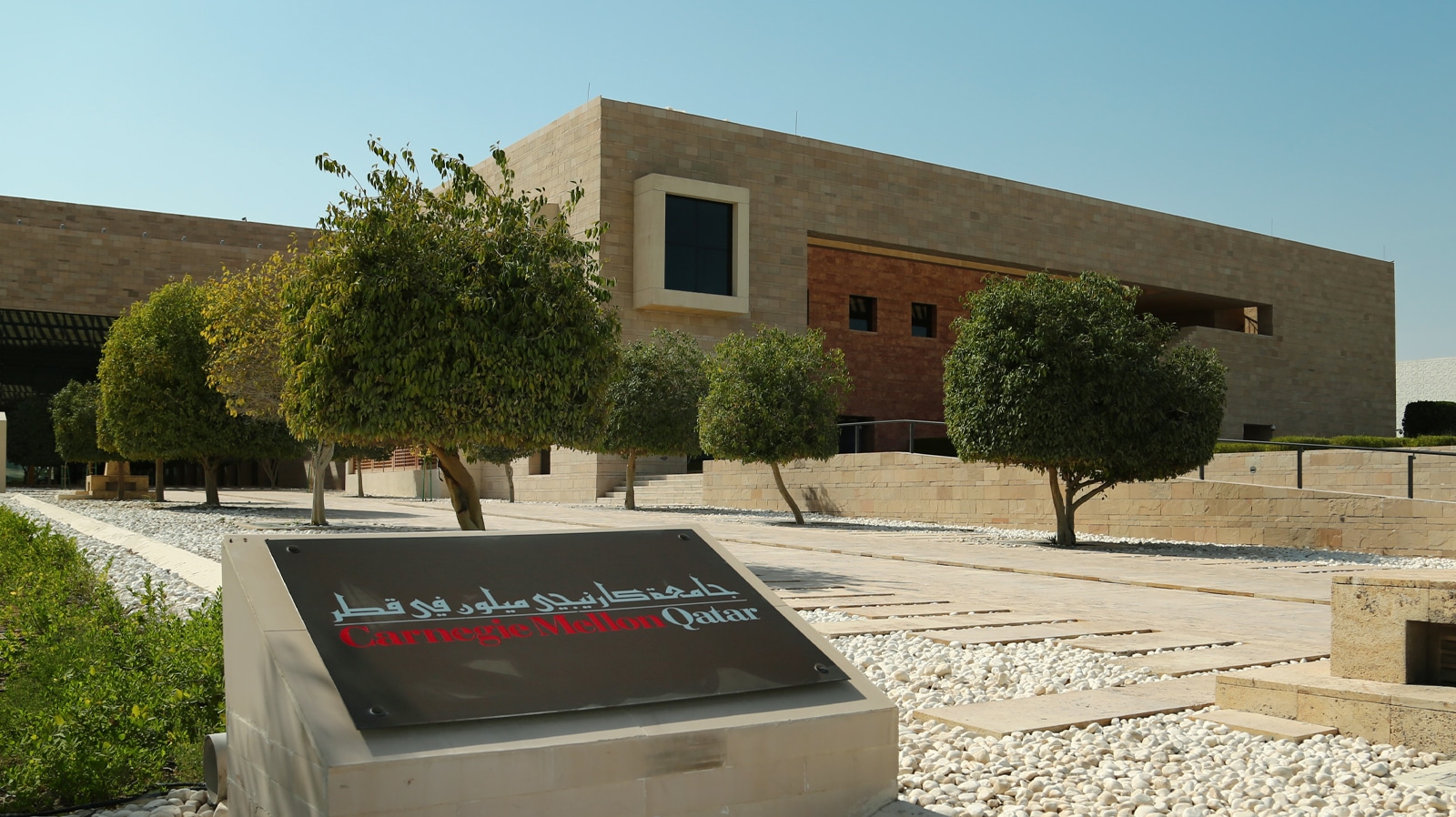
A further example of how deals avoid scrutiny was the announcement in October by the Qatari firm United Development Company that it had won a contract with the Doha campus of the American university Carnegie Mellon to work together to implement artificial intelligence projects in education and training. Past cases have shown that many Qatari agreements with university branches in Doha involved sums that exceeded the local campuses’ needs and that those deals were intended to legitimize funds that went to the parent universities.
Qatar uses the same approach elsewhere in the West. Its education minister signed a memorandum of understanding with the British Council in October to train teachers and school principals, including through joint workshops. The HEC Paris business school offers another example. An MBA course ended at its Qatar branch in early November, and Qatari media stressed that more than 80 percent of the institution’s students were Qatari. The coverage hinted that the money flowing to the Doha branch is aimed not only at meeting local needs, but also to legitimize Qatar’s spending on Western universities.
The latest examples show that Qatar wants to use university education to reach schools in the Arab world as well. In early November, the president of the American University of Beirut met with the president and chair of the Qatar Fund for Development to discuss investing in the Lebanese university to empower young people. Youth empowerment also figured in the August 2026 announcement by Girl Power Rocks, a non-profit, that it was partnering with Qatar’s U.S. embassy on a $500,000 program that includes mentoring, housing, and education for girls in Miami. The partnership is part of a broader Qatari ambition to extend its foothold and improve its public image by instilling radical values in disadvantaged communities.
Taken together, the above examples show how Qatar pursues influence quietly by backing state organizations, institutions, and academic bodies in the West to secure its foothold and promote its Islamist worldview. Doha seeks to keep that influence out of view so it can present itself as fiscally responsible and at the same time draw less international scrutiny of the money it gives Western academic institutions, especially in the United States.
Source: https://jiss.org.il/en/admoni-under-the-radar/