


By Steve Leibowitz
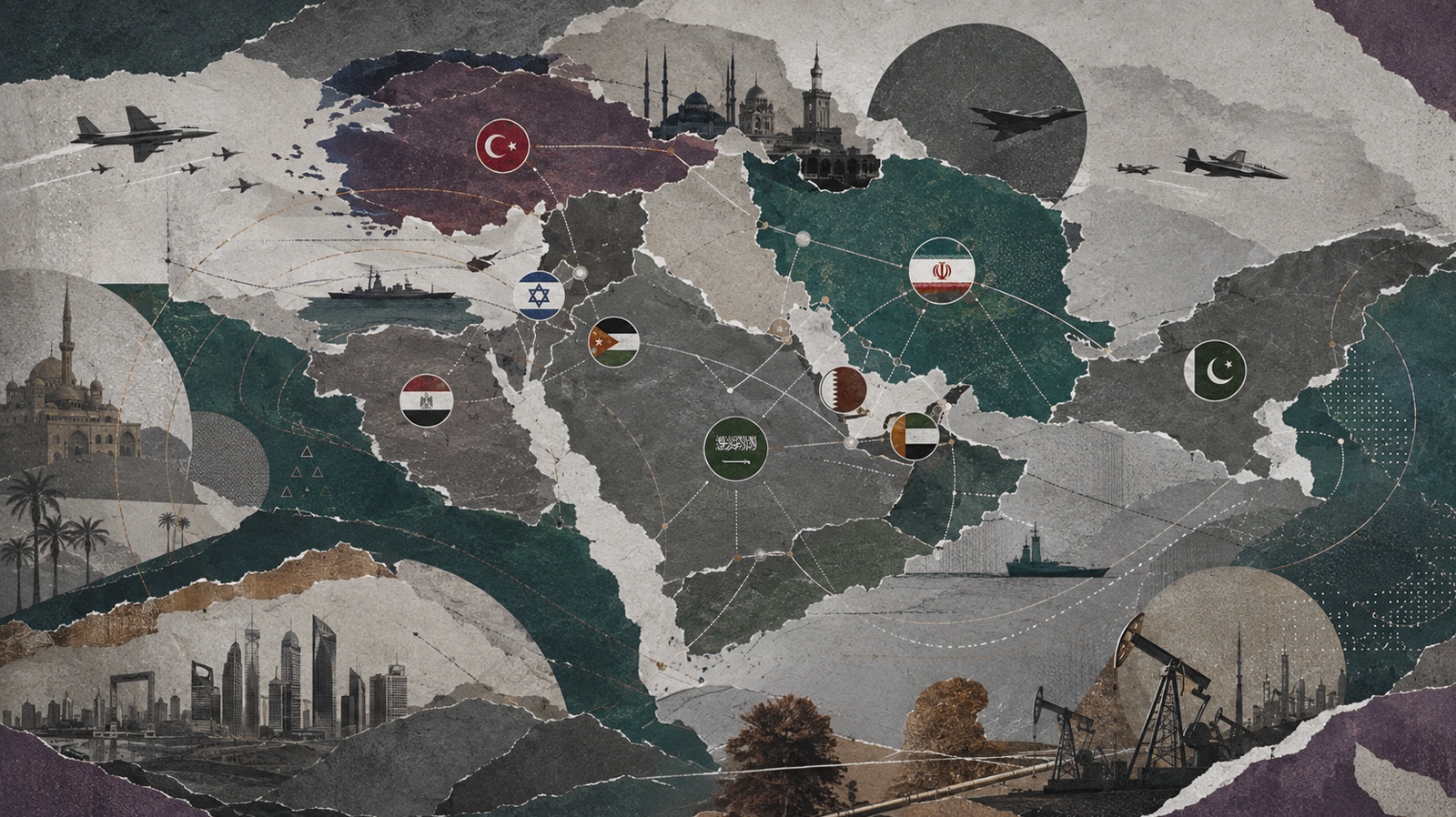
US President Donald Trump apparently back-tracked on an earlier promise for an “immediate” pullout of troops based in Syria, indicating that his reason is that “’we don’t want to give Iran open season to the Mediterranean.” The remarks were well received in Israel, where there has been great concern that a withdrawal of American forces would embolden Iranian military advances in Syria. Trump’s comment that “it was “important to not allow Iranian influence to grow in the country” underlined the feeling that an “immediate withdrawal” is now off the table.
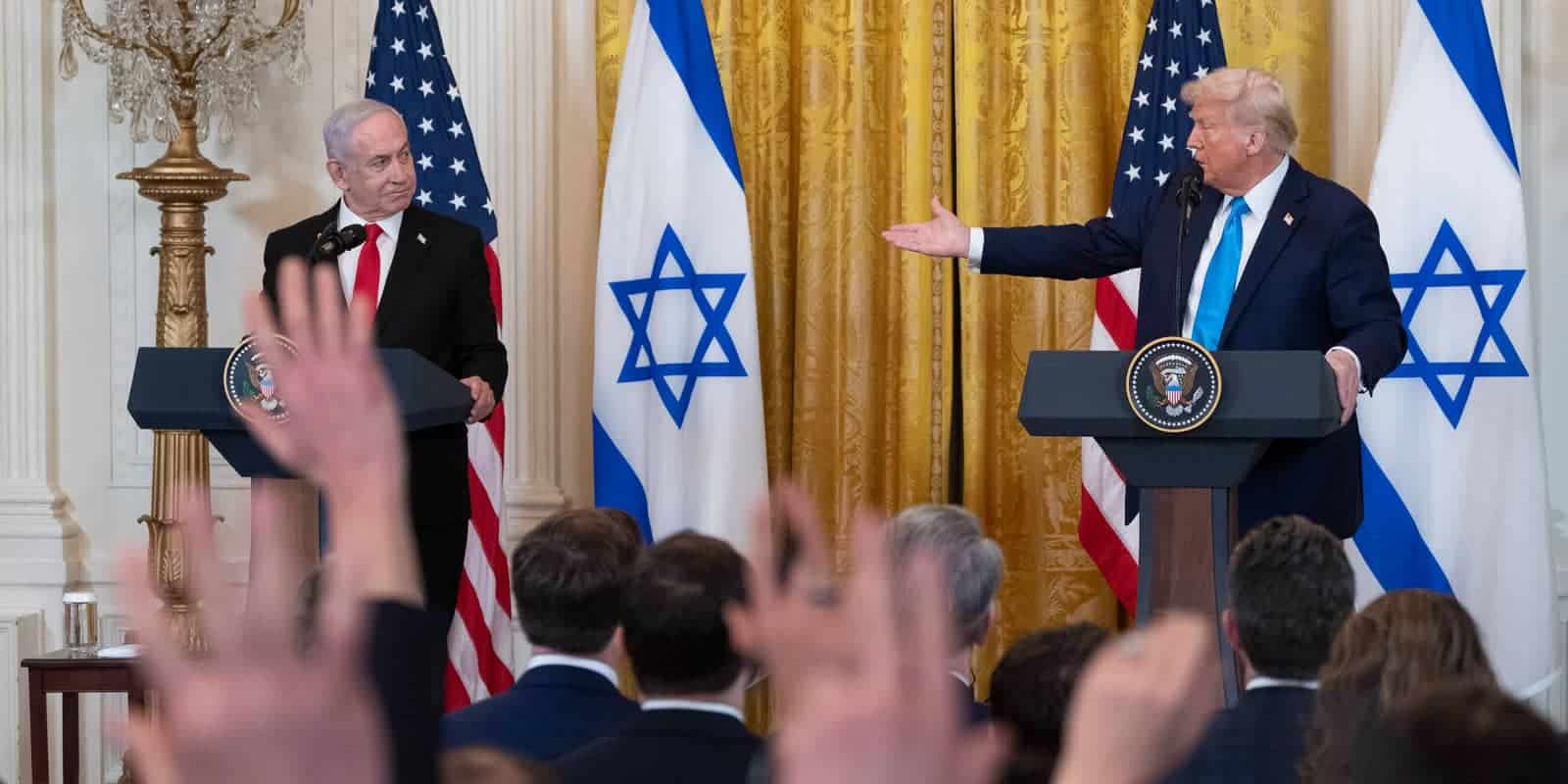
During his joint press conference with visiting French counterpart Emmanuel Macron, Trump said, “We’re going to be coming home relatively soon. We almost finished our work with respect to ISIS in Syria, ISIS in Iraq, and we have done a job that nobody has been able to do. I do want to come home, but I want to come home also with having accomplished what we have to accomplish.”
The US has about 2,000 military personnel in eastern Syria, working with local Kurdish militia groups fighting to defeat the extremist Islamic State group while trying to keep out of Syria’s civil war. A US withdrawal from Syria has raised fears in Israel of an emboldened Iran stepping up efforts to expand its presence in Syria and setting up bases for use in attacks against Israel.
Israeli officials have repeatedly stated that Israel will not allow Iran to entrench itself in Syria, marking it as a “red line” that it will be prevented militarily if necessary.
Trump’s remarks come at a time of high tensions between Israel, Syria and Iran, following a deadly airstrike on an alleged Iranian facility in central Syria, which has been attributed to the Israeli Air Force.
Dr. Jonathan Spyer, a leading Syria expert, sounded relieved that Trump has “walked back” his earlier “immediate withdrawal” statement.
“The US forces are helping the Kurdish forces east of the Euphrates. They control about 30% of Syrian territory. It will probably stay that way. The Kurdish militias need the American assistance, and more importantly they need the air cover provided by the US Air Force,” Spyer told World Israel News.
Spyer suspects there could now be French involvement and perhaps financial assistance from Sunni Arab nations in a combined effort to push back against Iranian expansion in Syria.
Trump behind the scenes
Marc Zell, who heads Republicans in Israel, hailed the announcement, saying, “There was blowback, and properly so, following Trump’s announcement of an ‘immediate withdrawal.’ Trump now understands that a US pullout would cause a vacuum and possible ISIS return. This is connected to stopping the Iranian expansion as well.”
Zell believes that Trump, behind the scenes, is in the process of catalyzing the “emergence of pan Arab force” that would share the burden with the US.
Dan Diker of the Jerusalem Center for Public Affairs told WIN, “Since the arrival of John Bolton as his national security adviser, it’s becoming clear to Trump that America plays a critical stabilizing role in Syria, especially with regard to the Kurds. It’s a key American interest to fill the void made possible by the previous administration that resulted in Russian and Iranian control on the ground. America understands Israel’s profound concern over developments in Syria, and it’s in US interests to ensure that Iran’s grip over Syria is loosened and eliminated.”
Dr. Eran Lerman of the Jerusalem Institute for Strategic Studies told WIN that he believes Trump has France and the Saudis on board with the notion that an Iranian presence must be prevented in major parts of Syria. “Trump is literally saying there can be no contiguous land bridge through Syria, reaching to Lebanon, Israel and the Mediterranean Sea. Trump also wants the Saudis to pay for this pushback against Iran. He will allow US forces to remain, but only if the French and Saudis agree to share the burden,” Lerman said.
WIN, 25.04.2018