


Introduction
The military campaign against the clerical regime in Iran forms an integral part of the strategic trajectory that has shaped Israel’s national security policy since October 7, 2023. The progression from Operation Rising Lion in June 2025 to Operation Roaring Lion and the joint campaign with the United States in February 2026 reflects a fundamental shift in Israel’s security doctrine. Israel has moved from a policy of containment and attempts at passive deterrence to one centered on planning in advance and achieving decisive victory: striking the enemy’s capabilities rather than merely responding to its intentions, and enforcing sustained pressure designed to prevent its recovery. Prime Minister Benjamin Netanyahu—and the U.S. administration—have described this approach as “peace through strength.” This shift is now being fully validated in practice, both on the battlefield and in Israel’s conduct on the international stage.
This article examines the close connection between the achievements of Operation Rising Lion and the current campaign, analyzes how Israeli and American power has been applied within the framework of this doctrinal shift, and outlines the strategic direction for the continued implementation of “peace-through-strength.” In the emerging reality, Israel is no longer a passive partner but a spearhead. The leadership of the United States with Israel as a partner demonstrates this clearly: the articulation of a clear objective—the defeat of the central driver of regional and global terrorism—and the consistent application of principles of power projection, enforcement, and decisive and in effect strategic victory. Achieving this objective would shape the regional environment as a whole and could also influence other global conflicts, including the Russia–Ukraine war and the broader strategic competition between the United States and China.
A Conceptual Shift After October 7, 2023
Israel’s security doctrine, as formulated in the early years of the state, rested on three pillars articulated by David Ben-Gurion: early warning, deterrence, and decisive victory. Over the course of the 2000s, however, policy drifted toward a strategy of “containment,” accompanied by a degree of strategic self-deception regarding operations that supposedly generated deterrence. The events of October 7, 2023, demonstrated the failure of that approach. Hamas’s murderous attack exposed the limits of containment: the enemy was not deterred. Instead, it strengthened its capabilities and, under the umbrella of Israel’s containment policy, chose the timing of the attack on its own terms.
On October 8, 2023, at the very outset of the war, when Israel was still reeling from the assault, Prime Minister Netanyahu declared that the blow Israel had suffered must be used to reshape the Middle East. The conceptual shift was immediate: transforming the region required a return to the principle of decisive victory and the adoption of a doctrine of prevention and enforcement—namely, acting against capabilities rather than intentions. Implementing this doctrine required mobilizing national resources to dismantle the Iranian-led axis surrounding Israel.
Israel’s decision to continue the campaign in the Gaza Strip despite heavy international pressure from the United States under the Biden administration, Europe, and the United Nations was the first step. Many advisers and commentators in Israel argued that halting the fighting in Gaza would facilitate the release of the hostages, allow Hezbollah to “hold its fire,” and enable Iran’s other proxies to stand down. Israel’s insistence on continuing the campaign proved the opposite: Sustained operations in Gaza, combined with a later redirection of Israel’s primary efforts to target Hezbollah—beginning with the “pager operation” and the targeted killing of Hassan Nasrallah in September 2024—turned the strategic trend.
Israel’s gains in Lebanon produced a ceasefire in October 2024 under heavy American pressure on the eve of the U.S. elections. From Israel’s perspective the ceasfire was premature: Hezbollah was severely damaged but not destroyed and the agreement allowed it to begin a slow recovery and required Israel to carry out a phased withdrawal to the pre–October 7 border line, with the exception of five outposts that Israel held on to in southern Lebanon. With President Trump’s return to the White House, Israel resumed strikes against Hezbollah’s efforts to rebuild and rearm. IDF forces remained in the forward positions inside Lebanon, preserving a partial security buffer and enabling residents of northern Israel to return to their homes.
Another immediate consequence of Israel’s campaign in Lebanon was the collapse of the Assad regime in Syria in December 2024. Israel responded quickly to the regime’s fall, seizing a significant buffer zone and destroying much of the Syrian army’s remaining capabilities. These developments created a “safe corridor” that later allowed the Israeli Air Force to operate over Iran—an advantage realized some six months later during Operation Rising Lion.
Operation Rising Lion – A Turning Point
Operation Rising Lion, also known as the “Twelve-Day War,” which took place in June 2025, marked not only a major military achievement but a strategic turning point in Israel’s history and in its national security doctrine. Israeli intelligence assessments indicated that Iran’s nuclear breakout time had been dramatically shortened to only a few weeks. At the same time, Iran was rapidly expanding production of long-range ballistic missiles.
Faced with these developments, Israel made a bold strategic decision: to act independently and proactively—later in coordination with the United States—against the enemy’s capabilities rather than waiting for Iran to complete its force buildup and decide to employ it. This decision reflected the culmination of a conceptual shift: classical deterrence was no longer viable against the clerical regime in Tehran and had to be replaced by a strategy of decisive victory and sustained enforcement.
The operation produced a range of significant achievements. Critical components of Iran’s nuclear program built over many years at a cost of hundreds of billions of dollars were destroyed, pushing back Iran’s ability to produce a nuclear weapon by years. Iran’s ballistic missile production capacity also sustained severe damage. Within the first forty-eight hours of the operation, Iranian air defense systems in western Iran were largely neutralized, enabling the Israeli Air Force, for the first time in history, to operate over Iranian territory and return without significant interference.
The rapid success of Operation Rising Lion altered President Donald Trump’s calculations. Initially reluctant to join the campaign out of concern over escalation and entanglement in another distant conflict, he reconsidered after observing the effectiveness of the Israeli opening strike and the IDF’s achievements in Iranian airspace. Washington subsequently approved the deployment of B-2 bombers to complete the destruction of Iran’s remaining nuclear infrastructure.
Beyond the immediate military achievements, Operation Rising Lion marked a strategic turning point because it demonstrated in practice the full implementation of the “peace through strength” doctrine. Rather than waiting for threats to mature, Israel adopted a proactive strategy of prevention—striking enemy capabilities before they could become an existential danger while creating a “safe corridor” that would enable continued operations in the future.
Under the pressure of heavy American sanctions and the military damage it had suffered, Iran returned to the negotiating table. Tehran’s goal was largely tactical: to buy time and attempt once again to mislead Washington, while encouraging voices inside the United States that argued against deeper involvement in Iran. That effort ultimately failed.
Operation Roaring Lion – A Strategic Partnership with a Superpower
Operation Roaring Lion is not just another operation following on from Operation Rising Lion (June 2025) but a strategic evolution in the implementaiton of the joint doctrine developed by Israel and the United States. After Rising Lion, Iran returned to negotiations under heavy American sanctions. At the same time, joint Israeli-American intelligence revealed that Tehran had continued advancing its nuclear program at concealed alternative facilities while accelerating the production and underground deployment of ballistic missiles.
President Trump, encouraged by the success of the June 2025 campaign and already committed to the principle that strength produces results, agreed to one final round of diplomacy—largely to create a clear historical record and address domestic and international criticism. Meanwhile, the United States and Israel used the time to prepare the military capabilities required for a broader operation and to refine operational plans. Once it became clear that Iran had no intention of abandoning its nuclear ambitions, the joint strike was authorized.
Unlike earlier operations in which Israel acted alone or as a secondary partner, Operation Roaring Lion reflected a full and equal partnership between the two countries. Israel, operating as the forward regional spearhead, assumed the most critical and complex missions: neutralizing senior regime leadership, including Supreme Leader Ali Khamenei in the opening strike, and eliminating the remaining Iranian air defense network protecting the country’s airspace.
In the opening wave on February 28, 2026, hundreds of Israeli Air Force aircraft launched the first round of precision strikes. Khamenei was killed in an underground bunker using advanced munitions, along with dozens of commanders of the Islamic Revolutionary Guard Corps (IRGC). Together with U.S. forces, Israel destroyed most of Iran’s remaining air defense systems, including advanced Russian and Chinese systems delivered after Operation Rising Lion. At the time of writing, U.S. strategic bombers—including B-1, B-2, and B-52 aircraft— are attacking Iran, underscoring the extent to which Tehran’s air defenses have been suppressed.
The equal partnership was also evident operationally. A joint command structure, staffed by Israeli and American officers, operated from integrated war rooms while intelligence was exchanged in real time. Israel contributed deep regional knowledge and specialized operational capabilities, while the United States provided strategic depth and scale.
As in June 2025, the air force of a small state opened the way for the world’s most powerful military to operate freely over hostile territory. As CENTCOM commander Admiral Brad Cooper remarked recently, the campaign brought together what he described as the two most capable air forces in the world—the United States and Israel.
Operation Roaring Lion demonstrates the full maturation of the “peace through strength” strategy. Israel is no longer a passive partner or auxiliary actor but an equal partner with unique capabilities that enable the United States to project power without incurring heavy political costs. The operation’s initial achievements—the elimination of senior regime leadership, the destruction of a substantial portion of Iran’s ballistic missile capabilities, and damage to the regime’s governing apparatus—have created new strategic conditions: the possible collapse of the clerical regime in Iran, the emergence of a pro-Western government, and a severe blow to the global axis aligned against the West, with potential implications for conflicts involving Russia and China.
The partnership with the United States under President Trump is not temporary but strategic and long-term. A broader global continuum is emerging in which Israel serves both as a model and as a central partner. The progression from Rising Lion to Roaring Lion demonstrates that Israeli strategy is not reactive but proactive. Rather than waiting for external authorization, it seeks to shape reality. The objective extends beyond defeating the Iranian threat to reshaping the regional and global order, with the United States and Israel at its center.
International Reactions: The Good, the Bad, and the Useful Idiots
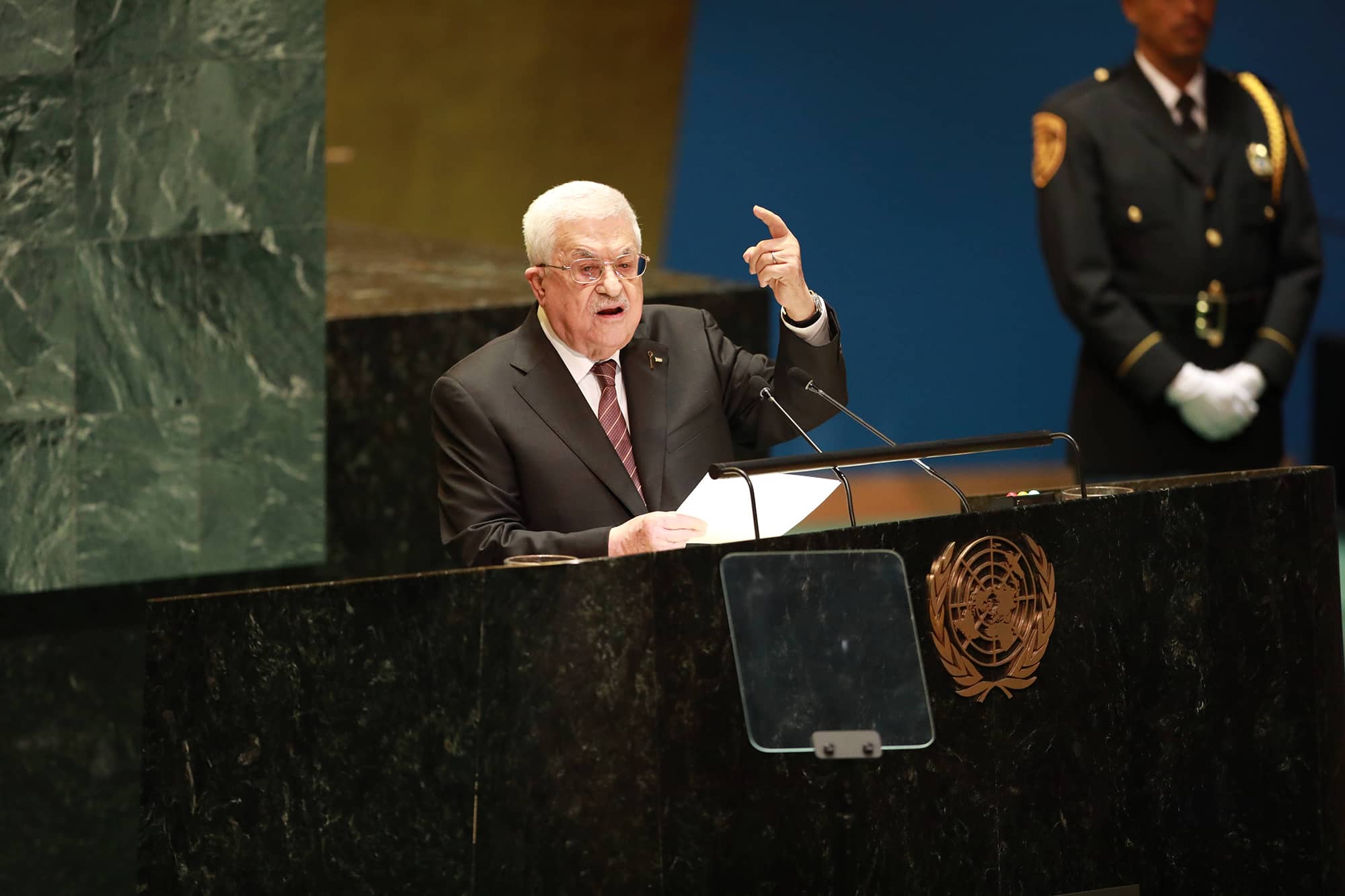
International reactions to Operation Roaring Lion and the killing of Ayatollah Ali Khamenei serve as a clear “reality test” for the emerging geopolitical alignment in the Middle East and indeed globally The United Nations Security Council—which only two months earlier took its time over convening to address the massacre carried out by the Islamic Revolutionary Guard Corps against Iranian civilians, a massacre that resulted in the deaths of tens of thousands—convened in emergency session less than twenty-four hours after the joint operation began. The result was a series of largely empty statements. In his remarks, UN Secretary-General António Guterres declared that the operation “undermines international peace and security” and called for an immediate ceasefire and a return to negotiations.
By contrast, among the countries of the region that had suffered direct attacks from Iran and its proxies, there was almost no condemnation of Operation Roaring Lion. Saudi Arabia, Qatar, the United Arab Emirates, Bahrain, and Kuwait—all of which have been direct targets of Iranian missiles and drones in response to the operation—quickly condemned what they described as “Iranian aggression against its neighbors” and emphasized their “right to defend their sovereignty.”
Oman, which had served as a mediator in U.S.–Iran talks, adopted a lower profile but likewise refrained from condemning Israel or the United States. The most unusual statement came from the Lebanese government, which issued an explicit public call urging Hezbollah to “avoid any involvement in Iran’s response.” The statement reflected clear concern that Lebanon’s new leadership, following the fall of Assad and the weakening of Hezbollah, was unwilling to once again become a proxy battlefield for Tehran.
These reactions indicate that the Iranian threat, which has for a long time hung over the Sunni Gulf states, has reemerged in full force and undermined the temporary effort to construct a “Sunni–Shiite axis.” After Hezbollah made the strategic mistake of attacking Israel—albeit not with its full capabilities—and Israel responded forcefully, the Lebanese prime minister issued a sharp declaration announcing an immediate ban on all Hezbollah activities, stating that they are illegal in their entirety.
The only country in the region to issue an explicit condemnation of the attack was Turkey. President Recep Tayyip Erdoğan declared almost immediately that “the attack on Iran is a blatant violation of international law” and that “As their neighbors and brothers, we share the pain of the Iranian people.” At the same time, wary of appearing as an unqualified supporter of Tehran, Erdoğan also condemned Iranian strikes against the Gulf states and called for “immediate diplomatic intervention.” This position—reflecting Erdoğan’s familiar policy of balancing between competing camps—may be tested if Iran chooses to strike Turkish targets as well, as it appears to have done on March 5.
In Europe, reactions were cautious and divided. Spain’s prime minister, who is affiliated with the far left, issued an immediate and harsh condemnation of what he called “American-Israeli aggression” and subsequently prohibited the use of Spanish bases to support U.S. operations against Iran, despite Spain’s commitments as a member of NATO. France and the United Kingdom, by contrast, released a joint statement that focused primarily on condemning “Iranian strikes” while calling for a ceasefire and a diplomatic solution. French President Emmanuel Macron and the British Prime Minister Keir Starmer both explicitly called for a return to negotiations, emphasizing the importance of “protecting civilians.”
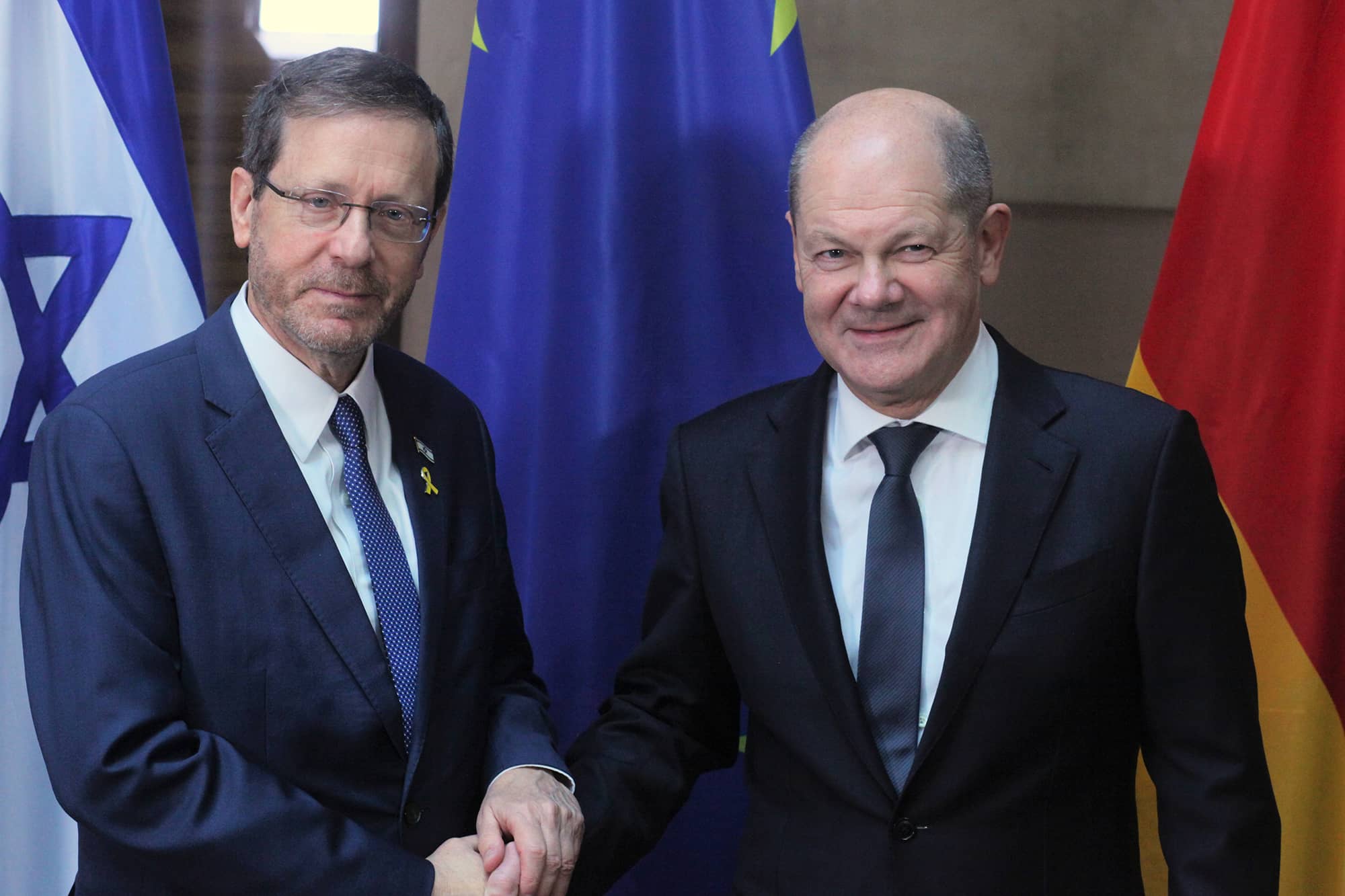
These responses reflect a recurring European inclination toward “peace at any price,” often detached from the strategic reality of existential threats. Even after Iranian attacks on British bases in Cyprus, these states did not substantially revise their position; their response focused primarily on defense and the interception of incoming missiles and drones. A notable exception among Western European leaders was German Chancellor Friedrich Merz, who openly aligned himself with the United States and called for the overthrow of Iran’s murderous regime.
Canada, for its part, chose this time to stand alongside its southern neighbor and explicitly support the operation, openly calling for “the replacement of Iran’s murderous regime.” Among the Iranian diaspora in Canada—as well as in the United States and Europe—large demonstrations erupted in support of the operation, with placards reading, “Khamenei has fallen—now freedom for Iran.” This phenomenon highlights the deep divide between authoritarian regimes and the societies they rule, rendering the “useful idiots”—those Western voices that continue to defend the regime’s “sovereignty”—increasingly irrelevant in the face of realities on the ground.
China and Russia, as expected, issued condemnations. Chinese Foreign Minister Wang Yi spoke with his Israeli counterpart and demanded “an immediate cessation of military operations,” stressing that “Iran’s sovereignty must be respected.” China, which for years benefited from discounted Iranian oil and supplied Iran with missile technologies and other weapons systems, viewed the operation as a direct blow to its economic and strategic interests.
Russia, for its part, condemned what it called “unprovoked aggression” and repeated the claim that “no evidence has been found that Iran is developing nuclear weapons”—despite the fact that Moscow itself supplied Iran with air-defense systems and combat aircraft and has used Iranian drones extensively in its war in Ukraine. Together, these two powers—pillars of the global anti-Western axis—have exposed the limits of their partnership with Tehran: they condemn the operation but stop short of military intervention, much as they did during Operation Rising Lion.
Ultimately, the international responses confirm the central premise of the “peace through strength” doctrine: the world respects power, fears it, and adjusts to it. The condemnations from China, Russia, and parts of Europe, alongside the silence or quiet support from the Gulf states, Germany, Canada, and segments of the free world, suggest that the Israeli-American operation will not only disrupt and neutralize the Iranian threat but also alter the broader balance of power in global politics.
New International Alignments: Israel as a Regional Power
The military and diplomatic achievements of Operations Rising Lion and Roaring Lion leave little doubt: for the first time in its history, Israel has emerged as a regional power around which new and significant international alignments are taking shape. At the center of the first alignment stands India—an ascending power with 1.4 billion people, a dynamic economy, and an advanced military.
Indian Prime Minister Narendra Modi’s visit to Israel, held just days before the launch of Operation Roaring Lion, elevated bilateral relations to what both sides described as a “special strategic partnership,” encompassing numerous agreements in defense, artificial intelligence, cyber cooperation, agriculture, and technology. In his address to the Knesset, Modi spoke directly to the Israeli public and condemned Hamas’s October 2023 attack, framing Israel as a natural partner in confronting radical Islamist terrorism, an ideology that also threatens India. The visit further positioned India as a central actor in this emerging alignment.
Alongside India stand the moderate Gulf states, led by the United Arab Emirates, a long-standing and reliable partner since the signing of the Abraham Accords in 2020. Despite intense domestic and regional pressures during the War of Redemption (Swords of Iron), particularly during the Gaza campaign, the UAE not only preserved its close relationship with Israel but significantly expanded it.
It is therefore no coincidence that Iran has concentrated a substantial portion of its missile and drone attacks against the Emirates, which have defended themselves using advanced air-defense systems produced in the United States and Israel.
Saudi Arabia, which until recently had remained “on the fence” and even explored the possibility of a temporary alignment with Iran, may now reconsider a return to the normalization track—particularly after experiencing the Iranian missile threat firsthand. An alignment with Israel, grounded in shared interests in stability, economic growth, and resistance to Iranian influence, positions Jerusalem as a strategic bridge linking the Gulf with Europe and Asia.
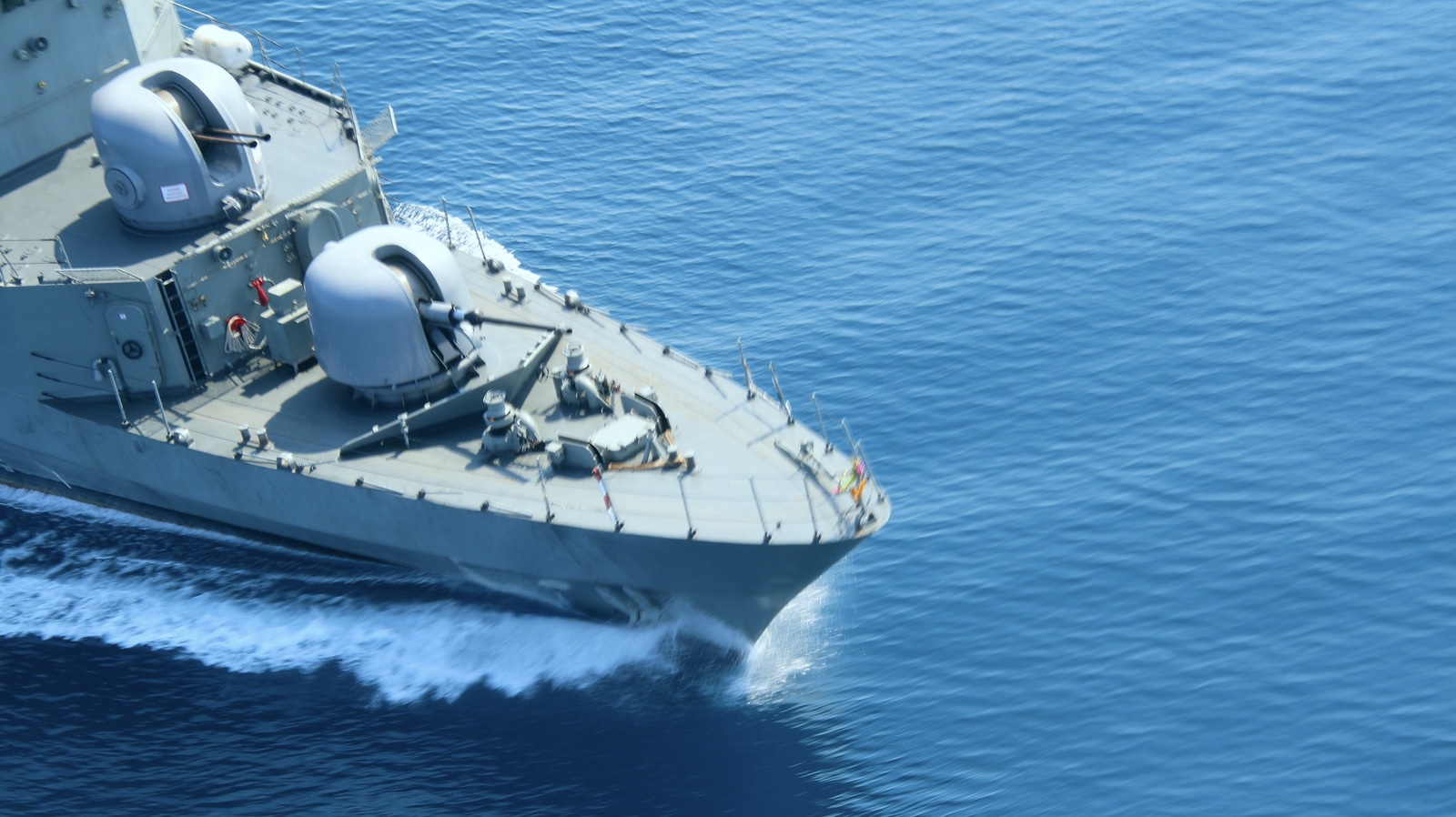
The third alignment—the Mediterranean axis—has been strengthened through Greece and Cyprus, two countries that maintain deep military, economic, and energy cooperation with Israel. Both view Israel as a strategic partner in balancing Erdoğan’s Turkey, while joint projects such as the EastMed gas pipeline and expanded air routes are transforming the region into a connecting corridor between Israel and Europe. Greece and Cyprus, both of which have previously faced Turkish pressure, increasingly see Israel as a regional power capable of shifting strategic balances. Iran’s attacks on the sovereign territory of Cyprus have only reinforced this special relationship.
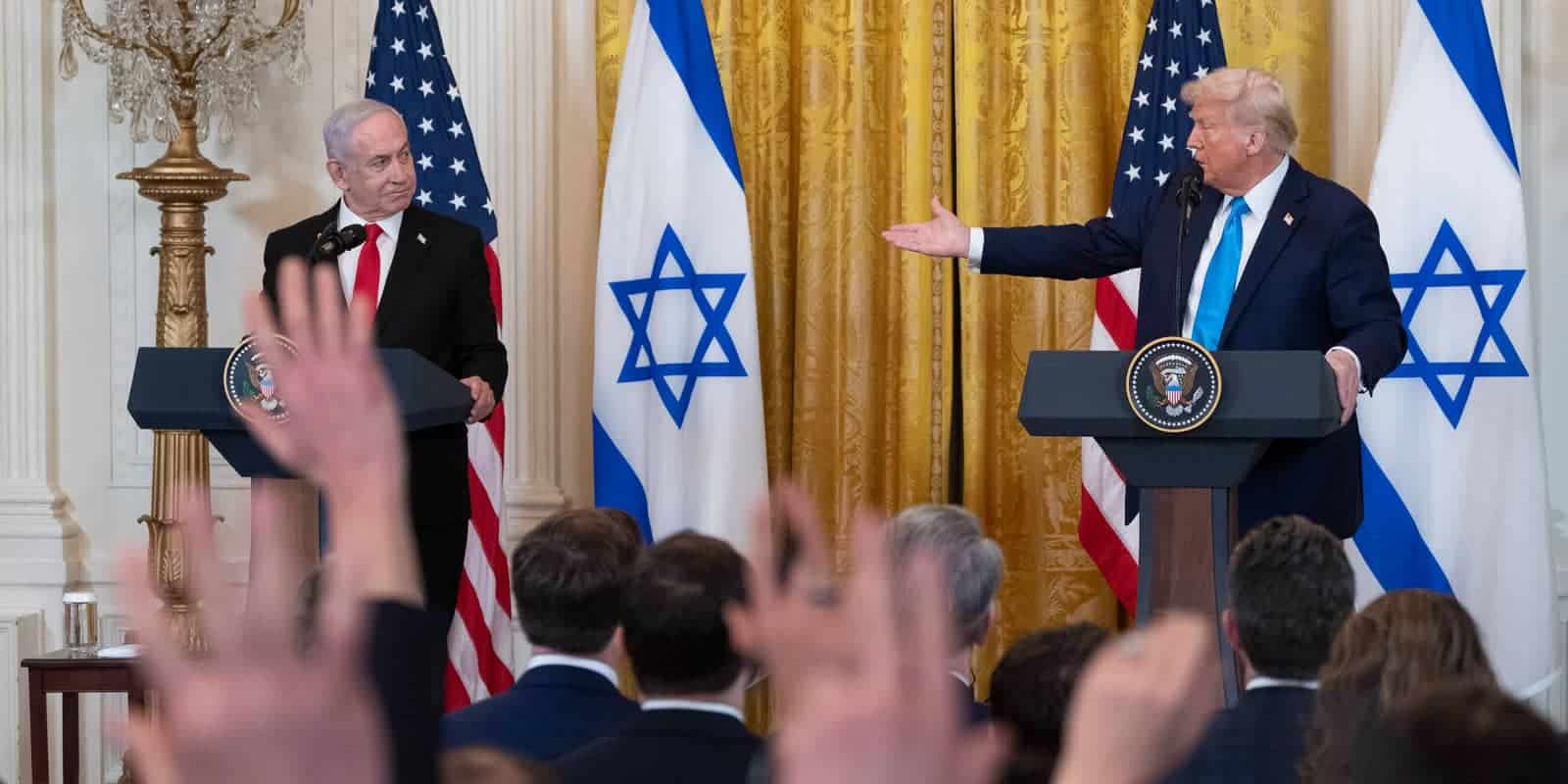
At the center of these alignments stands Israel itself, which has emerged as a regional power whose actions now carry global implications. The United States, under President Donald Trump, forms the backbone of these alignments. Encouraged by Israel’s military successes in Gaza, Lebanon, and Iran, Trump applied the same doctrine elsewhere: in Venezuela, with the capture and arrest of President Nicolás Maduro, who will now face trial in the United States; in Cuba, through a tightening fuel embargo; and in other arenas. Trump’s aggressive tariff policy and sustained economic pressure on China and Russia complete the broader strategic picture.
The defeat of Iran and the prospect of a new government, which may well be pro-Western, and at the very least no longer hostile to Israel, would weaken both China and Russia. China would lose a key source of discounted oil from Iran and parts of Latin America, while Russia would lose an important arms client and partner. Should a new government emerge in Tehran, it would likely join the new alignment, potentially transforming the Middle East into a region defined less by confrontation and more by stability and economic growth.
The doctrine of “peace through strength,” as it has taken shape and been implemented in practice over the past two years, is neither a political slogan nor an abstract theory of statecraft. It represents a comprehensive, long-term strategy that defines clear objectives and guiding principles while adapting its methods to changing realities. Prime Minister Benjamin Netanyahu, who has emerged as the principal executor of the doctrine, has repeatedly emphasized in his speeches that peace is made either with those who respect us or with those who fear us. The phrase captures the essence of the concept: power is not an end in itself but the essential means to achieve durable peace.
We are witnessing a shift away from decades of agreements built on withdrawals and concessions in the name of “peace now,” which effectively subordinated long-term security to short-term political gains. A different strategic framework has emerged in their place —“peace through strength.”
Conclusion
Operation Roaring Lion has not yet achieved all its objectives. Ultimately, the decisive factor will be the actions of Iran’s citizens, who will have to take their future into their own hands and bring down the clerical regime, replacing it with a new political order in Tehran—one that is likely to lean toward the West and at the very least abandon the regime’s entrenched hostility toward Israel. Should such a transformation occur, the consequences would extend far beyond Iran, reshaping the strategic landscape of the Middle East and reverberating across the international system.
The first strategic consequence would be a devastating blow to the wider anti-Western axis. Such a development would reverberate immediately among Iran’s regional proxies: the remnants of Hamas and Palestinian Islamic Jihad in Gaza, Hezbollah in Lebanon, and the other members of Iran’s so-called “Ring of Fire,” all of which depend on Tehran’s patronage. At the global level, the weakening of Iran would also diminish the position of both China and Russia. Moscow, in particular, could struggle to sustain its war effort in Ukraine. A post-clerical Iran would likely gravitate toward the new geopolitical alignment described above—an alignment linking Israel, India, the Gulf states, Greece, Cyprus, and the United States—and transform the region into one defined more by economic growth, not confrontation.
Regionally, the Gulf states, particularly Saudi Arabia, may accelerate the normalization process with Israel, expanding the circle of the Abraham Accords and deepening cooperation in security, economic development, and energy. Globally, President Trump is likely to continue applying the same strategic doctrine in other arenas, pursuing similar gains in other arenas.
Beyond the immediate days ahead ,which will bring continued sirens, interceptions, and perhaps painful losses, Israel faces a moment of extraordinary and unprecedented strategic opportunity. The progression from Operation Rising Lion to Operation Roaring Lion, and toward the fuller realization of “peace through strength,” is not accidental and cannot be explained by circumstances alone. It reflects a deliberate and sustained strategy. Israel, now acting as a leading regional power alongside the United States under President Trump, is reshaping the global balance of power and laying the groundwork for new international alignments that could deliver security, stability, and prosperity not only to Israel but to the wider region.
The strategy is clear, the course has been set, and the future is in our hands.
JISS Policy Papers are published through the generosity of the Greg Rosshandler Family.