
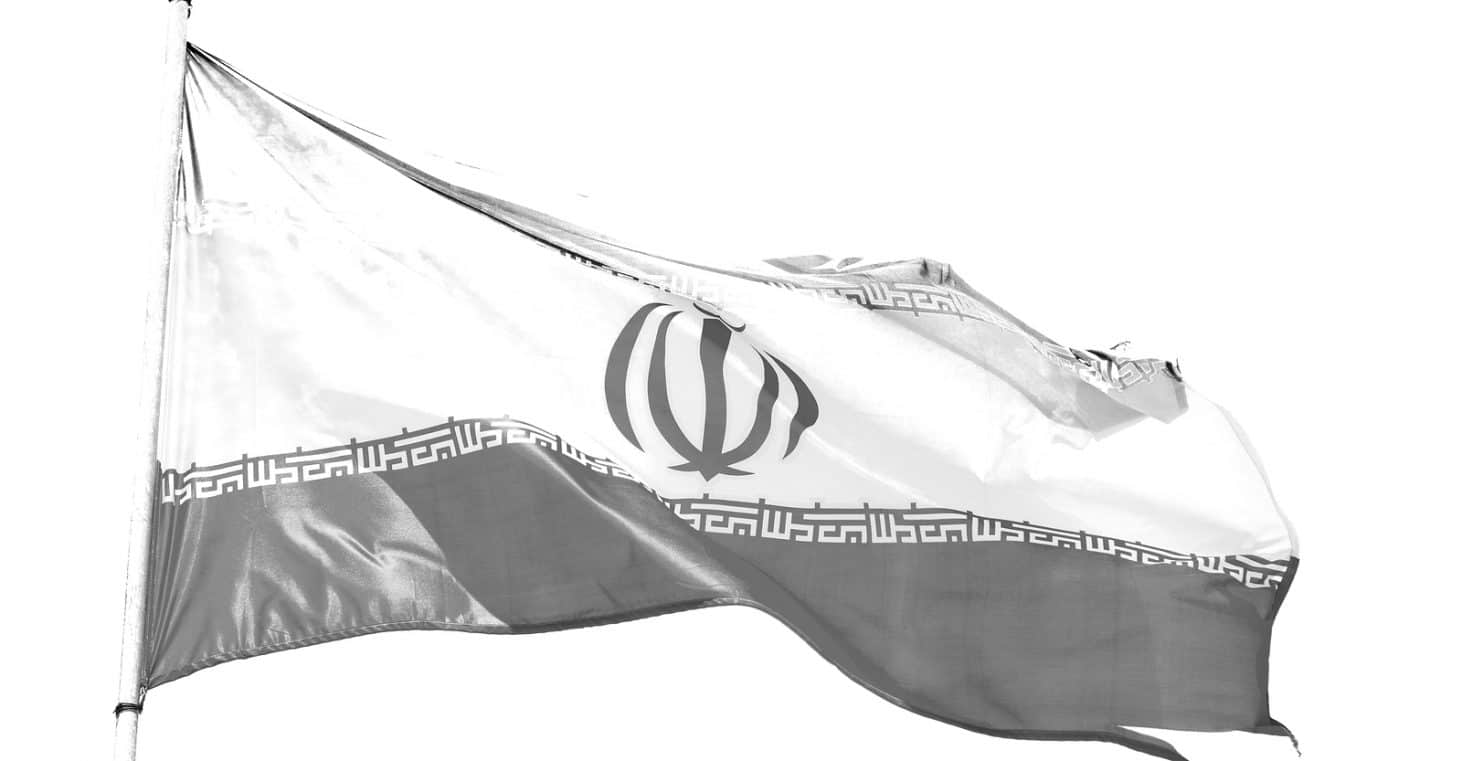

Every year, the Iranian regime and media claims that millions of Iranians enthusiastically fill the streets on the anniversary of founding of the Islamic Republic of Iran. The Iranian opposition, on the other hand, says that public participation is waning. They attribute this to alienation and revulsion among large sections of the Iranian publicfor the regime’s actions.
In addition to the suppression of individual freedom, the economic situation is one of the main motives for the growing criticism of the regime in Iran. This dissatisfaction was highlighted by several sets of demonstrations in the past three years. 26 million people, one third of the Iran’s 82 million people, live in abject poverty.
It is sufficient to compare the Iranian economy at present to its state at the outset of the Islam revolution to realize the extent of the regime’s failure in this sphere. Per capita gross national product (GNP) in 1980 was $2,374 in Iran, $2,169 in Turkey, and $1,711 in South Korea. In 2018, GNP was $4,838 in Iran, $11,125 in Turkey, and $32,774 in South Korea. Poverty and economic distress in Iran are attributable mainly to the regime’s allocation of huge amounts of money and resources to supporting terrorism.
The regime regards this support as a key means of achieving regional hegemony. While Iranians suffer the burden of international sanctions, the Iranian regime supports Assad’s regime in Syria and an extensive array of militias and terrorist organizations with financial, military, and logistics aid amounting to hundreds of billions of dollars.
This array includes Hezbollah in Lebanon, Hamas and Islamic Jihad in the Gaza Strip, Syrian-based Afghan Fatemiyoun militia and Pakistani Zeinabiyoun militia, local Syrian militias, various Shiite militias in Iraq and Bahrain, the Houthis in Yemen, and even the Afghan Taliban and Al Qaeda. The opposition to this reckless policy was shown by the Iranian demonstrators’ demand for withdrawal from Syria and concentration on improvement of Iranians’ welfare.
Furthermore, the regime regards its nuclear program and the furthering of its missile capabilities as a guarantee of its survival, and therefore allocates major resources to them. As both the regime and its critics have warned, however, the case of the Soviet Union proves that this assumption is not necessarily true.
Published in Hebrew in Maariv 12.02.2019
JISS Policy Papers are published through the generosity of the Greg Rosshandler Family.
photo: Bigstock