

Introduction
The abduction of Venezuelan President Nicolás Maduro by U.S. special forces sent shockwaves far beyond the borders of the United States and South America. So, too, has the United States’ decision to withdraw from dozens of global organizations. These developments mark a geopolitical turning point: Washington is no longer willing to normalize hostile regimes that act in ways that cause it severe harm. The same applies to a host of global organizations that have become tools in the hands of authoritarian regimes antagonistic to the United States and its values.
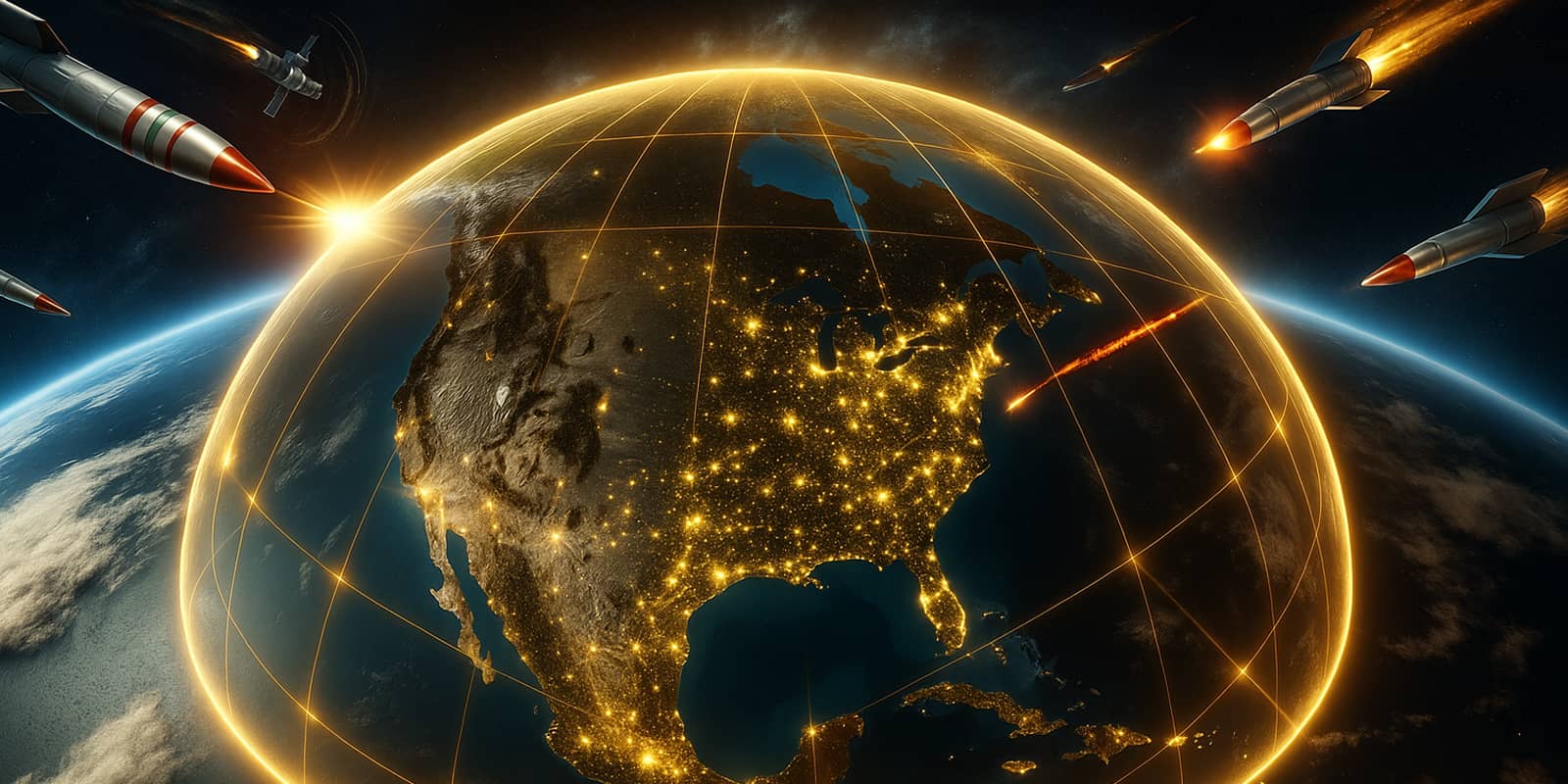
Maduro’s abduction is not merely the story of an impressive military operation; it represents a paradigm shift in U.S. national security policy. Instead of an approach centered on containment and long-term diplomatic agreements, Trump opts for direct, bold, and decisive action against hostile regimes, as he did when he played a decisive role in the Israeli–American operation to destroy Iran’s nuclear facilities. Maduro, whose rule turned Venezuela into an economically failed state and a haven for terrorism, came to embody the convergence of threats against the United States by providing shelter and assistance to drug cartels and forging alliances with Cuba, Iran, and Hezbollah—all under the veneer of a purportedly “socialist” state.
This analysis examines the international implications of these changes, with a focus on their impact on Israel. We review the historical evolution of the world order, from cold war bipolarity to an era defined by trade wars and religious conflicts and show how the new security concept— “peace through strength”—links Washington and Jerusalem. This is a concept with the potential to lead to broad regional prosperity, driven by American power under President Trump, with Israel playing a significant role.
From a Bipolar World to a Multi-Polar Order
To understand the significance of Maduro’s abduction, it is necessary to step back to the world order that emerged after World War II. The bipolar system, structured around rivalry between the United States and the Soviet Union, formed the foundation of the Cold War—a struggle between two opposing ideologies: democratic capitalism and totalitarian communism. As leader of the Western bloc, the United States invested enormous resources to prevent the spread of Soviet communism. The establishment of the North Atlantic Treaty Organization, the wars in Korea and Vietnam, and massive defense expenditures were all designed to halt Soviet expansion. The collapse of the Soviet Union in the late 1980s left the United States as the world’s sole superpower, alongside China, whose economic and military power has continued to expand.
That period of calm proved short-lived. The first decade of the twenty-first century saw the rise of fundamentalist Islam, culminating in the attack on the Twin Towers in the United States. These events exposed critical weaknesses in the American defense system, which had been designed primarily to counter conventional and unconventional state-based threats relevant to the Cold War era, rather than global terrorism. In response, the United States undertook a profound shift in its defense posture, moving away from a traditional defensive model toward an emphasis on counterterrorism, regime change, and international cooperation.
Before the attacks on the Twin Towers, U.S. defense doctrine focused on containing state-based threats. Policy emphasized nuclear deterrence vis-à-vis the Soviet Union, second-strike capability, ballistic missile interception, and defense against a potential ground invasion by Warsaw Pact armies in Europe. The attacks changed this dramatically. They highlighted the threat posed by non-state terrorist actors such as al-Qaeda, which operated through global networks rather than traditional centers of power. This shift entailed a move away from a doctrine of deterrence—in which state adversaries were dissuaded from attack by nuclear force—toward a doctrine of preemption. Rather than waiting for an imminent threat to materialize, the United States would act against it in advance, including against emerging and future threats. The U.S. invasions of Afghanistan (October 2001) and Iraq (March 2003), launched in the wake of the Twin Towers attacks, should be understood in this context as efforts to replace regimes that supported terrorism.
President Barack Obama adopted policies that marked a departure from this approach, as the United States pulled back from its role as a leading power and sought to reduce its military involvement in the Middle East. Obama advanced a policy of accommodation toward the Arab world, reflected in the “Cairo speech,” the nuclear agreement with Iran, and a growing focus on climate and human rights issues, alongside increasing reliance on the United Nations and a wide array of global bodies. Many of these organizations, however, operated freely against the interests of the United States and its allies while drawing on generous American funding that constituted the bulk of their budgets.
That policy began to shift with the election of Donald Trump. His first term (2016–2020) exposed what he viewed as the weaknesses of the globalist approach: free trade that harmed American workers, uncontrolled immigration, and neglect of military threats. He advanced an “America First” vision that included withdrawal from the Paris Agreement, the nuclear agreement with Iran, and—partially—from the World Health Organization.
Joe Biden, who succeeded Trump in 2021, sought to restore the Obama-era approach, particularly with regard to Iran and the nuclear agreement. Trump’s second term marks a return to his earlier strategy, refined by lessons drawn from his first presidency and grounded in a reassessment of how the United States defines its role as a global power.
The world today is no longer bipolar. Instead, it is structured around two primary arenas: a trade war between China and the United States, and a religious-ideological struggle between Western Judeo-Christian values and fundamentalist Islam.
China has constructed a vast economic empire through the Belt and Road Initiative while simultaneously expanding its military reach. This expansion includes the establishment of bases in the South China Sea, espionage activities in the United States, and strategic alignments with Russia and Iran. Russia, under Vladimir Putin, has returned to overt aggression, first with the annexation of Crimea in 2014 and later with the invasion of Ukraine in 2022. Iran, with Chinese support, continues to function as the central hub of Shiite Islamist terrorism, extending from Hezbollah in Lebanon to the Houthi movement in Yemen.
At the cultural level, the confrontation is even sharper. Western values—liberty, democracy, and free markets—are under sustained attack from a convergence of progressive and radical-left movements on one side, and radical Islam on the other. Maduro’s abduction fits squarely within this broader confrontation. Under Nicolás Maduro, Venezuela was transformed into an Iranian foothold in South America, facilitating ballistic missile activity, terrorist financing, and drug cartels that flooded the United States.
In our assessment, the operation did more than eliminate a physical threat. Combined with the withdrawal from international organizations, it signaled a comprehensive confrontation with what the authors define as an axis of evil: Tehran, Moscow, Beijing, and Caracas. It was no coincidence that, only hours before his abduction, Maduro met with representatives from China and Russia. Nor was it surprising that the most forceful protests against the operation came from those same capitals.
U.S. Withdrawal from International Organizations and the Implications for Israel
On January 5, 2026, the White House announced the United States’ withdrawal from a wide range of international bodies and treaties. The list includes the World Trade Organization, the Paris Climate Agreement in its entirety, the International Residual Mechanism for Criminal Tribunals, the World Health Organization, and the United Nations Framework Convention on Climate Change. This comprehensive withdrawal places the United States outside the institutional frameworks created in the aftermath of World War II.
In a press release issued by the U.S. State Department, the administration argued that these organizations are unnecessary, poorly managed, wasteful, and dominated by foreign interests that advance worldviews at odds with those of the United States. The statement further asserted that these organizations pose a threat to American sovereignty, liberty, and economic prosperity. As examples, it cited the World Trade Organization’s alleged protection of China from sanctions, claims that the World Health Organization misrepresented the origins of COVID-19, and the contention that the United Nations penalizes Israel more harshly than Iran.[1] This decision was not a passing domestic whim but the result of a presidential executive order signed by Donald Trump shortly after taking office in February 2025, instructing Secretary of State Marco Rubio to review all international agreements. Rubio’s report, published in December 2025, concluded that 70 percent of these organizations undermined U.S. interests. The stated outcome was annual savings of $50 billion, with resources redirected toward construction of the southern border wall, strengthening the military, and investment in domestic energy production.
This shift marks a move away from progressive internationalism toward an “America First” policy preference. In place of a global agenda, the United States now emphasizes bilateral trade, unilateral sanctions, and targeted military action. The implications are significant: China loses an institutional platform for economic protection; Iran loses diplomatic cover; and the West, including the North Atlantic Treaty Organization, is forced to adjust to a new strategic reality. The chnages come on top of the tariff policies Trump has implemented over the past year in the realm of U.S. foreign trade.
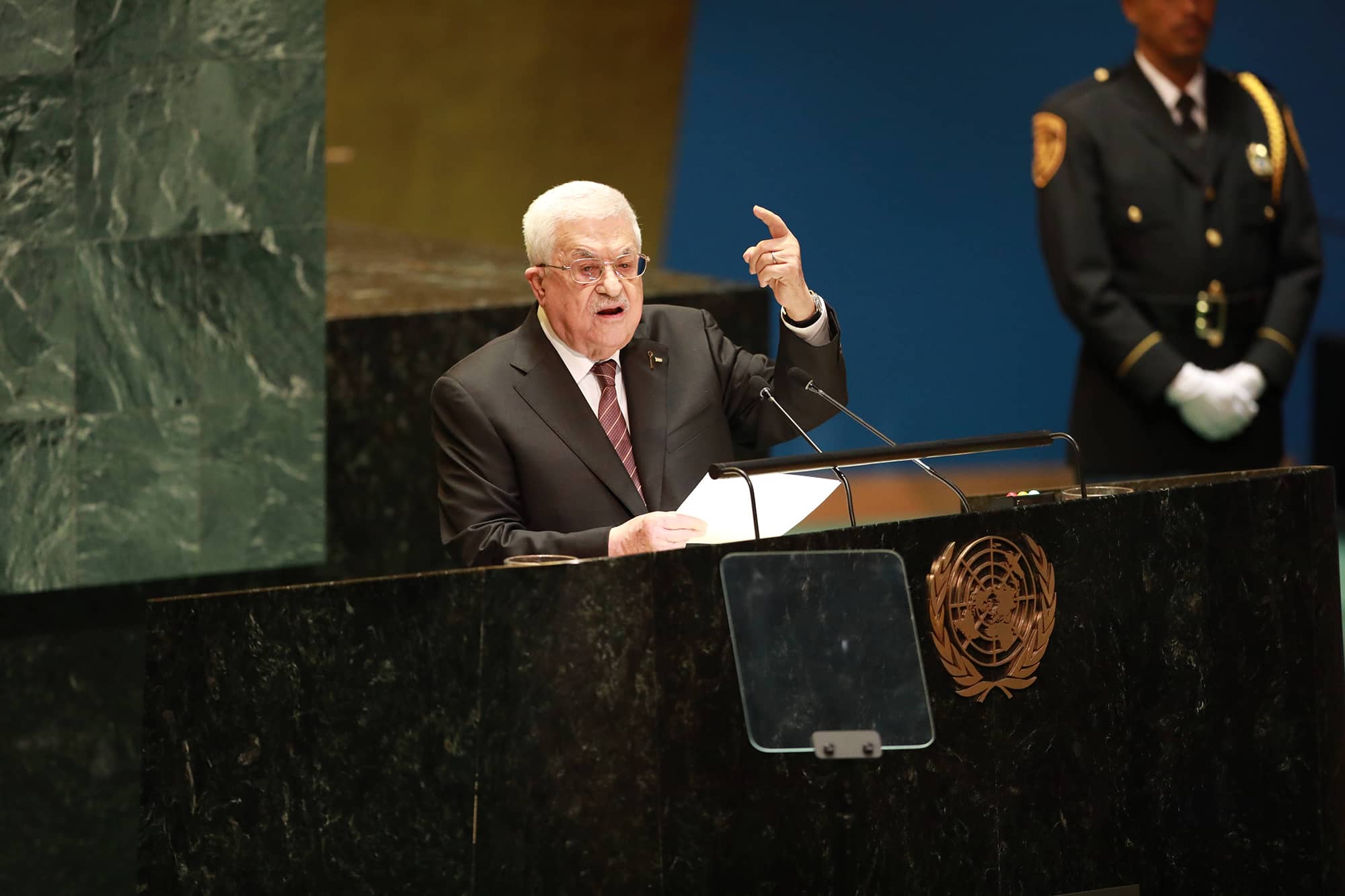
Trump’s policies create opportunities for Israel but also entail risks that must be addressed. On the diplomatic front, one of the most significant effects is the cessation of U.S. funding and participation in international bodies widely viewed as biased against Israel. Withdrawal for example from the United Nations Human Rights Council and UNESCO—forums in which Israel is frequently accused of violations lacking a factual basis— will reduce diplomatic pressure on Israel. This decision extends a prior Trump-era trend, including withdrawal from the UNHRC in 2018 and the termination of funding for UNRWA over anti-Israel bias and the involvement of its personnel in terrorist activity. As a result, Israel becomes less exposed to hostile resolutions. At the same time, U.S. disengagement may diminish American leverage within these institutions, creating space for hostile states such as Iran, Russia, and China to expand their influence.
From a security perspective, Trump’s “America First” policy—as reflected in these withdrawals—aligns closely with Israel’s updated security concept of “peace through strength.” Disengagement frees U.S. resources that can be redirected toward force buildup, including enhanced support for the Abraham Accords, sanctions against Iran, and joint action against Hezbollah and Hamas. Prime Minister Benjamin Netanyahu has already welcomed the move, describing it as a return to a genuine partnership “without international football games.”[2]
Economically, Israel—having maintained a free trade agreement with the United States since 1985—is less dependent on the World Trade Organization for bilateral trade with the U.S. Nevertheless, the American withdrawal from international organizations could contribute to global trade conflicts that may disrupt supply chains. Israel exports roughly 30 percent of its produce to the United States but also relies on European markets that may be affected by U.S. sanctions. In addition, withdrawal from the Paris Agreement could complicate cooperation on environmental issues, including renewable energy initiatives in which Israel plays a leading role.
Implications for Iran and Its Proxies
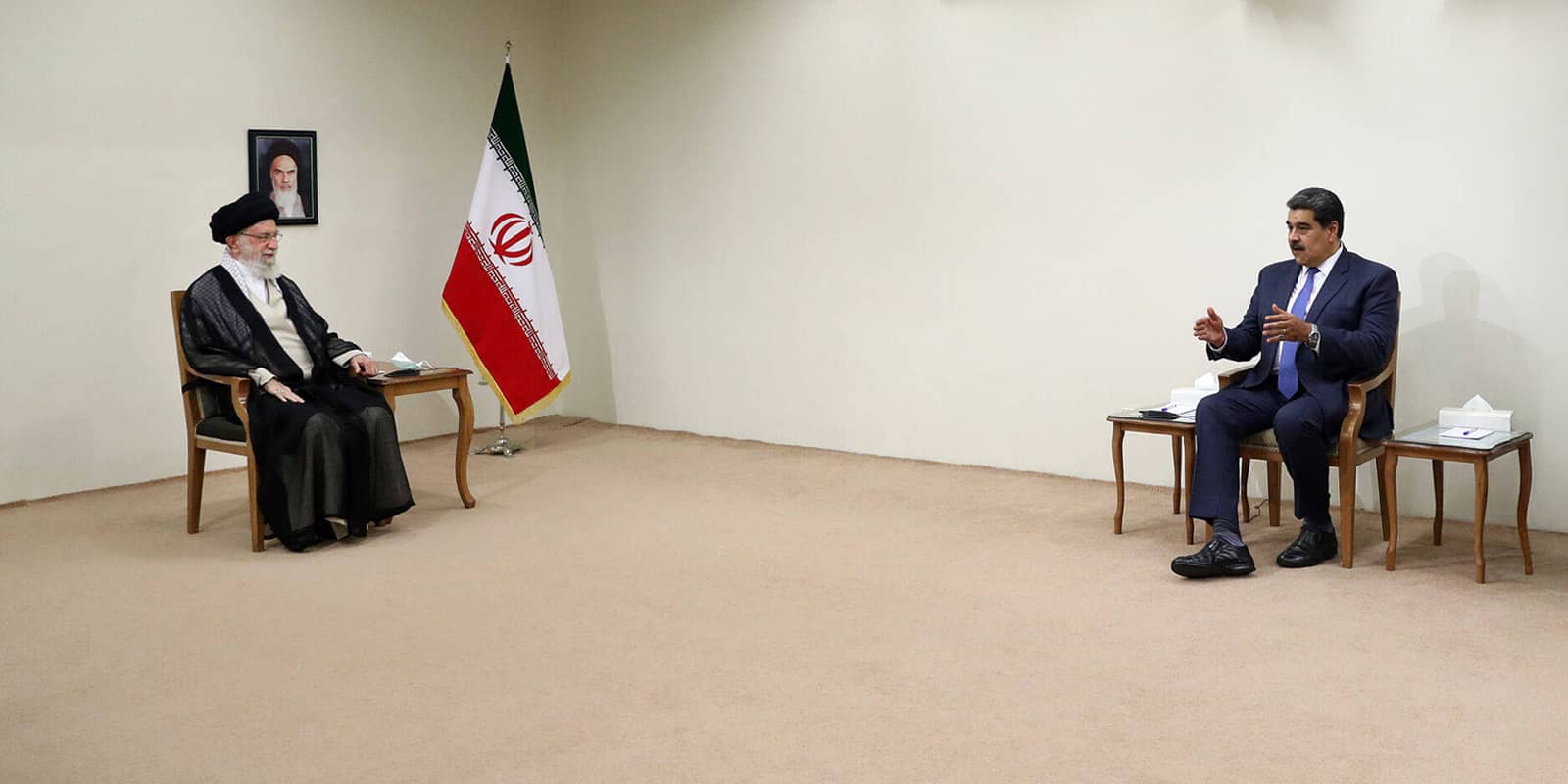
The operation in Caracas delivered a direct logistical, financial, and ideological blow to Iran and Hezbollah. Cooperation between Venezuela and Iran and its proxies ran deep and relied on covert networks that served as a critical conduit for weapons, funds, and intelligence. Maduro’s removal forms part of a broader campaign against Iran and Hezbollah, both of which had established Venezuela as their central operational base in Latin America. The financial and security effects compound into a strategic shock that weakens the ayatollahs’ regime and its military arm in Lebanon.
From a security perspective, the operation sent a deterrent signal, with the United States assuming an active role against hostile regimes and demonstrating both capability and willingness to act without political constraints. Reports indicate that Washington warned it would no longer tolerate the presence of Hezbollah or its Iranian backers in Venezuela, heightening fears in Tehran of similar actions, including targeted killings of senior figures. The message has resonated sharply inside Iran and has, in turn, fed growing domestic unrest. Absent Venezuelan logistical support, Iran and Hezbollah are more exposed to pressure from the United States and Israel.
Militarily, Venezuela was not merely an ideological ally of Iran; it functioned as a key logistics arm for transferring advanced weapons to Hezbollah while circumventing international sanctions. Following the signing of a twenty-year cooperation agreement between Iran and Venezuela in June 2022, Iranian oil convoys were dispatched to Caracas in exchange for military assistance. After Maduro’s abduction, agencies such as the Central Intelligence Agency and the Drug Enforcement Administration exposed these networks and are working to dismantle them. The operation also affects the transfer of cyber capabilities and intelligence. Hezbollah operatives who had worked through clandestine cells in Venezuela now face a fight for survival after losing the protective umbrella and support provided by Maduro’s regime. As a result of the damage to Hezbollah’s external arms, the upheaval in Venezuela weakens the organization even more than Iran itself.[3]
Economically, Maduro’s abduction cuts Iran off from a critical revenue stream estimated at roughly $2 billion annually, derived from a triangular oil–drugs–arms trade with the Caracas regime. Since 2019, Iran supplied Venezuela with fuel and oil-processing technology in exchange for access to cocaine markets and proceeds from illicit activity, which were used to finance Iranian proxies such as Hezbollah. With the regime’s collapse, Iran loses not only these revenues but also a key mechanism for evading U.S. sanctions, as Venezuela functioned as a “gateway” for Tehran. A substantial portion of the Islamic Revolutionary Guard Corps budget has been funded through drug trafficking from Latin America in general and Venezuela in particular. A similar pattern applies to Hezbollah. Disruption of these financial pipelines enables further weakening of both Iran and Hezbollah.
Maduro’s abduction is not merely a tactical victory. If it is followed by a shift in Venezuelan policy, the result would be a strategic collapse of the Iran–Hezbollah–Venezuela axis, weakening Tehran economically and isolating its proxies. For Israel and the United States, this creates an opportunity to strengthen deterrence and expand cooperation, while constraining the financial resources and operational reach of the terrorist organizations.
Conclusion
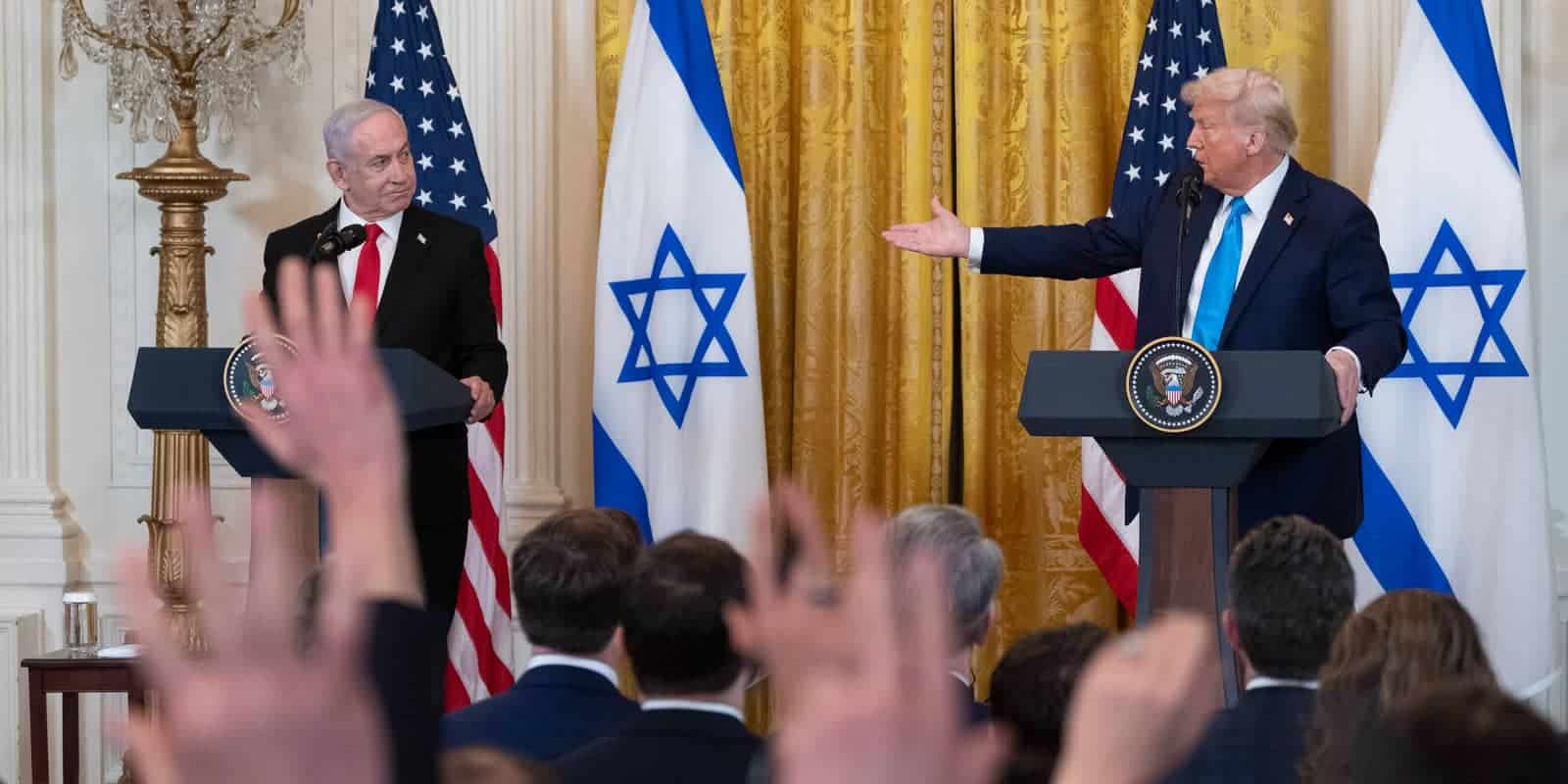
Trump frames the global threat environment as a multi-arena challenge: a physical military threat, primarily from China and Russia; an economic threat, led chiefly by China; a cultural threat emanating from progressive movements, radical Islamist actors, and communist elements; a demographic threat reflected in illegal and uncontrolled migration into the United States itself; and a narcotics threat marked by the flooding of the American market with drugs, harming both the economy and the lives of millions of Americans. Israel and the United States share a broad convergence of interests and values, a reality evident in the ongoing dialogue between Prime Minister Netanyahu and President Trump throughout the war, and even more so since Operation Rising Lion against Iran in June 2025.
Israel has a clear interest in “peace through strength.” This vision requires the complete dismantling of Hamas in the Gaza Strip and the demilitarization of the territory as prerequisites for achieving a decisive victory. It also entails disarming Hezbollah in Lebanon, preventing Iran from expanding its ballistic missile capabilities, and blocking renewed efforts to develop nuclear weapons. The emphasis shifts away from containment and defense toward a threat assessment grounded in capabilities and proactive action to neutralize dangers before they materialize. This approach targets not only physical adversaries but also cultural and demographic threats and failures of governance.
The alliance with the United States is vital for Israel, but Israel cannot afford to remain a passive observer of American action. Just as Israel led the campaign against Iran through Operation Rising Lion and created the conditions that enabled the U.S. military to deliver the decisive blow, Israel must now be prepared to act across other arenas as well. “Peace through strength” is a critical component of the transformation required in the Middle East. The operation in Venezuela represents a dramatic turning point that further weakens the ring of fire Iran has built around Israel. The intensifying protests inside Iran, bolstered by U.S. action in Caracas, may intensify the threat to the regime in Tehran and contribute to further erosion of Hezbollah. Should the regime in Tehran collapse, the entire proxy network Iran constructed over decades could unravel at once. The message sent from Caracas to Tehran appears to have been clearly received.
[1] A press statement issued by the U.S. Department of State on January 7, 2026.
[2] Benjamin Netanyahu made these remarks in a speech to the Knesset on January 8, 2026.
Full text (tranlated from Hebrew original): “The United States is once again becoming a genuine ally—a return to a true partnership, without international football games. This is a welcome change that strengthens our shared power against common enemies such as Iran and Hezbollah.”
[3] Rodayna Raydan, Distant Blow: How Venezuela’s Turmoil Weakens Iran and Hezbollah, Now Lebanon, January 7, 2026
JISS Policy Papers are published through the generosity of the Greg Rosshandler Family.