A Policy-Oriented Think Tank Addressing Foreign Policy and National Security Issues for a Safe Israel

Operation Roaring Lion

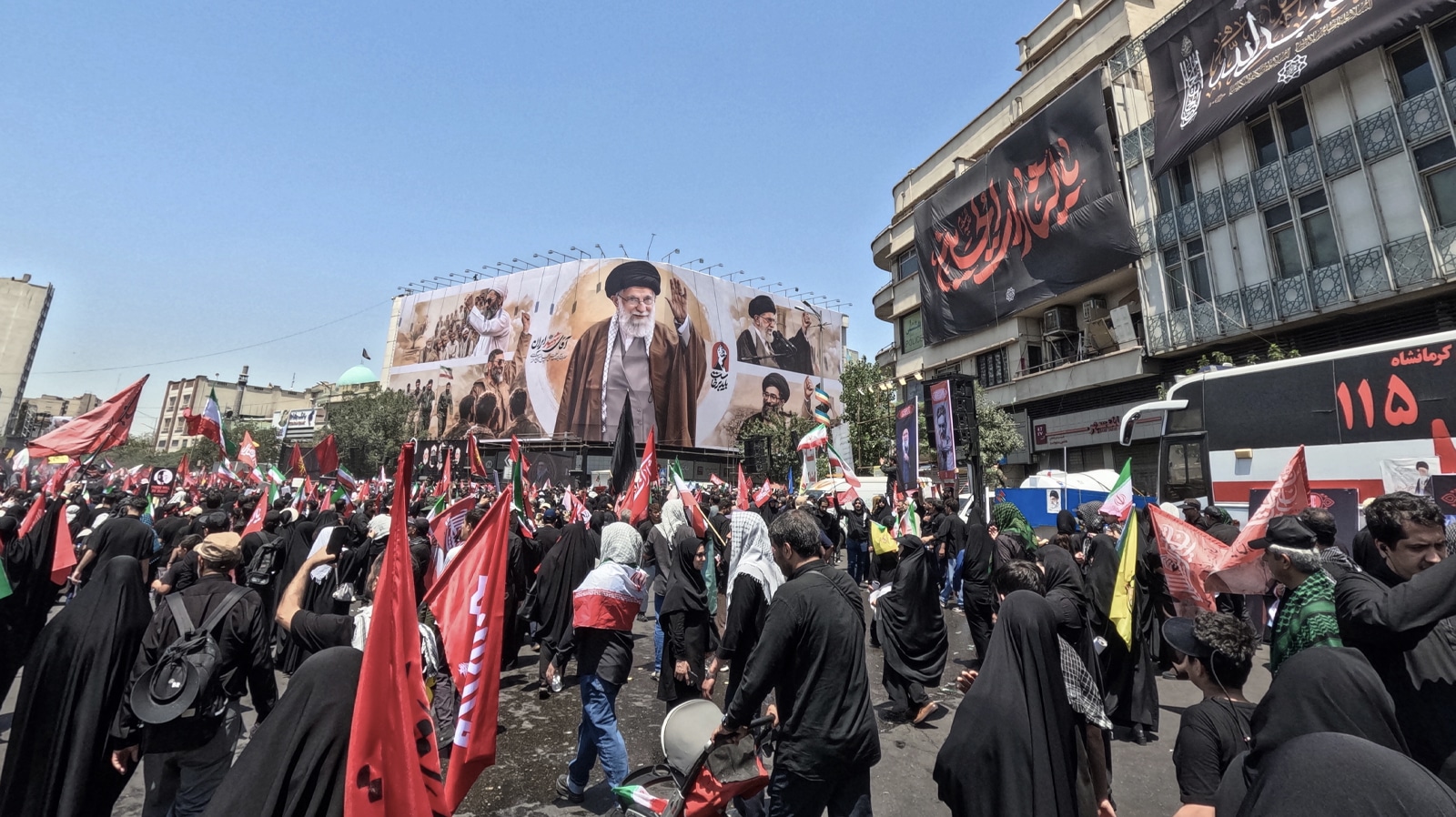
The Badr Agreement: Ambitions and Limitations

Turkey, Qatar, Pakistan, and Indonesia hope to strengthen their defense industries through joint production and...

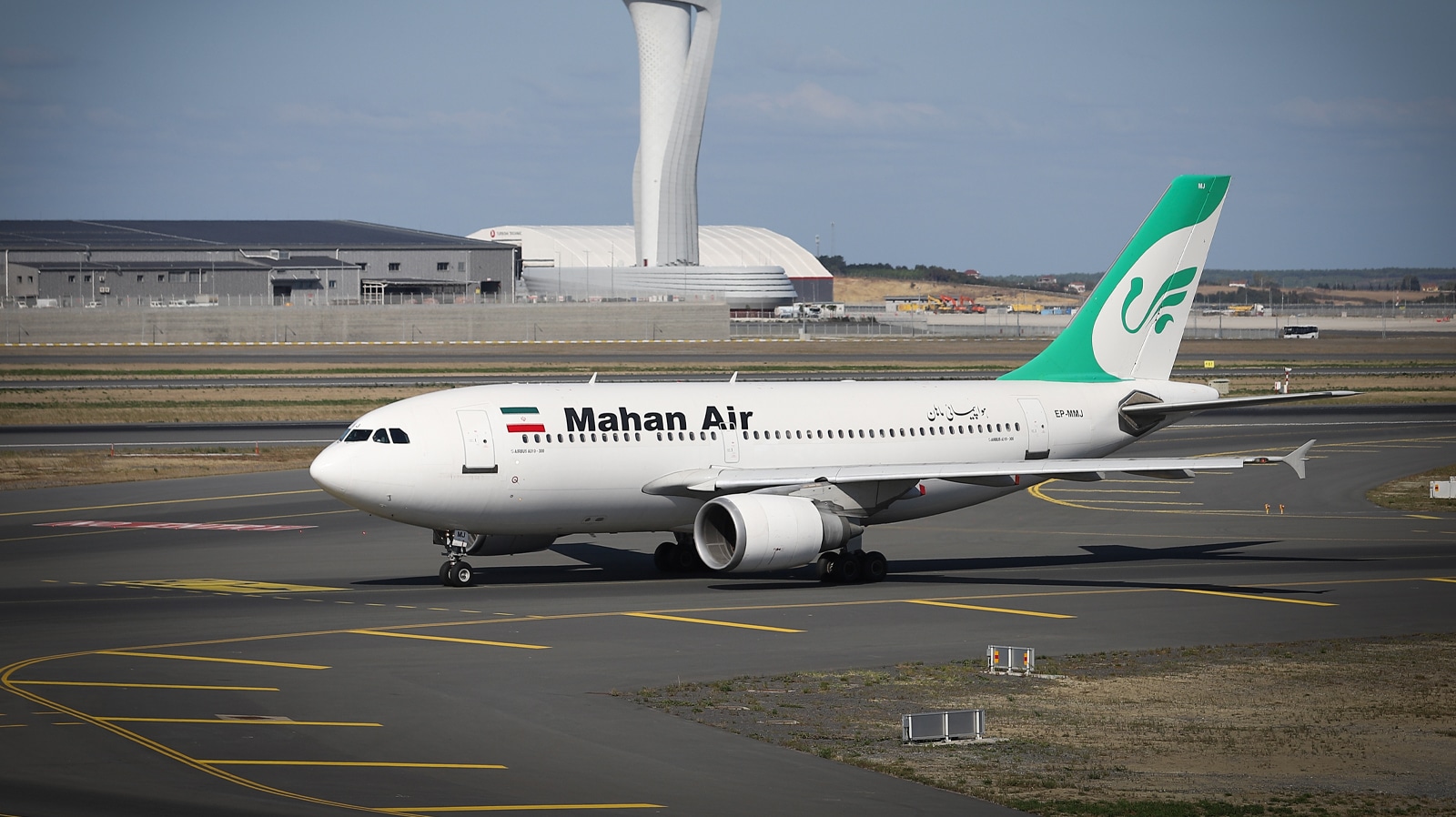
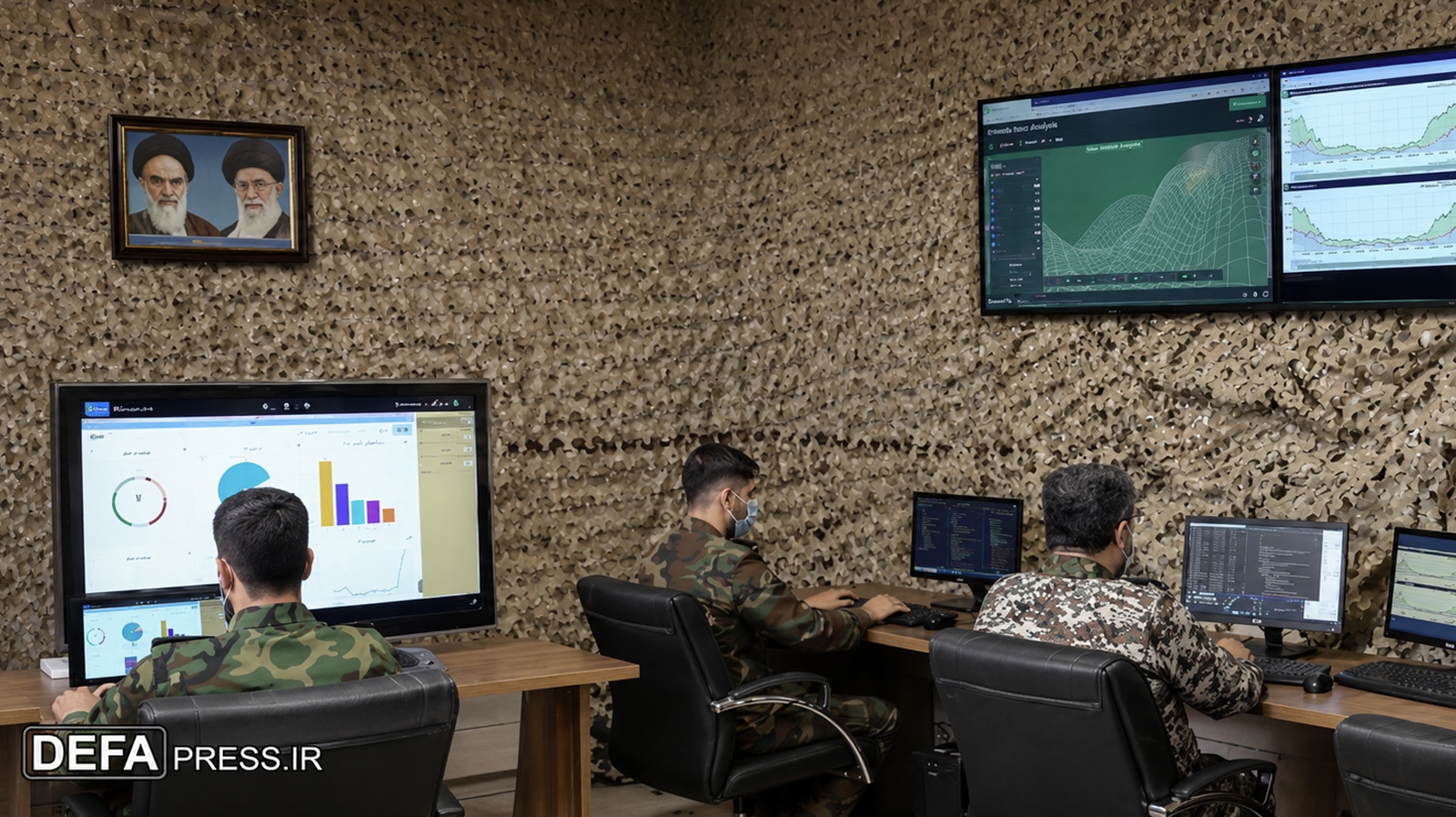
Iran’s Escalating Cyberwar: Wider Reach, Greater Harm, and Deniability Under Pressure

Iran’s expanding cyber campaign increasingly targets civilian infrastructure and combines digital attacks with physical threats...

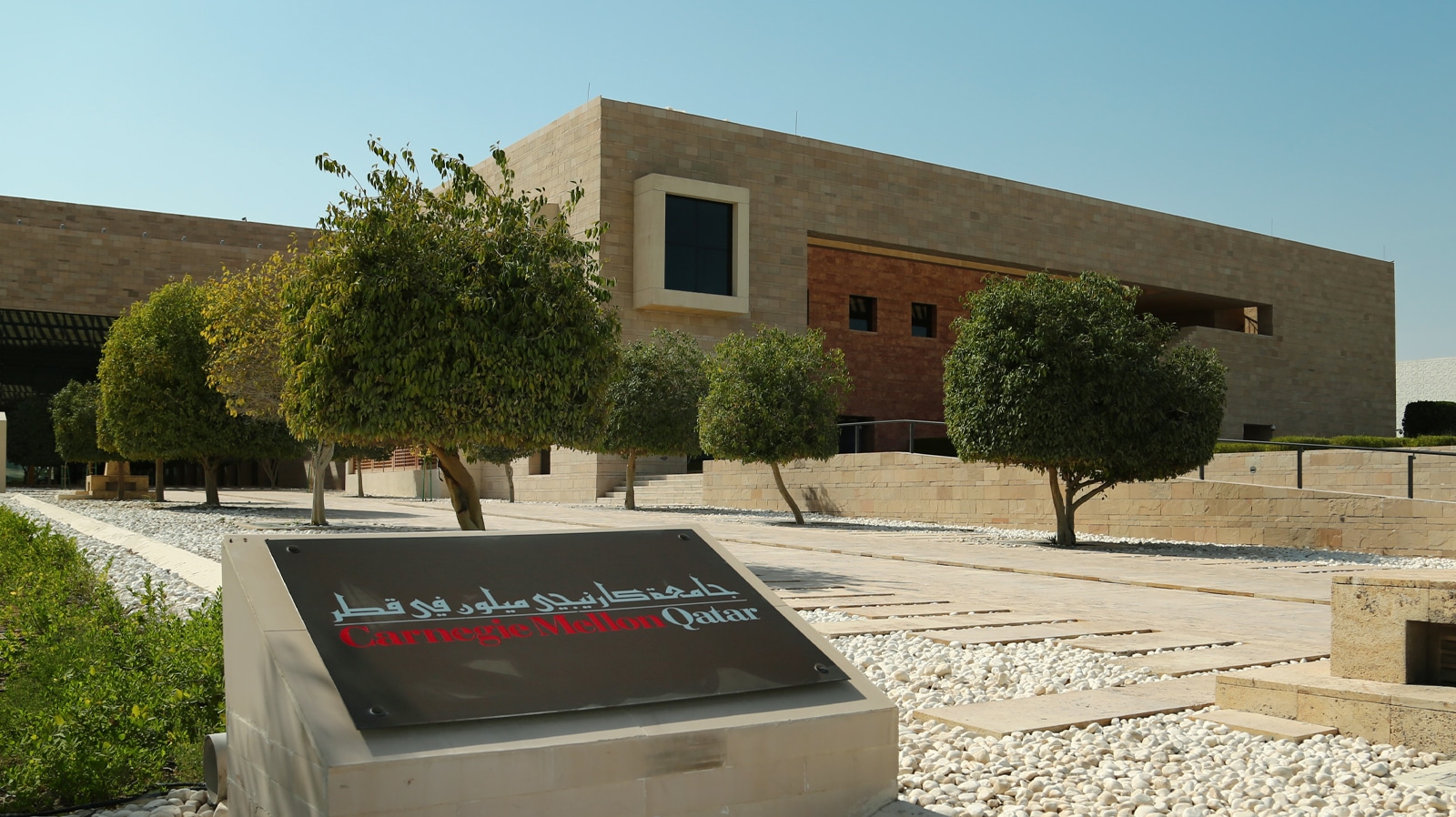
Under the Radar: Qatari Money and Influence in US Academia

Facing wartime economic pressures and growing concerns about its public image, Qatar is making its...

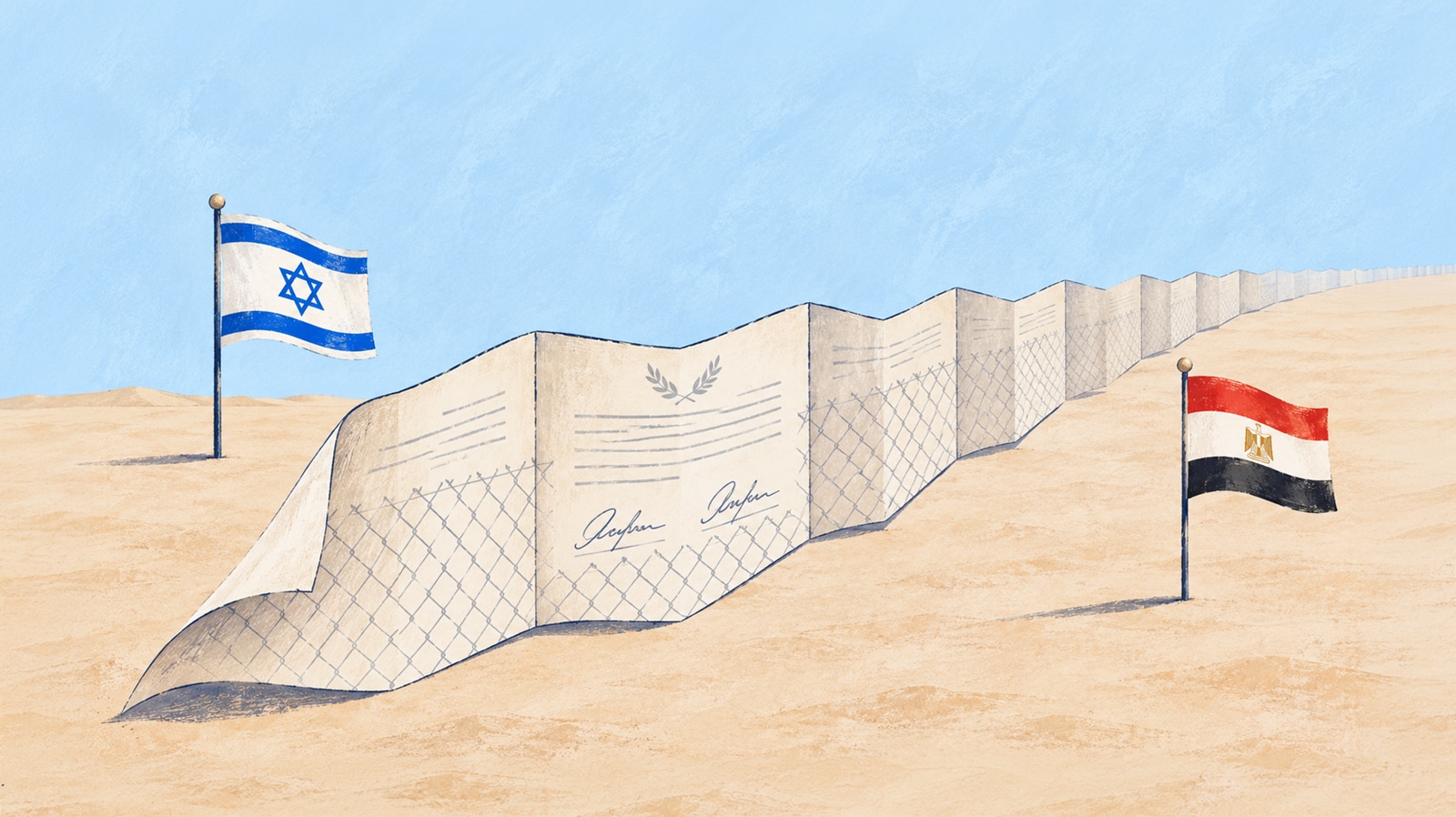
Signatures Alone Cannot Guarantee Peace With Egypt

The treaty rests on shared interests that can change. To preserve the peace, Israel should...

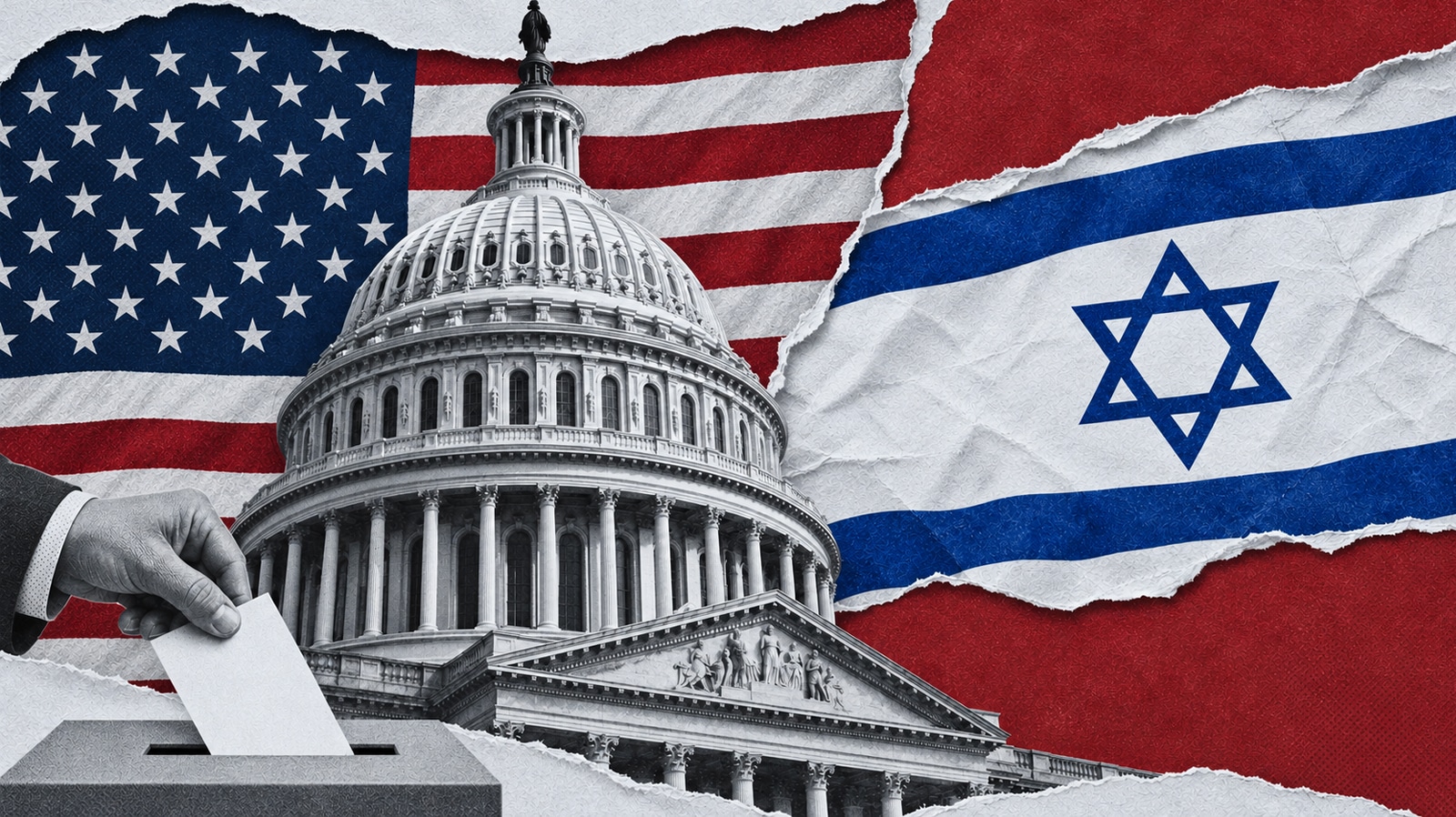
What Lessons Should Israel Draw from the US Midterm Elections?

The election results and President Trump’s announcement that military aid will end have exposed Israel’s...

Islamism and the Erosion of State Sovereignty in Europe and Israel

Islamist networks are exploiting democratic freedoms to expand their influence through foreign funding, religious radicalization,...

Oil Exports Recover, but Risks Remain: The Gulf’s Changing Strategic Landscape

Saudi Arabia and the UAE are mitigating disruptions to their exports through alternative routes and...

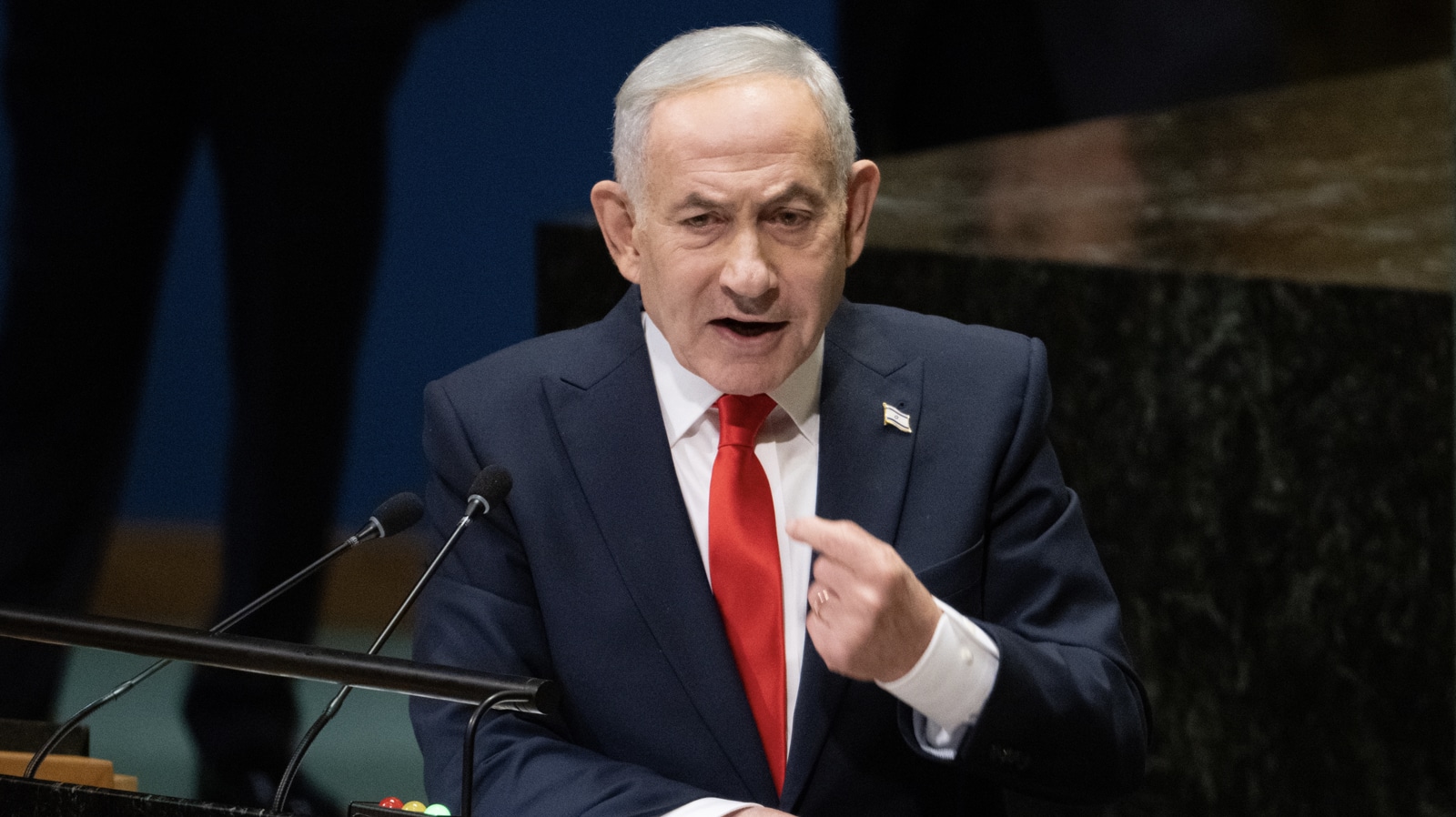
The Prime Minister’s National Security Document: Meaning and Implications

The publication of Netanyahu’s national security doctrine marks a significant turn in Israeli strategic thinking,...

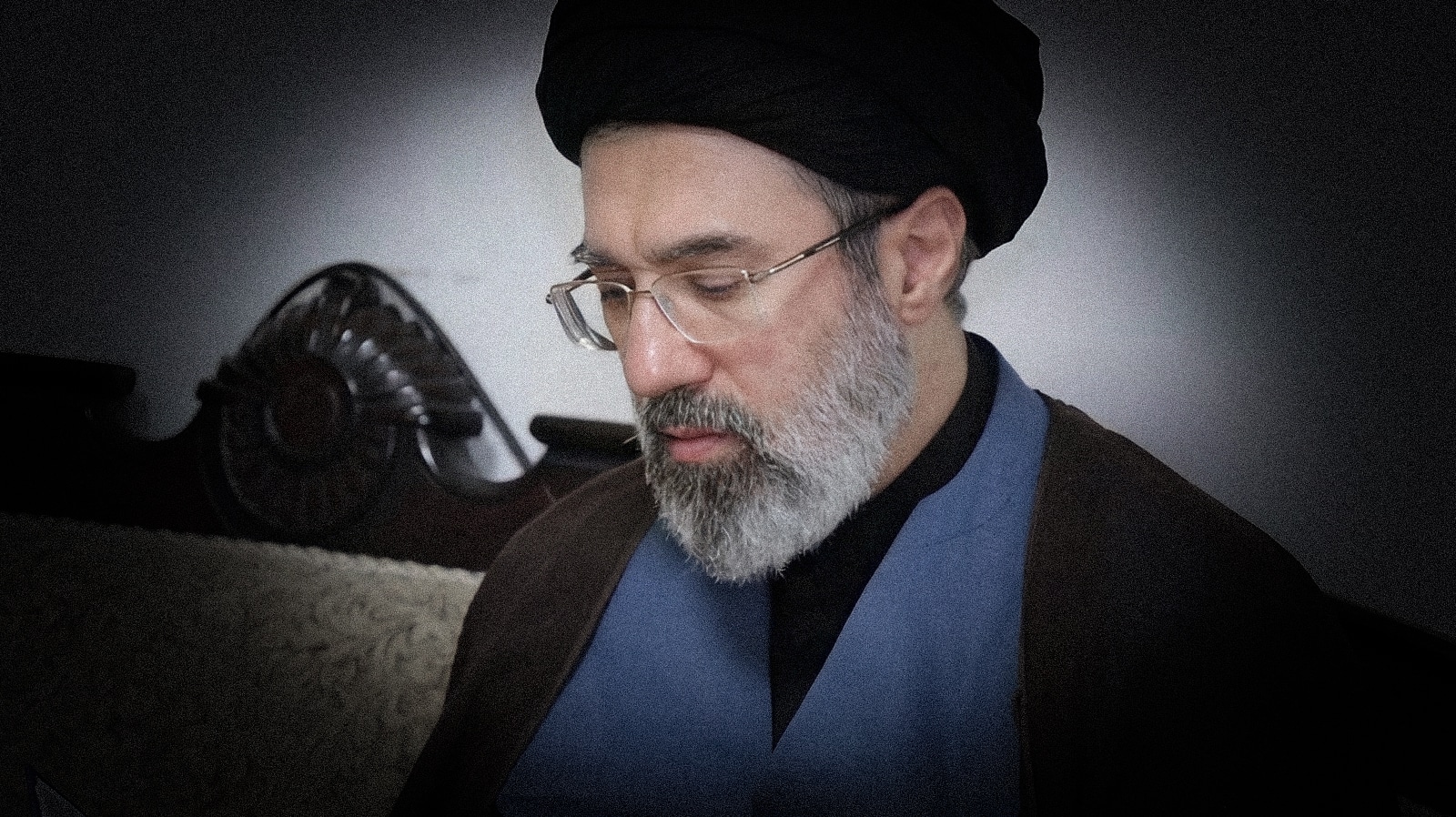
Pakistan: Munir’s Military Dictatorship Enters a New Phase

As Pakistan seeks to strengthen its standing as an international mediator, including between Iran and...

Israel’s New National Security Strategy in Light of the War of Redemption

The recently published national security strategy seeks to turn the lessons of the War of...

The Hijab as a Weapon: Iranian, Russian, and Turkish Propaganda against Azerbaijan

Azerbaijan’s updated school dress code triggered coordinated information campaigns in Persian, Russian, and Turkish. Each...

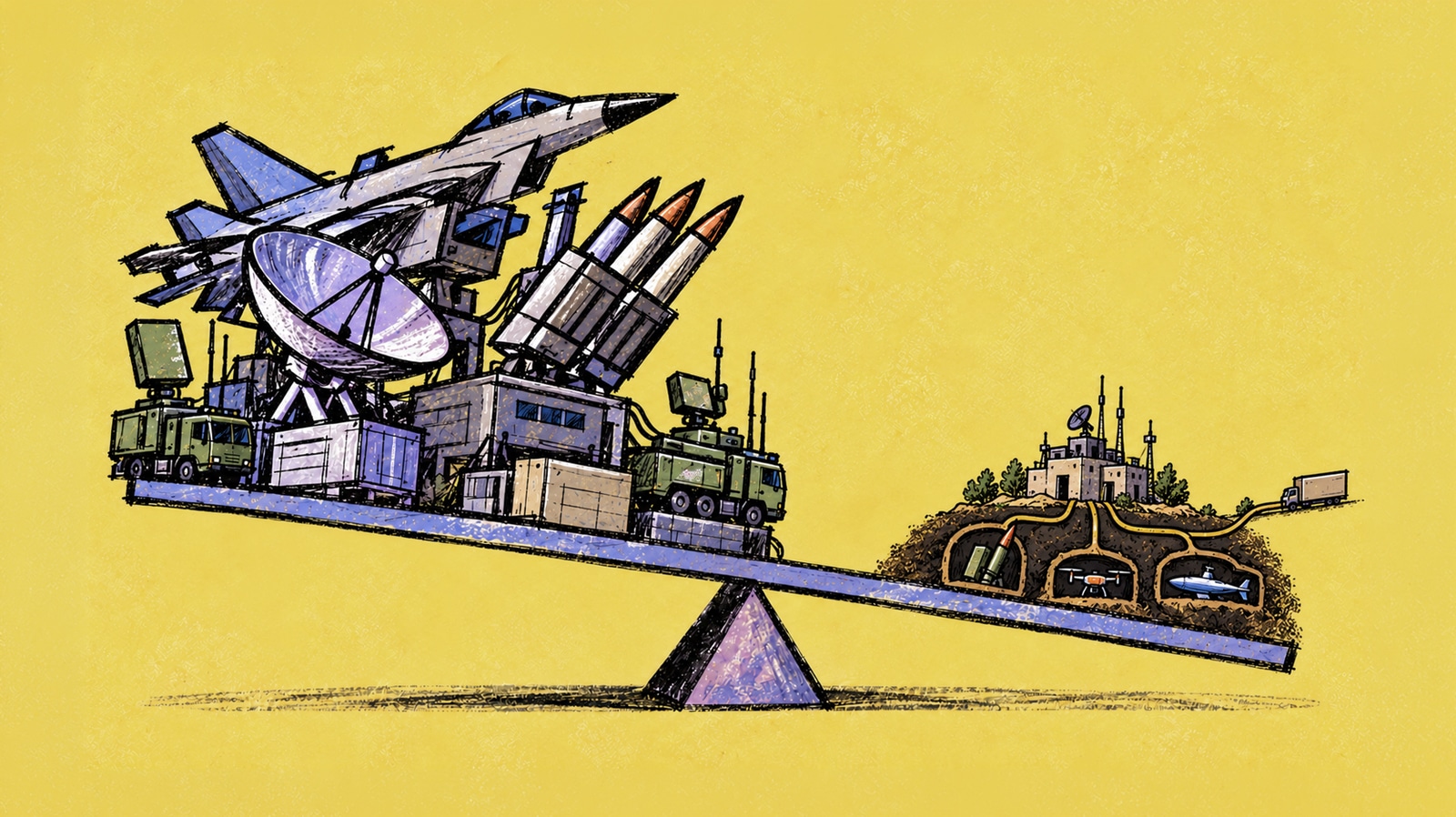
Hollow Alliances, a Changing Battlefield, and Opportunities for Israel

The Houthi–Saudi conflict exposes the limits of military and technological superiority and declaratory alliances. For...

One Shield, Two Fronts: A Unified Public Diplomacy Strategy for Israel and World Jewry

Anti-Israel influence campaigns and antisemitic agitation in the West increasingly reinforce one another. Israel and...

About the institute

The Jerusalem Institute for Strategy and Security (JISS) is an independent research institute engaged in policy-oriented research in the field of foreign and security policy. The institute was established at the end of 2017 with the aim of expressing a realistic worldview, and promoting policies that will keep Israel strong and lead to stable political arrangements. The institute insists on the importance of a united Jerusalem as a foundation for the security of the state and the national identity of the people living in Zion.

The institute provides political advice to the country’s leaders and bodies in charge of foreign and security policy. From time to time the institute publishes a situation assessment and a political-security plan. Also, the institute raises awareness of the security dilemmas of the State of Israel in the world and in the public in Israel through seminars, seminars and international conferences.

The Jerusalem Institute for Strategy and Security regularly briefs the diplomatic community in Israel, the local and foreign media as well as the Jewish organizations in the Diaspora. The institute maintains extensive international relations with parallel research institutes in the world, and with the strategic community in the world.

The Jerusalem Institute for Strategy and Defense considers it an obligation to train a new generation of national security experts.
JISS Experts

Are You In?

Join 8,000+ Subscribers who enjoy our weekly digest