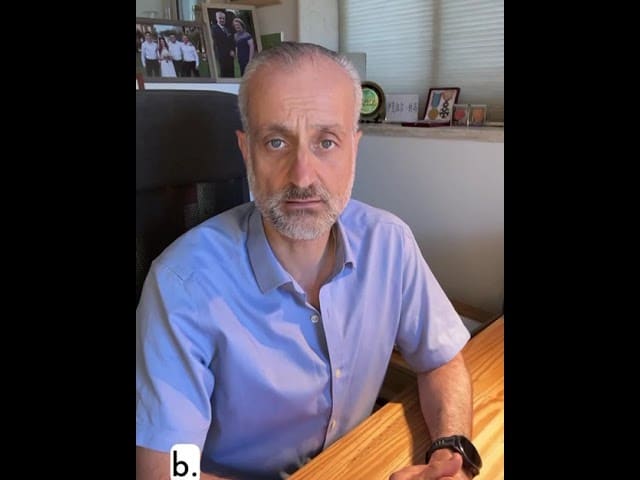
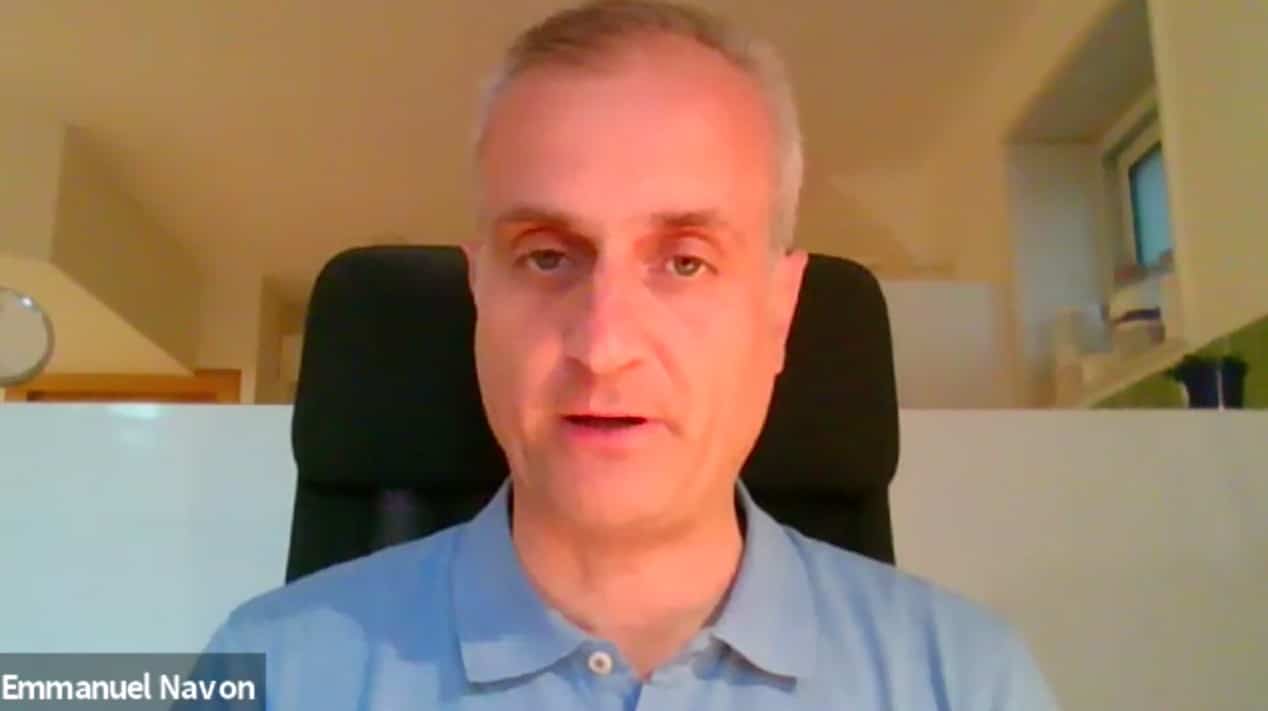
Dr. Emmanuel Navon is an international relations scholar, author, and diplomat. As of August 2026, he is on leave from the Jerusalem Institute for Strategy and Security while serving as Israel’s Ambassador to Japan.
At JISS, Dr. Navon’s research has focused on Israel’s foreign policy, European–Middle East relations, the changing international order, energy security, and the strategic challenges facing democratic states. He has contributed policy papers, strategic analyses, public lectures, and media commentary aimed at informing both Israeli and international policy debates.
Dr. Navon taught international relations and diplomatic studies at Tel Aviv University for twenty-four years. His courses addressed Israel’s foreign policy, diplomacy, geopolitics, globalization, European foreign policy, and the evolution of the international system. In 2022, he received the Faculty of Social Sciences Award for Excellence in Teaching. His university teaching career began at Bar-Ilan University, and he subsequently taught at Reichman University and Israel’s National Security College.
He is the author of four published books and numerous academic and policy articles. His work has appeared in peer-reviewed journals including Review of International Studies and the Israel Journal of Foreign Affairs, as well as in international publications such as Le Monde and Newsweek. His book The Star and the Scepter: A Diplomatic History of Israel (Jewish Publication Society/University of Nebraska Press, 2020) has been translated into Hebrew, Chinese, Japanese, French, and Italian. He has also completed The Continent and the High Seas, a study of the historical and structural forces reshaping the international system and the global balance of power.
Dr. Navon has addressed government officials, diplomats, military officers, policy experts, and academic audiences across Europe, North America, Asia, and Africa. His speaking engagements have included the American Enterprise Institute, AIPAC, the Jewish Federations of North America, Georgetown University, Columbia University, and Rice University. He has appeared regularly in American, French, Israeli, and international media, including Voice of America, France 24, i24NEWS, and the Knesset Channel.
Alongside his academic career, Dr. Navon held senior leadership positions in public policy and international affairs. He served as CEO of ELNET-Israel, as head of the Political Science and Communication programme at the Jerusalem Haredi College, as CEO of the Business Network for International Cooperation, and as a founding partner of the Navon-Levy Group. From January to July 2026, he founded and served as CEO of the Euro-Med Middle East Council, a policy institute devoted to strategic cooperation between Europe, Israel, and partners across the Mediterranean.
Born in Paris in 1971, Dr. Navon graduated from Sciences Po and earned his doctorate in international relations from the Hebrew University of Jerusalem. He immigrated to Israel in 1993 and served in the Israel Defense Forces. He is fluent in Hebrew, English, and French, has working knowledge of Italian and German, and is learning Japanese. He is married, a father and grandfather, and an active triathlete.