
A Policy-Oriented Think Tank Addressing Foreign Policy and National Security Issues for a Safe Israel

גבי סיבוני

Colonel (res.) Prof. Gabi Siboni

CEO of the Jerusalem Institute for Strategy and Security. Expert on cyber security, military strategy, and technology.

Prof. Siboni was director of the military and strategic affairs program, and the cyber research program, of the Institute for National Security Studies (INSS) from 2006-2020, where he founded academic journals on these matters. He serves as a senior consultant to the IDF and other Israeli security organizations and the security industry. He holds a B.Sc. and M.Sc. in engineering from Tel Aviv University and a Ph.D. in Geographic Information Systems (GIS) from Ben-Gurion University.

Amman, Jordan

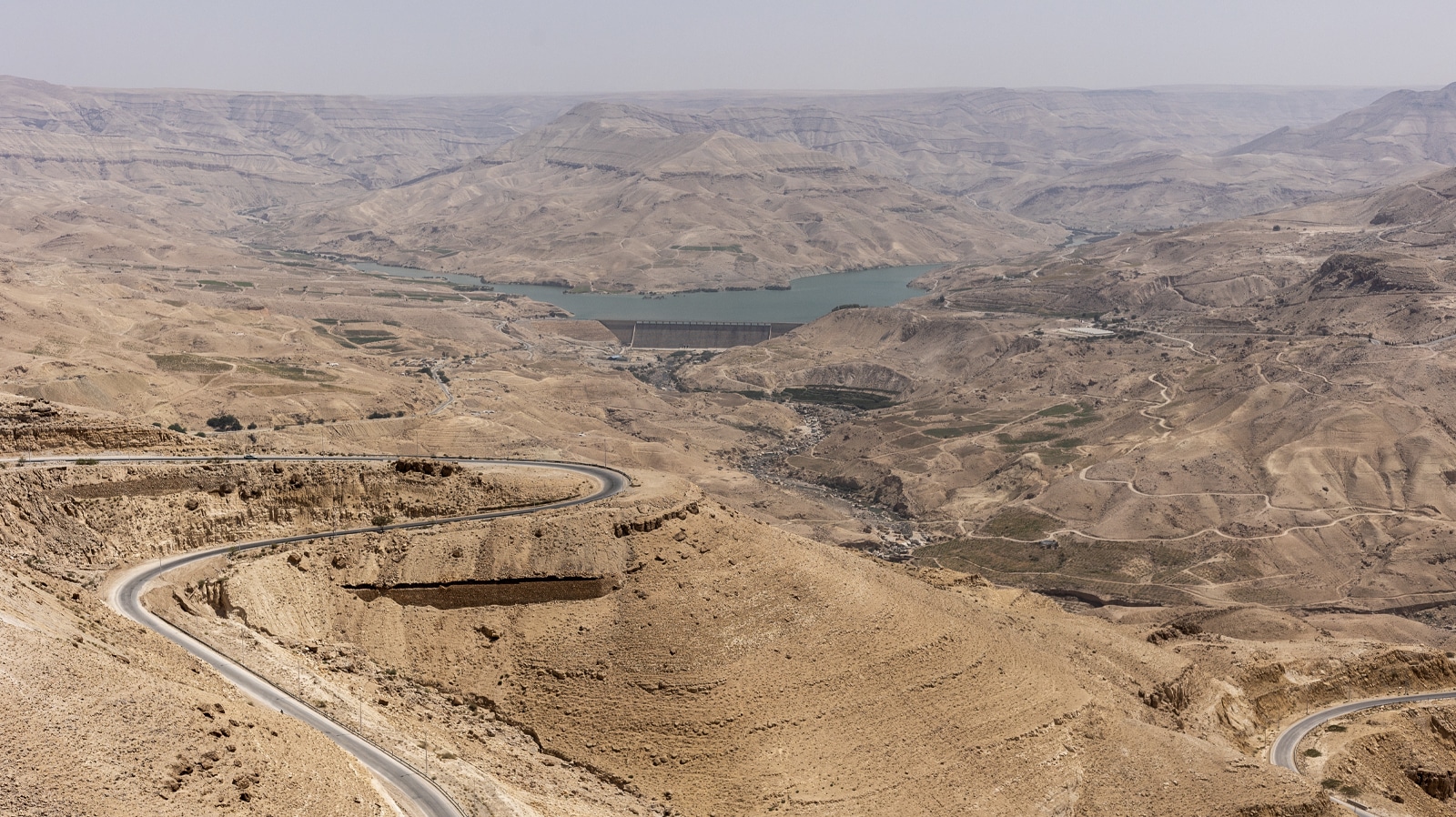
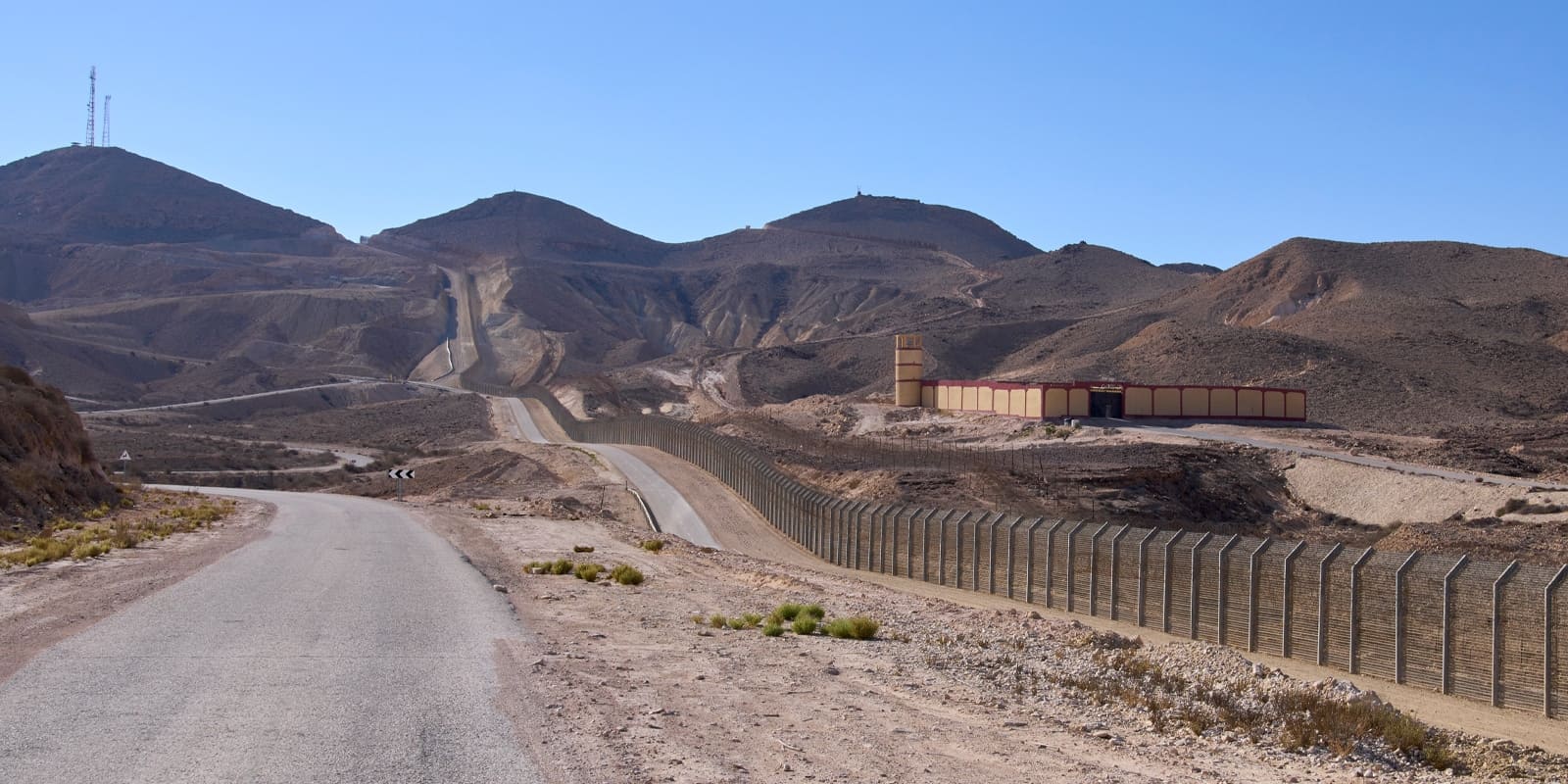
Jordan’s Fragile Stability and Israel’s Eastern Front

Economic strain, domestic political pressures, and Iranian penetration are increasing the risks along Israel’s longest border. Israel must prepare for potential instability by strengthening its defenses, intelligence capabilities, and operational readiness along the eastern frontier

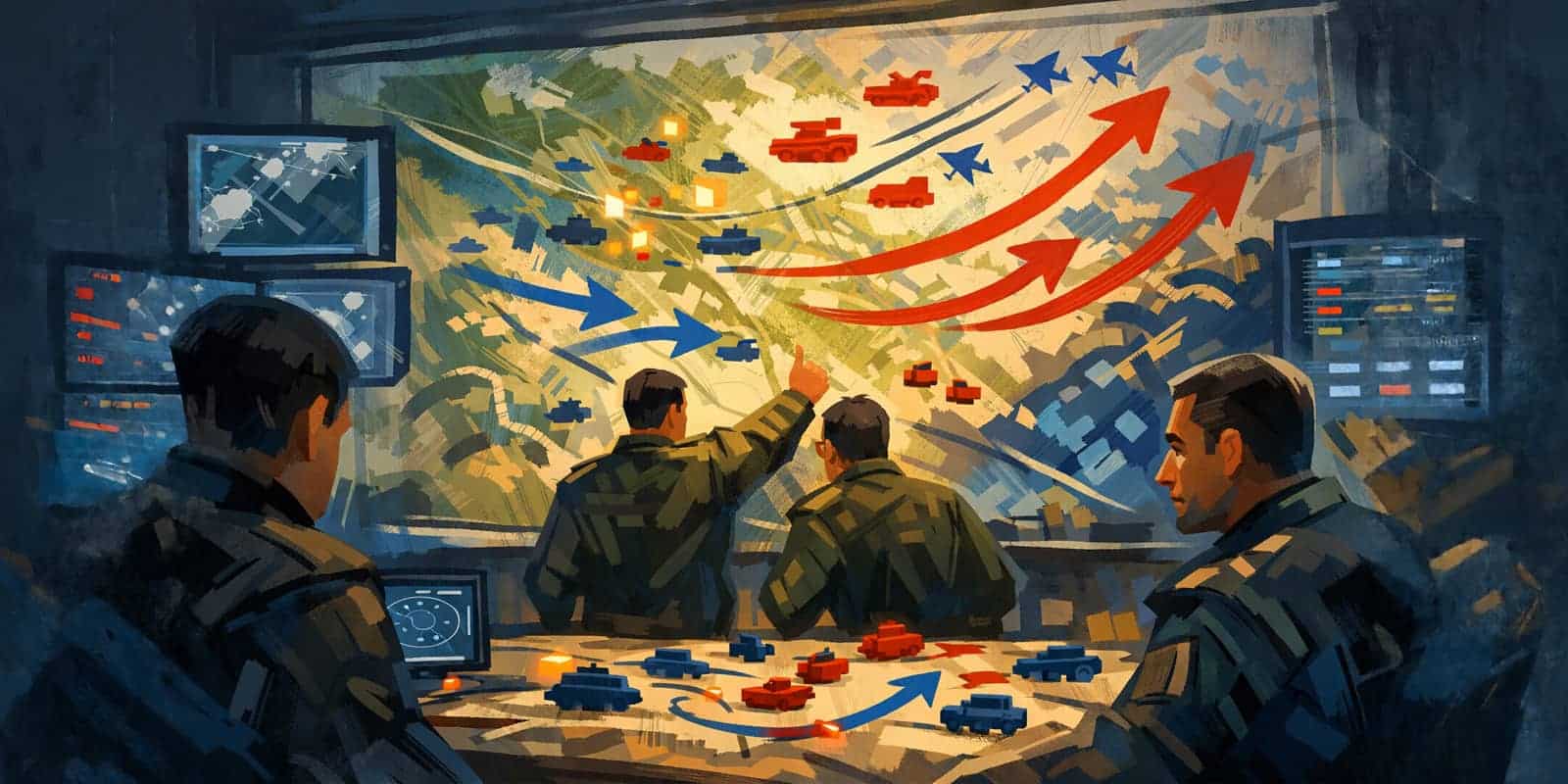
Battlefield illustration

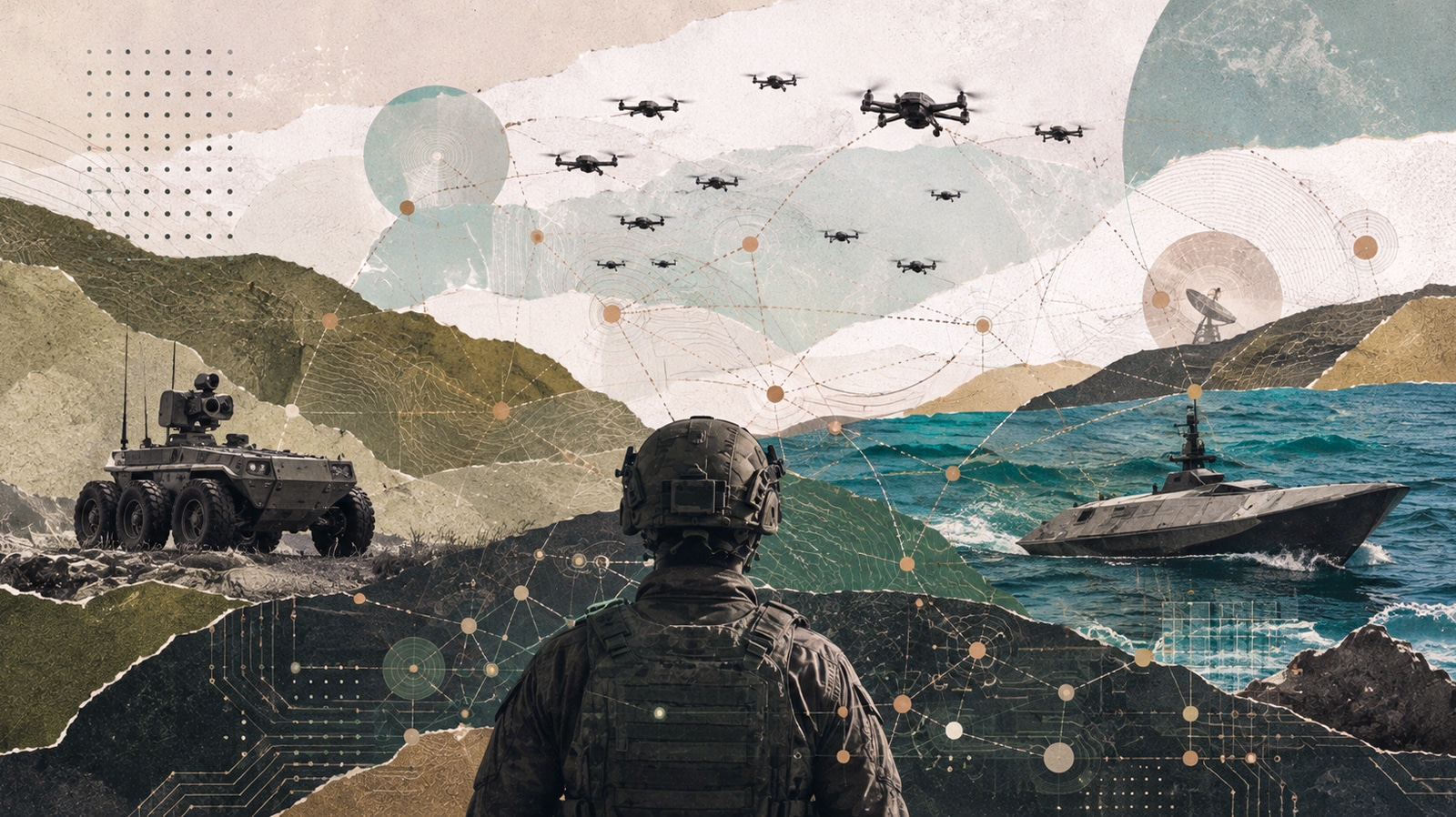
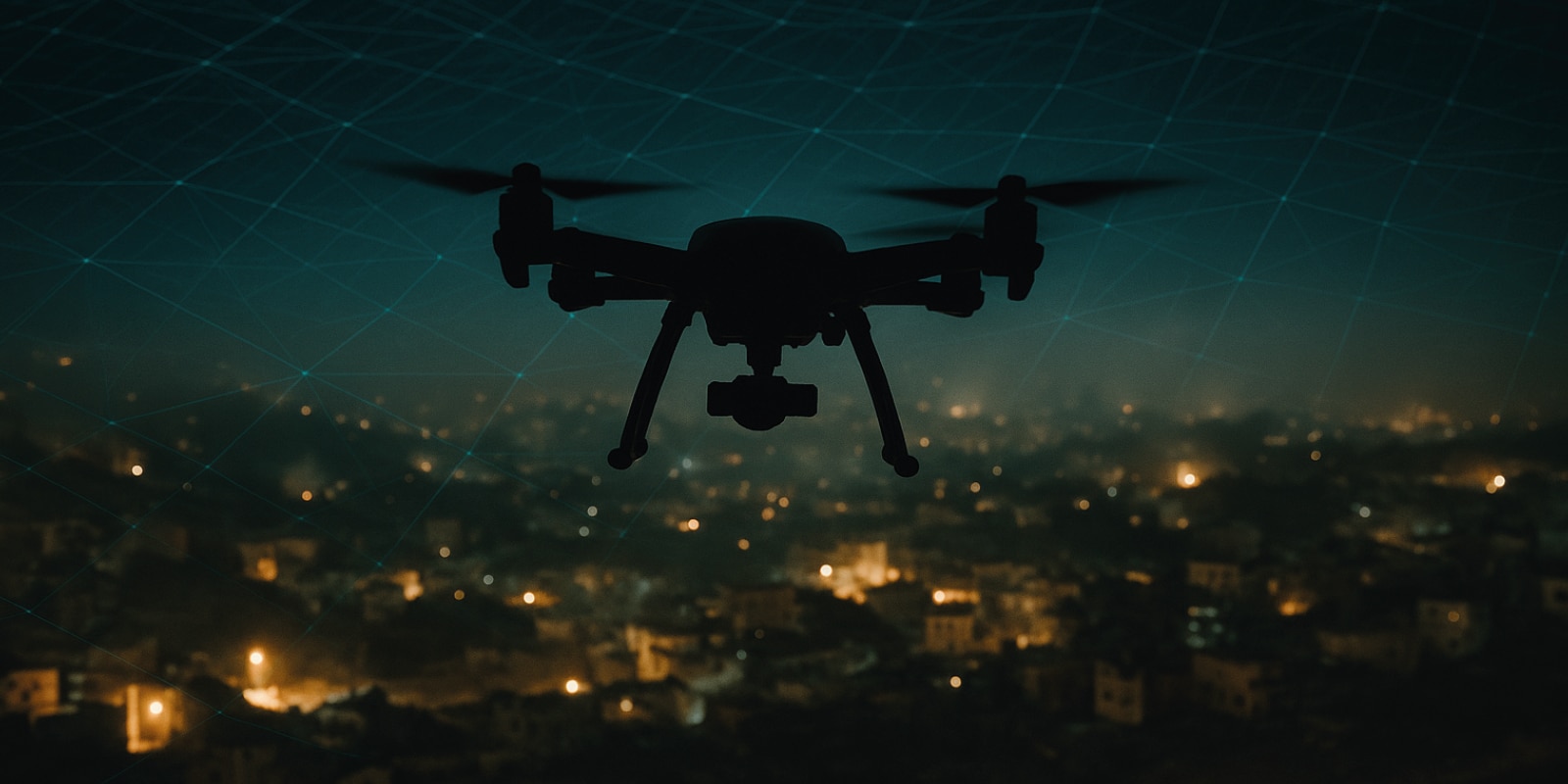
The Future Battlefield Is Here

The future battlefield will be defined by inexpensive systems deployed at scale, multidomain swarms, artificial intelligence that analyzes information and supports or makes decisions, and a widening gap between technological capability and the capacity of law and ethics to regulate technology. By combining mass, tempo, redundancy, autonomy, and networking, a swarm can generate effects that depend not on any individual platform but on the collective behavior of the system. In an era when machines can see, calculate, and strike faster than humans, stronger human control is required—not as a legal ornament, but as an operational and ethical restraint.

Victory or Equality? Women in the IDF Maneuvering Forces

Victory must remain the measure of every IDF policy. Women’s service should be expanded where it strengthens operational effectiveness, but unrestricted integration into the maneuvering forces risks higher injury and attrition, weaker unit cohesion, and reduced Religious Zionist recruitment.

BERLIN - JUNE 06, 2024: The loitering munition of IAI Harop. ILA Berlin Air Show 2024.

Israel’s Path to Armaments Independence

Israel has always sought to defend itself by itself, yet it remains dependent on foreign arms and military support. The War of Redemption exposed the operational and strategic costs of that dependence and the need to reduce it

Air Force

Absolute Victory: 1,000 Days of the War of Redemption

“Absolute victory” as a concept is military defeat of Israel’s enemies followed by a broader strategic victory that improves its security and diplomatic standing for years to come. After more than 1,000 days of war, Israel is far stronger than it was on October 7, 2023. It holds the upper hand in every theater. Iran’s “ring of fire,” built to encircle Israel and erase it from the map, has largely been dismantled. These are not marginal gains, but historic achievements that are reshaping the Middle East

defense illustration

The Battle for Israel

Israel’s experience points to a clear strategic lesson: the country pays dearly when it neglects defense of its internal arena. When it built a strong territorial defense, communities themselves became defensive zones that could hold out and allow the IDF to pursue offensive missions. The response to today’s threats should integrate armed community response units with territorial defense forces as a first layer of defense, backed by a National Guard and a sustained crackdown on serious crime in the Arab sector

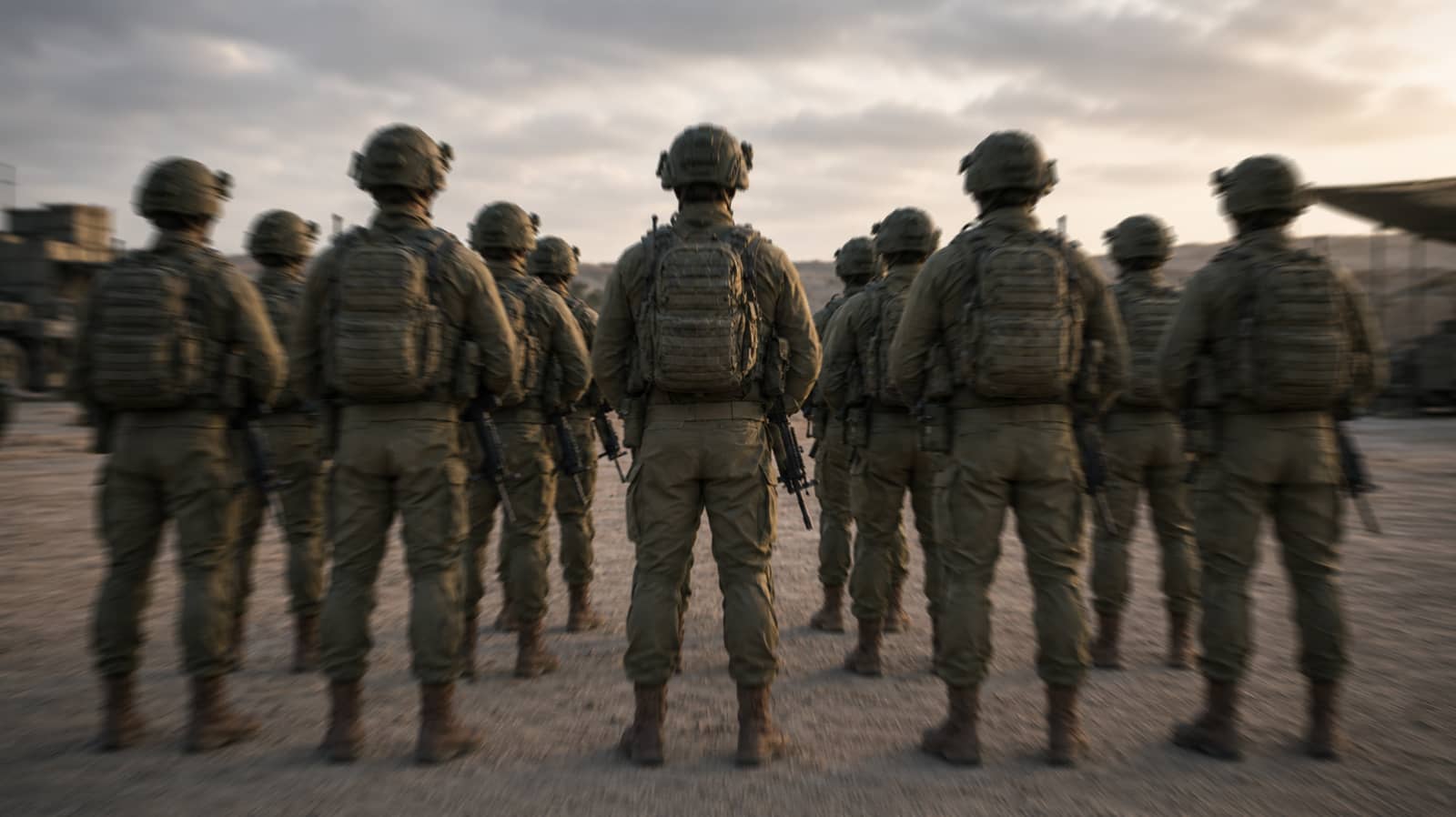
IDF Illustration

Discipline Is Neither Divisible nor Optional

The War of Redemption has shown the cost of indiscipline in modern combat. In an era of drones, dense urban warfare, and precision threats, discipline is not parade-ground formalism but a condition for battlefield survival and victory

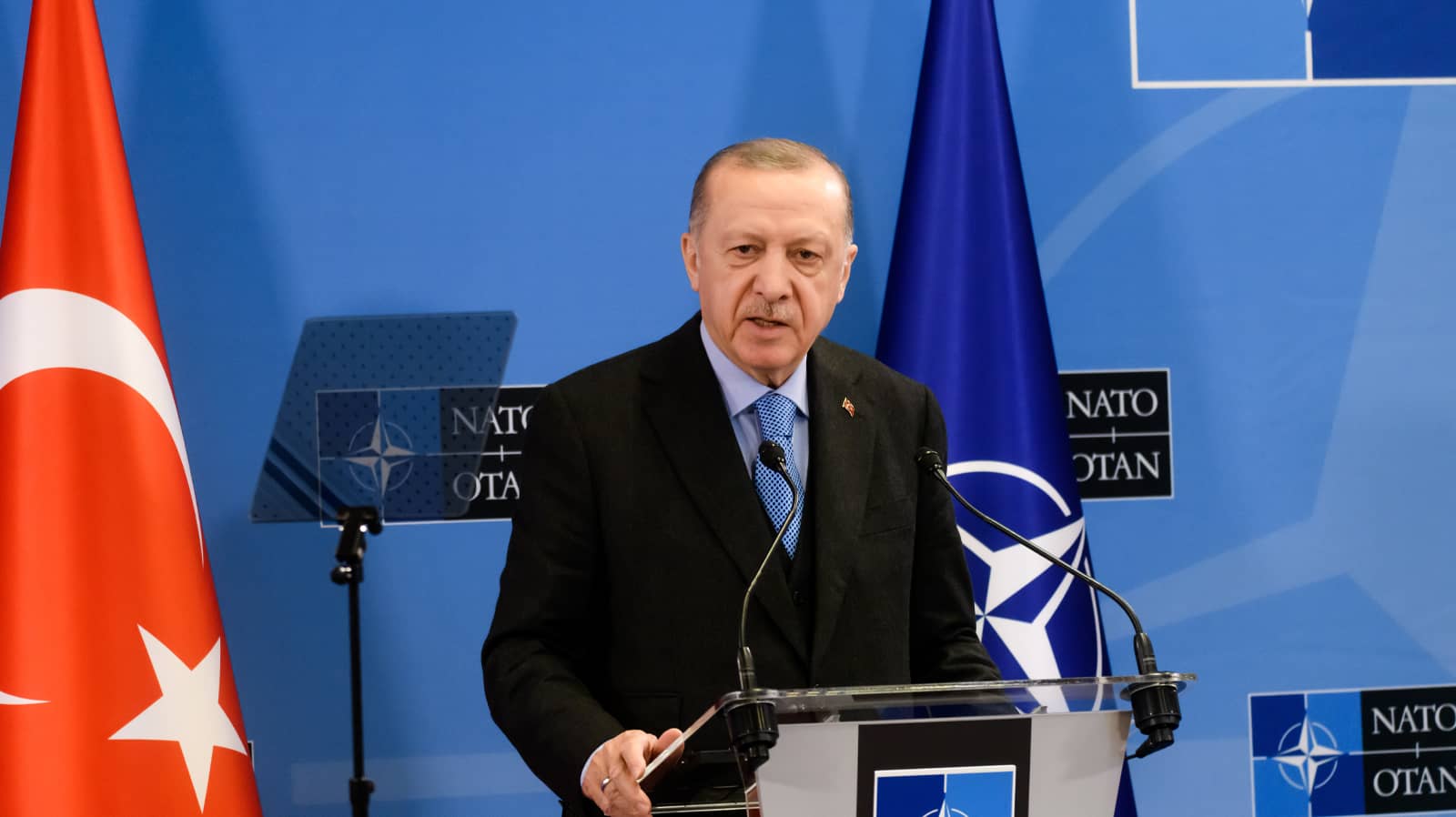
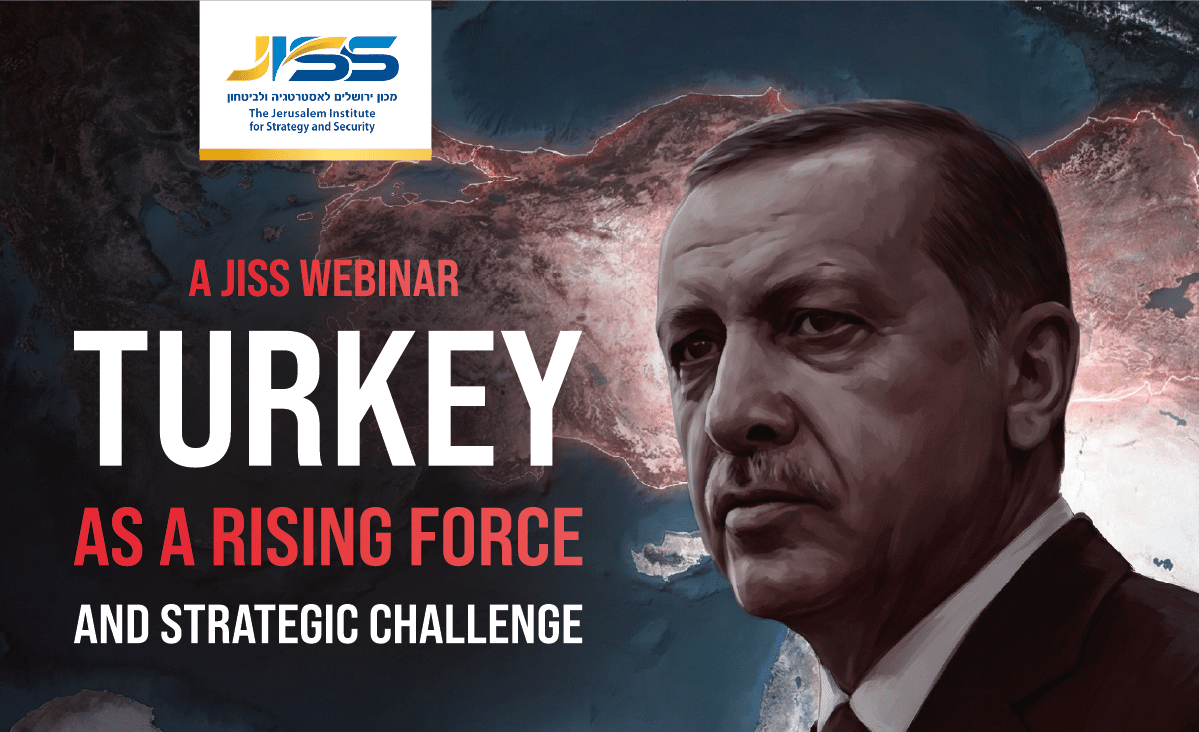
Turkey president Recep Tayyip Erdogan

Turkey: From Partnership to Imperialist Threat

Turkey’s imperial ambitions could turn it into a new Iran: a power capable of placing Israel in a commercial and military stranglehold. Israel must address the Turkish threat not as a small state, but as a regional power prepared to exercise force, judgment, and long-term strategic vision. Turkey’s neo-Ottomanism is a challenge, but if handled correctly, it could also become a catalyst for strengthening Israel’s power in the twenty-first century

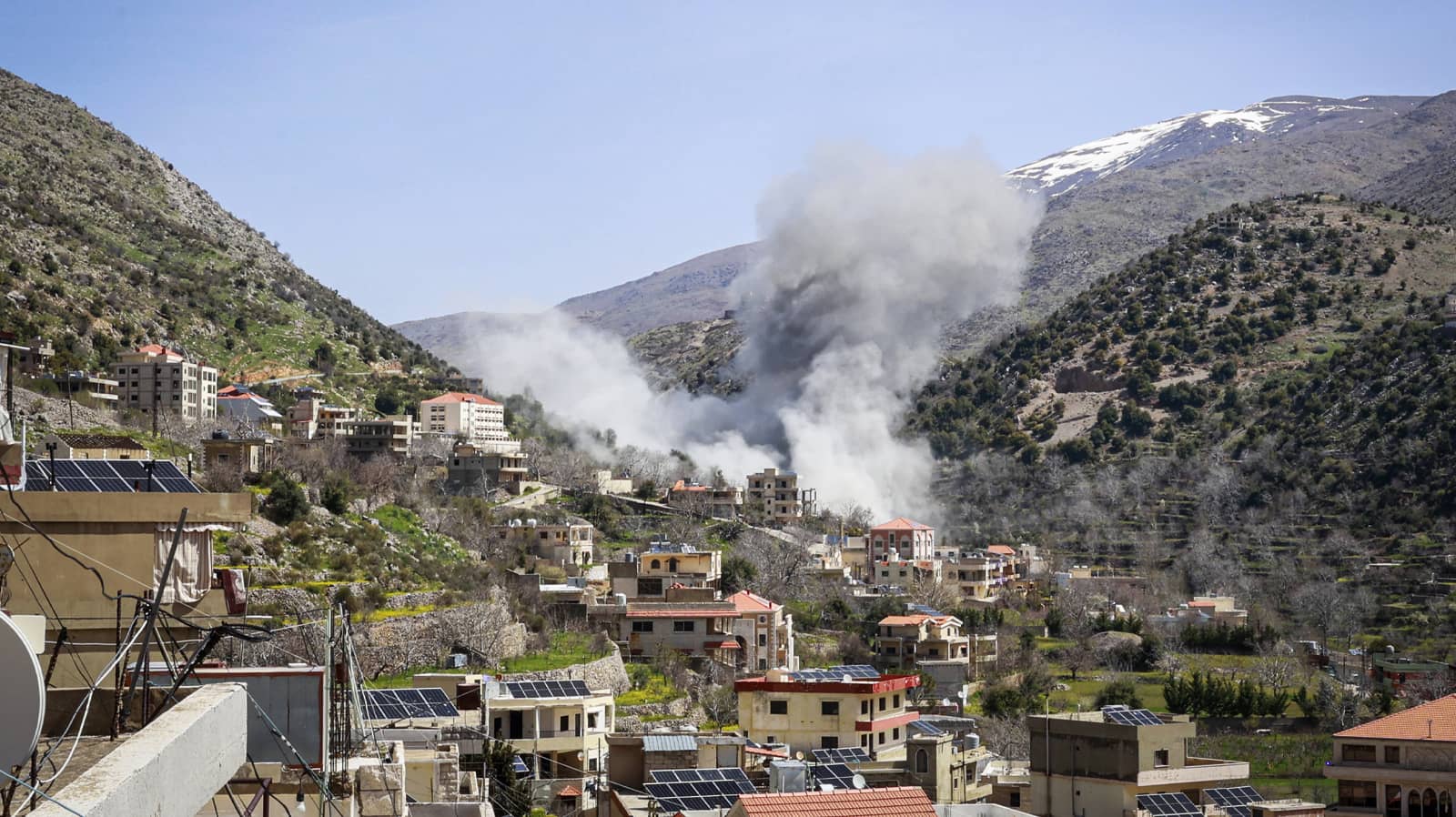
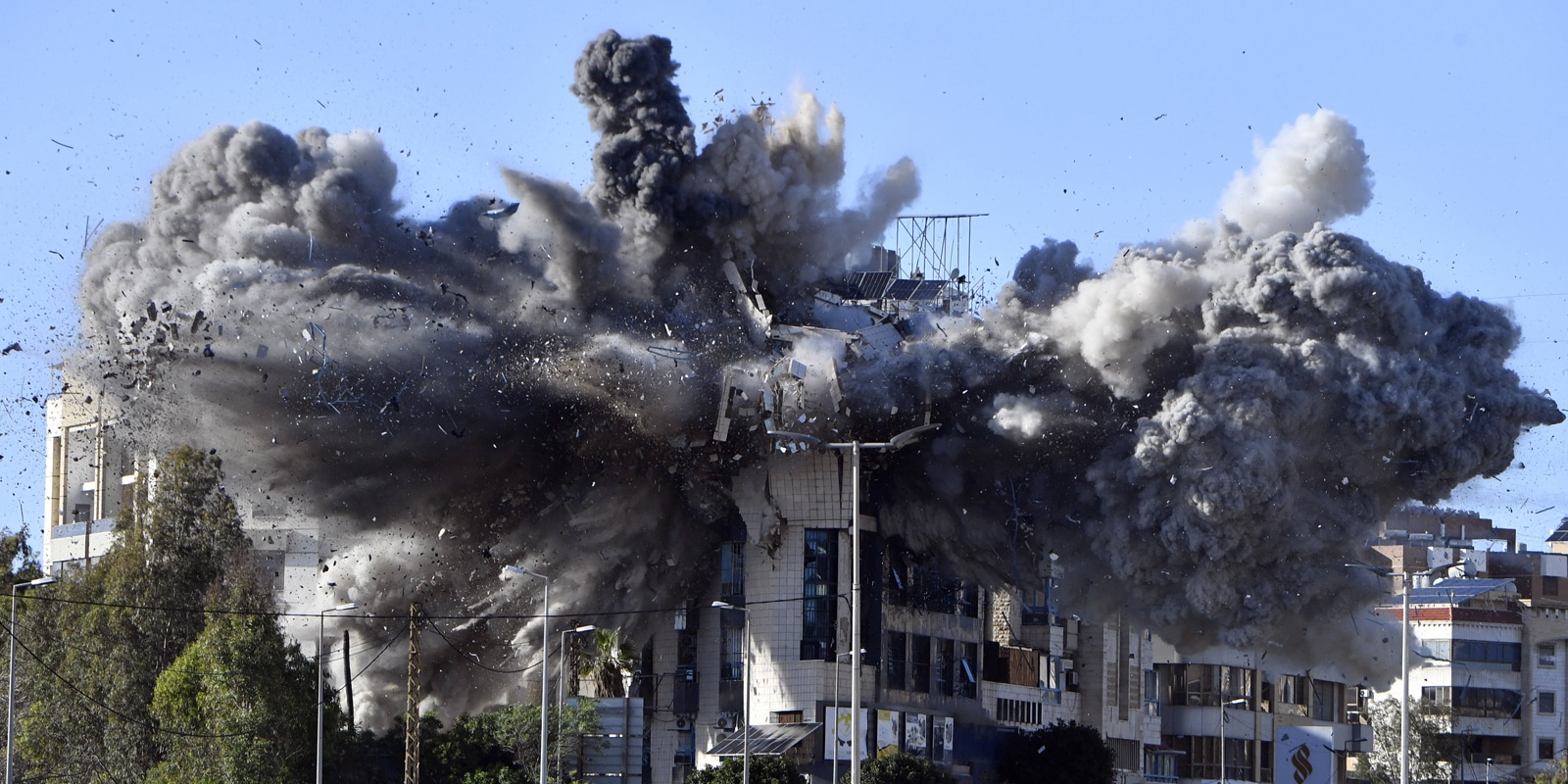
תקיפה באזור נבטיה, דרום לבנון, אפריל 2026

Why Israel Needs the Litani Line

The current direct anti-tank fire line leaves Israel exposed to short-range fire and drones from southern Lebanon. The Litani line offers a stronger alternative: a natural barrier, a shorter line of contact, greater depth, and improved protection for northern communities, along with political leverage in future negotiations with Lebanon

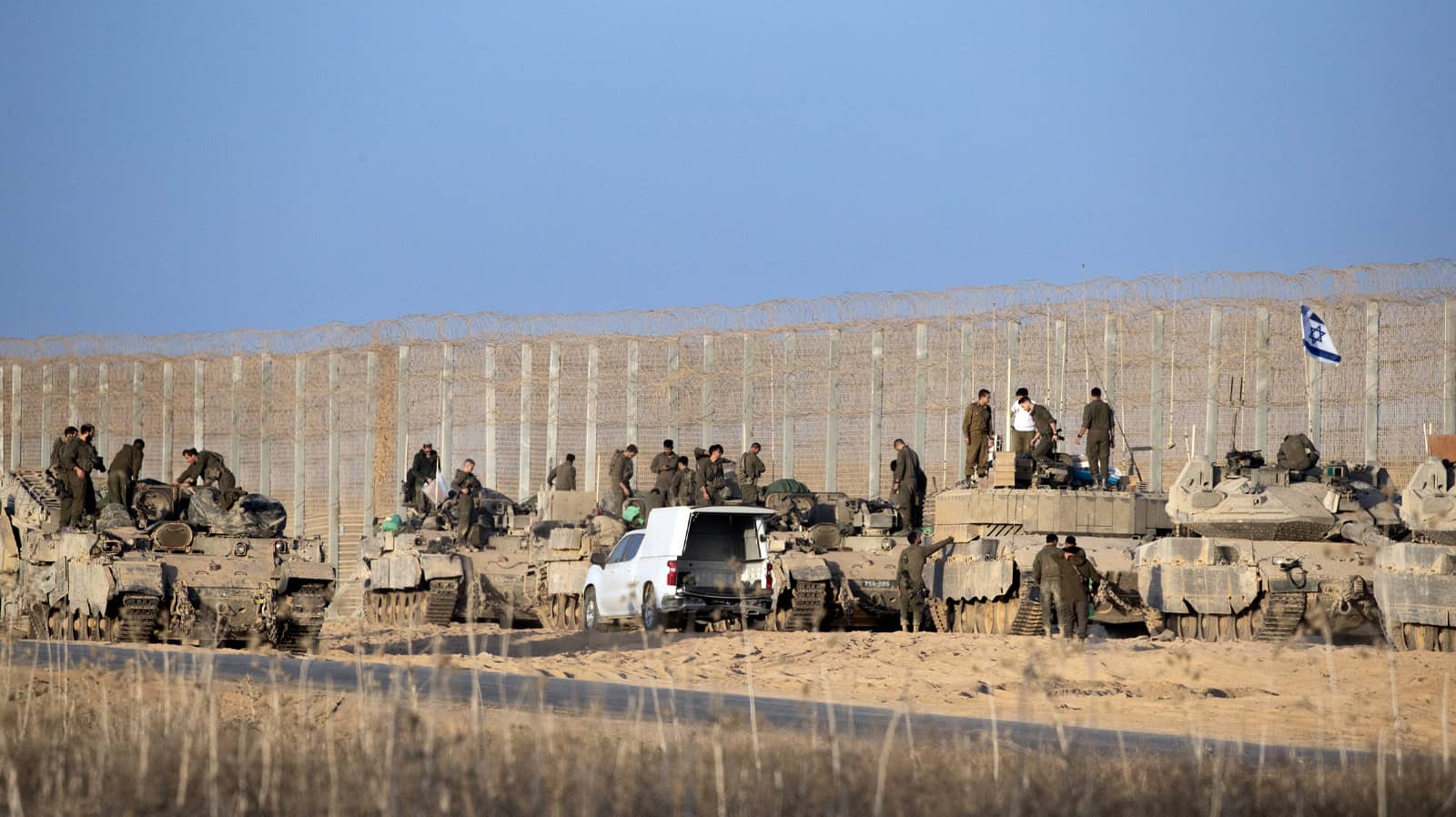
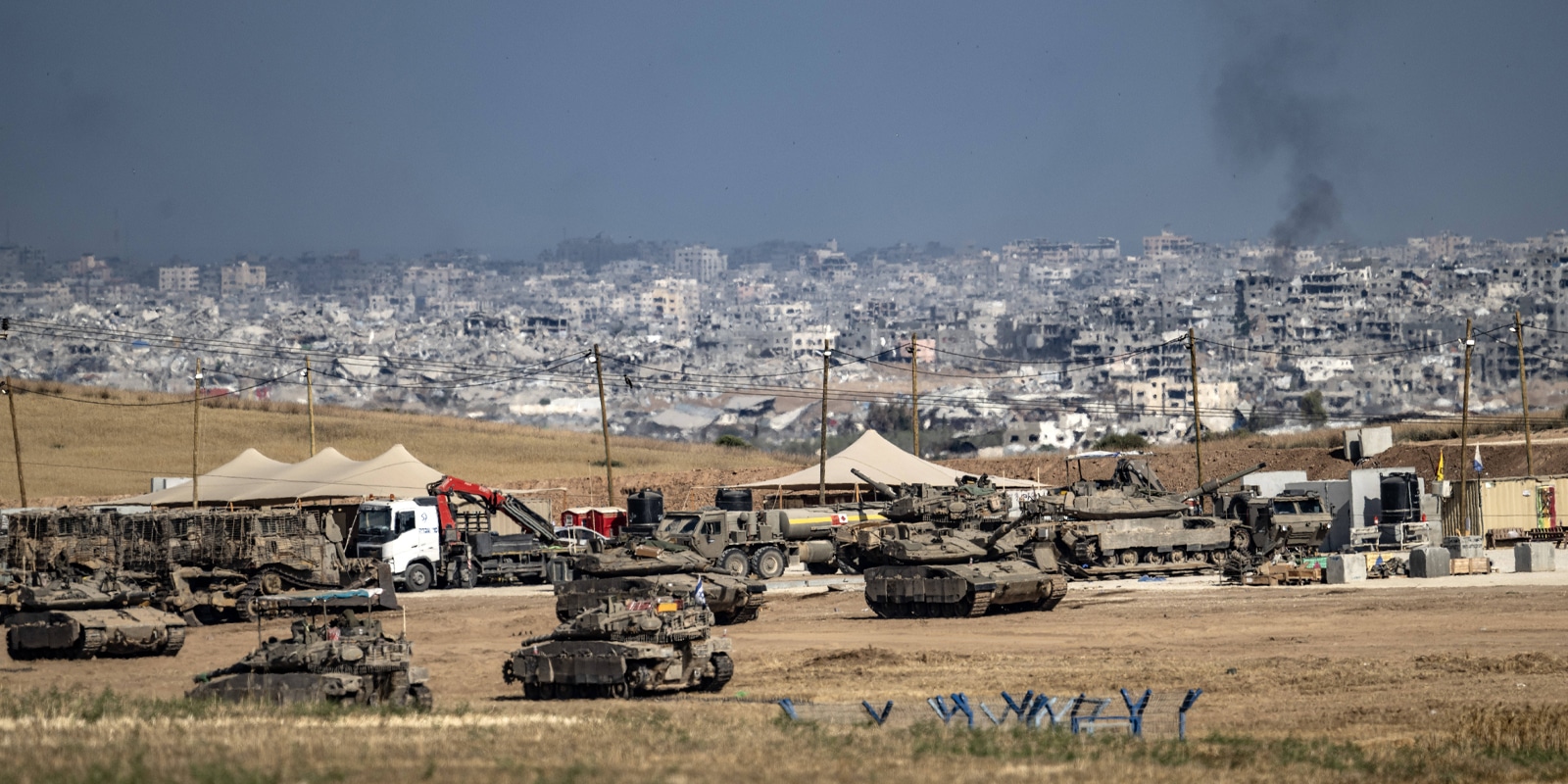
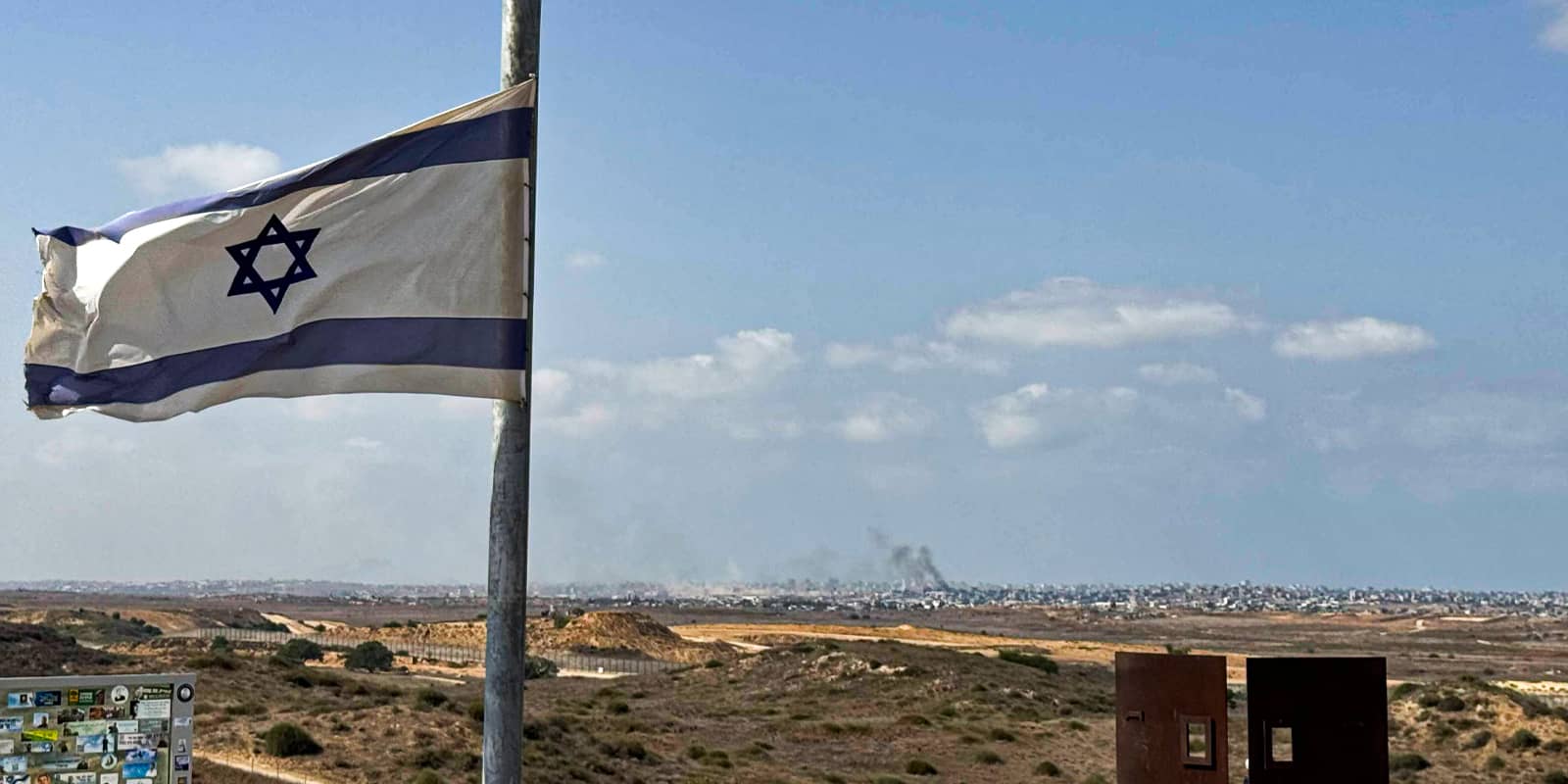
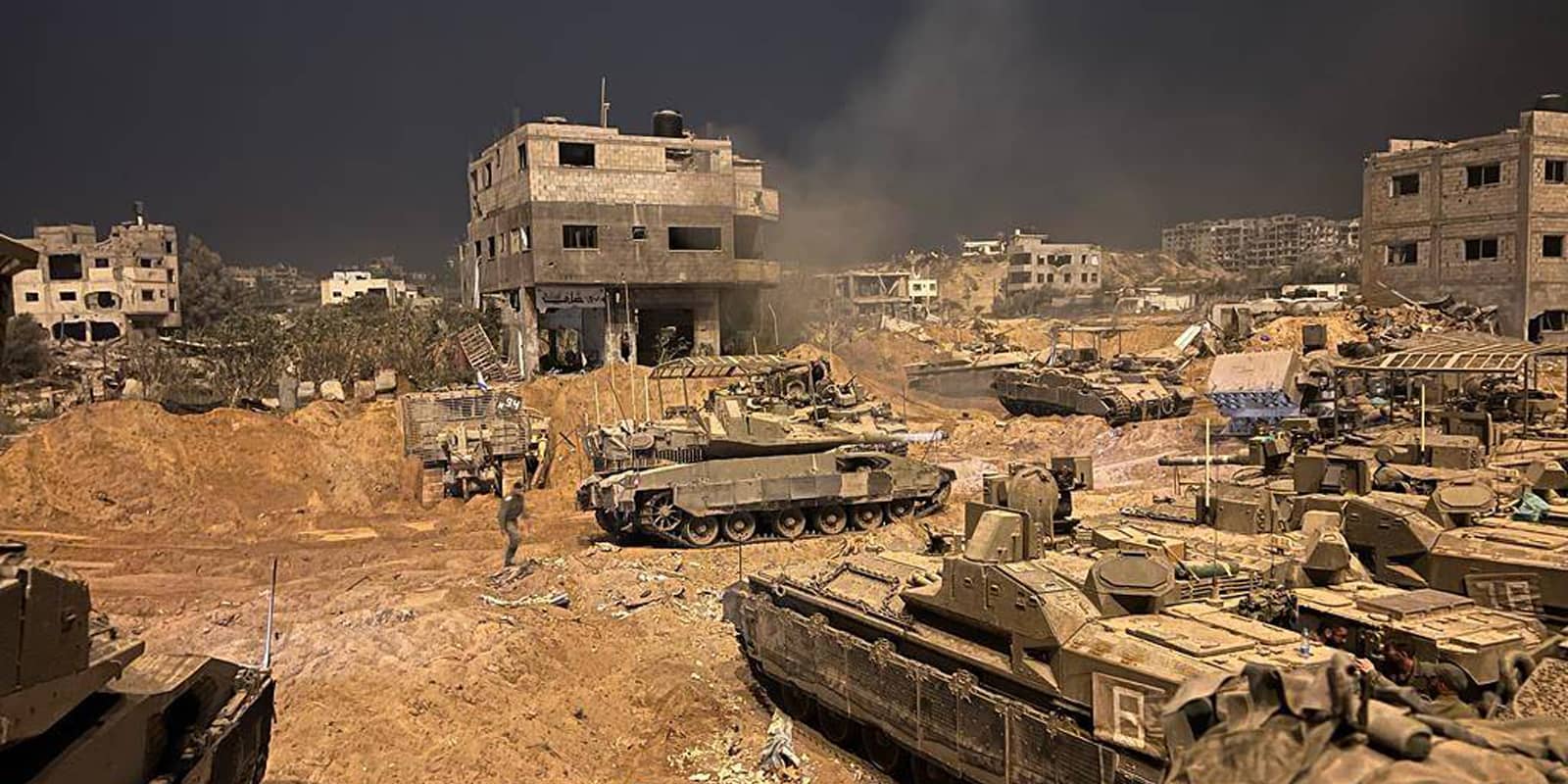
Israeli tanks and armored personnel carriers on the border fence with the Gaza Strip as they prepare to move on Monday, October 20, 2025 as they deploy to a gate and then into the eastern side of the Gaza Strip. ISR20251020011 JimxHollander



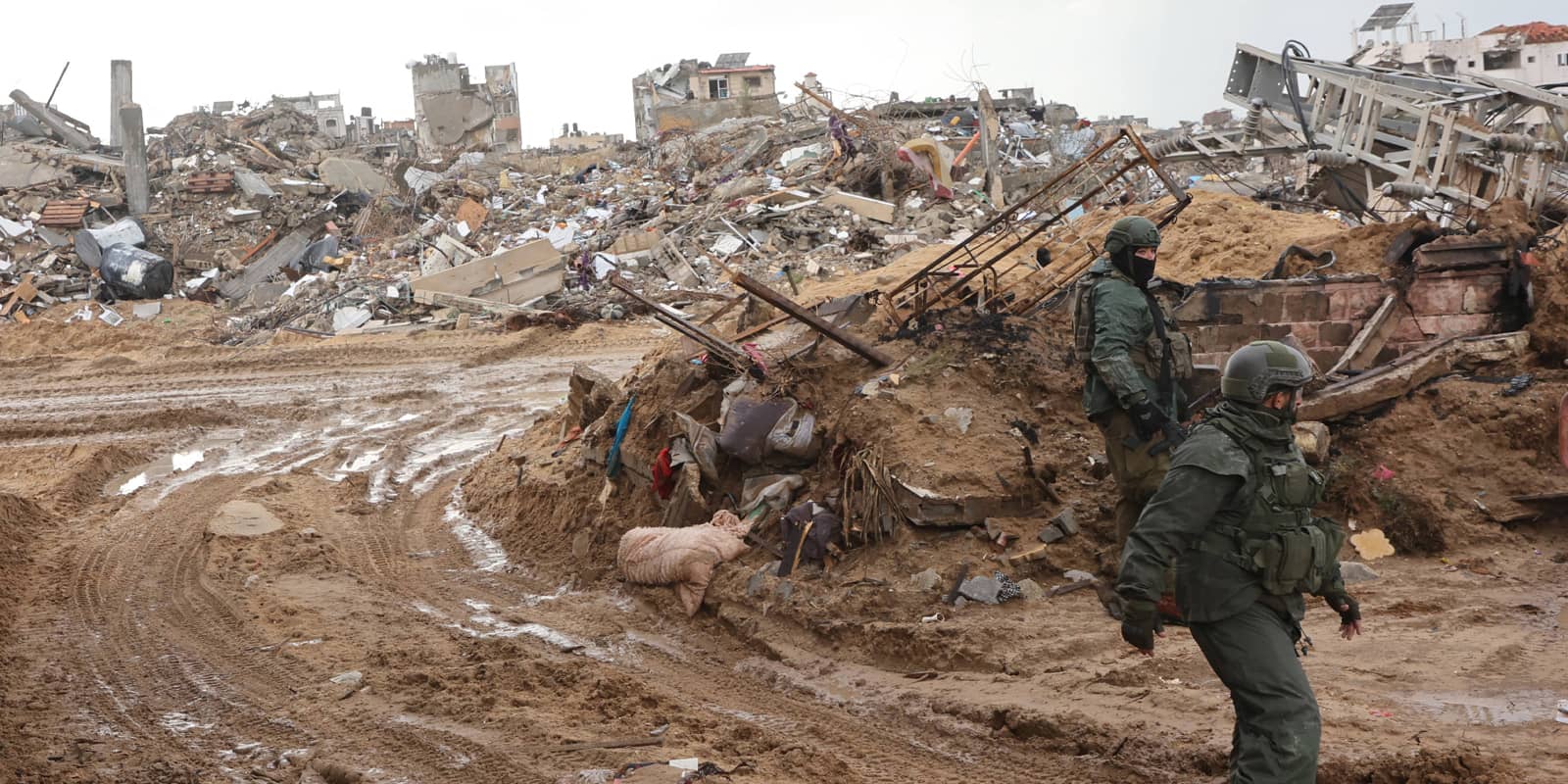
Where Is Gaza Headed?

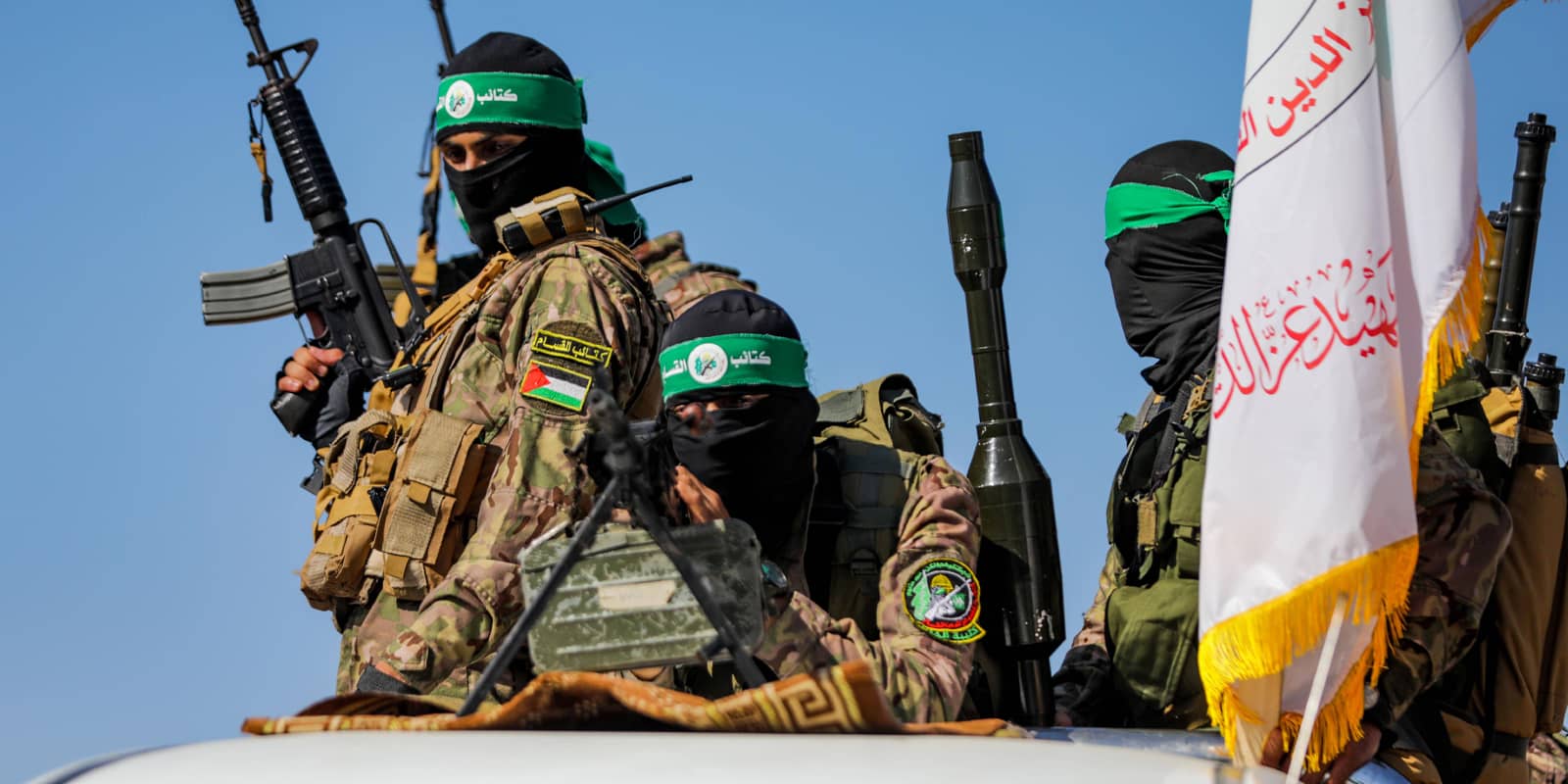
Hamas is under pressure and its regional support has weakened, but it is unlikely to disarm willingly. Political timetables in Israel and the United States require prompt action through a systematic campaign that steadily reduces Hamas’s area of control until it submits. If Israel acts with determination, it can complete the war’s objectives and ensure that Gaza is no longer a threat

Are You In?

Join 8,000+ Subscribers who enjoy our weekly digest