A Policy-Oriented Think Tank Addressing Foreign Policy and National Security Issues for a Safe Israel

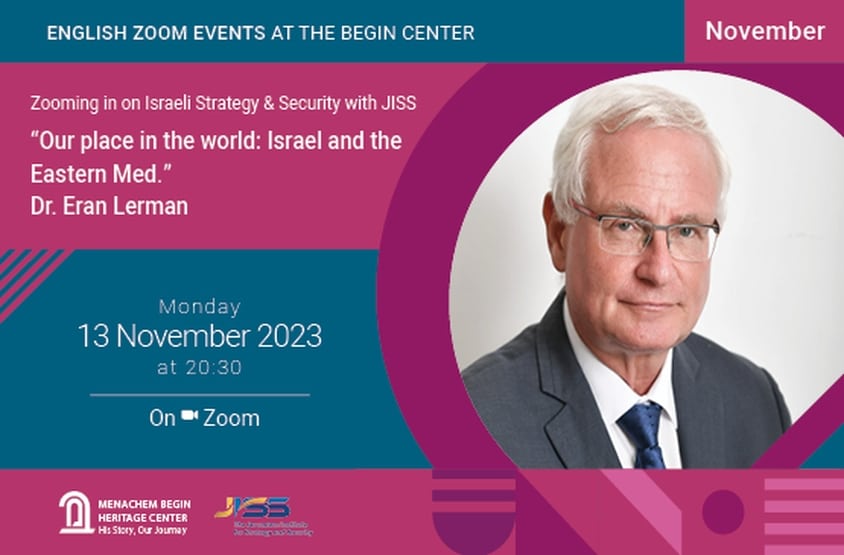
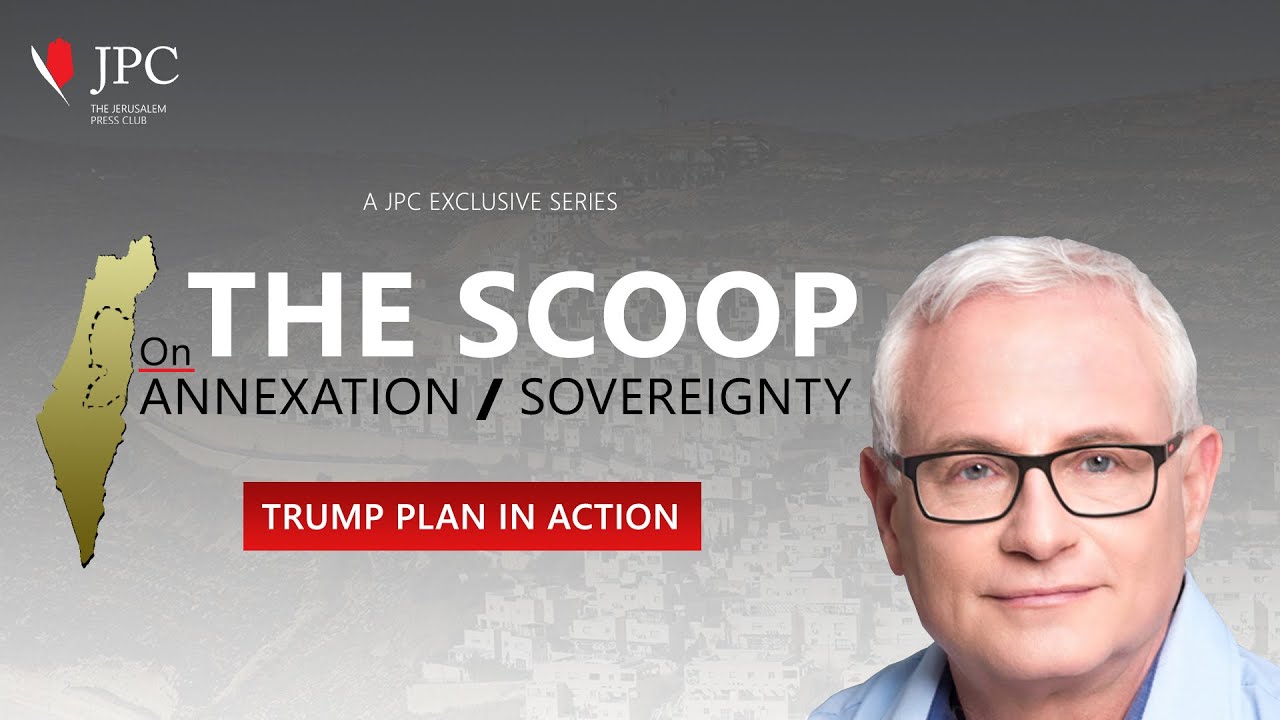
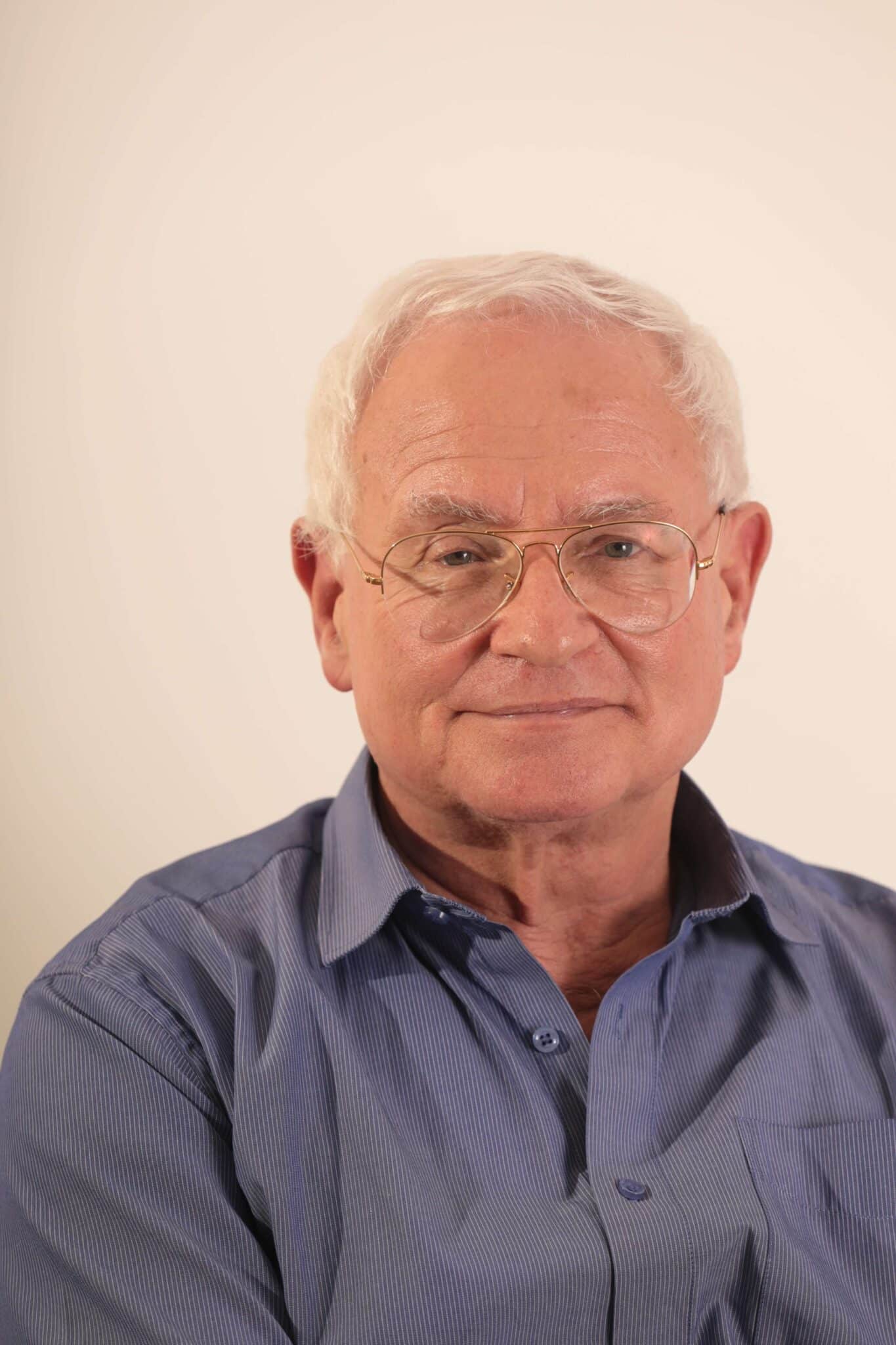
Colonel (res.) Dr. Eran Lerman

Vice President of the Jerusalem Institute for Strategy and Security

Dr. Lerman was deputy director for foreign policy and international affairs at the National Security Council in the Israeli Prime Minister’s Office. He held senior posts in IDF Military Intelligence for over 20 years. He also served for eight years as director of the Israel and Middle East office of the American Jewish Committee. He teaches in the Middle East studies program at Shalem College in Jerusalem, and in post-graduate programs at Tel Aviv University and the National Defense College. He is an expert on Israel’s foreign relations, and on the Middle East. A third-generation Sabra, he holds a Ph.D. from the London School of Economics, and a mid-career MPA from Harvard University.

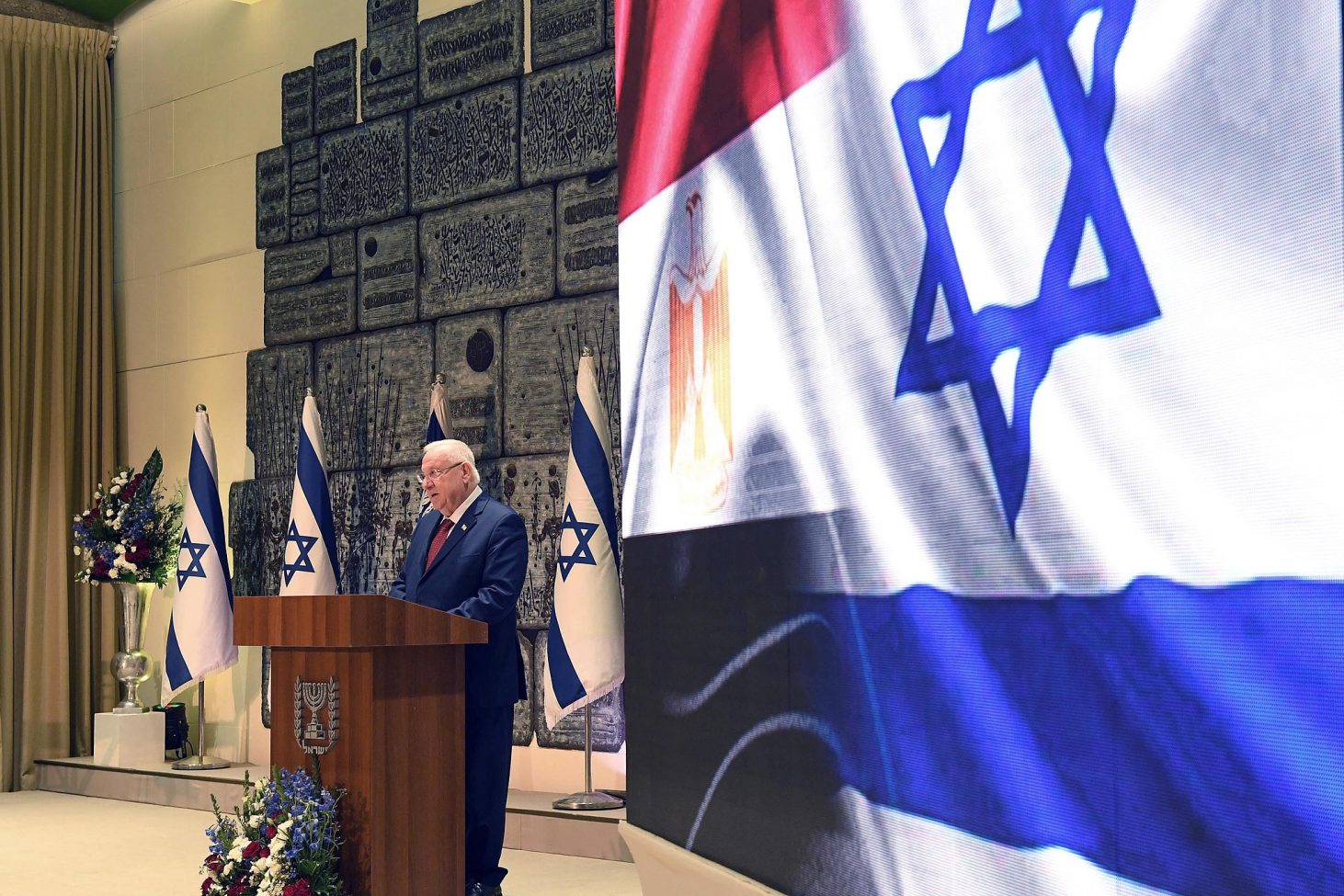
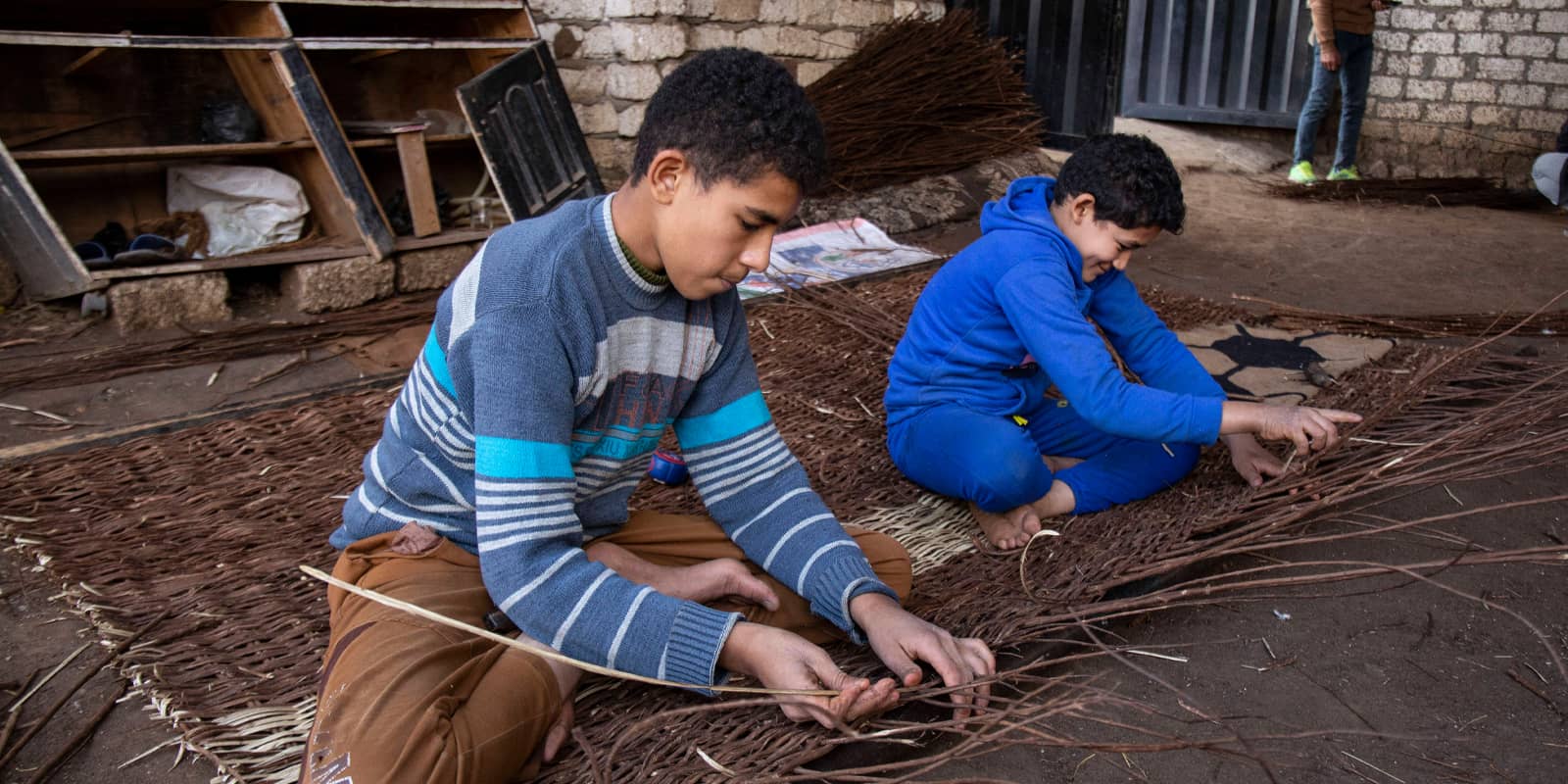
Manufacture Of Umbrellas And Chairs In Egypt

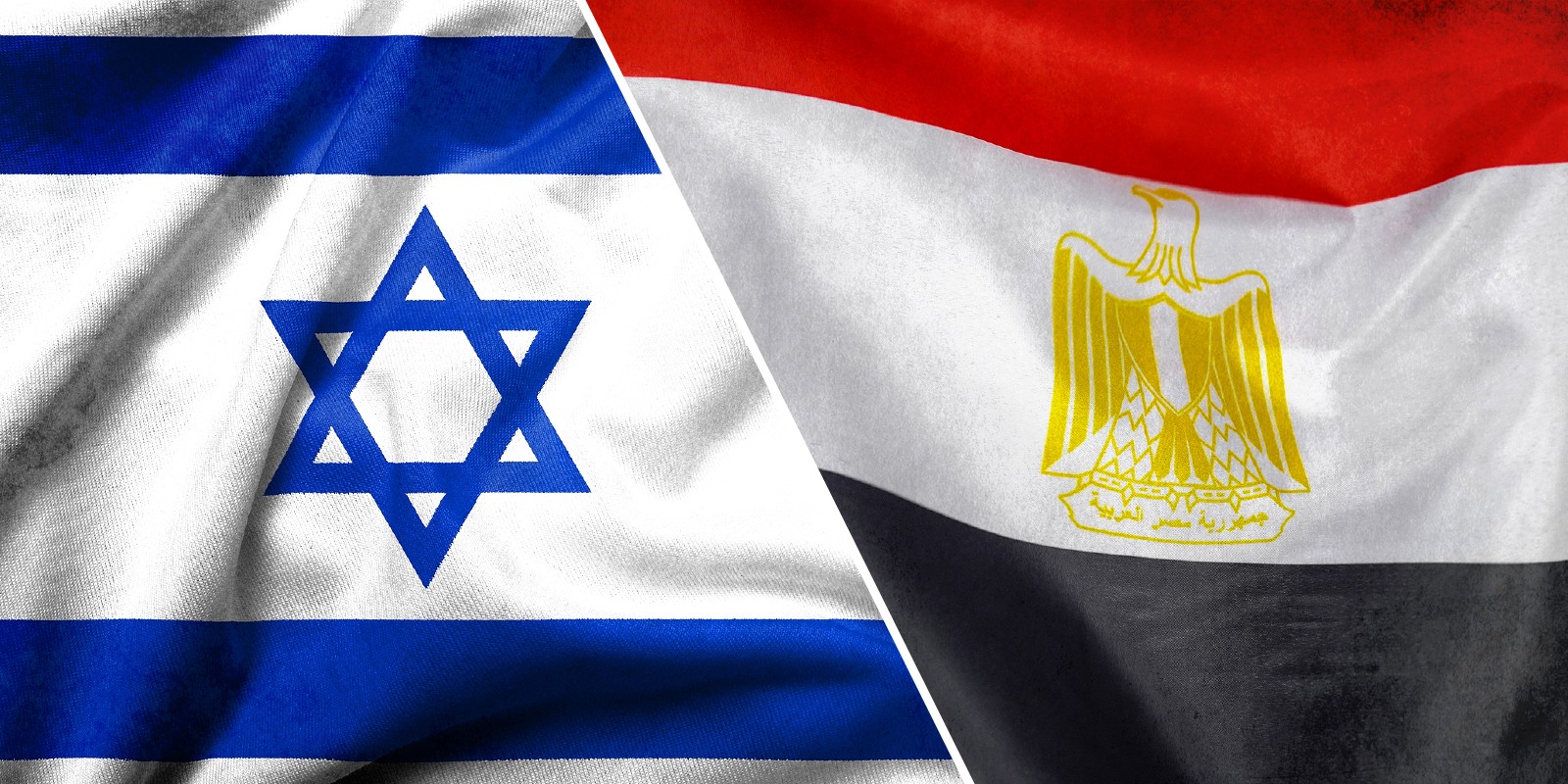
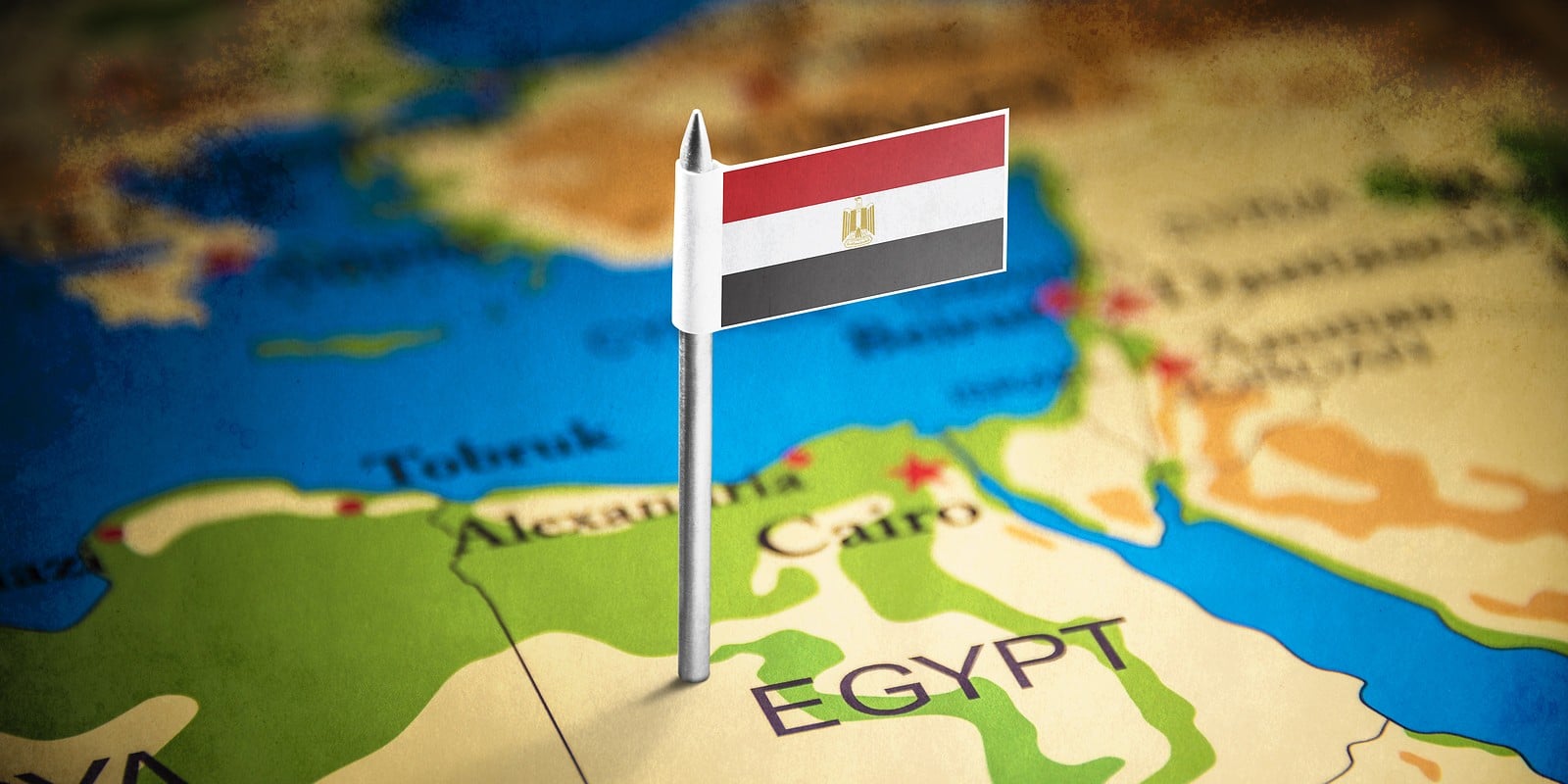
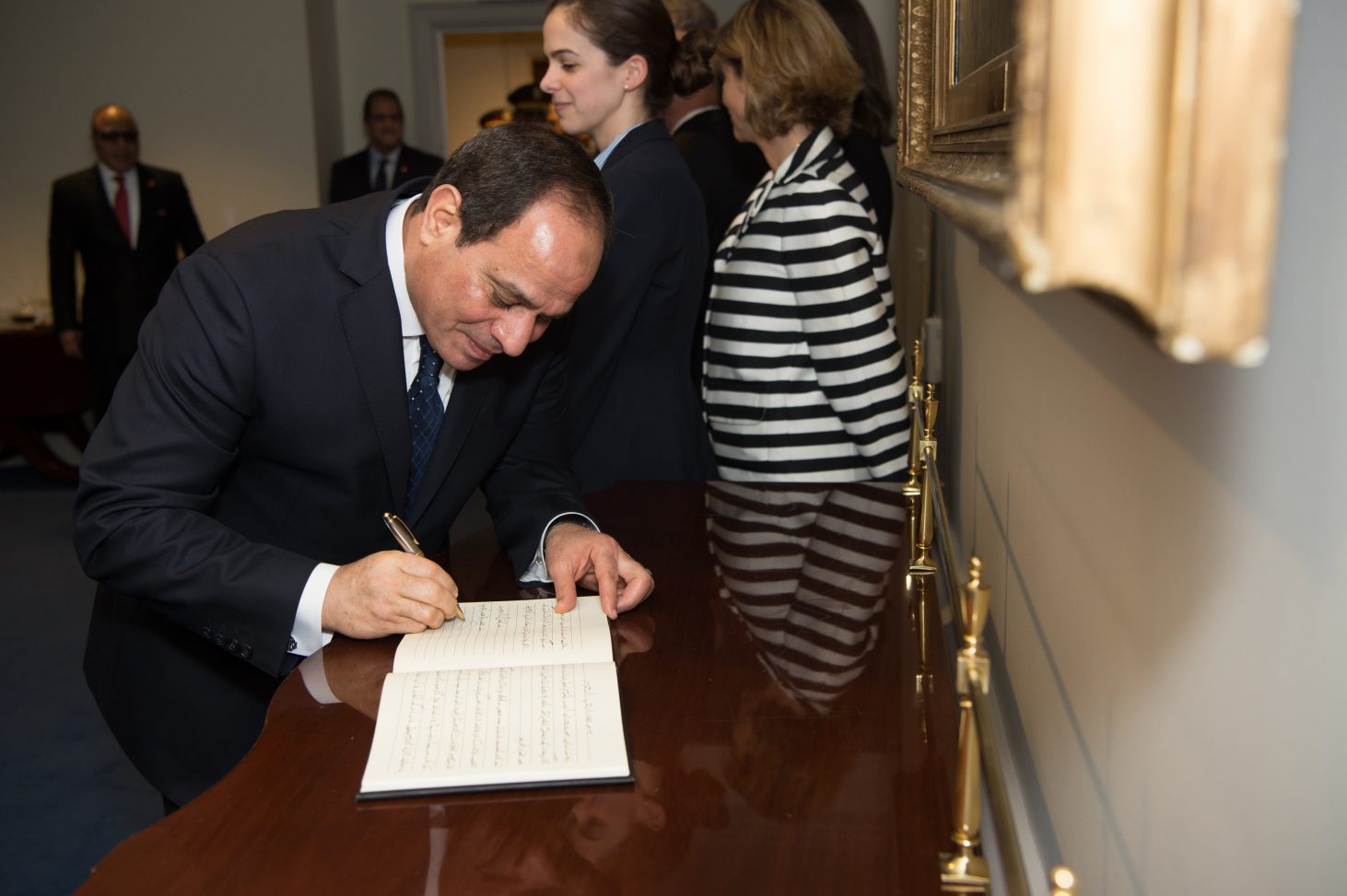
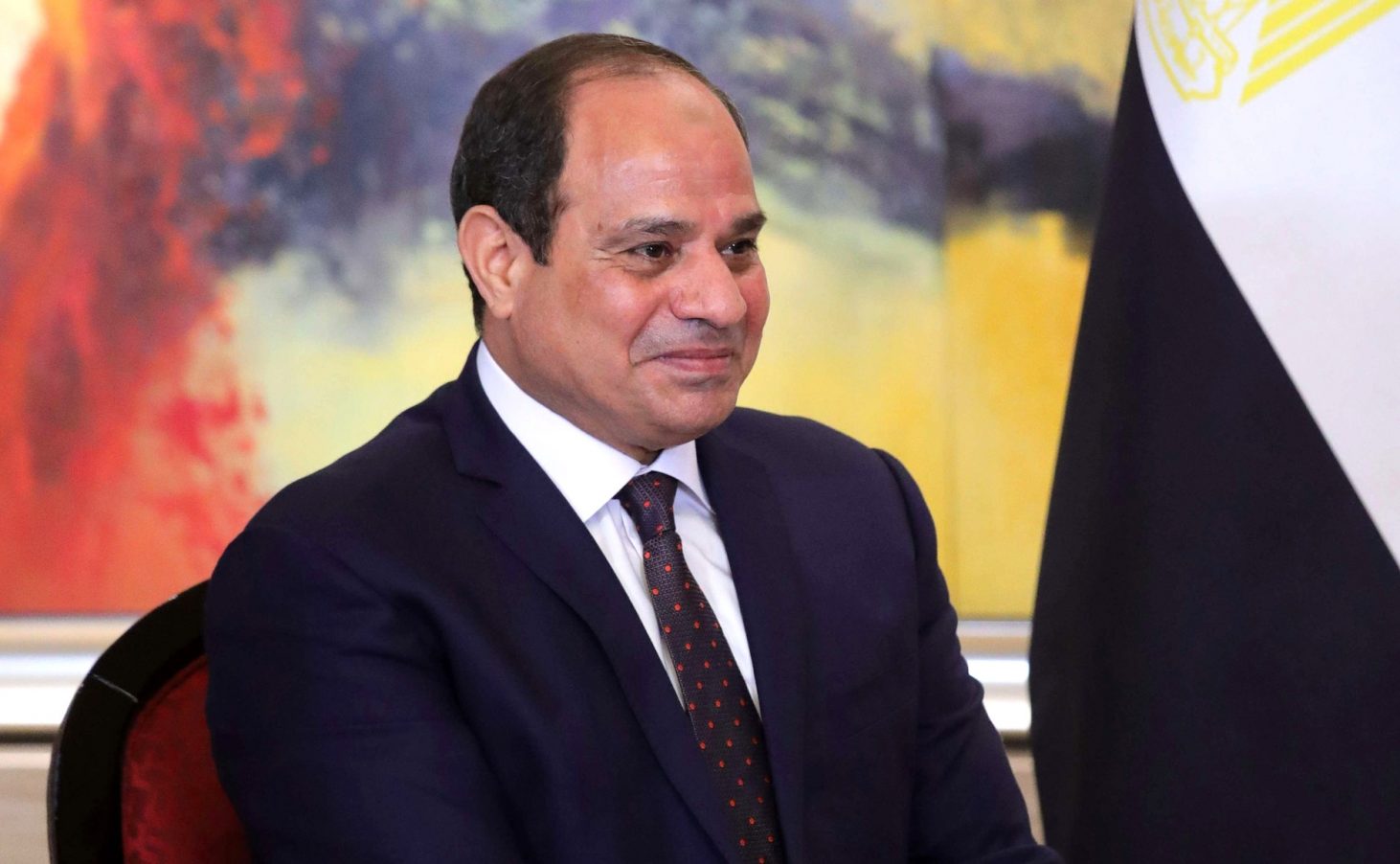
The Egyptian Financial Crisis: Implications for the region, and for Israel too

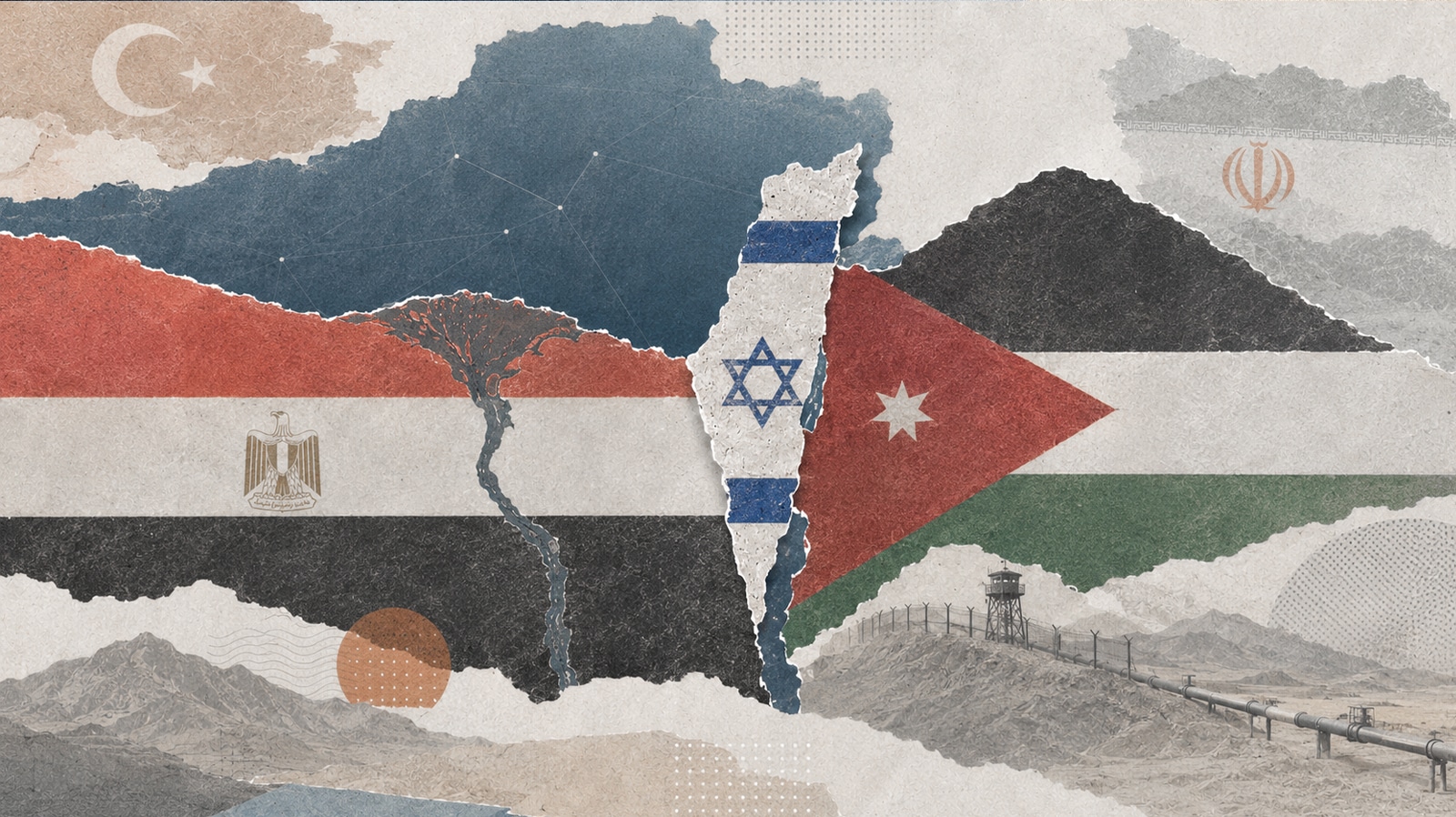
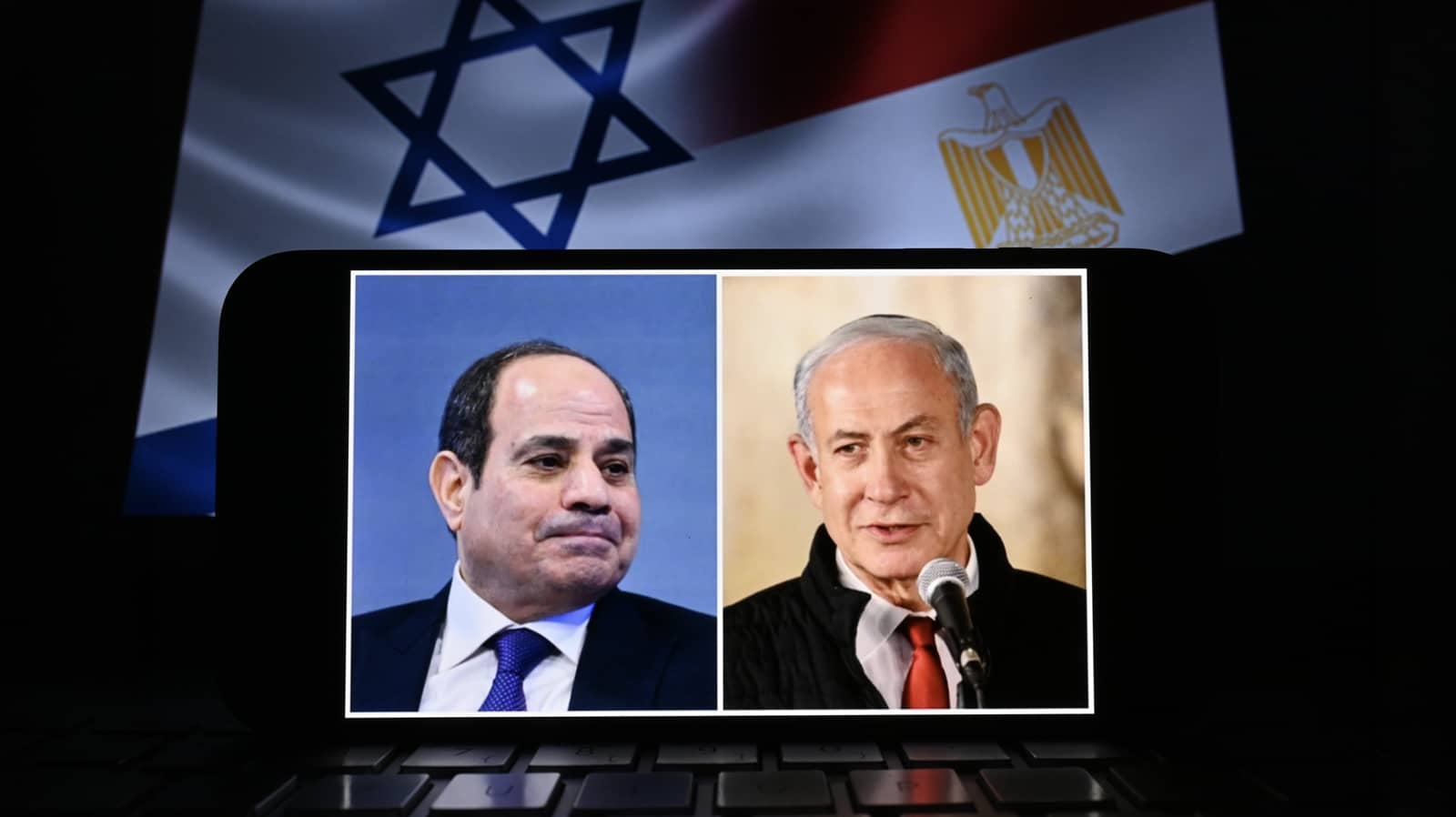
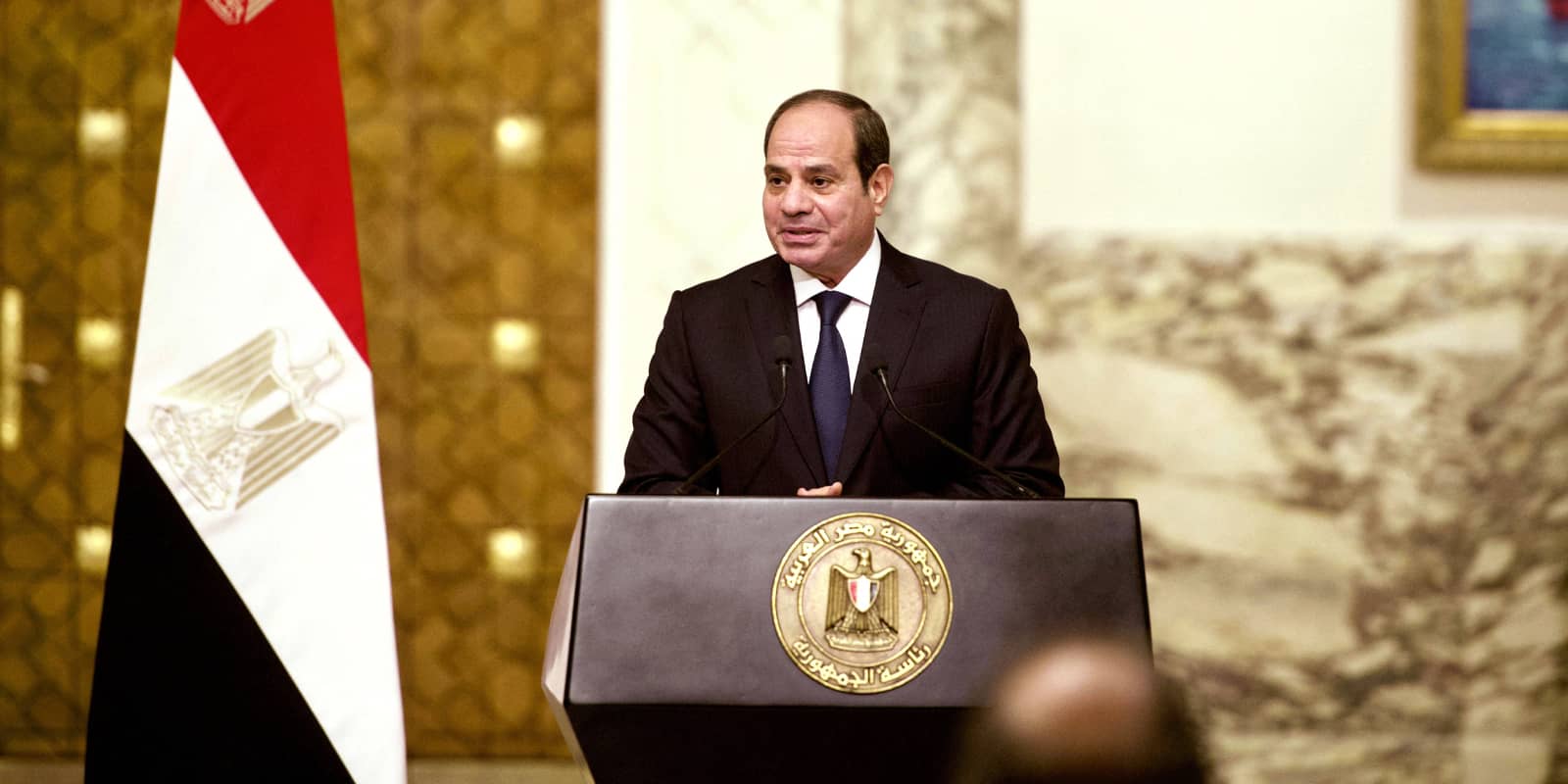
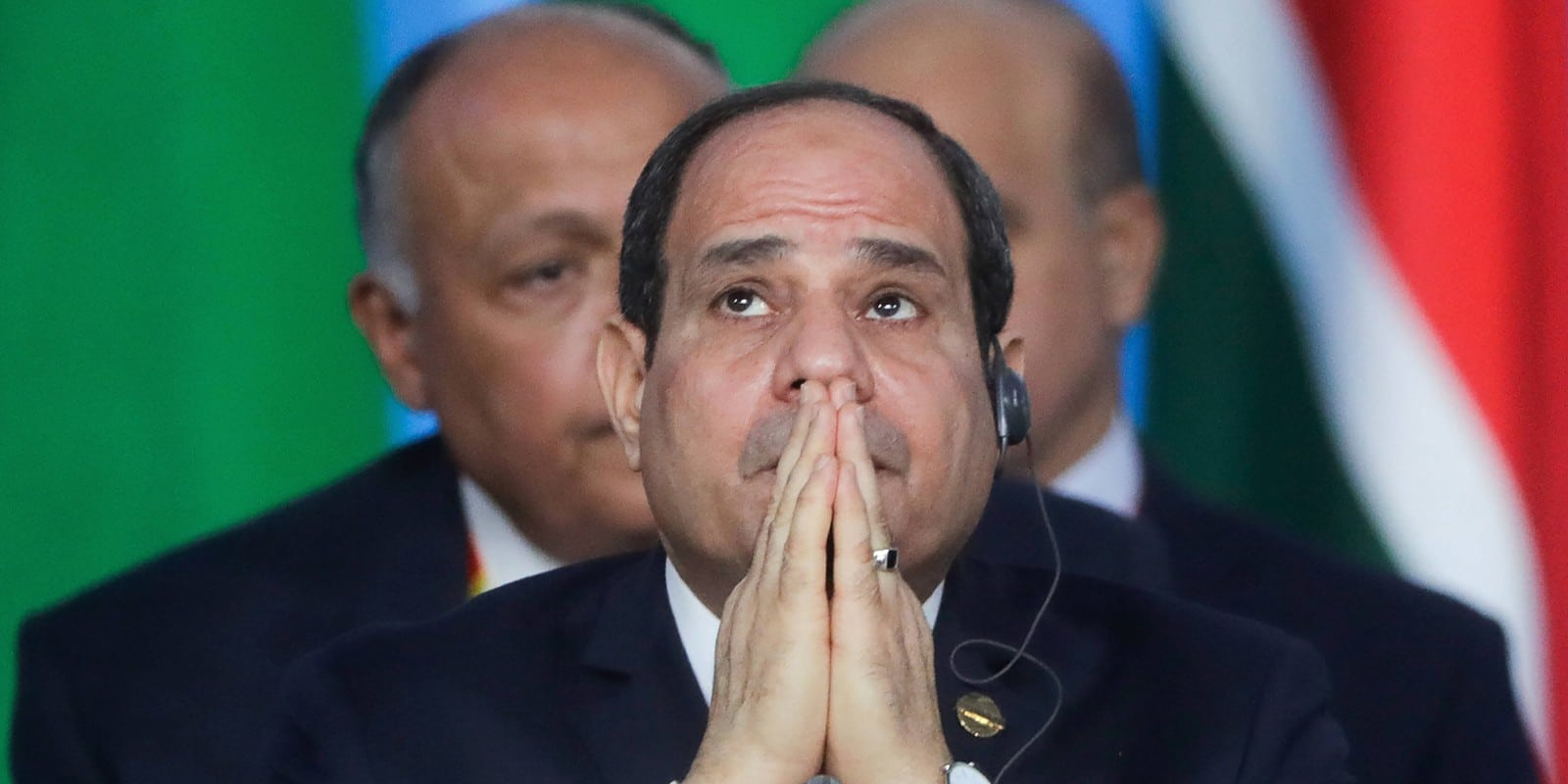
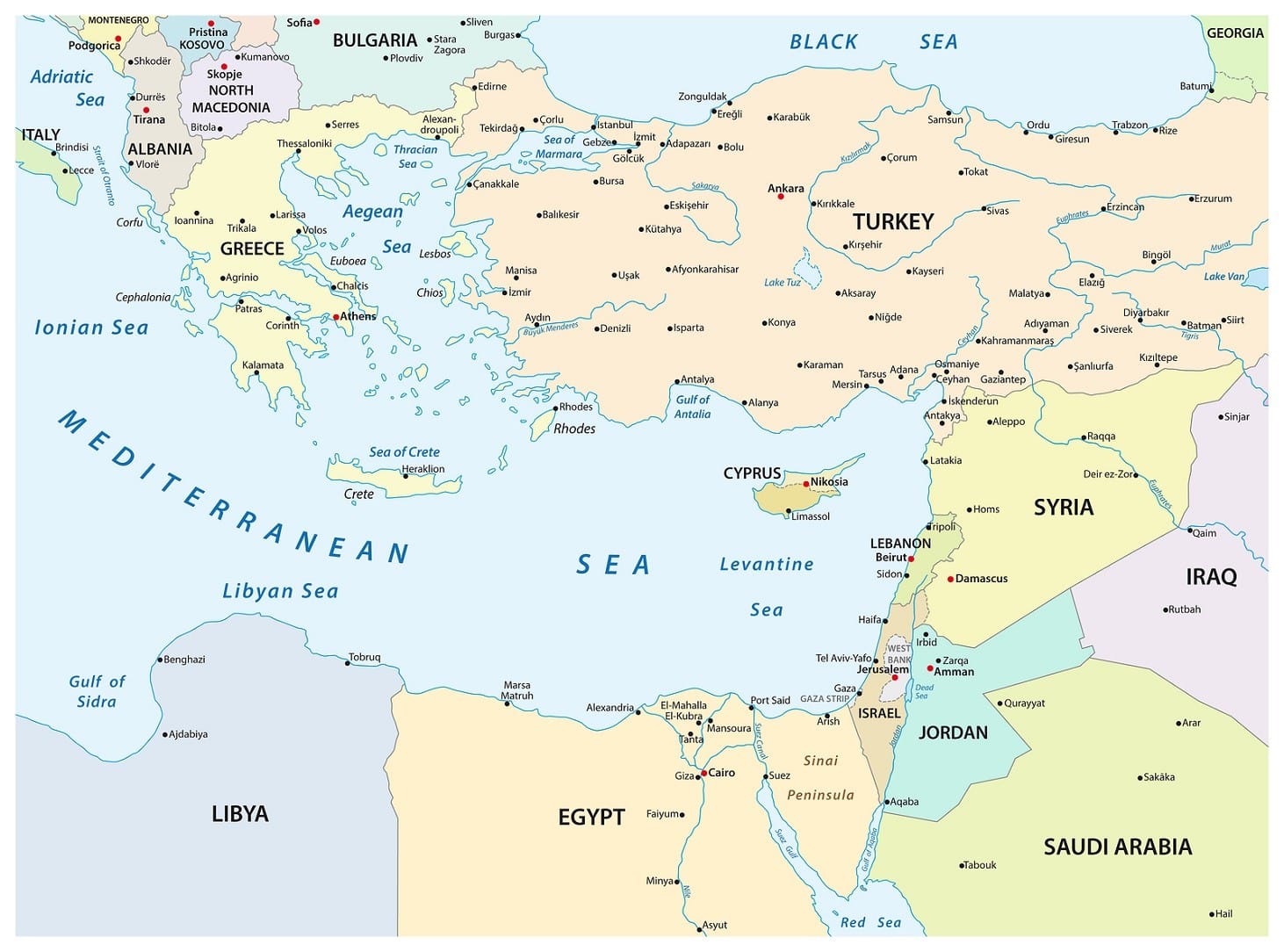
Egypt continues to play an active role in regional affairs, including the Aqaba emergency meeting on the Palestinian situation (February 26) and the ongoing effort to prevent escalation in Gaza. At the same time, Cairo is in the middle of a significant financial crisis. The effects of the war in Ukraine – specifically, grain shortages – brought the Egyptian pound to more than 30 to the dollar, up from 20 in November and 15 in early 2022, facilitated by deliberate government action in response to demands by the IMF. Inflation still soars, and so does youth unemployment. All this could destabilize a nation of 105 million on our border, with dire consequences.


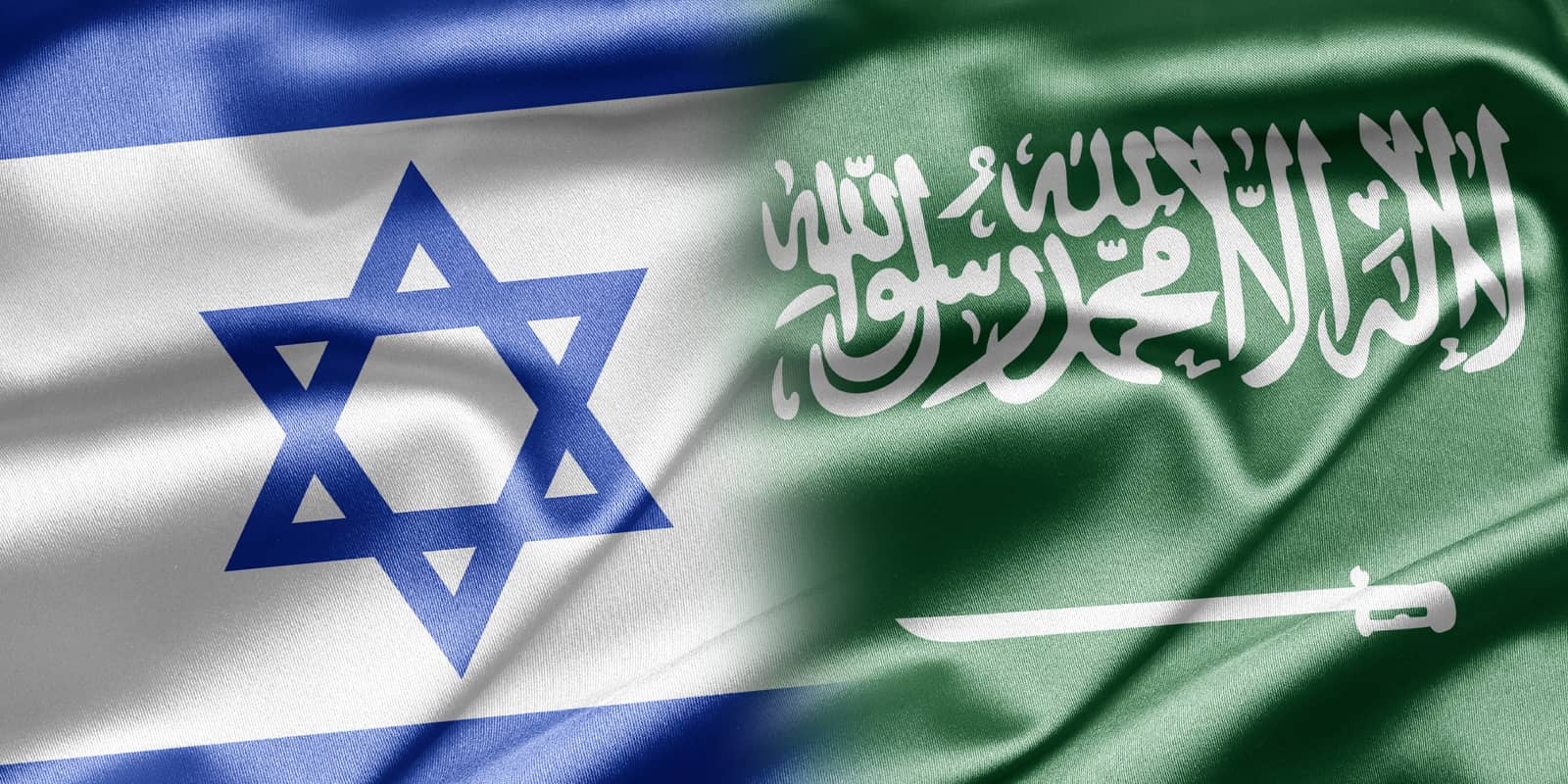
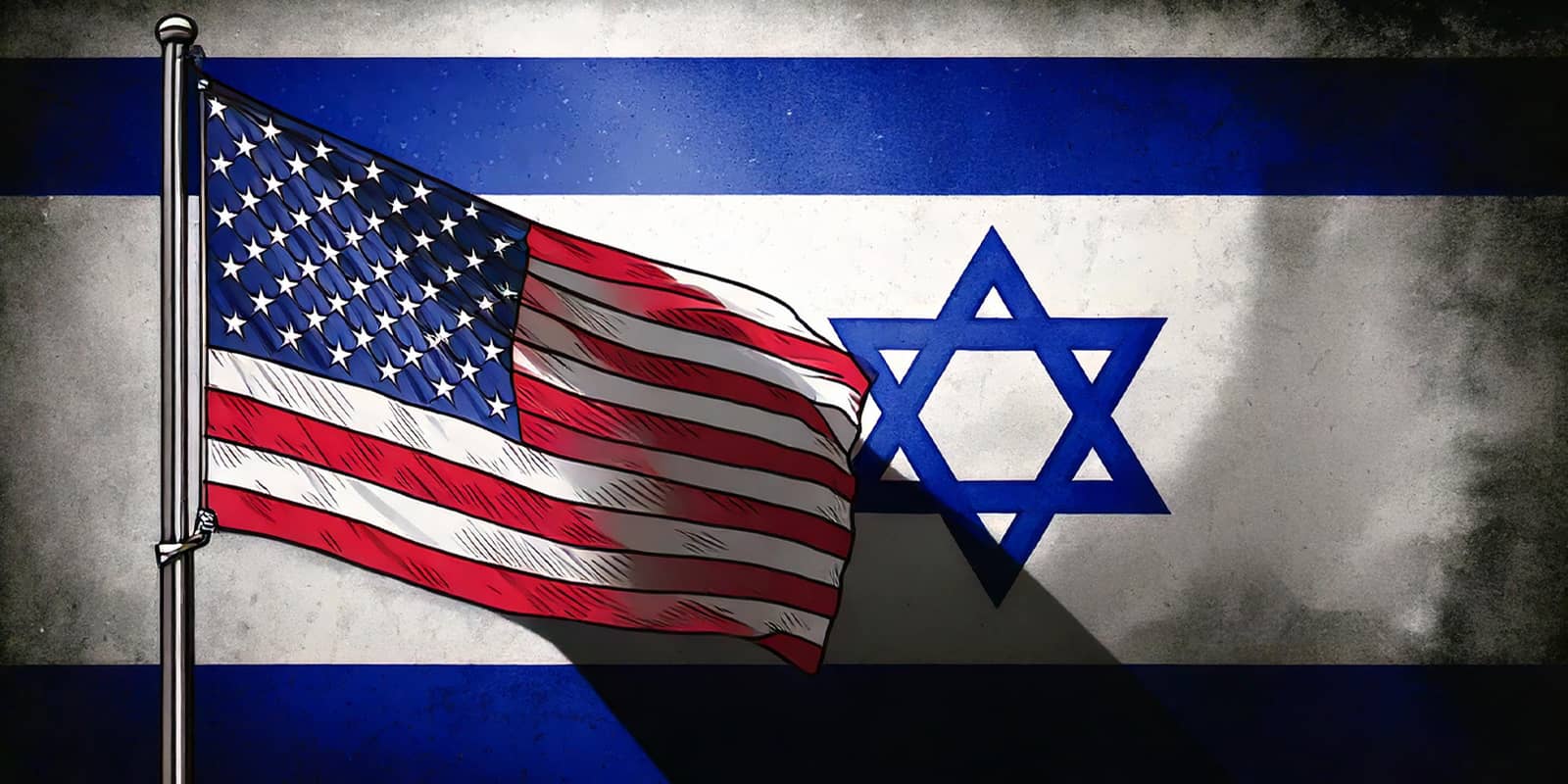
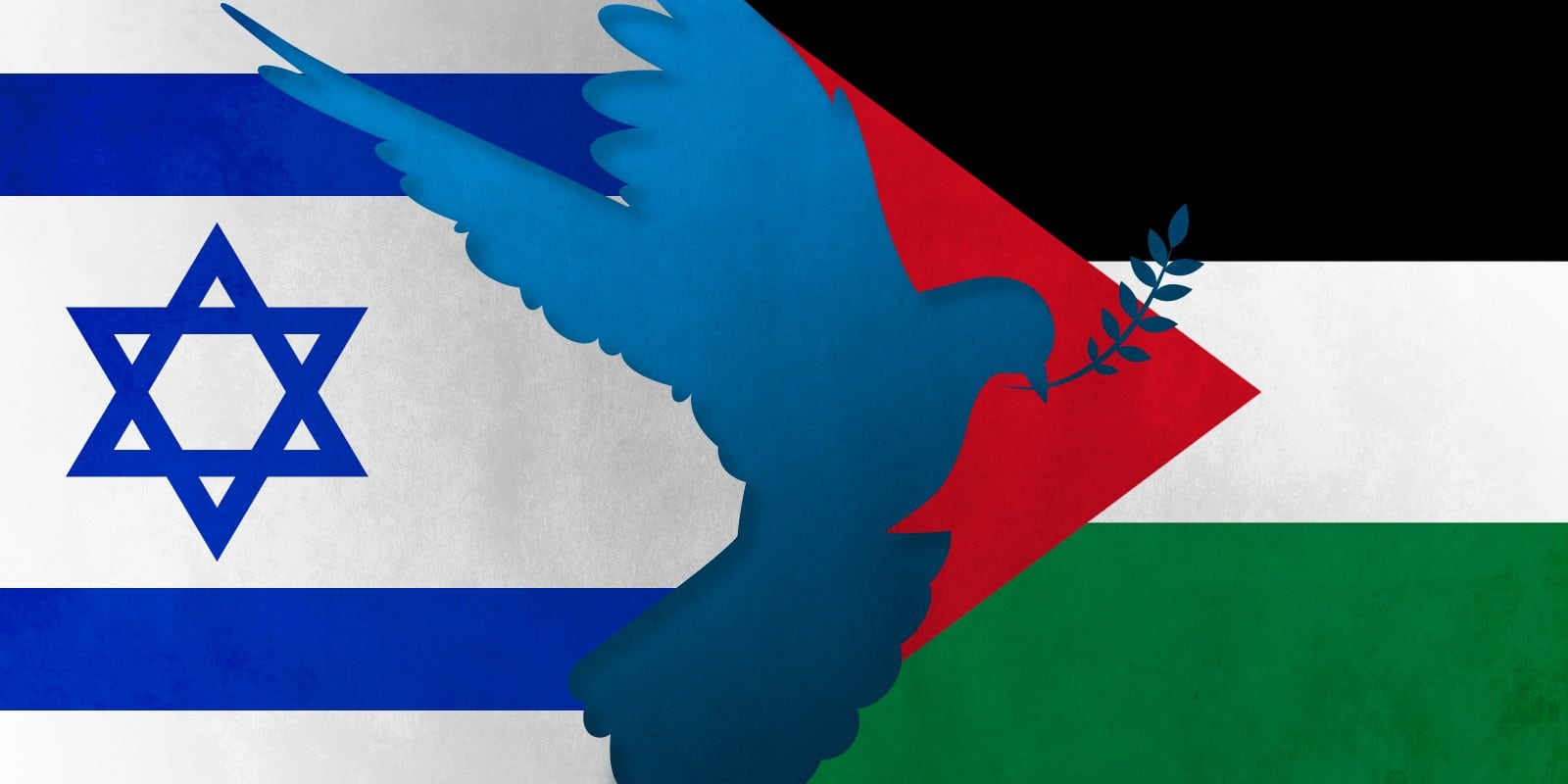
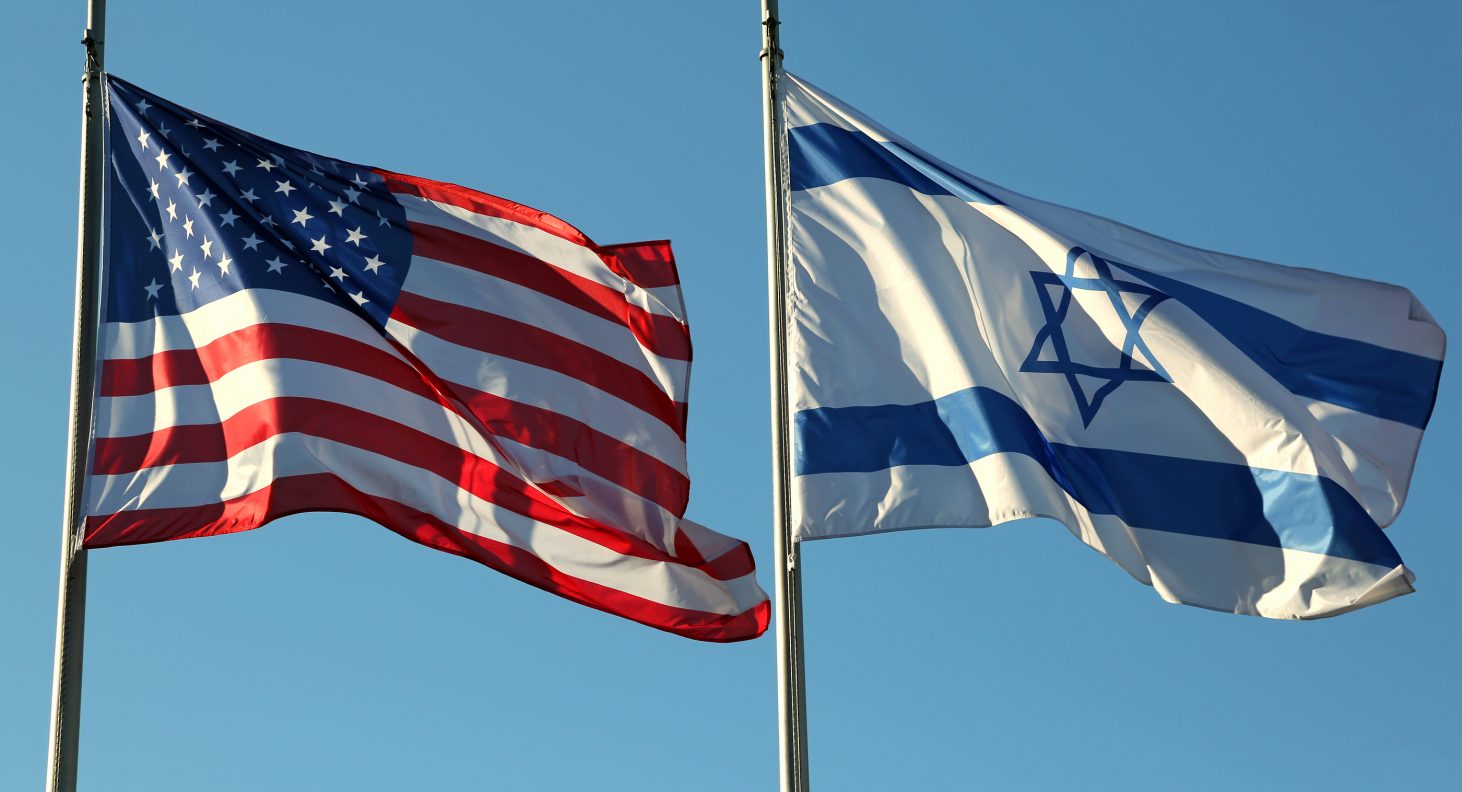
Saudi Arabia and Israel flags Illustration

Progress toward a breakthrough in Saudi-Israeli relations: ‘Haste is from the Devil’

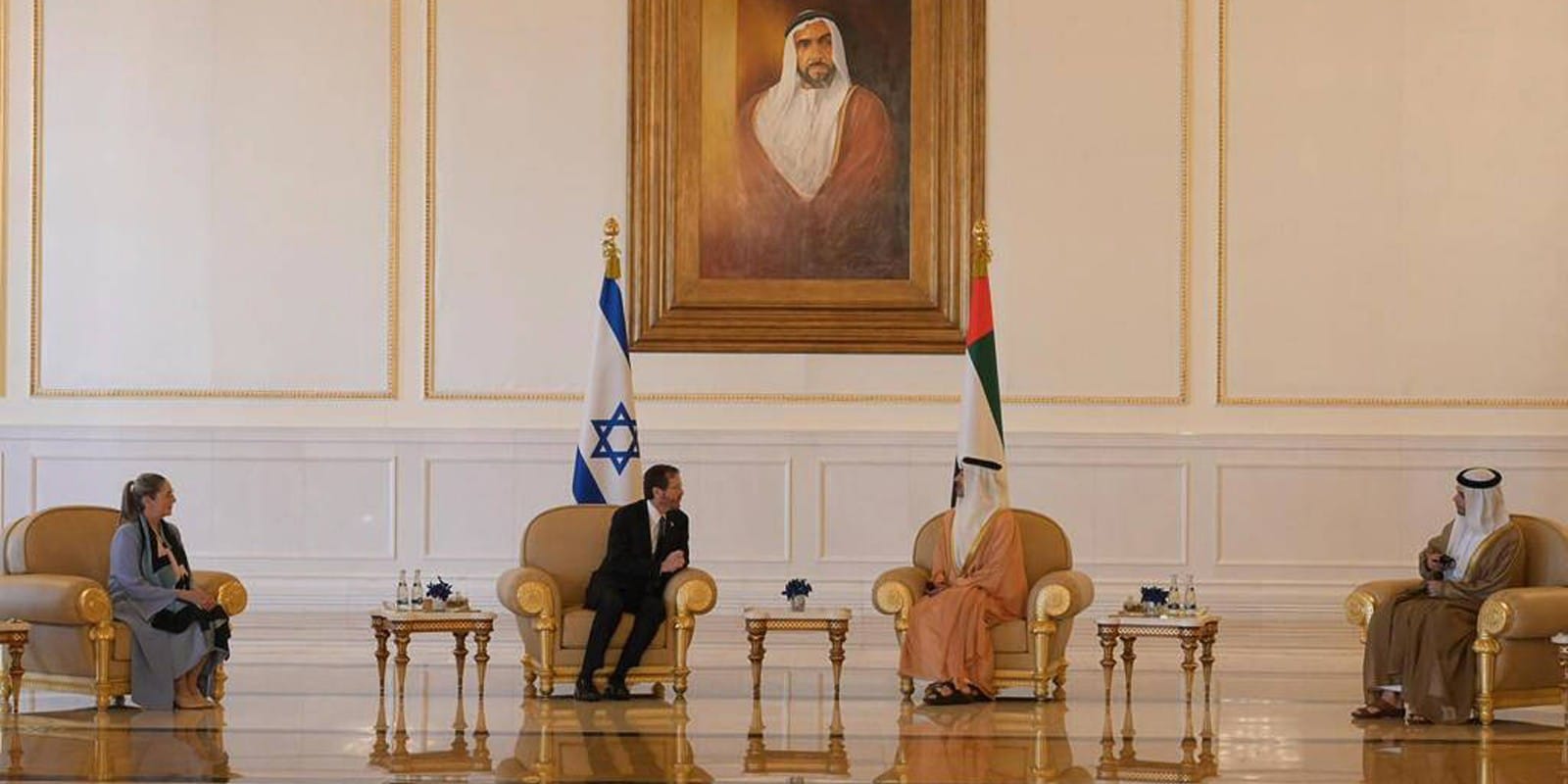
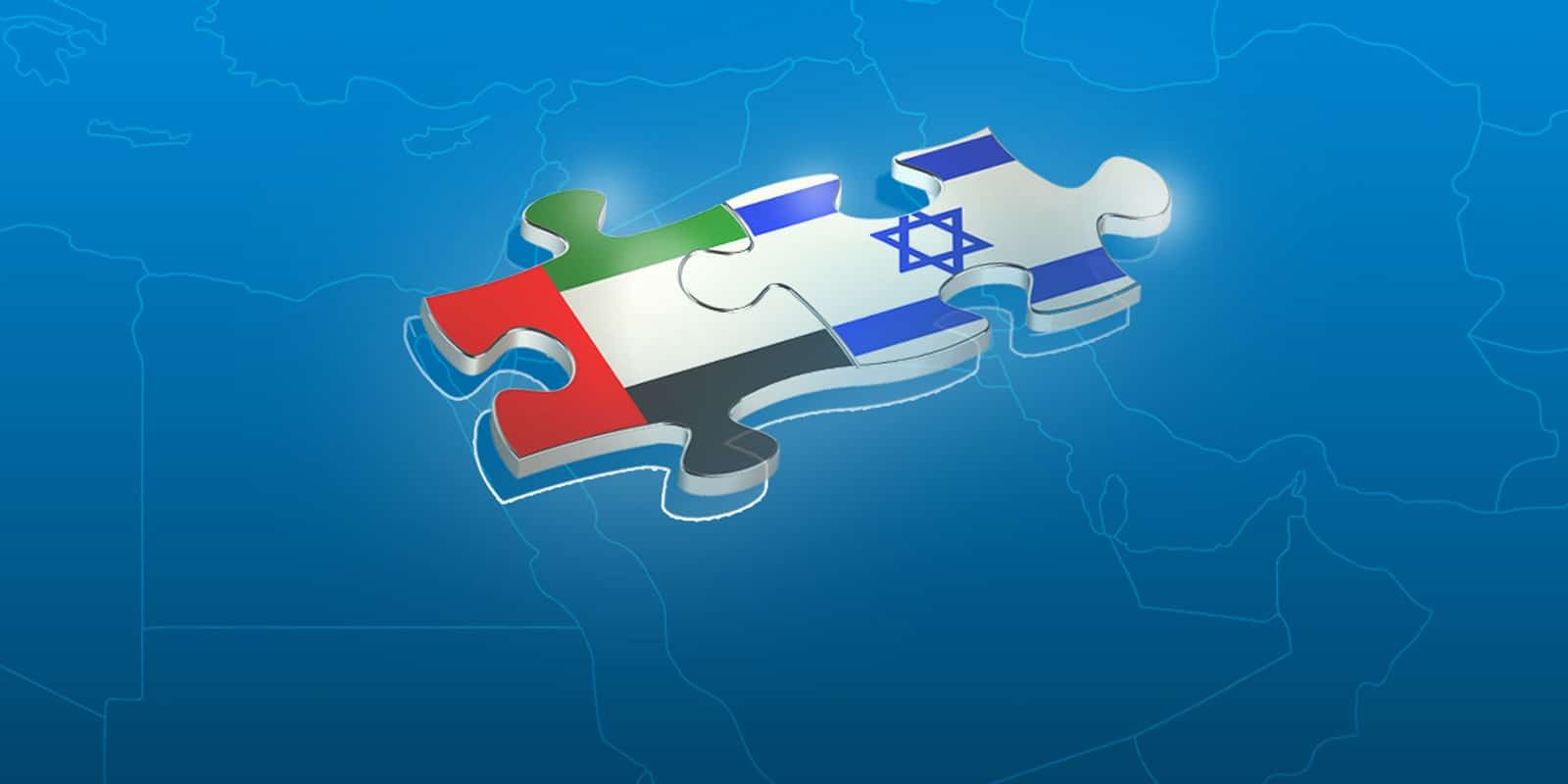
The positive and businesslike approach that marked the meeting of the Negev Forum Steering Committee and Working Groups in Abu Dhabi (January 9-10, 2023) proves that the drive to entrench and deepen the Abraham Accords is still ongoing despite the change of government in Israel. Hopes for a breakthrough in Saudi-Israeli relations are also still being nurtured, reflected in practical steps already taken. Moreover, the issue was raised with Jake Sullivan during his visit to Israel. Still, as the Arab saying goes, al-’ajalah min al-shaytan – haste is from the devil – and premature pronouncements have done more harm than good. The change will not come overnight: the Palestinian issue is still a stumbling block, and political dynamics in the Kingdom are complex, at least as long as King Salman still reins in some of his son’s ambitions.

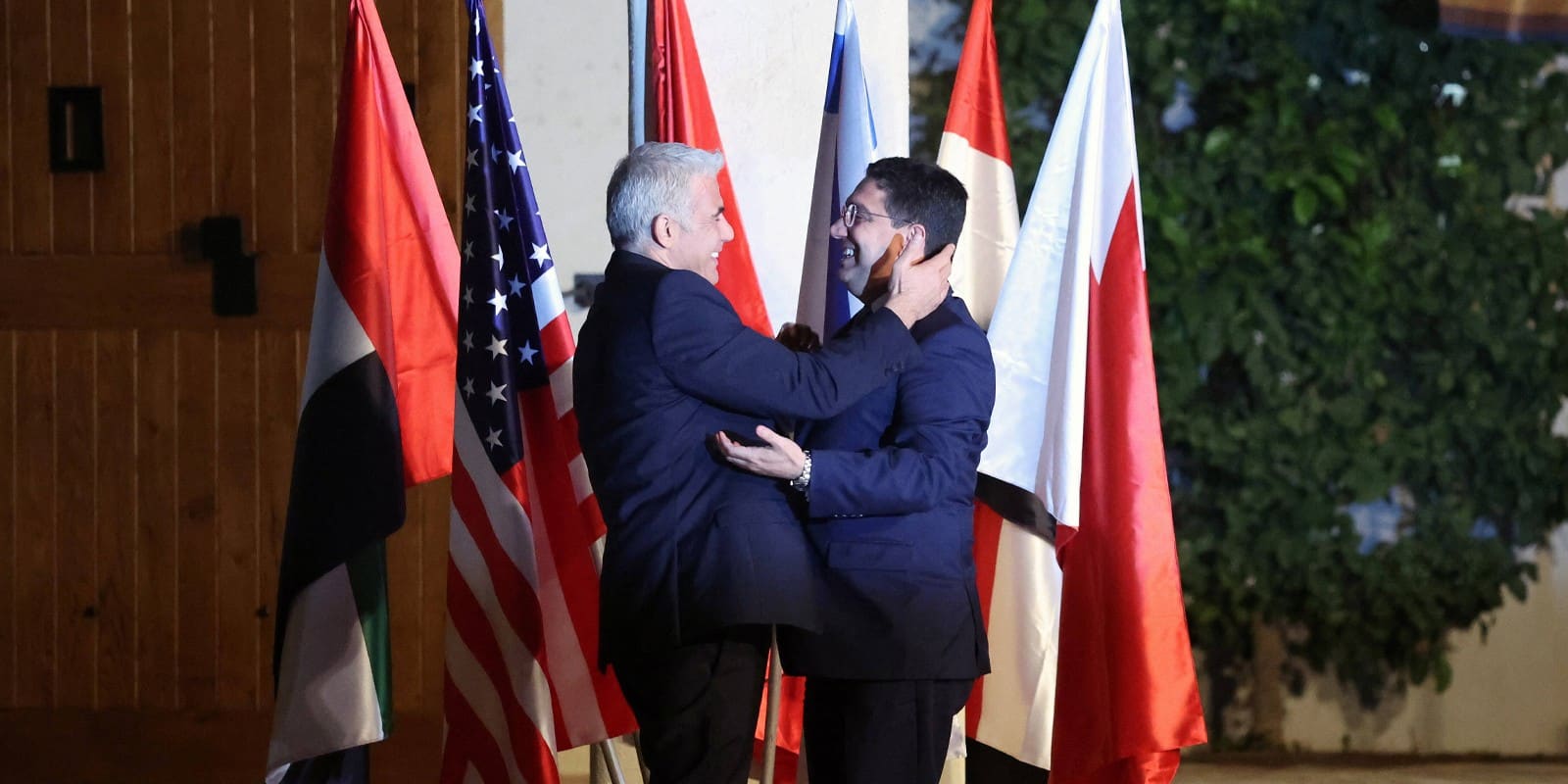
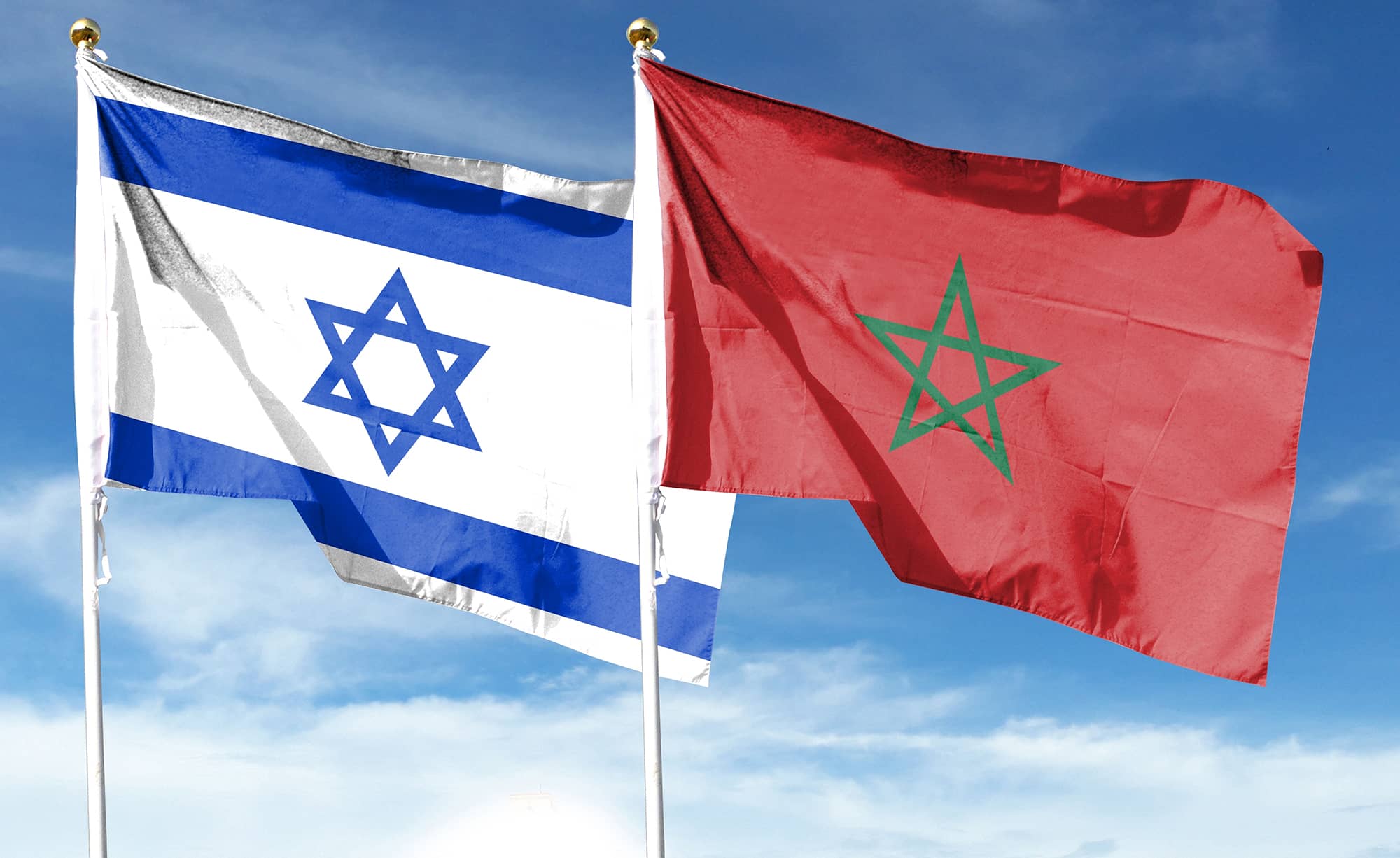
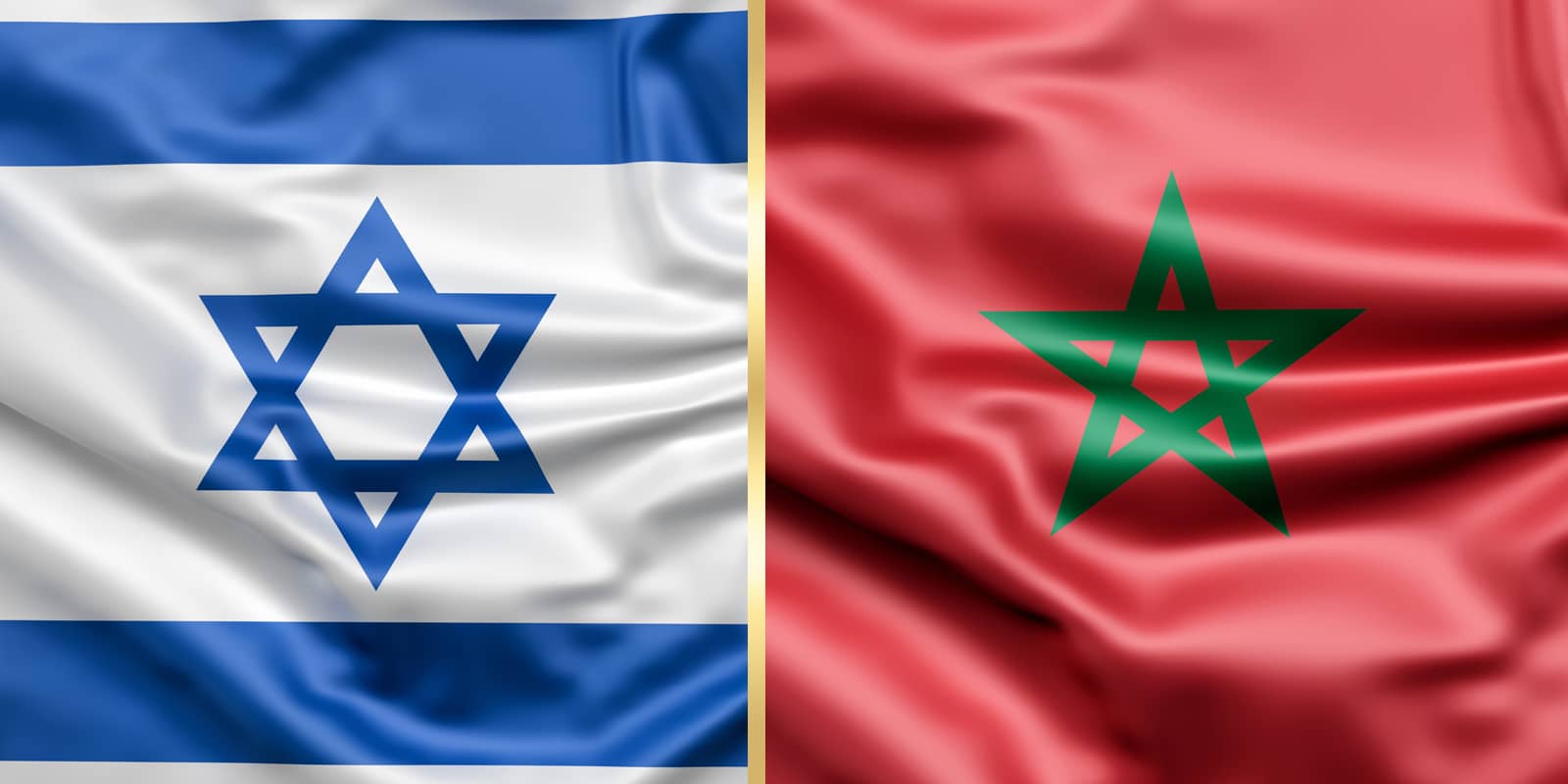
Israeli Prime Minister Yair Lapid and Moroccan Foreign Minister Nasser Bourita in

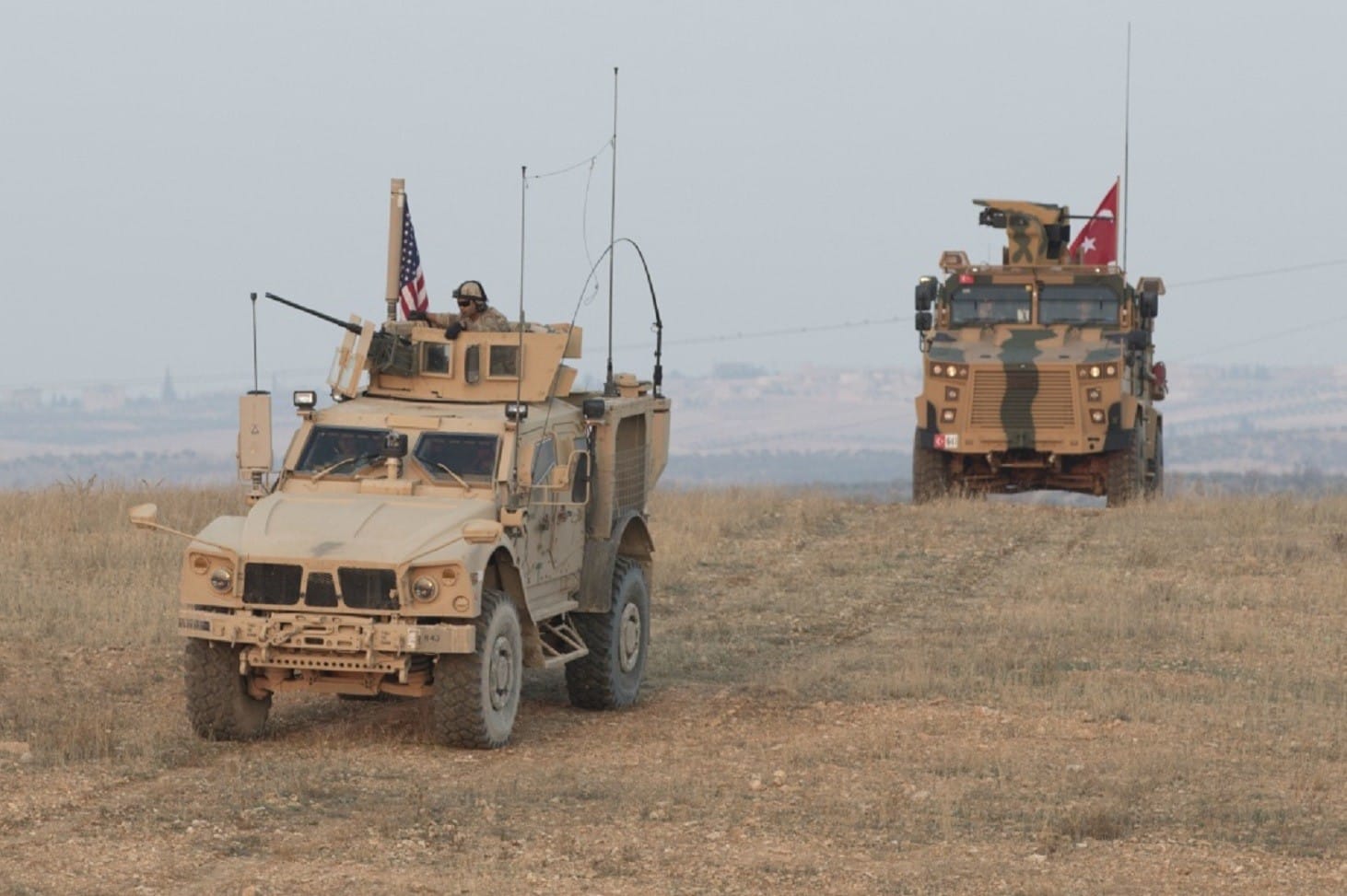
Israeli-Moroccan Security Cooperation and the Changing Landscape in North Africa

The visit to Israel of the Moroccan Armed Forces commanding officer, Lieutenant General Belkhir El-Farouk, in mid-September was the latest sign of a flourishing relationship – despite the recall by Israel of its Ambassador in Rabat. As military and security cooperation with Morocco grows tighter – and in parallel, Israel draws closer to Egypt in several strategic aspects – the complex political situation in North Africa (specifically, the orientation of Algeria, Tunisia, and Libya) requires closer Israeli attention.
Are You In?

Join 8,000+ Subscribers who enjoy our weekly digest