A Policy-Oriented Think Tank Addressing Foreign Policy and National Security Issues for a Safe Israel

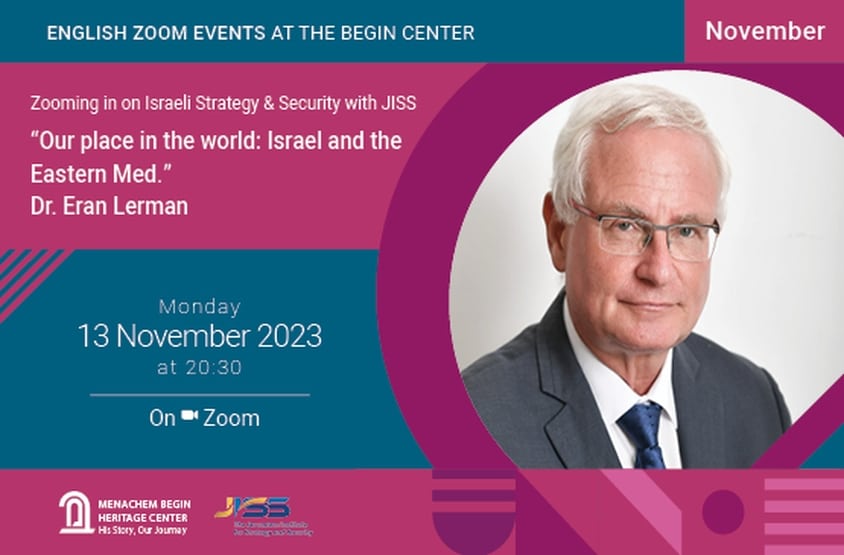
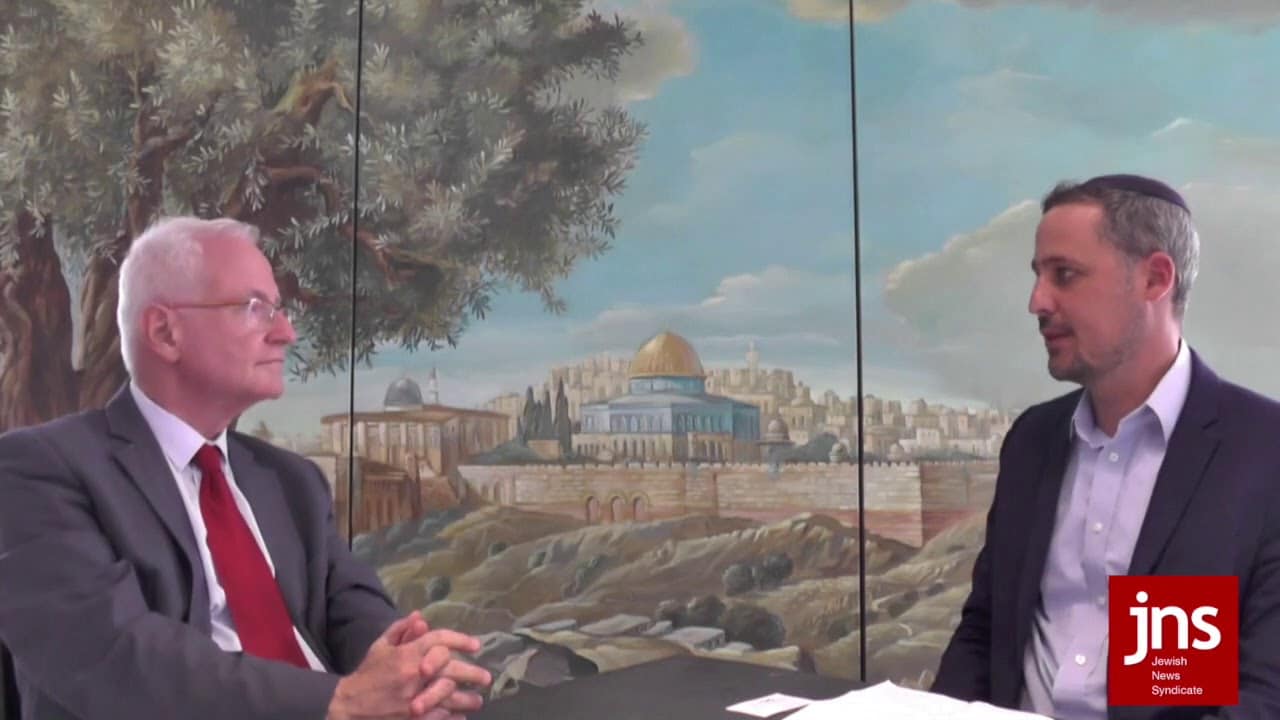
Colonel (res.) Dr. Eran Lerman

Vice President of the Jerusalem Institute for Strategy and Security

Dr. Lerman was deputy director for foreign policy and international affairs at the National Security Council in the Israeli Prime Minister’s Office. He held senior posts in IDF Military Intelligence for over 20 years. He also served for eight years as director of the Israel and Middle East office of the American Jewish Committee. He teaches in the Middle East studies program at Shalem College in Jerusalem, and in post-graduate programs at Tel Aviv University and the National Defense College. He is an expert on Israel’s foreign relations, and on the Middle East. A third-generation Sabra, he holds a Ph.D. from the London School of Economics, and a mid-career MPA from Harvard University.

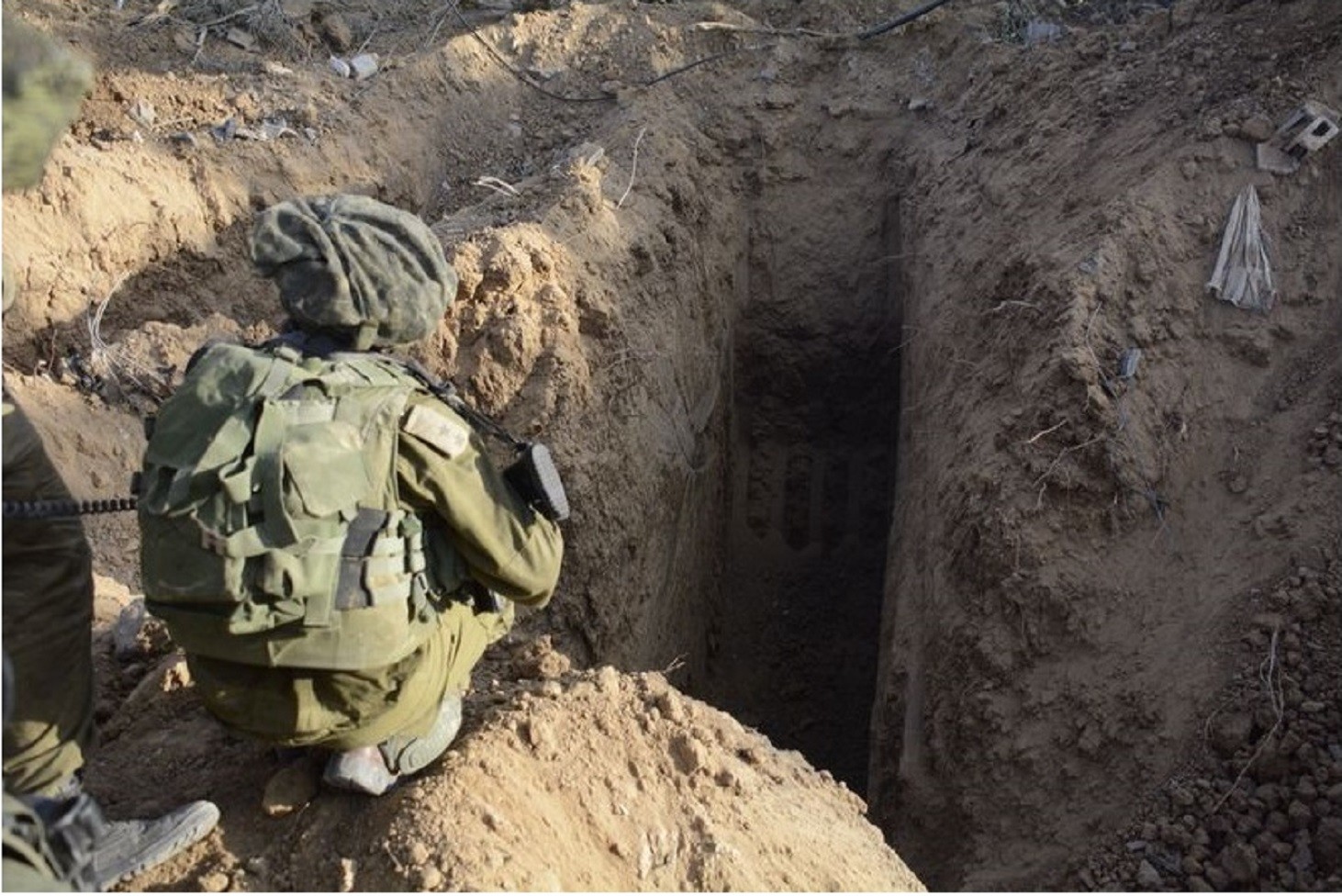
The threat is real

The challenge now is how to make it clear to the Hamas leadership that it should not believe is own supercilious words.

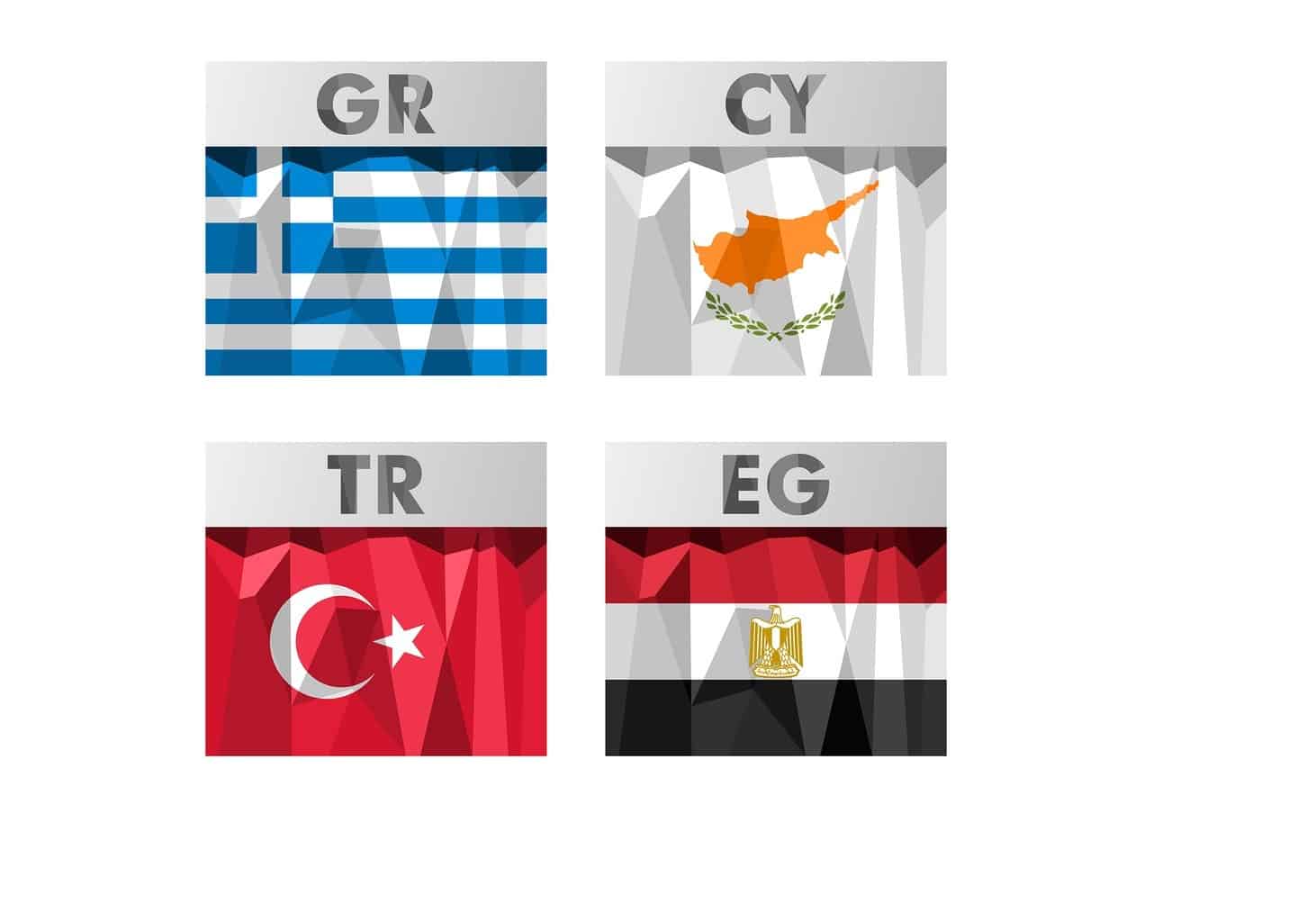
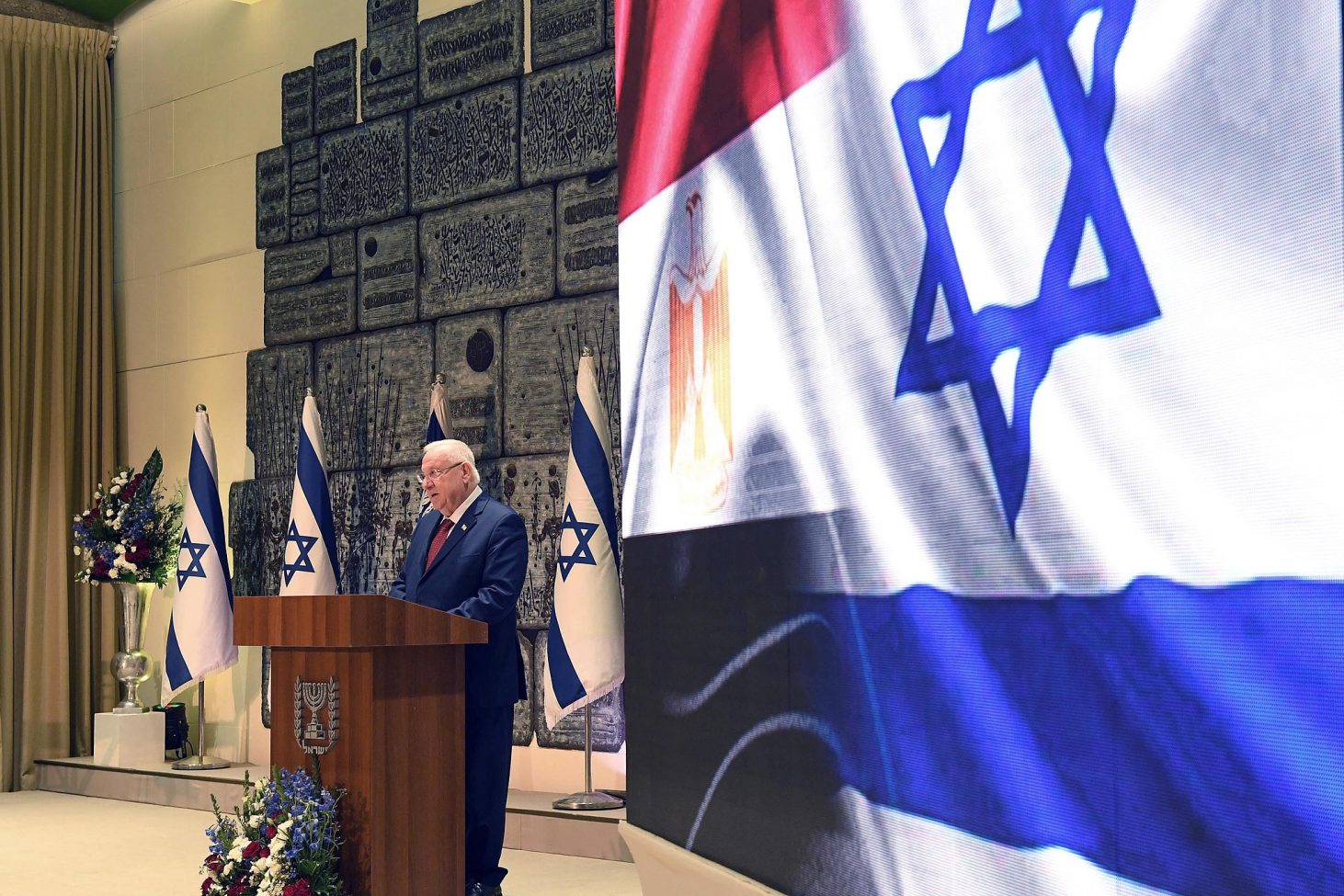
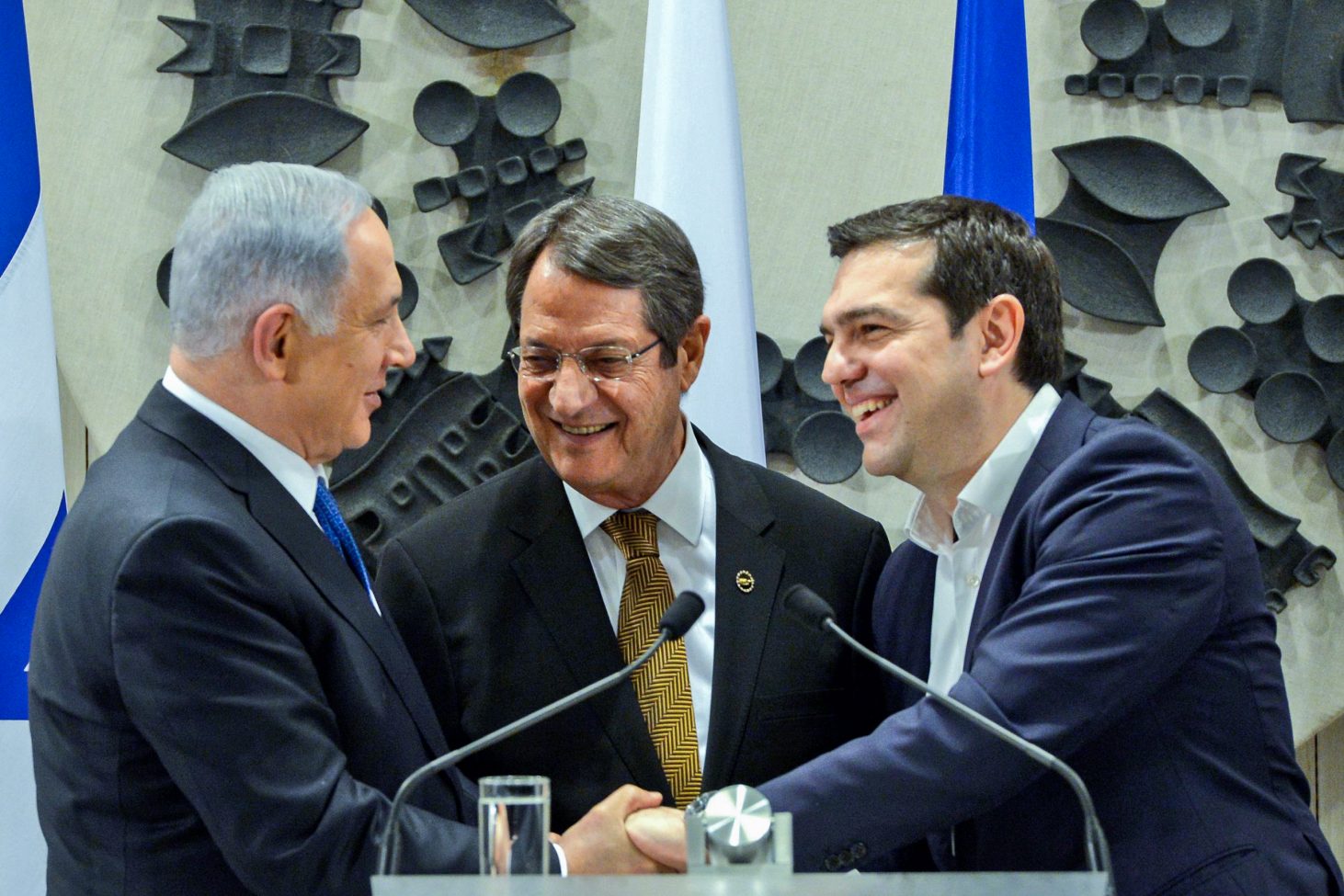
Eastern Mediterranean Summitry

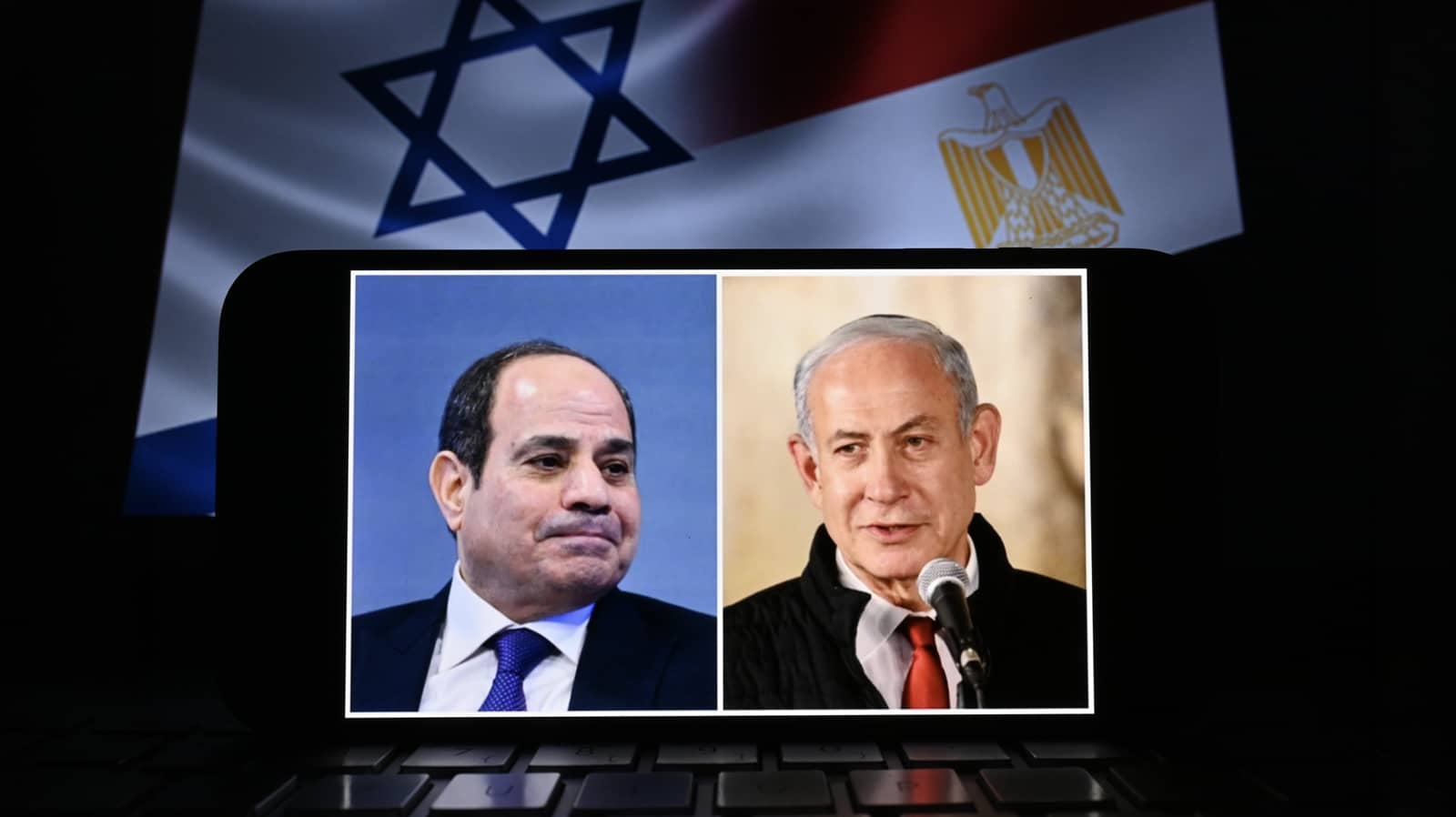
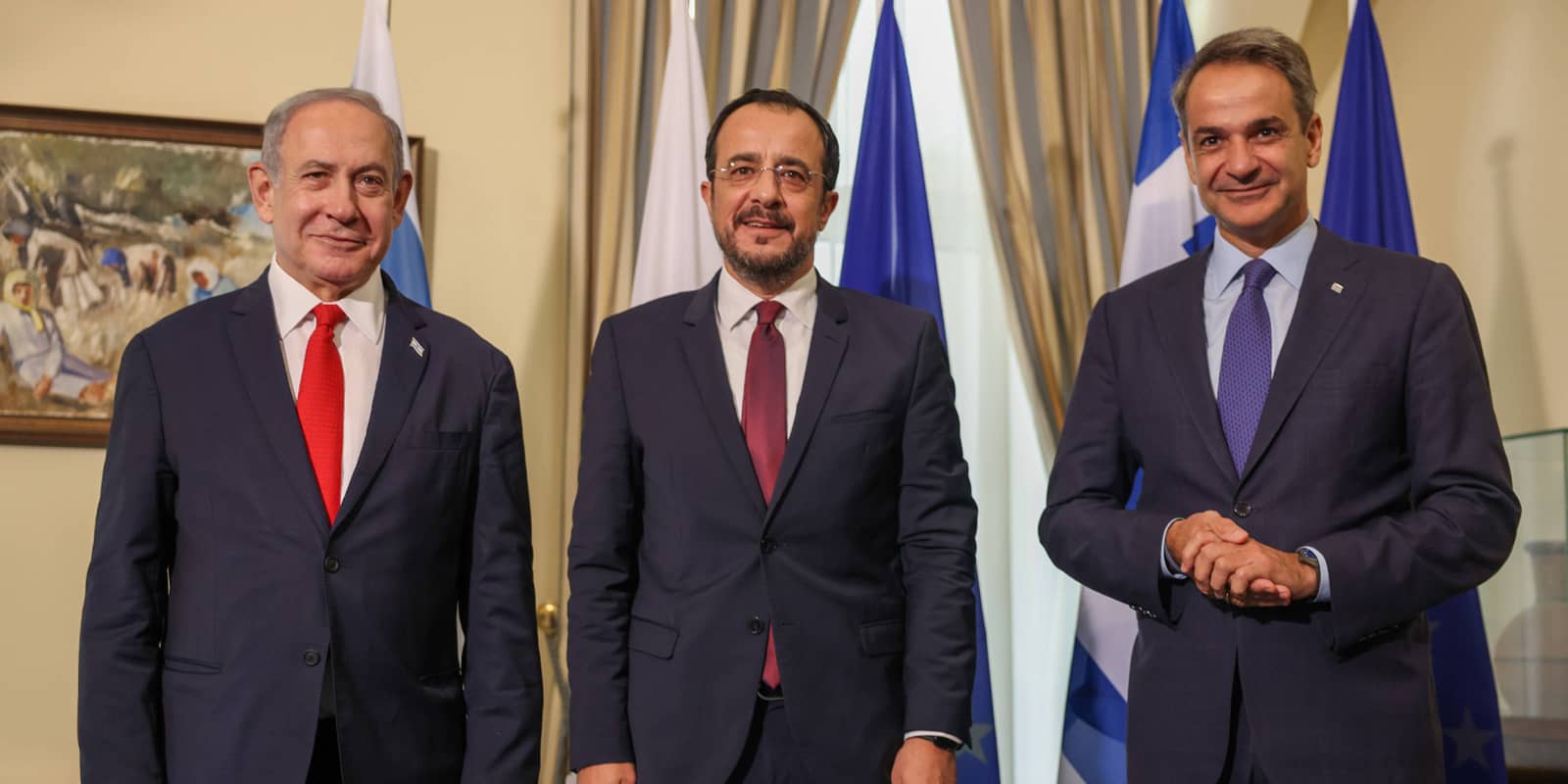
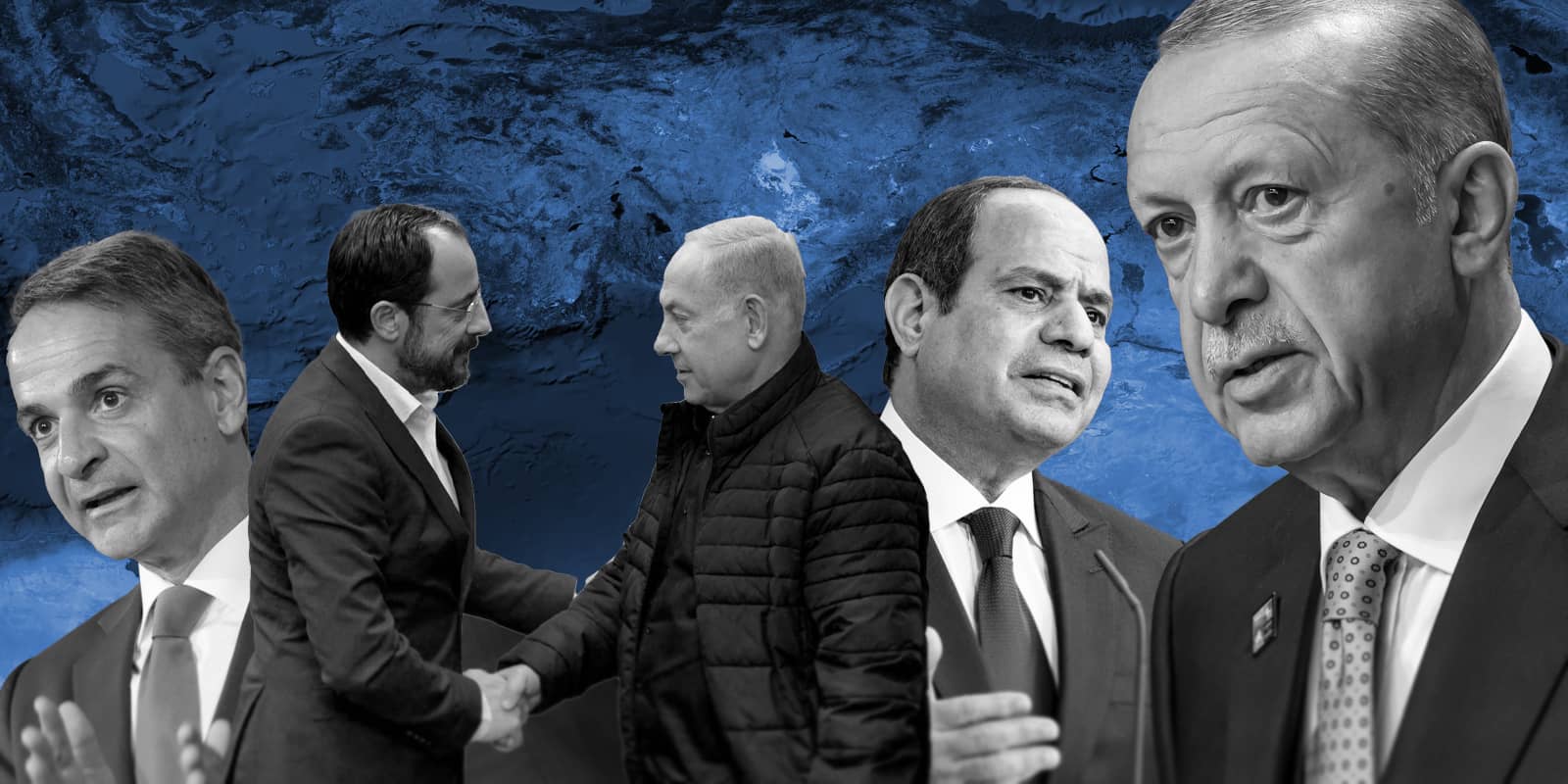
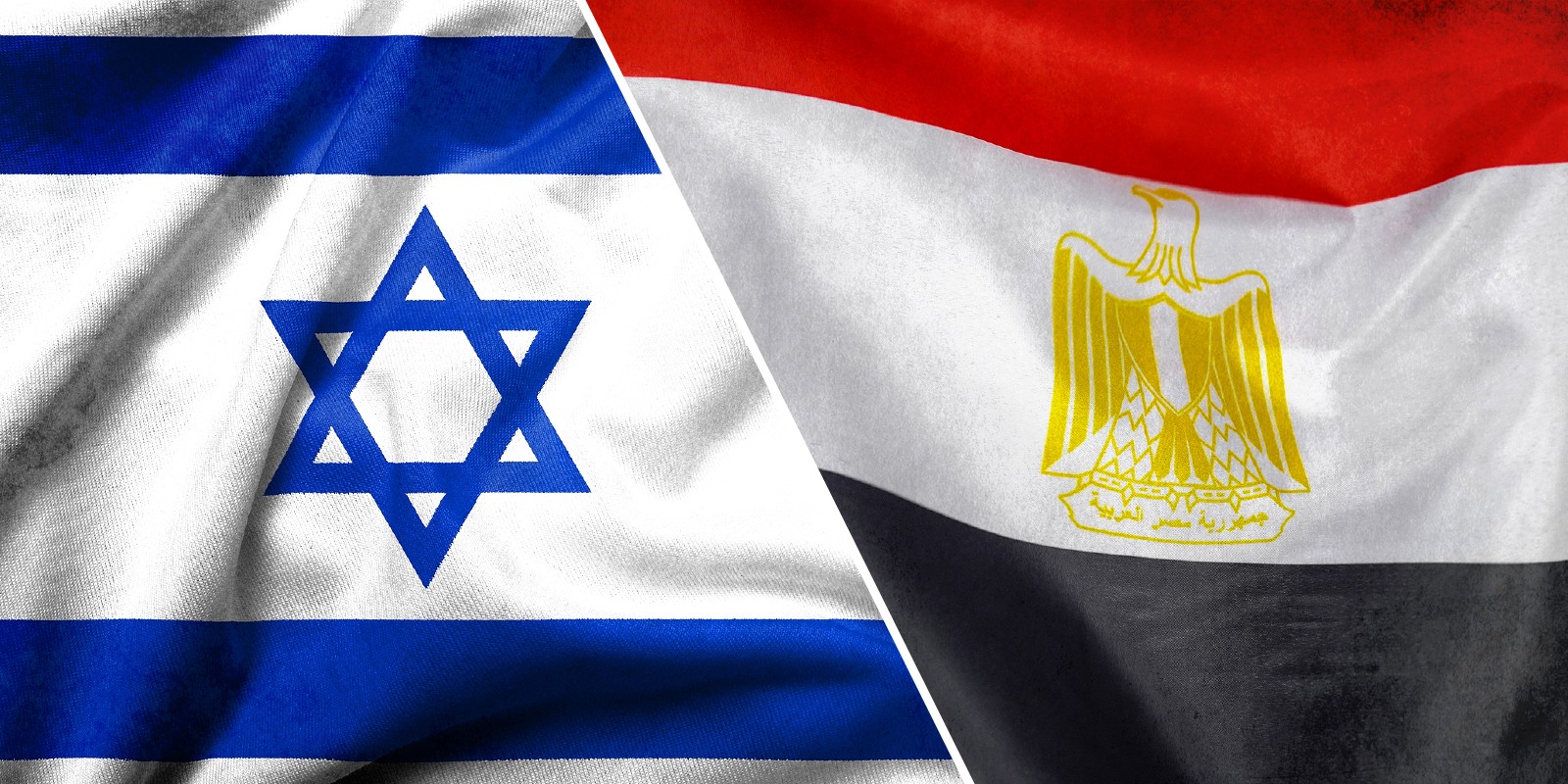
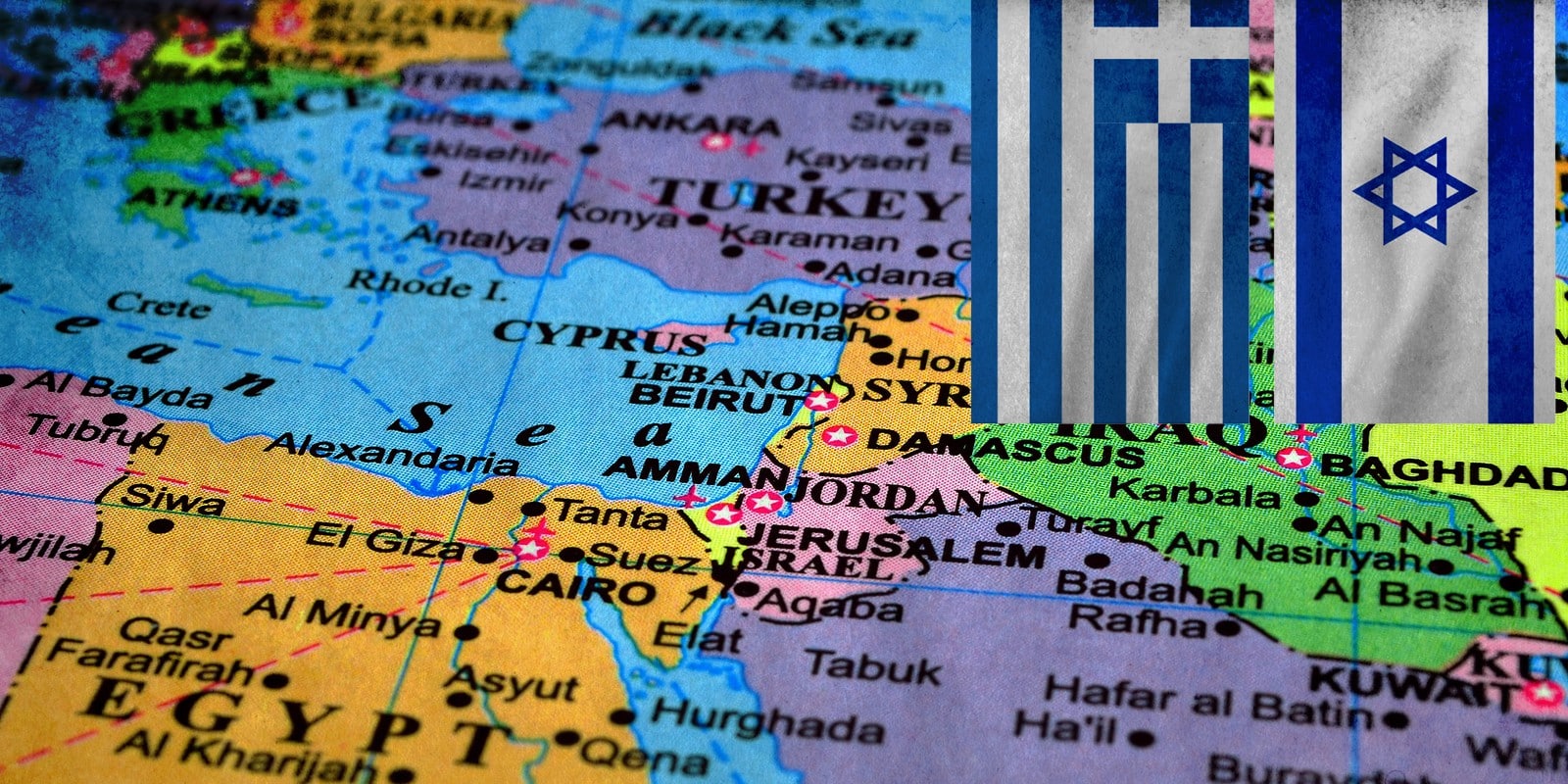
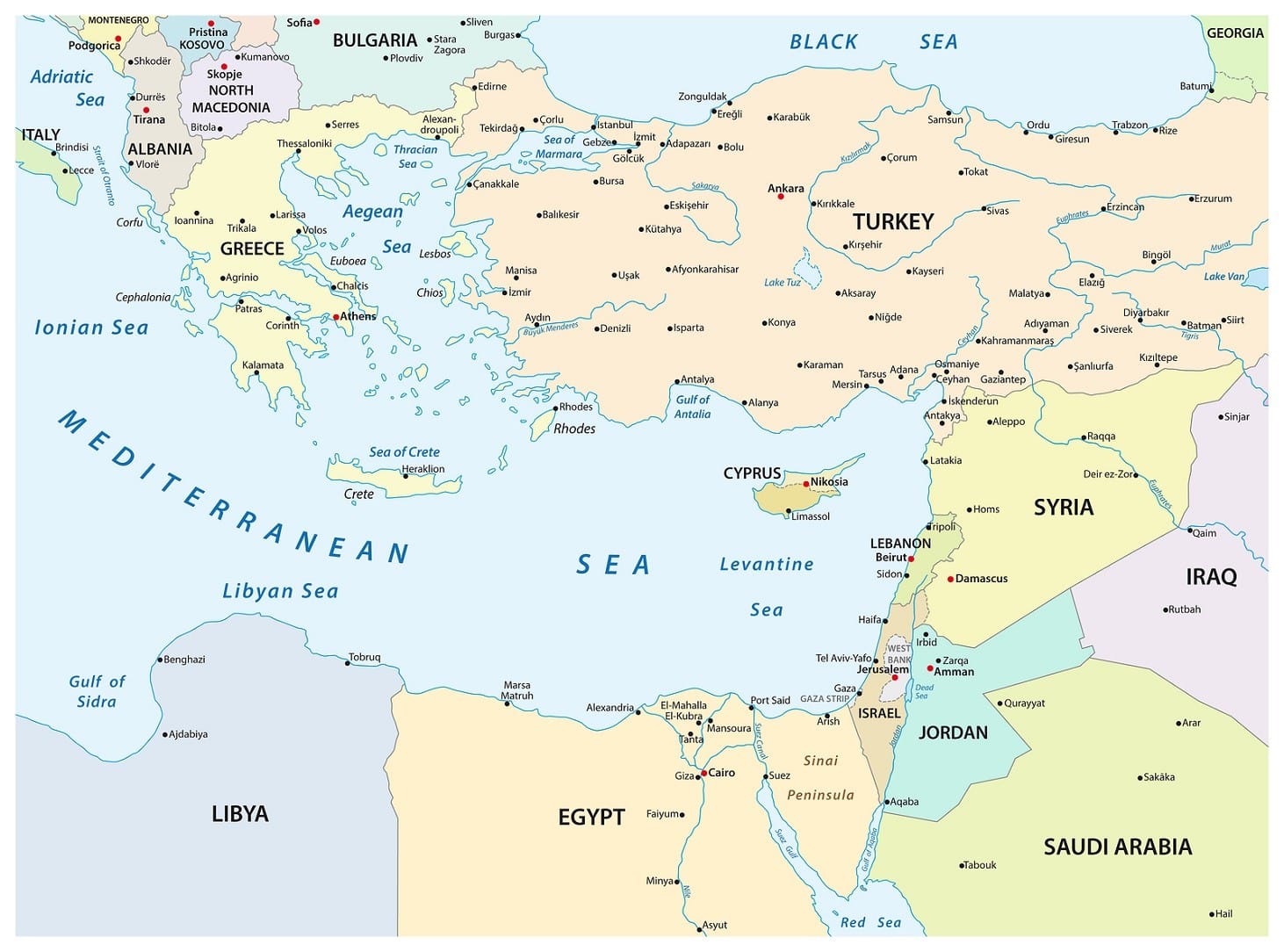
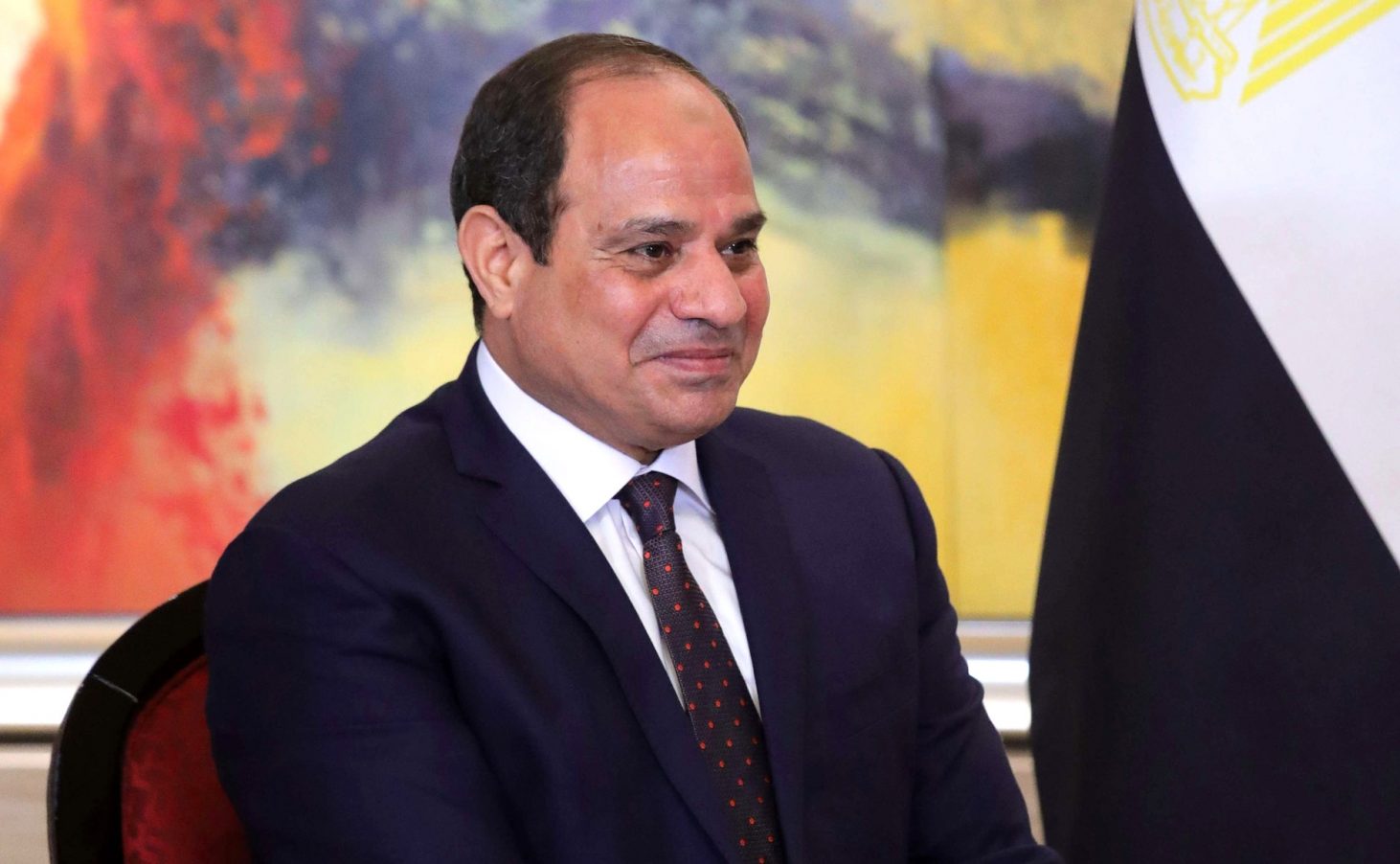
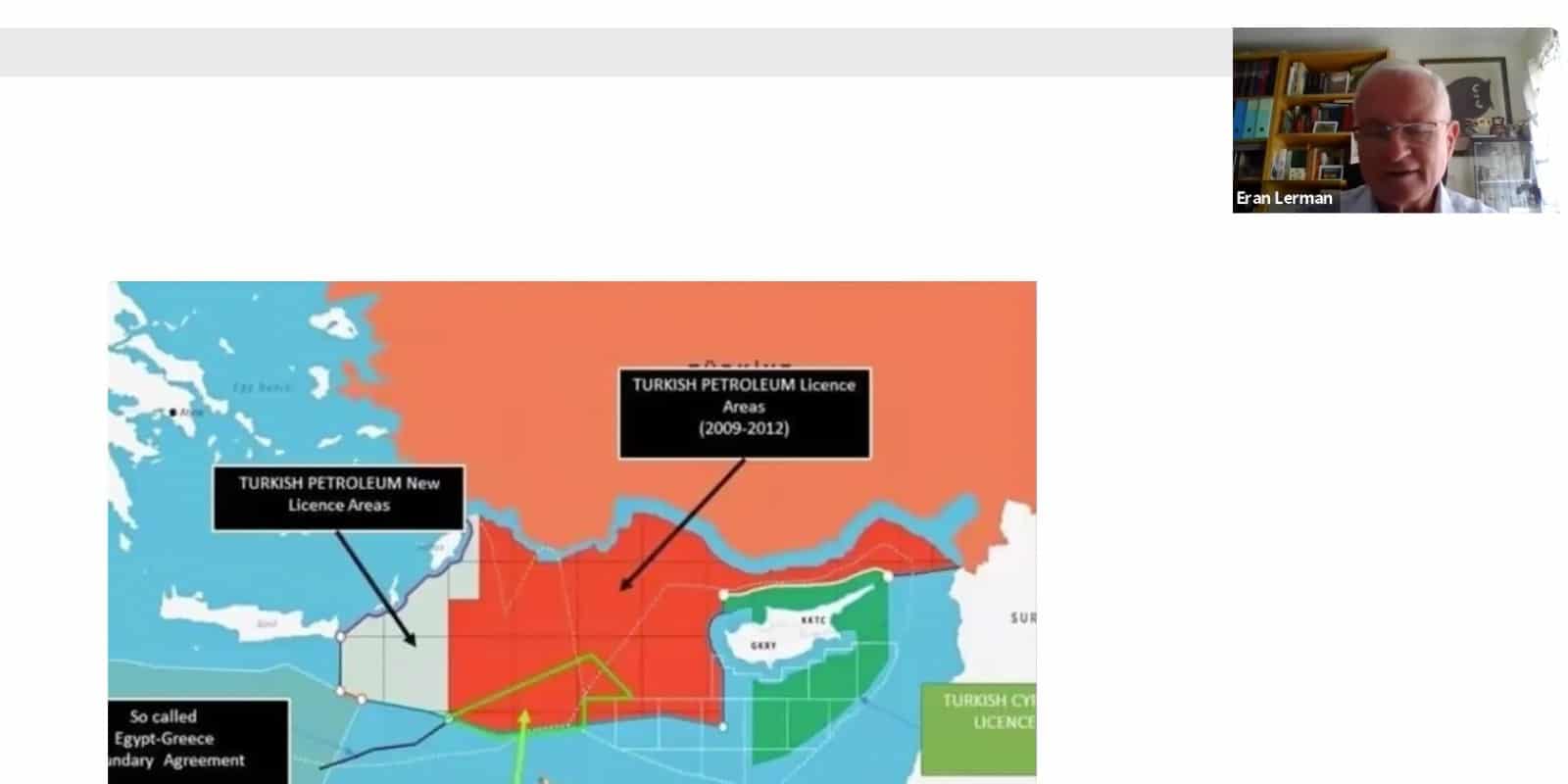
The Greek-Cypriot-Egyptian summit held last month in Crete focused on energy connectivity and Turkish threats, but it also paid lip service to Egyptian pro-Palestinian messages, which is problematic.

Strong Security, Social Change, and Ideological Warfare: A Three-Pronged Strategy for Defeating Islamist Totalitarianism

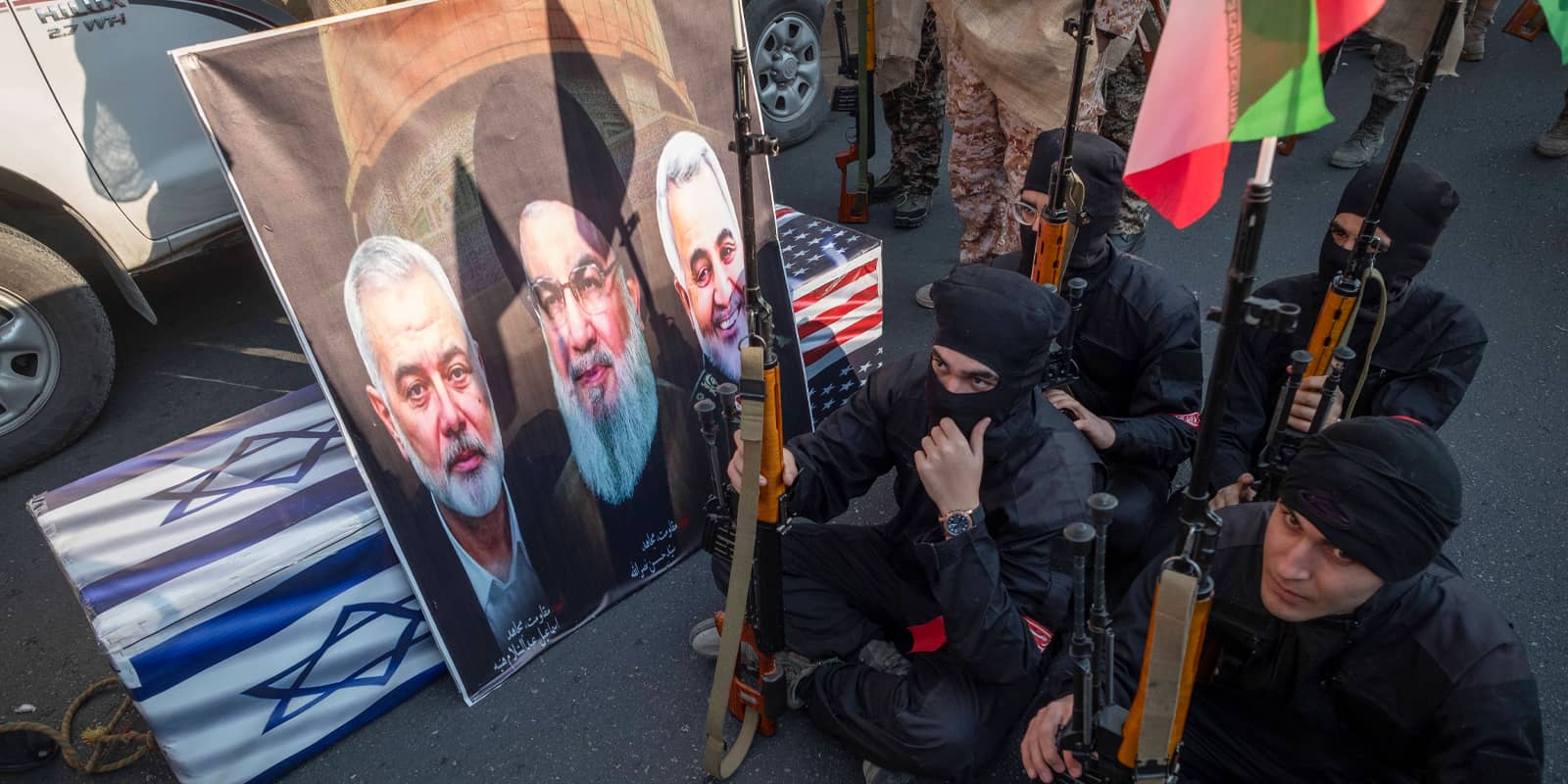
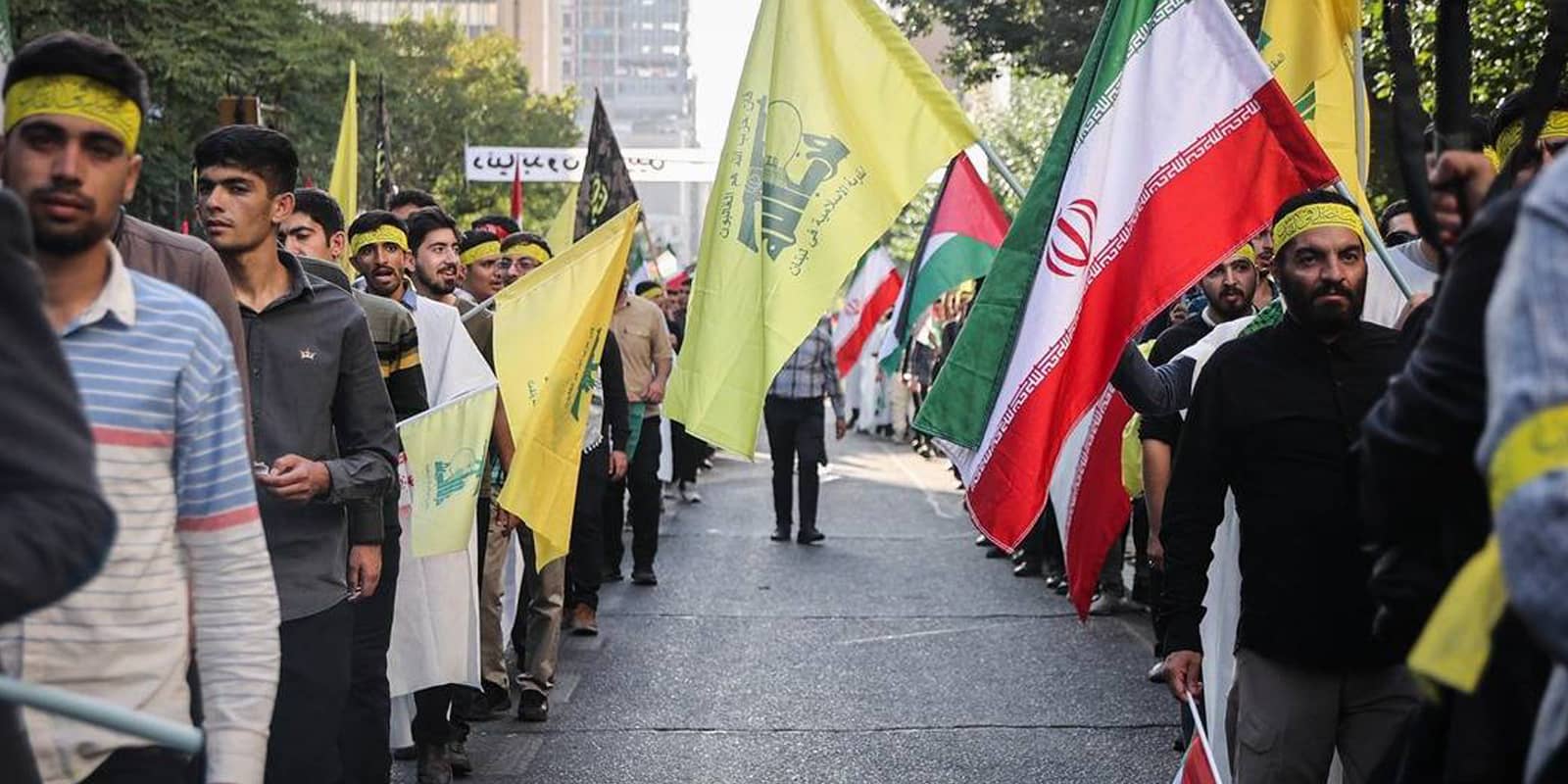
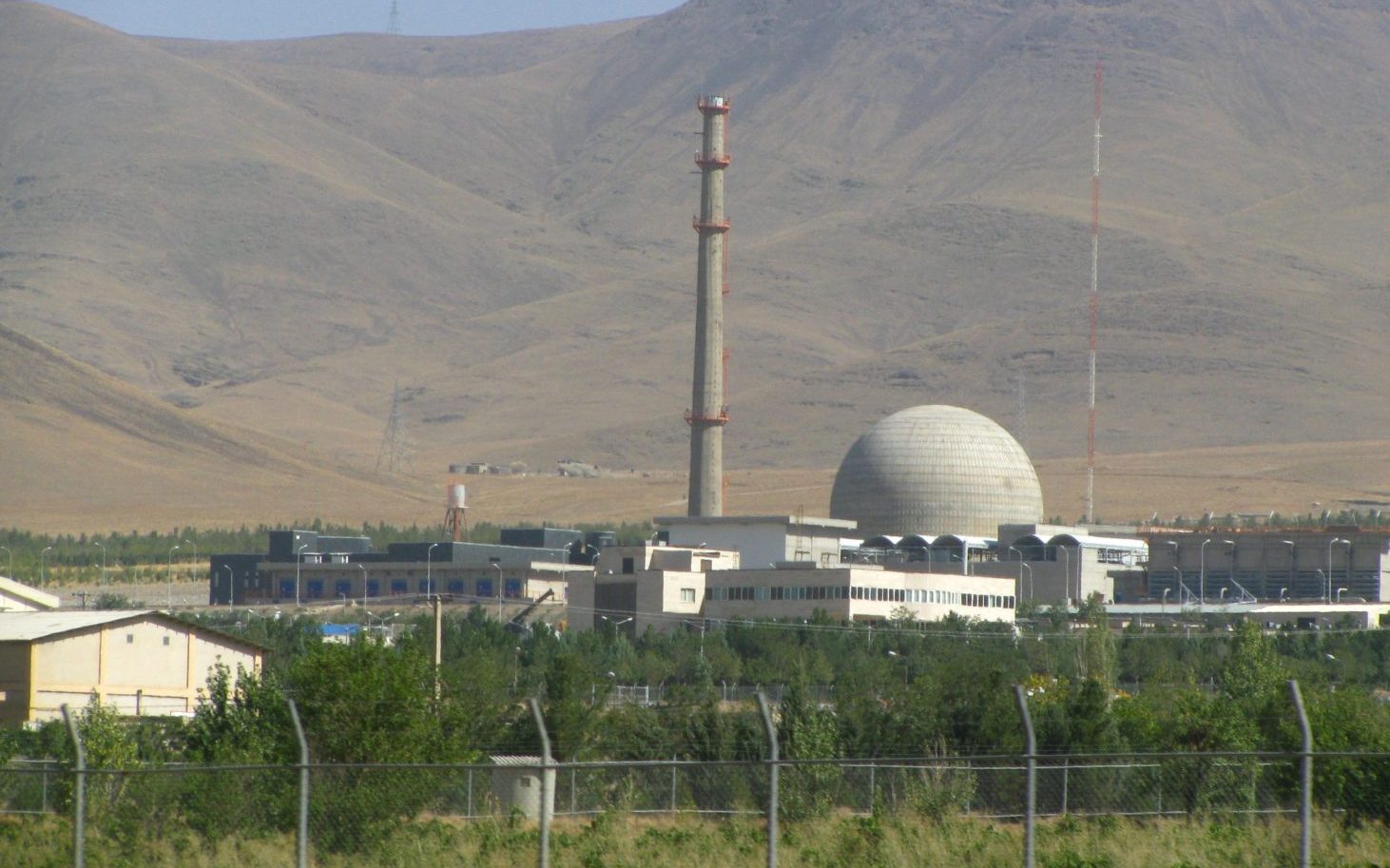
Defeating Islamist totalitarianism requires a three-pronged approach: Hard power (destroying Salafi Jihadist forces, preventing Iran from acquiring nuclear weapons, and undercutting avid supporters of the Muslim Brotherhood such as Turkey and Qatar); Social and economic leverage; Conduct of an aggressive war of ideas that would de-legitimize the Islamists in Islamic terms. Israel can play a discreet role by extending its hand to moderate Muslims, while taking a firm stance against the totalitarian perversion of Islam.

In Praise of Conflict Management

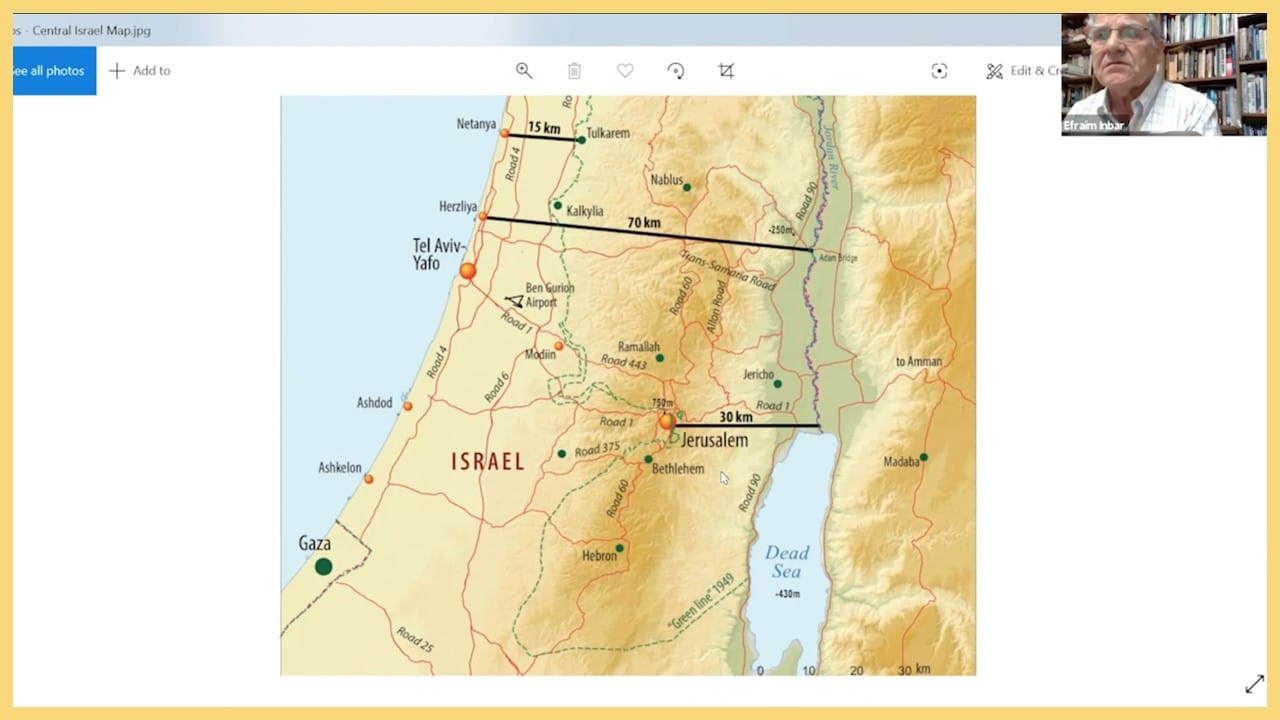
Amidst violent events, it is easy to be tempted to seek decisive “solutions” to the Palestinian problem(s) – in both the PA areas and in Gaza – through drastic military action, or through equally dramatic concessions. But given the lessons of recent history, as well as the unpredictable nature of regional events, it makes sense to adhere to “conflict management” and piecemeal arrangements. This is not as a cowardly choice by hapless political and military leaders, but as a rational choice in irrational circumstances; even more so when the Iranian challenge looms larger than ever on Israel’s immediate horizons. Patience has its own merits.
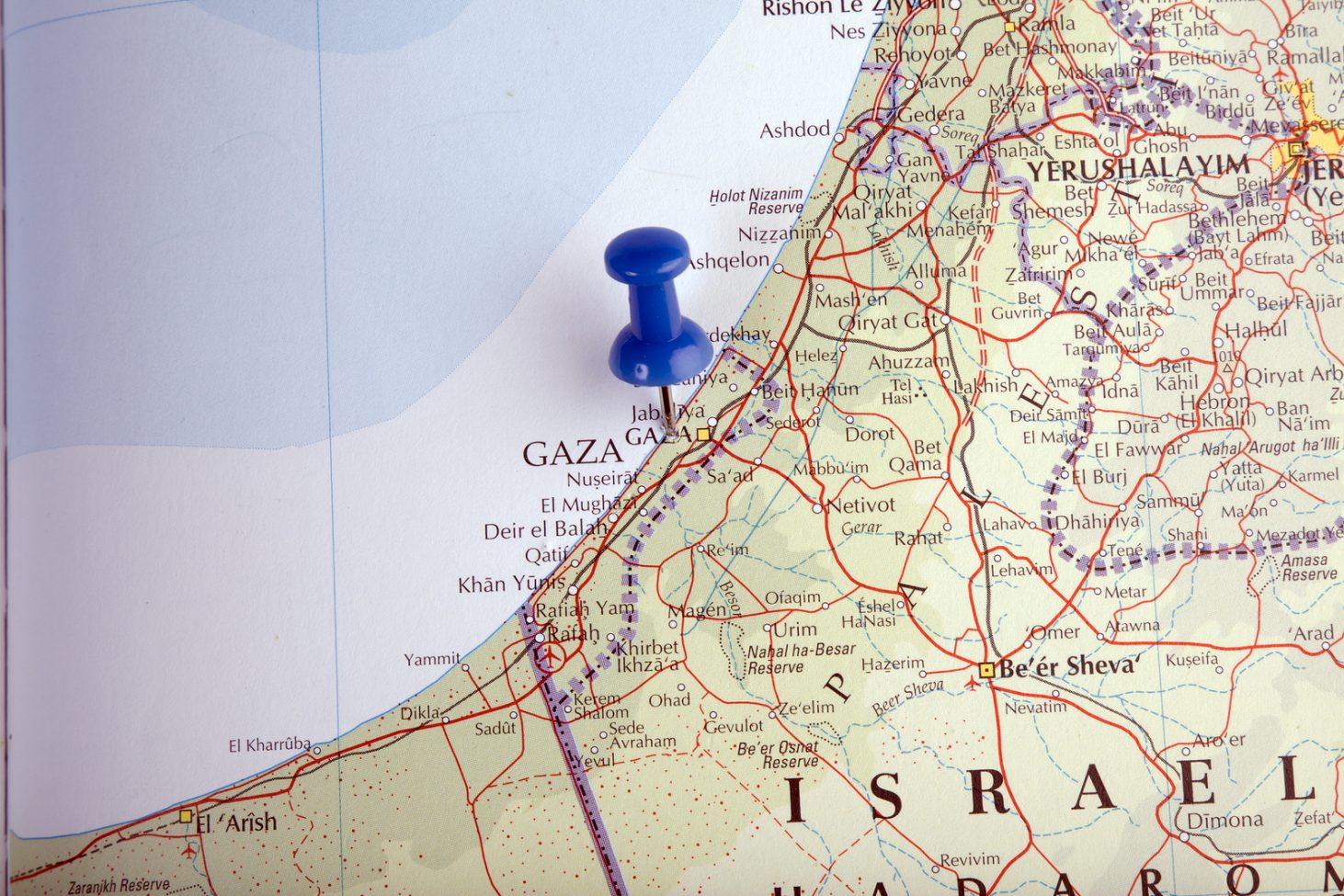
Gaza and the Middle East “Camp of Stability”

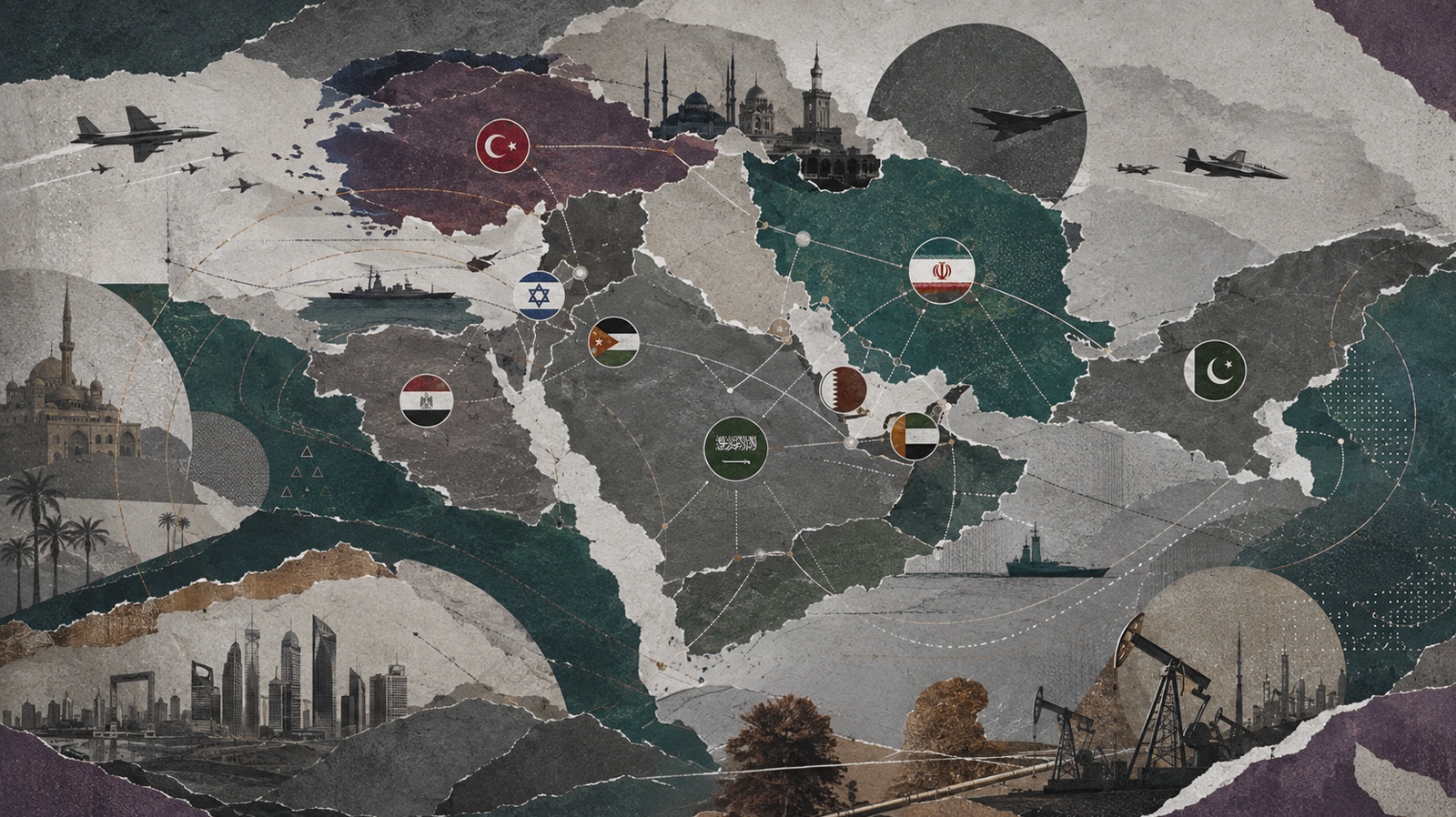
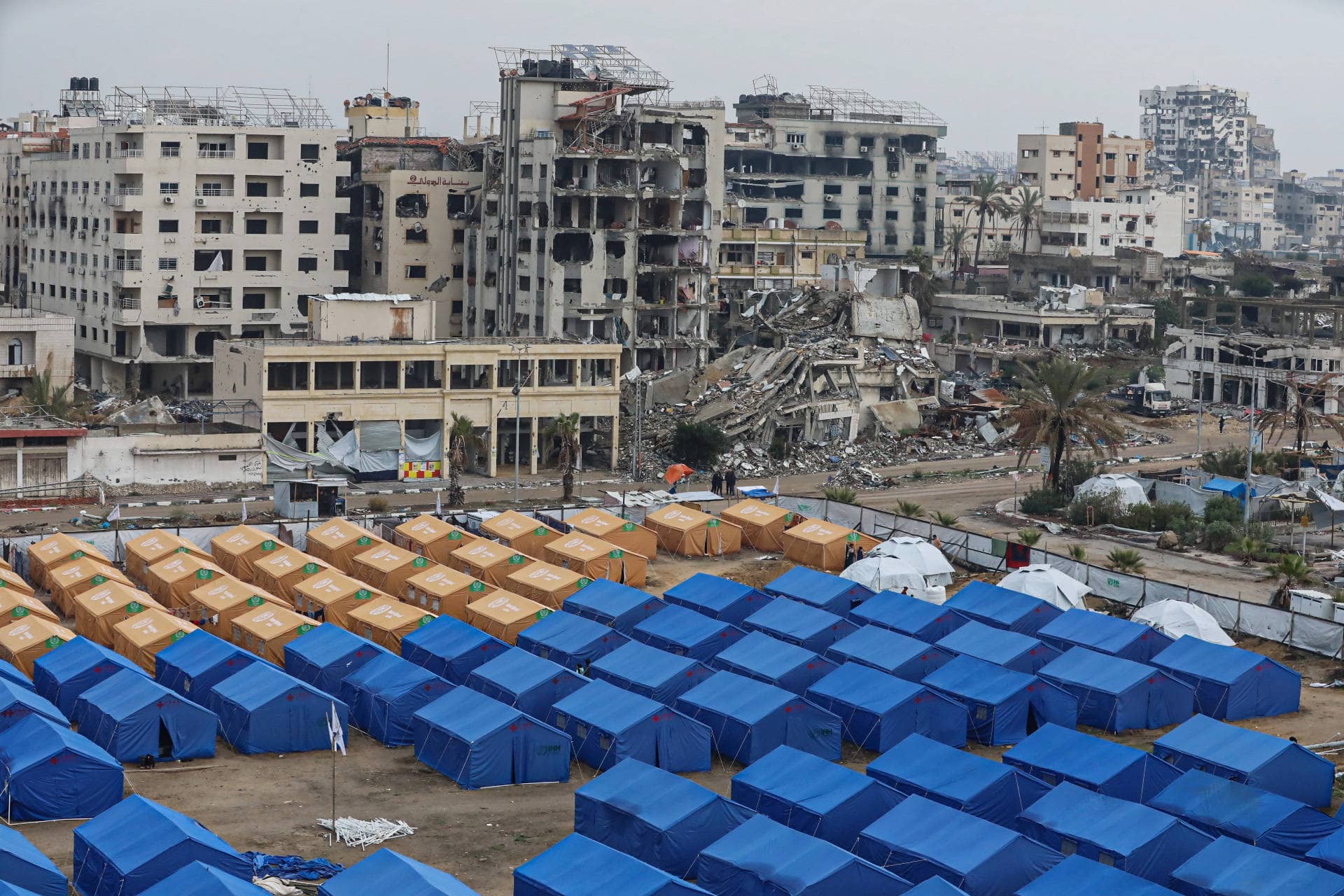
Israel’s actions (or at times, inaction) concerning the future of the Gaza Strip cannot be isolated from the broader context of the struggle over the entire region’s balance of power. Gaza’s dependence on Egypt, and perhaps Cyprus, constitutes a common interest of the “camp of stability” in the Middle East, to curb the influence of both Turkey and Iran, and to deny Abu Mazen the baneful position of a spoiler.

Restore deterrence, but bet on mediation

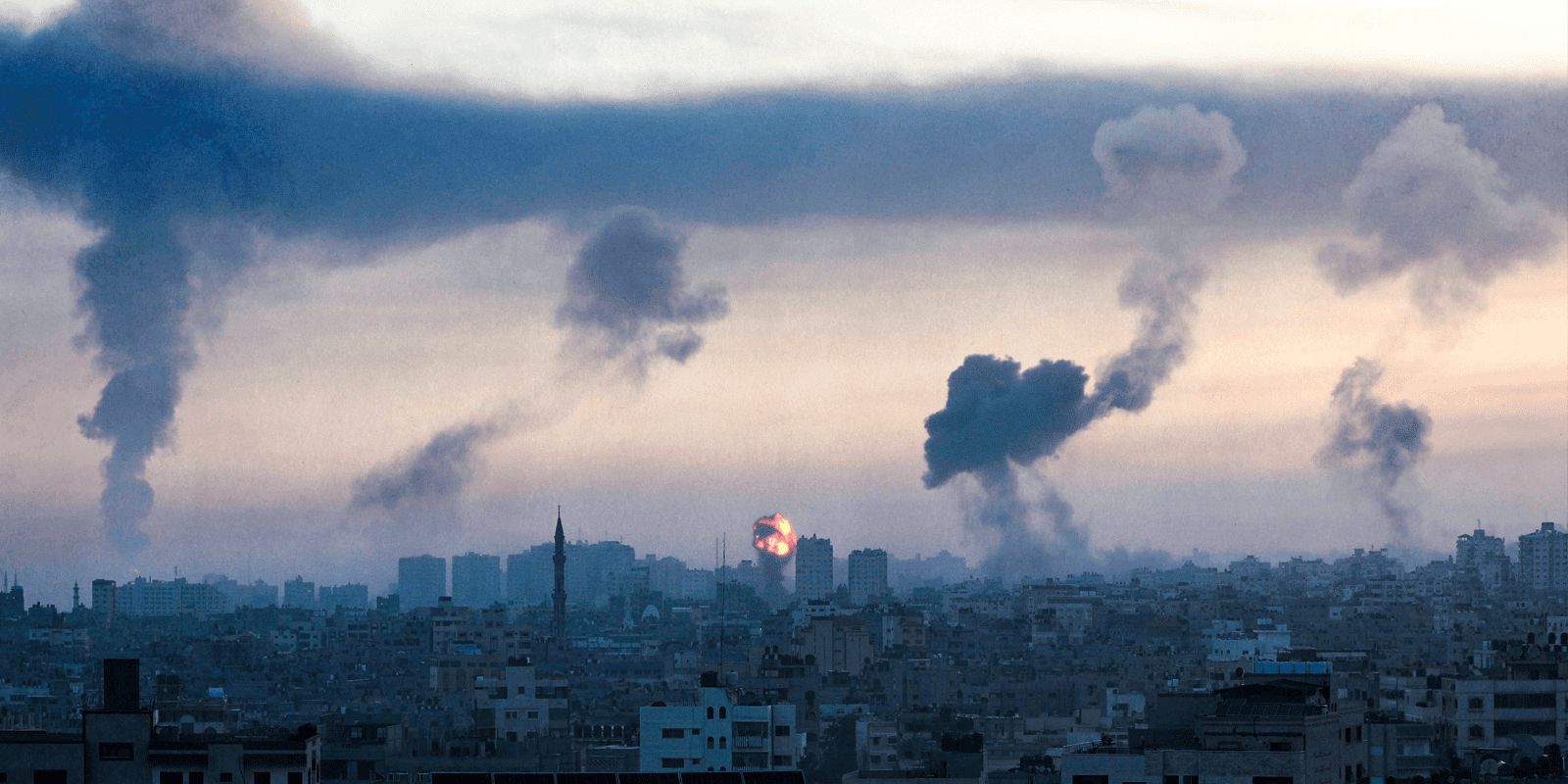
Iran and the smaller terrorist groups in Gaza want a full-scale war with Israel. Hamas does not. Israel should land a decisive, well-defined blow but back Egyptian efforts to broker a cease-fire.

j post logo

Khashoggi and the Jewish Question

Khashoggi and the Jewish Question.

Col. (res.) Dr. Eran Lerman of JISS: “It is certainly not in Israel’s interests to see the status of the Saudi government diminished in Washington.”

j post logo

Syria in Gaza, Without the Russians

Syria in Gaza, Without the Russians.

Dr. Eran Lerman: The Gaza Strip is a microcosm of what is happening throughout the region – a reflection of the broader conflicts throughout the Middle East.
Are You In?

Join 8,000+ Subscribers who enjoy our weekly digest