A Policy-Oriented Think Tank Addressing Foreign Policy and National Security Issues for a Safe Israel

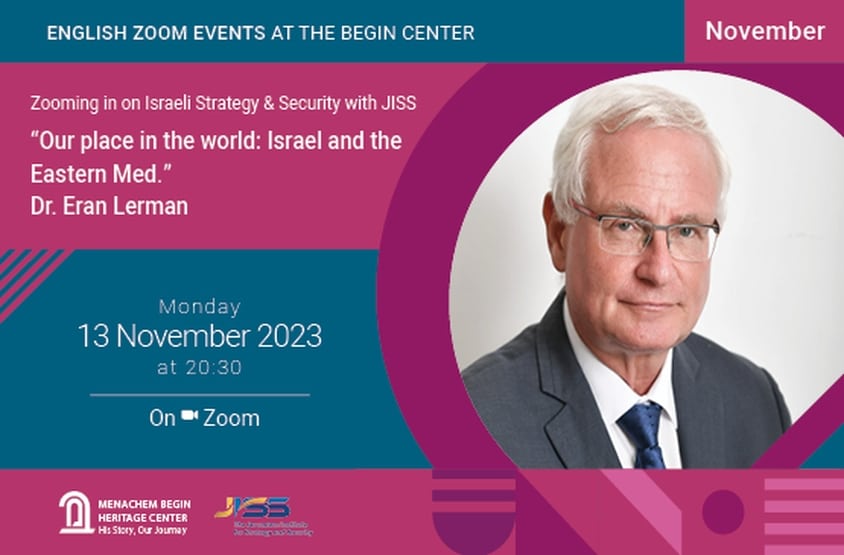
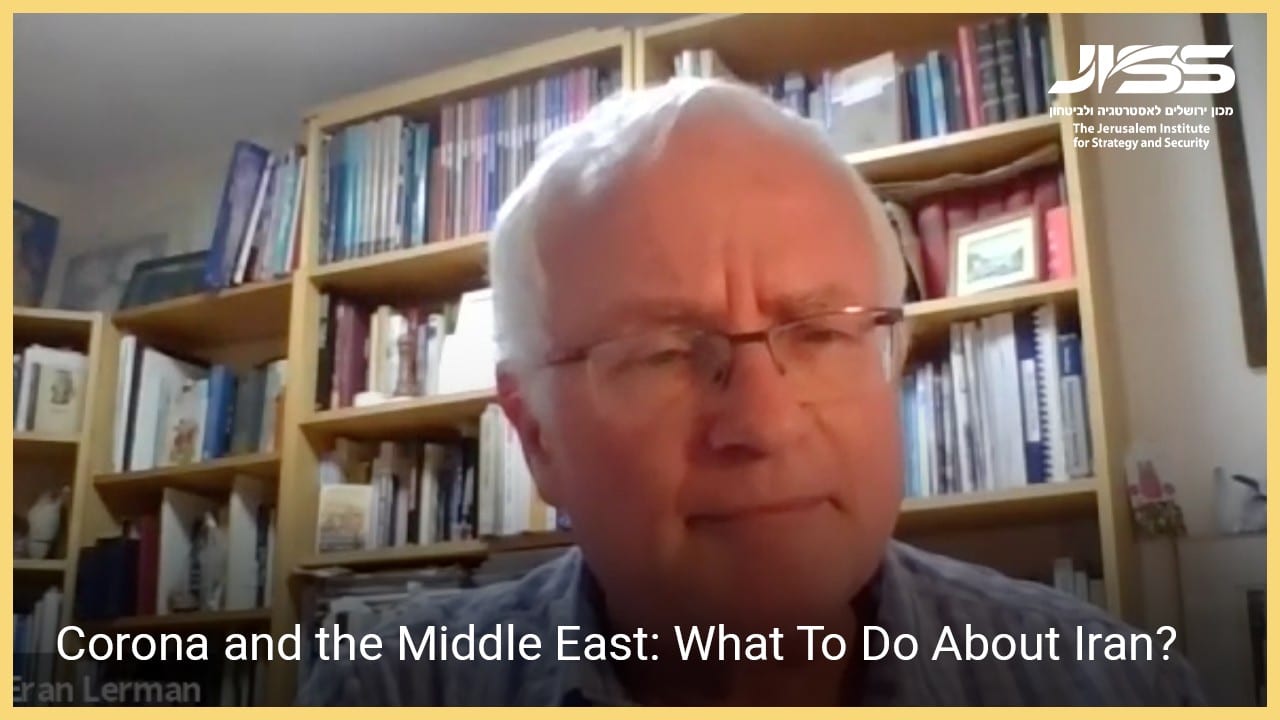
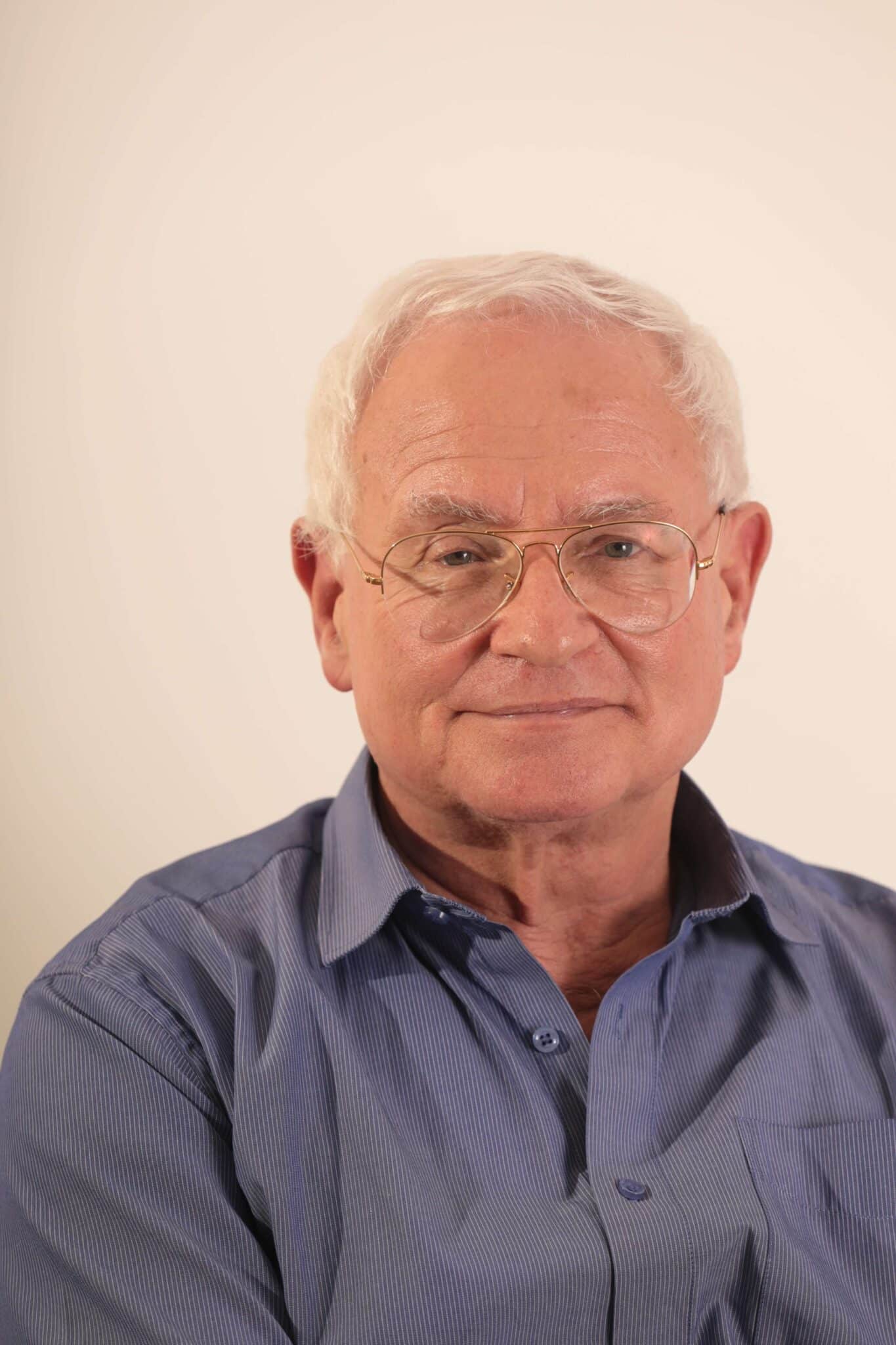
Colonel (res.) Dr. Eran Lerman

Vice President of the Jerusalem Institute for Strategy and Security

Dr. Lerman was deputy director for foreign policy and international affairs at the National Security Council in the Israeli Prime Minister’s Office. He held senior posts in IDF Military Intelligence for over 20 years. He also served for eight years as director of the Israel and Middle East office of the American Jewish Committee. He teaches in the Middle East studies program at Shalem College in Jerusalem, and in post-graduate programs at Tel Aviv University and the National Defense College. He is an expert on Israel’s foreign relations, and on the Middle East. A third-generation Sabra, he holds a Ph.D. from the London School of Economics, and a mid-career MPA from Harvard University.

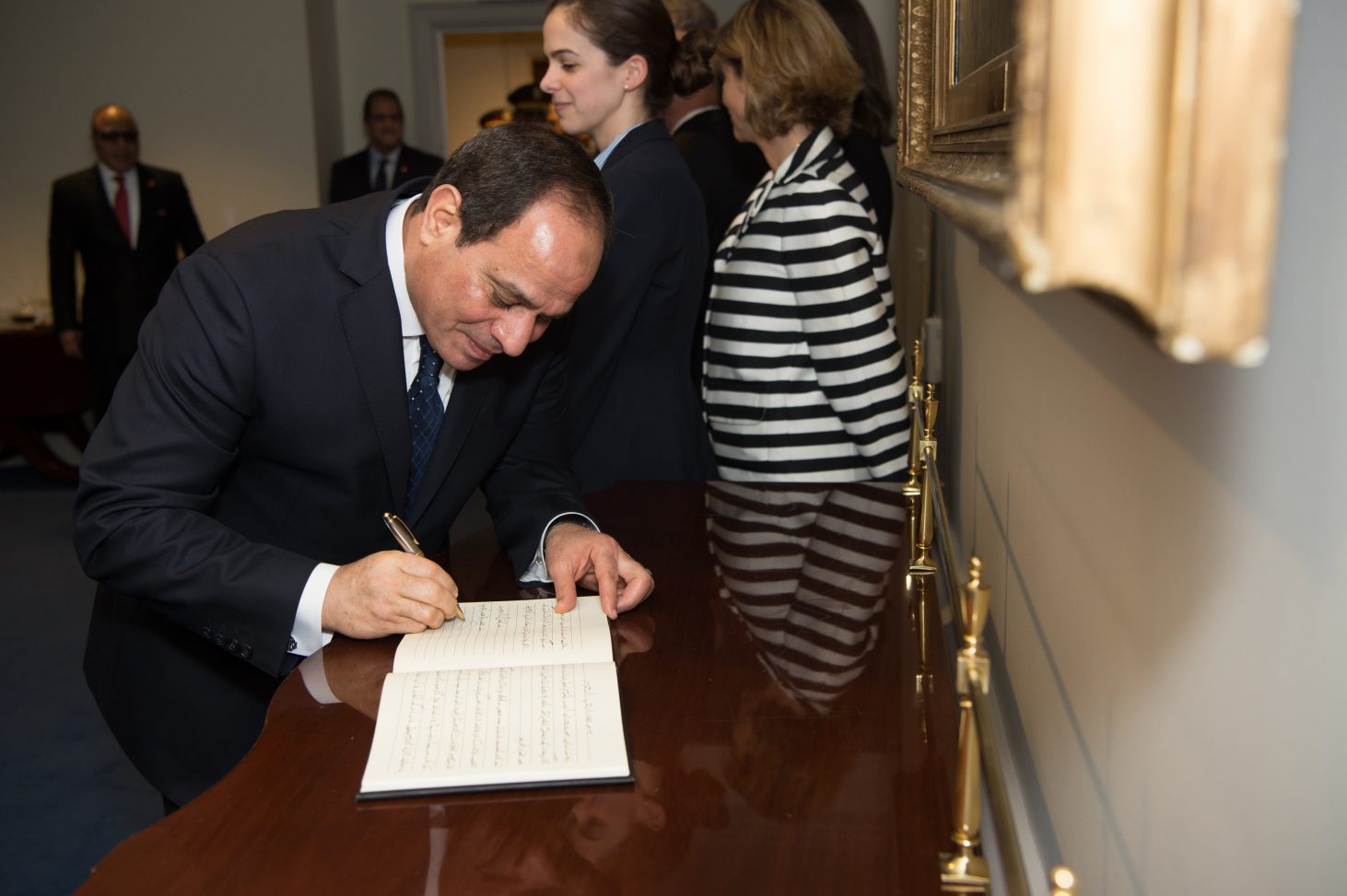
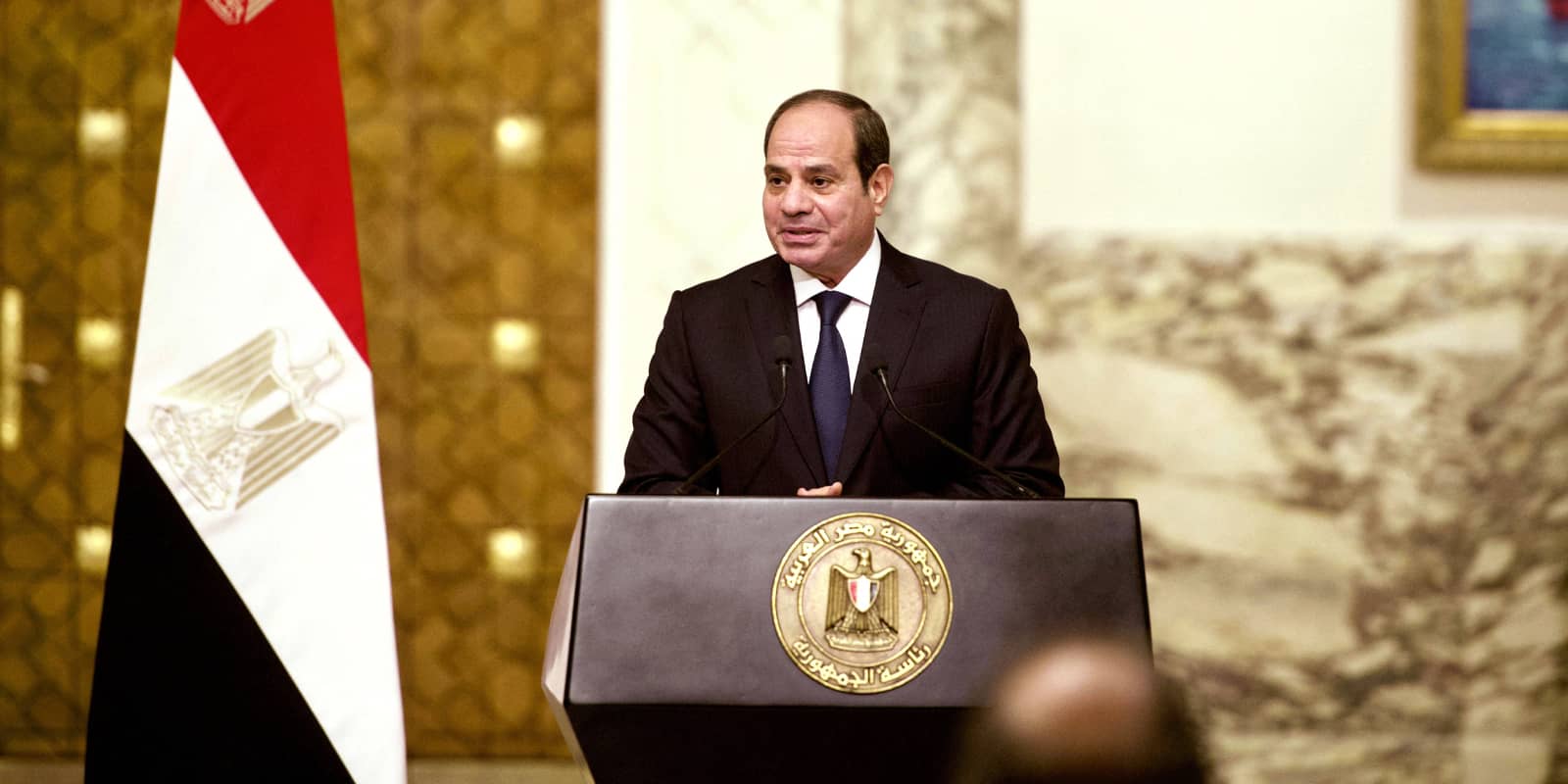
Defense Secretary Jim Mattis meets with Egypt’s President Abdul Fattah al-Sisi during a meeting held at the Pentagon in Washington, D.C., April 5, 2017. (DOD photo by U.S. Army Sgt. Amber I. Smith)

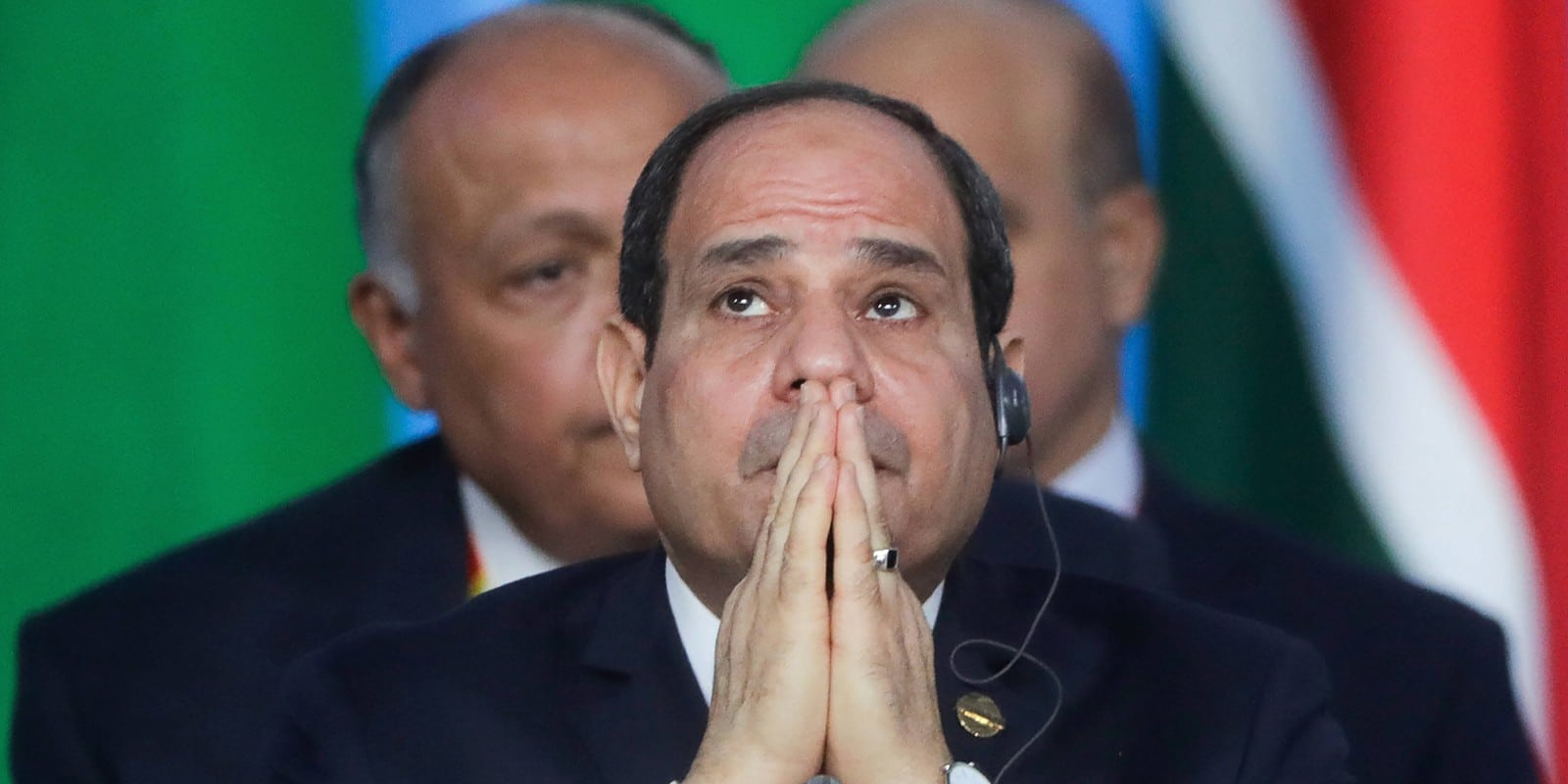
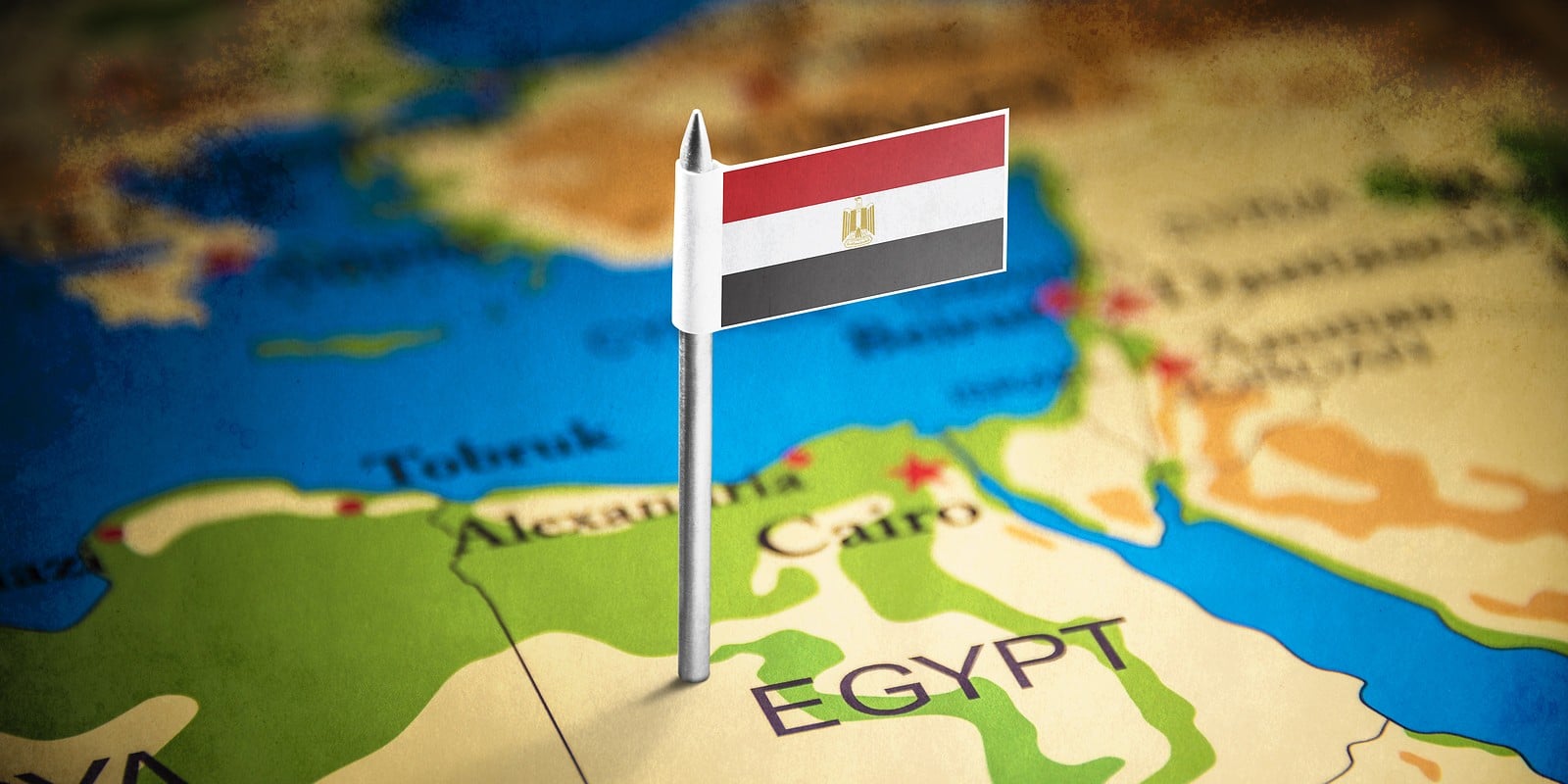
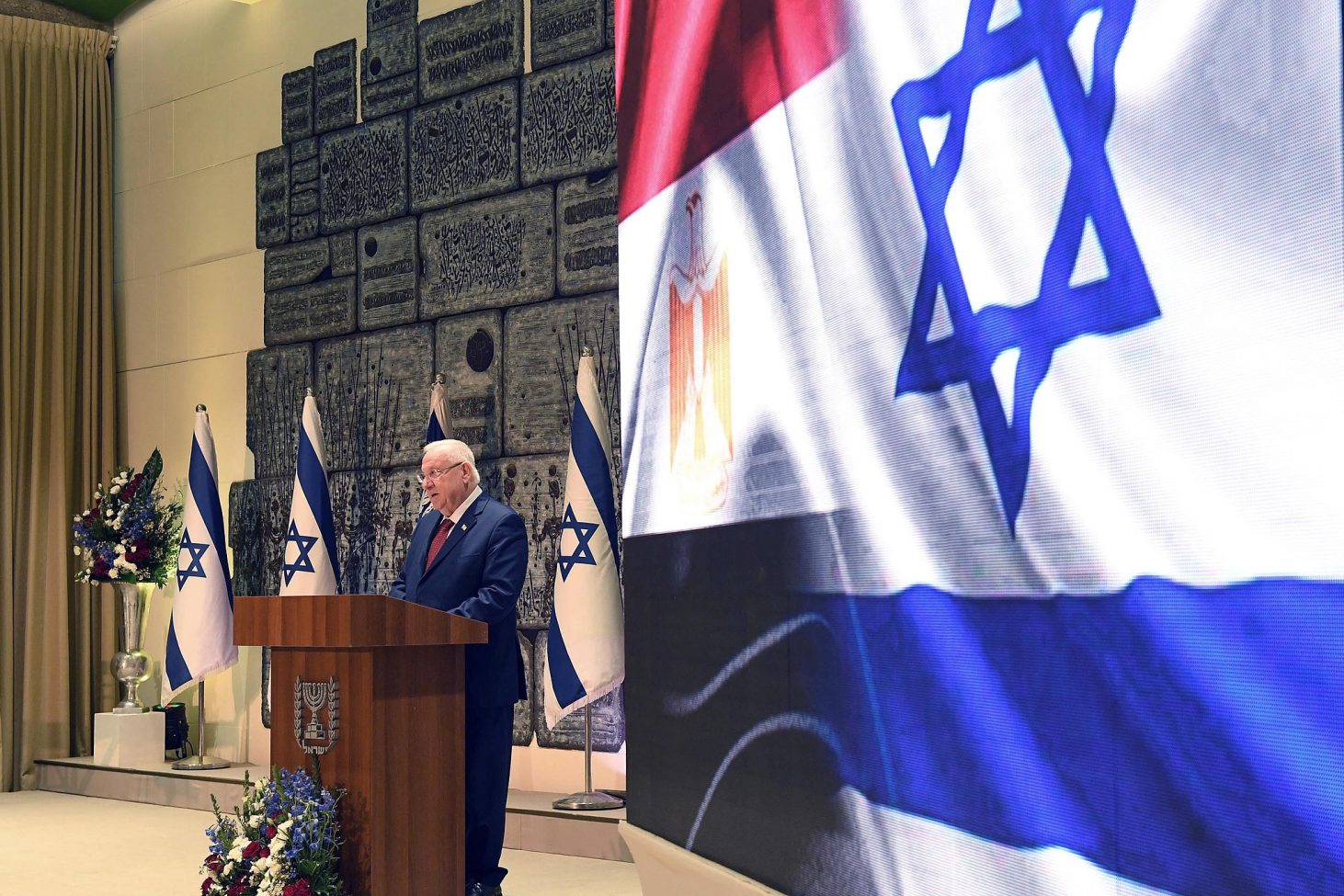
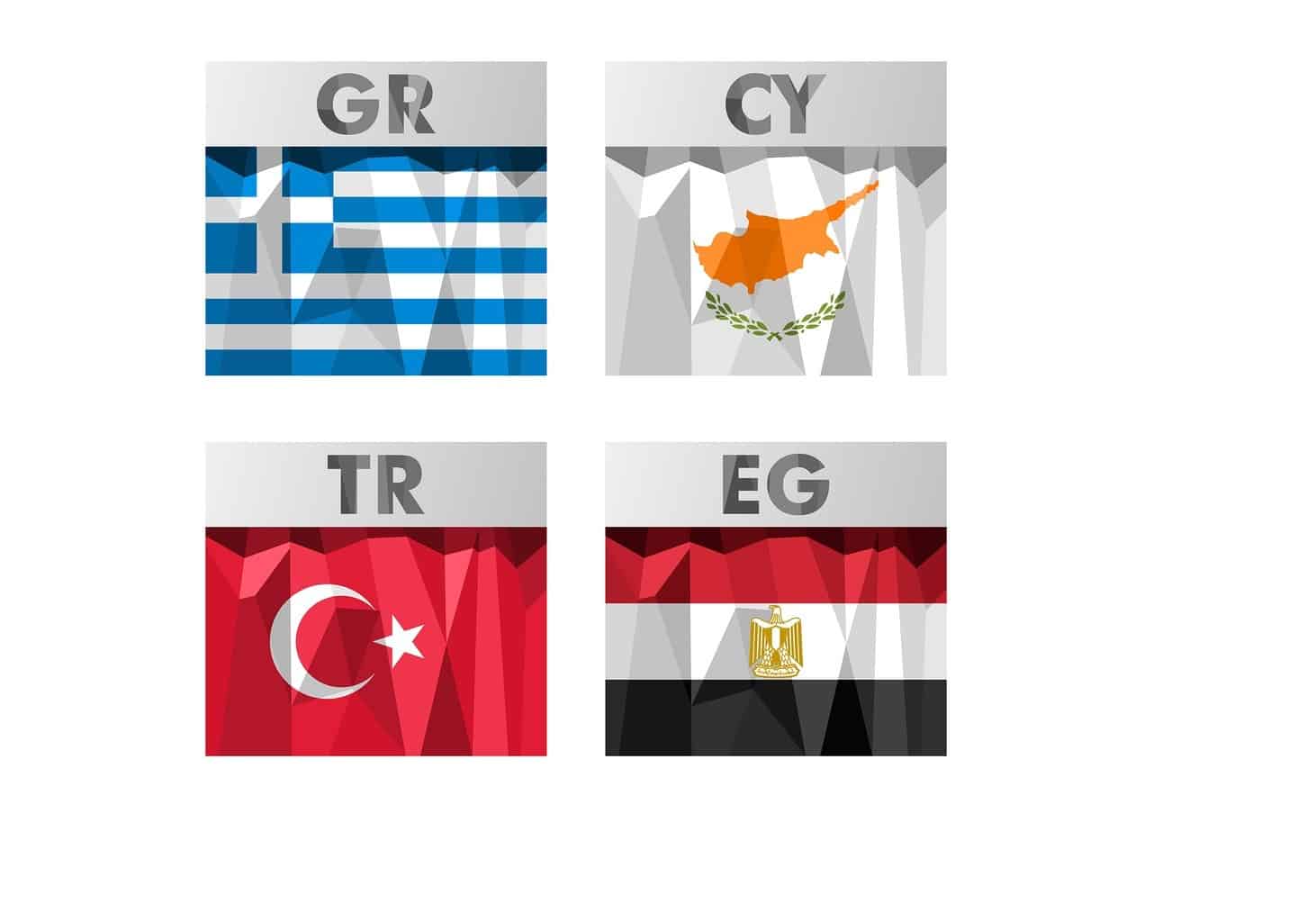
The Keystone: Sisi, Egyptian Stability and the Future of the Eastern Mediterranean

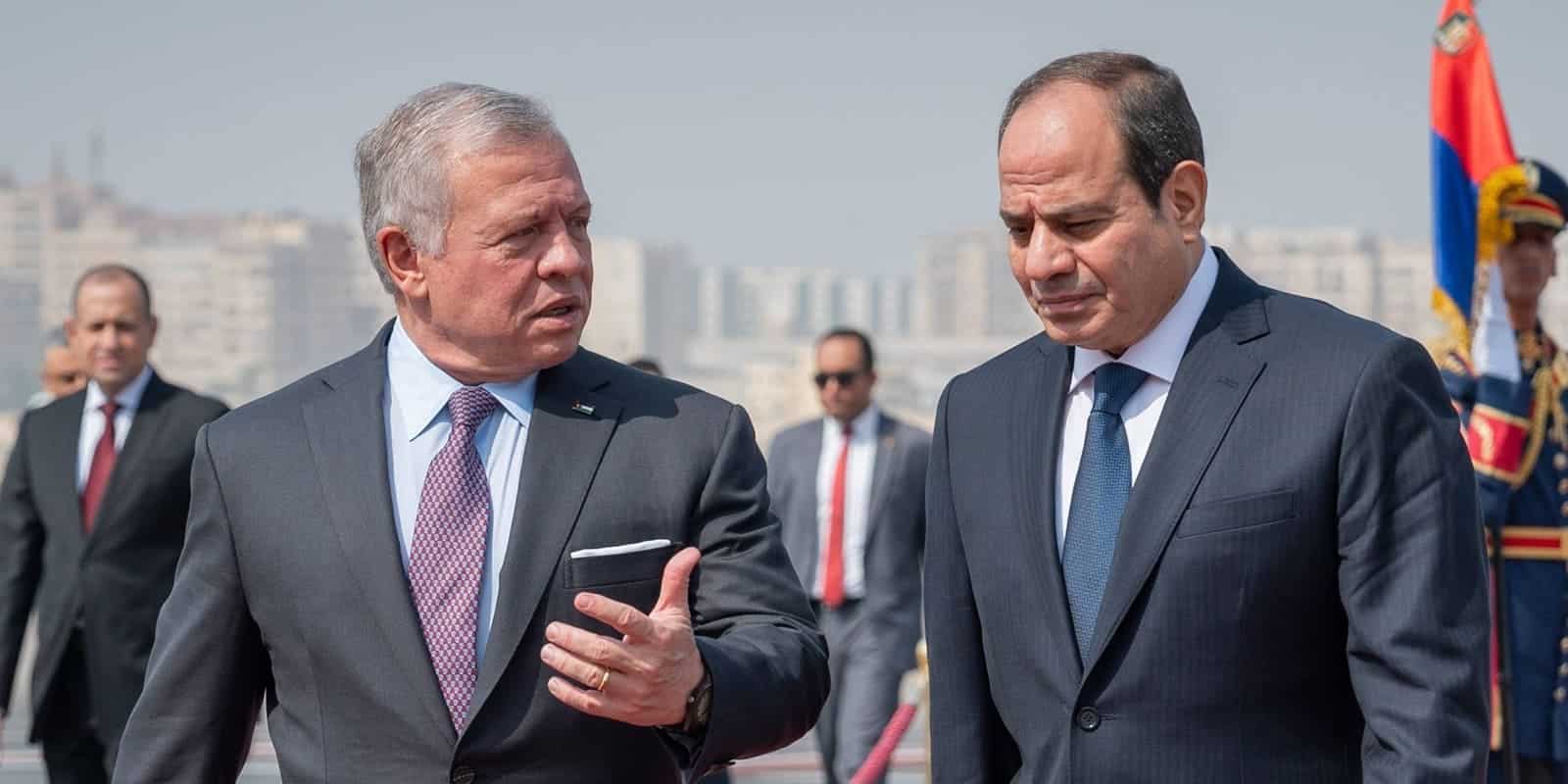
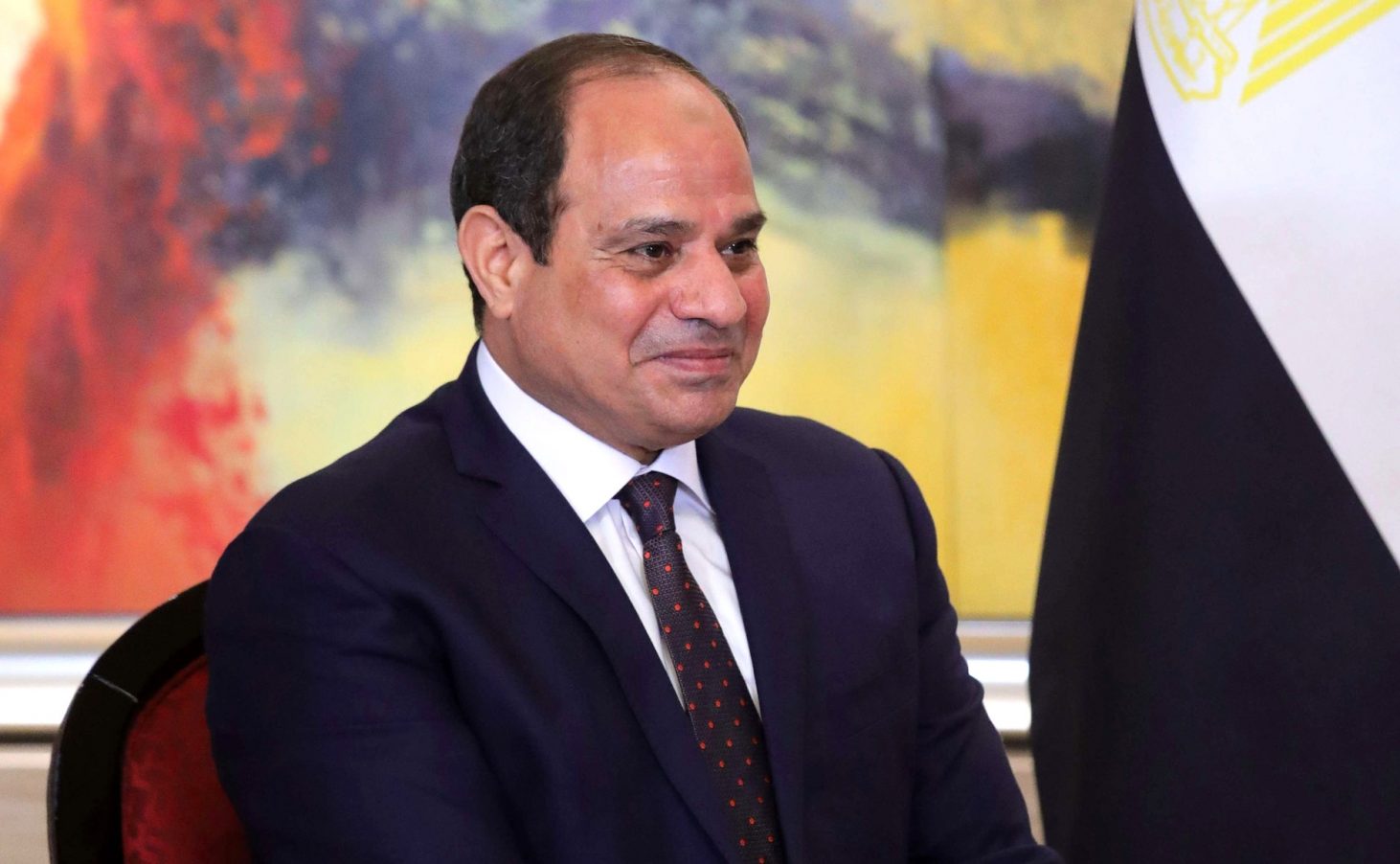
Egyptian President Al-Sisi’s greatest challenges are combatting terrorism in Sinai and beyond, spurring economic growth, capitalizing on the country’s energy opportunities, carrying forward great national projects, solving the Nile waters challenge posed by Ethiopia, and addressing critics in Europe and the United States. Given the alternatives, it is very much in the interest of Israel and regional allies to assist Sisi, while simultaneously encouraging him to curb some his regime’s most repressive characteristics.

Reasons for restraint

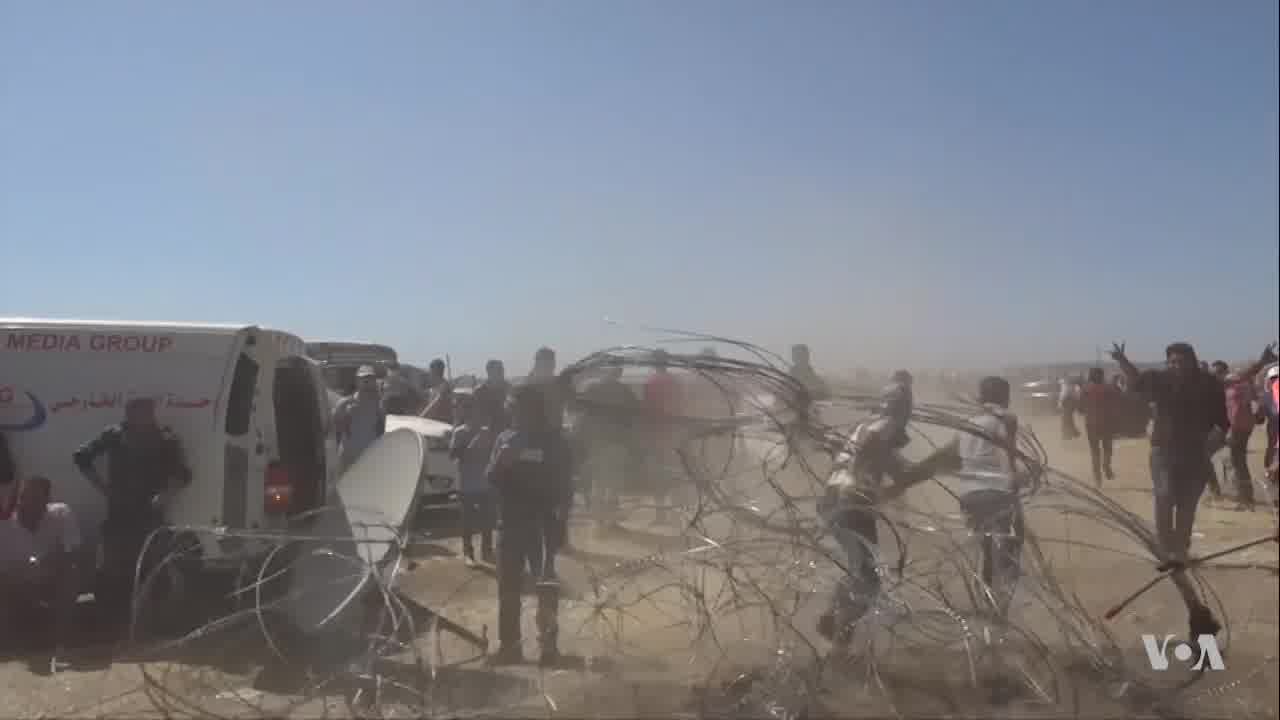
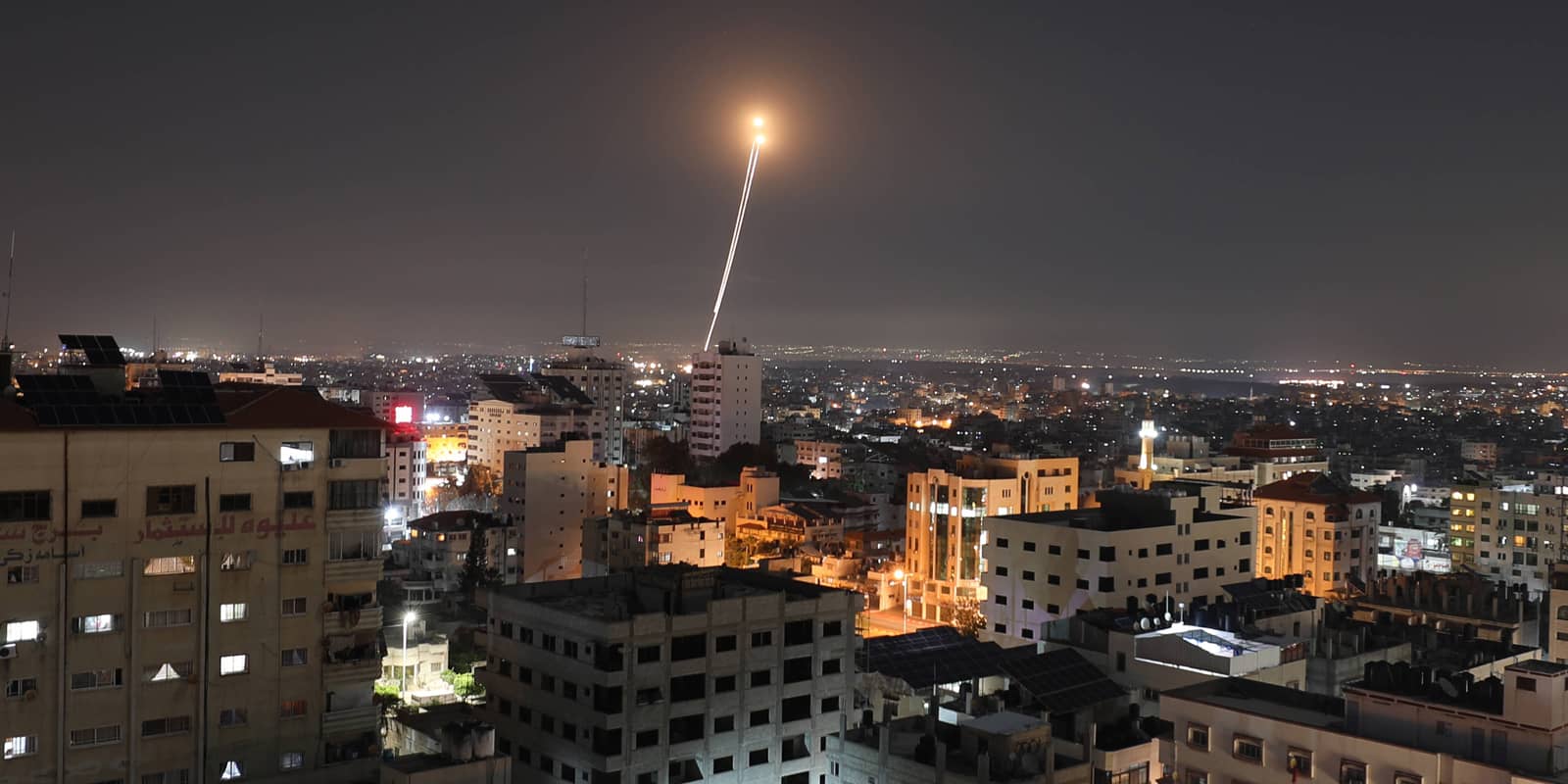
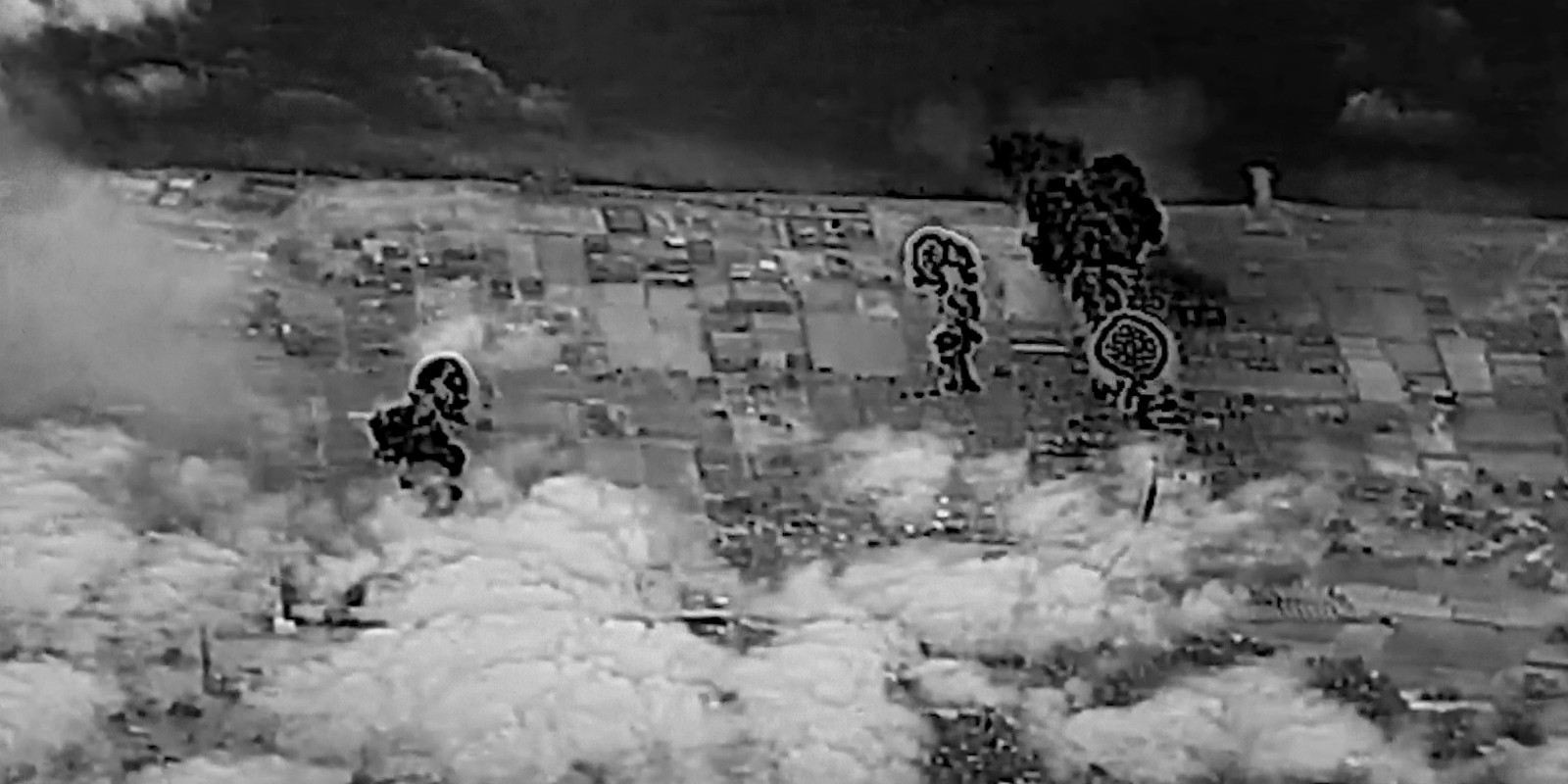
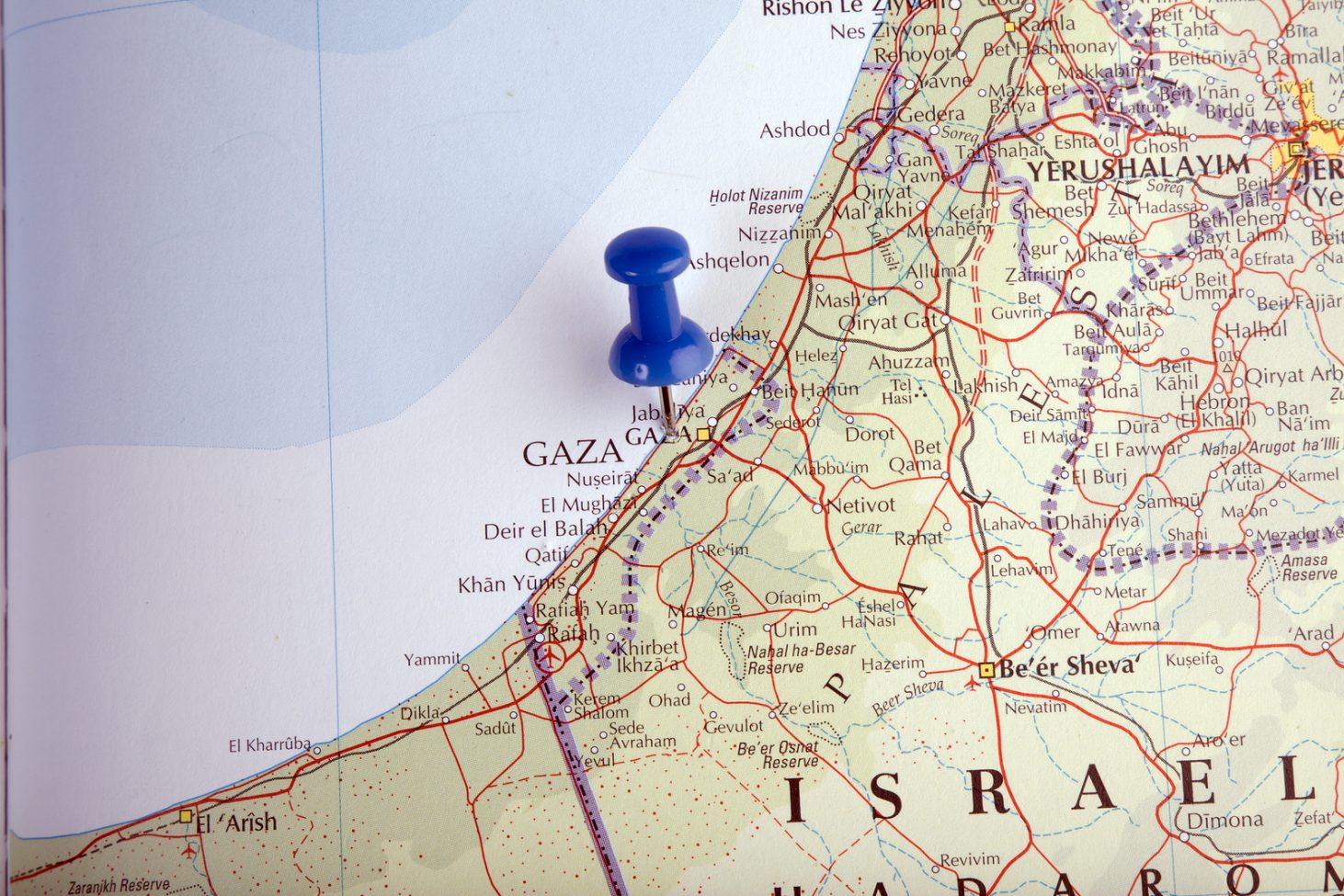
Despite many Israelis’ growing frustration, there are good reasons why the IDF has yet to use all of its force to combat the growing terrorism from the Gaza Strip, including the fact the IDF is focused on the northern front where Israel faces its main enemy: Iran.

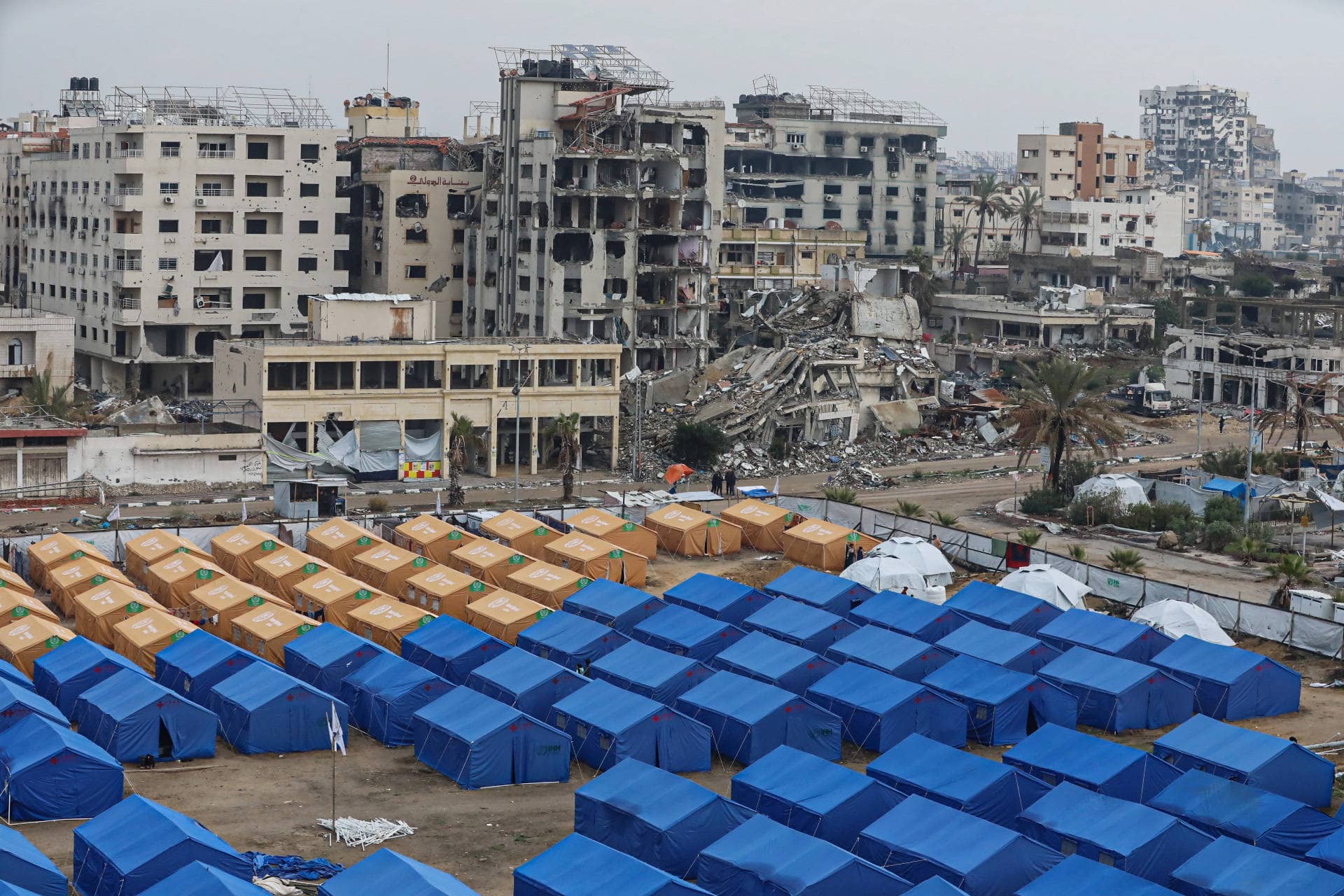
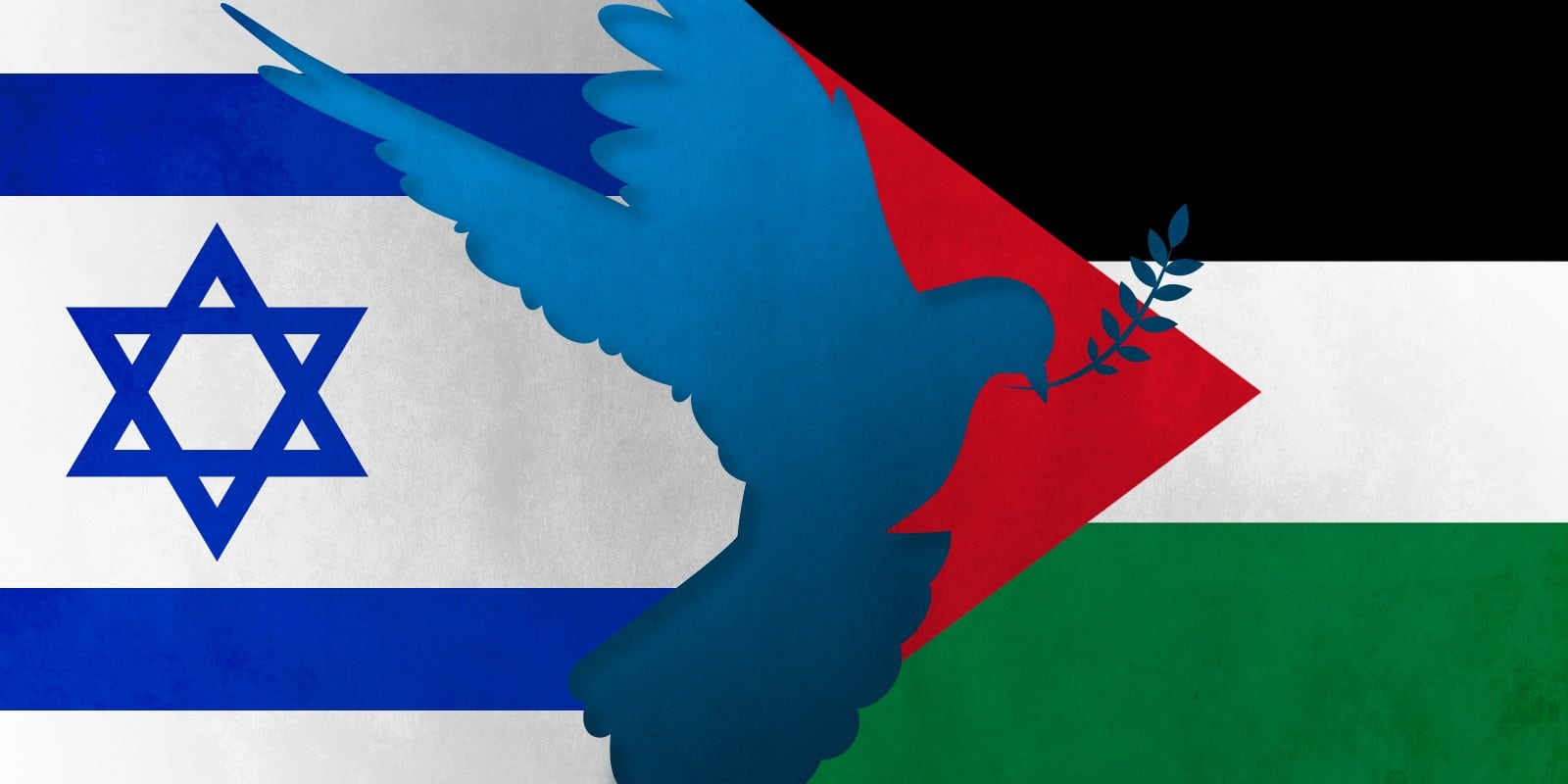
After Hamas: Why Israel Fears A Power Vacuum in Gaza

After Hamas: Why Israel Fears A Power Vacuum in Gaza.

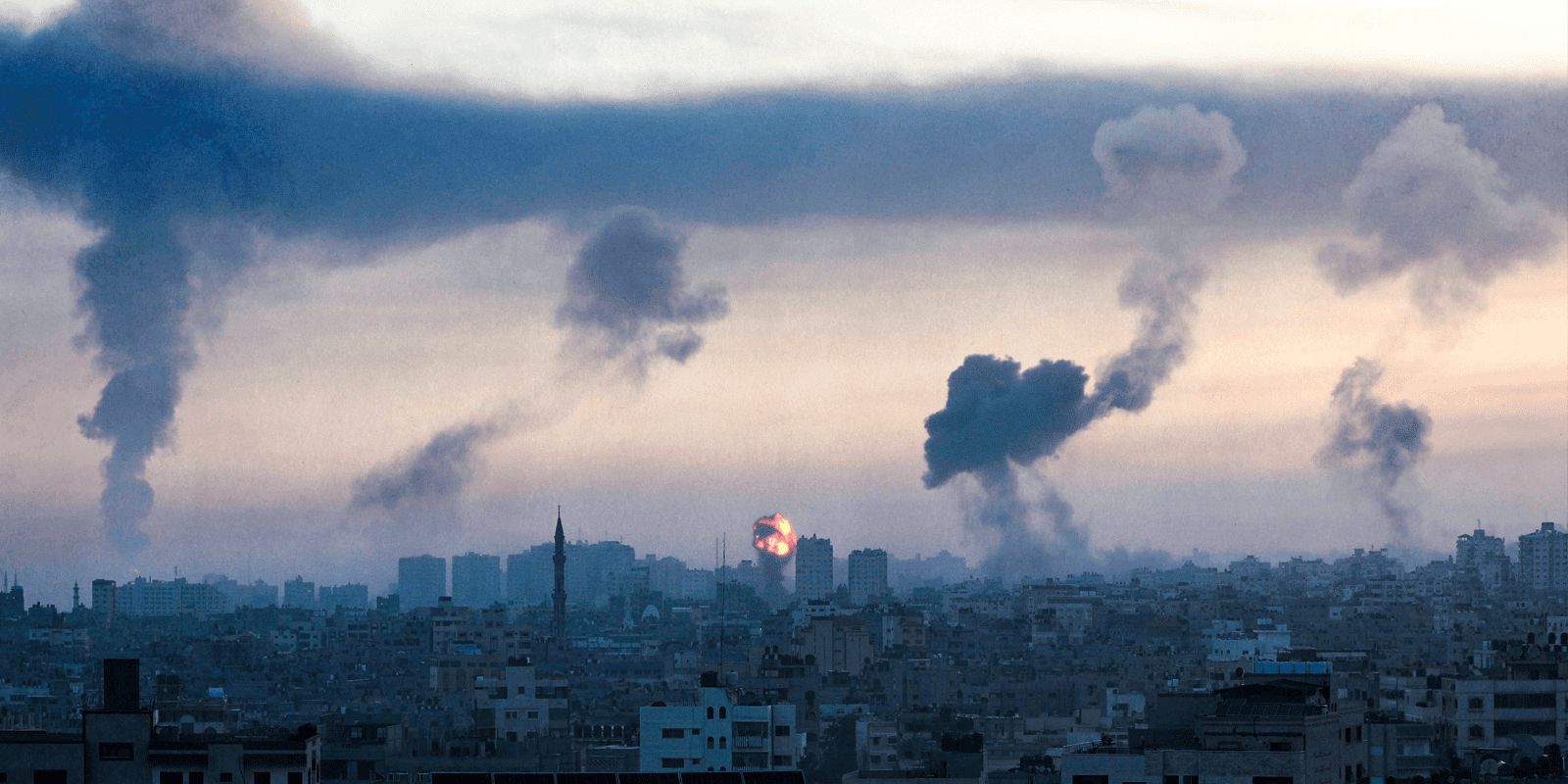
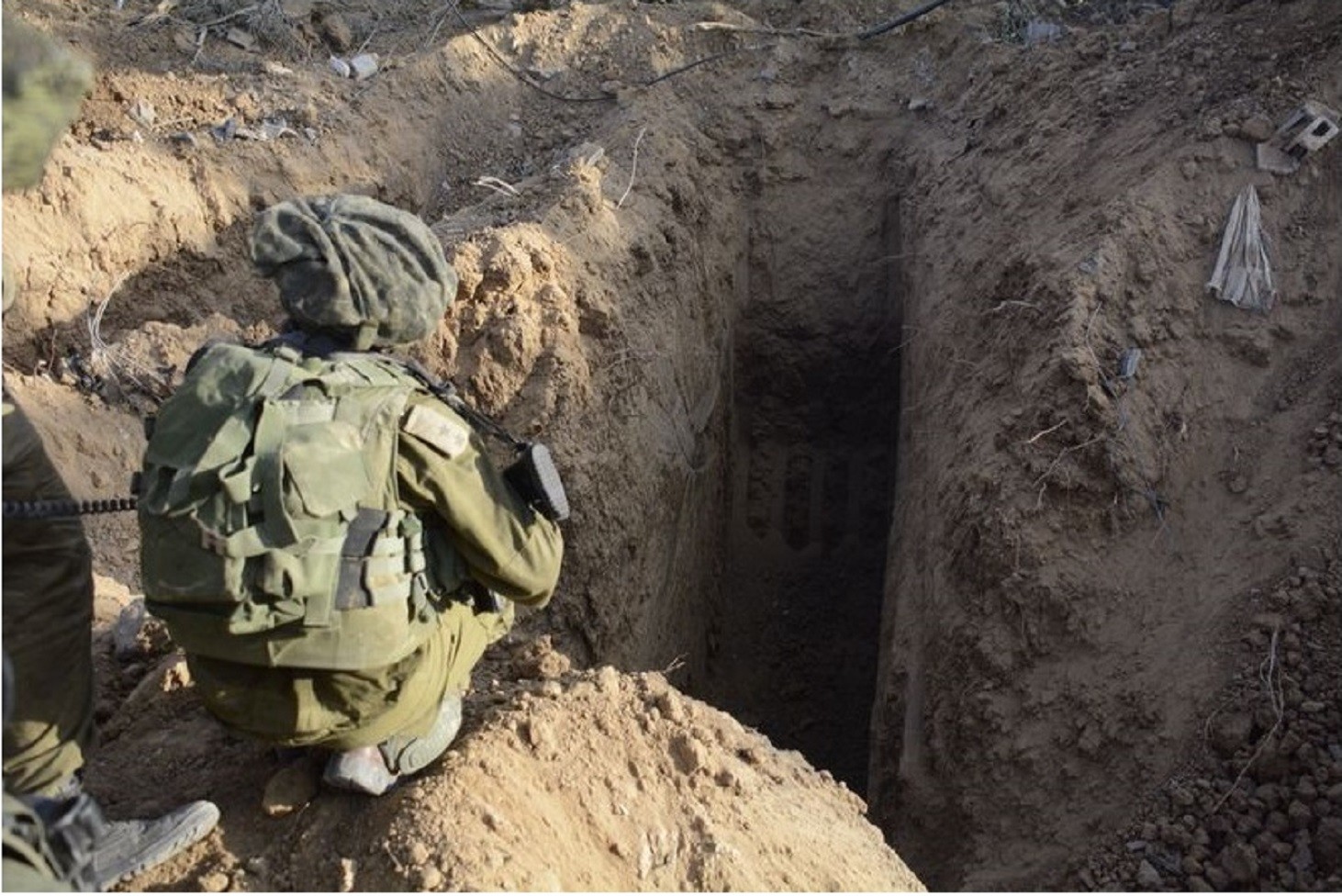
Dr. Eran Lerman: Israel’s reticence to cross the fine line between a “proportional response” and complete invasion is compounded by a lack of desire to re-occupy Gaza, which would be a huge political and economic burden and undoubtedly generate a major diplomatic backlash.

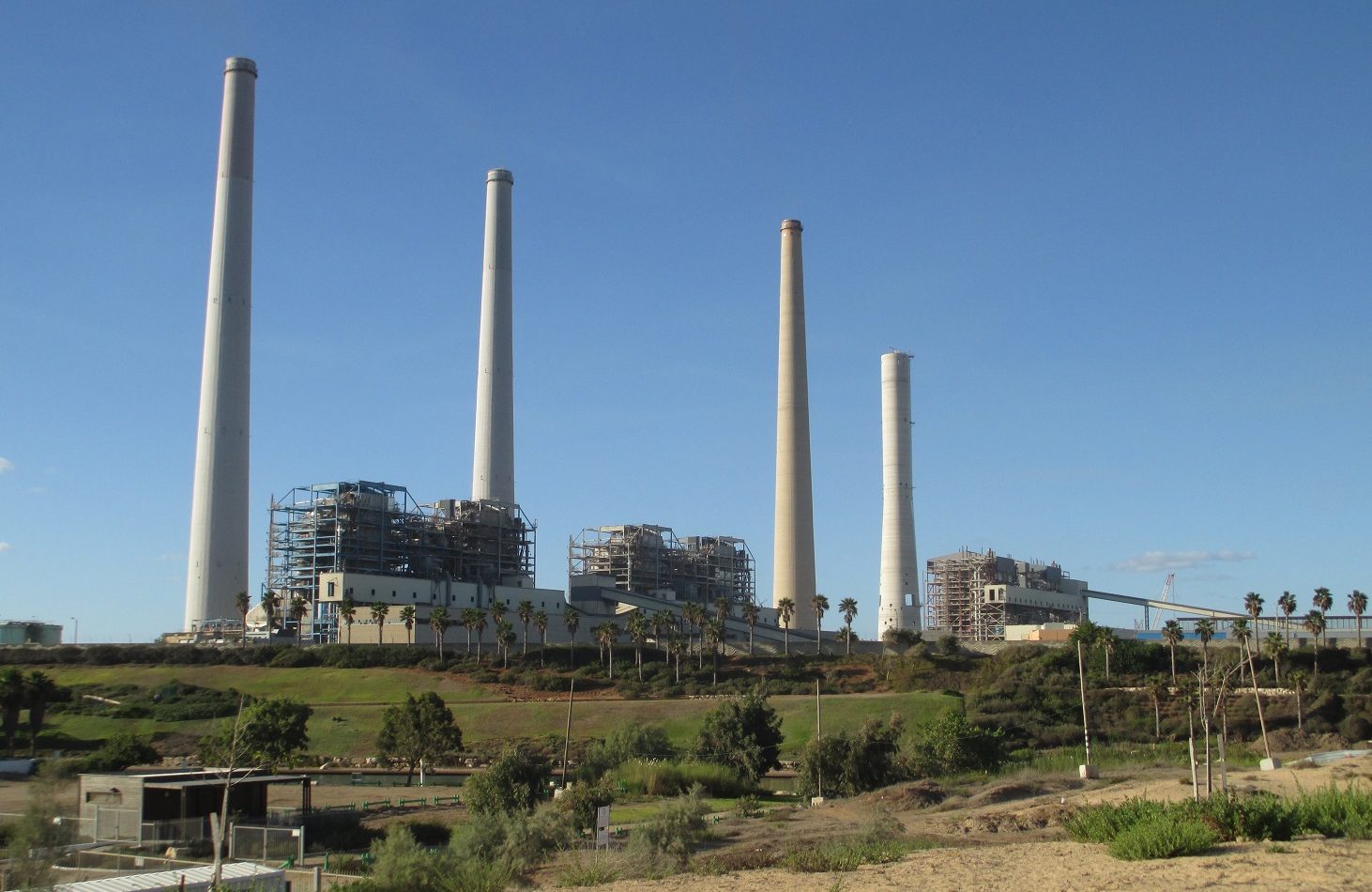
תחנת הכח אורות רבין בחדרה

The target: infrastructure

If recruiting a disgraced former official with no access to updated information is the best Iran’s spymasters could do, Israel’s intelligence superiority is in no danger.

צה"ל - שכנות טובה

Will Israel Once Again Turn its Back on Those Who Have Been on its Side?

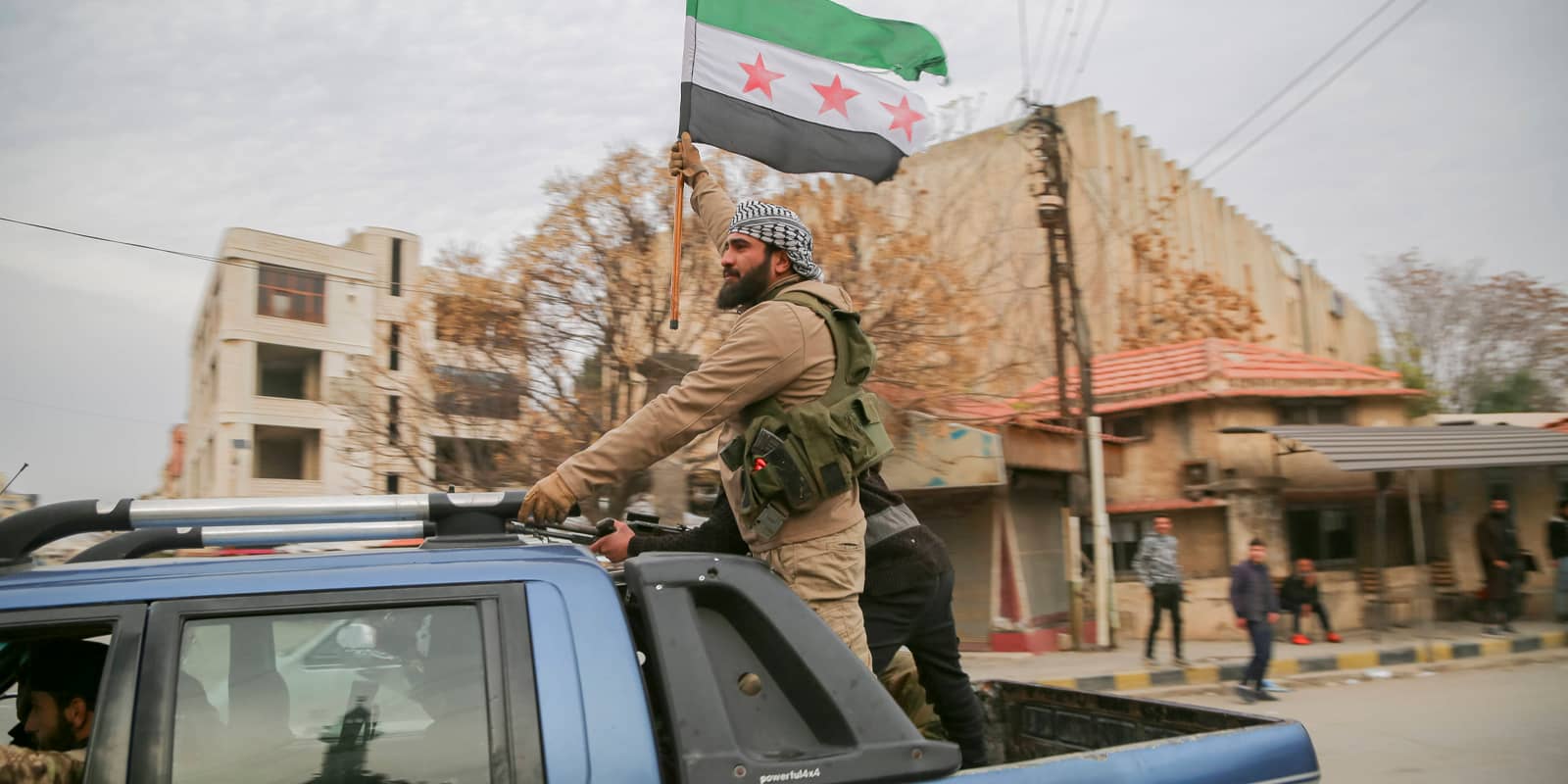
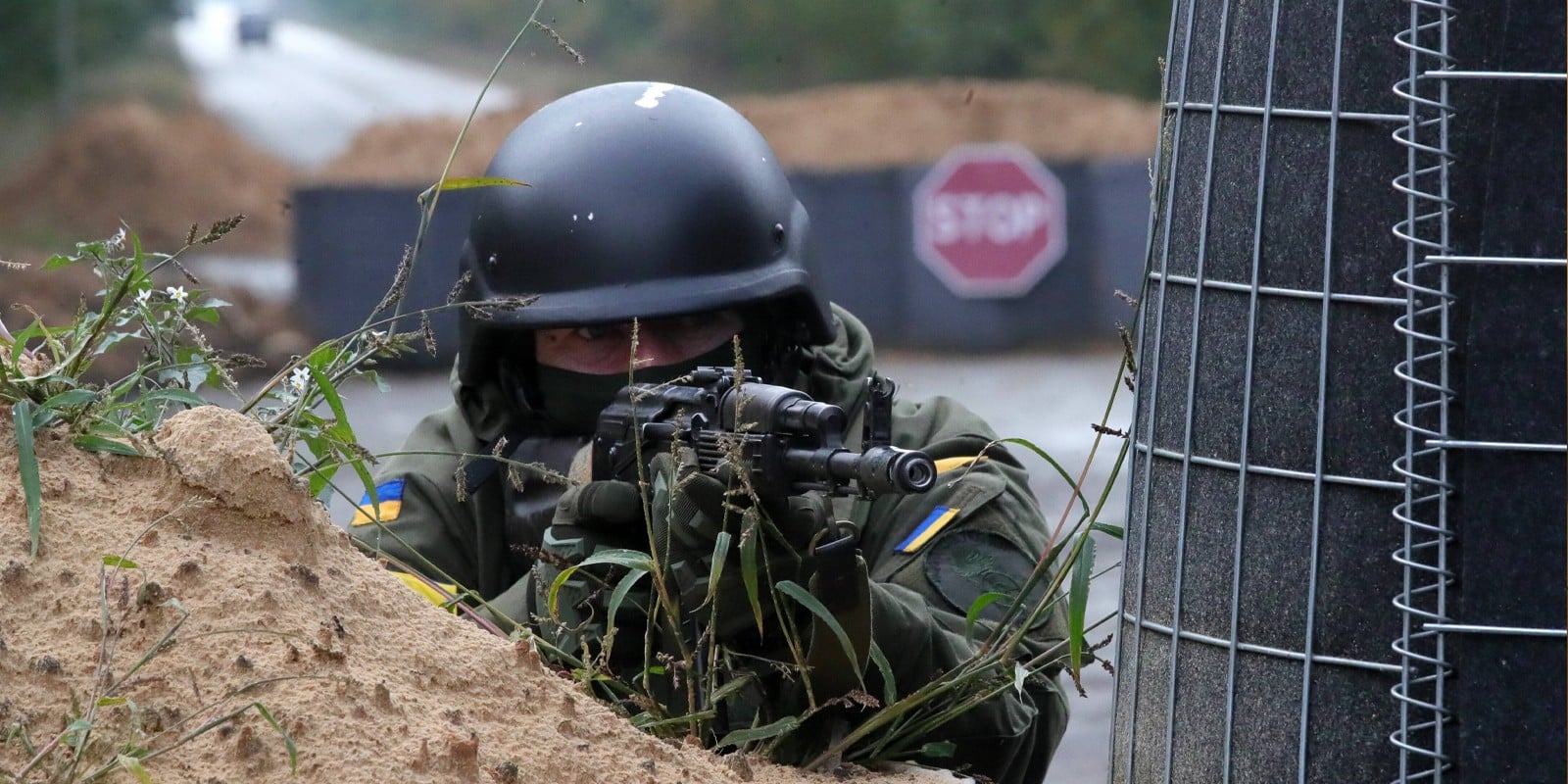
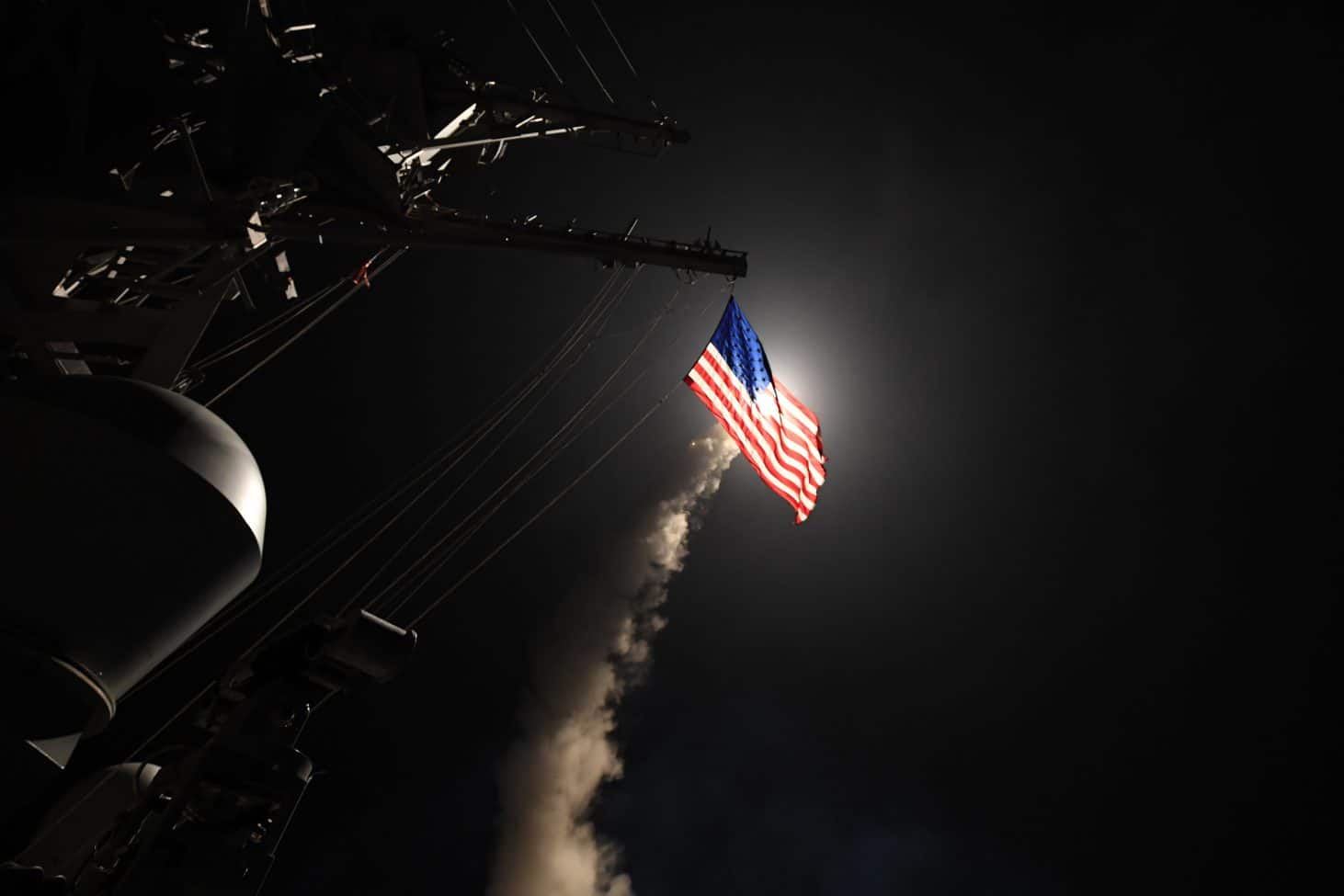
Israel may soon face a dilemma. The “arrangement” with Russia as to the future of Syria may stave-off an Iranian presence but will pose an existential danger to the groups of rebels near the border – groups which have worked closely with the IDF to prevent direct friction with hostile elements on the line of contact. It is vital that the solutions to this challenge demonstrate to future partners that Israel does not turn its back on those who have assisted it facing a common threat.

Are You In?

Join 8,000+ Subscribers who enjoy our weekly digest