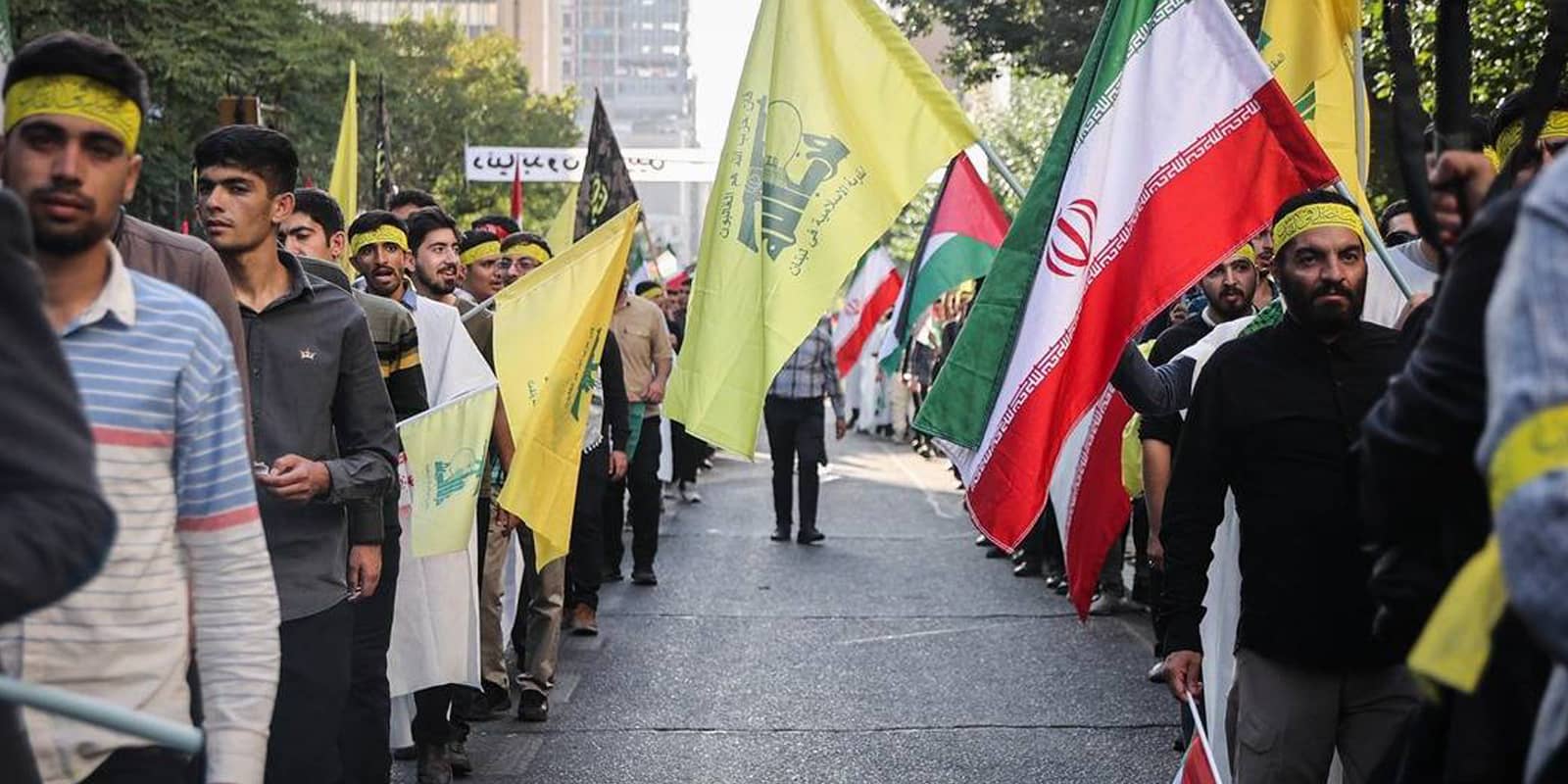
Iran’s Grip in Lebanon Must be Broken
The ceasefire that went into effect in the early hours of November 27, 2024, must mark the beginning of the effort to break Iran’s grip

Dr. Lerman was deputy director for foreign policy and international affairs at the National Security Council in the Israeli Prime Minister’s Office. He held senior posts in IDF Military Intelligence for over 20 years. He also served for eight years as director of the Israel and Middle East office of the American Jewish Committee. He teaches in the Middle East studies program at Shalem College in Jerusalem, and in post-graduate programs at Tel Aviv University and the National Defense College. He is an expert on Israel’s foreign relations, and on the Middle East. A third-generation Sabra, he holds a Ph.D. from the London School of Economics, and a mid-career MPA from Harvard University.
The ceasefire that went into effect in the early hours of November 27, 2024, must mark the beginning of the effort to break Iran’s grip
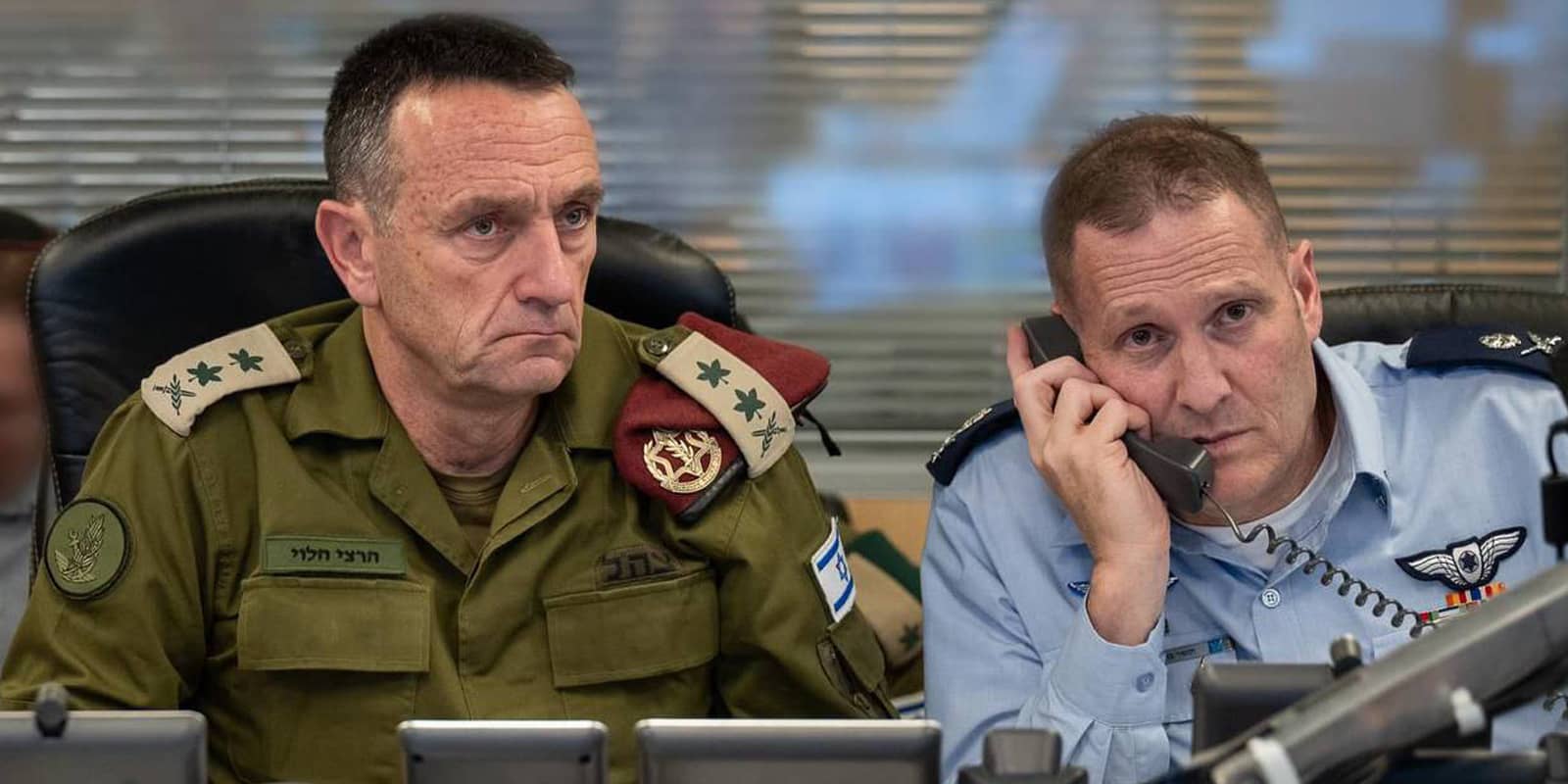
Has the concept of deterrence, long a cornerstone of Israel’s defense doctrine, been rendered largely irrelevant? Do the lessons of the war so far –
Since October 7, the Biden administration has talked tough on Iran and its proxies, however its actions have been constrained by domestic and strategic considerations. Whoever wins the U.S. presidential elections will need to be far more resolute if they are to be denied their bid for regional hegemony.
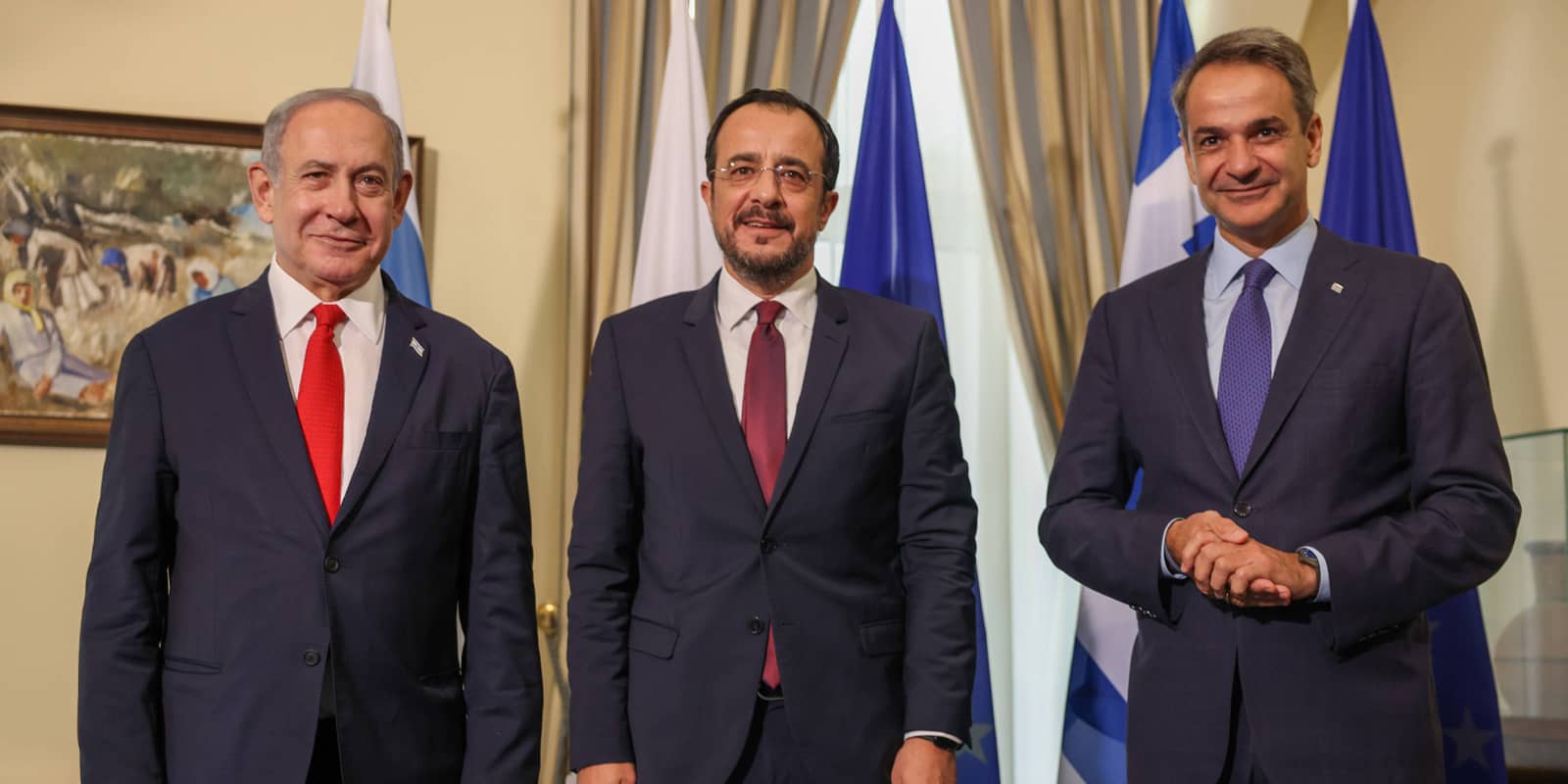
Hassan Nasrallah’s threats to broaden the scope of the war serve as a reminder of the importance of Israel’s sea lanes of communication as a strategic frontier, and of its cooperation with these key Eastern Mediterranean nations – with whom it shares common threat perceptions.

Nearly a year has passed since Hezbollah initiated a mid-intensity conflict with Israel, ostensibly to “support” Hamas in Gaza (a goal it failed to achieve)
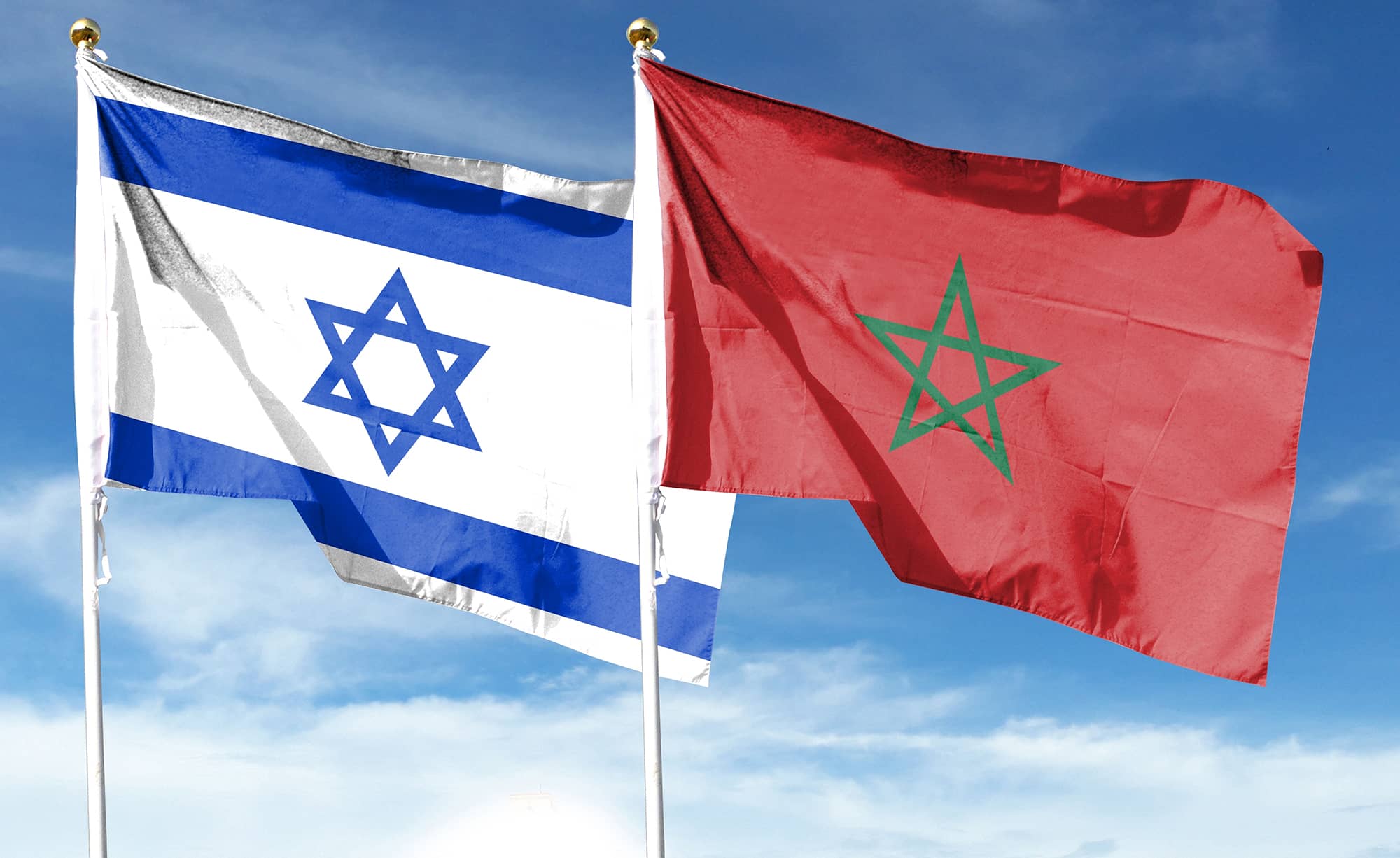
Executive Summary As its remarkable history indicates, the relationship between Morocco and Israel is unlike any other in the region. Even in these troubled times,
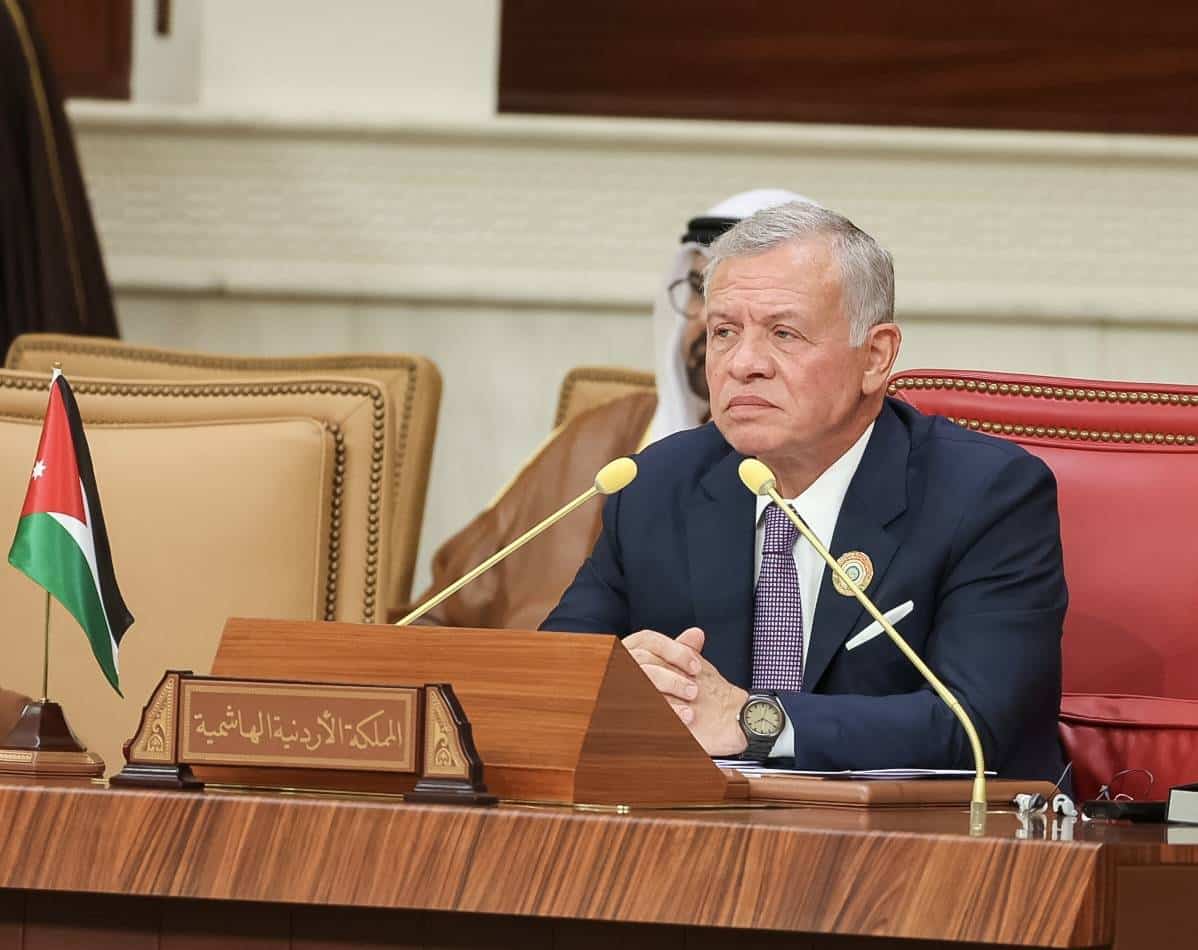
Against the background of Hamas’ ongoing war with Israel (and the expressions of support for it among Palestinians and Islamists in Jordan), the Iranian regime has intensified its efforts to subvert the Hashemite monarchy. The arrests in March 2024 of Iranian agents involved in smuggling arms to Muslim Brotherhood elements in Jordan are part of a campaign to counter the role of Tehran in bringing both drugs and weapons over the Syrian and Iraqi borders into Jordan. Tensions rose further over Jordan’s supportive role in foiling the Iranian attack on Israel on 14 April 2024. For the Iranian regime, the destabilization of Jordan is a vital precursor for the strategic goal of turning Judea and Samaria into “another Gaza”, as Supreme Leader ‘Ali Khamenei suggested back in 2014: hence the importance of American and Israeli support for Jordan. The stability of the Kingdom (and thus the need to reduce economic and social strains) is a vital interest of both Israel and the West.

The lecture was part of the session on the Middle East Regional Powers’ Struggle in Africa at the “Africa and Israel: Building Strategic and Economic Bridges” conference held on July 2, 2024, at Tel-Aviv University. The conference is a collaboration between the S. Daniel Abraham Center for International and Regional Studies at Tel-Aviv University, the Israel-Africa Relations Institute (IAI), and the Jerusalem Institute for Strategy and Security (JISS).

As the Arab world fell apart after 2011, one way to navigate the new realities in the region was through the identification of ideological “camps”, at conflict with each other. While radical jihadists such as Islamic State (Da’esh), which was at the peak of its power a decade ago, are no longer real challengers for hegemony in the region, two other variations on the theme of Islamist totalitarianism – the Muslim Brotherhood camp, including Hamas, backed by Qatar and Turkey; and the Iranian revolutionary camp, and its proxies – are still actively seeking to overthrow the existing order, and to grow in power as the American role recedes. Facing both is the camp – loosely defined as the “camp of stability” – to which Israel belongs by right, and which acted together in foiling Iran’s attack on Israel (April 14, 2024). This mapping of the region lends the war in Gaza a broader significance: it is bound to have a long-term effect, insofar as the survival of Hamas would change the balance of power between the “camps”.

Iran’s assault on Israel changed the rules of the regional game – but as Israel’s measured response indicates, it is not yet a point of transition for Israel from its focus on Gaza to a broader regional war. The withdrawal of the IDF’s 98th Division from Khan Younis did not signal a termination of the effort to destroy Hamas: rather, it was taken in preparation for the next stage, that must involve the creation of conditions for the displaced population in the Rafah area to be evacuated to the north, in the context of a military campaign conducted with growing attention to the needs of the Gazan population. But in the absence of a clear formulation for “the day after,” Israel’s choices are likely to be misinterpreted as signs of incoherent policy.

Israel’s urban warfare experience in Gaza can benefit allies
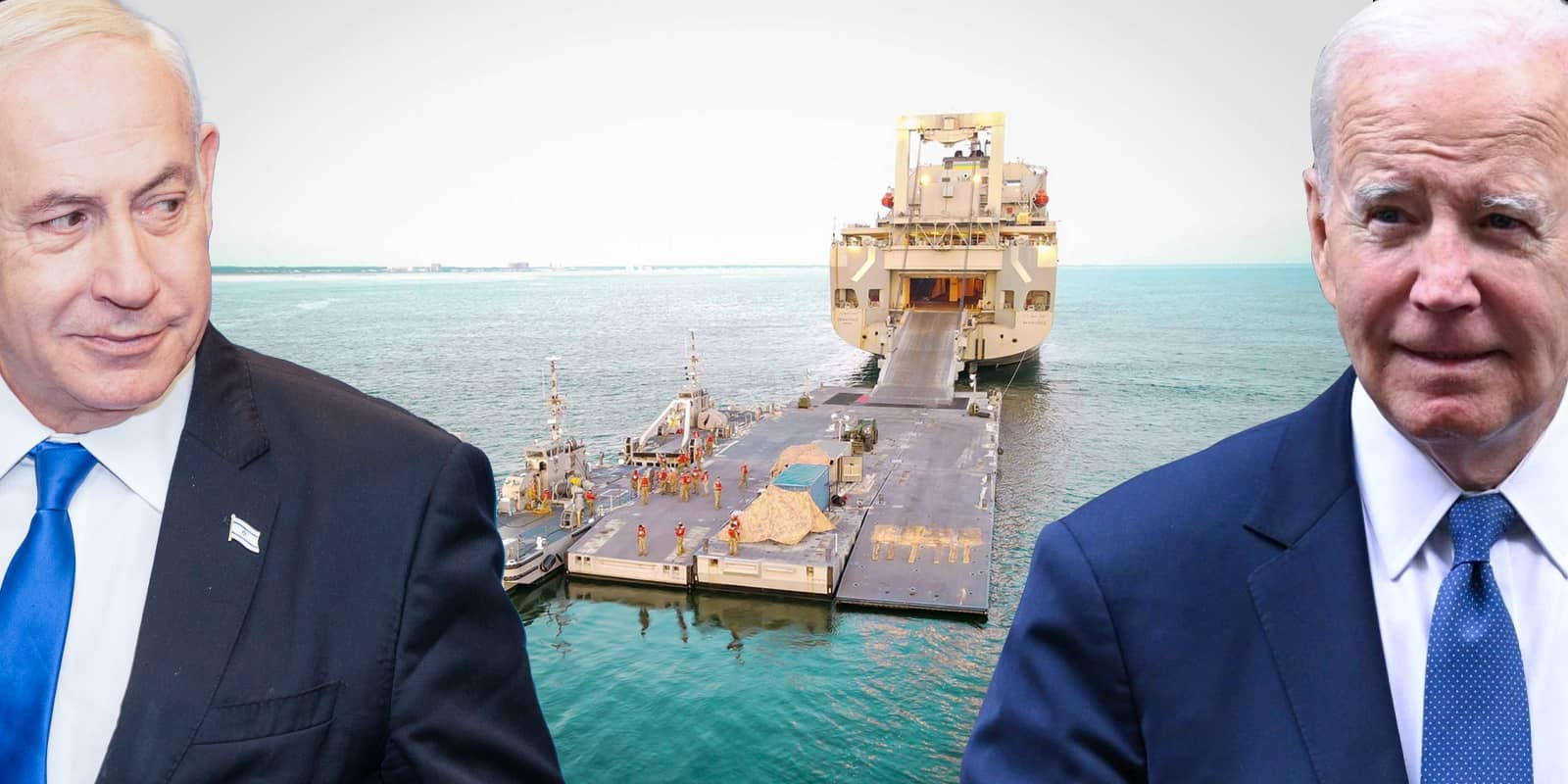
Some Israelis fear US plans to build an off-shore pier to deliver humanitarian aid to Gaza could interfere with Israel’s war objectives. However, given the agreed interest in the success of the humanitarian effort, and the track record in recent years of close Israeli coordination with the US Central Command (CENTCOM), this could be a building block towards a coherent “day after” strategy, if political imperatives on both sides do not get in the way.
Total of 363 articles in English
165 articles
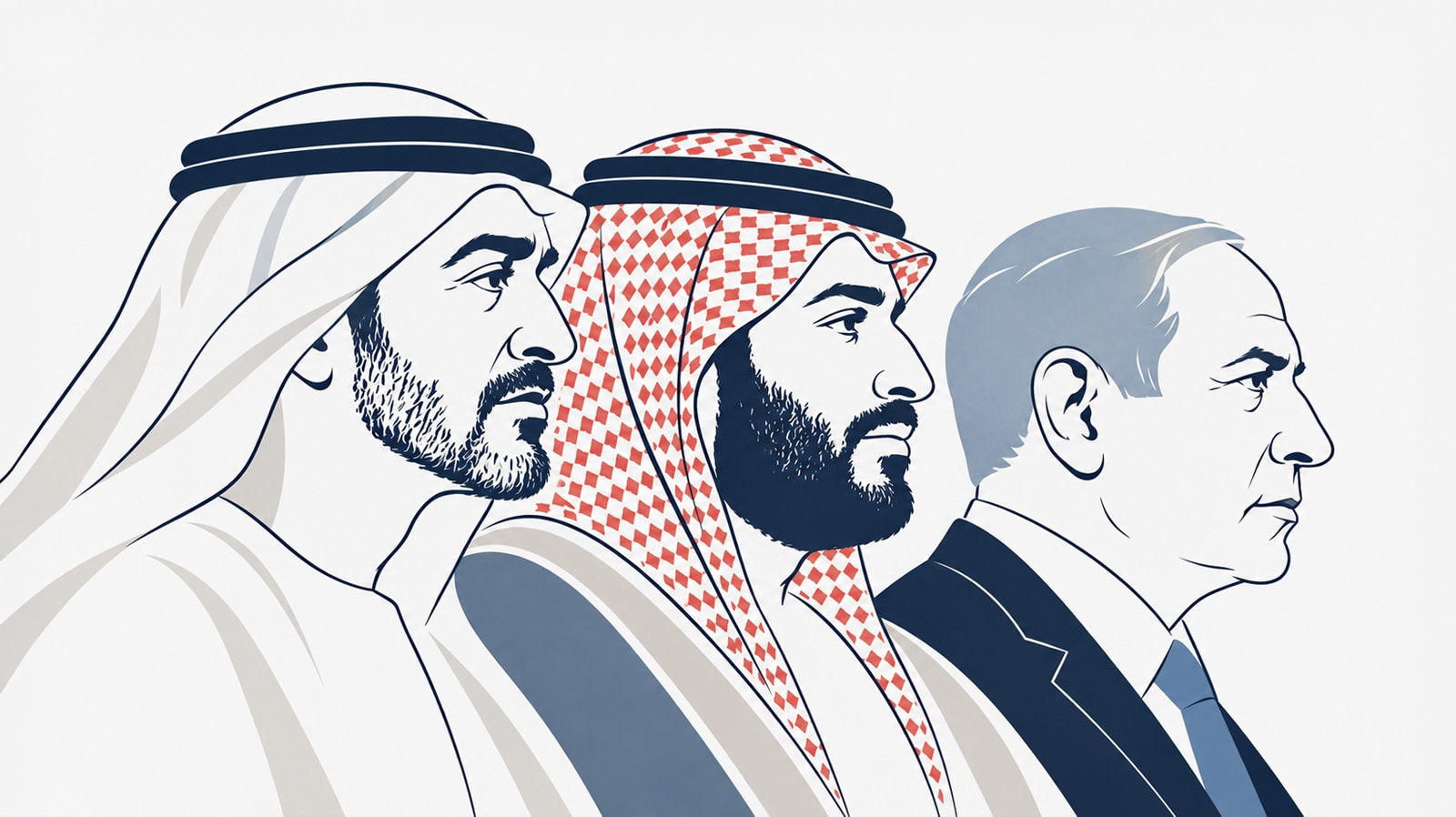
Saudi Arabia’s difficulties in Yemen have exposed the limits of its partnership with Turkey and Pakistan. The Abu Dhabi meeting suggests that…

The 25th anniversary of the 9/11 attacks and the conflict they ignited—the so-called Global War on Terror (GWOT)—offers an opportunity to assess…

From the Mecca Pact and Erdoğan’s regional ambitions to Syria, Lebanon, Gaza, and Judea and Samaria, the US-Israel agenda is increasingly crowded.…
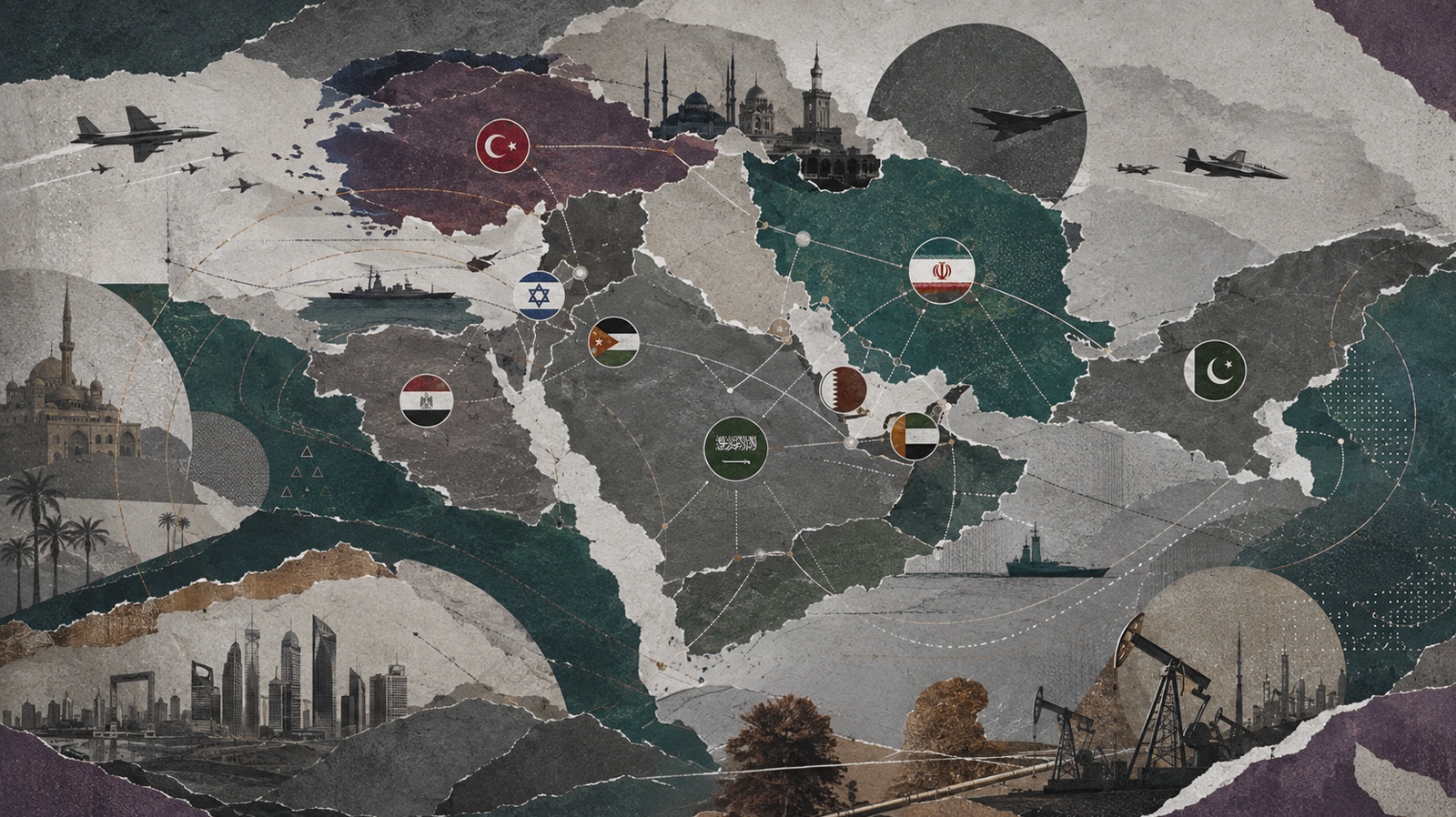
The multi-front war has altered the balance within and between the region’s rival camps, requiring a reassessment of the strategic map. New…
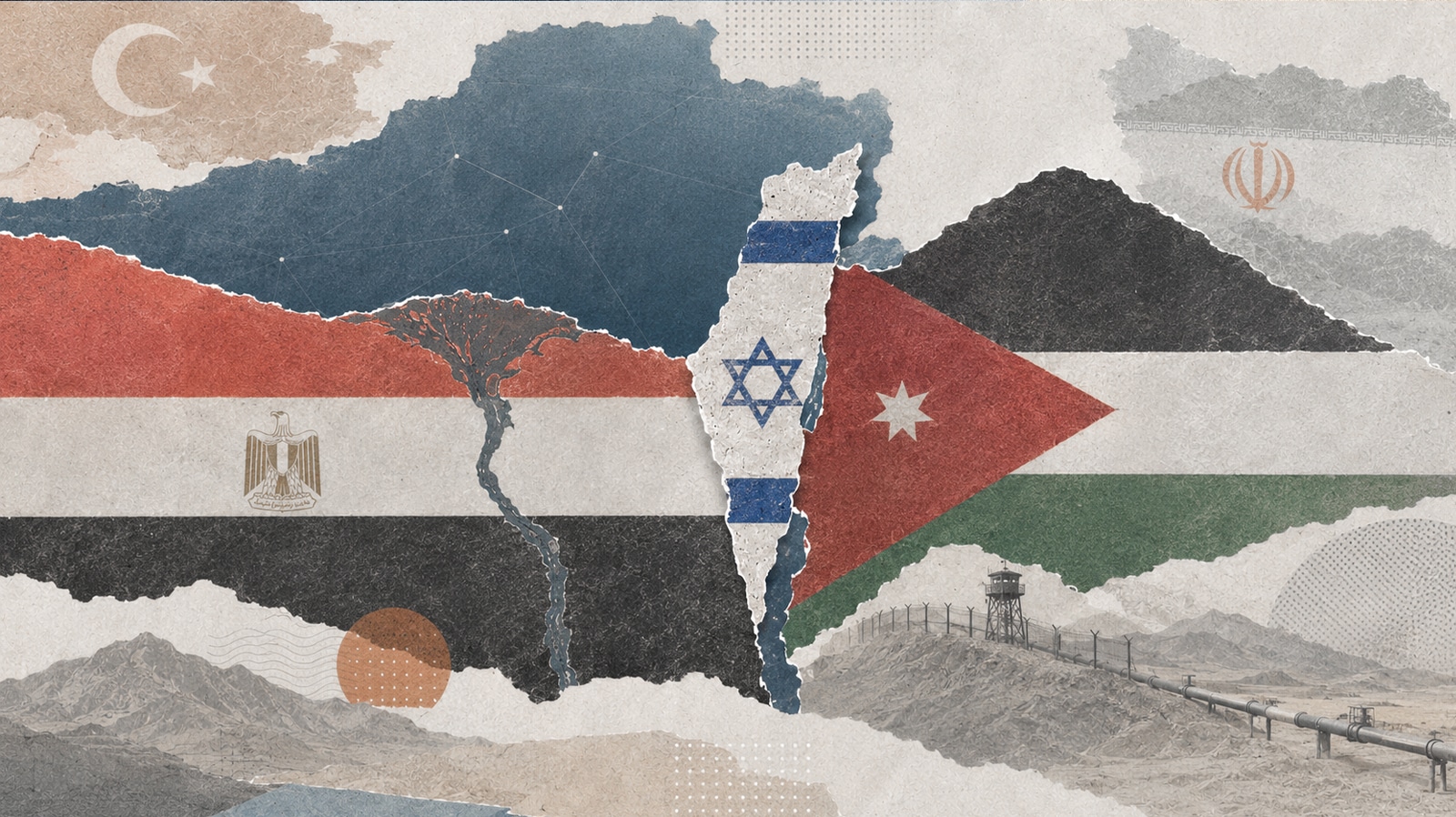
As the emerging Mecca alliance and other regional pressures complicate Israel’s ties with its longstanding peace partners, enduring security, economic, and strategic…
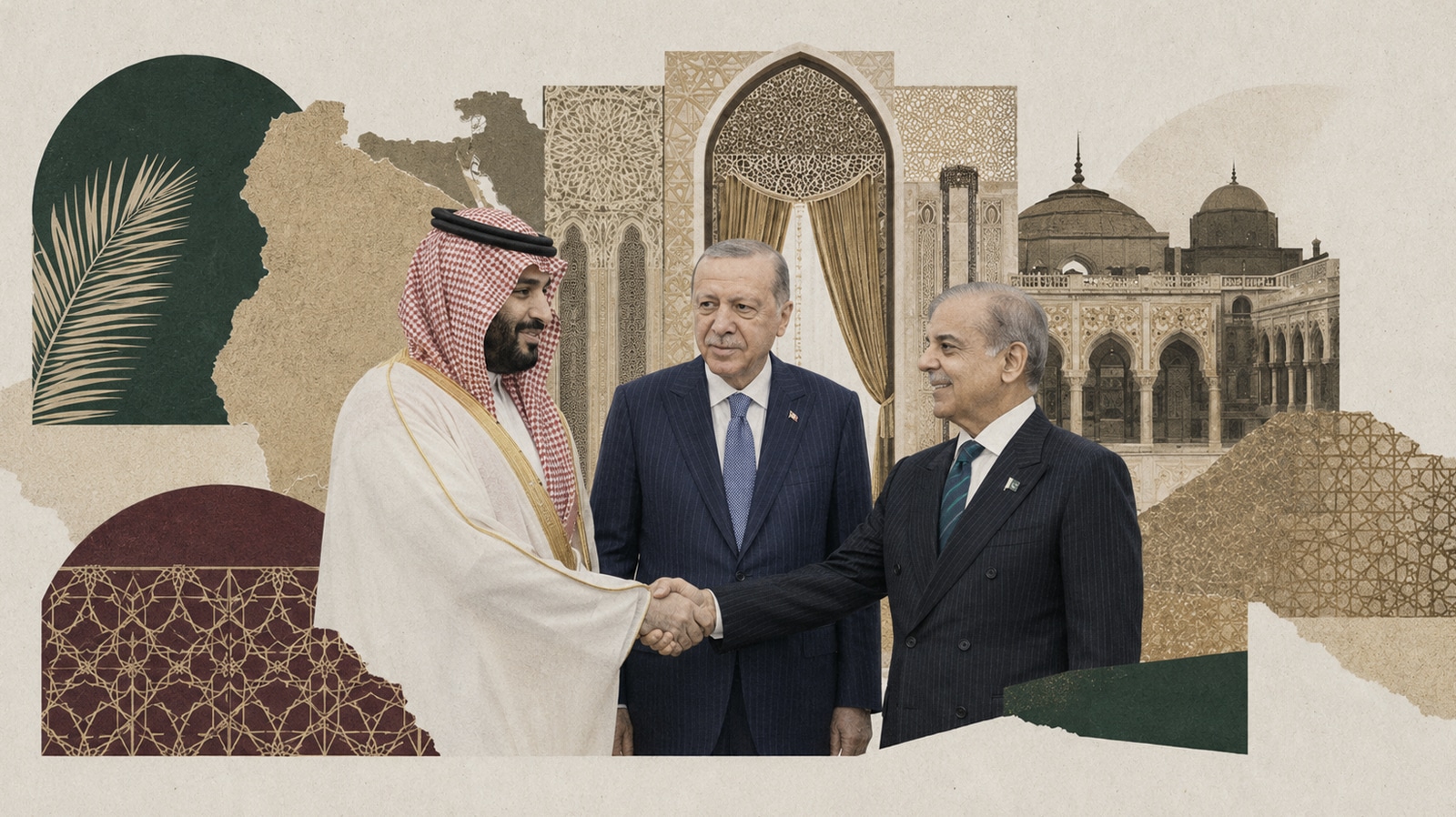
The emerging Saudi-Turkish-Pakistani alignment may prove less cohesive in practice than its mutual-defense commitments suggest. But it reflects declining confidence in the…
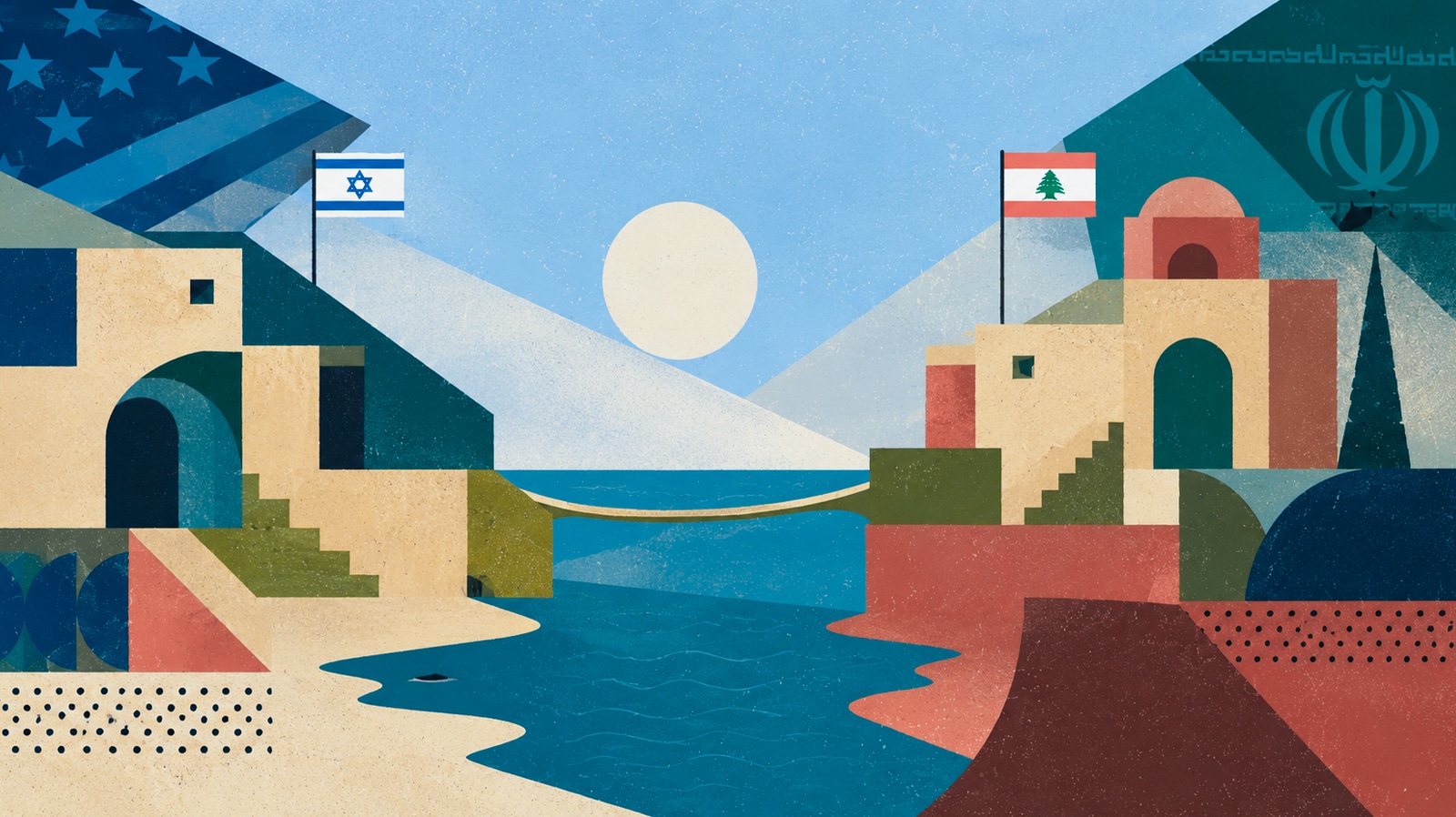
The memorandum envisions Lebanese recognition of Israel, accepts in principle the disarmament of Hezbollah, and creates a phased mechanism for testing Lebanese…
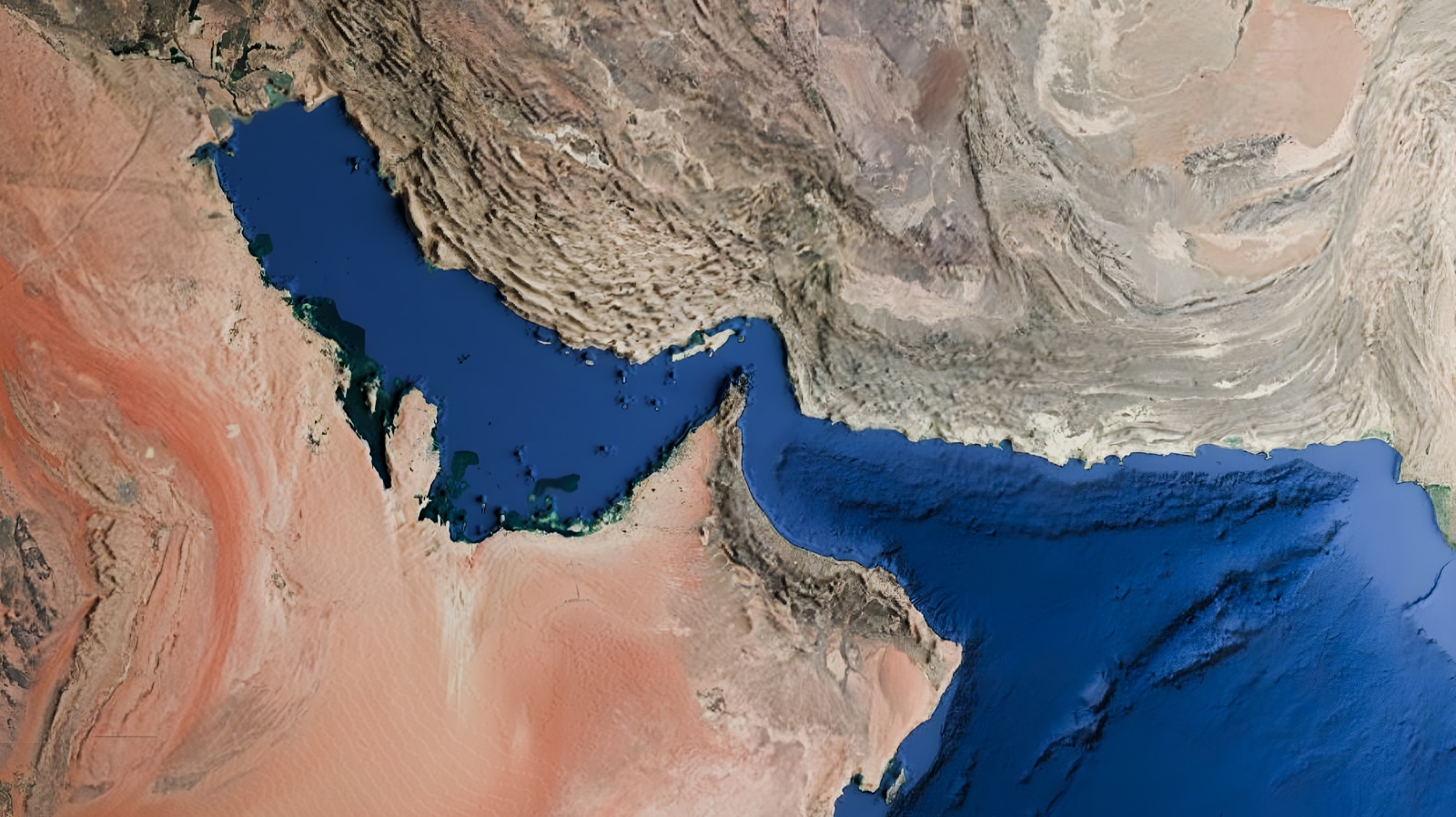
Tehran has concluded that pressure through Hormuz can compel Washington to extract concessions from Israel, first in Lebanon and then across the…
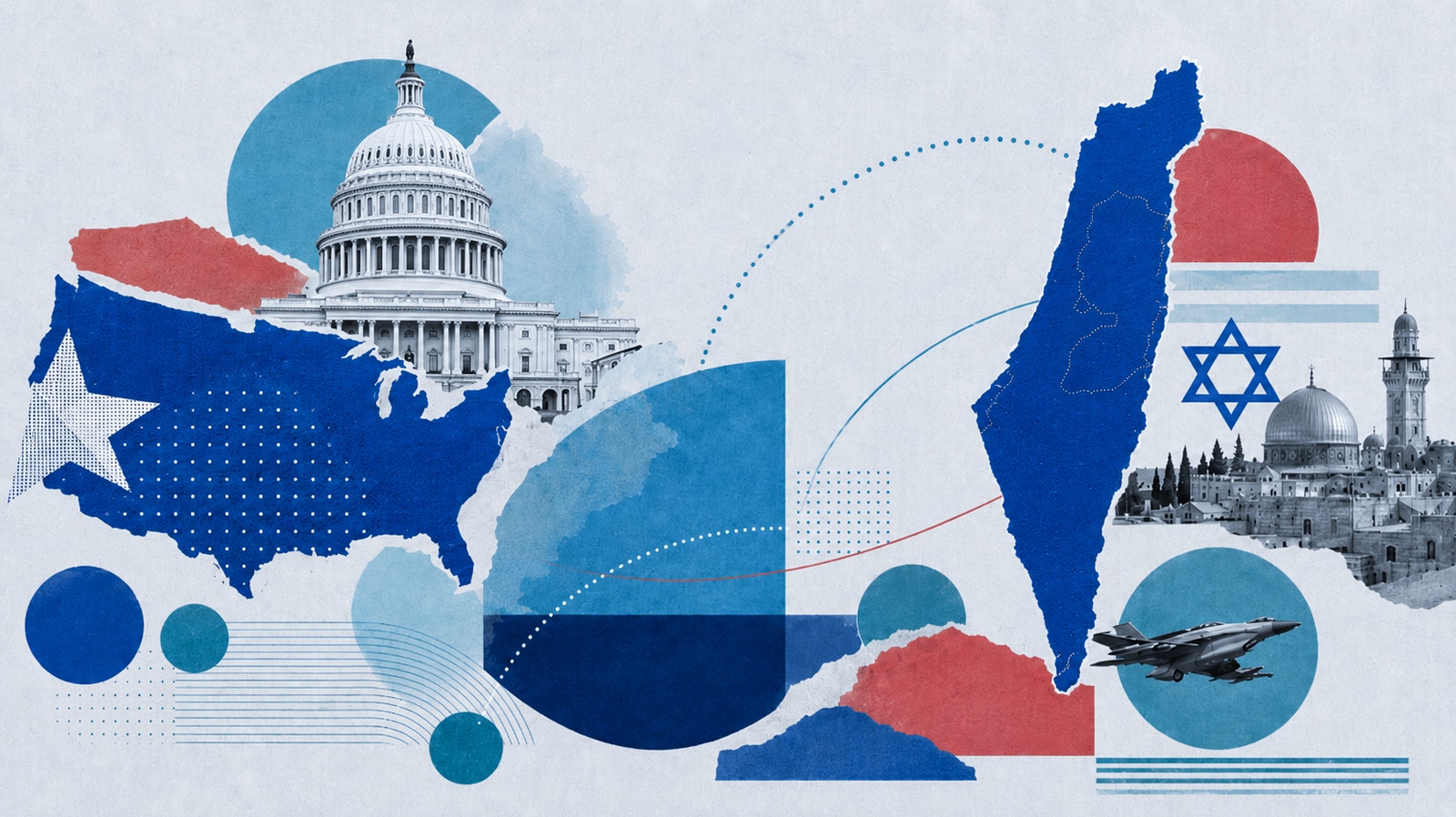
The 2026 midterms could bring Democrats back to power in Congress, making the party’s internal battle over Israel – as demonstrated by…
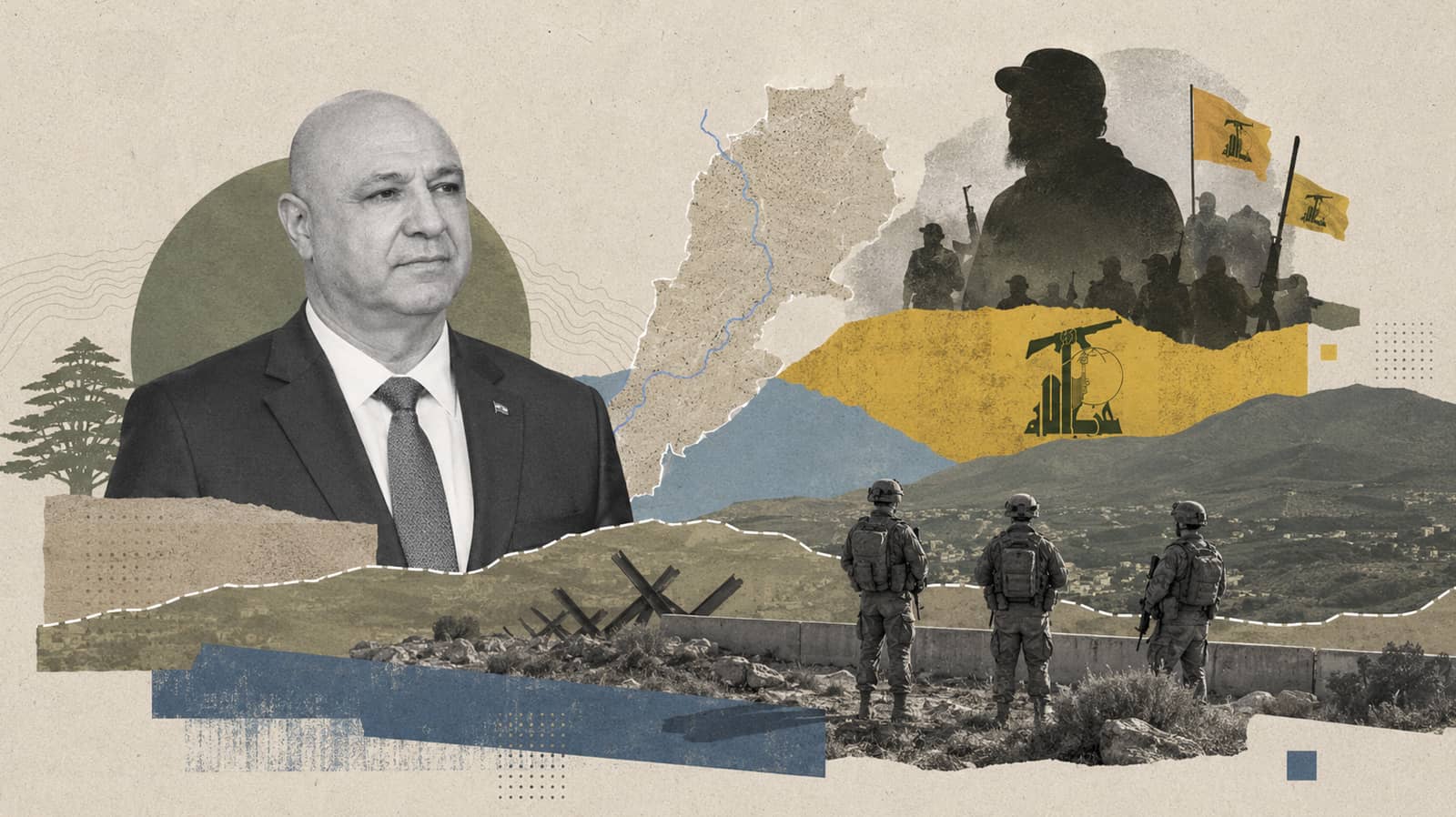
Israel’s current Lebanon policy rests on two parallel tracks that are being pursued under the absurd reality of what is effectively a…
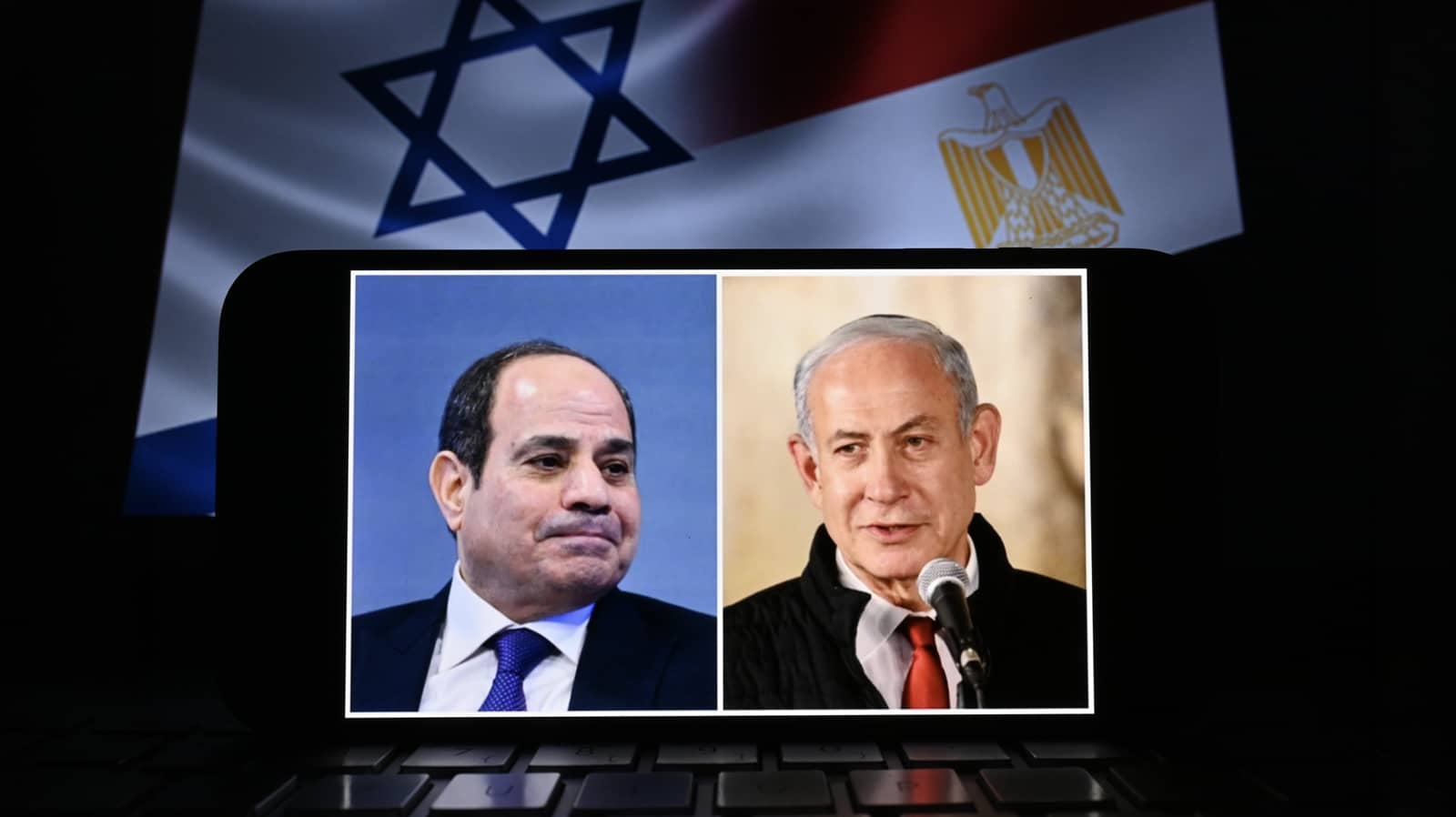
Egypt’s military buildup requires vigilance, but Israel should use shared interests on Iran, Hamas, energy, and the eastern Mediterranean to maintain stable…
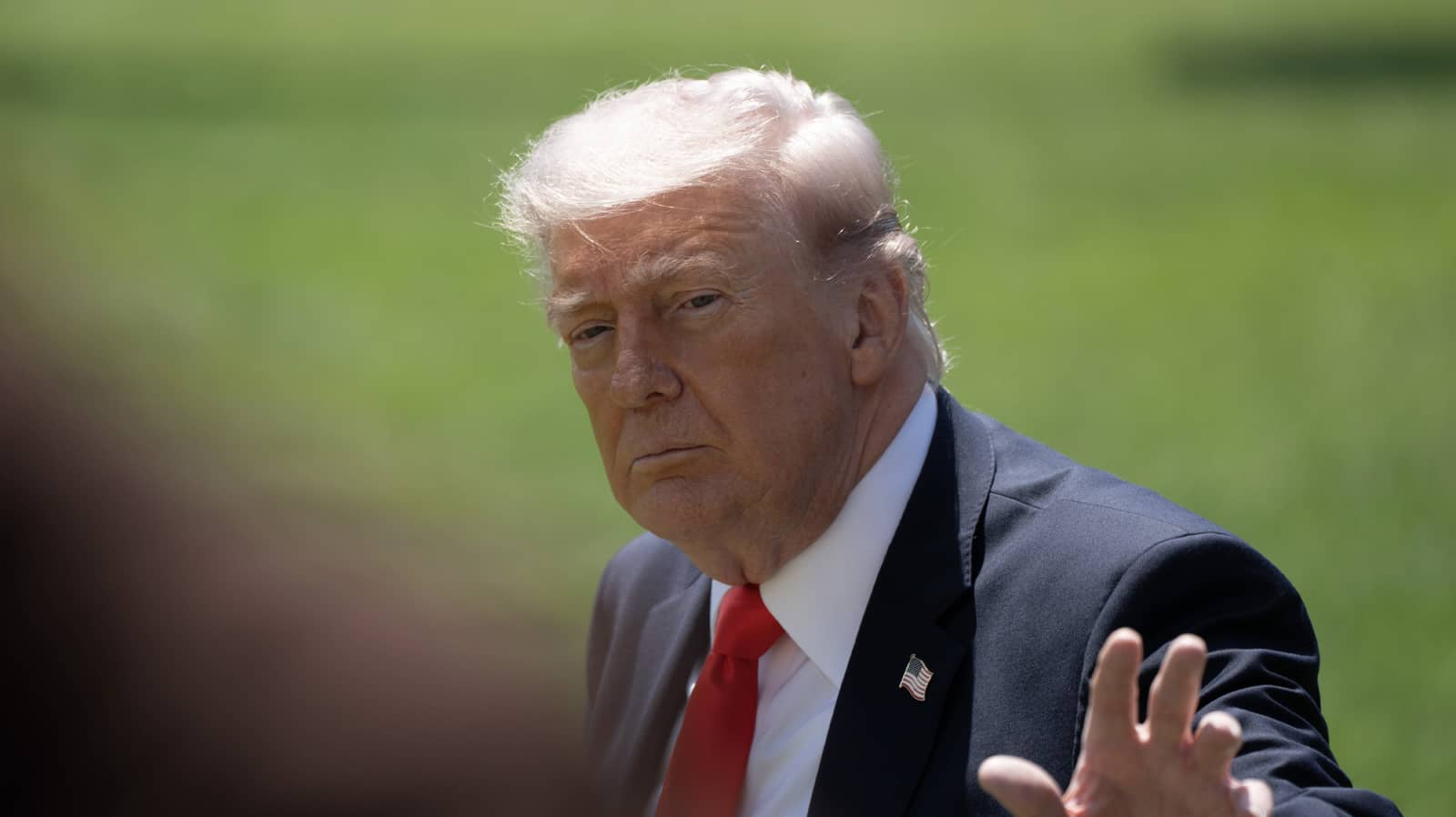
The Trump administration has clearly demonstrated that it is prepared to use military force against Iran and elsewhere. It also shares Israeli…
Despite worsening ties with the European Union and the United Kingdom, Europe remains a vital economic and strategic arena for Israel
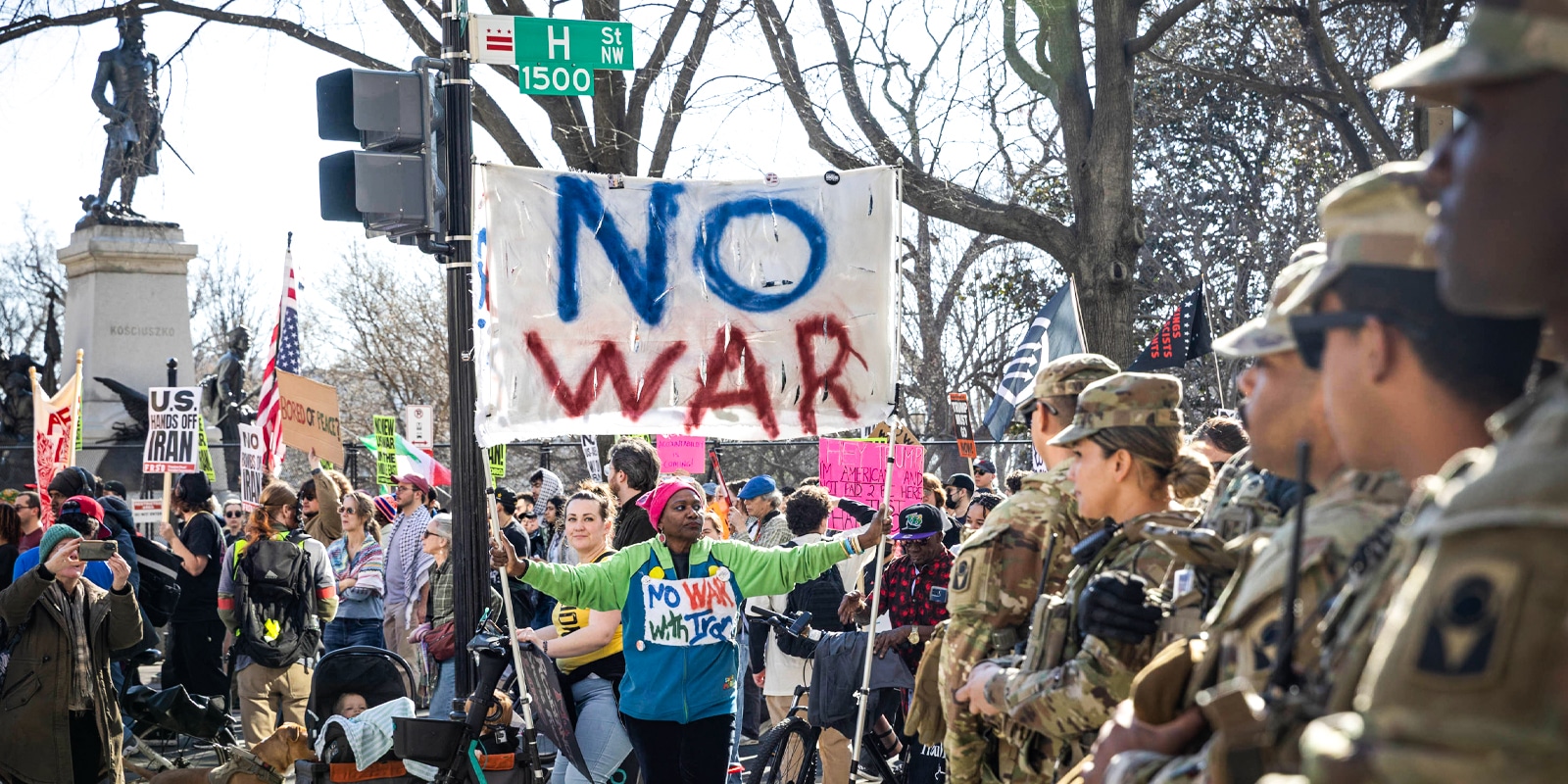
The Impact of the Iran war on Israel's standing in America
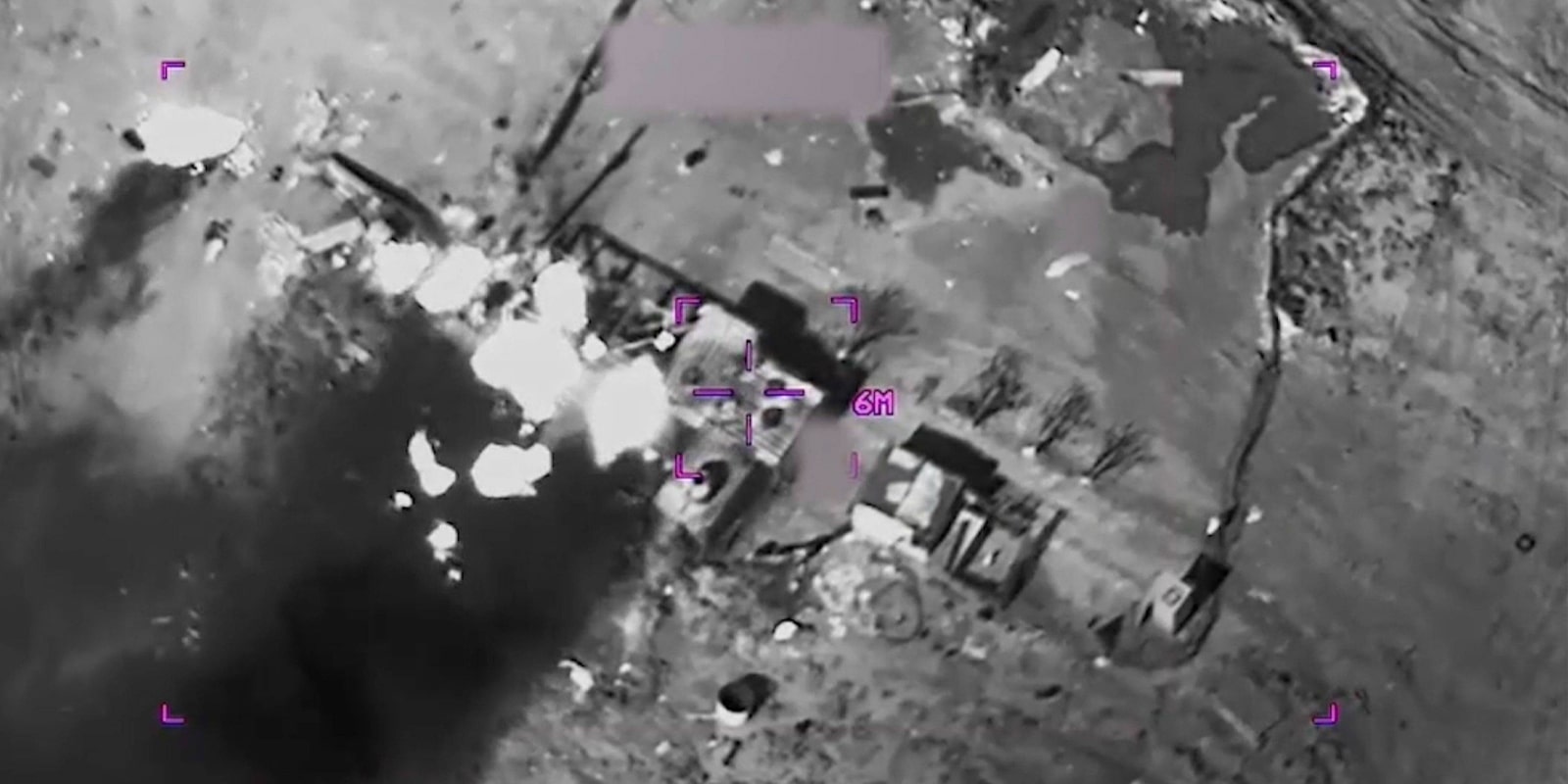
With regime collapse uncertain, the campaign’s success hinges on a narrower aim: dismantling Iran’s capacity to coerce the world through Hormuz and…
The collapse of the regime in Iran—which has become, in effect, the unchecked rule of the Islamic Revolutionary Guard Corps—is not a…
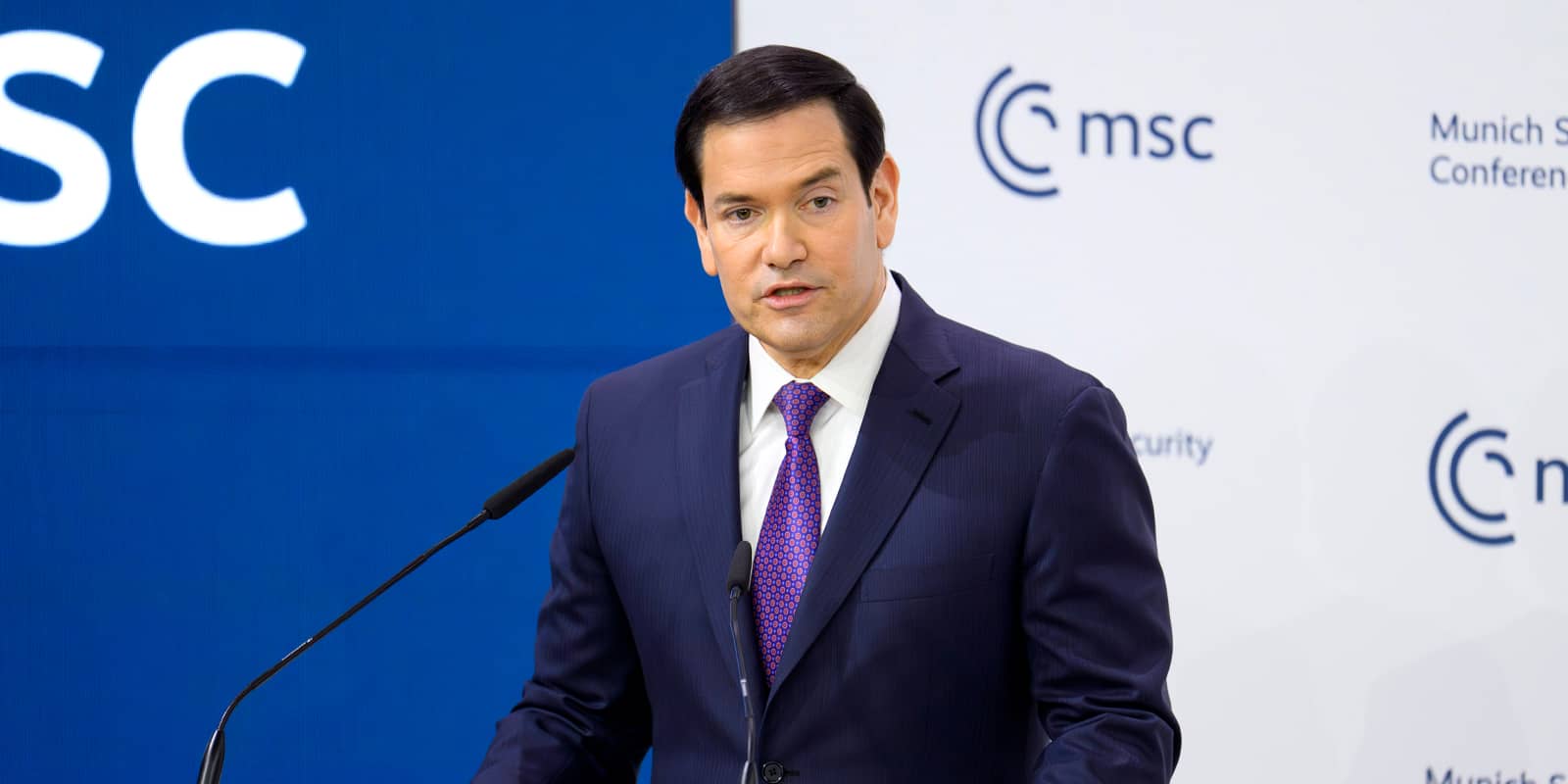
The Secretary of State’s Munich Security Conference address outlined a civilizational vision of the West that demands that Europe make major policy…
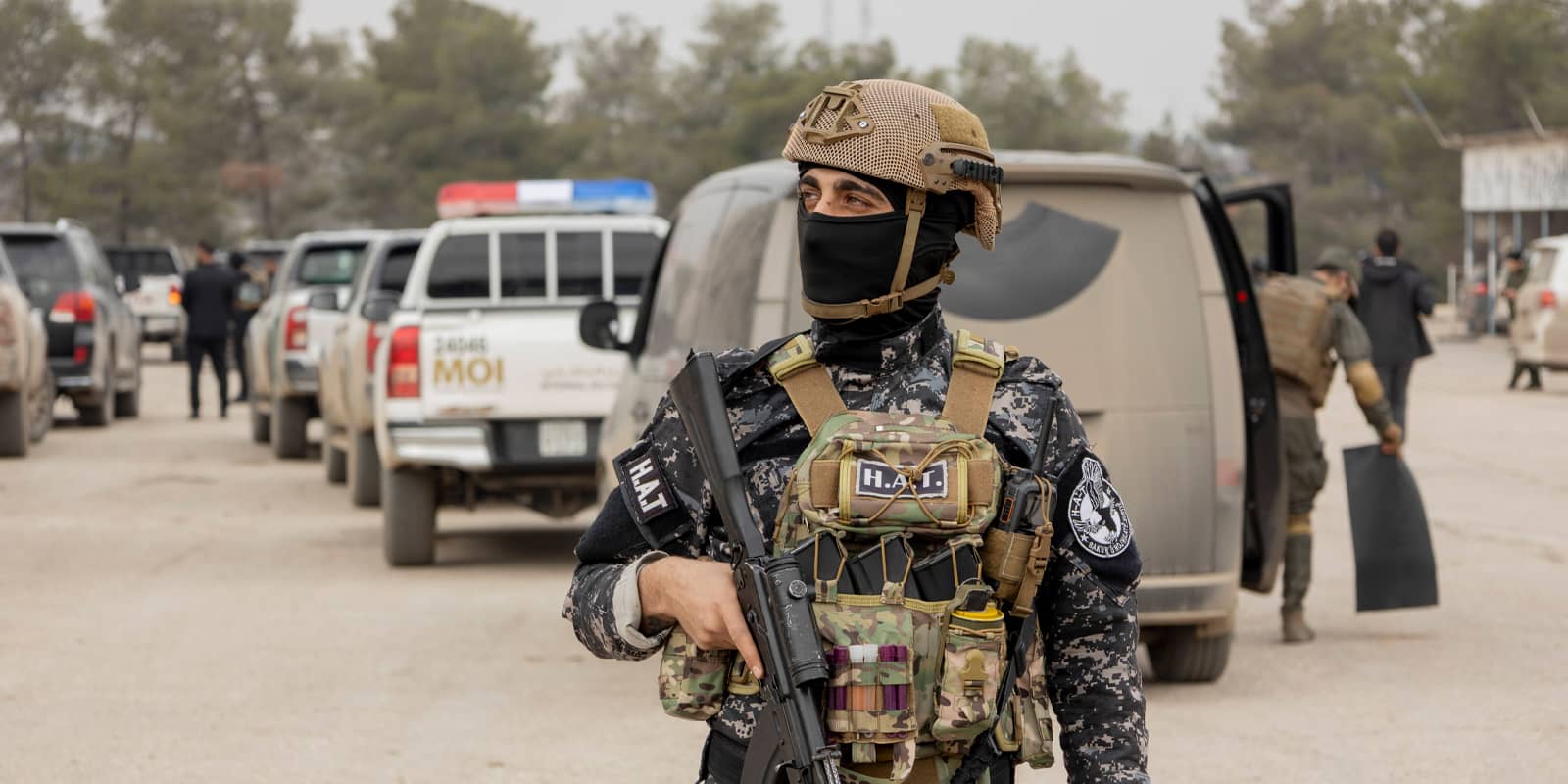
Following the agreement between the al-Sharaa regime and the Kurds, the consolidation of Turkish influence in Syria presents strategic dilemmas for Israel

The 10th trilateral summit bringing together Prime Minister Kyriakos Mitsotakis of Greece, President Nikos Christodoulides of Cyprus, and Prime Minister Benjamin Netanyahu…
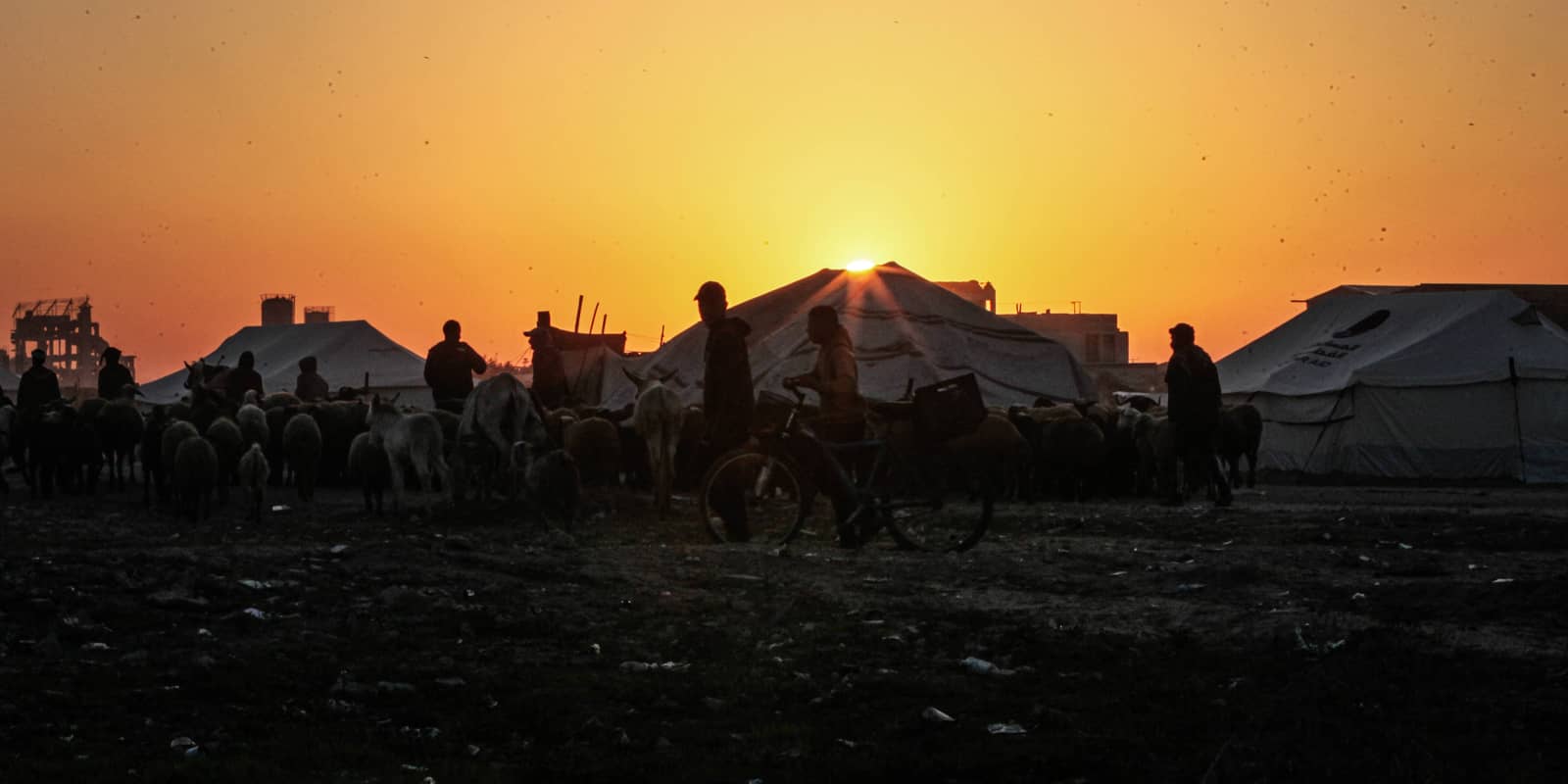
The emerging postwar framework presents four alternative courses: maintaining the status quo, decisive military action to dismantle Hamas, building a “New Gaza”…

A generation after 9/11, assessing the global struggle between radical Islam and the forces of stability—and the tasks that fall to Israel…
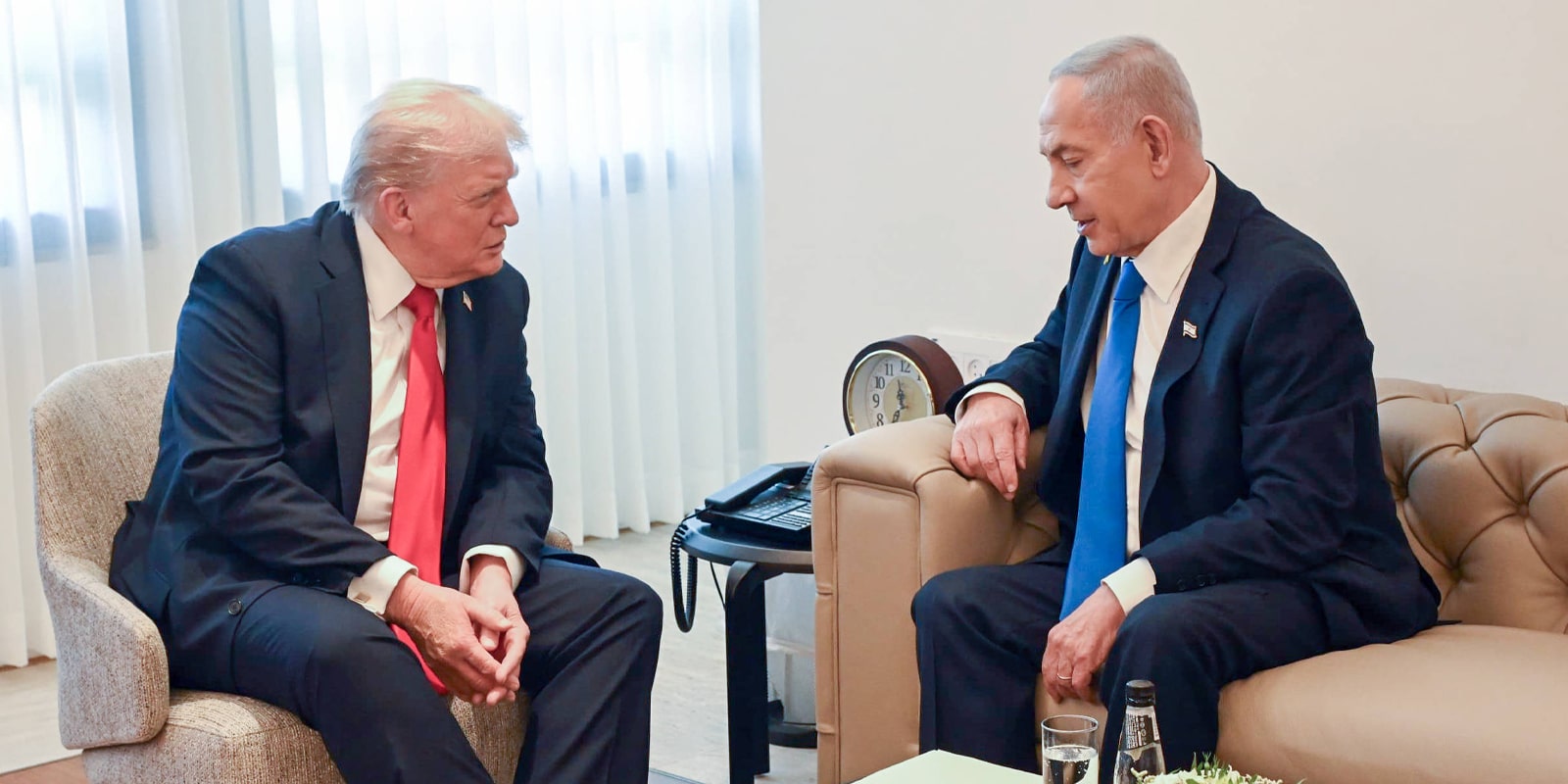
Focal Points for Elaborating on President Trump’s 20-Point Plan
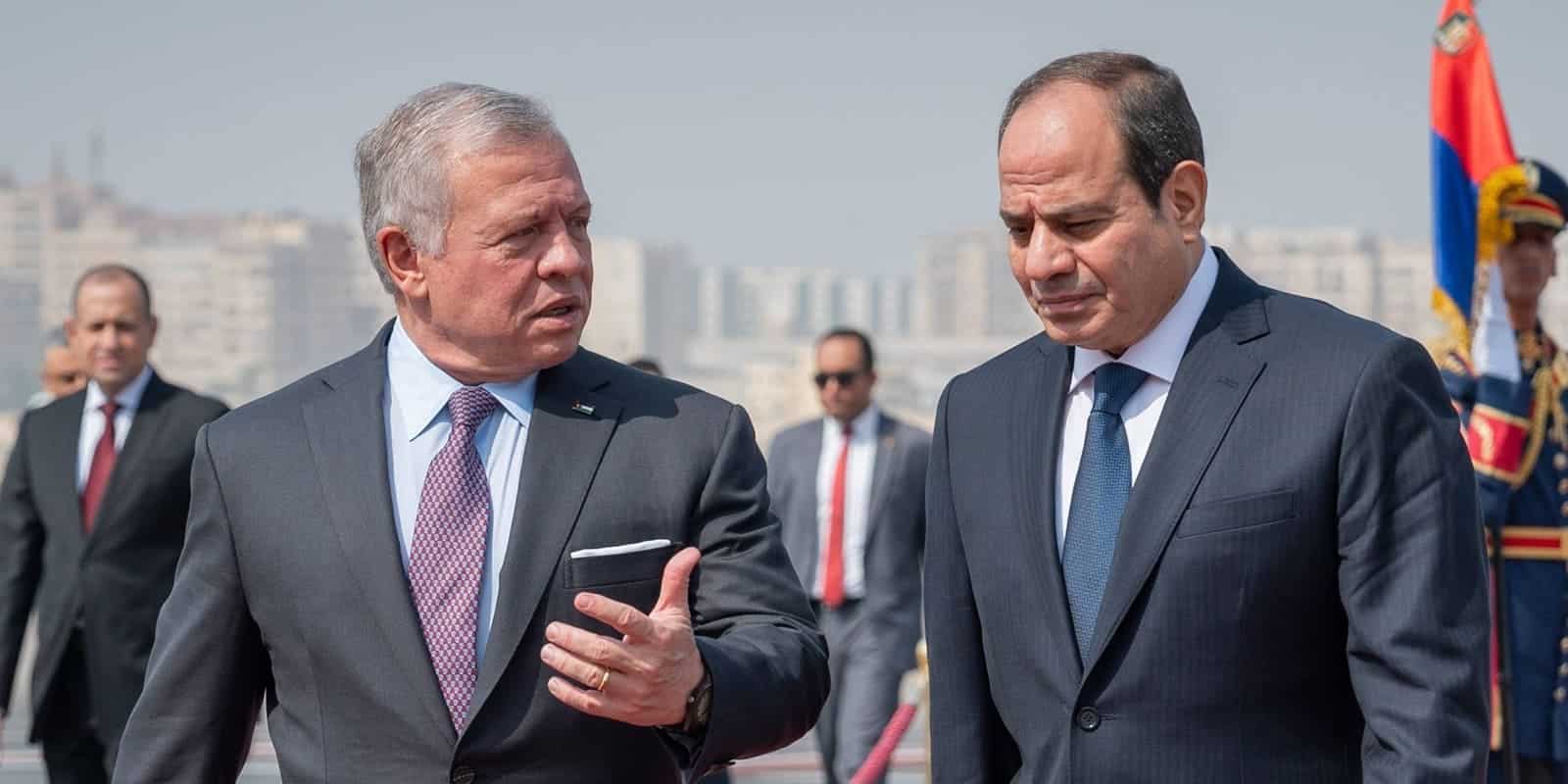
During the event in which he presented his initiative to end the war in Gaza, President Trump lavished praise on the rulers…
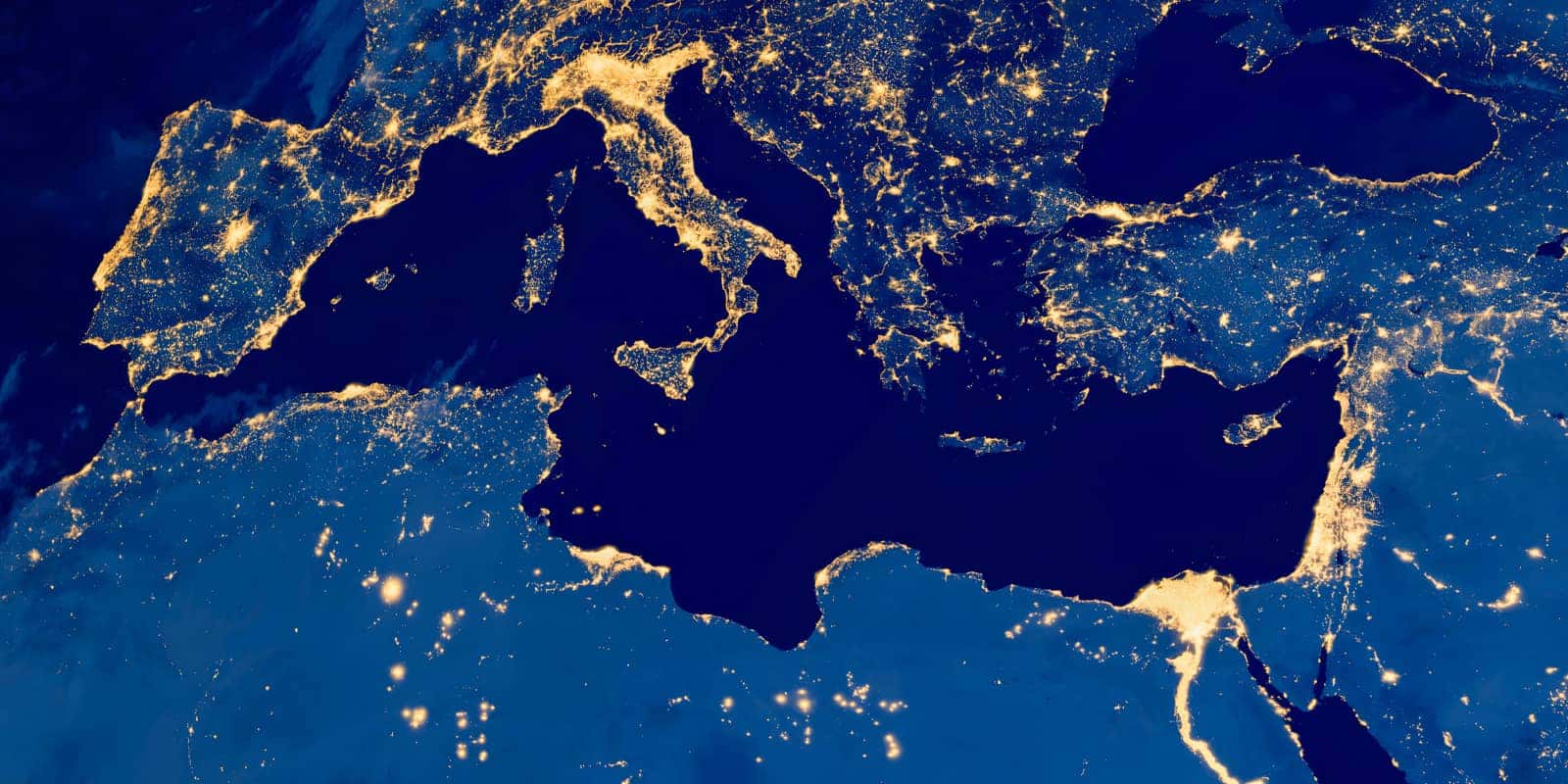
With Brussels reviving the Union for the Mediterranean, Israel cannot afford to stand aside; engagement is vital to prevent marginalization and secure…
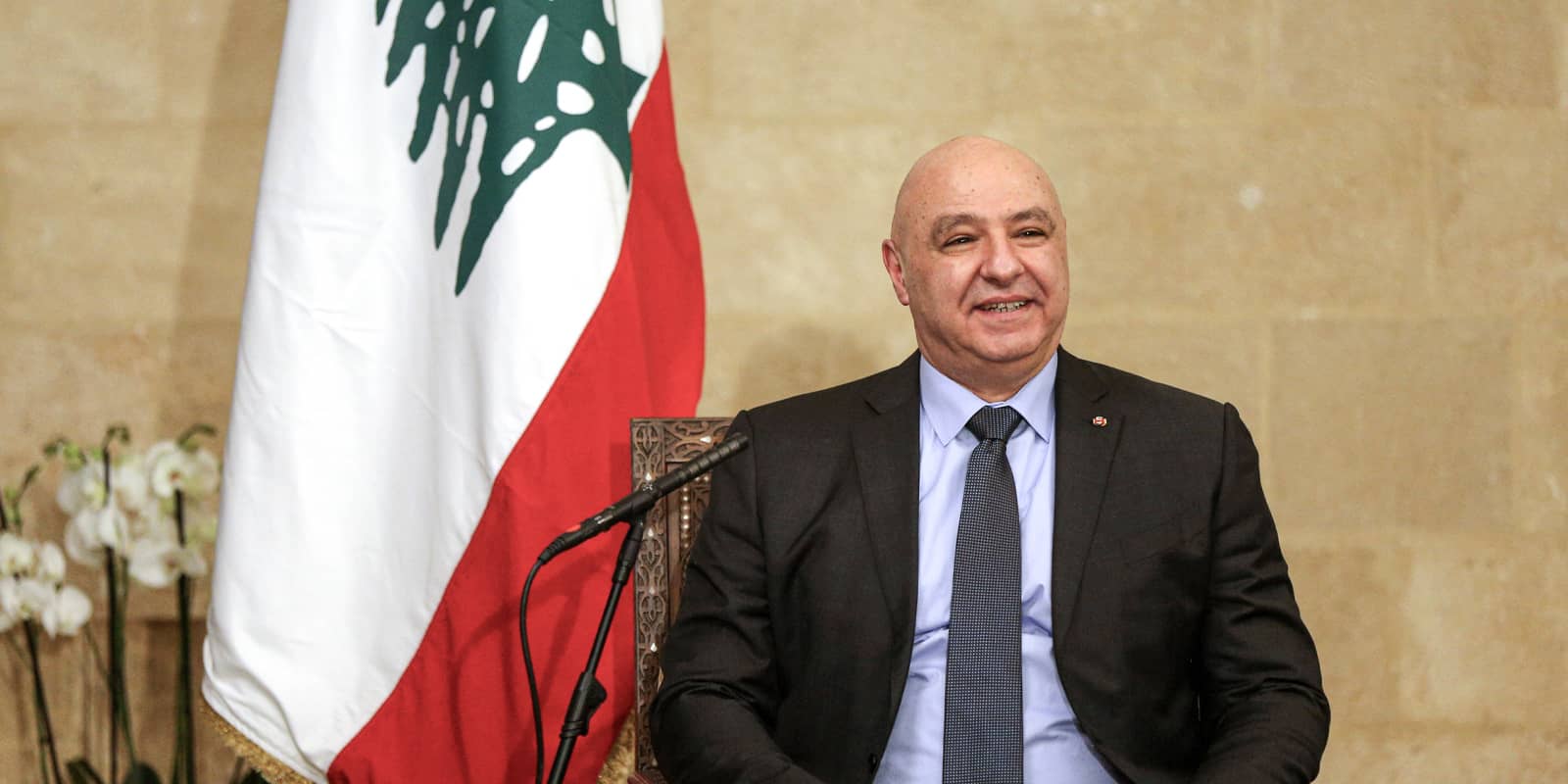
Israel Must Balance the Use of Force with Diplomatic Tools and Economic Incentives to Weaken Hezbollah and Empower the Lebanese State
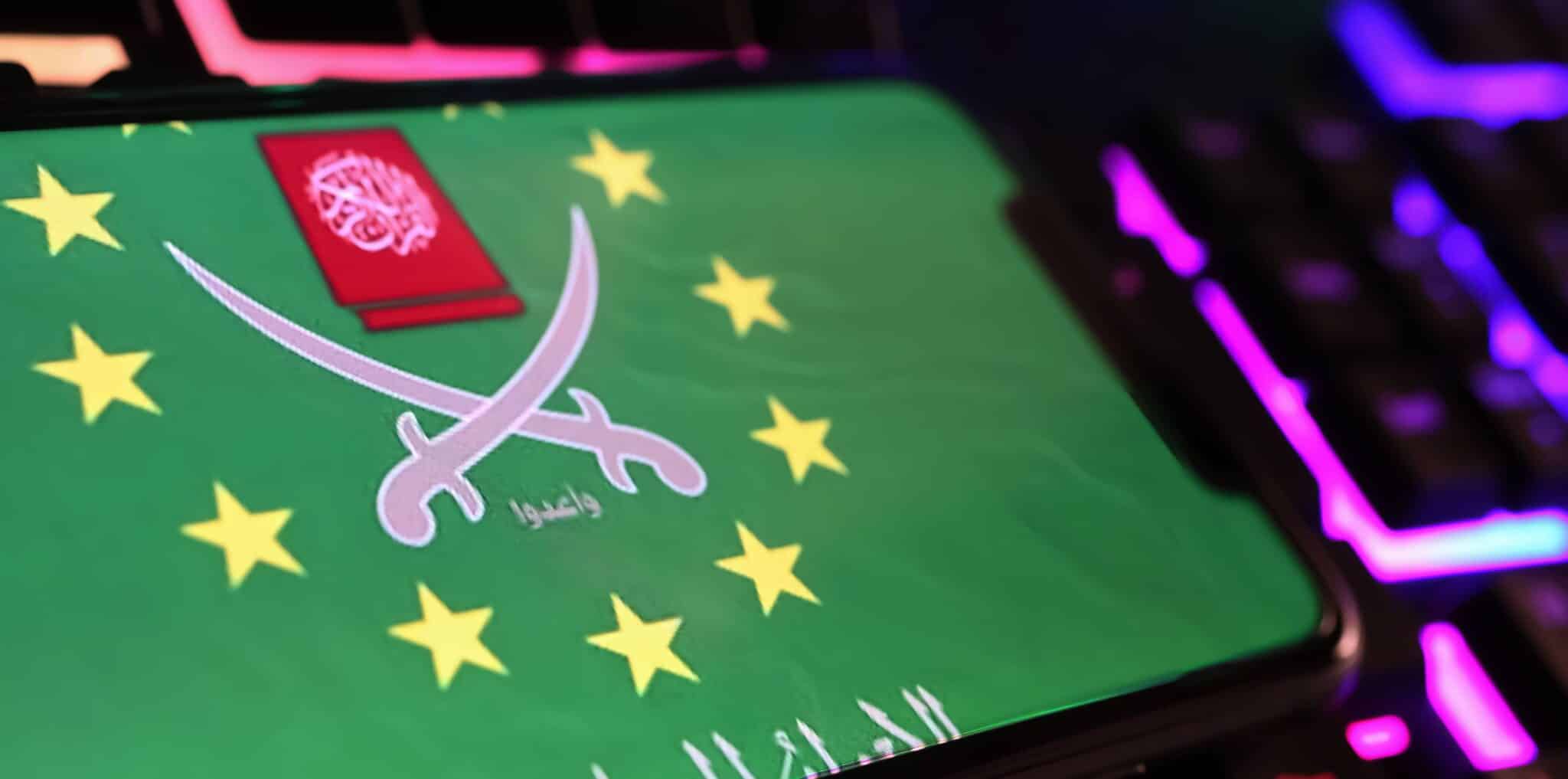
The ongoing developments in Syria — specifically the role still played by Islamist militias serving a regime backed by Turkey — have…

As the U.S. embraces a centralized Syrian regime, Israel must navigate conflicting American signals, Turkish ambitions, and Qatar’s growing influence—while safeguarding the…

The costs of failing to offer a coherent vision of what Prime Minister Netanyahu has called a "different future" for Gaza continue…

In the wake of “Operation Sindoor,” India’s growing presence in the Eastern Mediterranean is taking on new strategic importance—presenting fresh opportunities for…

The “regional dimension” will be back on the agenda in Washington as the focus switches from existential threats to opportunities for reshaping…

The impressive results registered in the operation against Iran have ushered in a new political reality in the region. It is significant—both…

Can the Impact of the War be Translated into a Negotiated Outcome?

Given growing international pressure and the urgent need for a decisive outcome against Hamas in Gaza, it is now imperative for Israel…

Even if full normalization, as desirable as it may be, is not immediately on the horizon, Israel and Saudi Arabia should nonetheless…
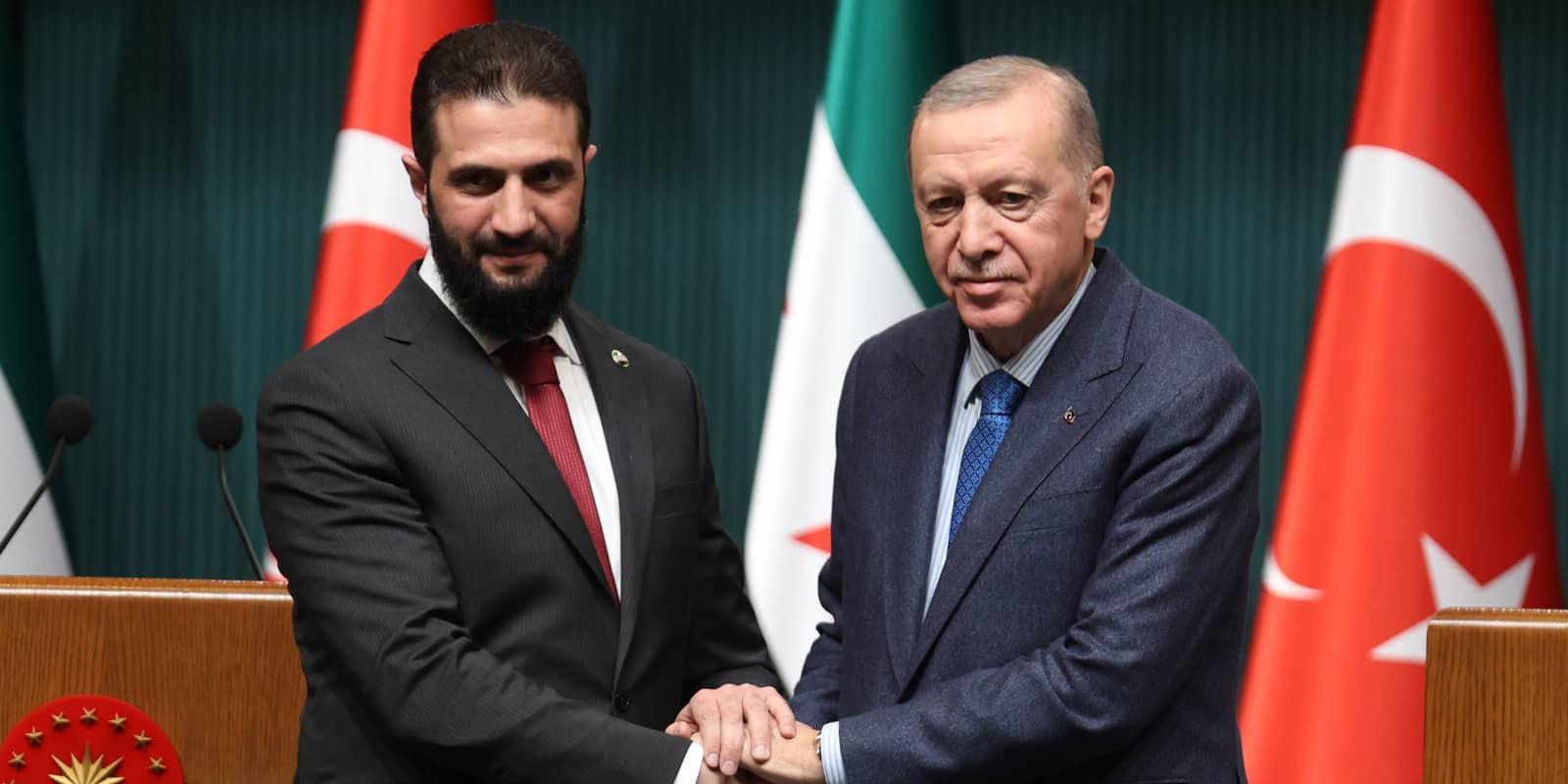
Israel’s strategy in Syria requires a delicate balance: bolstering security, supporting allies, countering Turkish expansion, and exploiting shifting dynamics to weaken Hezbollah
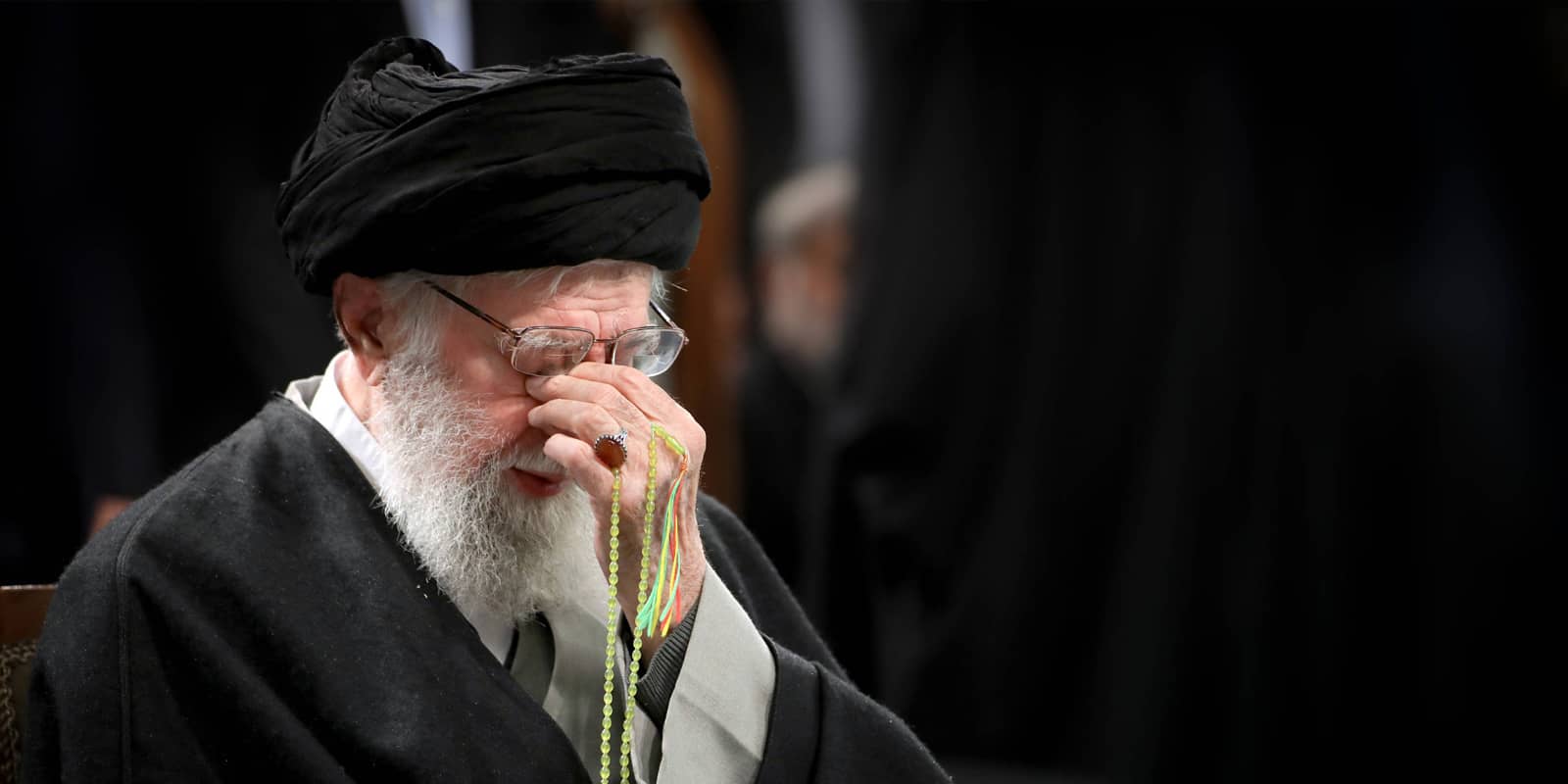
Pressure on the regime should be increased but cannot be relied upon to stop the nuclear project

The Trump administration's initiative to renew political dialogue with Russia, while disregarding the concerns of European allies, represents yet another dynamic and…
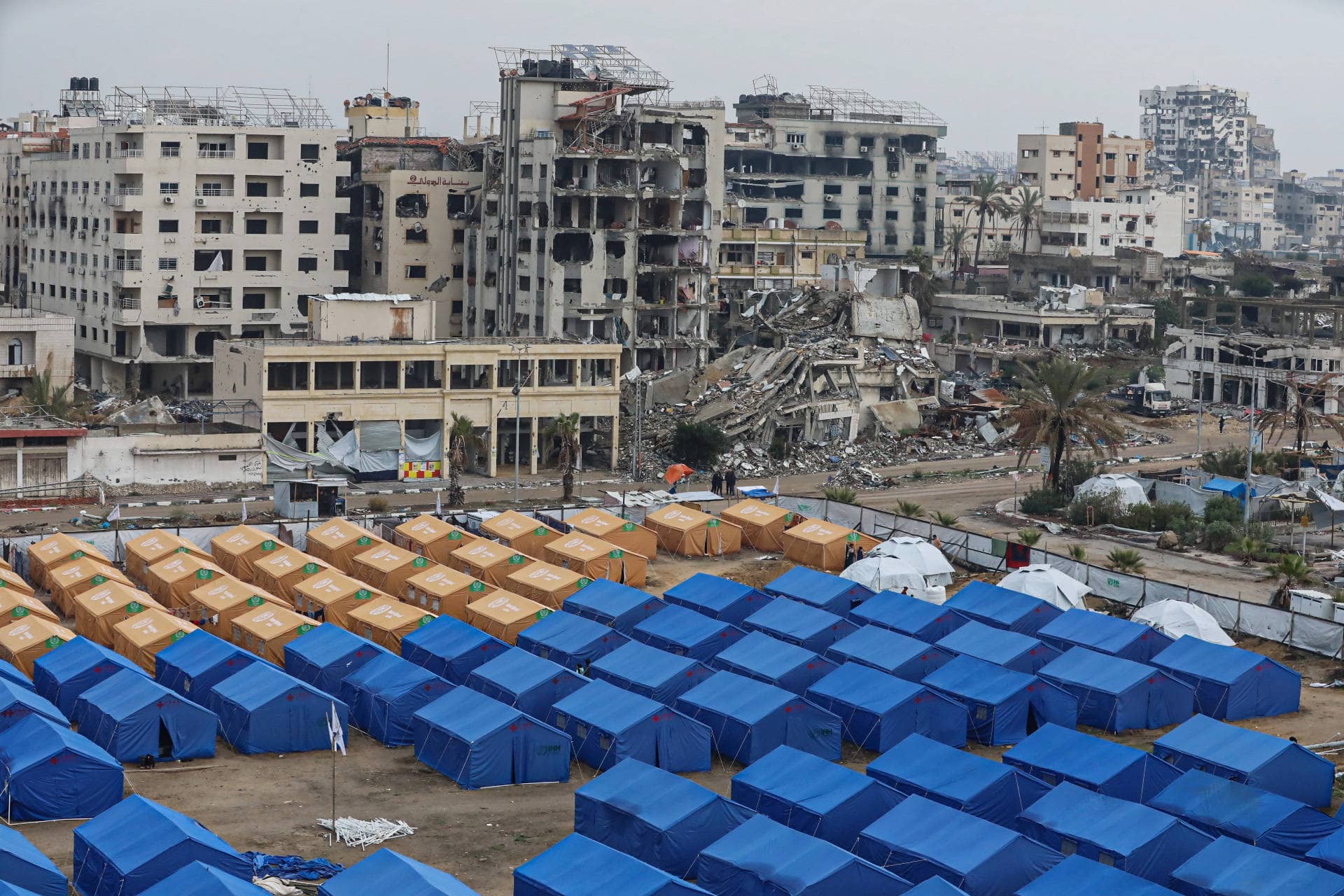
The turmoil caused by President Donald Trump's statements regarding the future of Gaza – which include the eviction of its population, American…
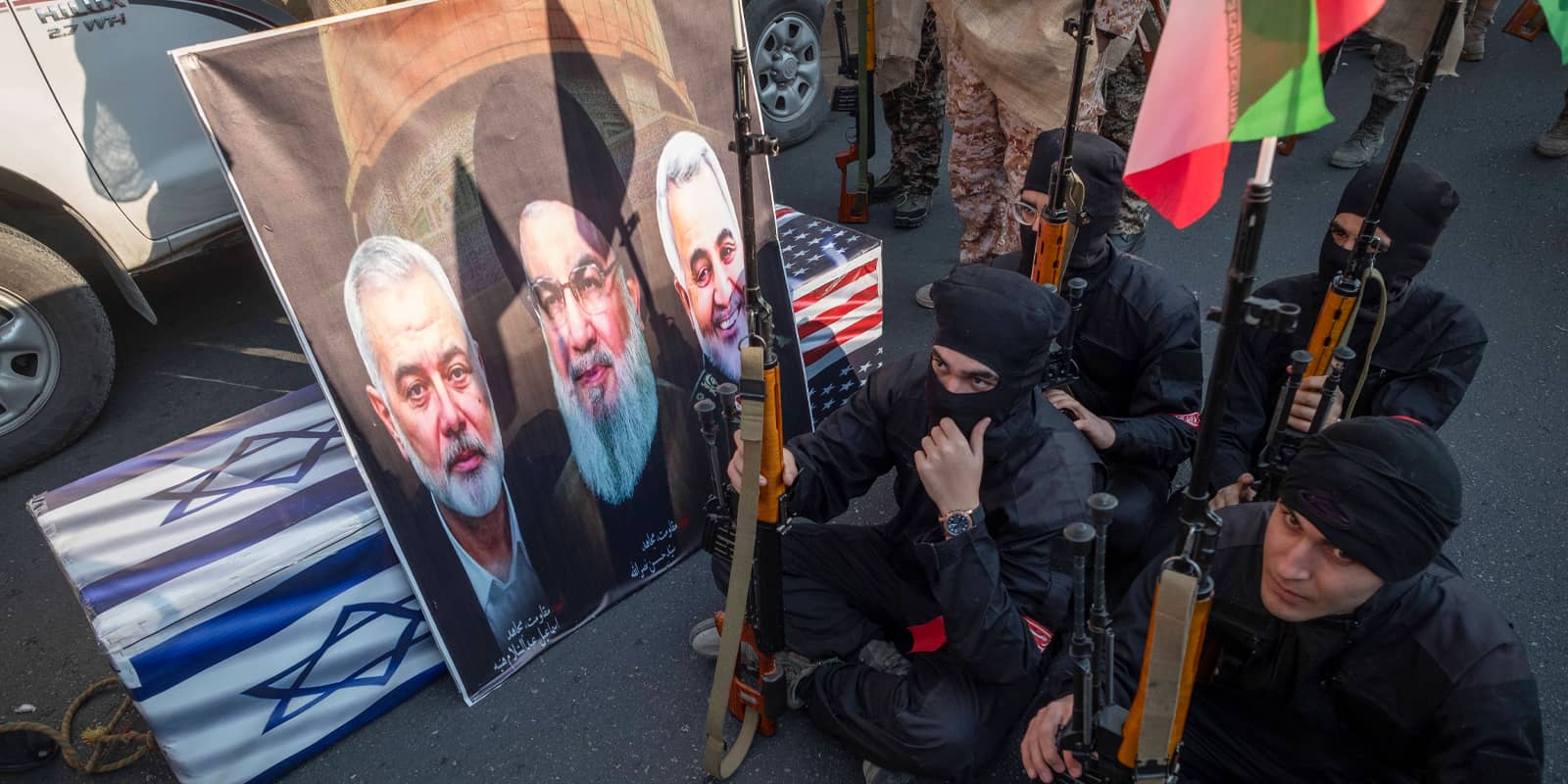
President Donald Trump, his key foreign policy and national security officials, as well as the U.S. military establishment --which constitutes an element…
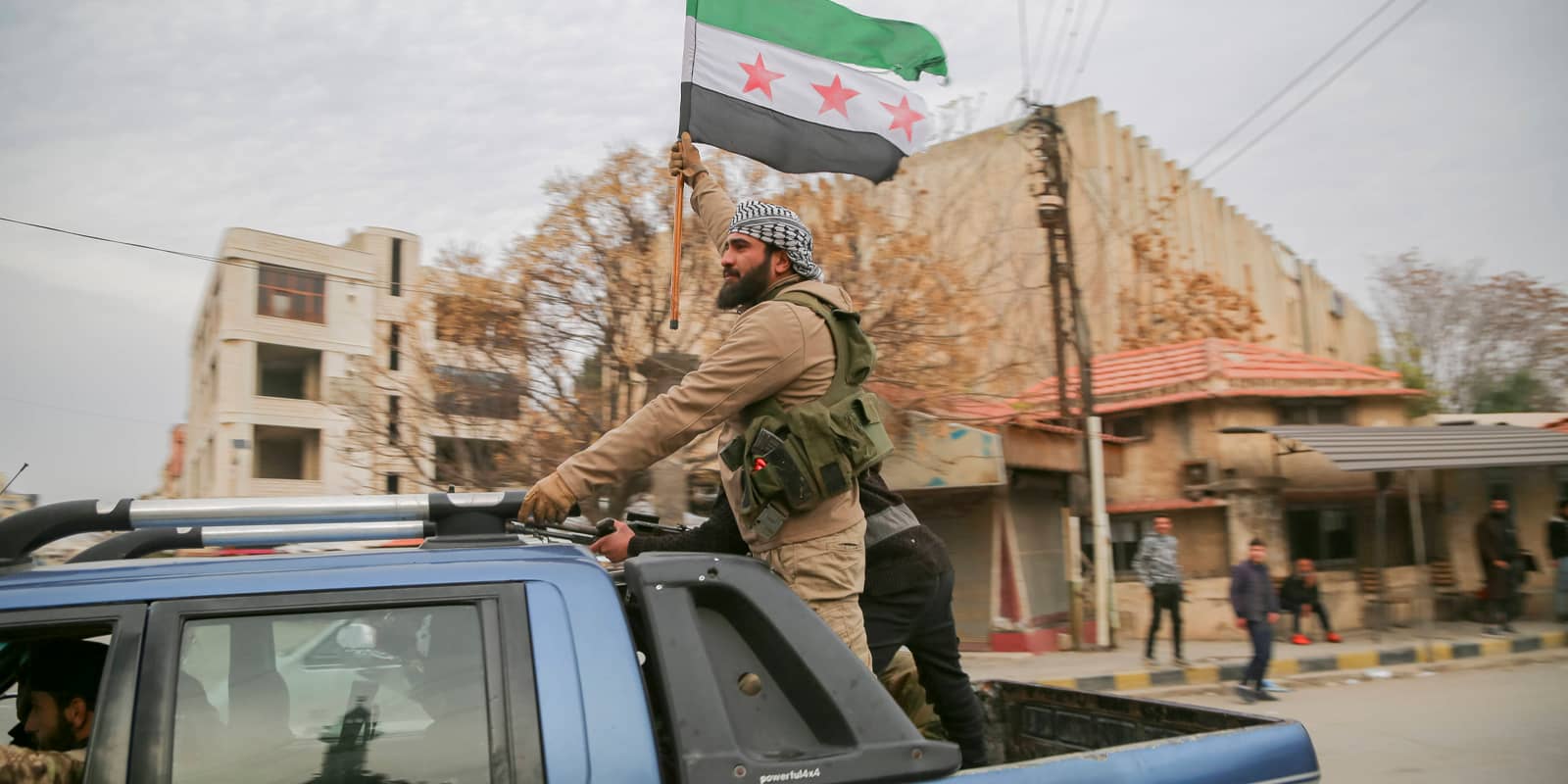
The collapse of the Assad regime weakens Iran and the CRINK Axis, but Islamist radicalism and rising Turkish influence demand Israel’s military…
The ceasefire that went into effect in the early hours of November 27, 2024, must mark the beginning of the effort to…
Has the concept of deterrence, long a cornerstone of Israel's defense doctrine, been rendered largely irrelevant? Do the lessons of the war…
Since October 7, the Biden administration has talked tough on Iran and its proxies, however its actions have been constrained by domestic…
Hassan Nasrallah's threats to broaden the scope of the war serve as a reminder of the importance of Israel’s sea lanes of…
Nearly a year has passed since Hezbollah initiated a mid-intensity conflict with Israel, ostensibly to "support" Hamas in Gaza (a goal it…
Executive Summary As its remarkable history indicates, the relationship between Morocco and Israel is unlike any other in the region. Even in…
Against the background of Hamas' ongoing war with Israel (and the expressions of support for it among Palestinians and Islamists in Jordan),…
As the Arab world fell apart after 2011, one way to navigate the new realities in the region was through the identification…
Iran's assault on Israel changed the rules of the regional game – but as Israel's measured response indicates, it is not yet…
Some Israelis fear US plans to build an off-shore pier to deliver humanitarian aid to Gaza could interfere with Israel’s war objectives.…
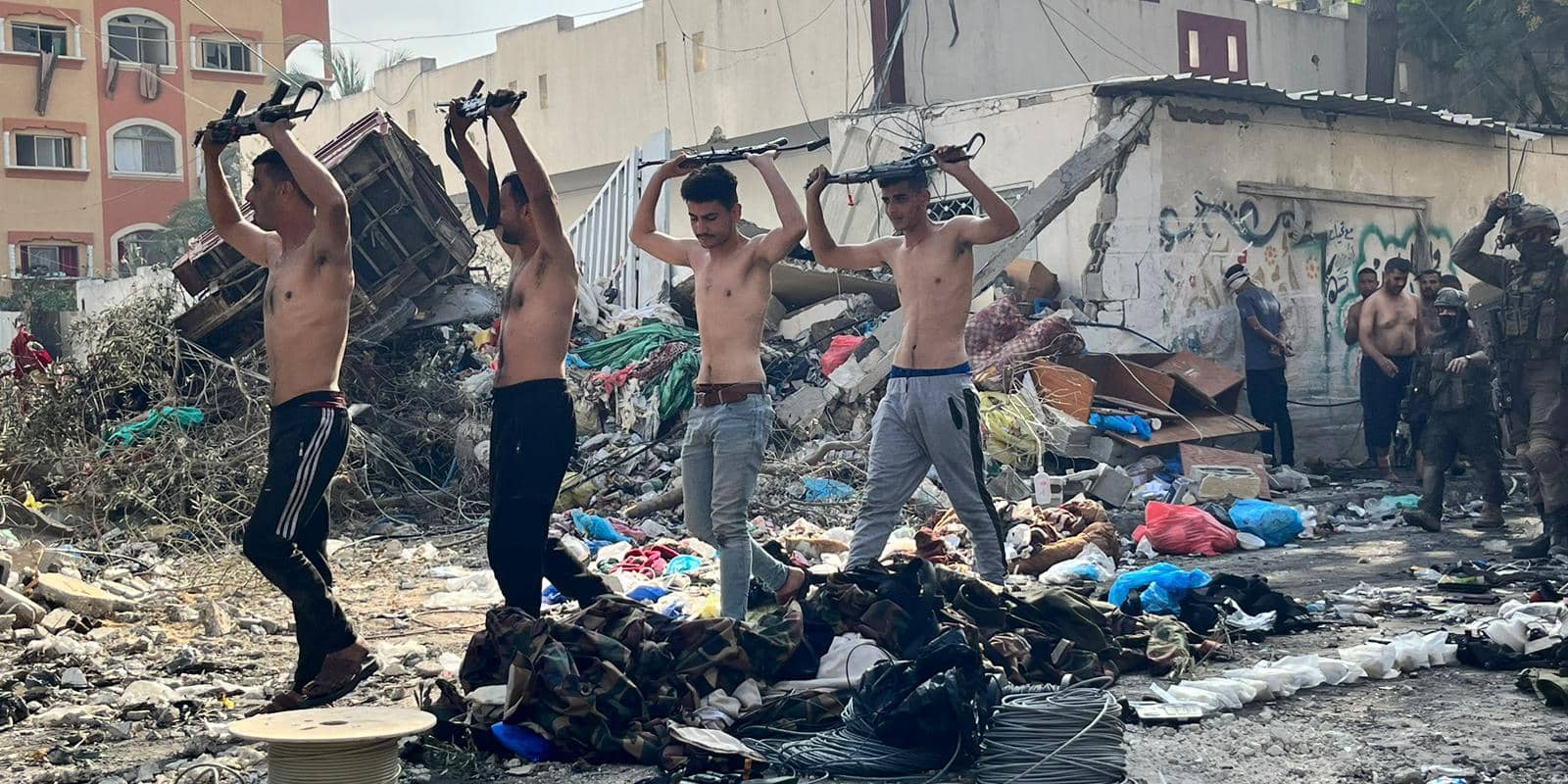
Beyond the intelligence value obtained and the possible leverage for the release of Israeli hostages, the symbolic signal sent by images of…
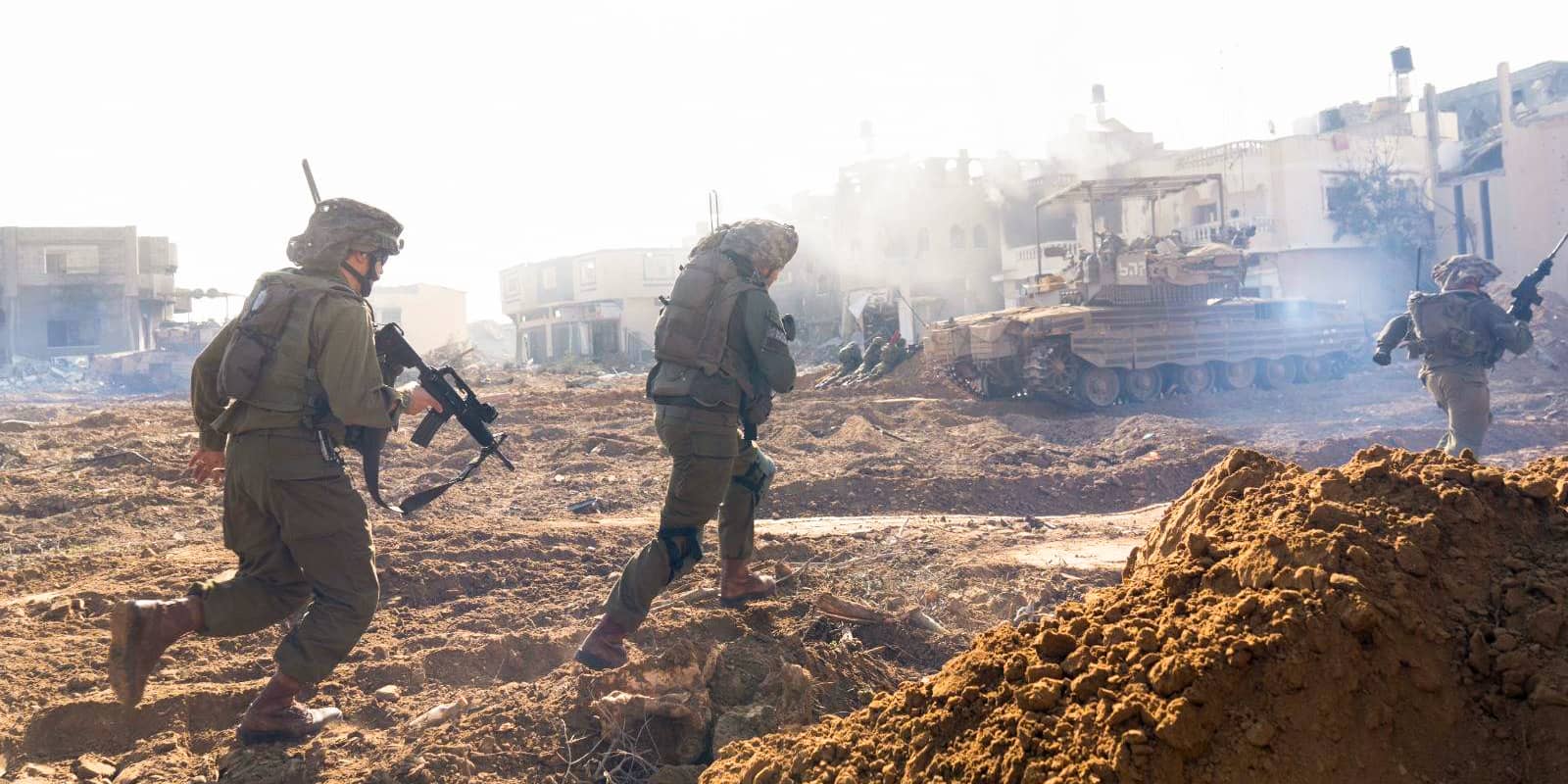
The hostage situation is of utmost importance and must be handled with sensitivity. Creativity, daring and flexibility are required to gain their…
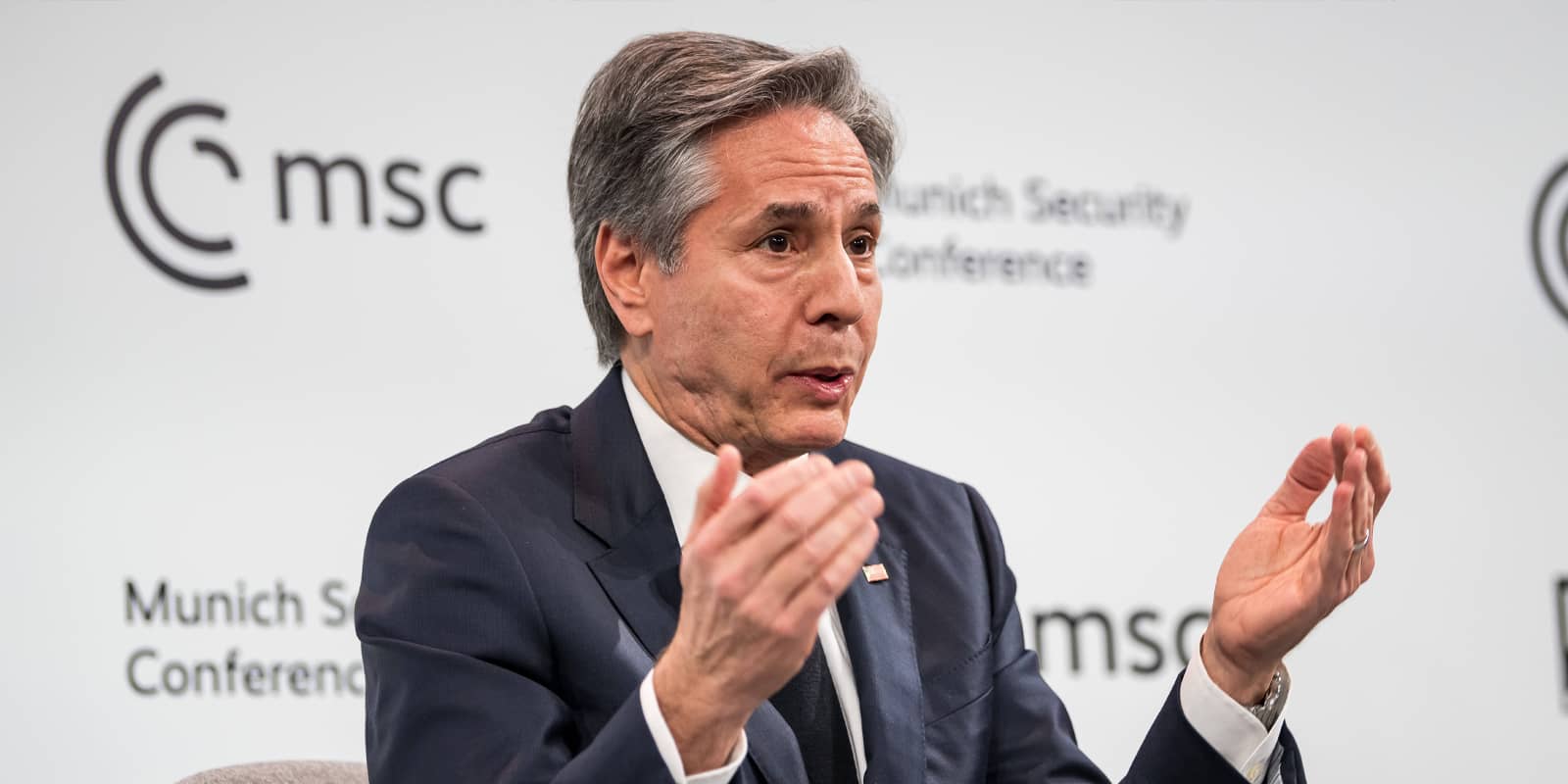
Without real action against Iran and its proxies, few if any in the region would feel safe signing on to the well-meant…
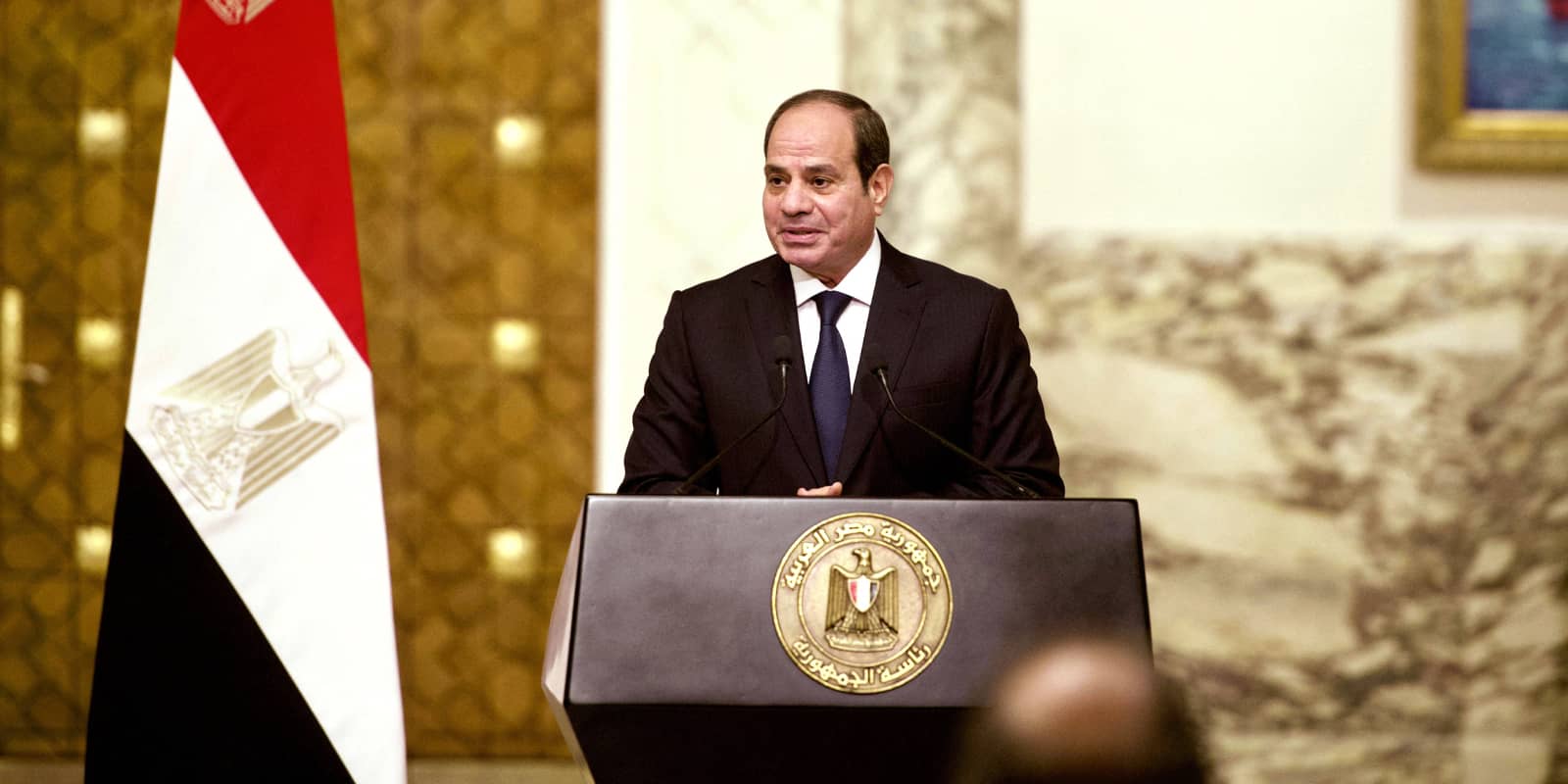
Egyptian President Abdel Fattah El-Sisi won a fully expected victory in the December 2023 elections for another term – with some 90%…
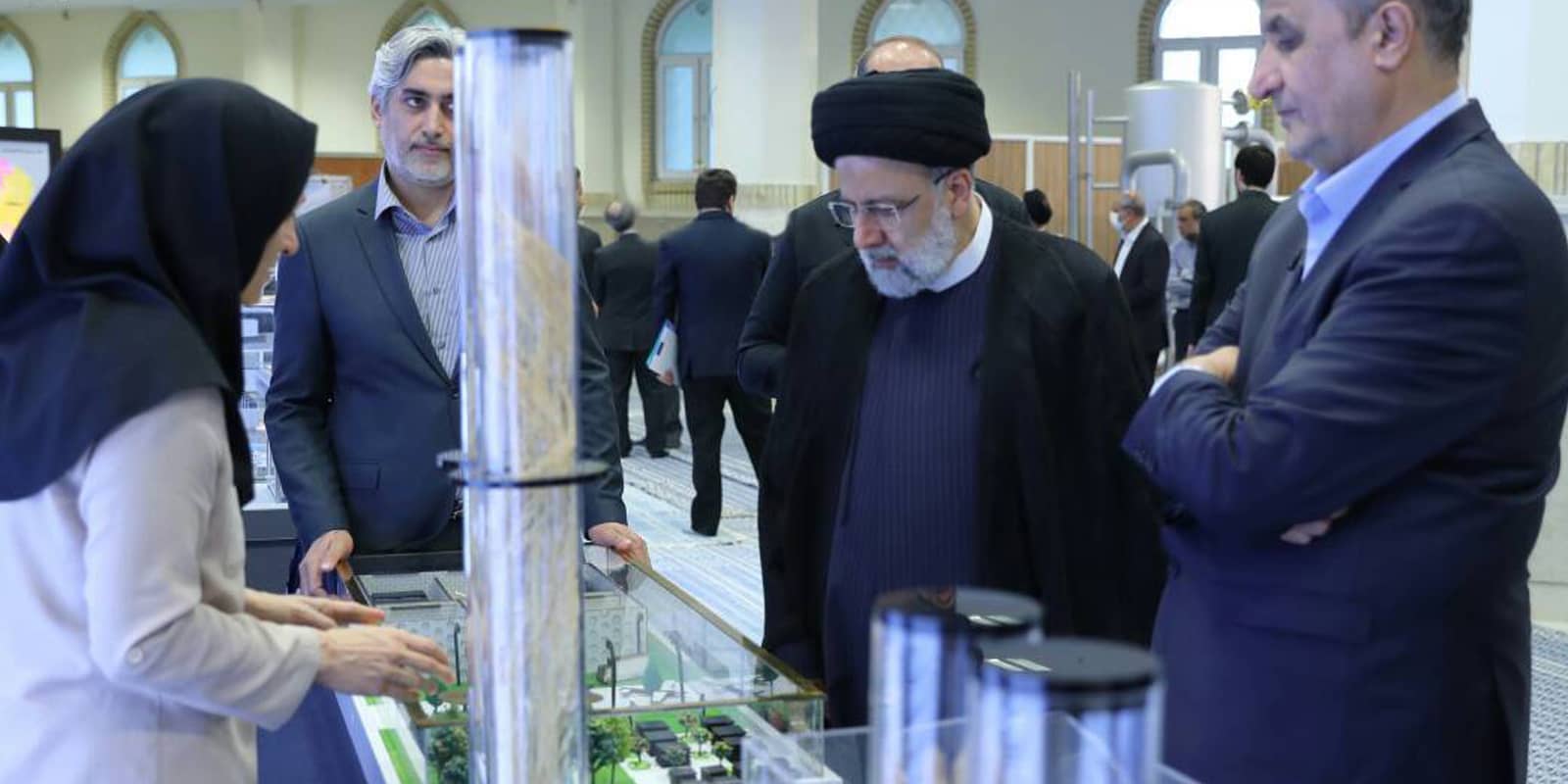
Iran has significantly increased its stockpiles of uranium and according to estimates could produce enough Weapons Grade Uranium for a nuclear bomb…
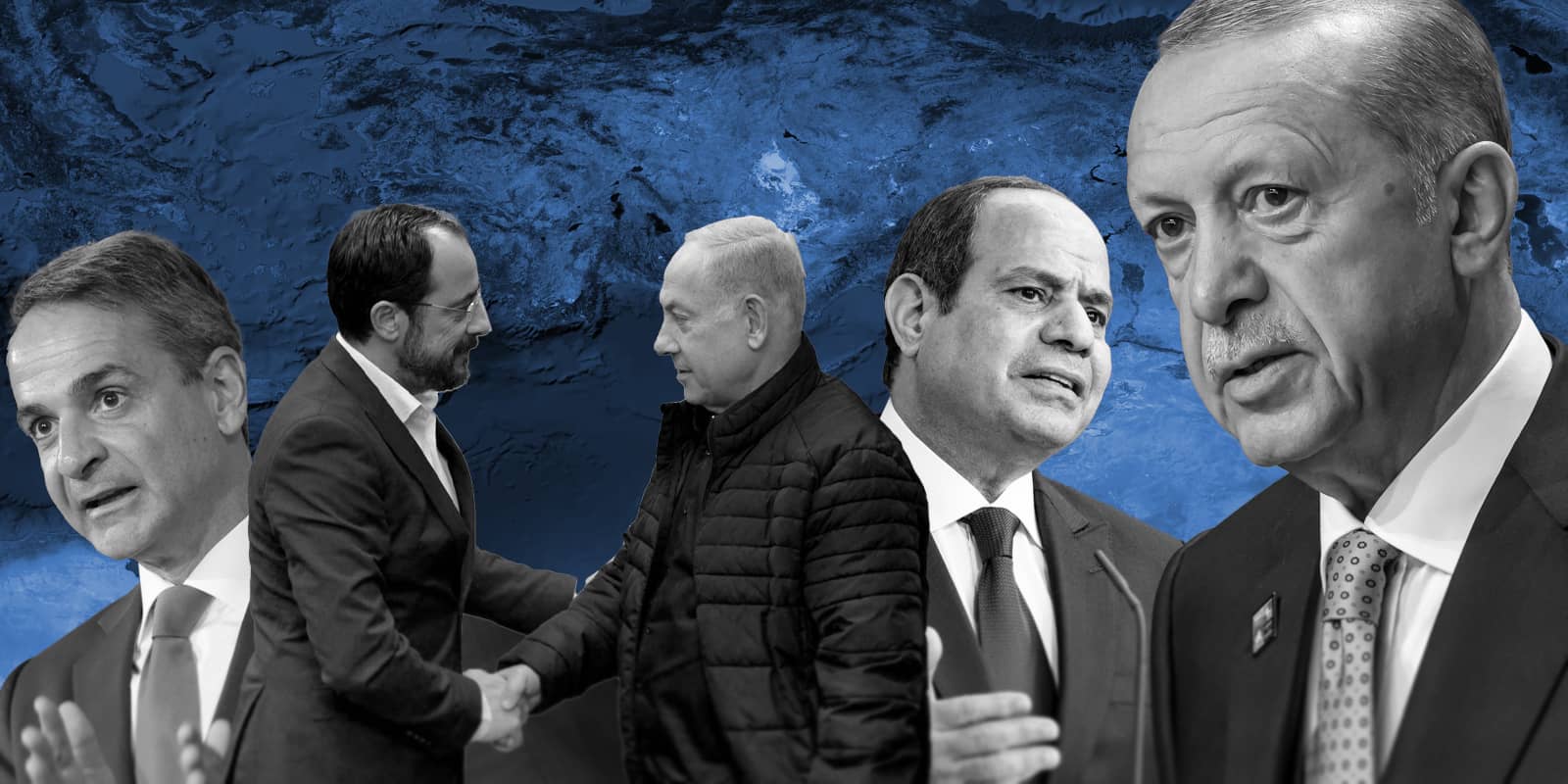
Turkey, at least as long as the AKP is in power, cannot be considered a reliable partner for major national projects such…
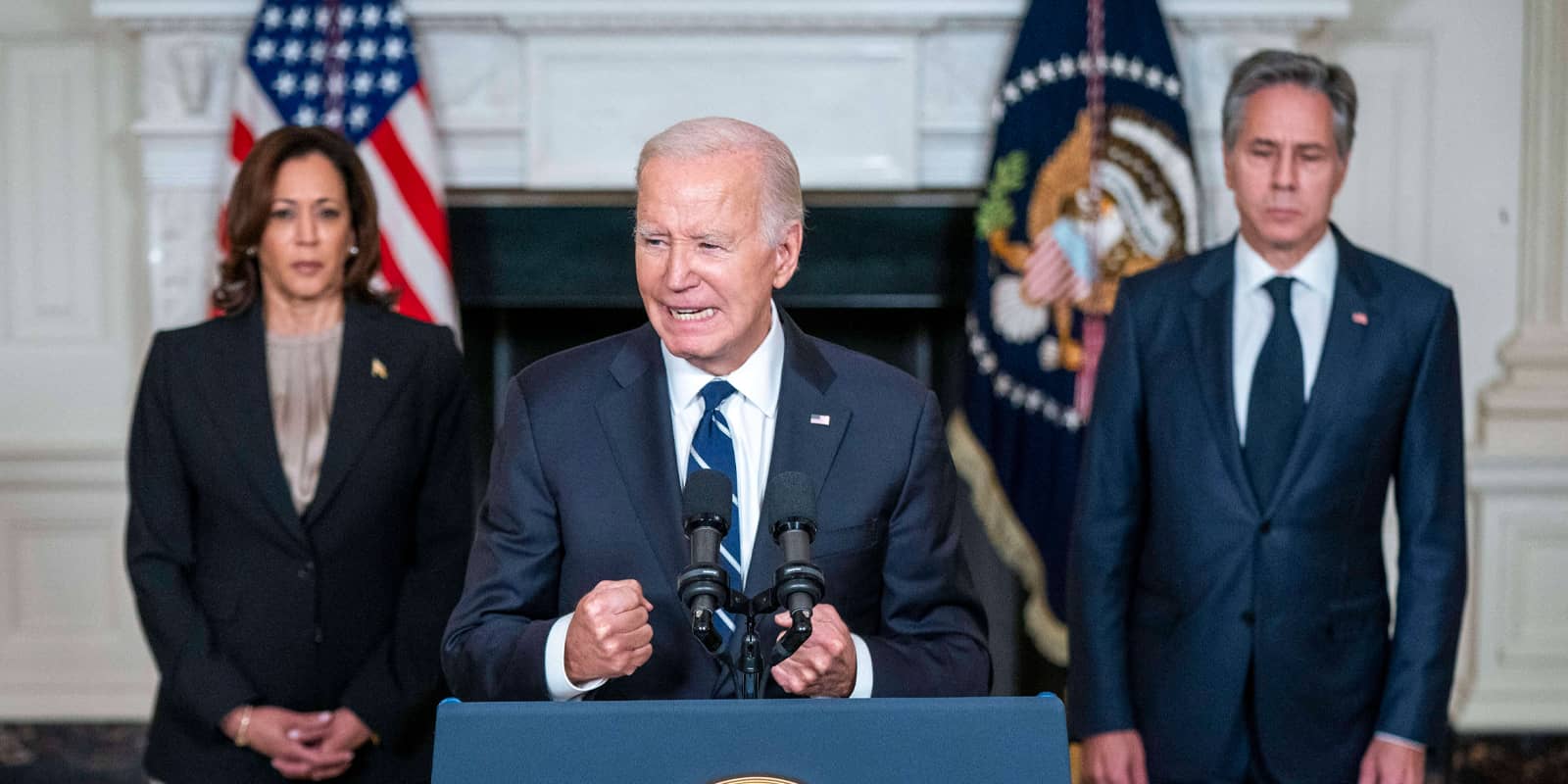
The US strategic commitment to deter external intervention provides Israel with the time and space to act decisively to destroy Hamas without…
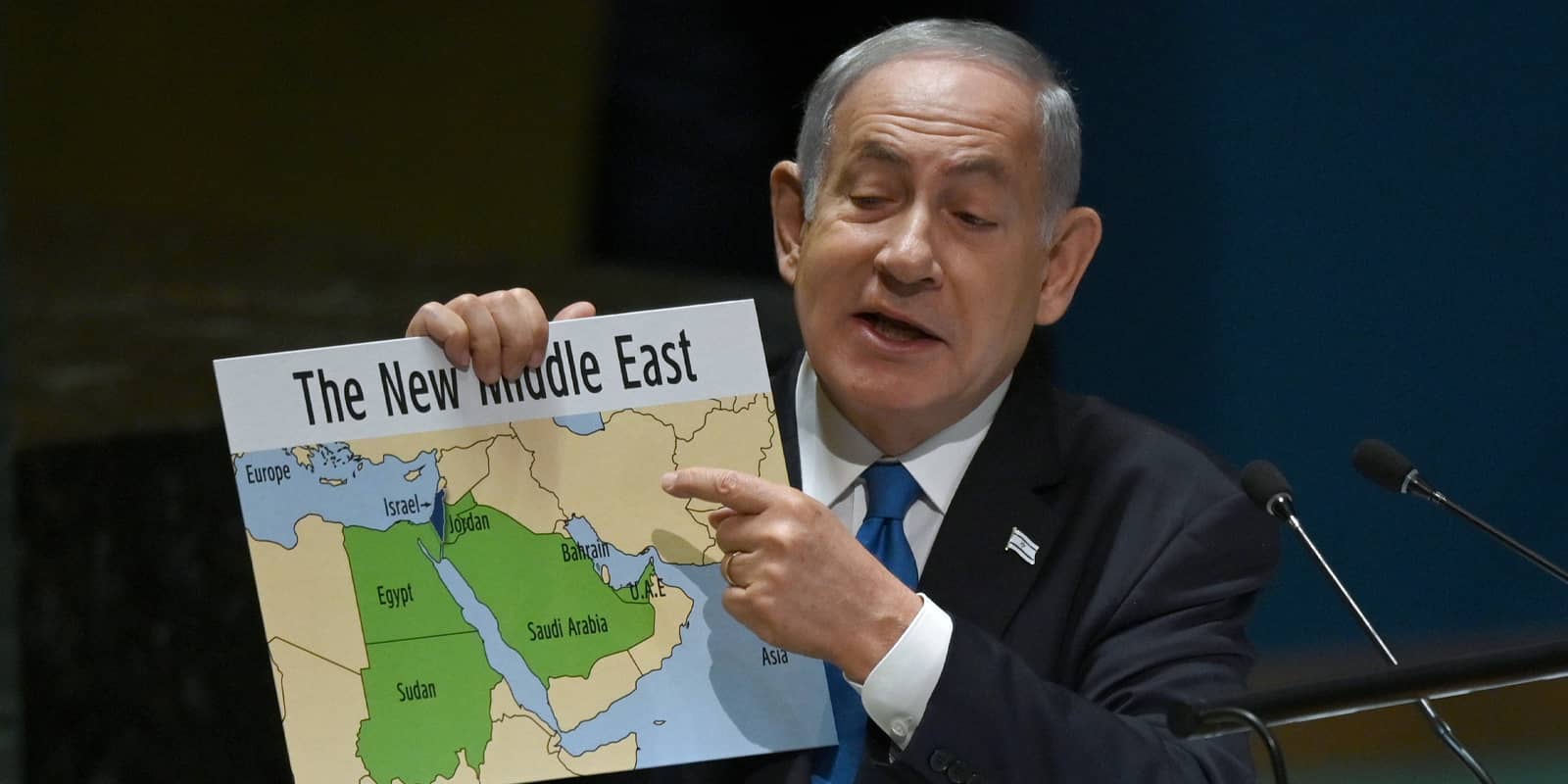
Amid the ongoing complex negotiations of Saudi-Israeli normalization, keeping the Hashemite Kingdom of Jordan on board is essential. Despite grudges and occasional…
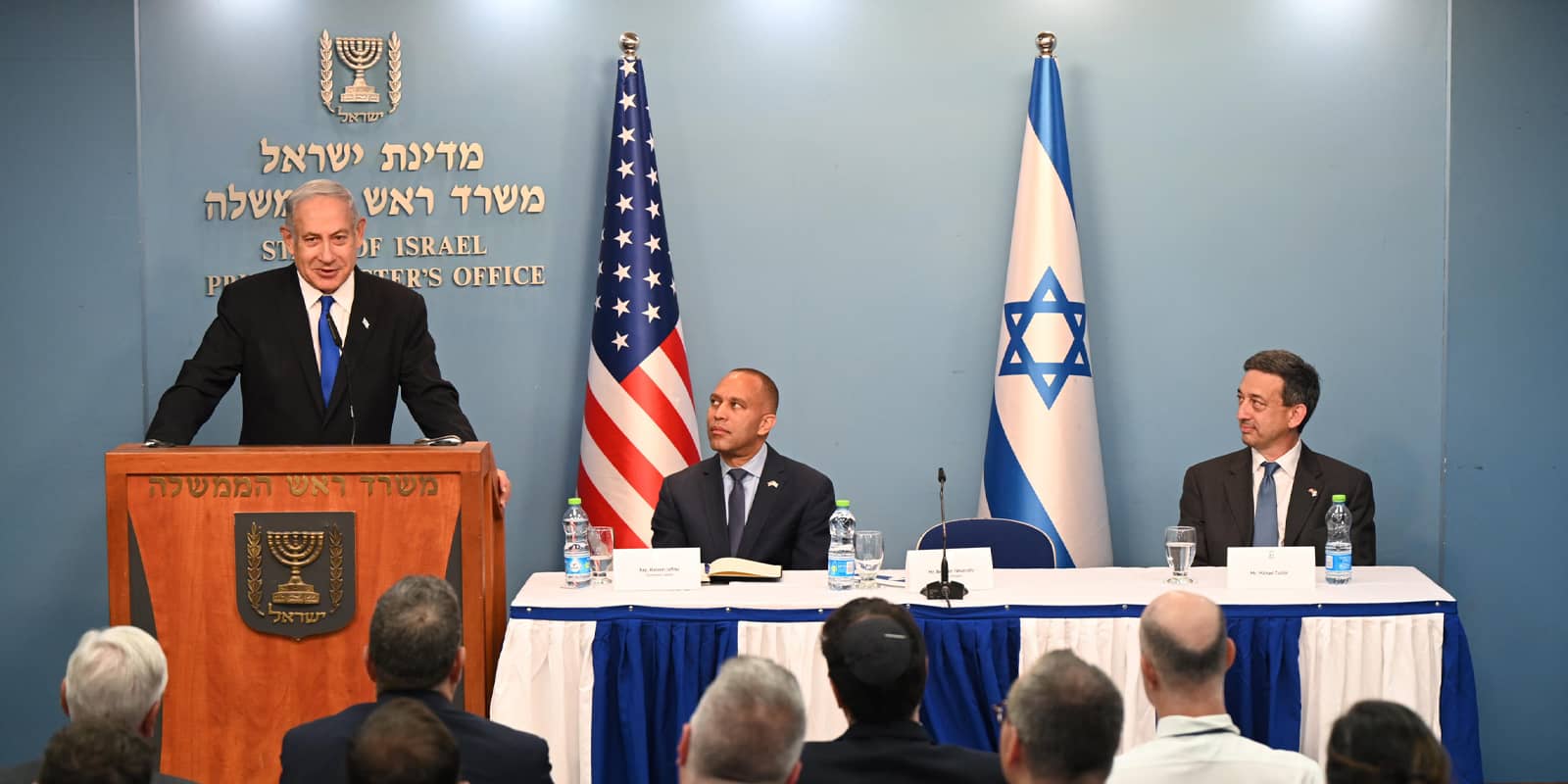
Despite Republican efforts to ‘own’ Israel as a partisan cause, most Democrats remain supportive – a position vital to Israel’s military and…
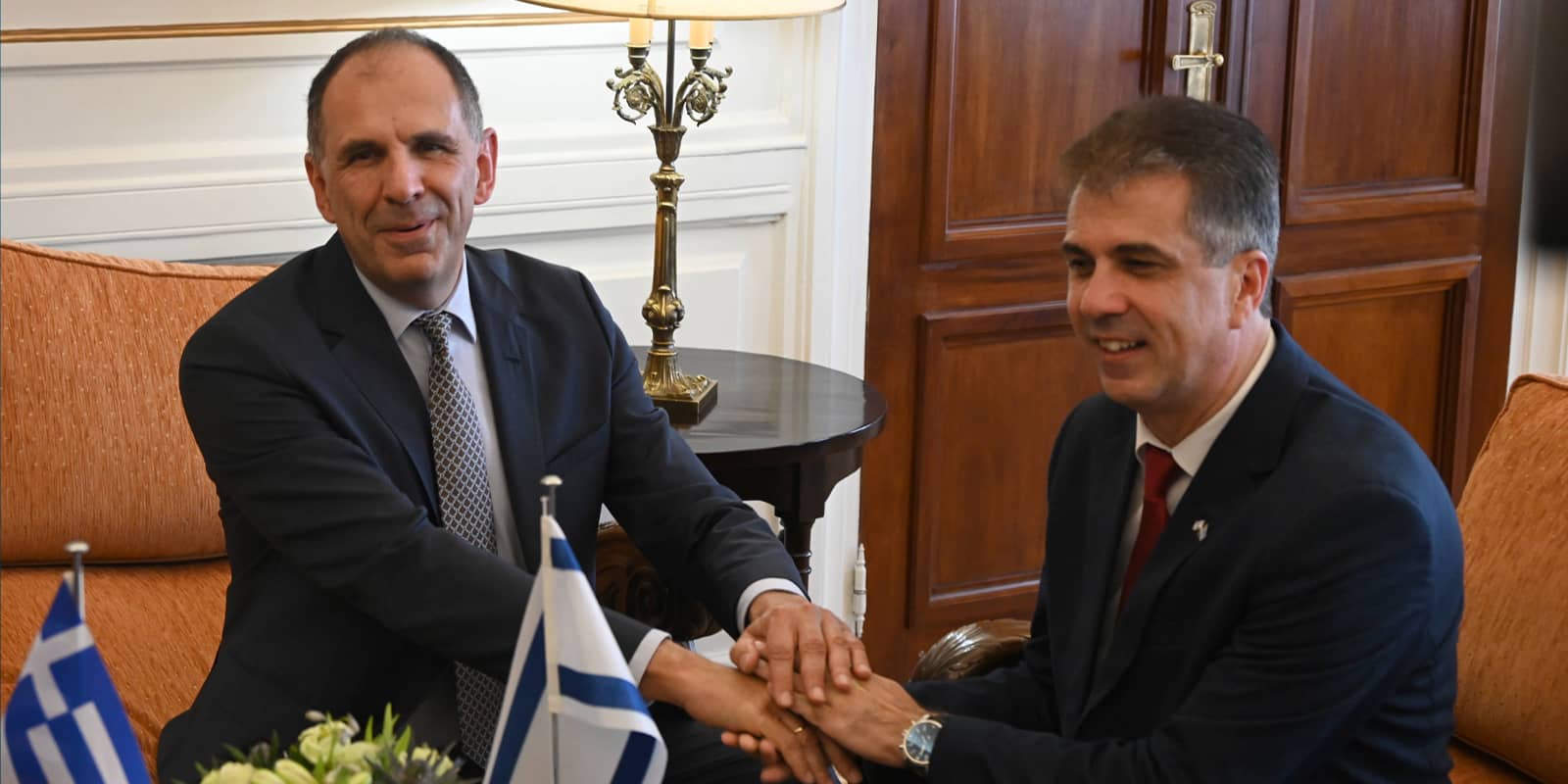
The first foreign minister to visit Greece after the swearing-in of Kyriakos Mitsotakis’ new government was Israel’s Eli Cohen – a sign…
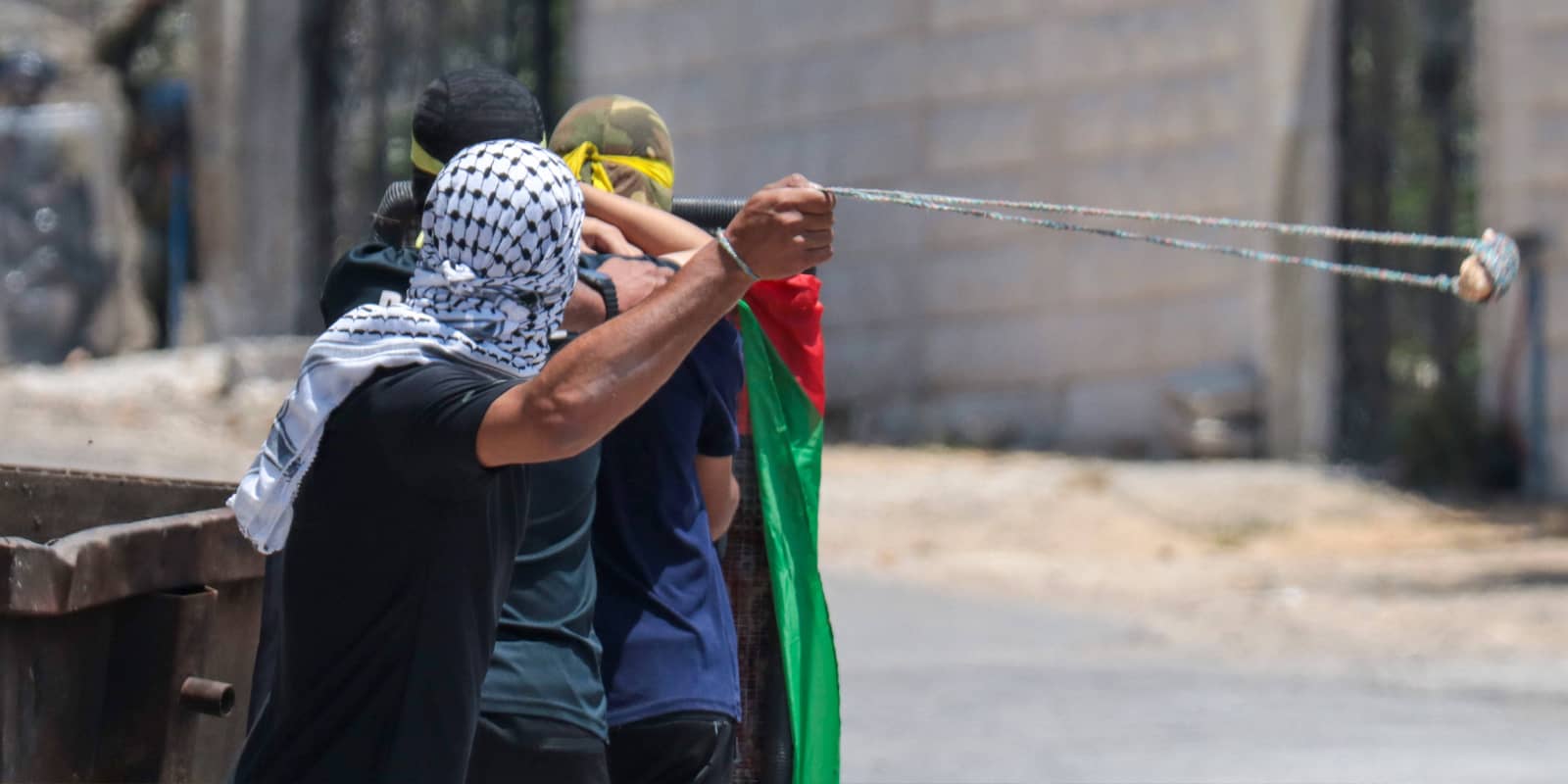
Under the impact of terrorist attacks on Israelis and lawless vigilante raids on Arab villages, it is difficult to envision a return…
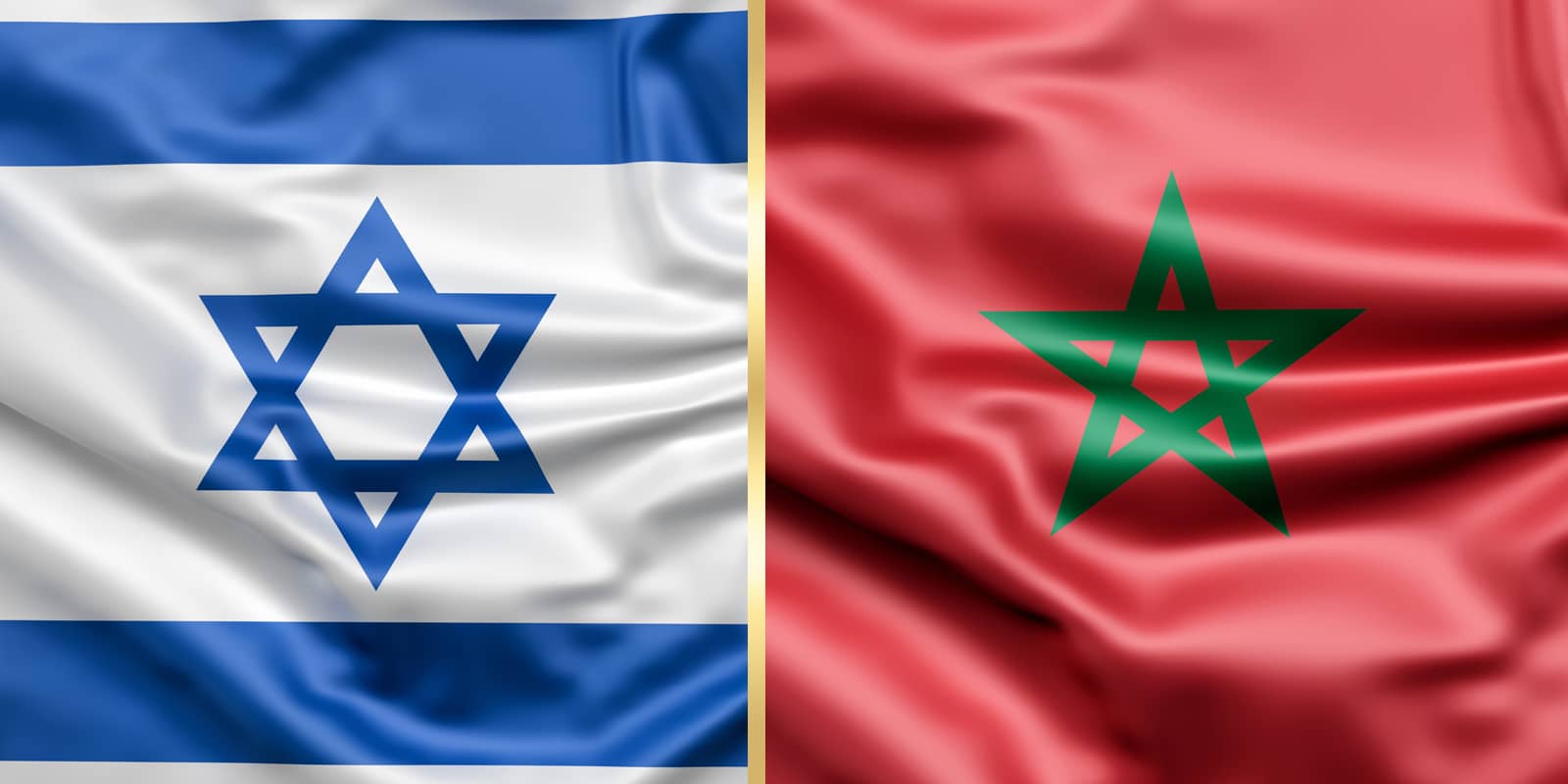
The time is ripe for Israel to take the initiative rather than wait for pre-arranged reciprocal terms and remove the critical remaining…
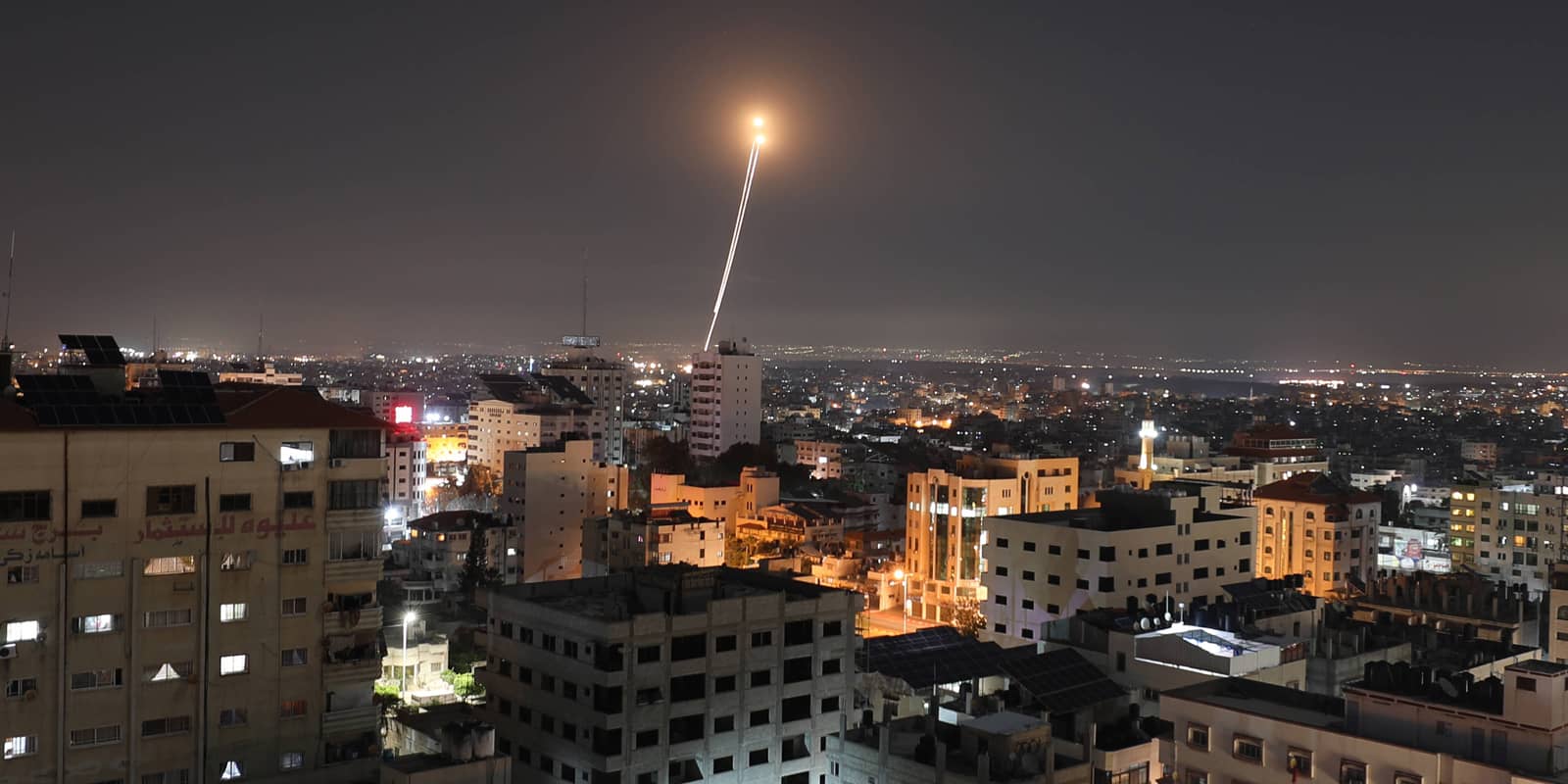
With Operation Shield and Arrow in Gaza over, Israel must again focus on the challenge of Iran as a top priority. Given…

The material and political support of the United States is an essential pillar in the national security of Israel.
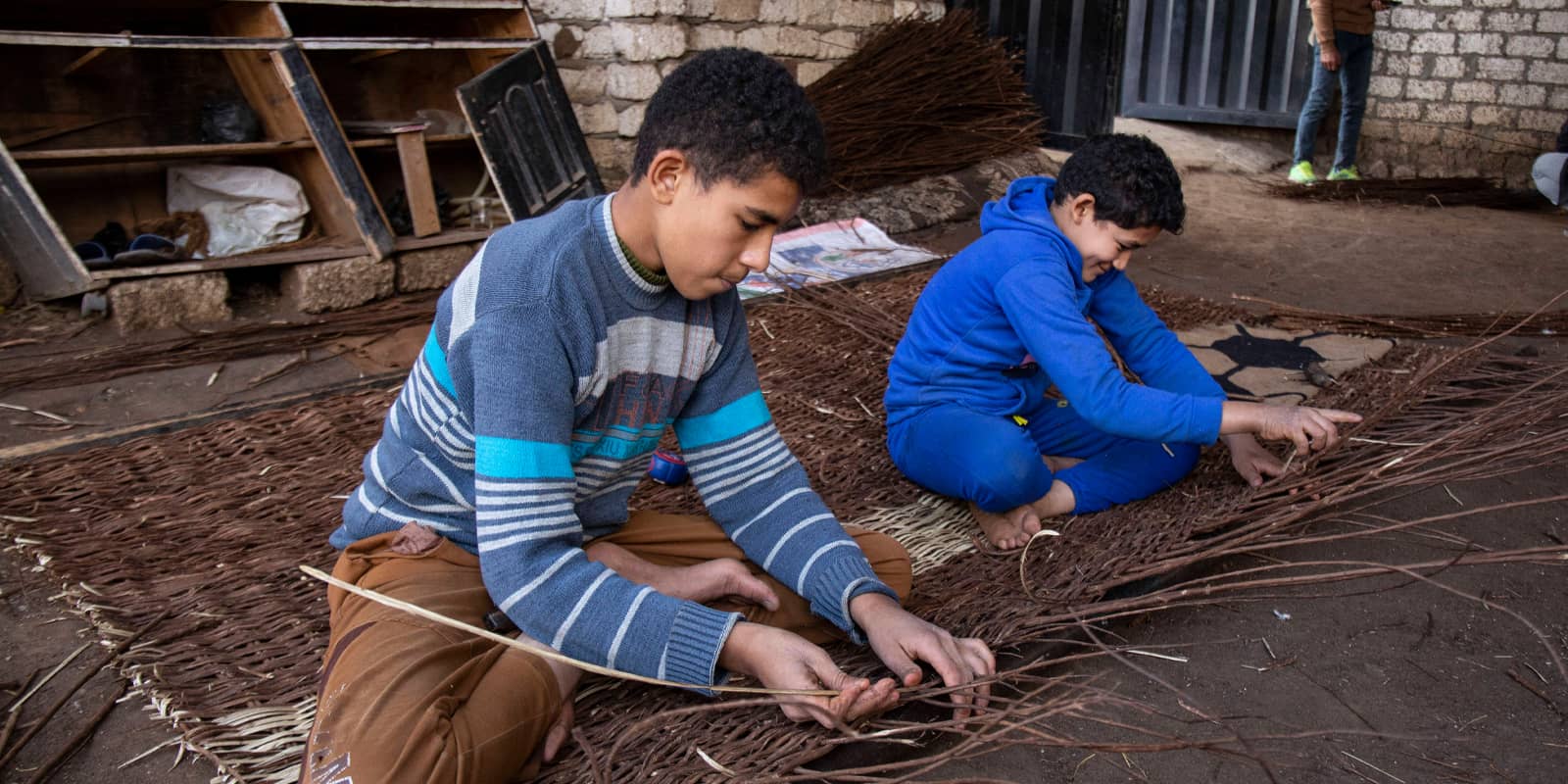
Egypt continues to play an active role in regional affairs, including the Aqaba emergency meeting on the Palestinian situation (February 26) and…
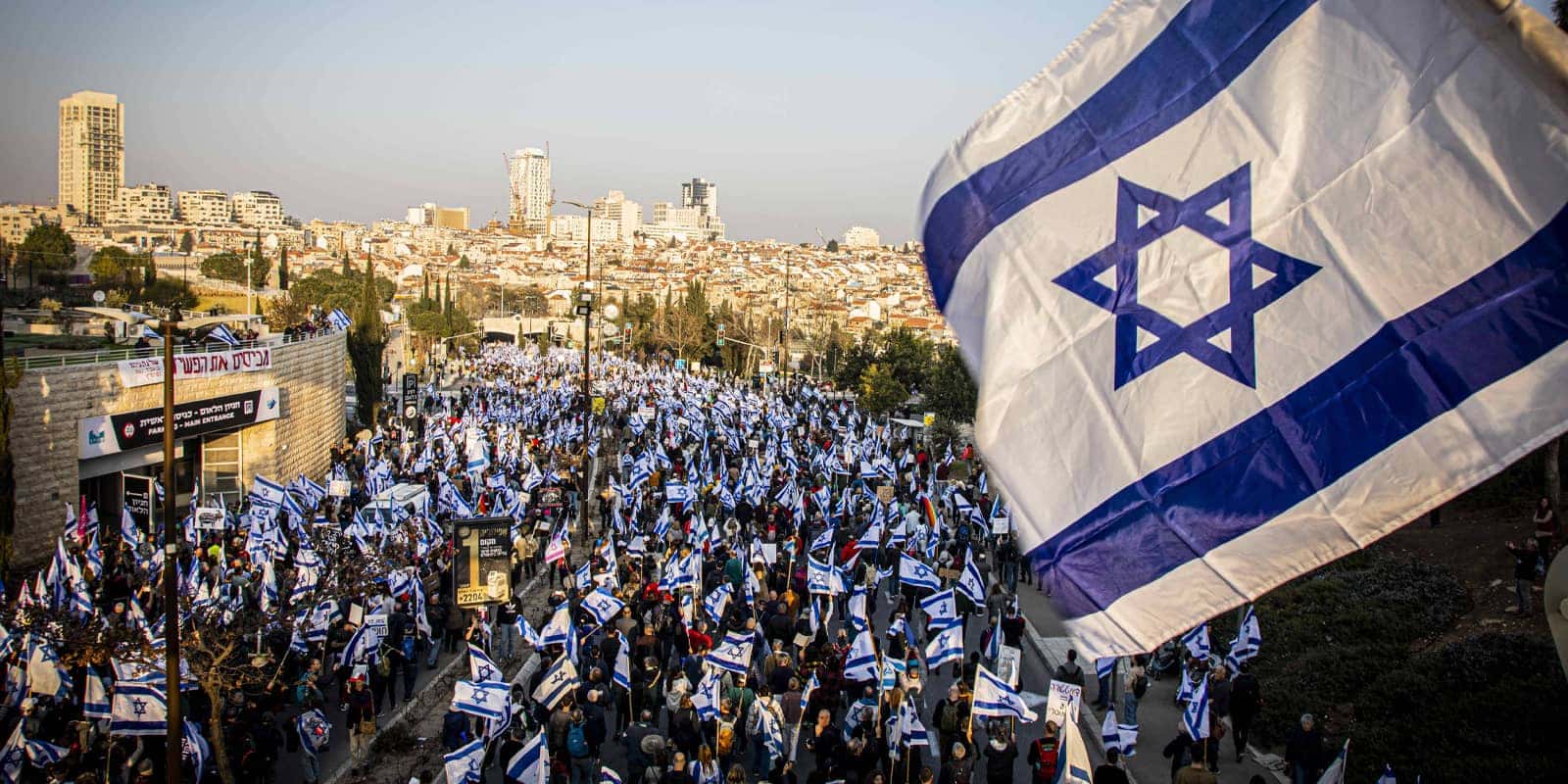
Israel is facing a series of critical decisions in the national security arena, and the necessary condition for dealing with those challenges…
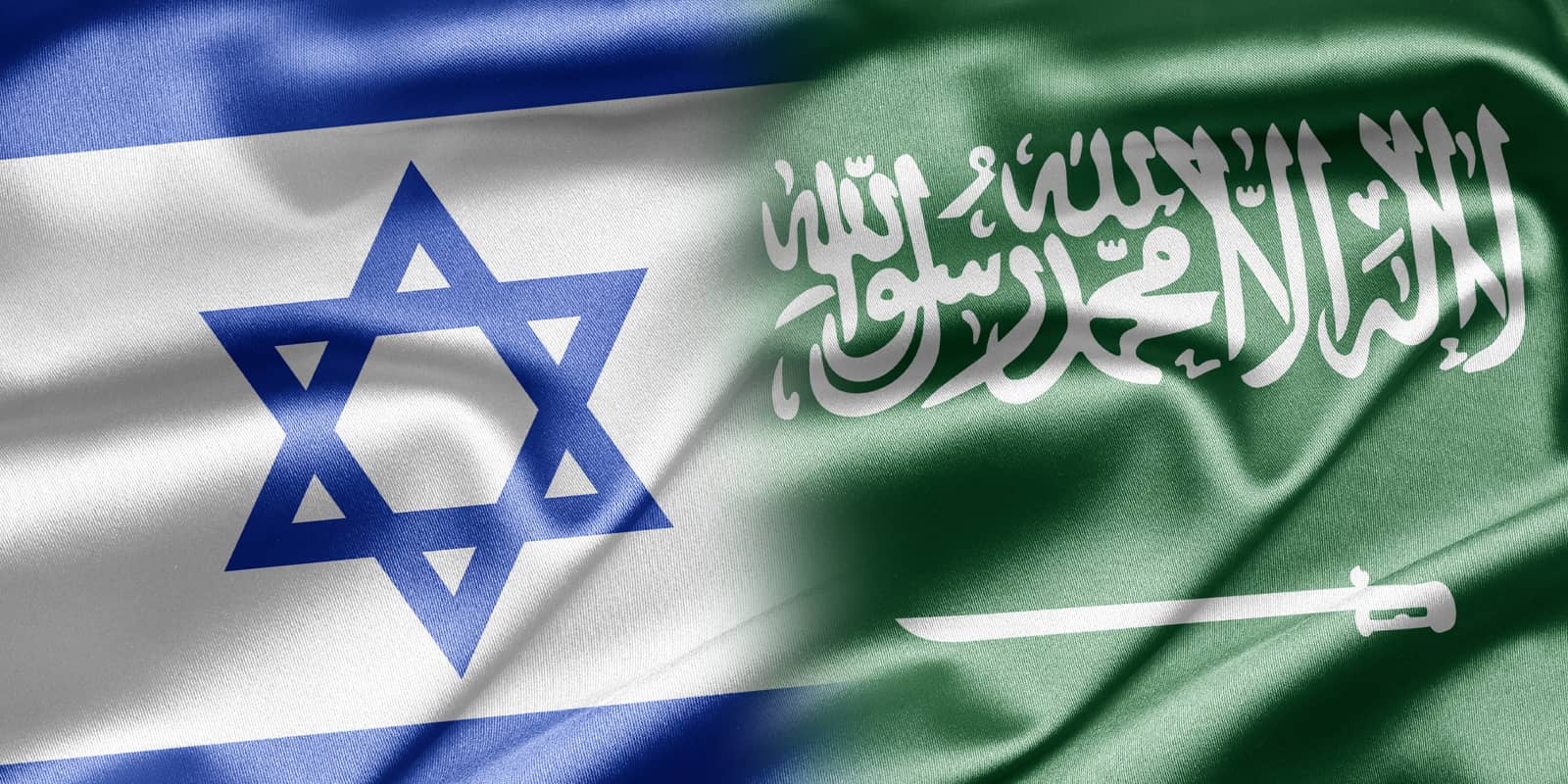
The positive and businesslike approach that marked the meeting of the Negev Forum Steering Committee and Working Groups in Abu Dhabi (January…
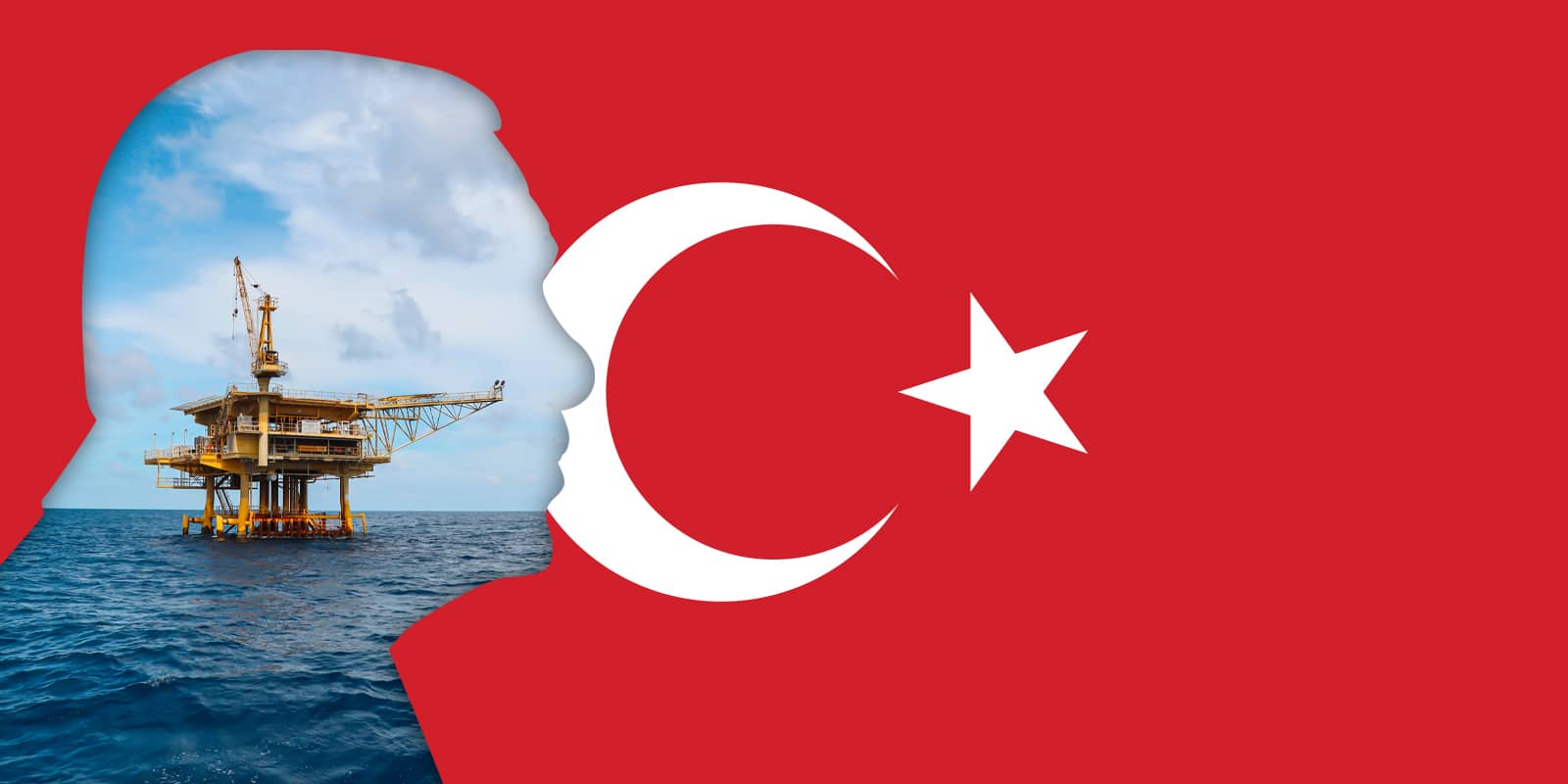
The delineation of the Libyan and Turkish Exclusive Economic Zones was and remains essential not only for Israel and Egypt but also…
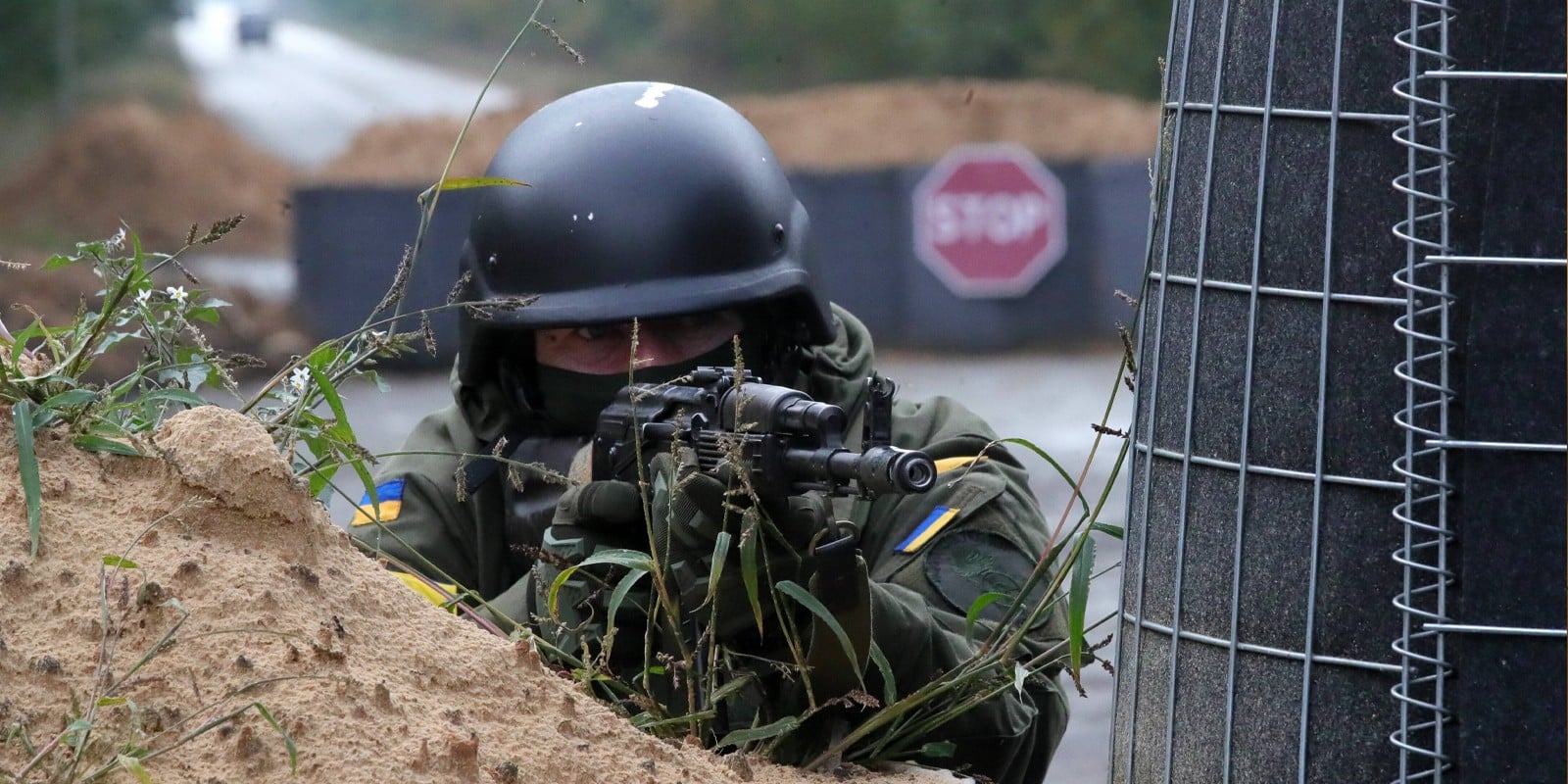
The global and regional reality created by the war strengthens Israel and enhances its international and regional standing
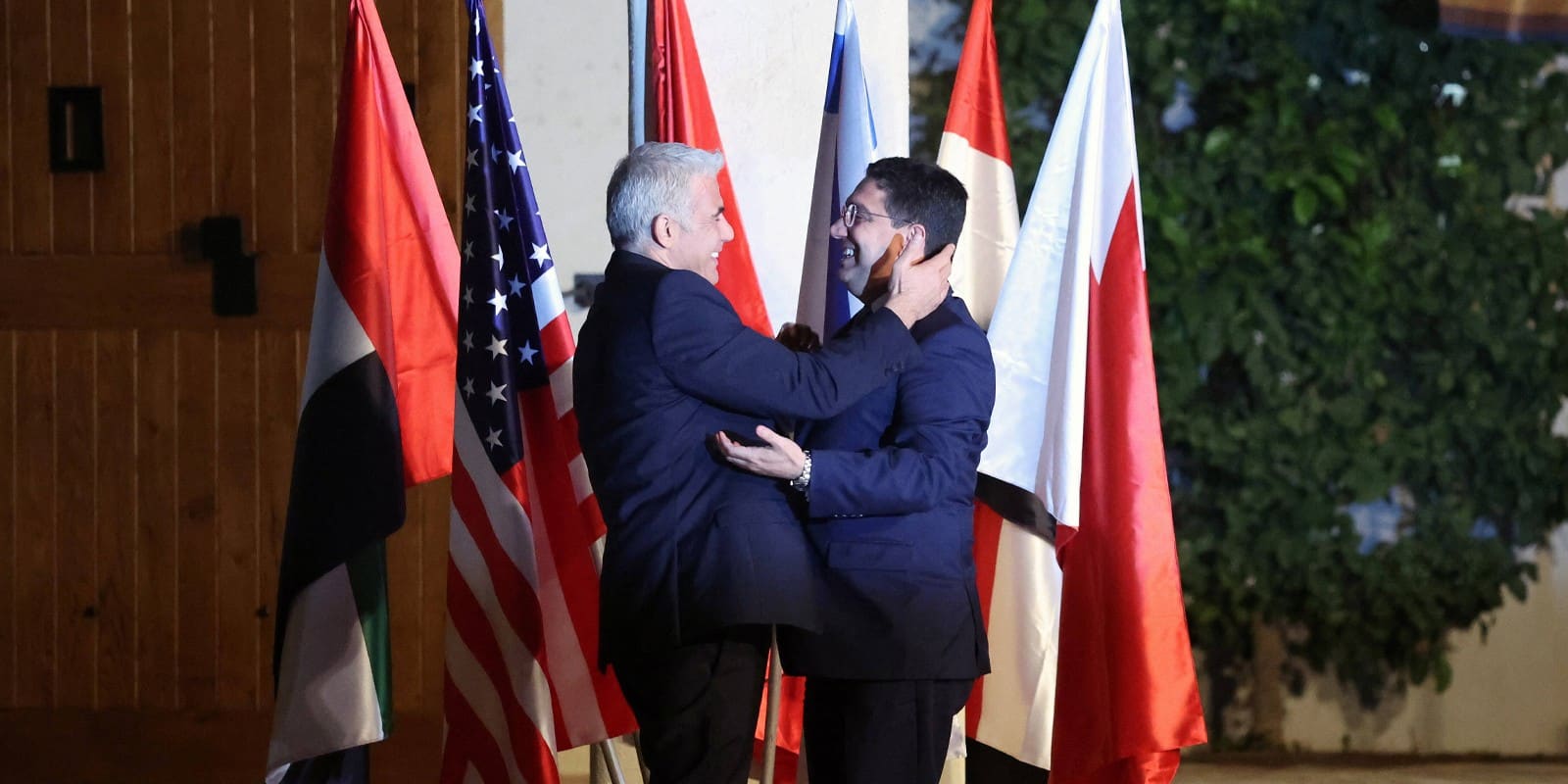
The visit to Israel of the Moroccan Armed Forces commanding officer, Lieutenant General Belkhir El-Farouk, in mid-September was the latest sign of…
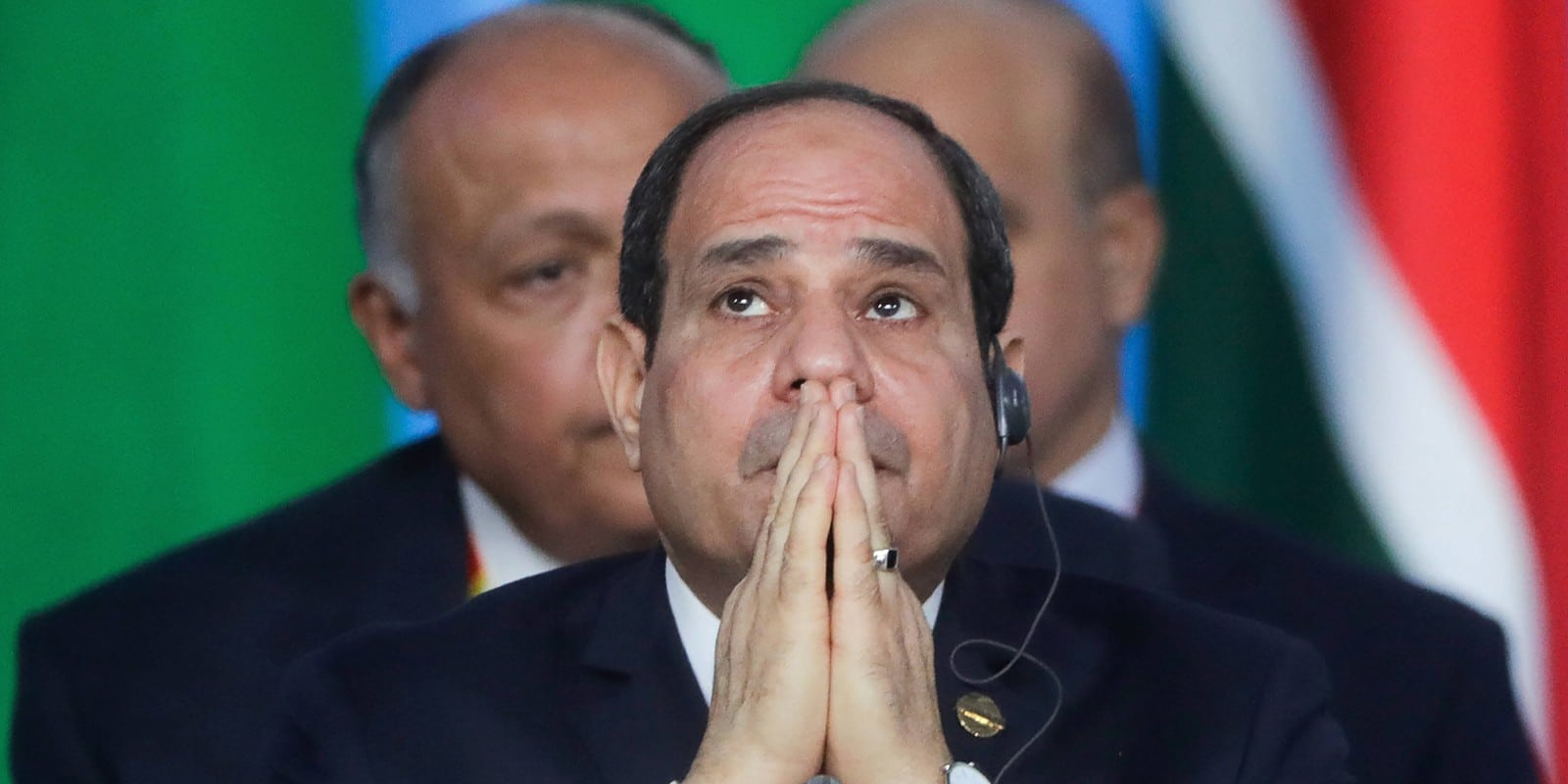
The stability and orientation of the region's most populous country, Egypt, remain crucial components of the newly emerging regional security architecture and…
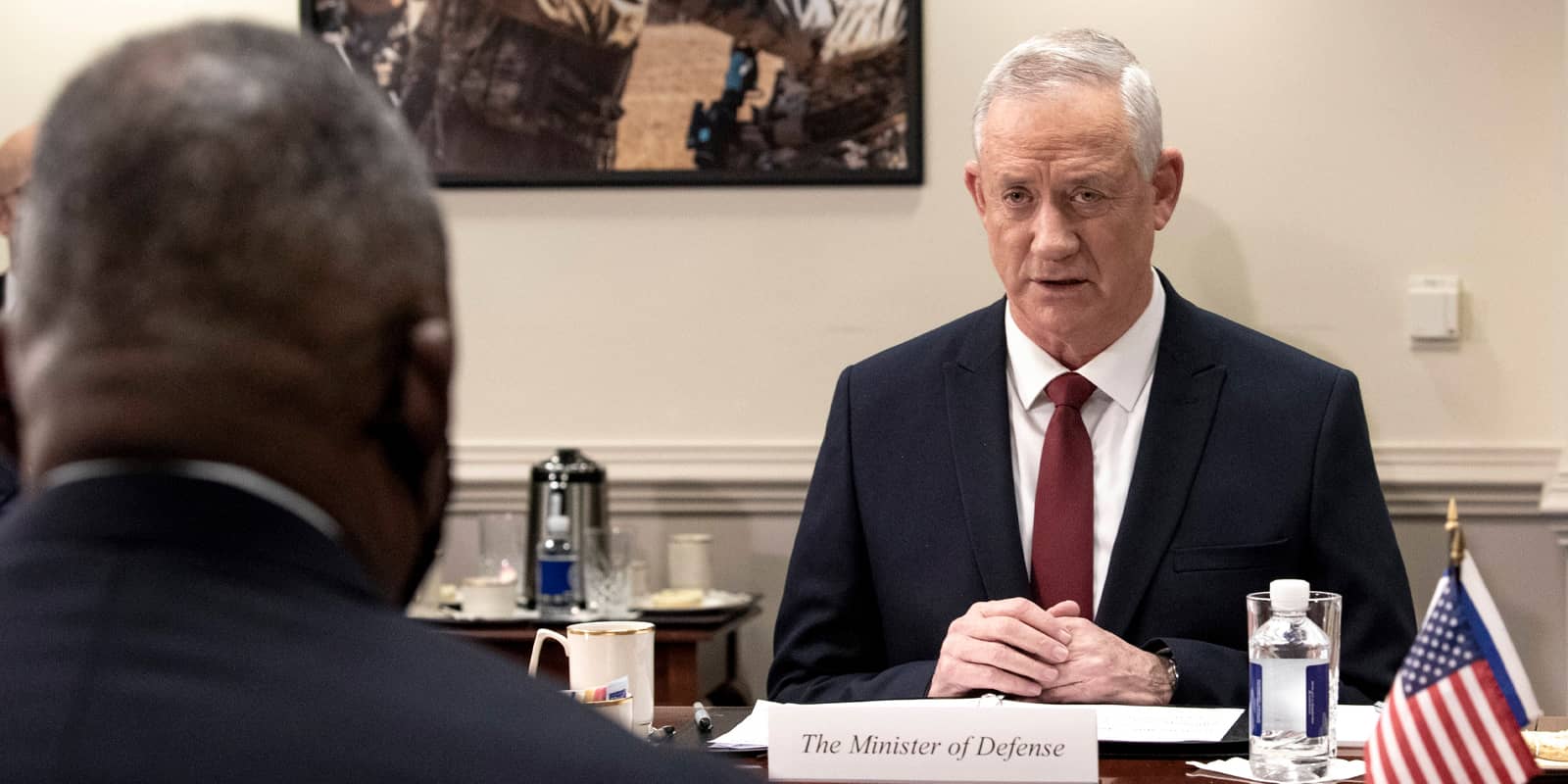
Israel offers the US military and, even more so, the intelligence community critical support. For example, the US Army has gained through…
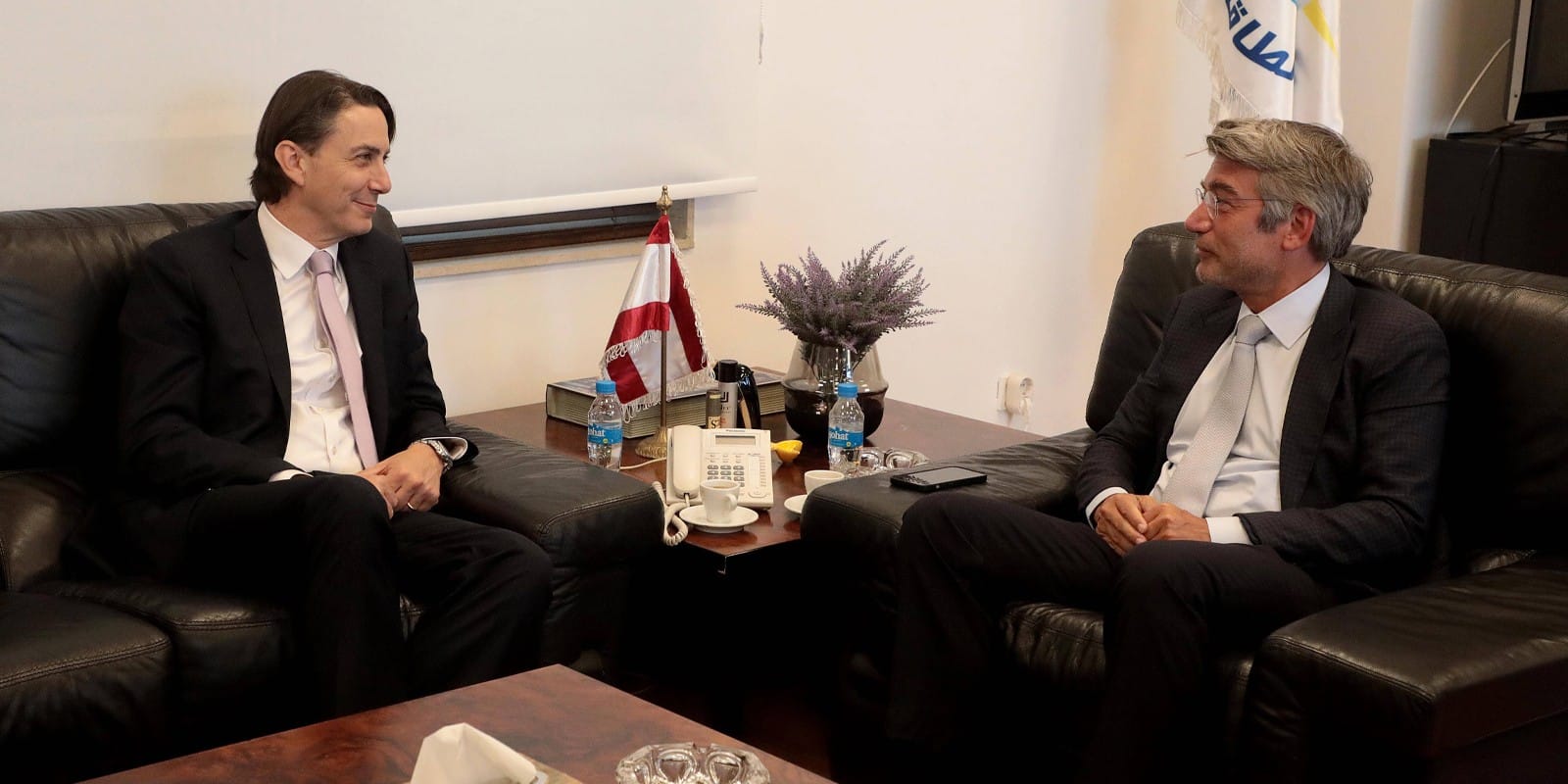
The recurrent pattern of asking for more and more - reminiscent of the folk tale about the fisherman's greedy wife - has…
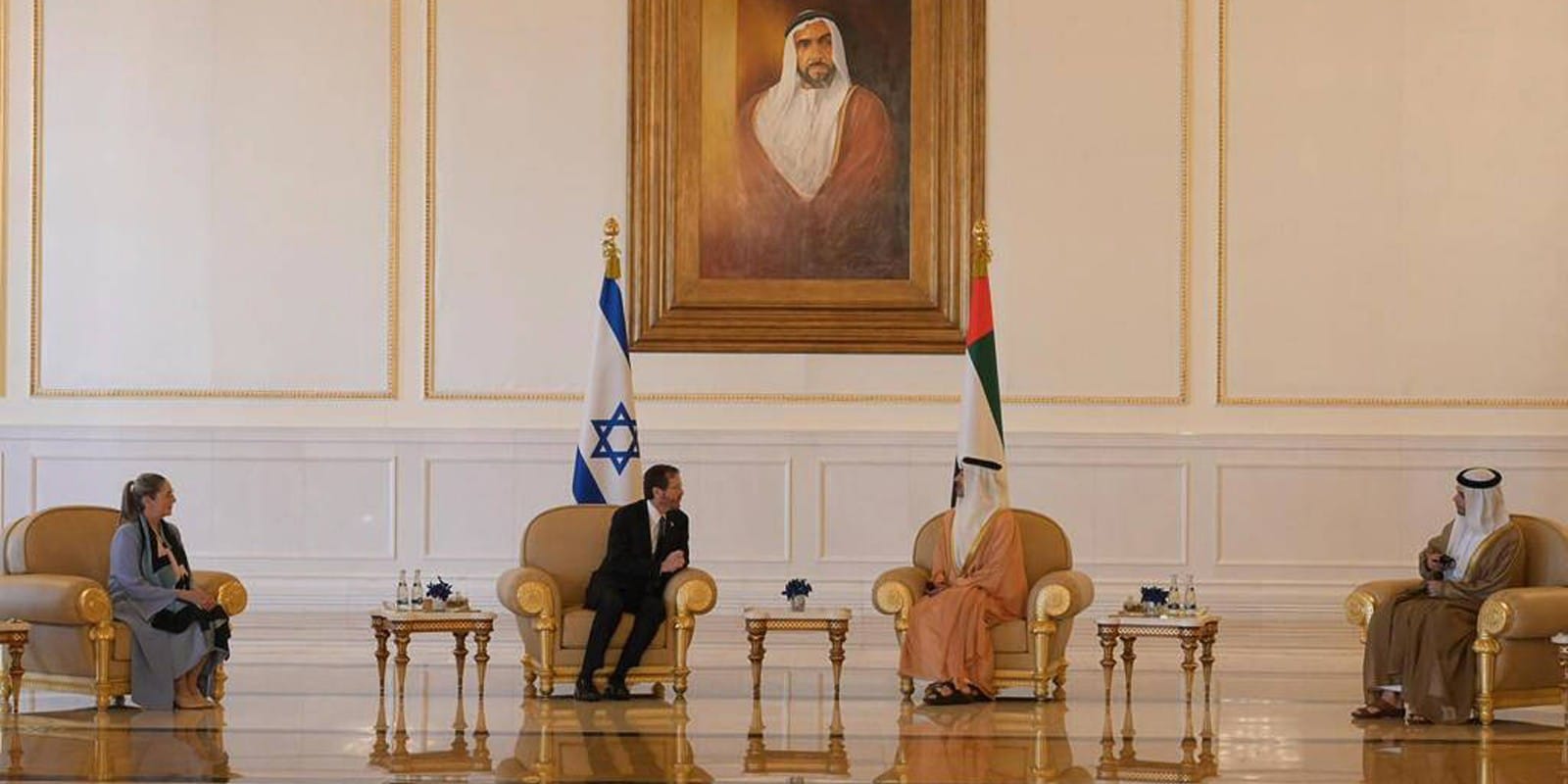
The latest diplomatic moves demonstrate that despite recent events in Jerusalem, Israel has thwarted the Palestinian plan to force it into diplomatic…
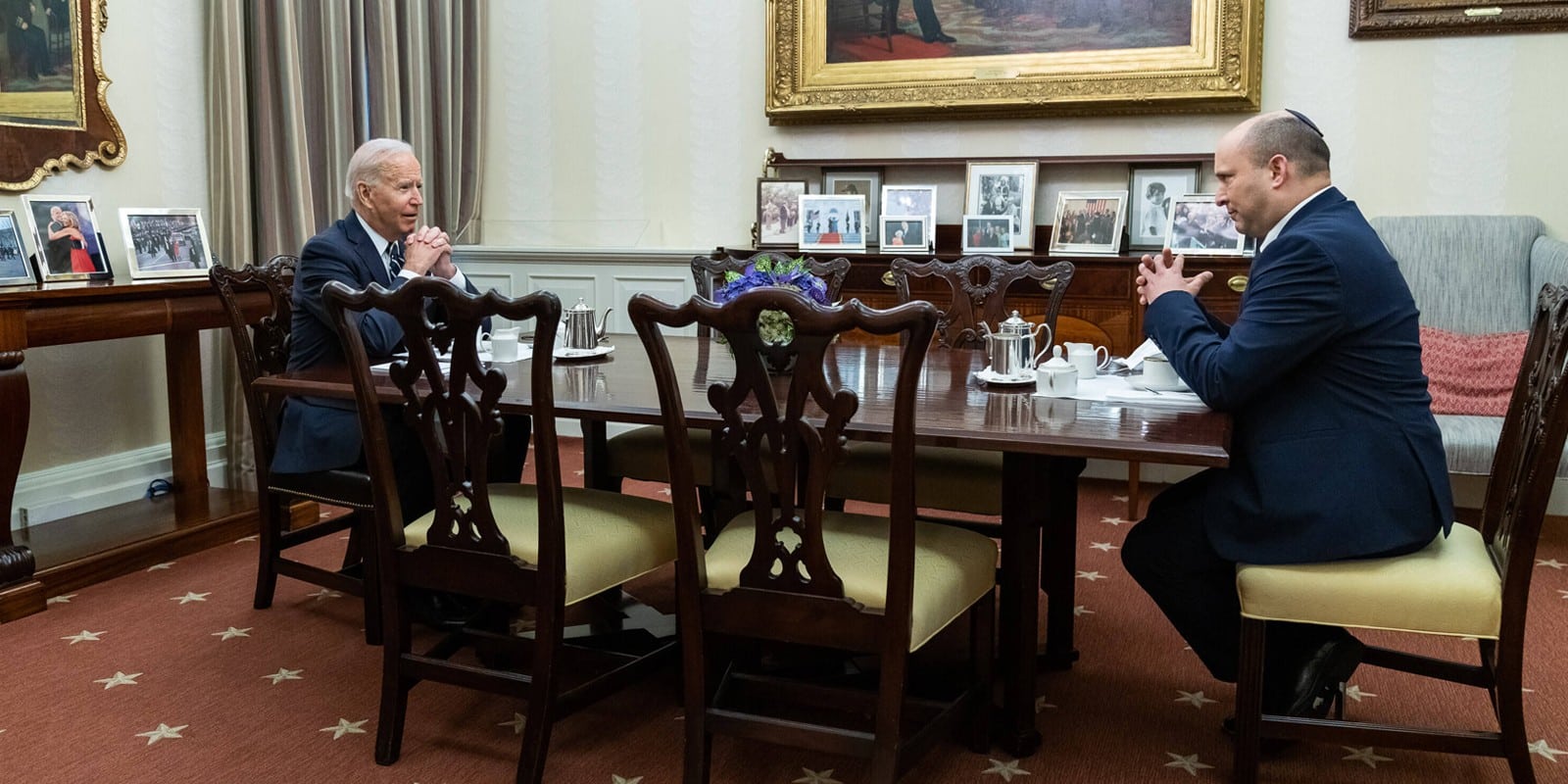
It is time to revive the spirit of Ben-Gurion’s famous dictum from the days of WWII regarding the stance toward the British:…
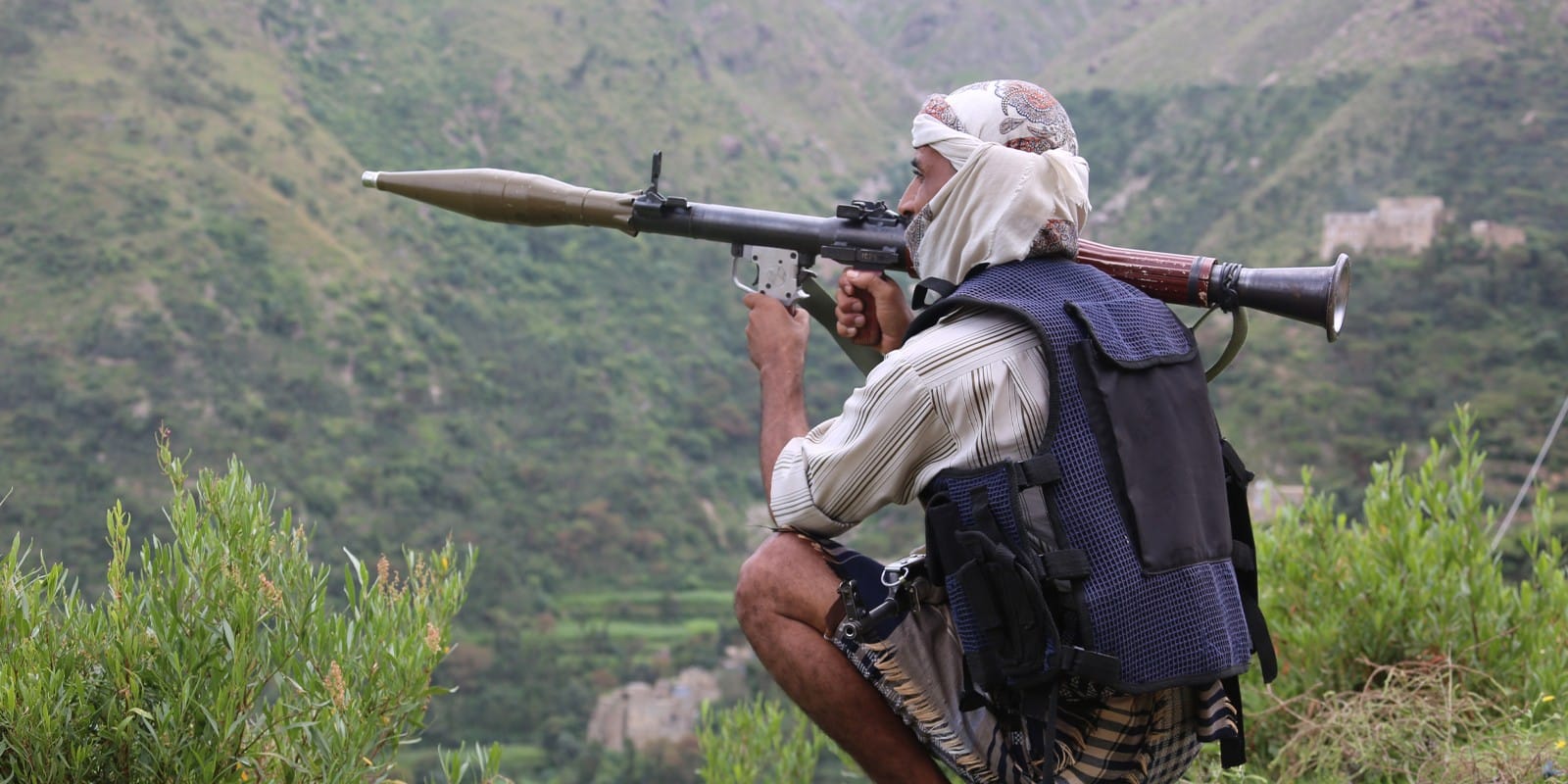
Re-designating the Houthi movement as a terrorist organization after the drone attack on the UAE is imperative. This, along with overt support…
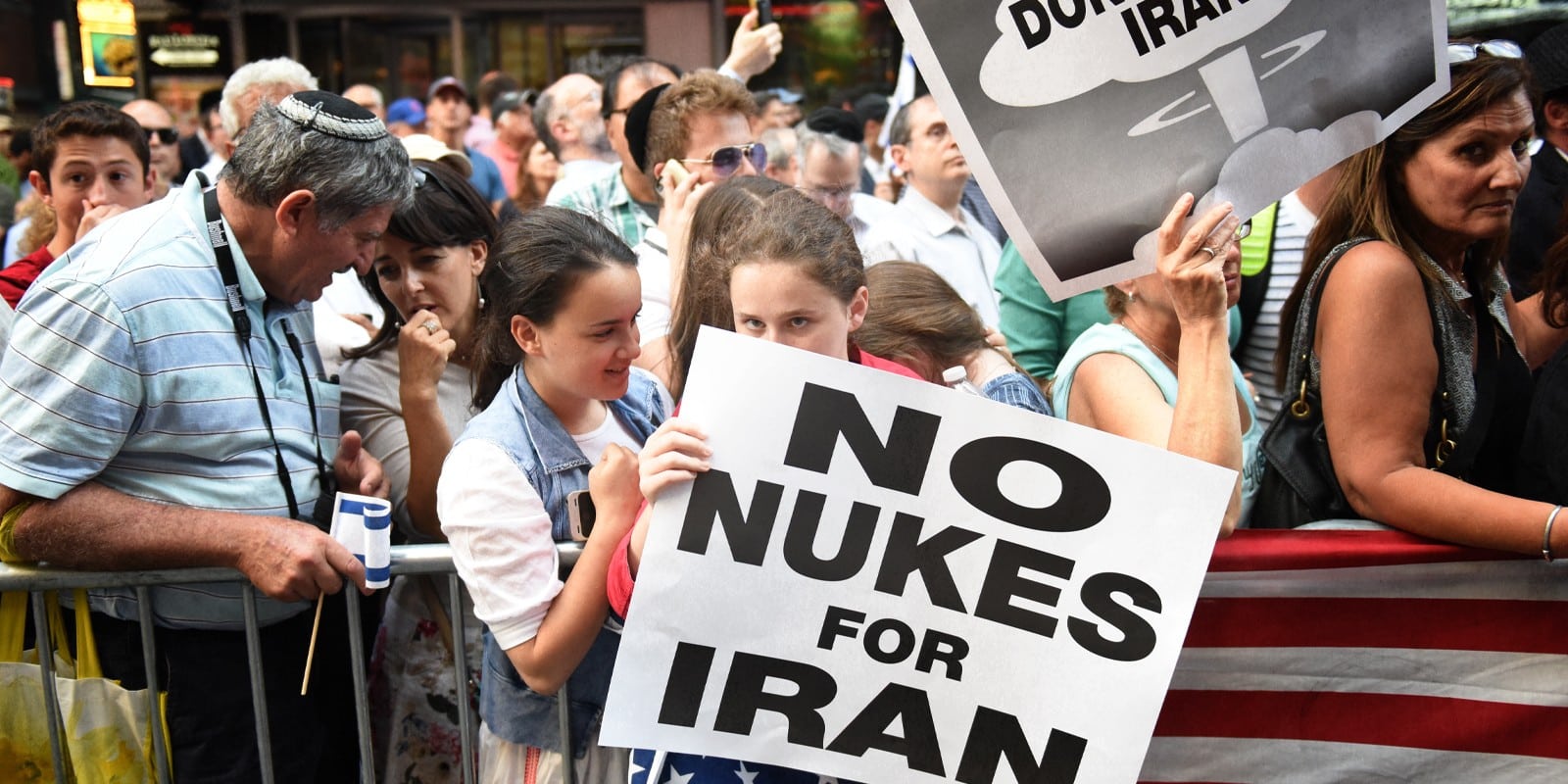
It is not in America’s interest for Israel to be perceived as an obedient lap dog. On the contrary, keeping Israel’s options…
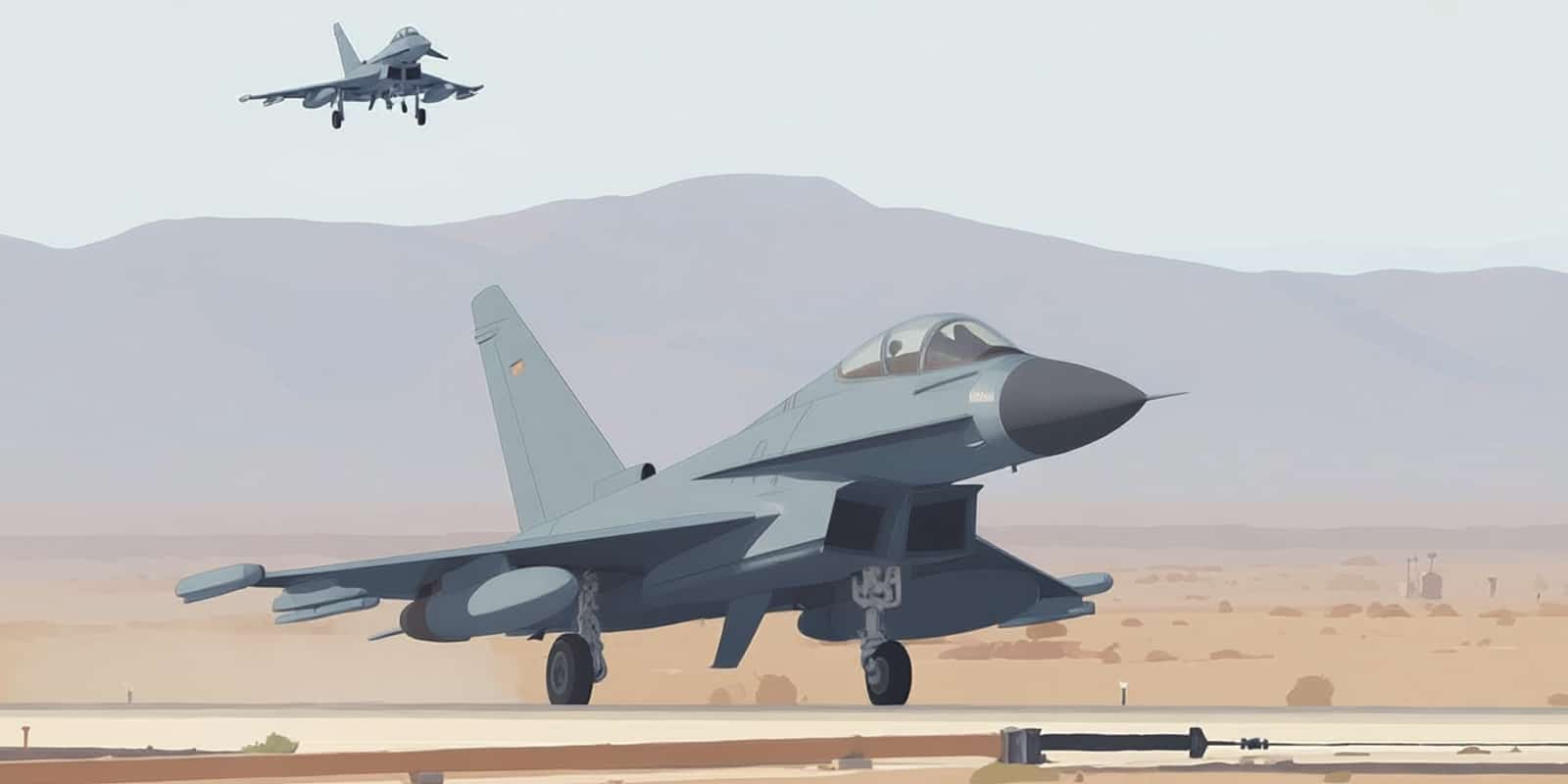
The Blue Flag 2021 air force exercise was the largest and most significant since the exercise series began in 2013.
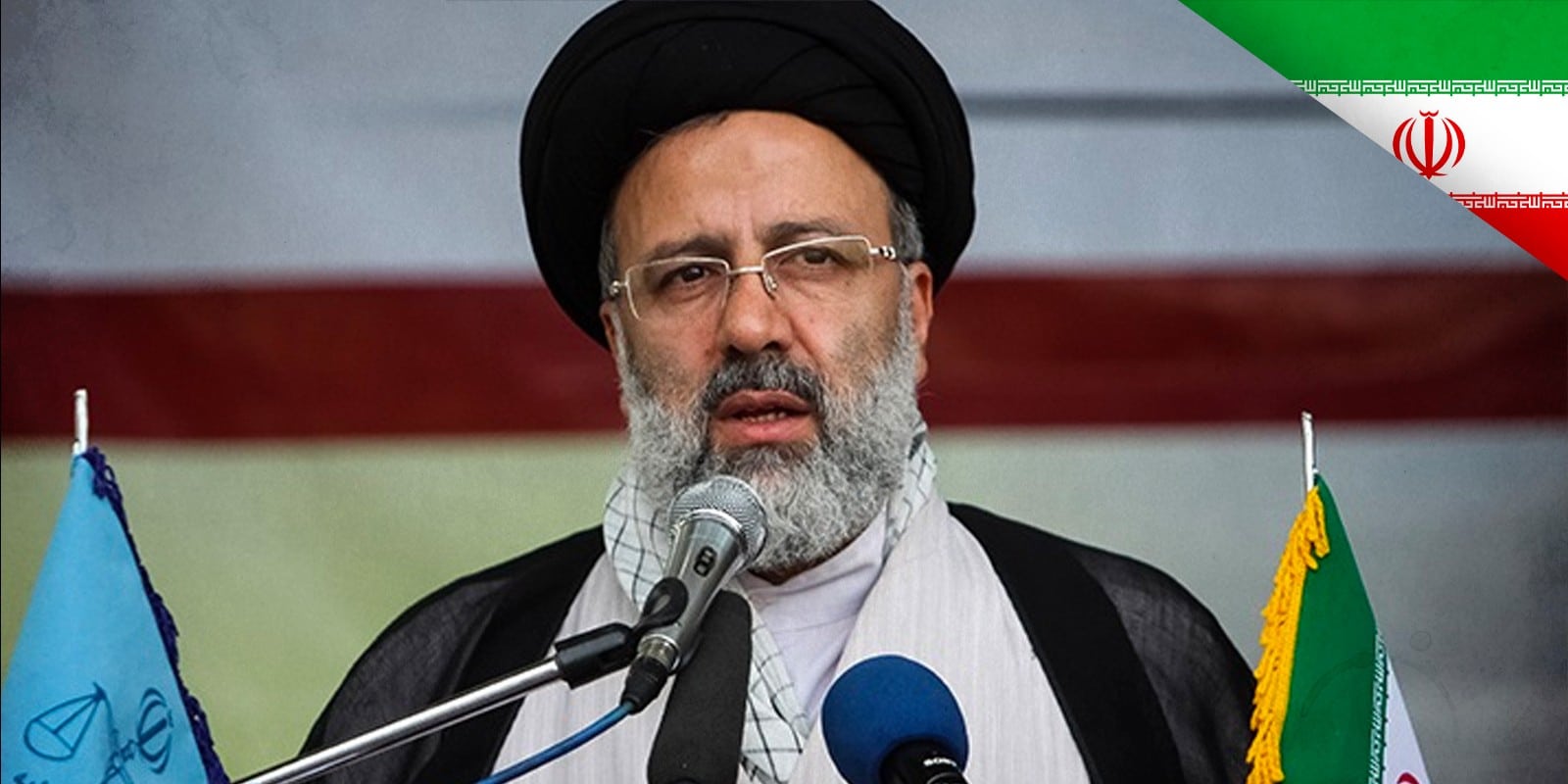
The way Tehran uses military intimidation, as well as terror by proxy and other means of threatening regional players, must become a…
With the help of American Jewry, a sturdy foundation of support for Israel-US ties needs to be rebuilt based upon traditional bipartisan…
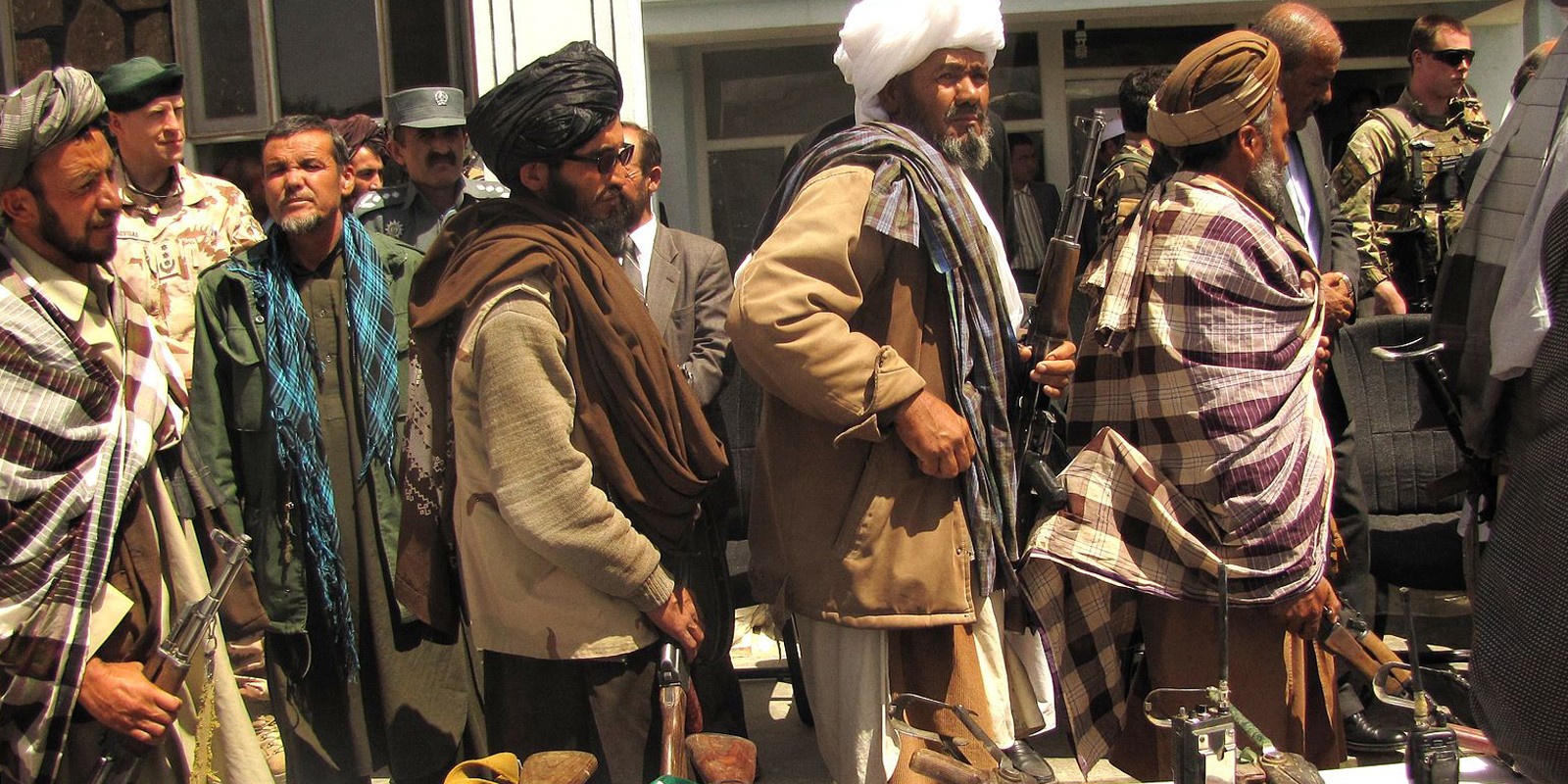
The region, and Israel, need the ASEAN model of cooperation.
It should be made clear to Israel's partners in the eastern Mediterranean that any (unlikely) improvement in Israel’s relations with Turkey will…
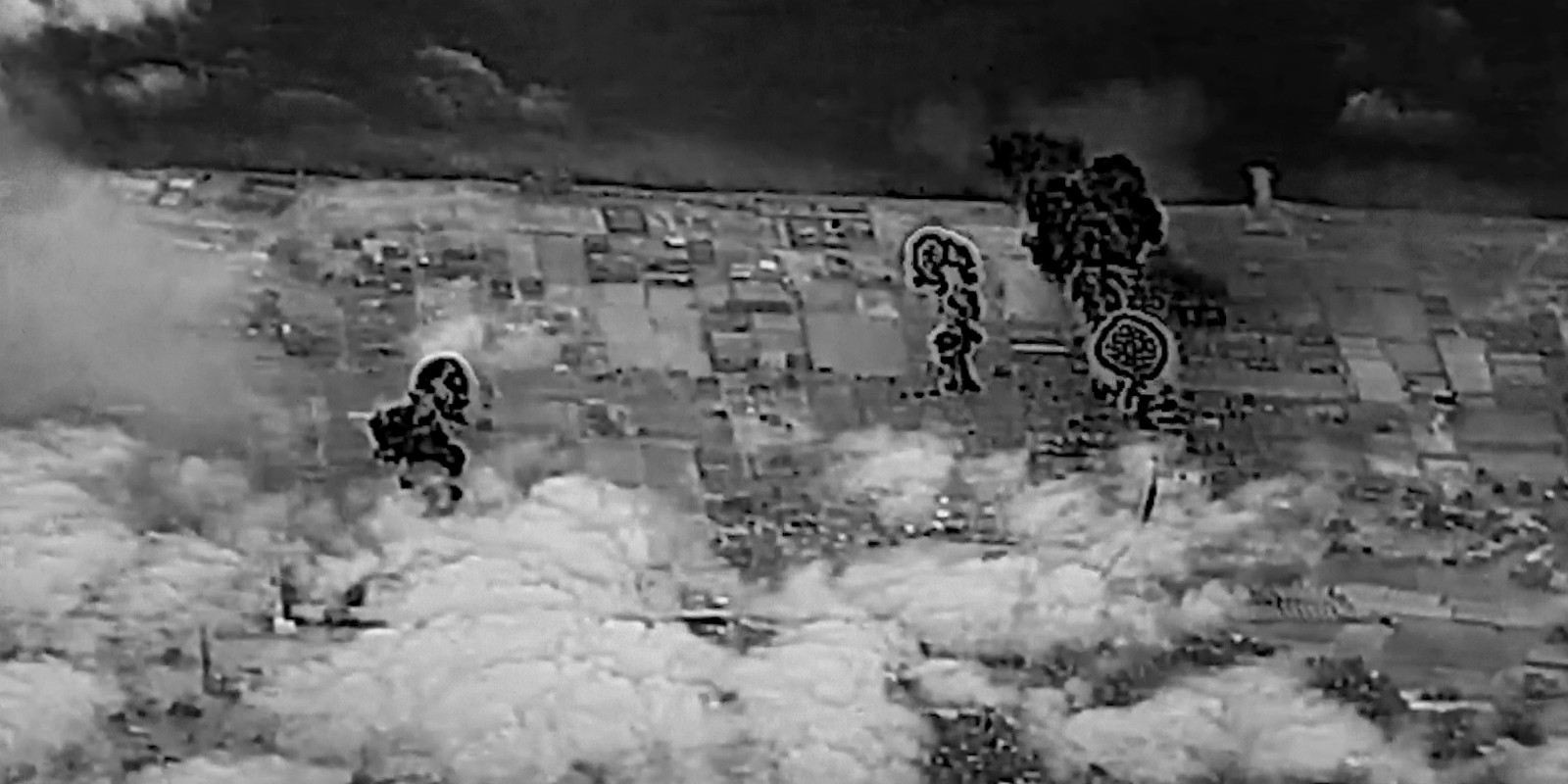
Only time will tell whether Israel has been successful in buying for itself some time before it needs to “mow the grass”…
If three core principles are maintained.

If the International Criminal Court of Justice conducted a fair investigation into the ongoing conflict, it would see that Hamas terrorists are…
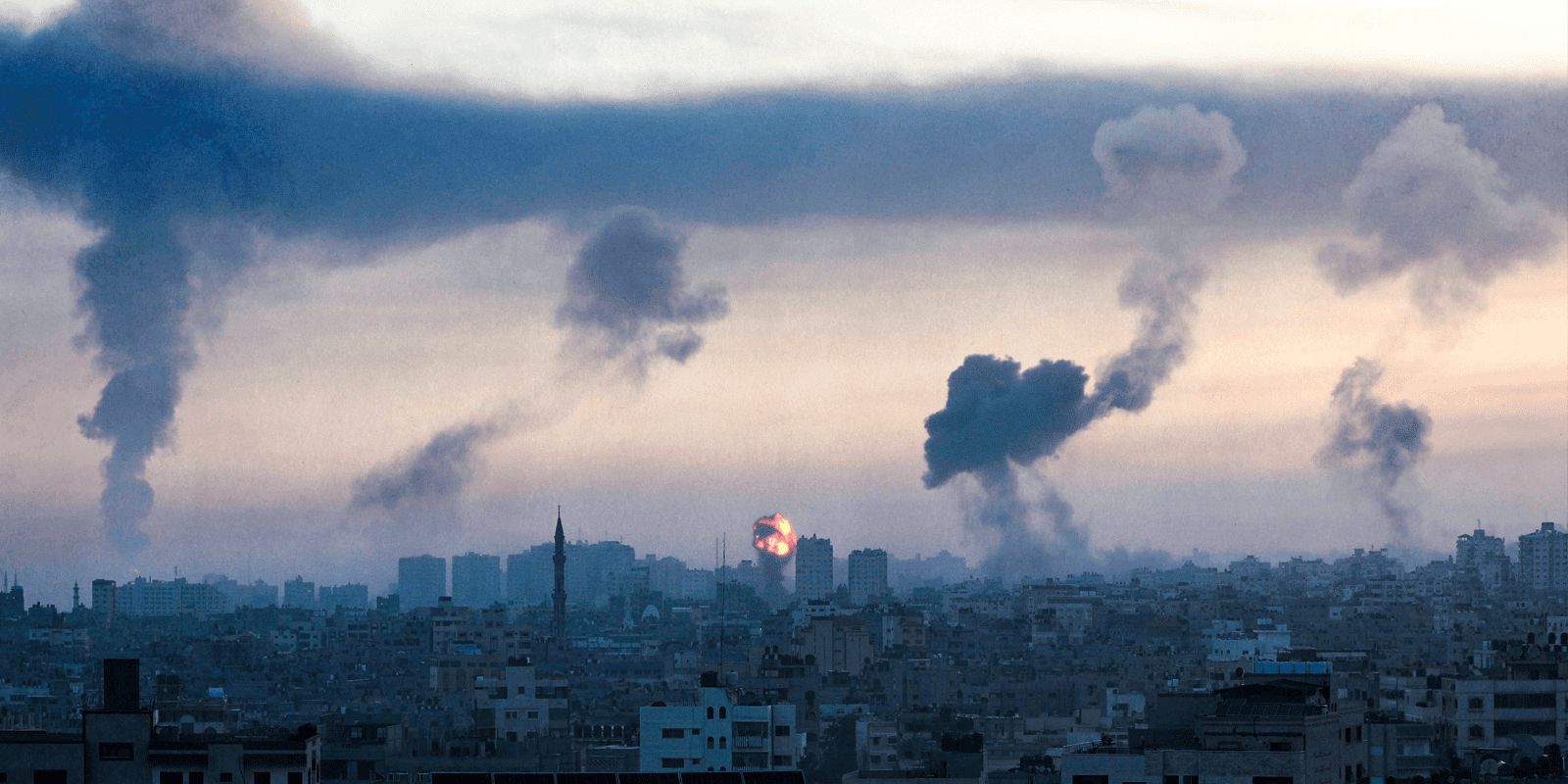
IDF strikes on Gaza's terrorists should be intense and aimed at causing severe damage to the intermediate level of command, infrastructure and…
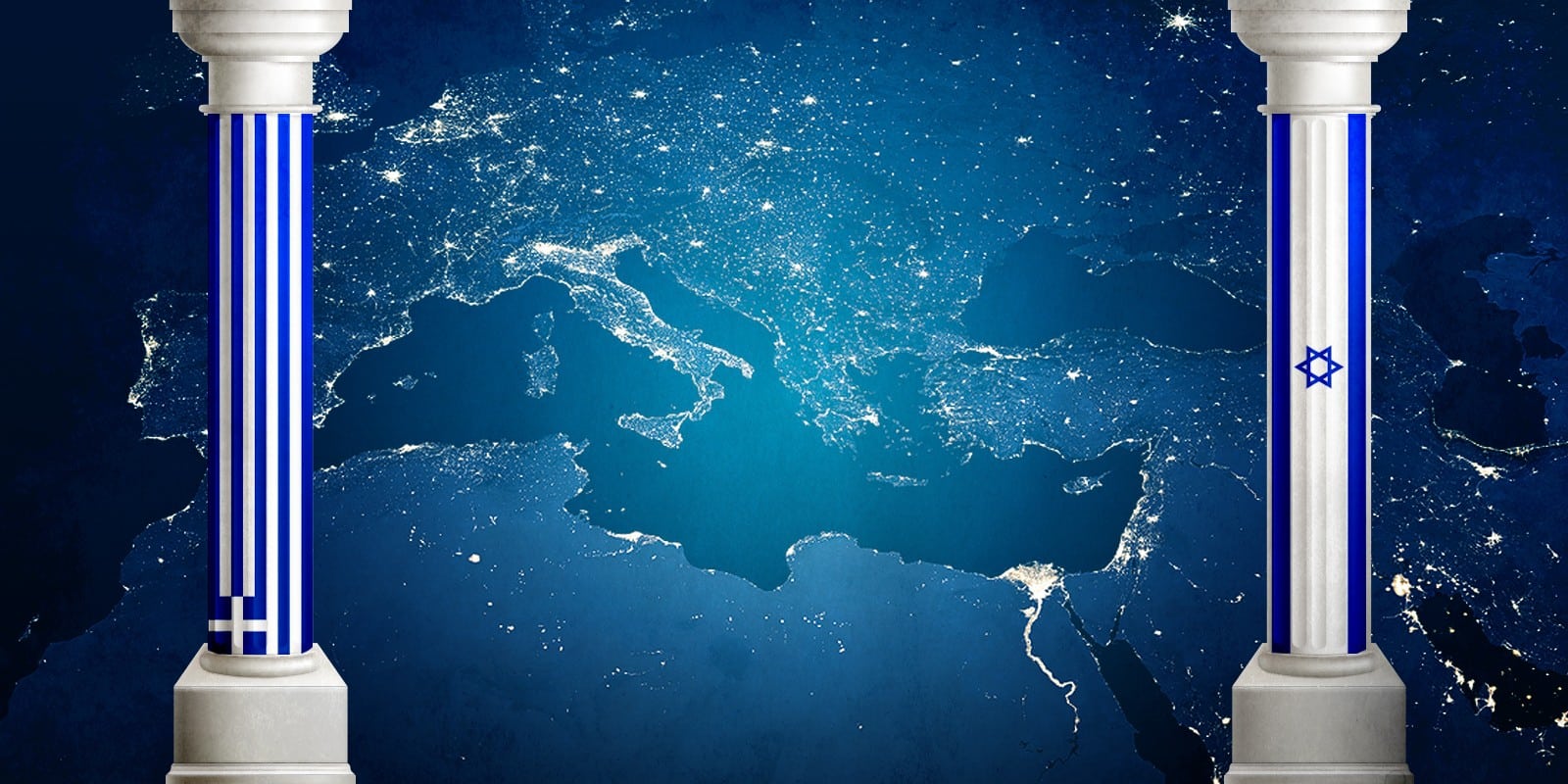
Amidst global turmoil, with Ankara seeking to lure away key regional players, the Greece-Israel partnership is a pillar of effective regional strategy.
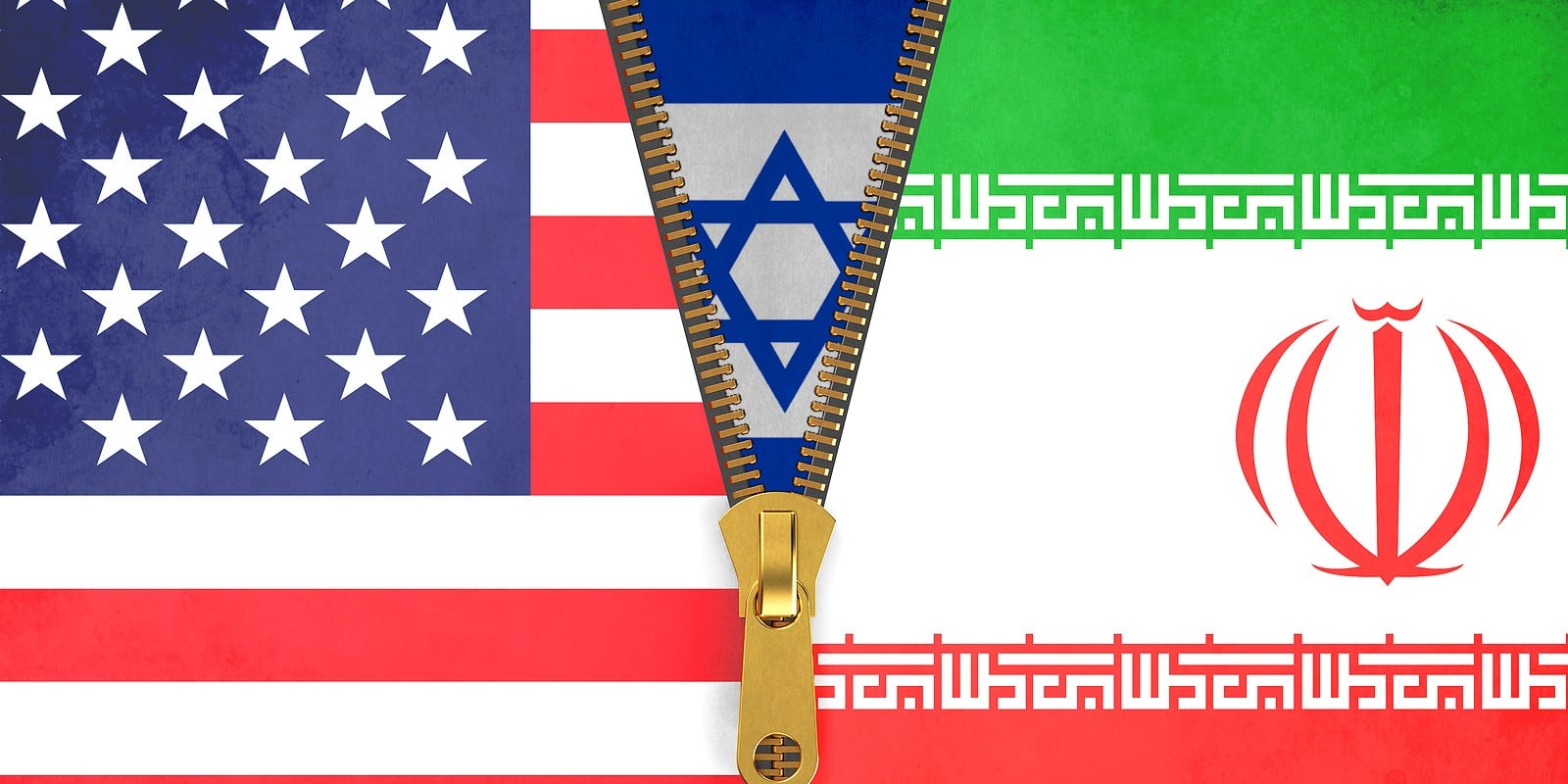
By ignoring Israel’s views on an issue critical to its security, Washington will cast a dark shadow over Israel’s status as a…
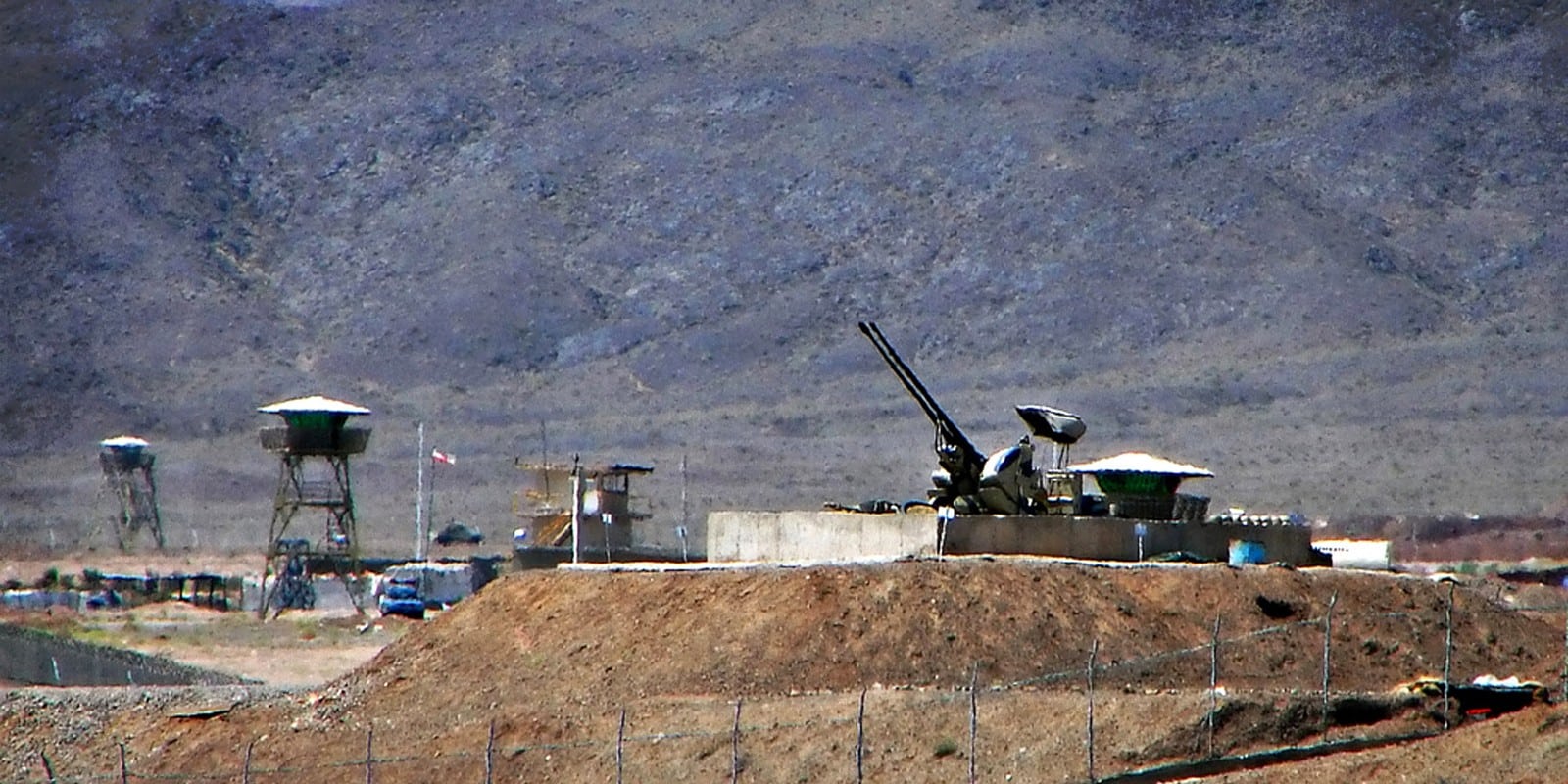
The US should be appreciative of any significant delay in Iran's breakout timetable towards a nuclear weapon. The time gained can and…
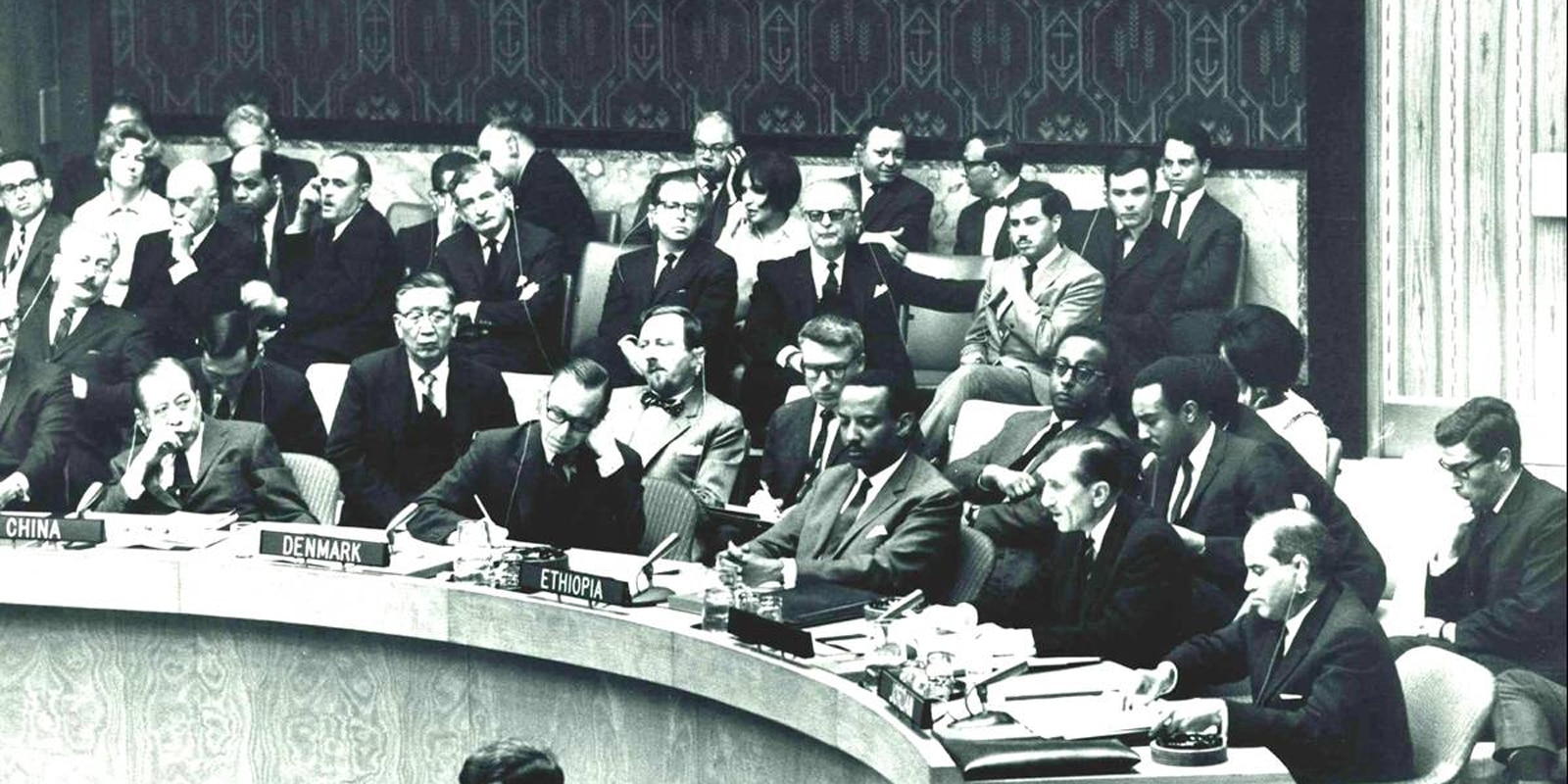
Washington will bury any chance for peace if it reverts to the “Everybody Knows Paradigm” which demands Israeli withdrawal to the 1949…

Many have raised understandable moral qualms (and practical questions) about conduct of war in Yemen. Indeed, the coalition fighting the Houthi uprising…

Establishing coherent US policy regarding brewing conflict in the eastern Mediterranean should be a Biden administration priority. By restraining Erdogan's ambitions, the…

It is possible to restore American bipartisan backing for Israel. Therefore, it is important to avoid being too identified with President Trump,…
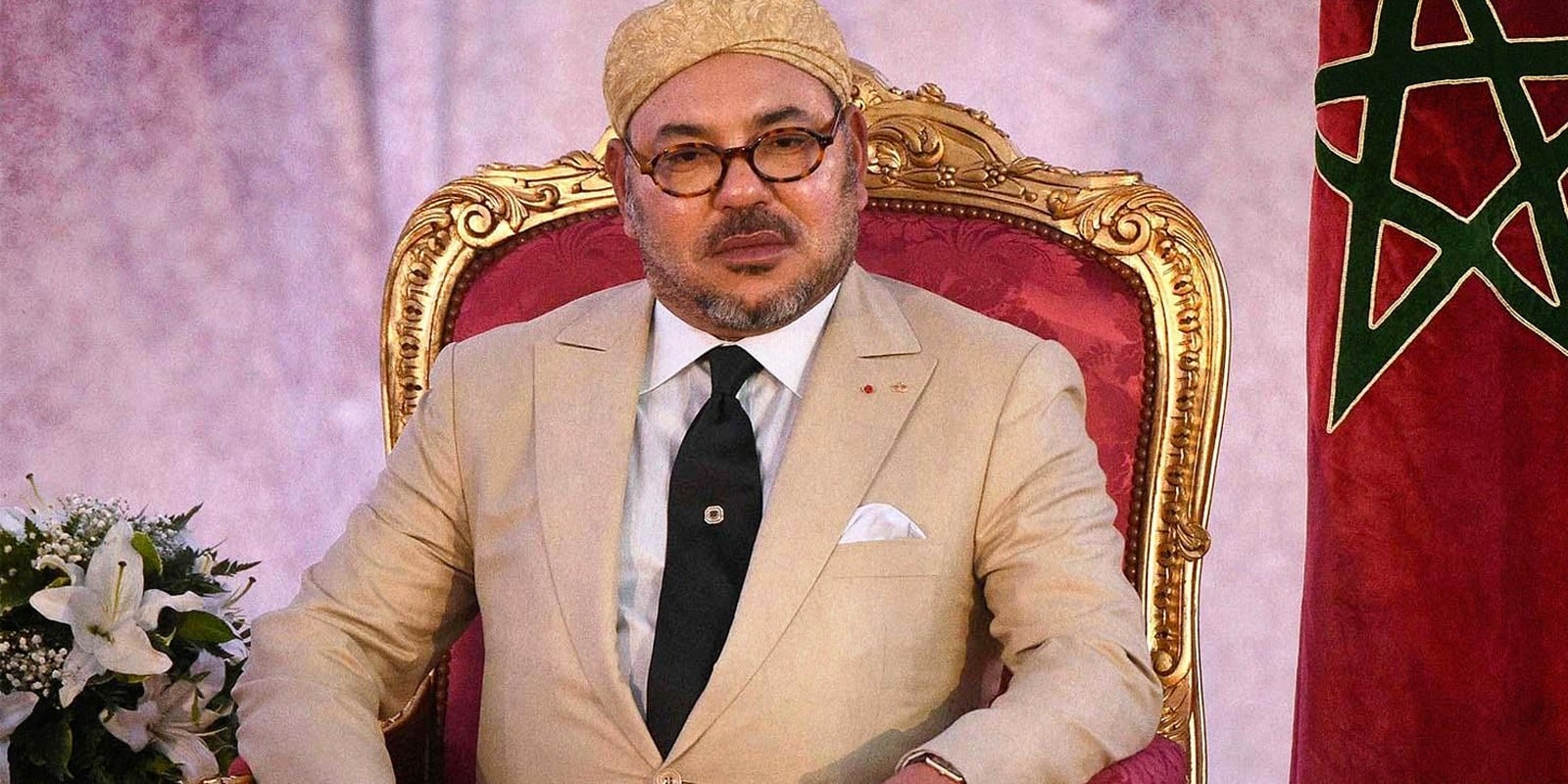
Morocco has maintained open channels with Israel for many years, and it values the unique Jewish contribution to its heritage. A new…
The Palestinian quest for an internationally imposed “solution,” which would not require them to negotiate a compromise deal with Israel, has failed.…
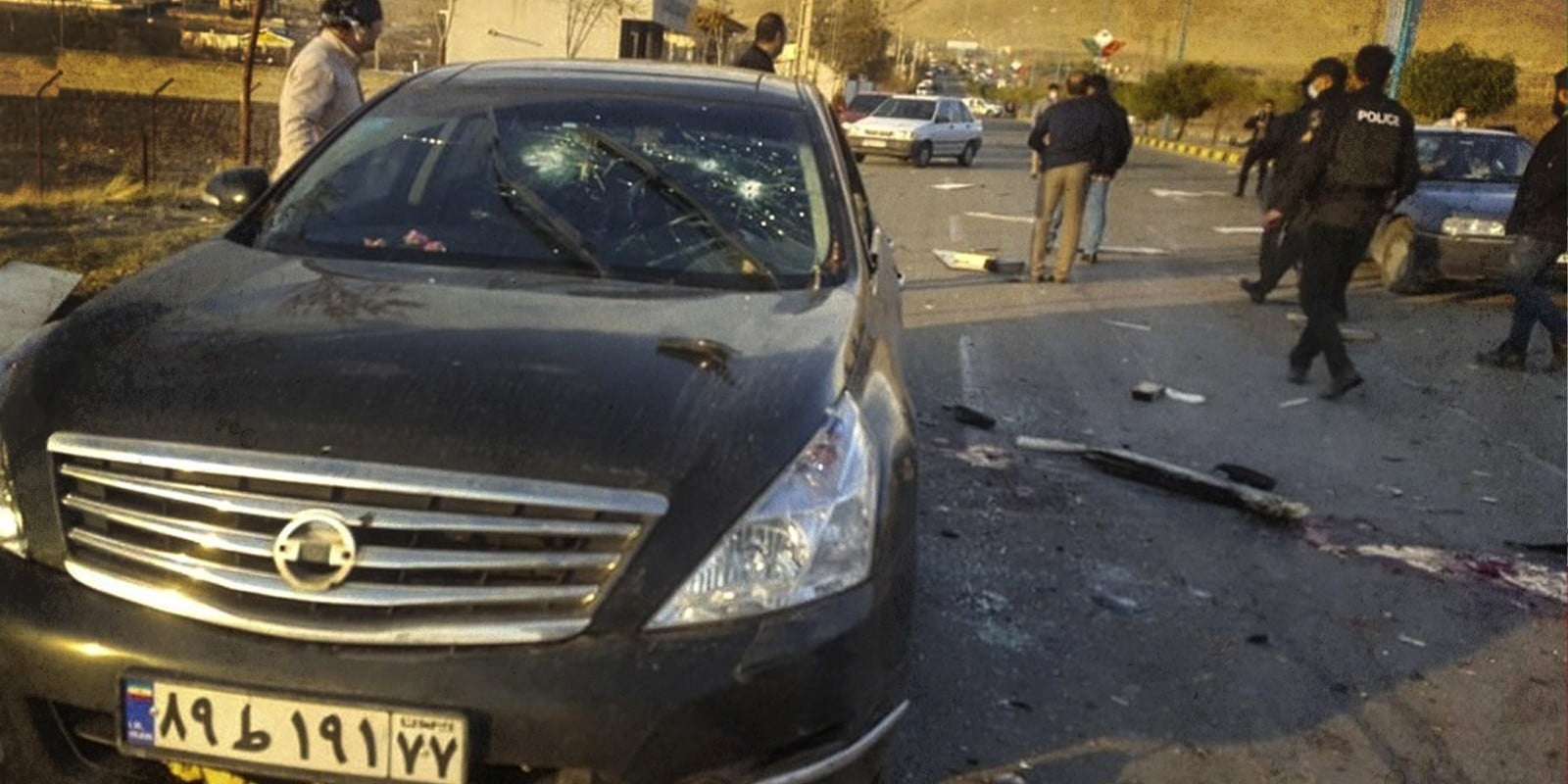
The taking out of the senior Iranian nuclear scientist is a blow to the Iranian leadership as much as the killing of…
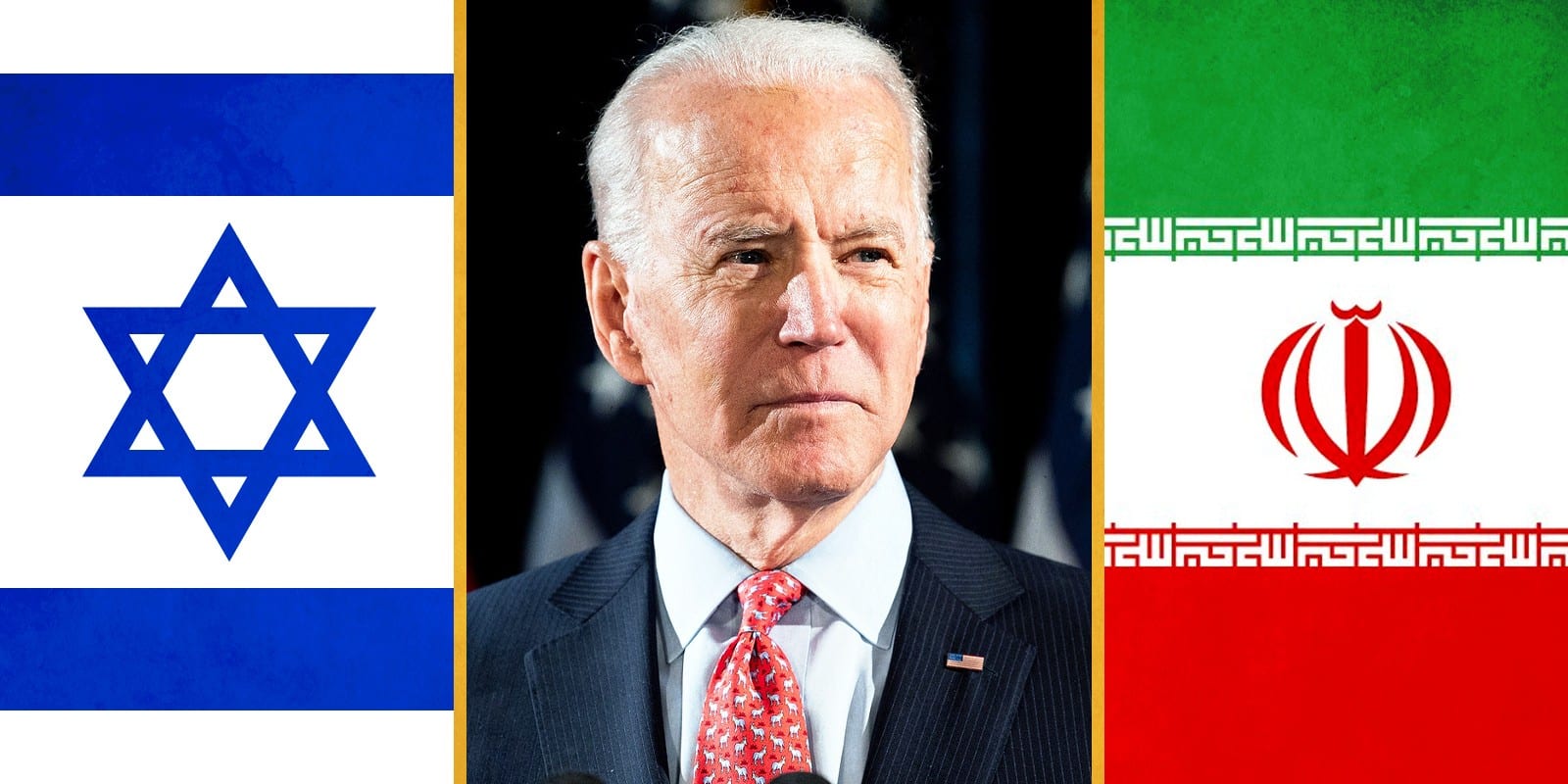
Israel should seek to persuade the Biden transition team not to offer Iran any premature concessions; it should outline what would constitute…
To acquire greater freedom of action in dealing with Iran's quest for nuclear weapons, Israel needs to minimize tensions with the US…
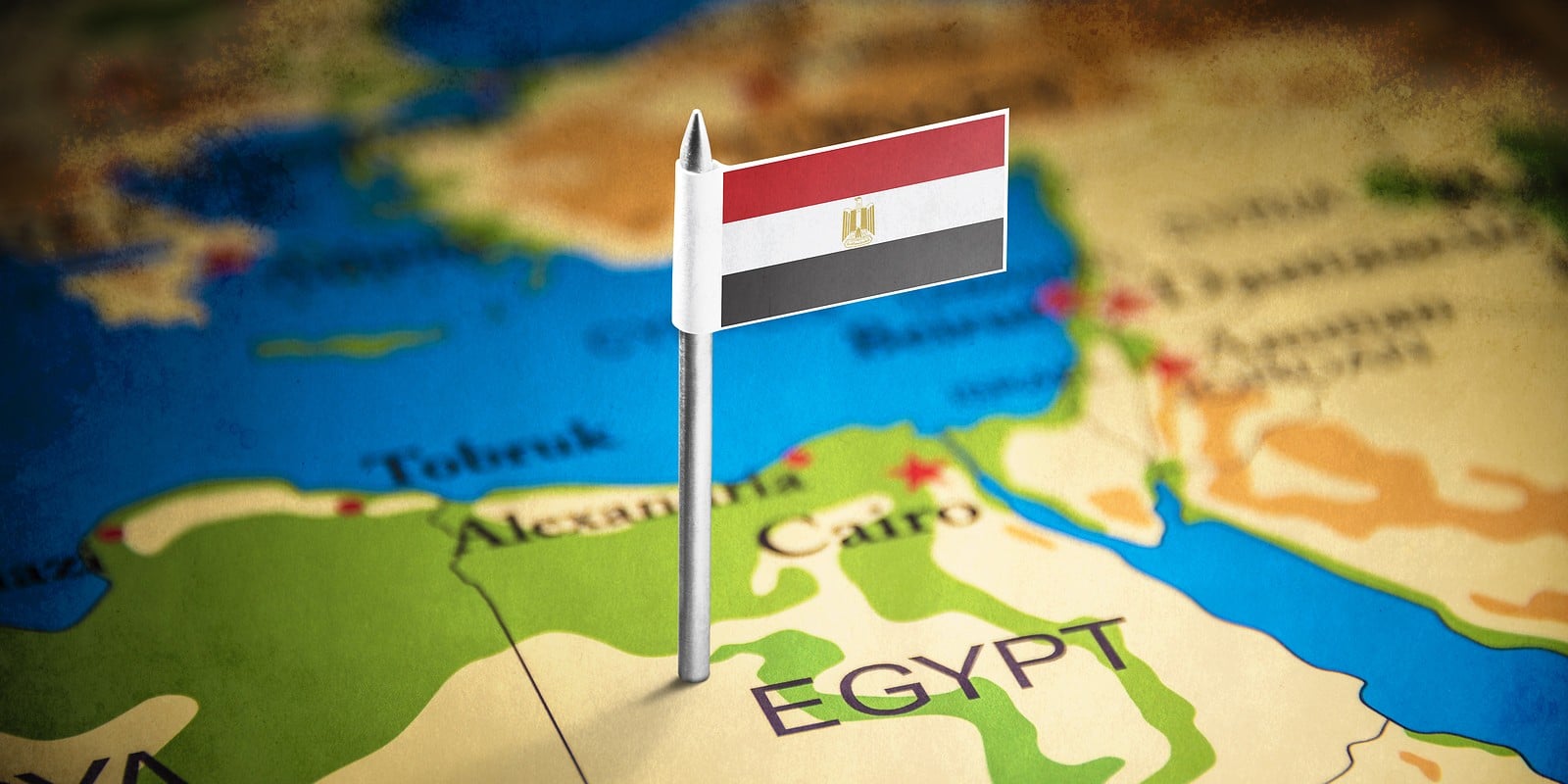
Egypt's public welcome of the normalization between Israel and the UAE, Bahrain and Sudan is one of the payoffs emerging from the…
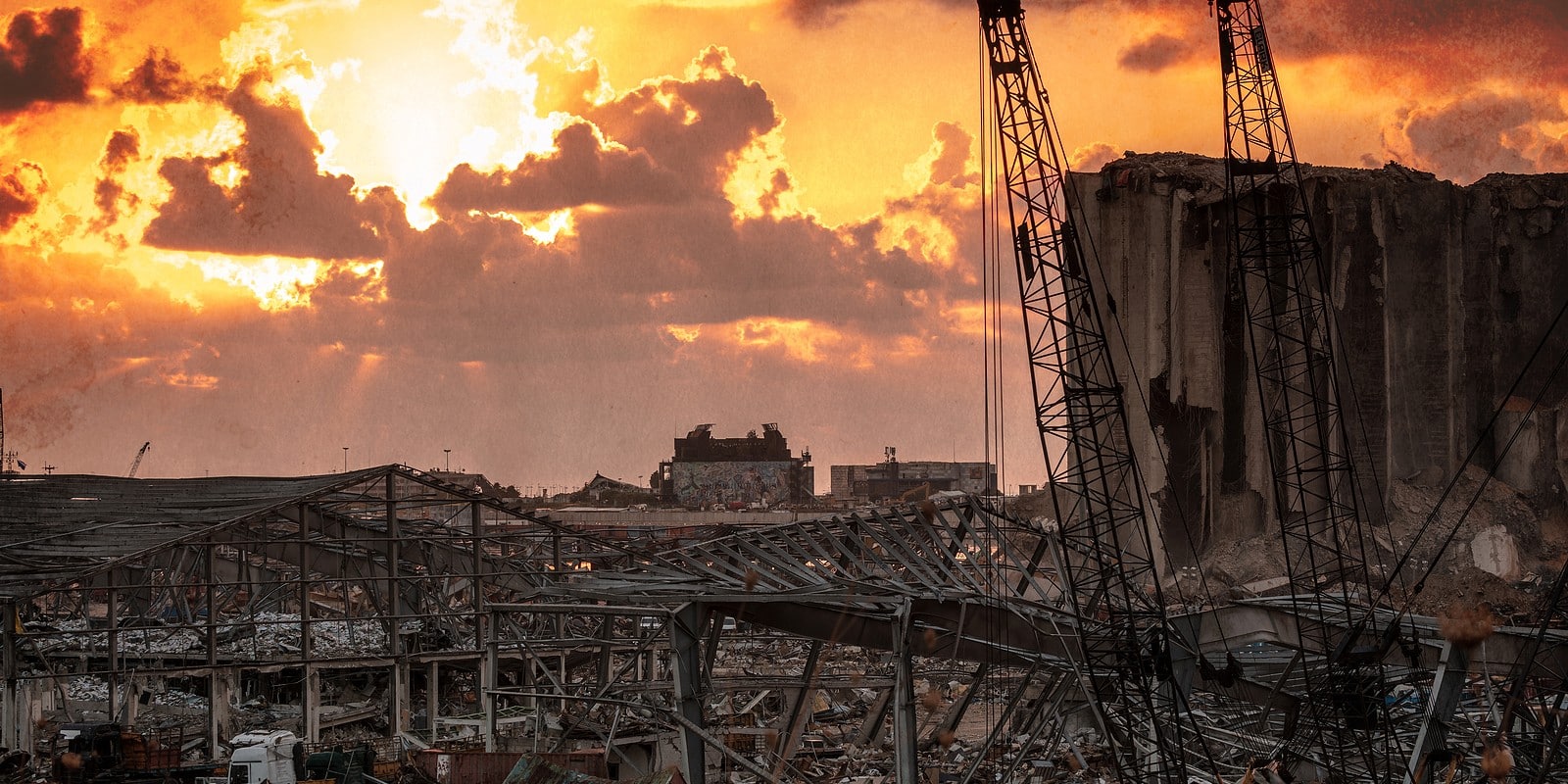
The current political situation in Lebanon is very problematic. Hizbullah enjoys full freedom of action in a country which long ago became…
Under Erdogan's leadership, Turkey threatens the stability of the region and Israel’s interests too.
The peace deals between Israel, the UAE and Bahrain mark the completion of an existing process by which the region's stabilizing forces…
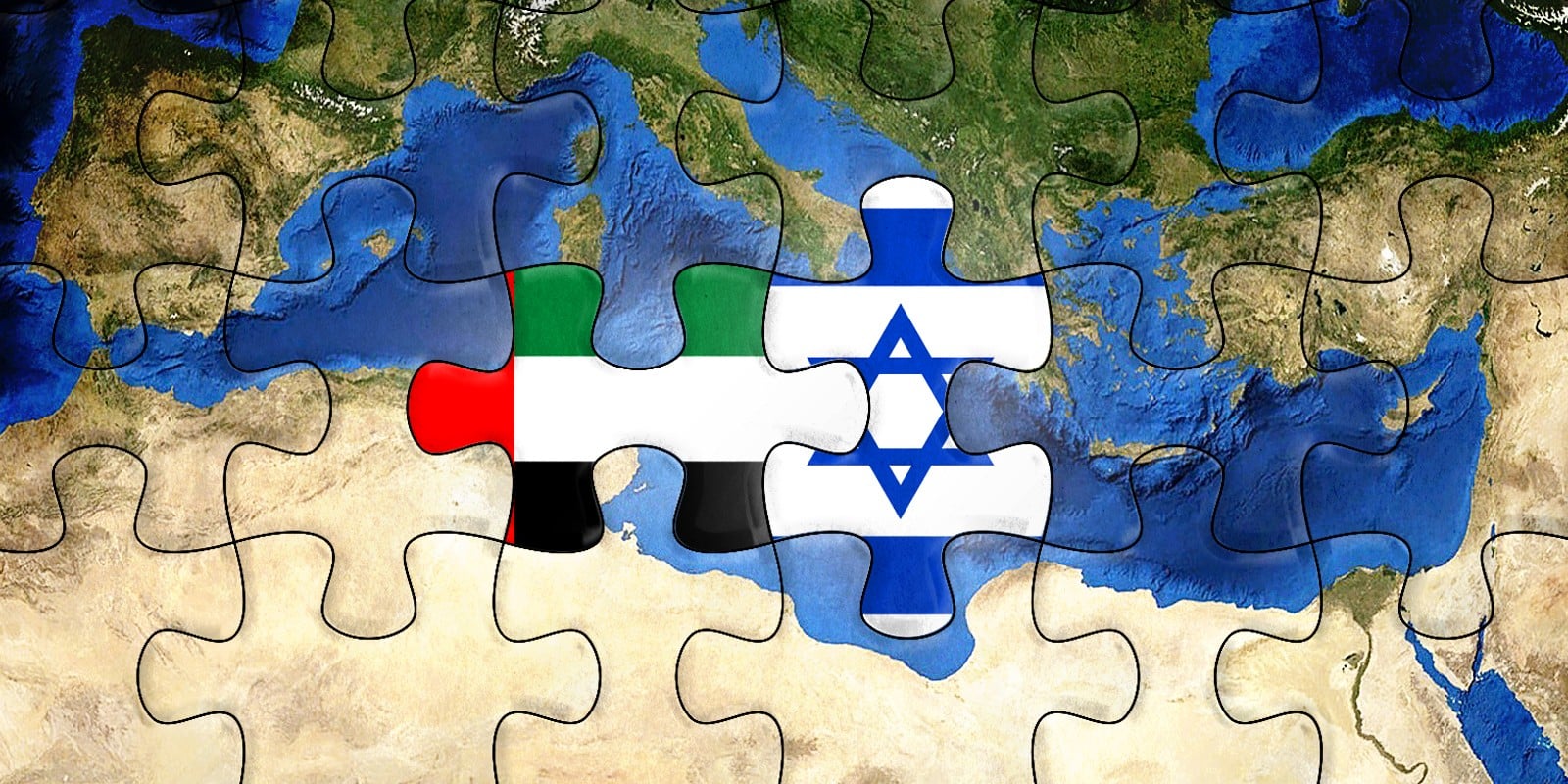
Israel is a key player in the crisis currently unfolding in the eastern Mediterranean basin, on the same side as the UAE,…

Israel should act to ensure that the Greek-Egyptian EEZ delimitation map is globally endorsed, as opposed to the Turkish-GNA alternative, and work…
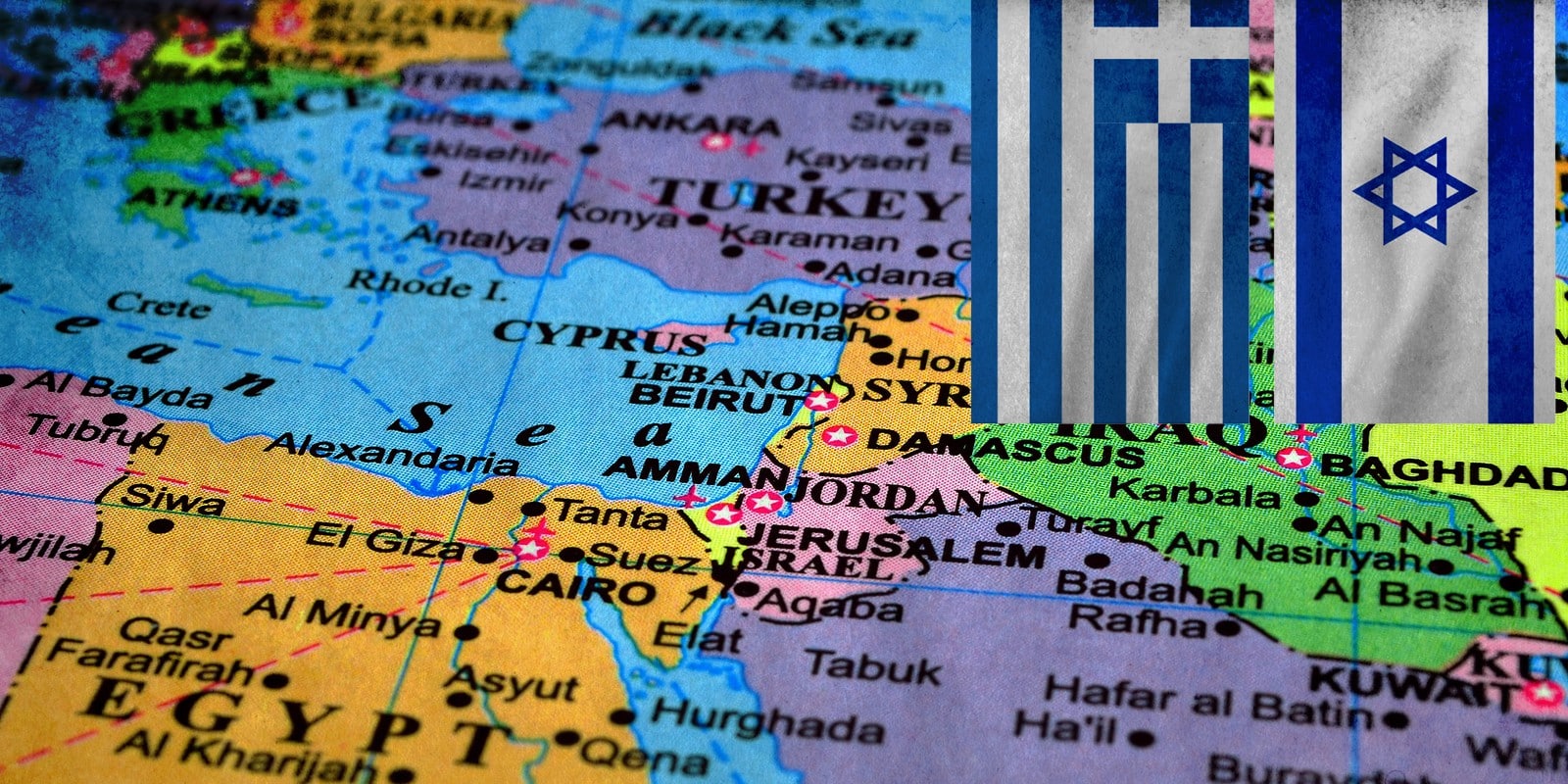
Israel is unable to get directly involved in eastern Mediterranean hostilities, should they erupt. But it can and should cooperate closely with…
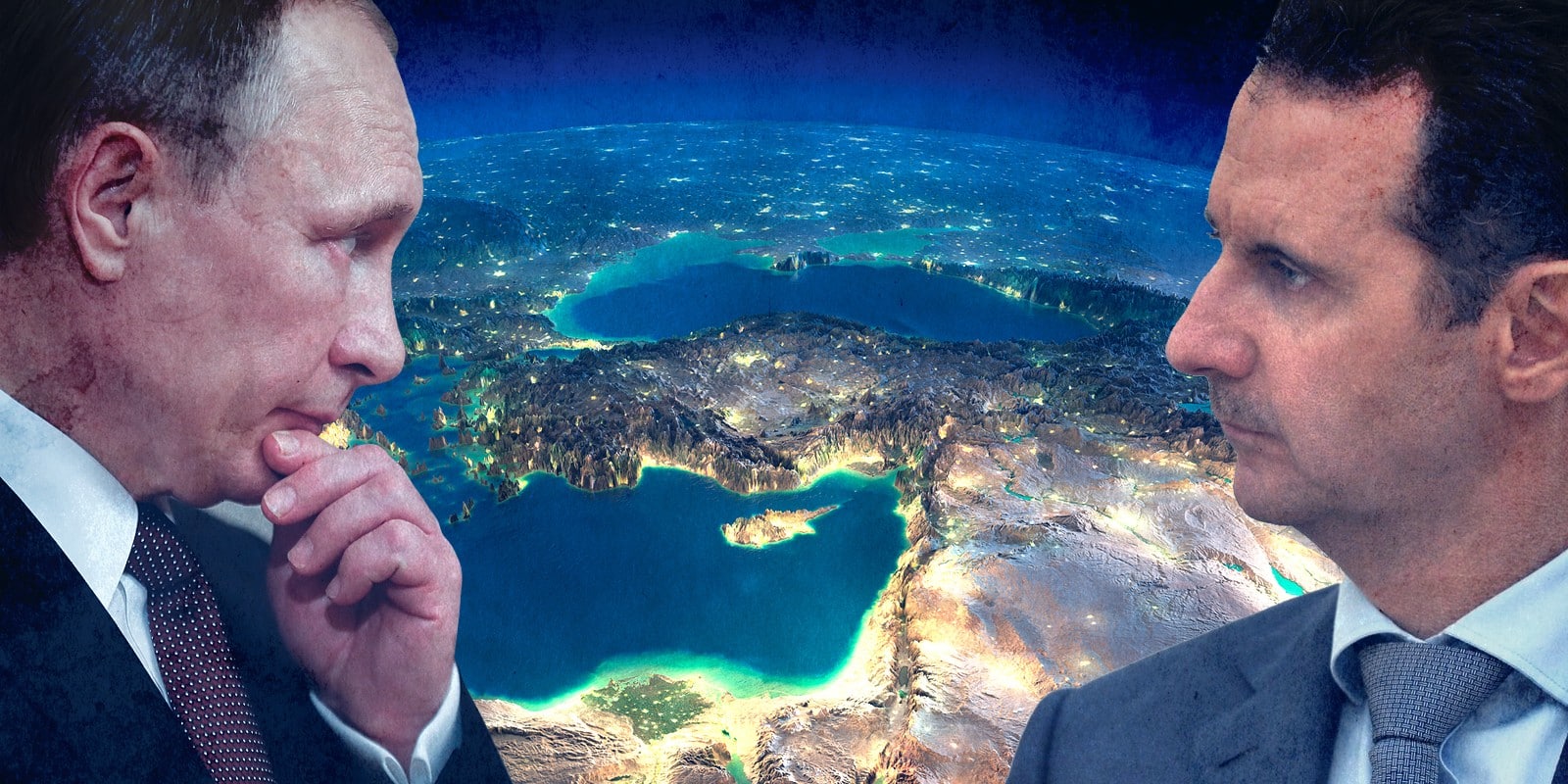
Israel and the US may have an opportunity to incentivize Assad and Putin to cooperate in constraining Iran's presence in Syria.
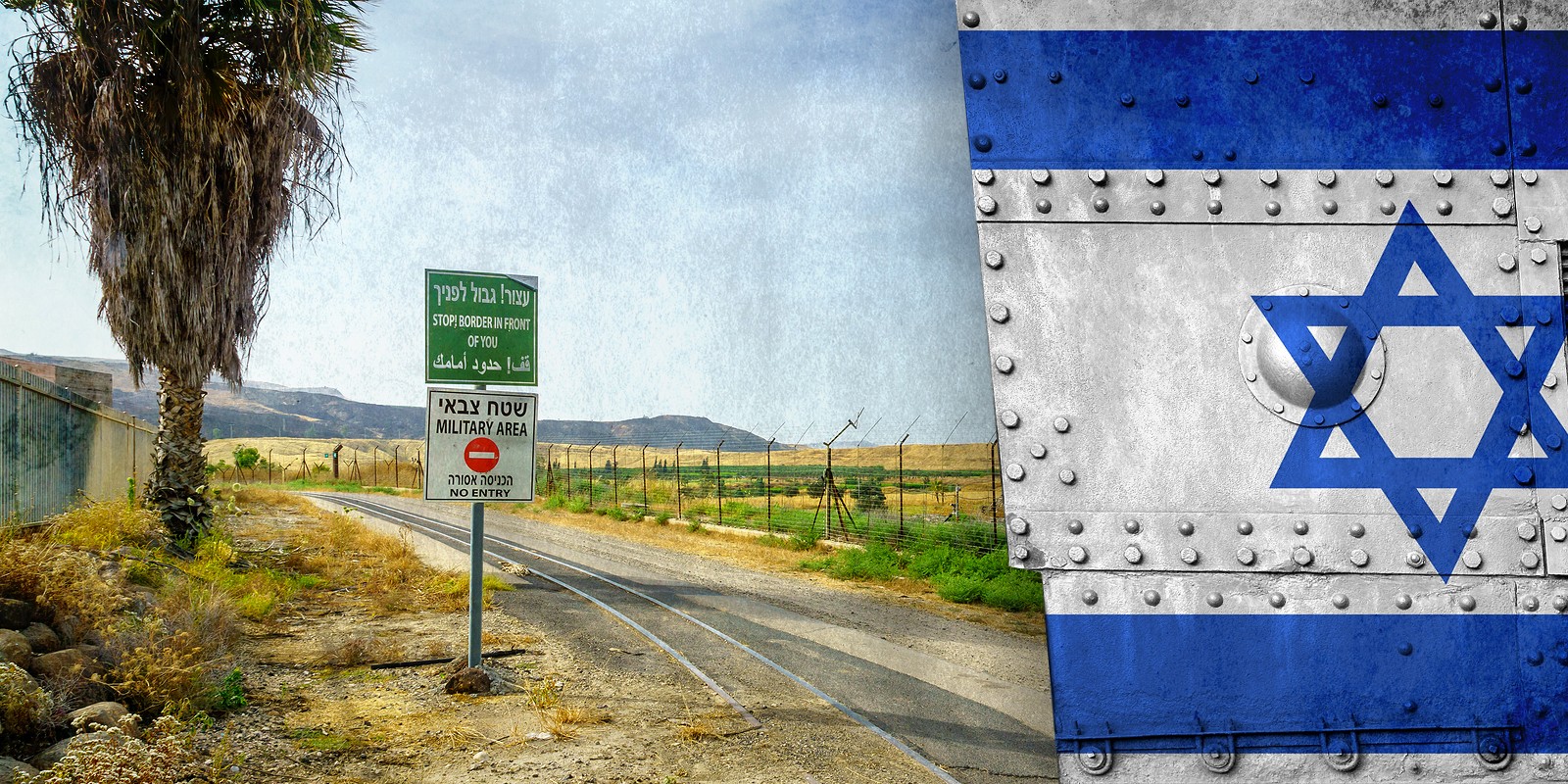
The American peace plan provides a historic opportunity to break the futile paradigm based on the 1967 lines and ensure Israeli national…
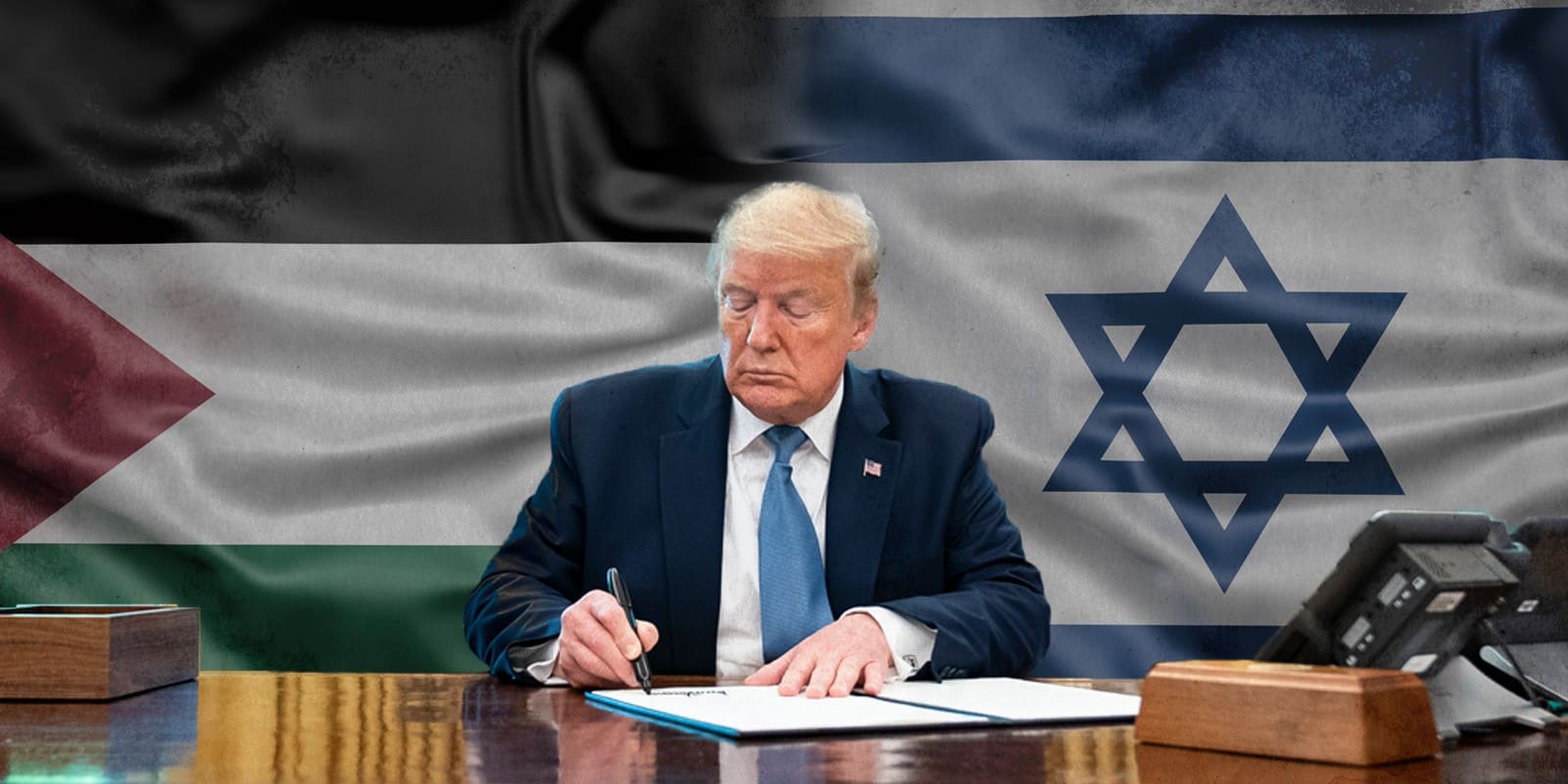
The Trump Plan is the most realistic route for progress towards the goal of “two states for two peoples.” Therefore, the Israeli…
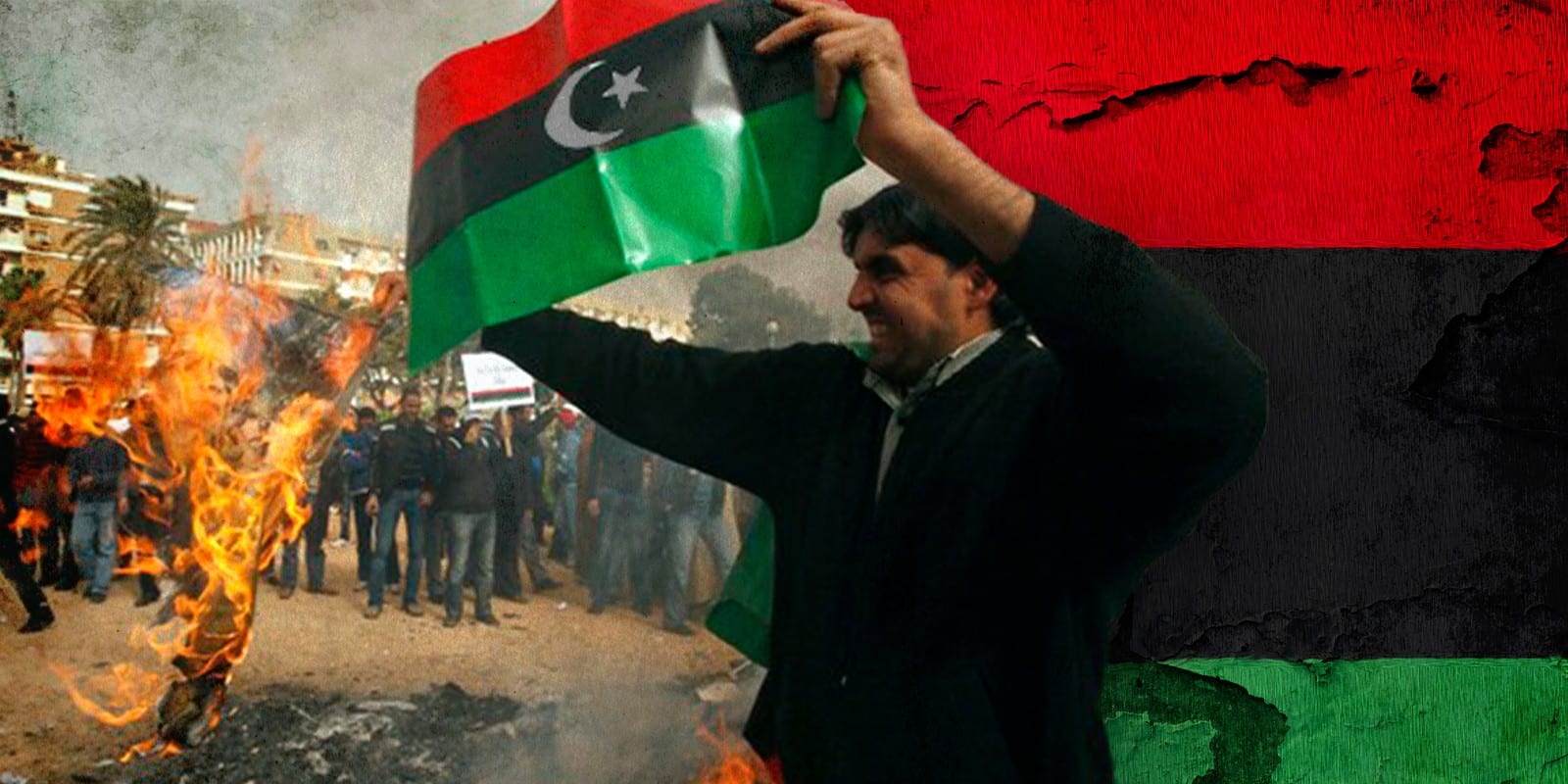
Dramatic gains on the battlefield by the forces loyal to the Turkish-backed "Government of National Accord" in western Libya have given Erdogan…
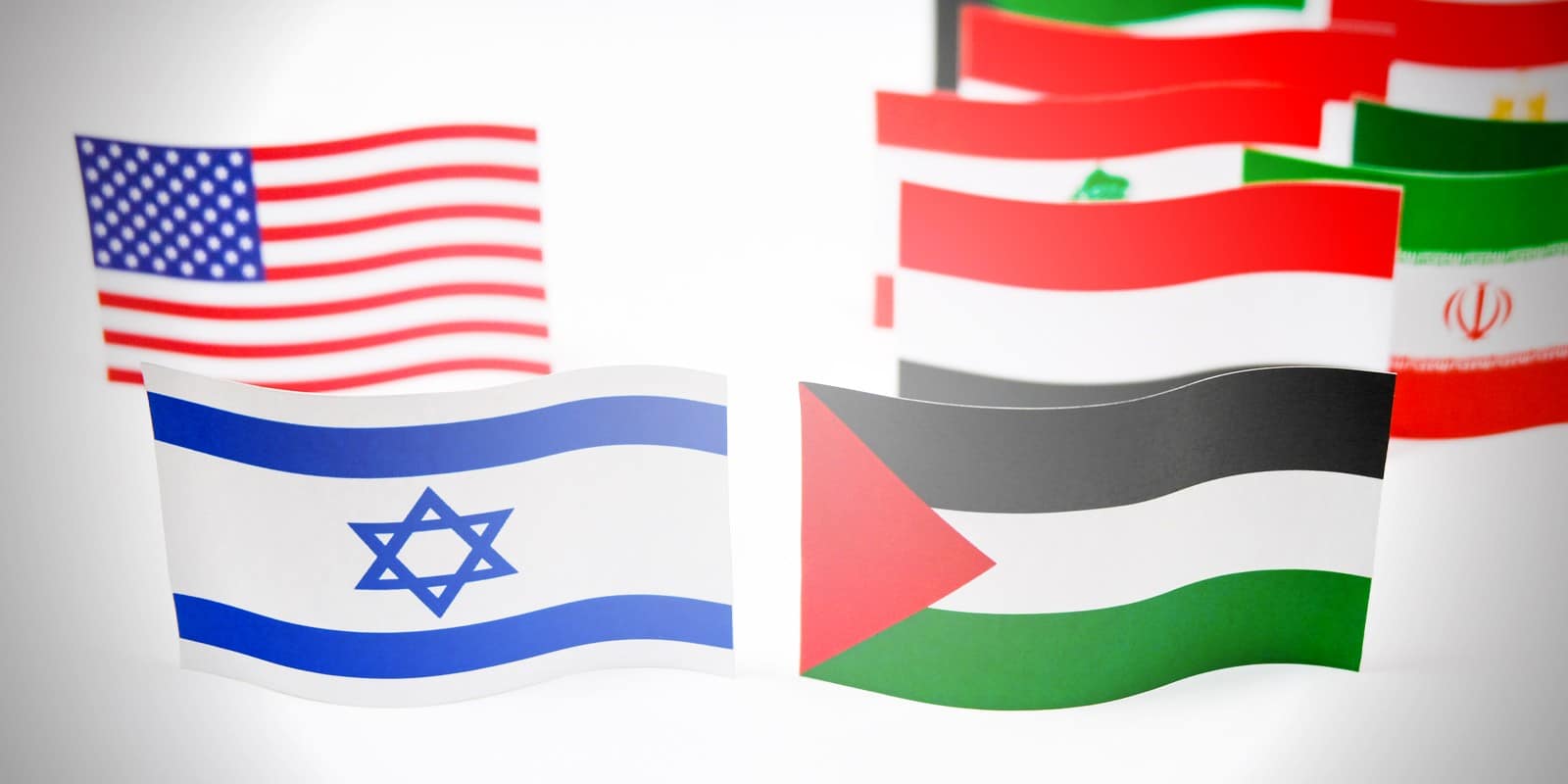
Rejection of the Trump plan outright, denunciation of any steps towards its implementation, and adherence to the failed Oslo-era paradigm for peace…

Overall, Israeli society has remained resilient in the face of the COVID-19 pandemic, and there are reasons to rate highly key aspects…
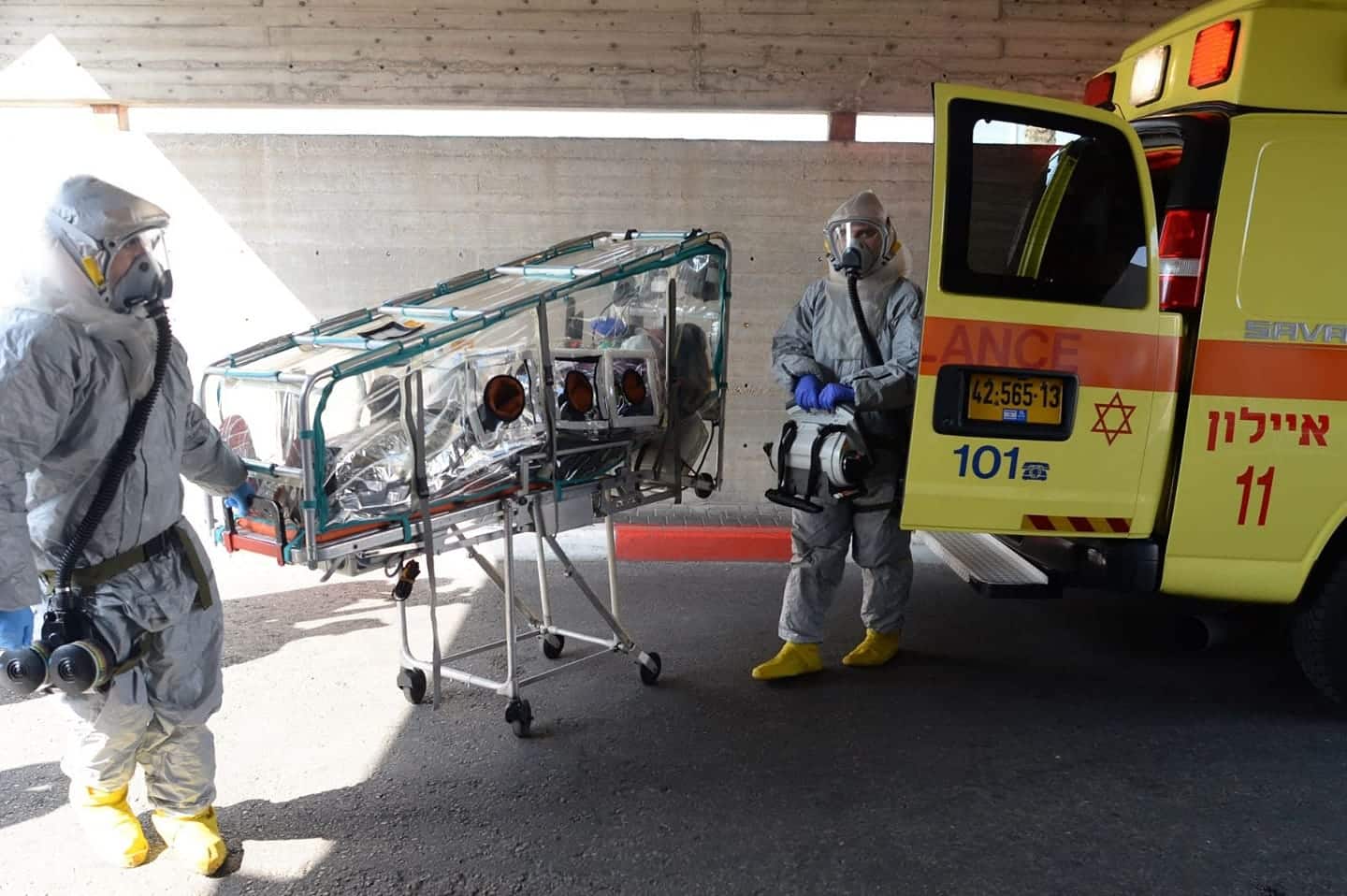
The resilence of Israeli society at a time of national emergency (the corona pandemic) has direct strategic and security implications. Despite the…
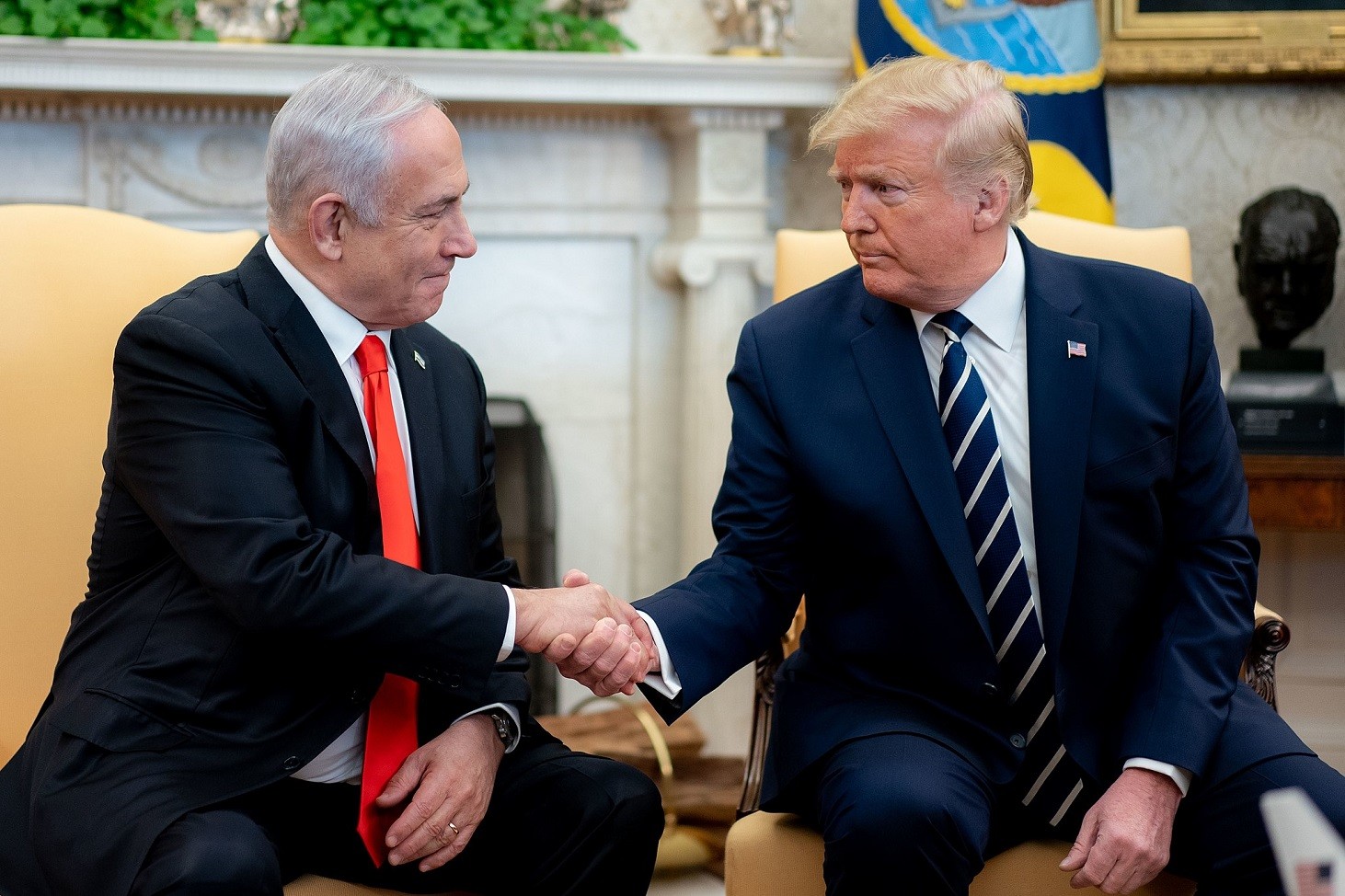
Even if the Palestinians reject Trump's peace plan, it still serves their long-term interests. False, undeliverable expectations – based on the assumption…
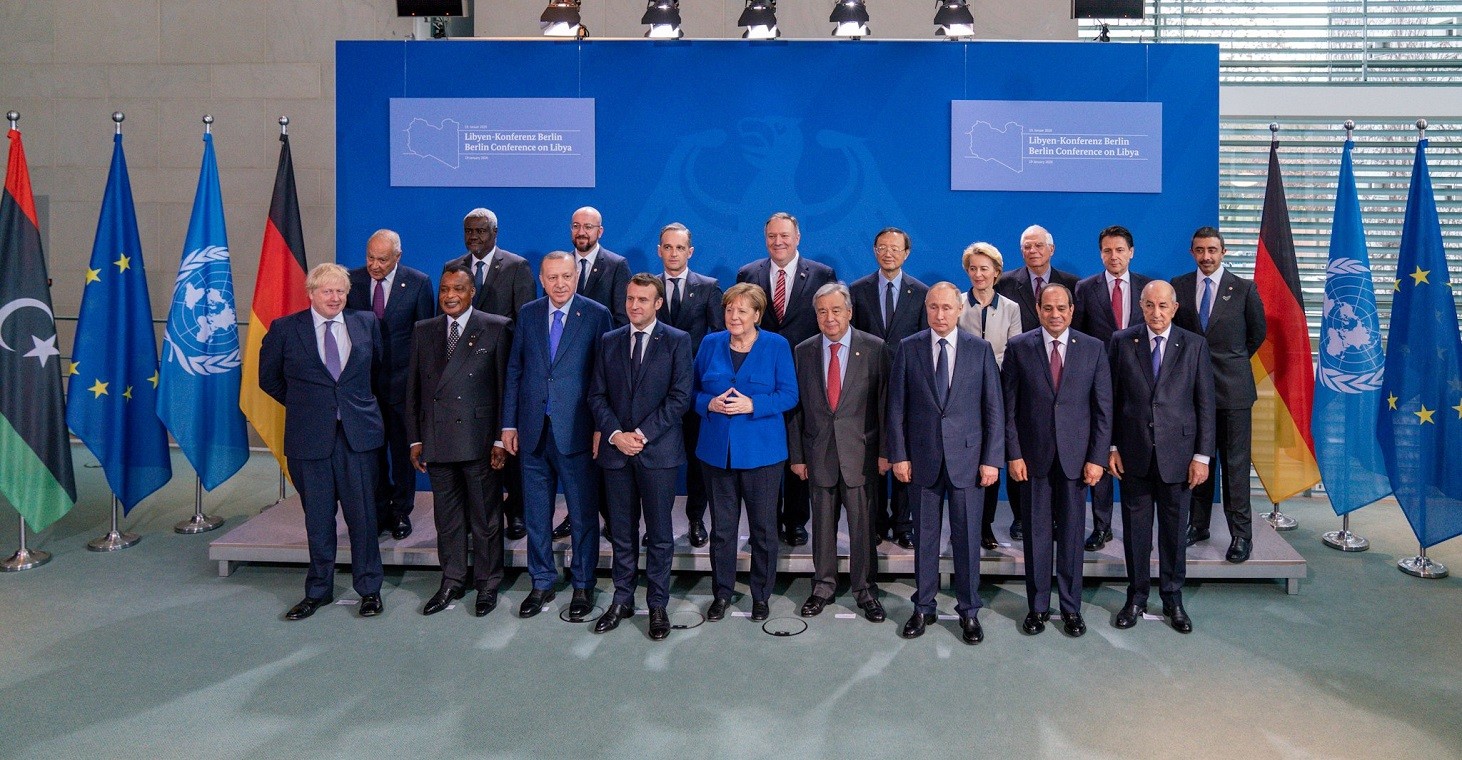
Everything short of a military confrontation needs to be done, though, to deter Erdogan from establishing a barrier diagonally across the Mediterranean,…
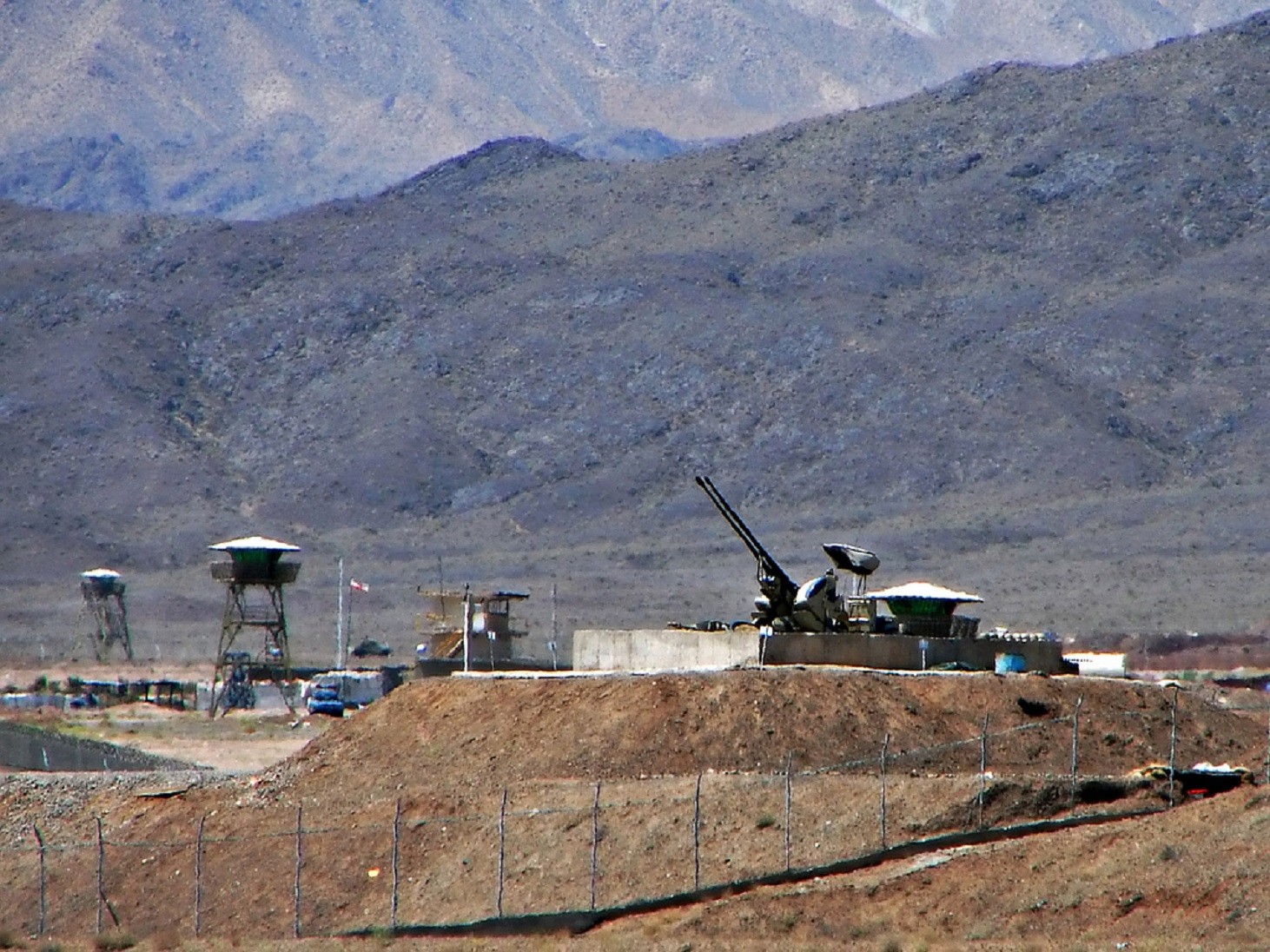
A firm stand at this critical juncture may prove to be of use as part of the effort to bring Iran back…

It would undoubtedly serve Israel's interest for Russia to draw closer to the US on a wide range of issues, and above…
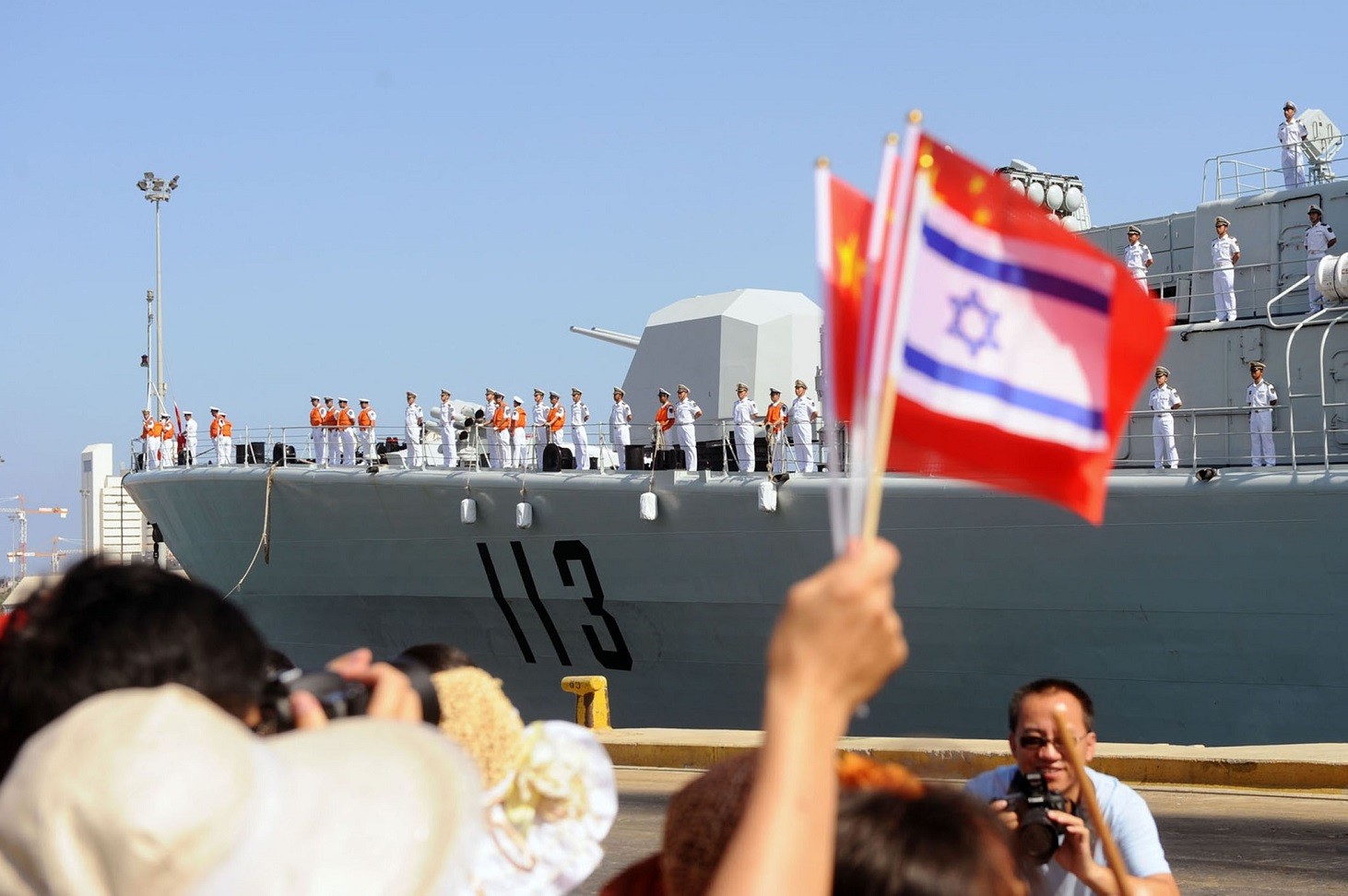
The Jewish state’s relationship with the U.S. is stronger for resting on an informal basis; replacing it with a formal alliance would…
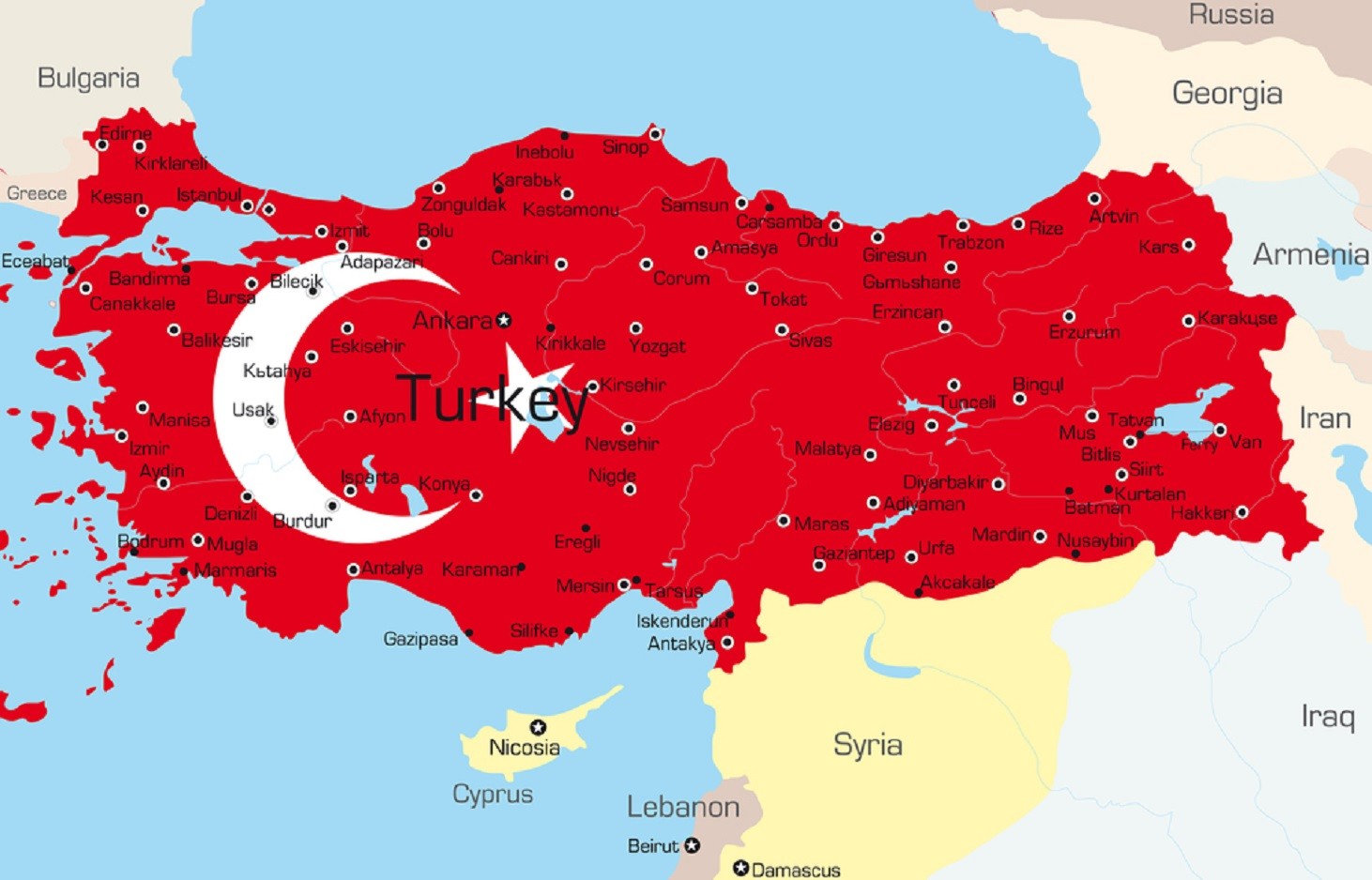
Israel needs enhanced naval capability for the protection of its own EEZ and for the creation of a proper balance of power…
If it weren't for the Iranian regime's distress, it might decide to tread water until US President Trump was out of office.…
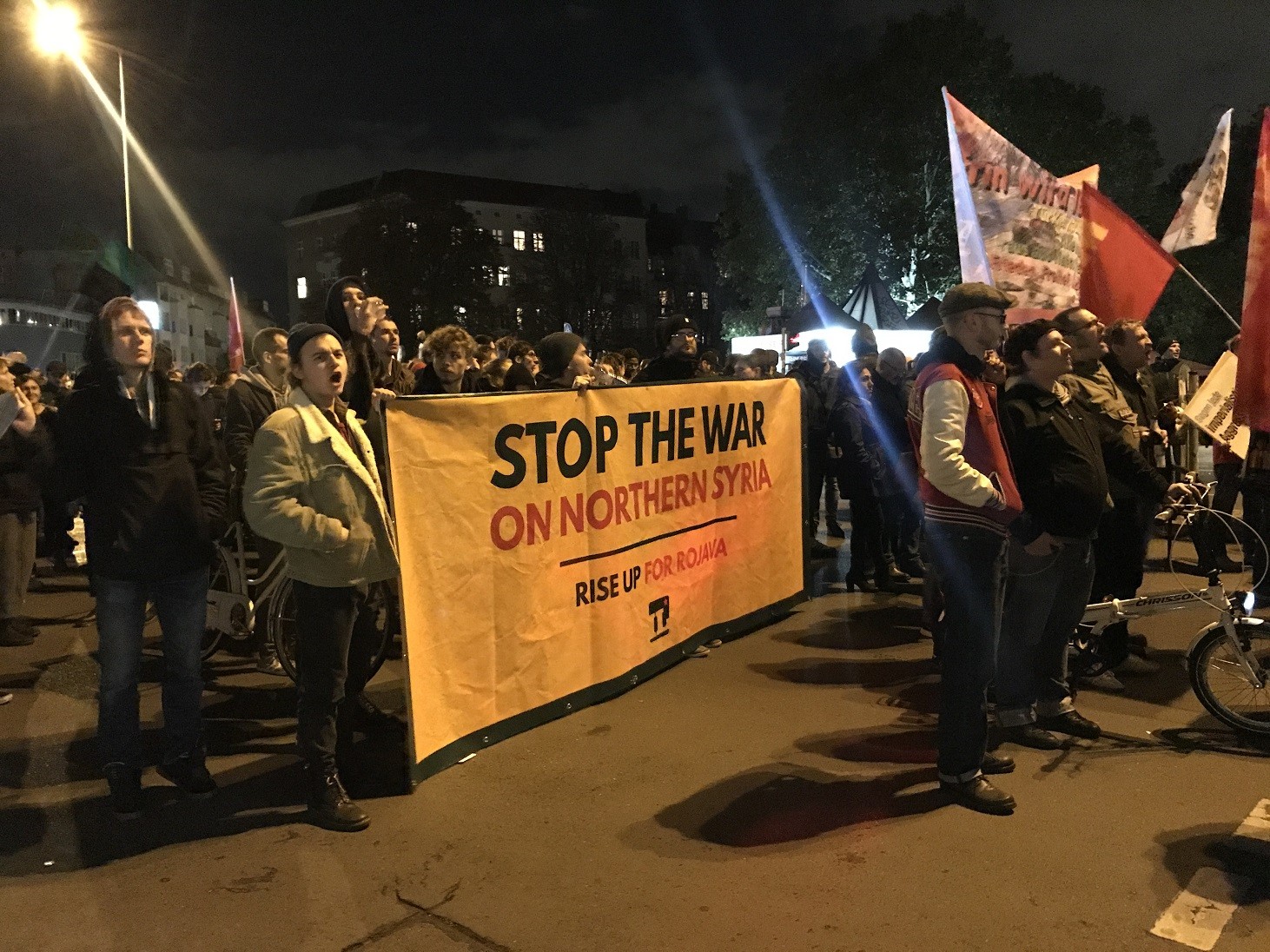
What Can and Should Be Done to Limit the Scope of the Turkish Assault on Rojava?
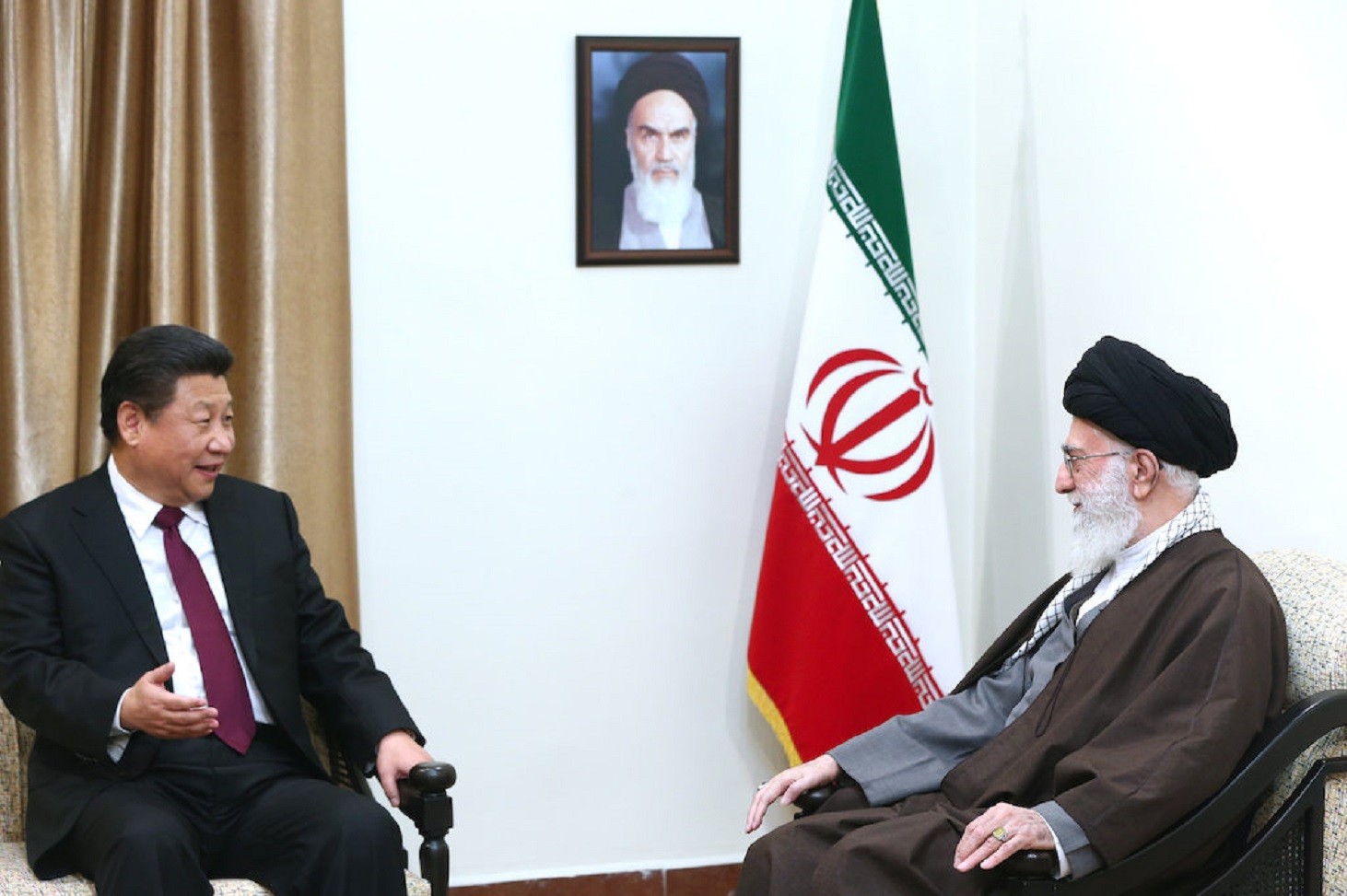
Chinese investment in Iran would help Tehran withstand US economic pressures, and exacerbate the Western crisis with Iran
Overlooked in the controversy regarding Trump, Omar and Tlaib, and Israel: The imperative of maintaining Israel’s sovereign decision-making.
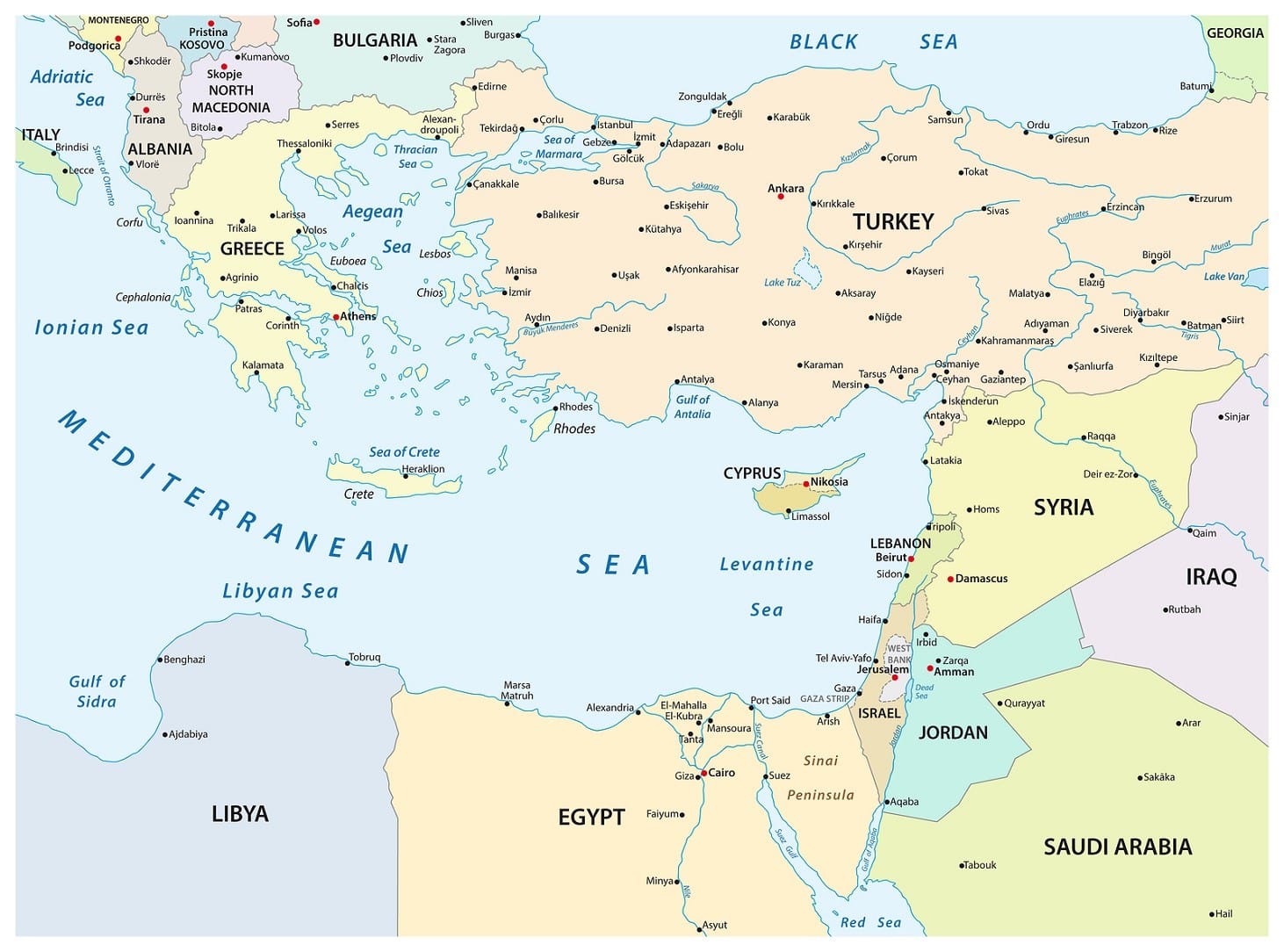
Israel, Egypt, Greece and Cyprus must encourage the US to assert a higher military and diplomatic profile as a counterweight to Turkish…
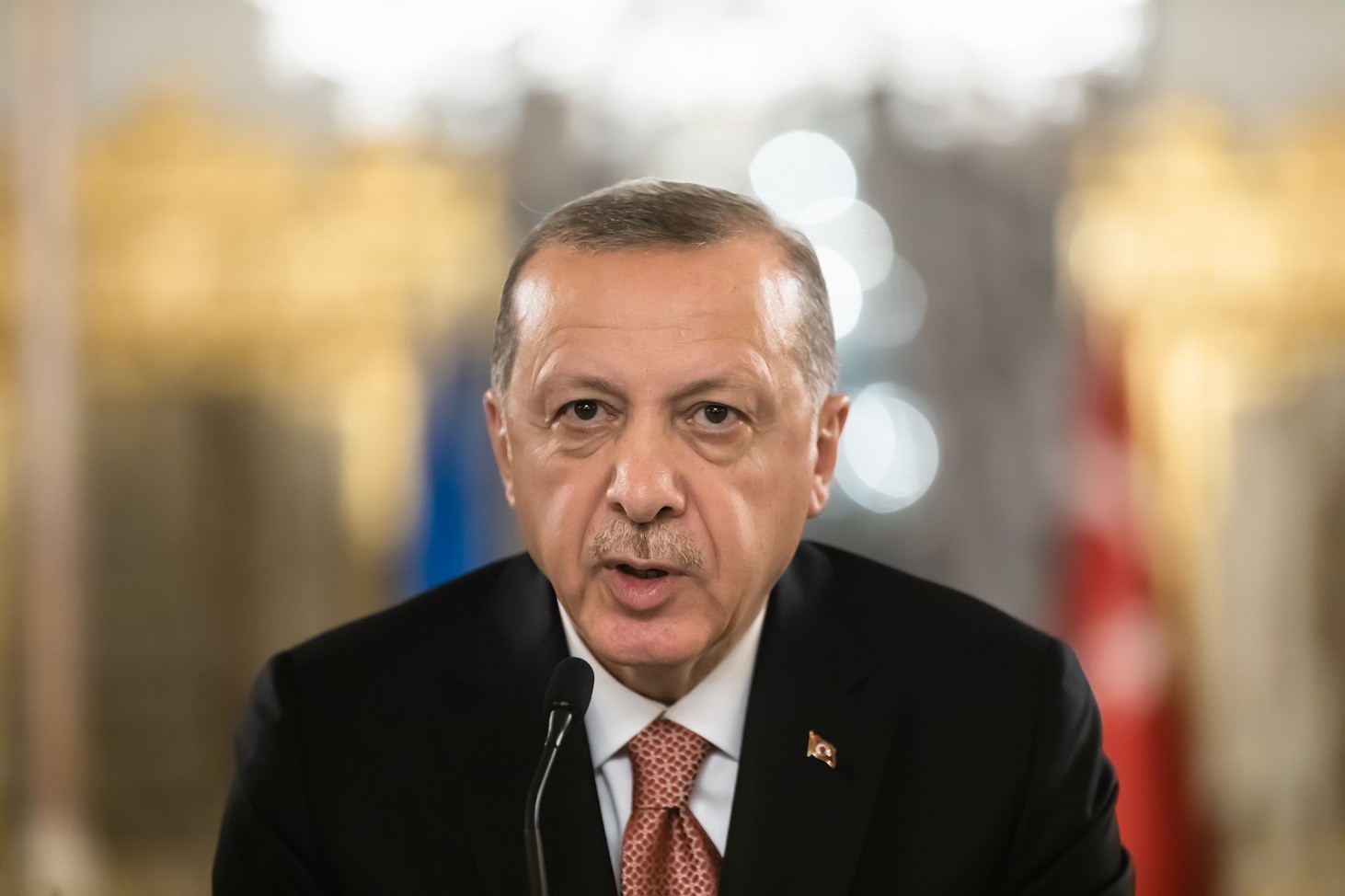
The US, Europe and Israel can force a modification in Erdoğan's conduct on a wide range of issues, including his duplicity on…
The need to assign American soldiers to fight with Israel might undermine Israel's popularity in the US and constrain its freedom of…

Beyond Elounda, Beersheba, Cairo and Jerusalem. The emerging informal alliance in the eastern Mediterranean is becoming increasingly significant. Egypt’s role, Erdogan's ambitions,…
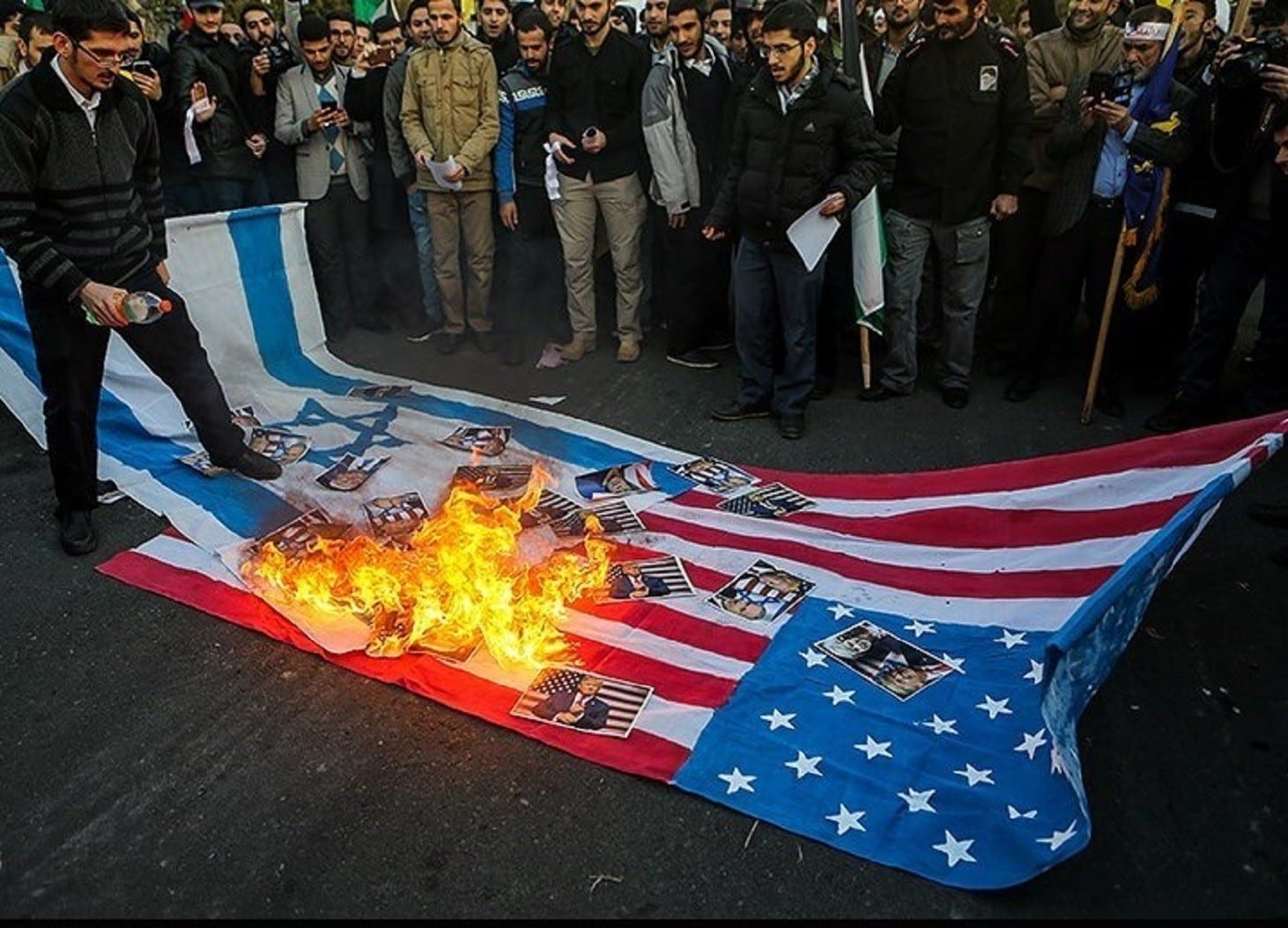
Israel needs to be prepared for potentially dramatic consequences, including rapid deterioration towards confrontation on all Israel’s borders. Resilience and readiness to…
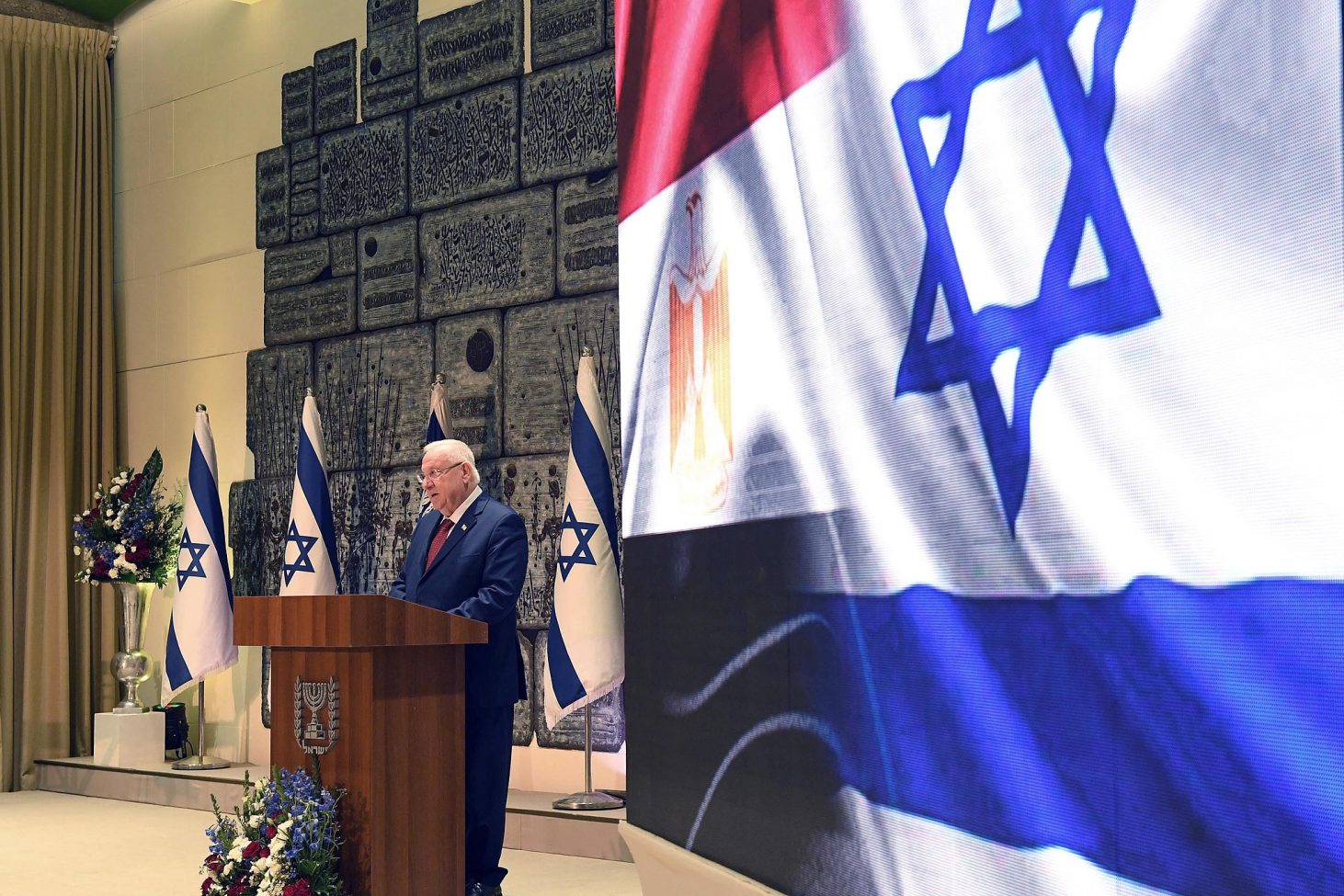
It is in Israel's interest to solidify the Egyptian role in Gaza, in the context of "conflict management" as a governing policy…

The IDF's response will be harsher than usual, not because Israelis in the center are more valued than those in the periphery…
Minister Yisrael Katz should restore and reinvigorate the Israeli foreign service. Israel’s many recent diplomatic breakthroughs require systemic and sustained follow-up by…
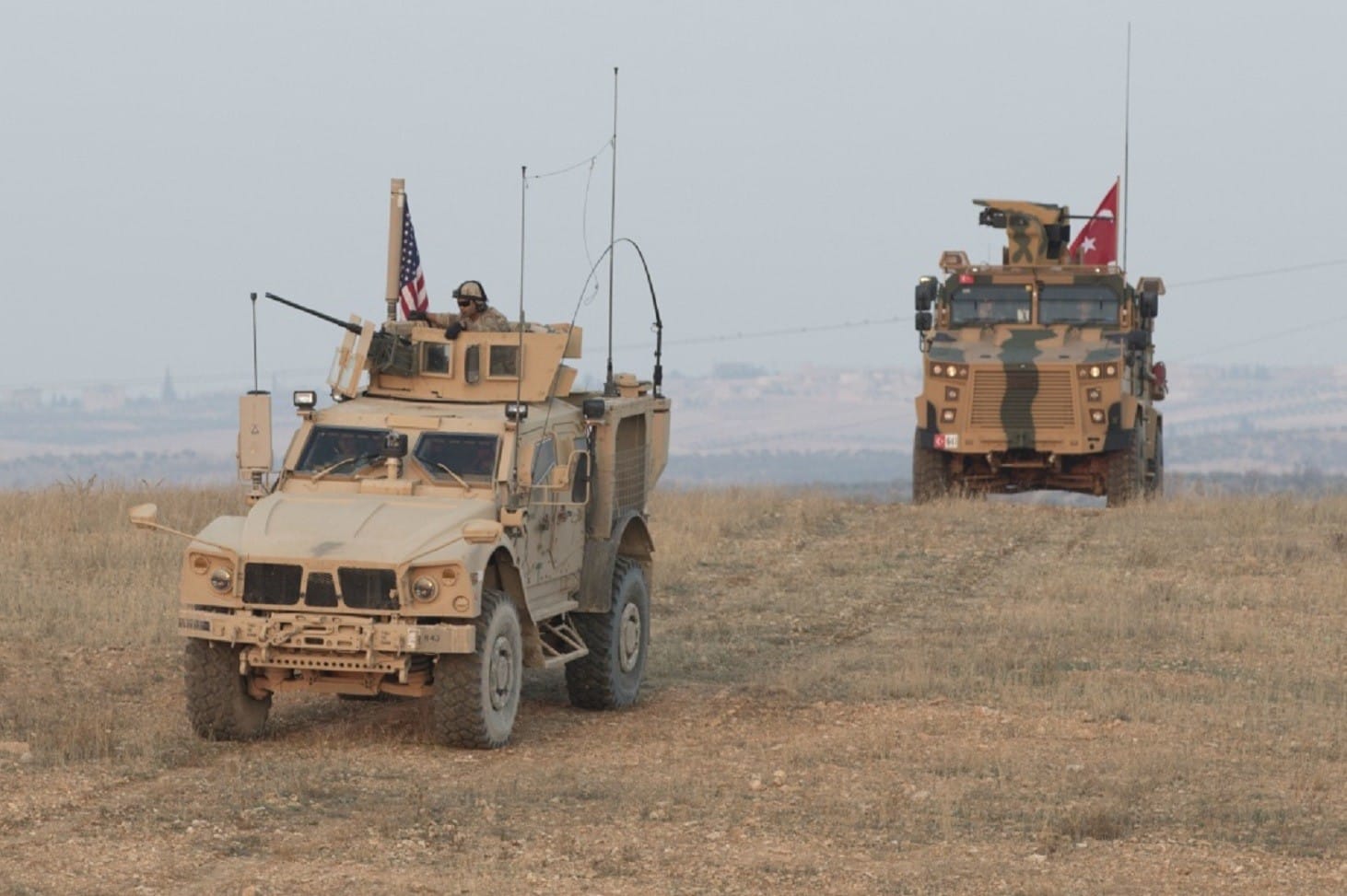
Military, diplomatic and economic pressures can be brought to bear to preserve SDF and Kurdish autonomy in northeastern Syria, and to deter…
For analytical as well as practical and even political reasons, the time has come to re-define Israel’s place in the world in…

It is necessary for Israel’s political and military leaders to readjust their conceptual framework concerning deterrence, and to engage the public in…
Israel's strategy toward China doesn't conflict with American interests; rather, it serves and reinforces them. Partnering with Beijing can help stabilize the…
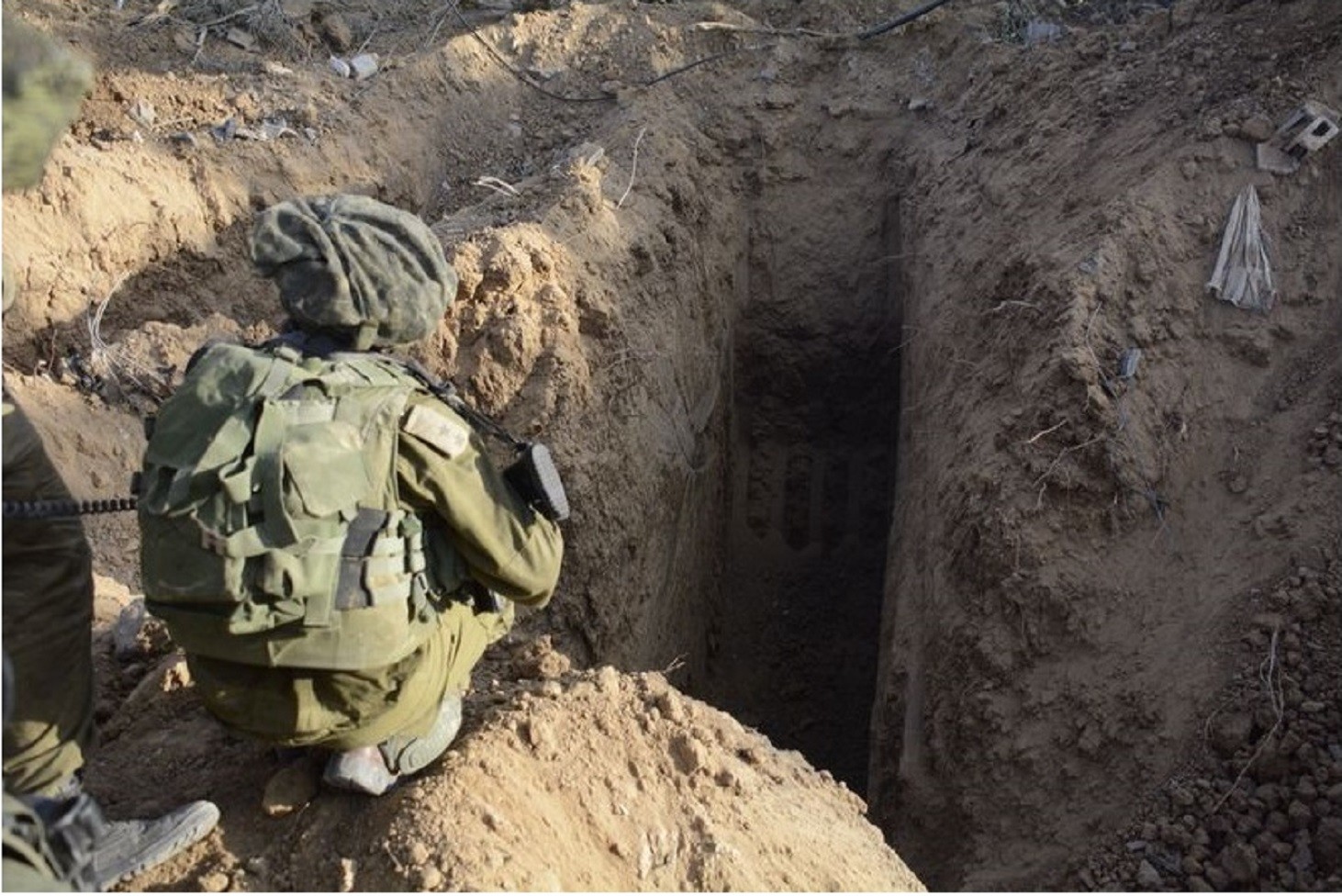
The challenge now is how to make it clear to the Hamas leadership that it should not believe is own supercilious words.
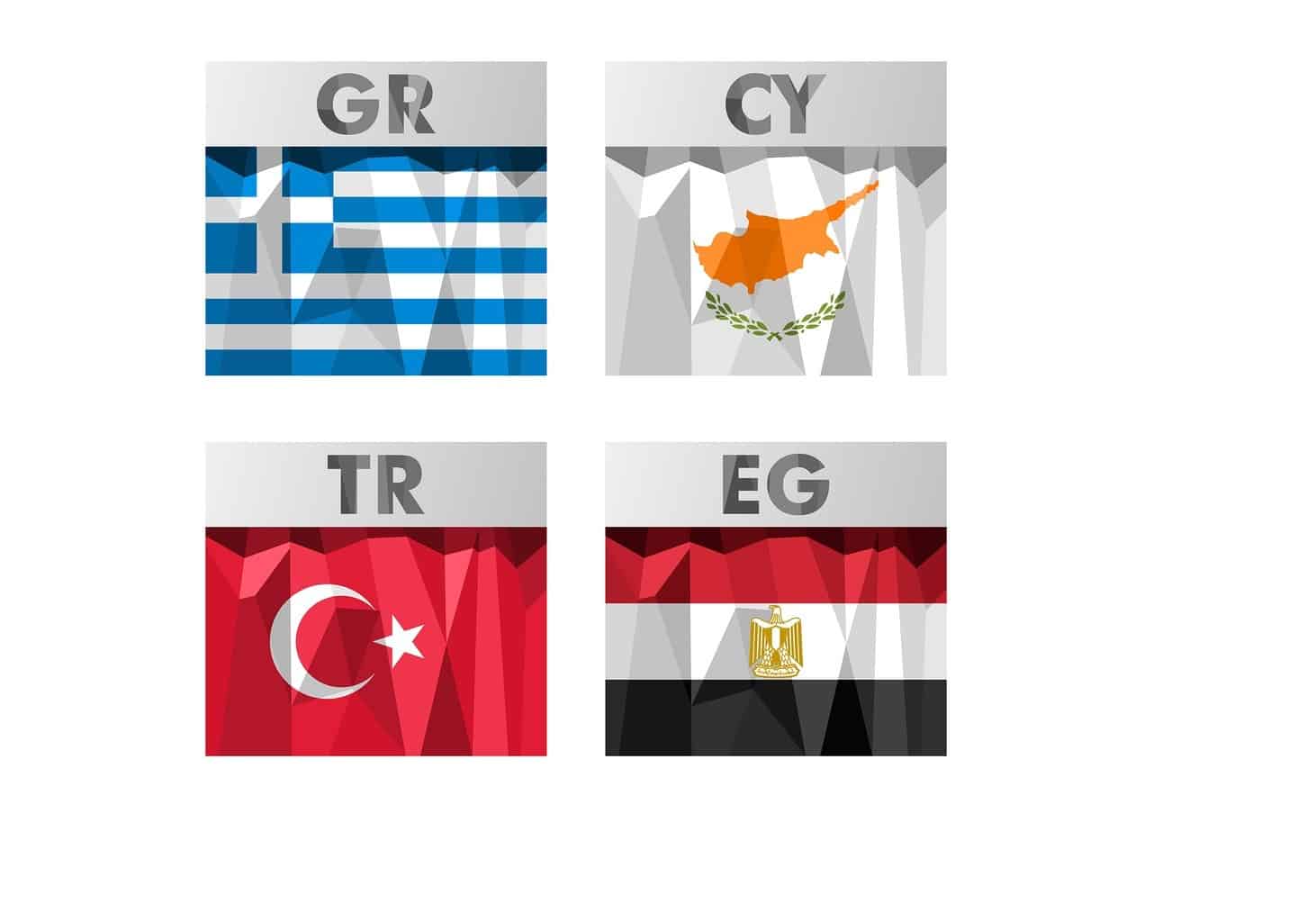
The Greek-Cypriot-Egyptian summit held last month in Crete focused on energy connectivity and Turkish threats, but it also paid lip service to…

Defeating Islamist totalitarianism requires a three-pronged approach: Hard power (destroying Salafi Jihadist forces, preventing Iran from acquiring nuclear weapons, and undercutting avid…

Amidst violent events, it is easy to be tempted to seek decisive "solutions" to the Palestinian problem(s) – in both the PA…
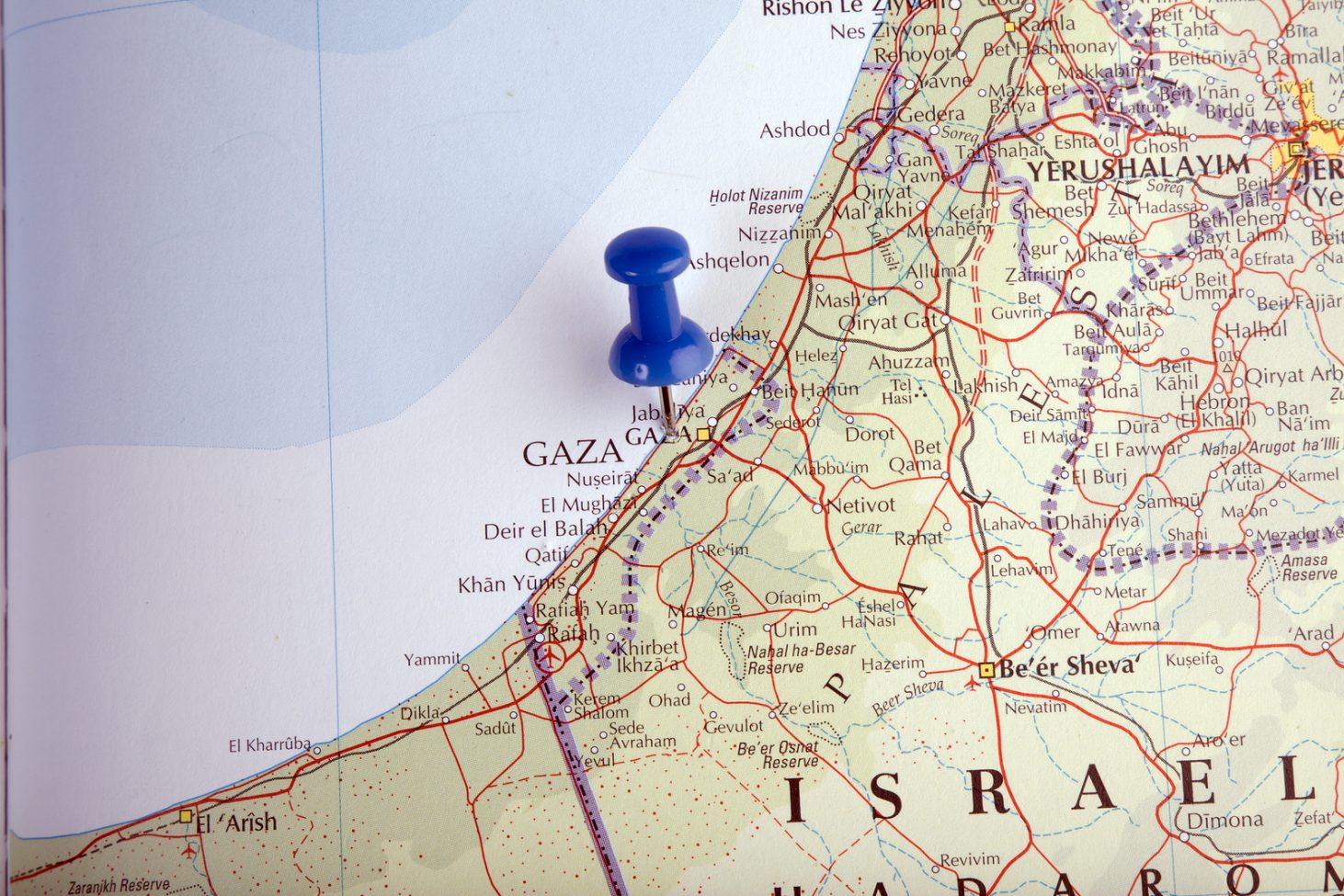
Israel's actions (or at times, inaction) concerning the future of the Gaza Strip cannot be isolated from the broader context of the…
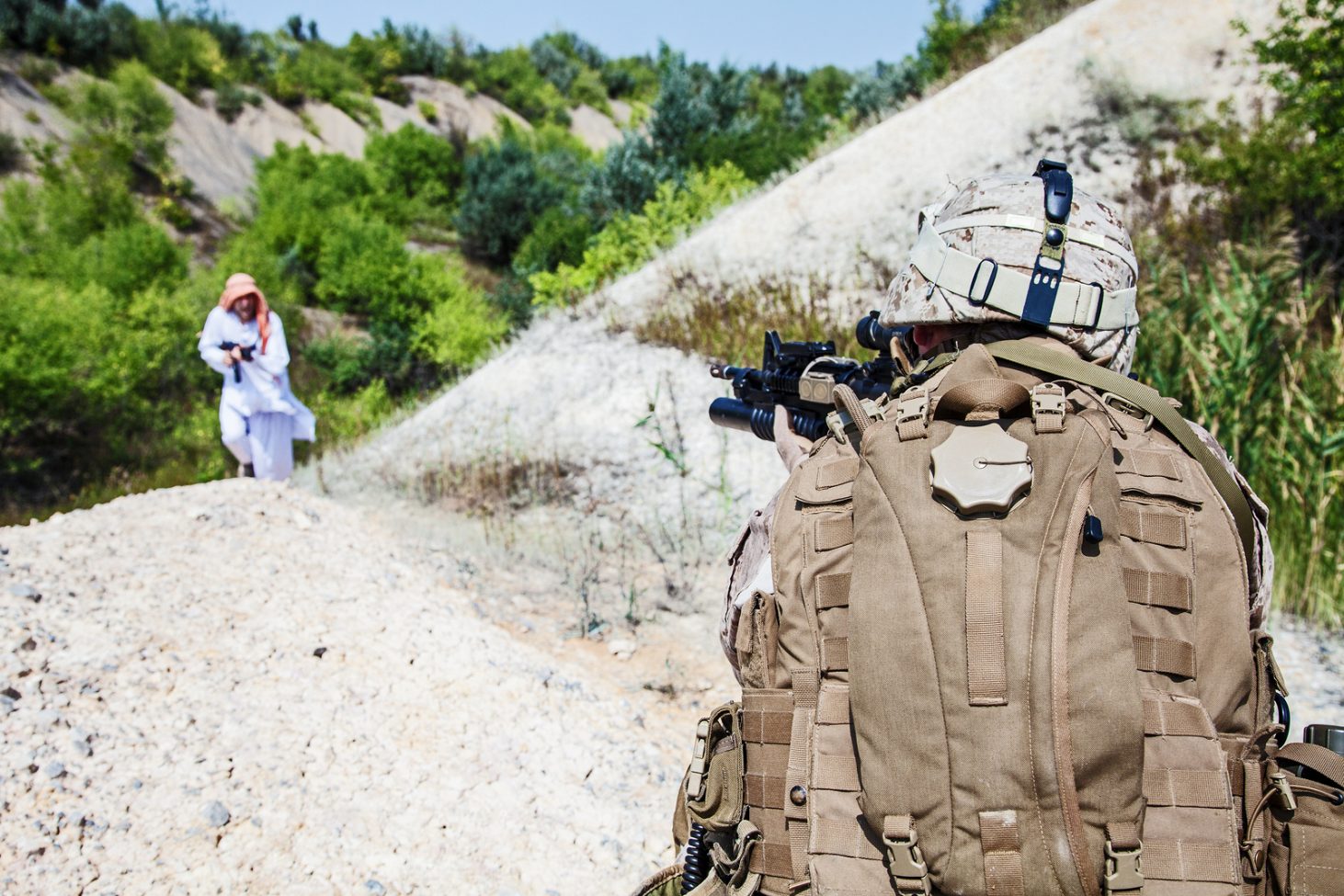
Iran and the smaller terrorist groups in Gaza want a full-scale war with Israel. Hamas does not. Israel should land a decisive,…
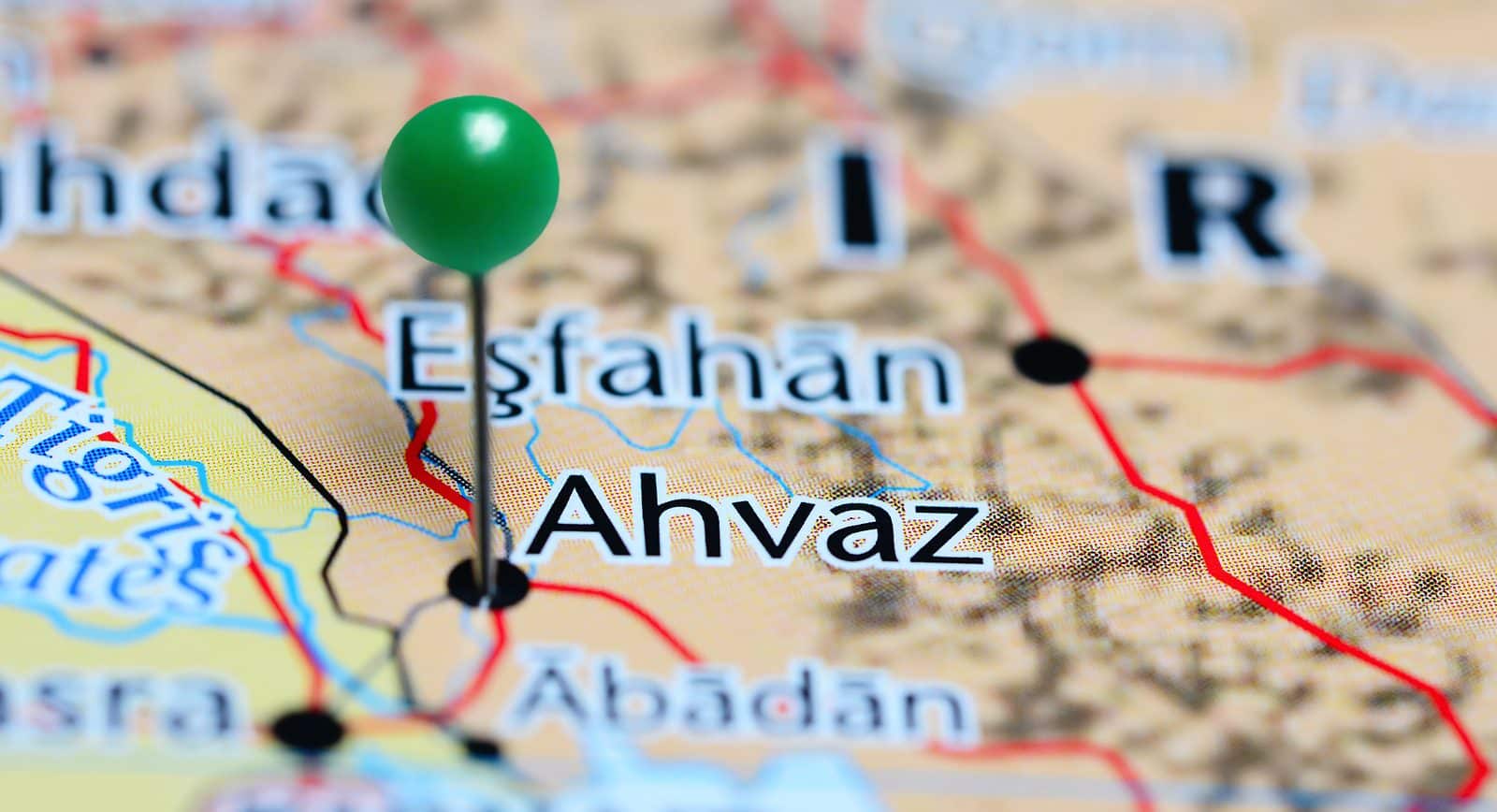
While Israel should steer away from overt identification with internal challengers in Iran, this is the time to urge the US. and…
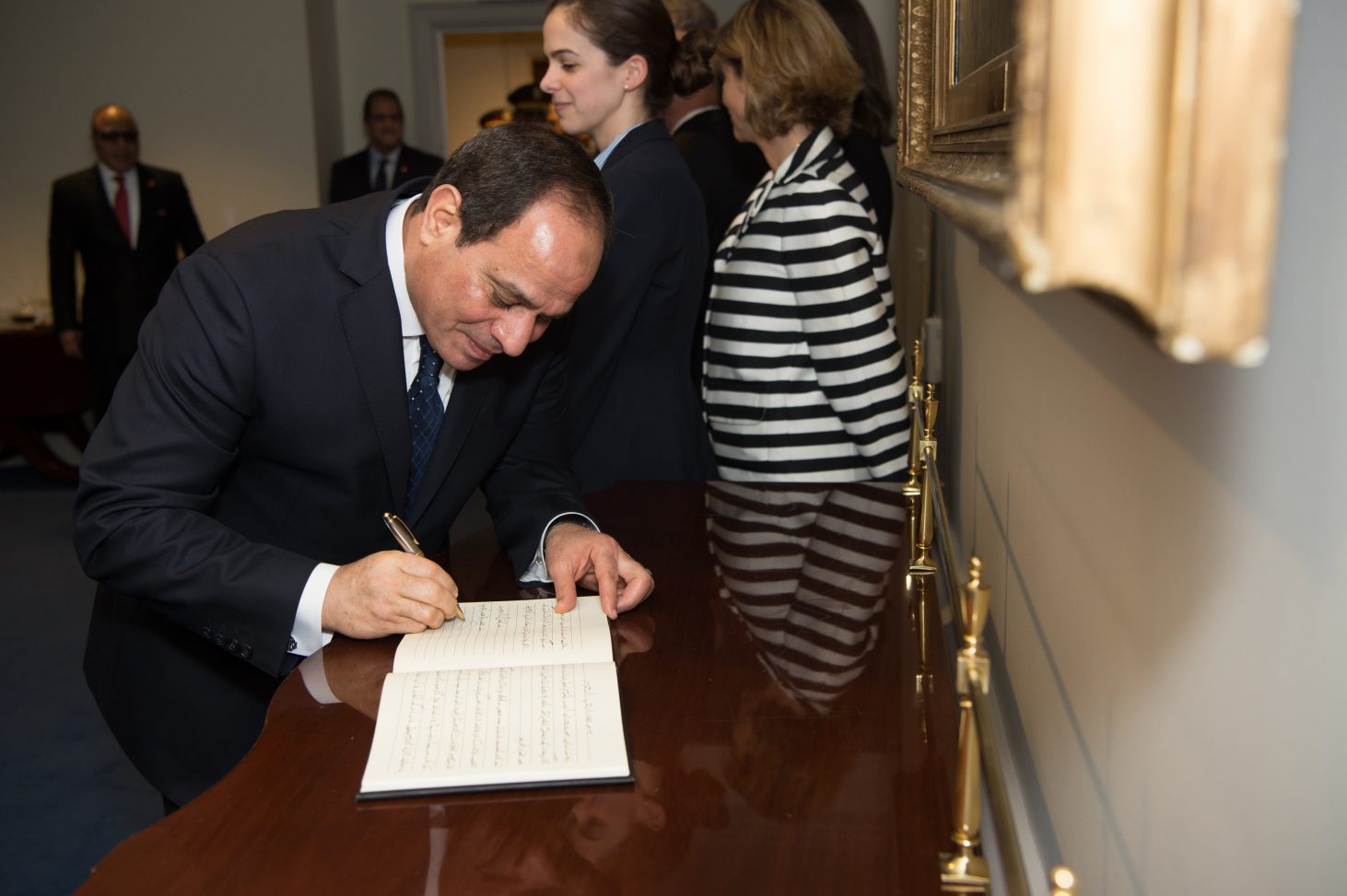
Egyptian President Al-Sisi's greatest challenges are combatting terrorism in Sinai and beyond, spurring economic growth, capitalizing on the country's energy opportunities, carrying…
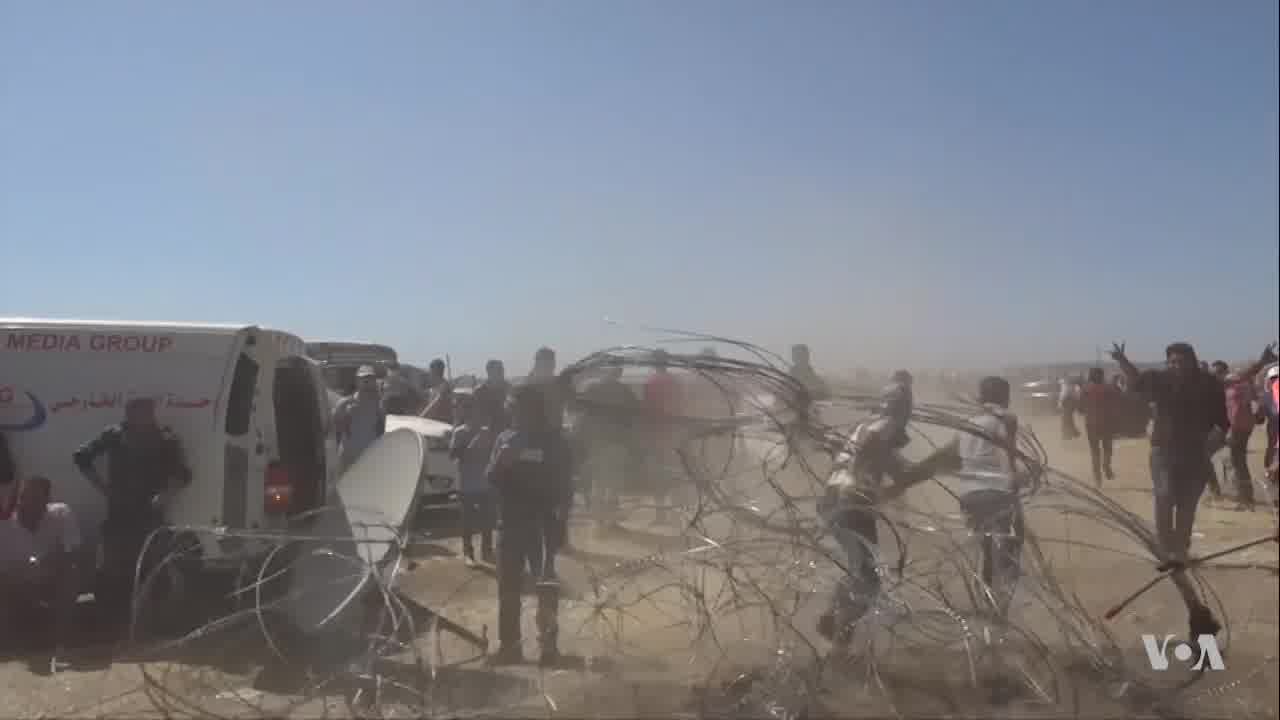
Despite many Israelis’ growing frustration, there are good reasons why the IDF has yet to use all of its force to combat…

How the wise use of force facilitates diplomatic processes in the Israel-Egypt-Hamas and Israel-Russia-Syria triangles

What is needed is a conscious effort to change Israel’s one-party partisan image by engaging with the Democrats and the social groups…
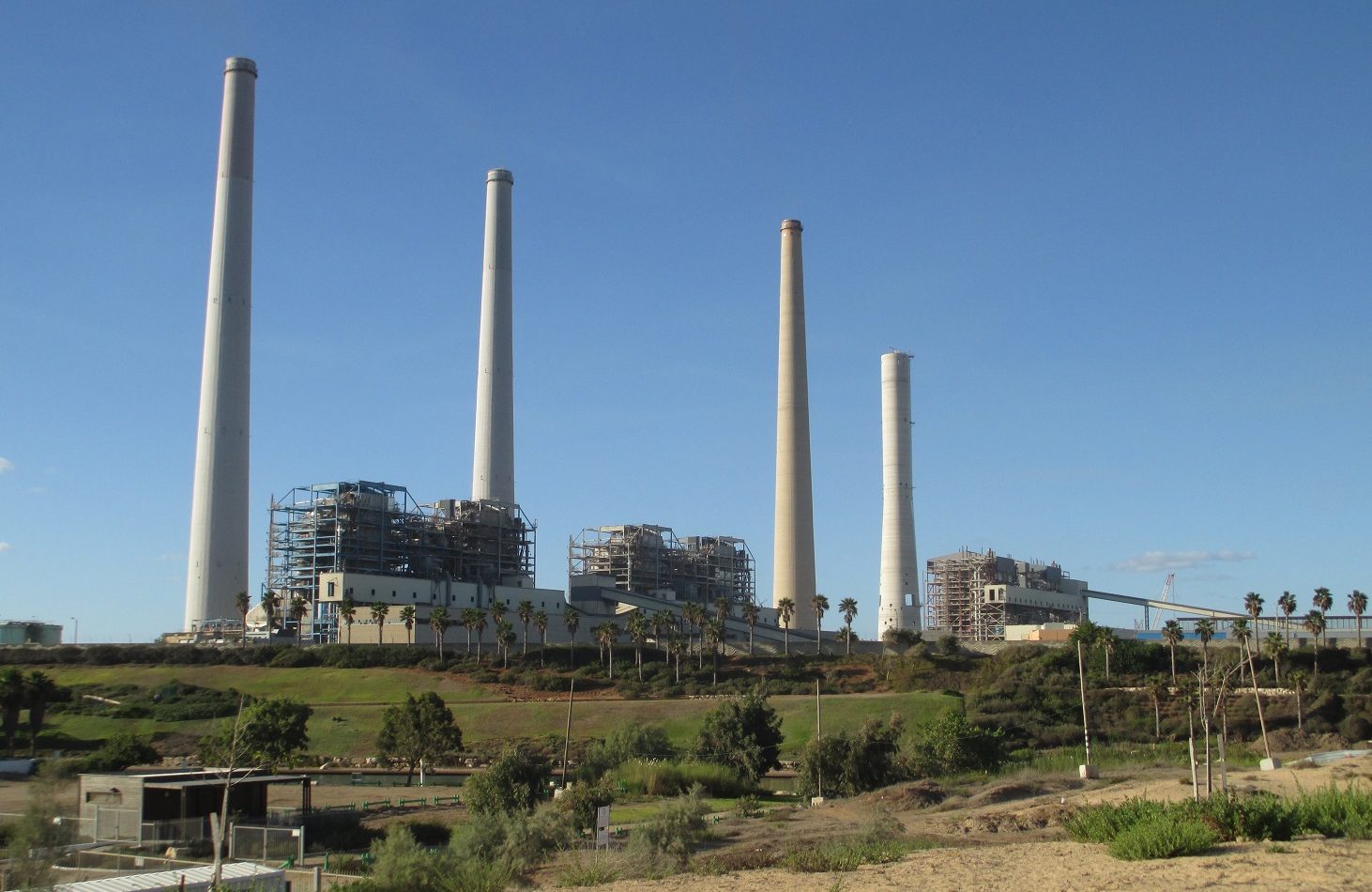
If recruiting a disgraced former official with no access to updated information is the best Iran's spymasters could do, Israel's intelligence superiority…
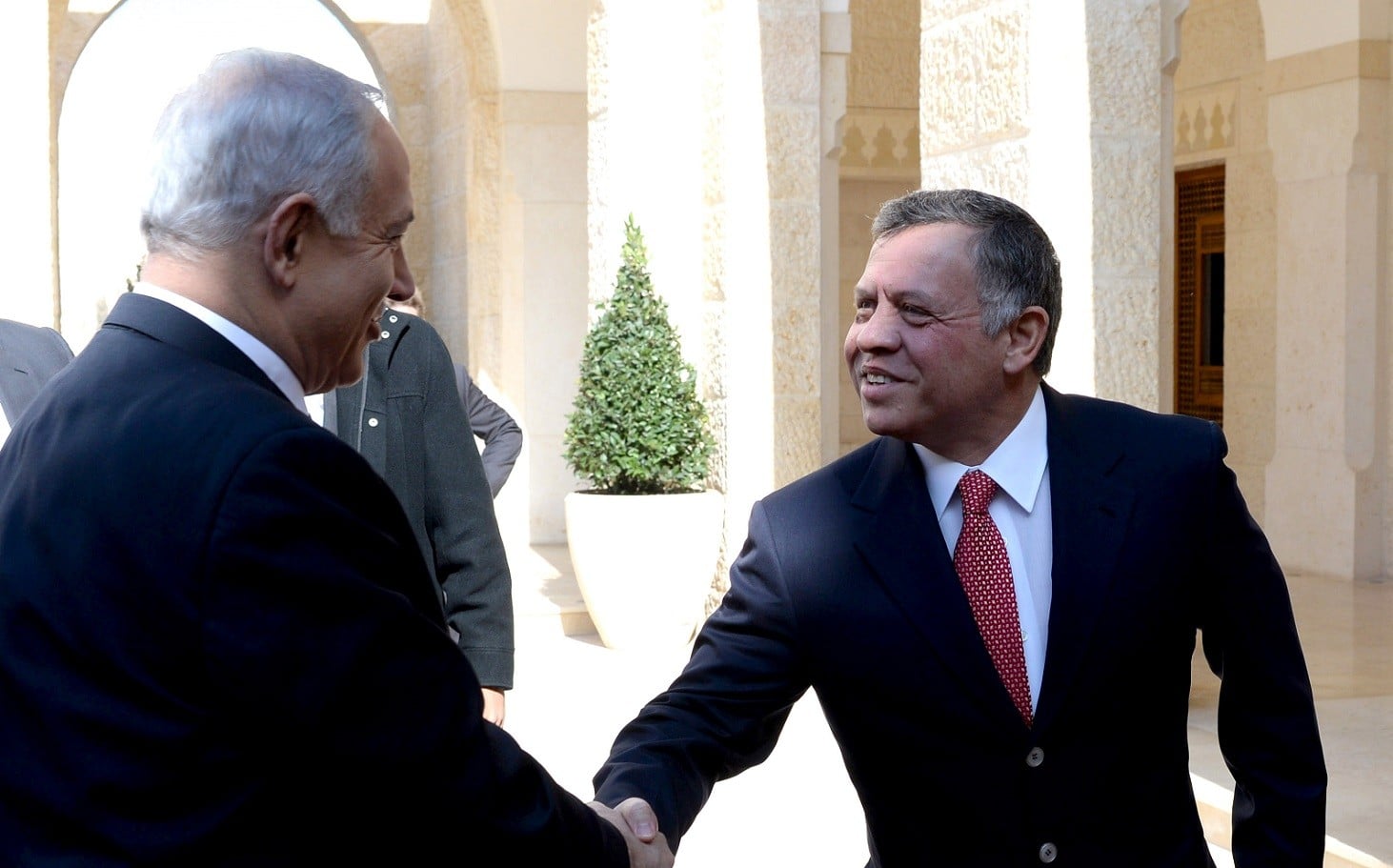
Israel's national interest, and the broader patterns of cooperation among key regional partners in the "camp of stability," require close attention to…
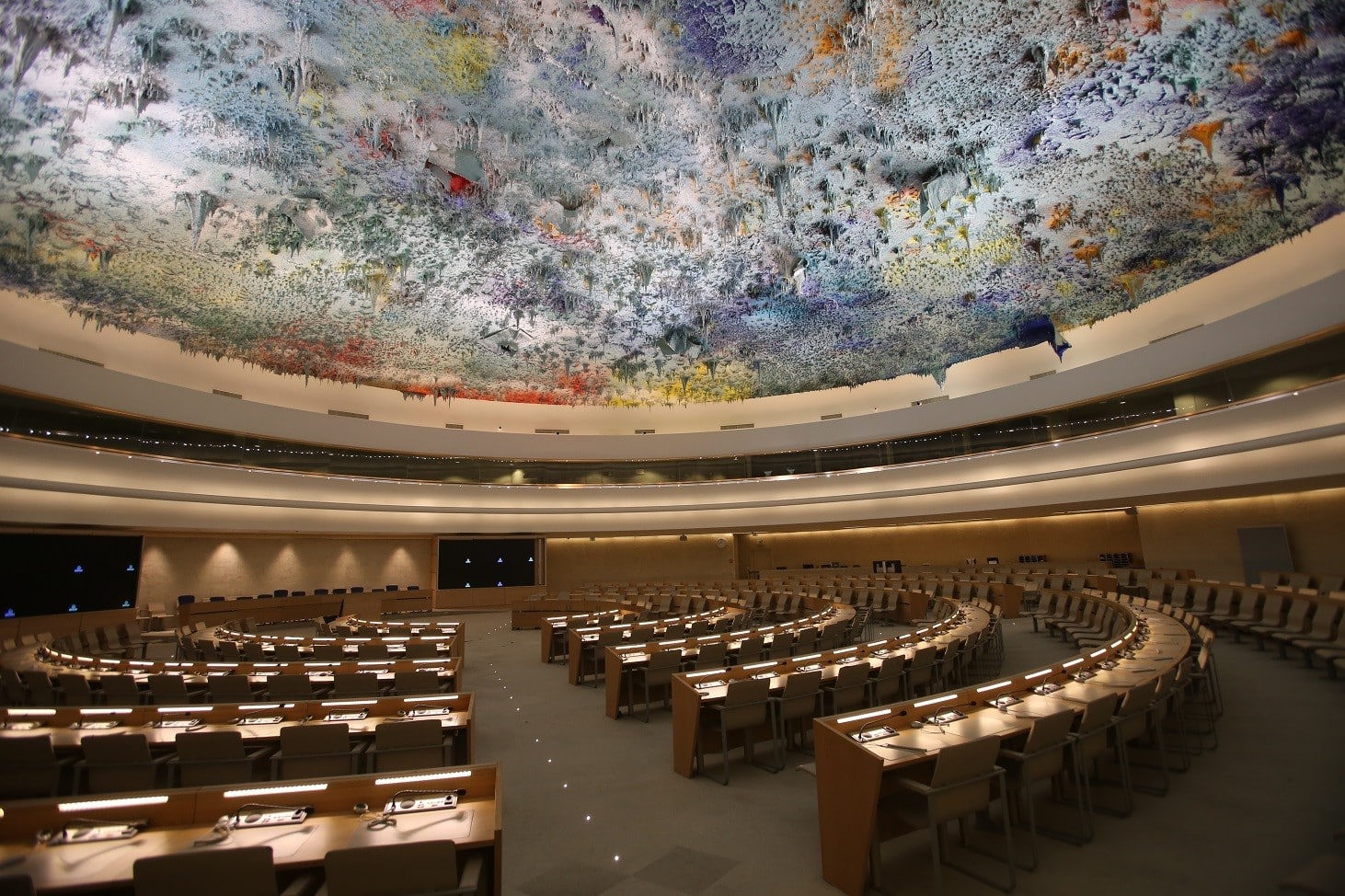
The UNHRC was hopelessly biased, obsessed with Israel, and highly tolerant towards a full range of human rights abusers.
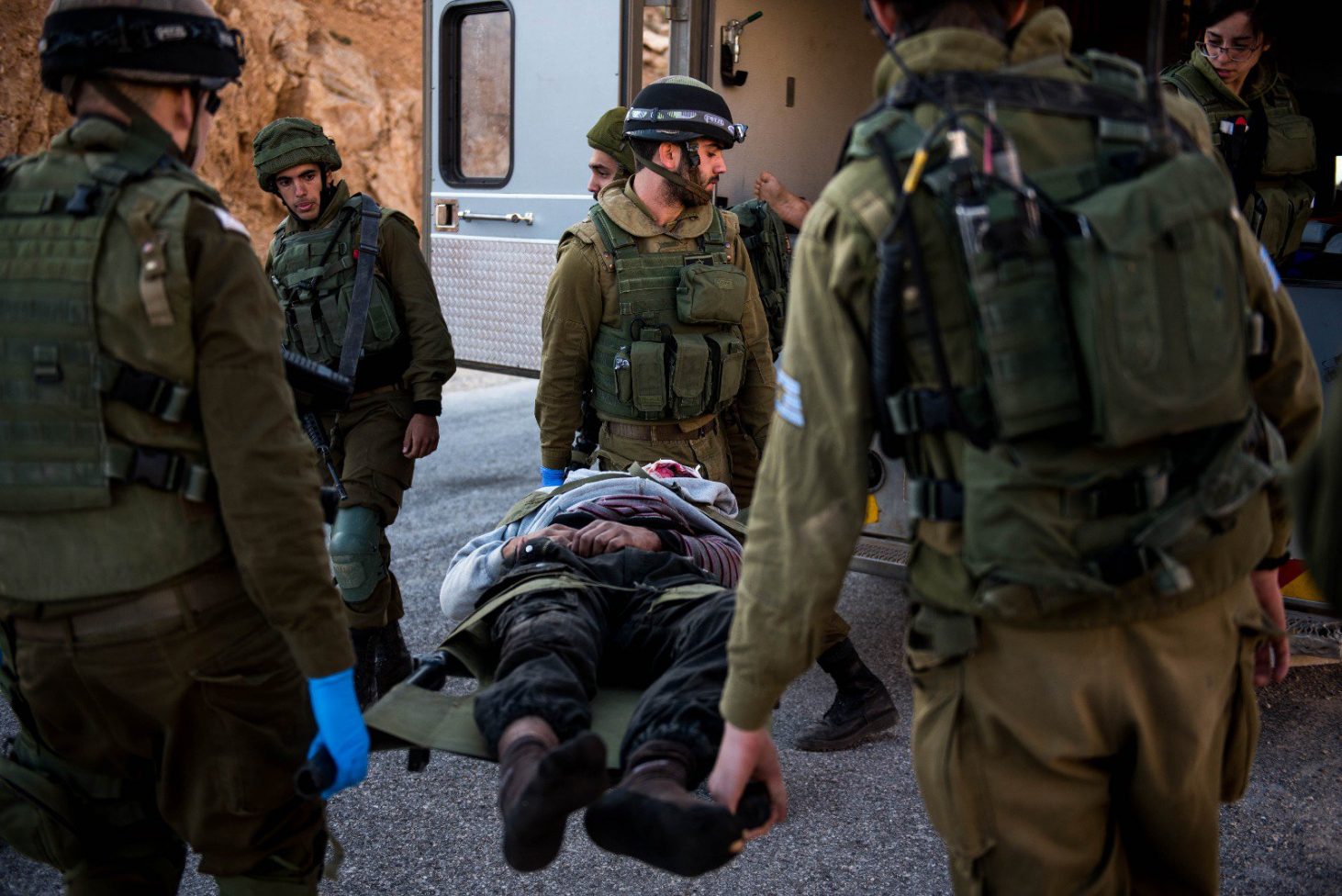
Israel may soon face a dilemma. The "arrangement" with Russia as to the future of Syria may stave-off an Iranian presence but…
Israel must make it clear to Hamas that letting Islamic Jihad trigger another widespread escalation does not serve its interests or its…
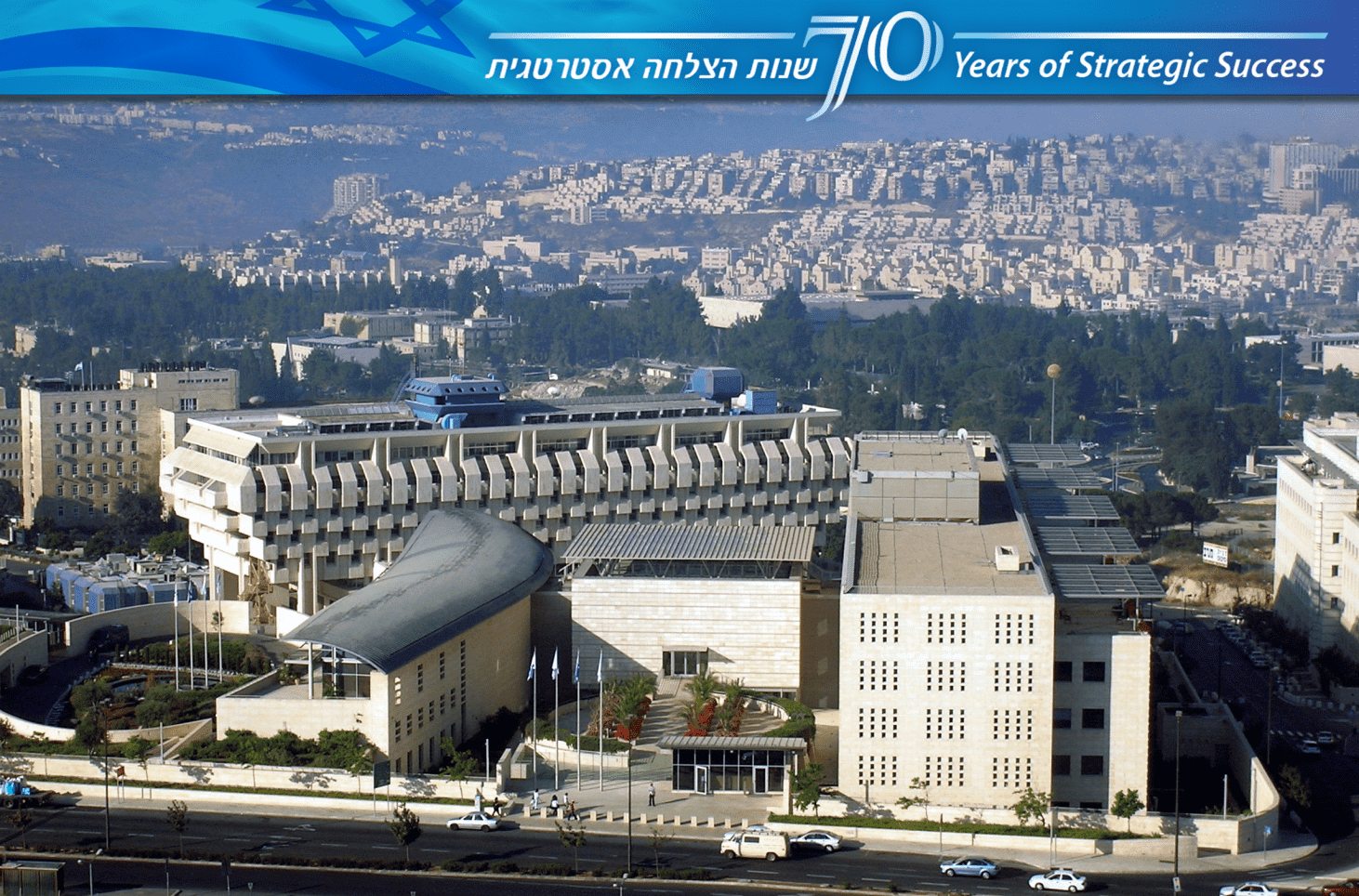
Seventy Years of Alliances and Strategic Cooperation as a Cornerstone of Israeli National Security Policy
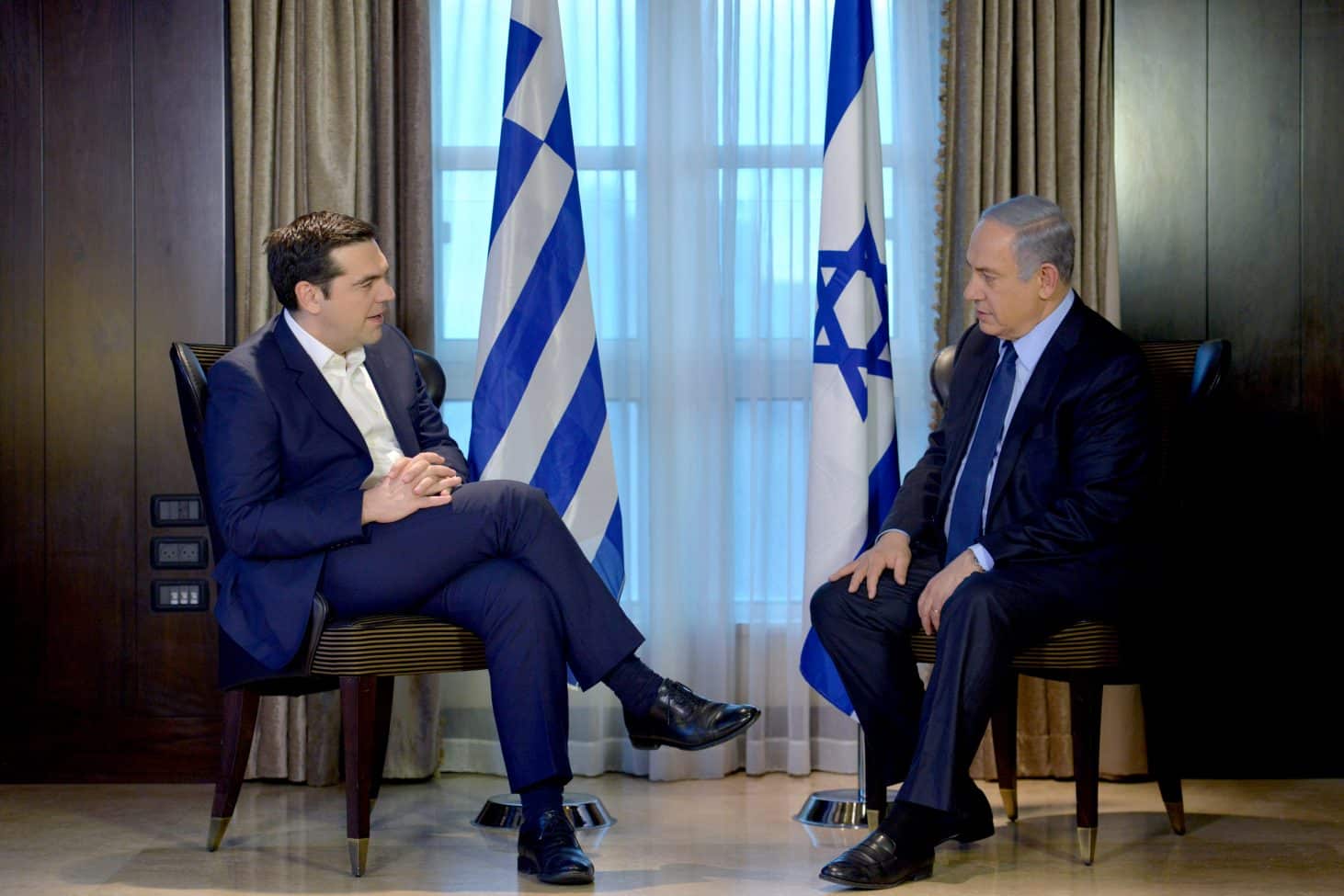
Greece, Cyprus and Israel Consolidate their Cooperation.
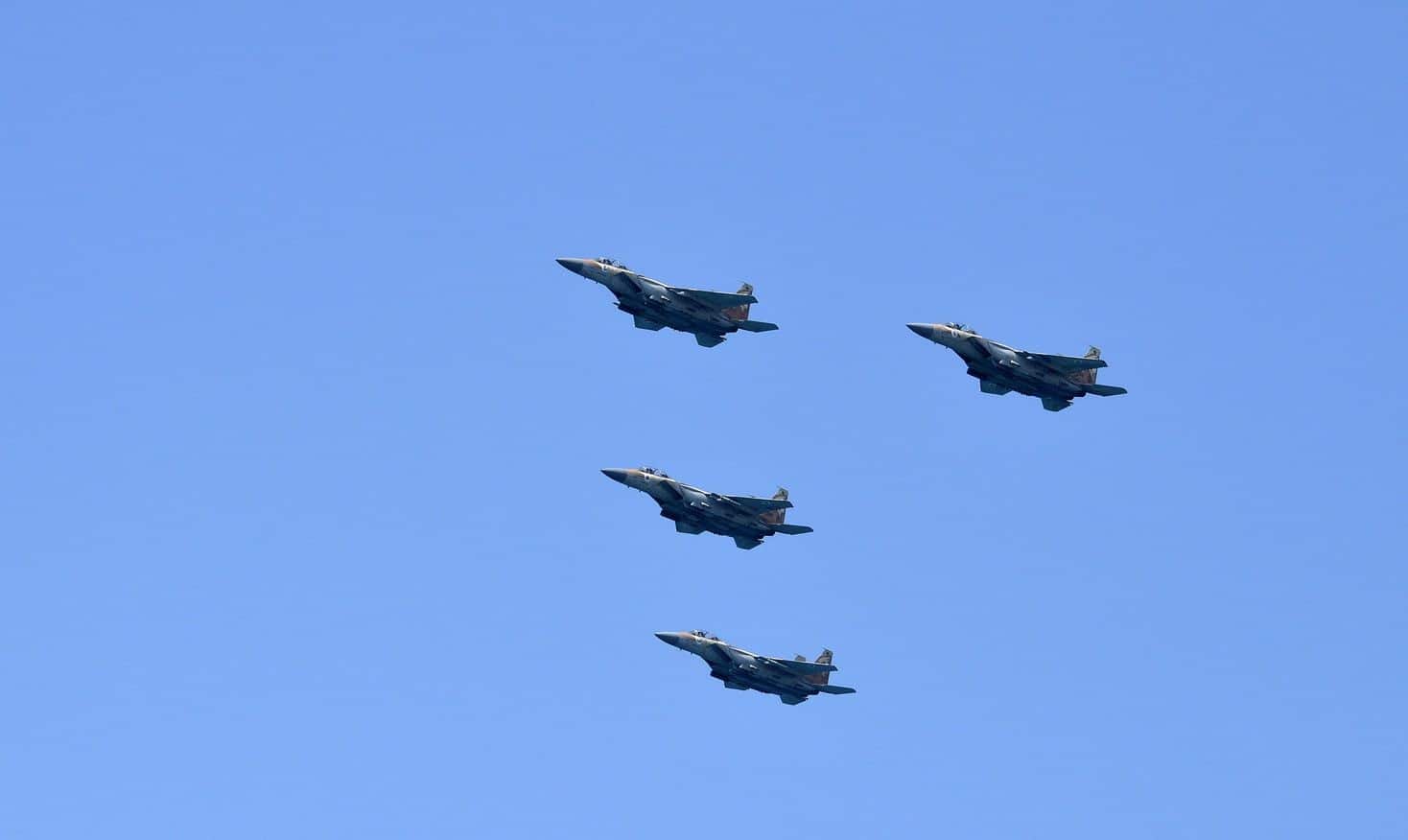
The Iranian provocation on the Golan Heights failed, and the Iranians would do well to cut their losses now and end their…
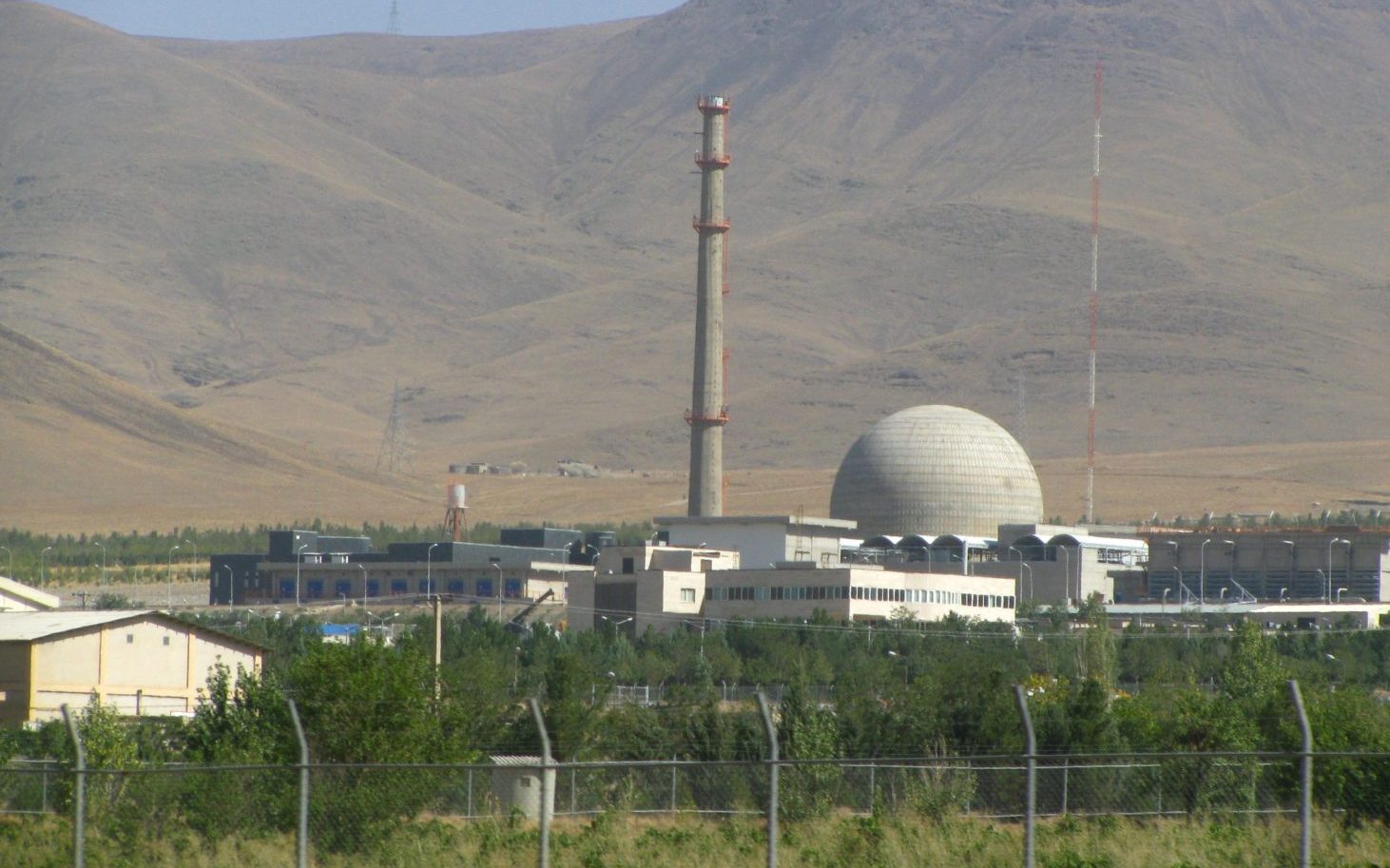
Israel's revelation of Iran's nuclear deception aims to show the world that the 2015 deal with Iran must indeed be renegotiated in…

The French president's visit to served to demonstrate Macron's importance as a dynamic and proactive European player, and as a partner in…
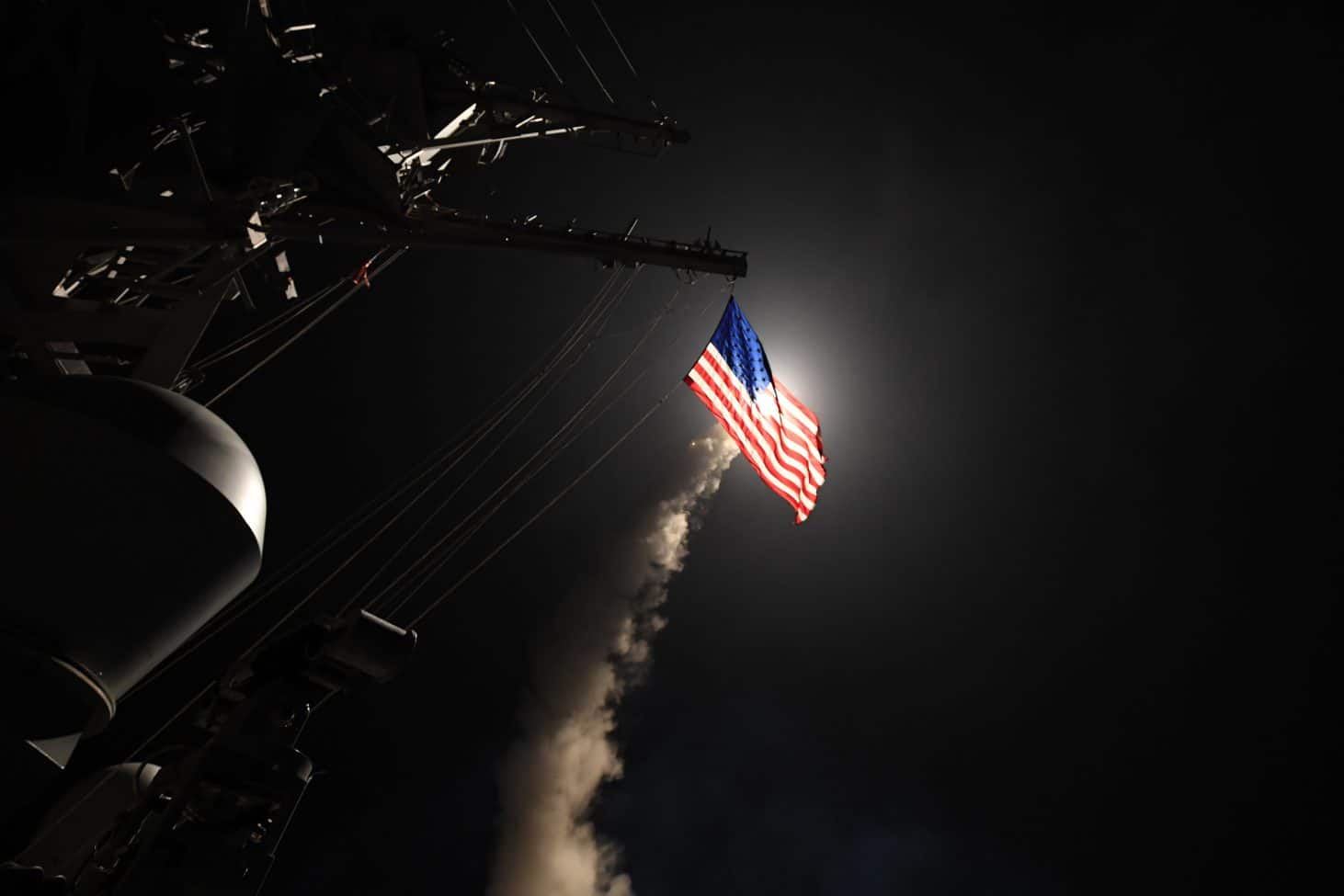
The American-British-French strike in Syria should be seen as an exercise in building Western deterrence and creditability in advance of the decision…
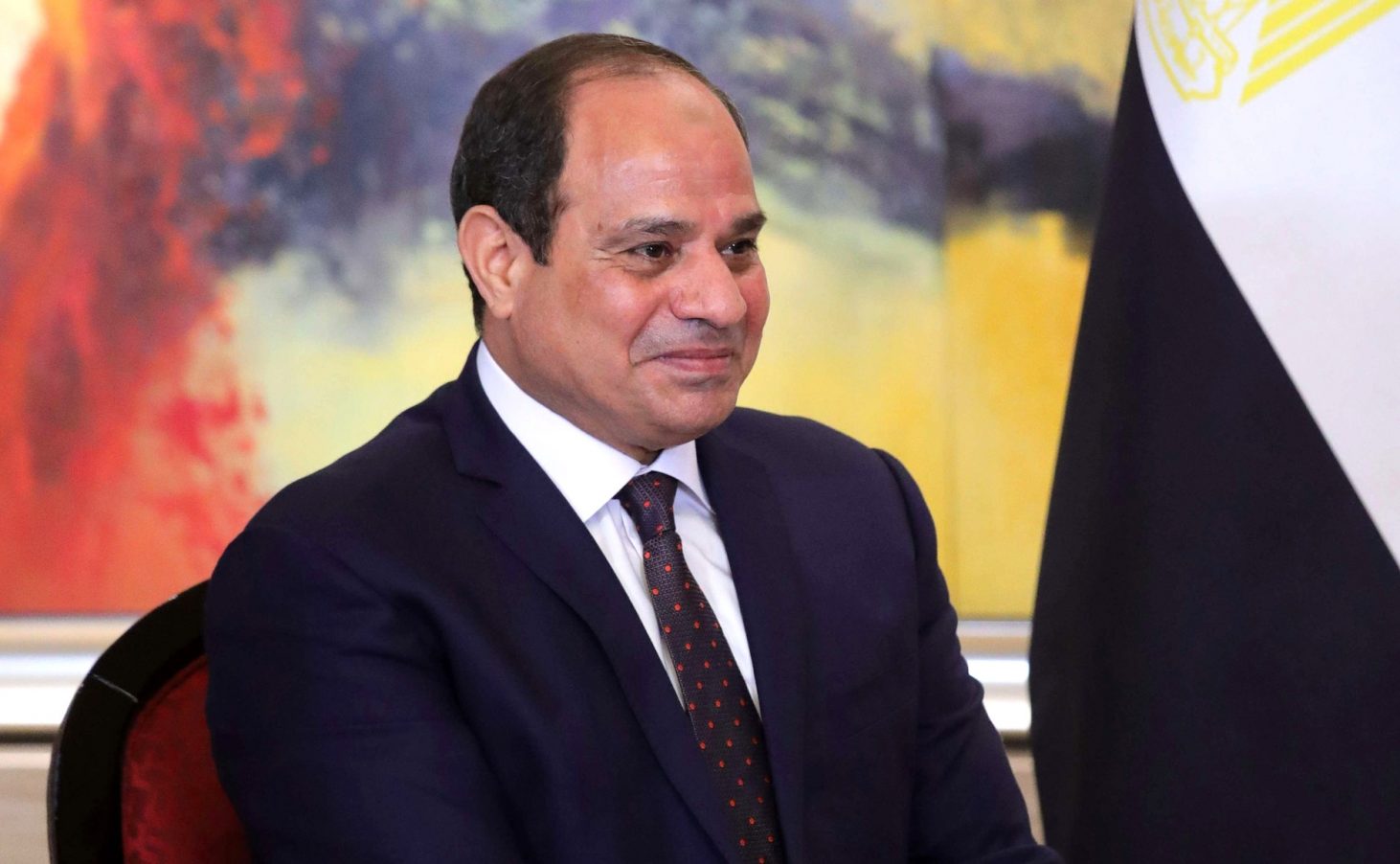
Hopes and fears abound as President Sisi begins his second term. The winter of 2011 seemed to usher in a democratic spring.…
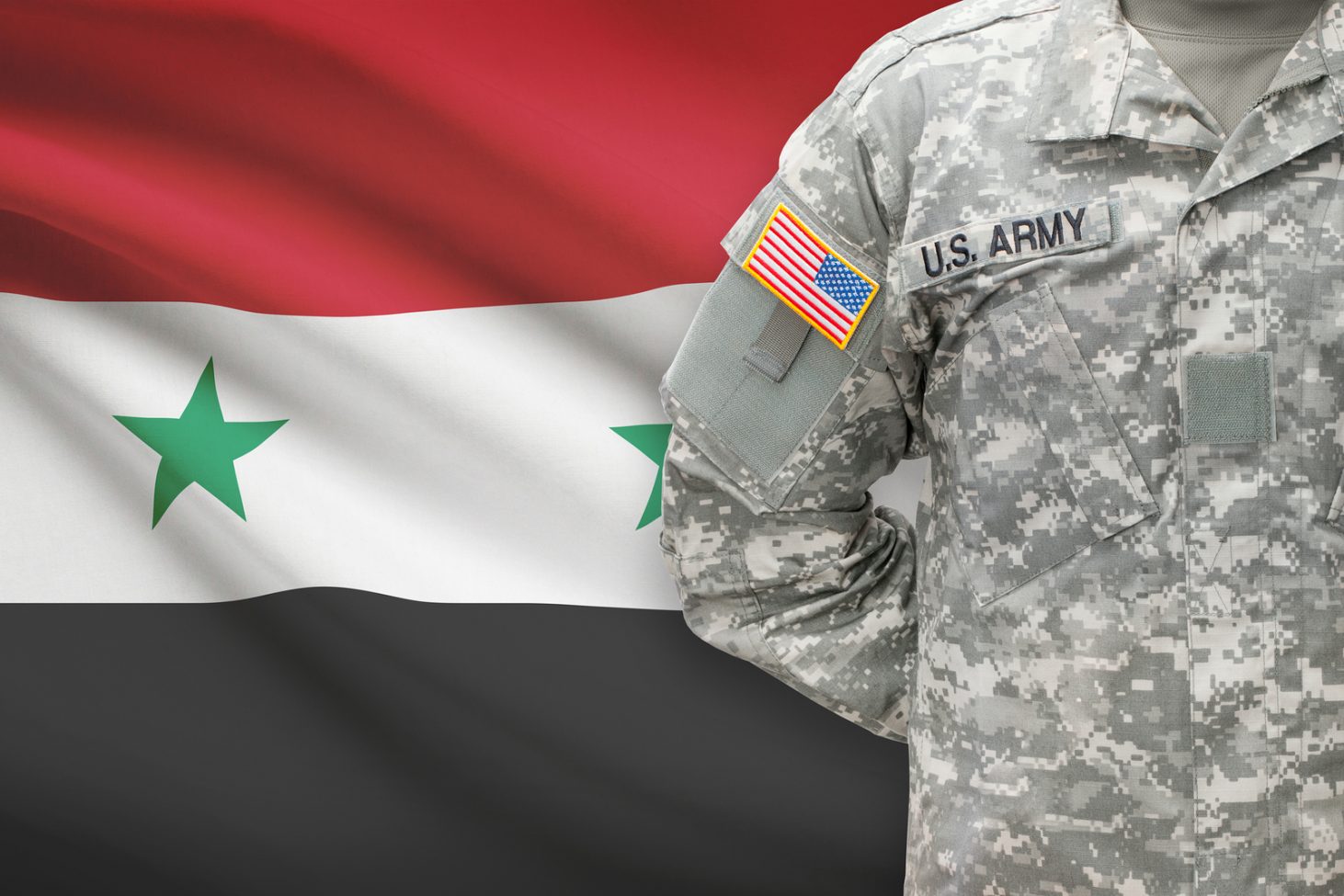
Israel and America must avoid one-fit-all options regarding the military challenges in different parts of disintegrating Syria.
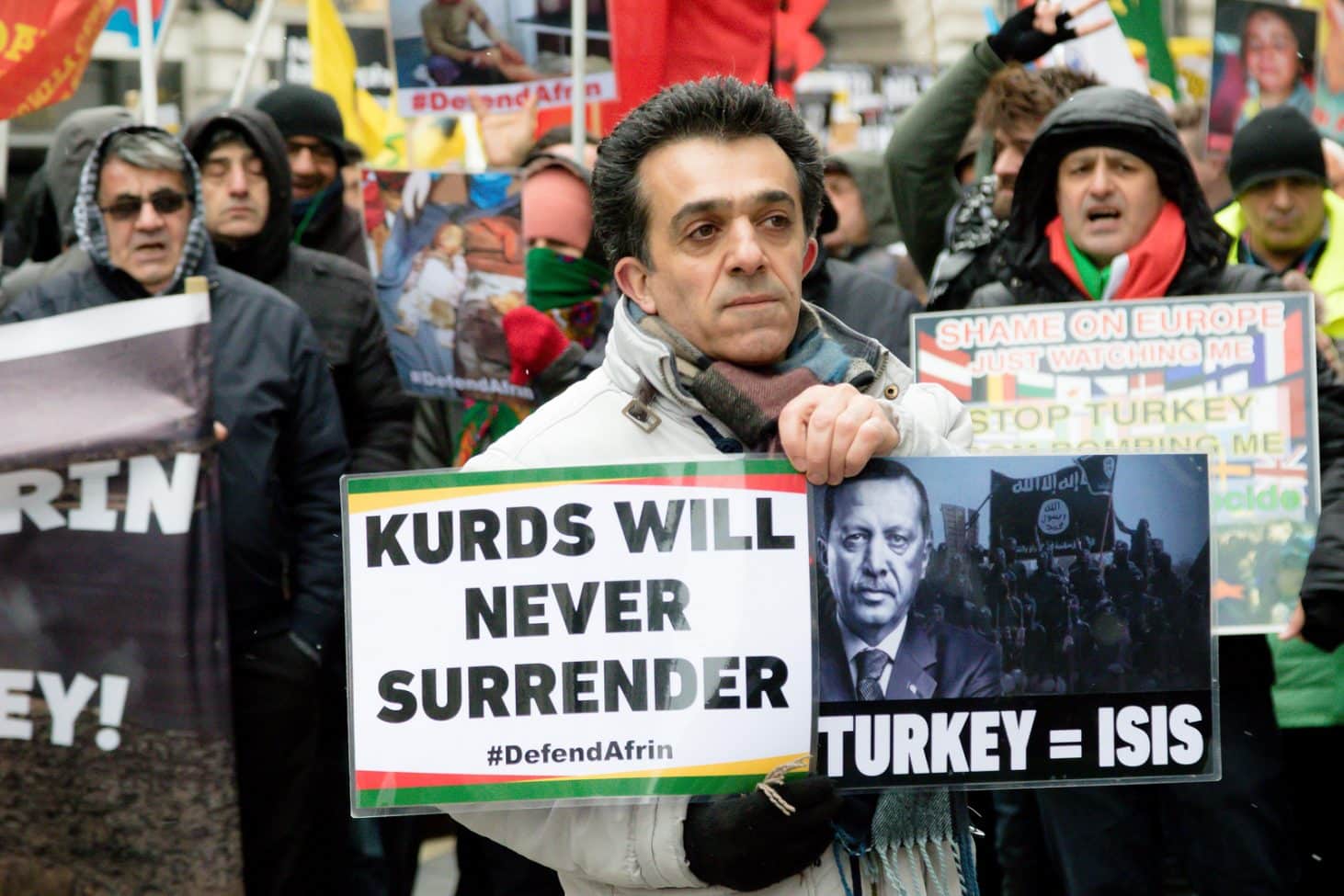
President Erdogan is taking Turkey in dangerous directions. The conquest of the Kurdish 'Afrin enclave lends momentum to his ambitions. Erdogan must…
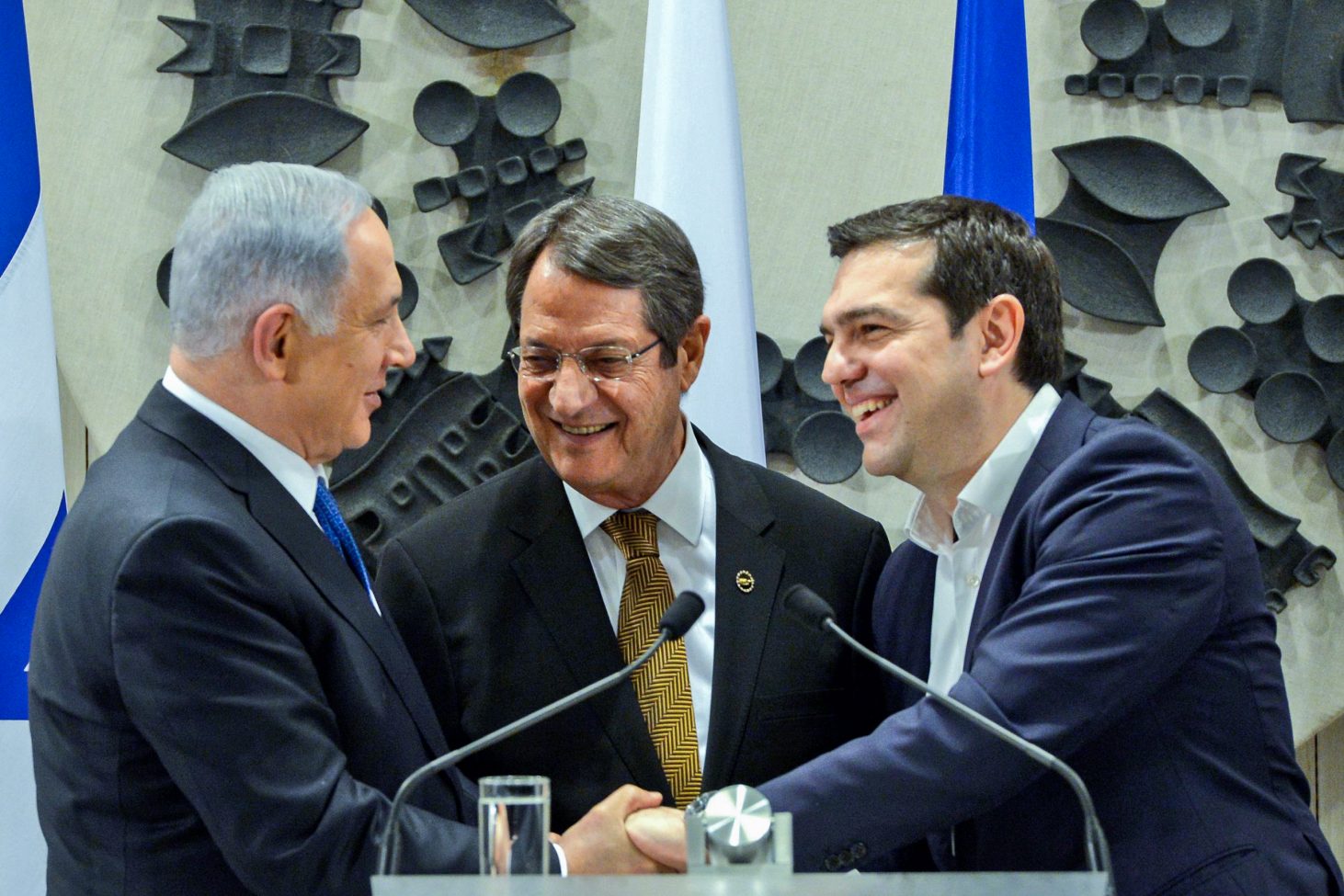
Israel is part of the Mediterranean community, both in strategic terms and in many aspects of the country's culture and its way…
By leveraging its remarkable achievements in the fields most relevant to future conflicts, Israel can transition from dependence on the U.S. to…
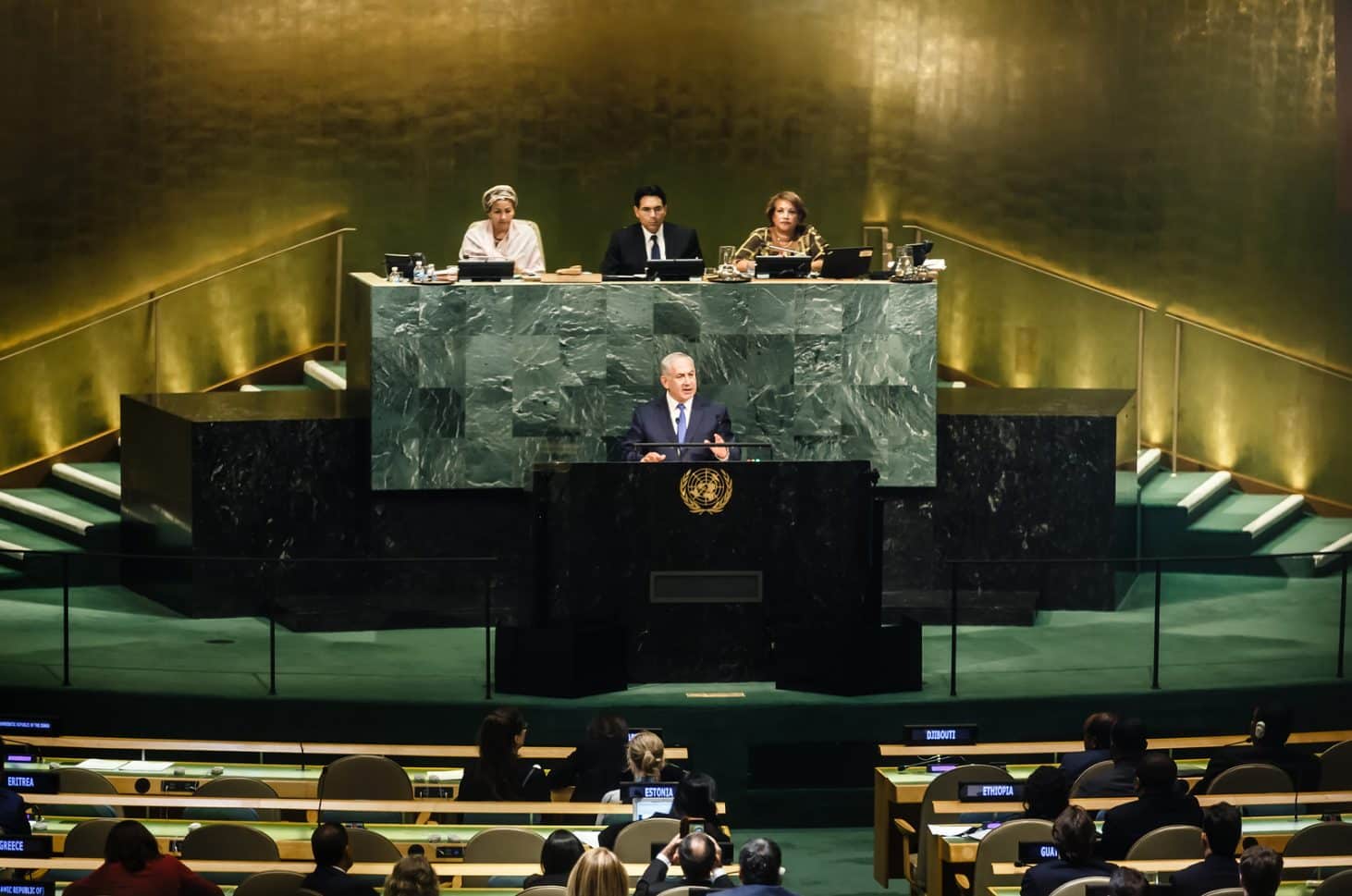
Over the course of 2017, Israel has secured a series of remarkable and even unprecedented diplomatic achievements. This reflects a growing global…
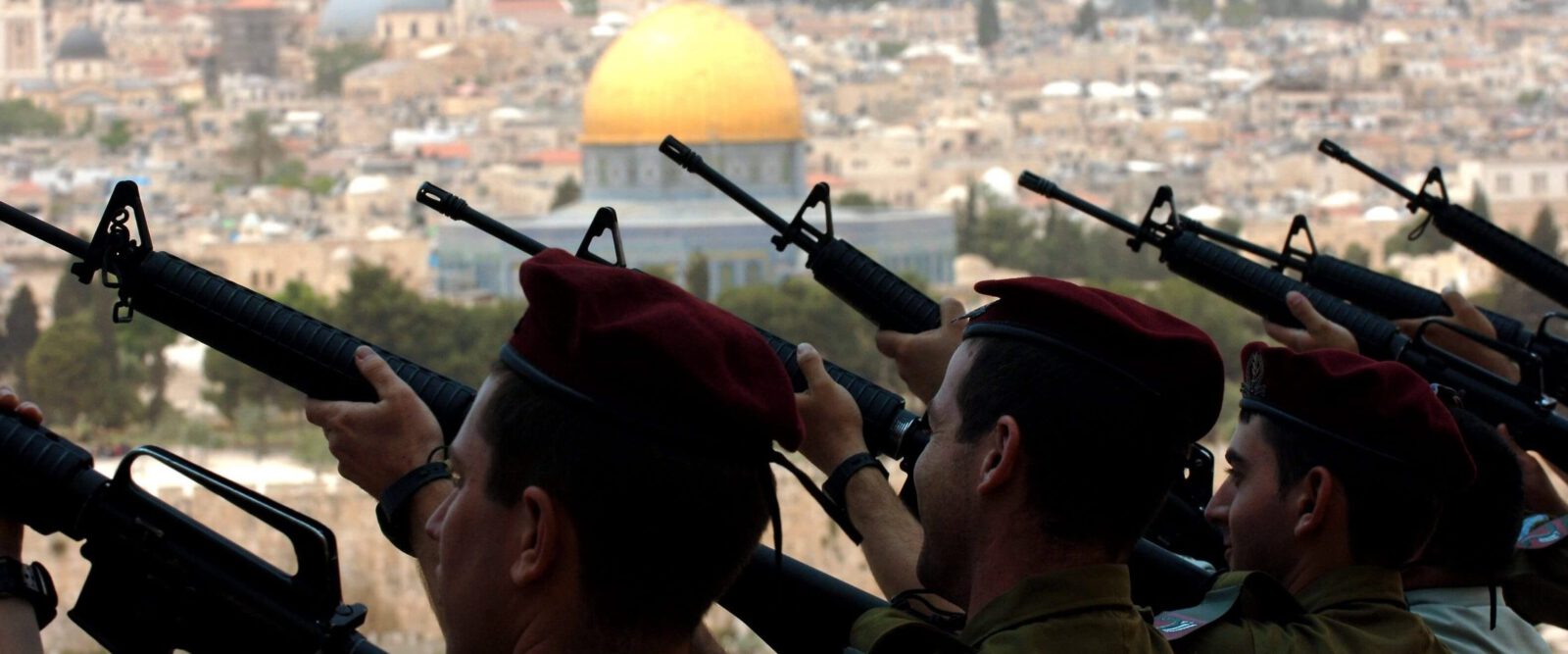
Israeli sovereignty in united Jerusalem serves as a vital anchor for the regional “Camp of Stability.” This explains Israel’s decision to take…
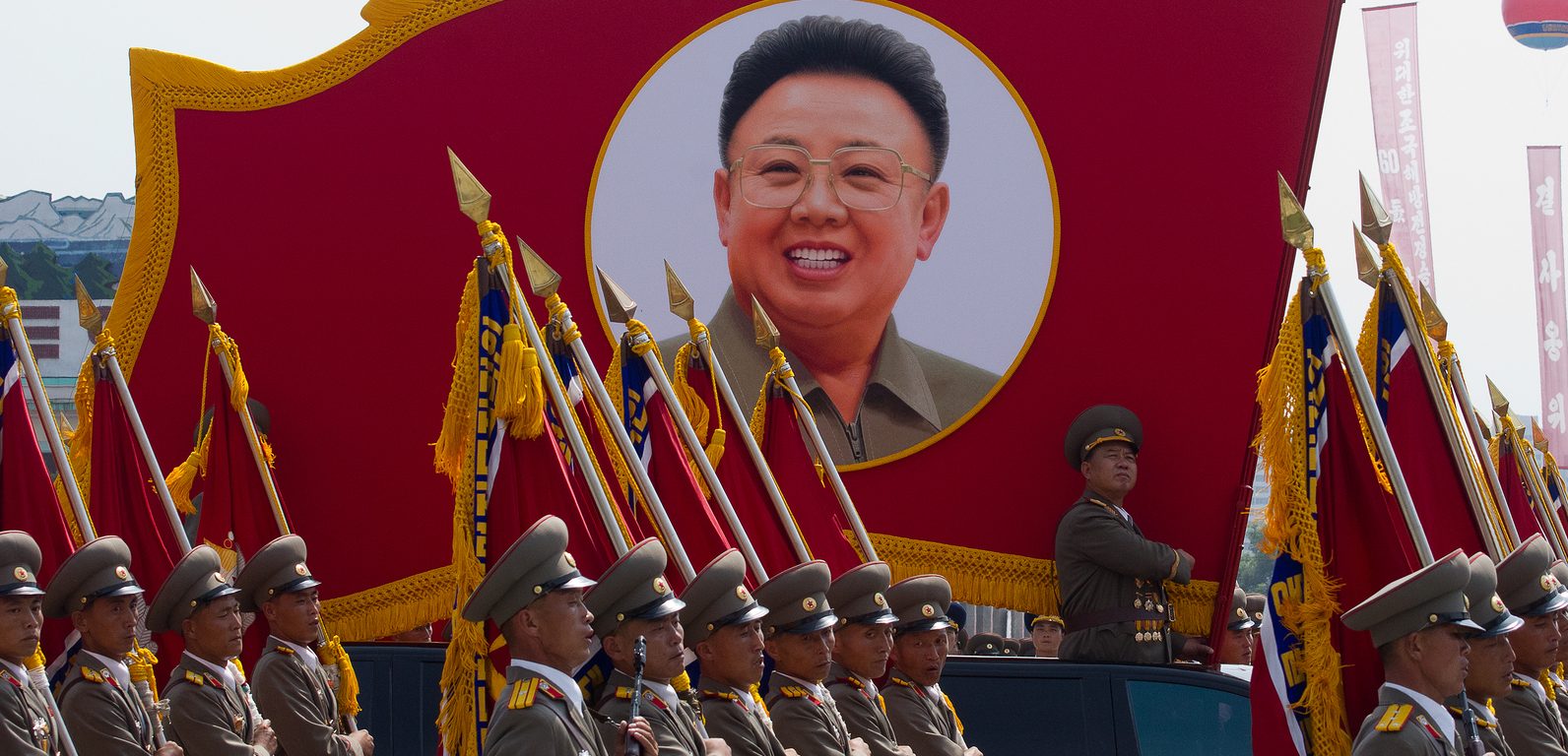
The Iranian situation is both more urgent and more malleable than the almost hopeless situation with North Korea.

26 articles
Watch the recording of the JISS webinar that took place August 27, 2026.
Watch the recording of the webinar that took place July 2, 2026.
Watch the recording of the webinar that took place June 9, 2026.

Click here to read the article https://open.spotify.com/episode/36Wa836UByP8aB4GEgeqJX?si=f94d9c392d414c5a
Watch the recording of the JISS webinar that took place March 5, 2026
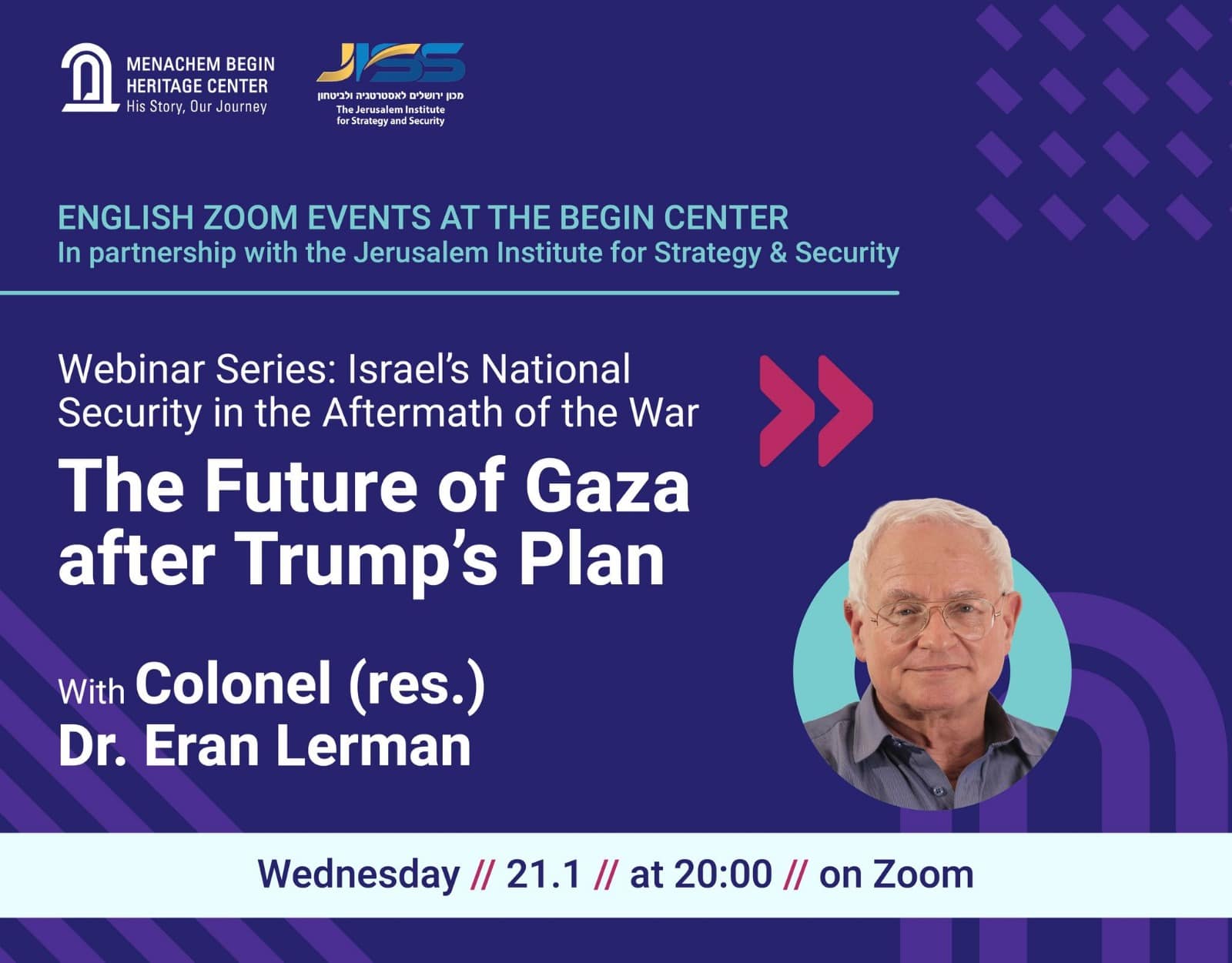
Watch the recording of the webinar that took place January 21, 2026.

Colonel (res.) Dr. Eran Lerman is quoted in the article

https://www.youtube.com/watch?v=BEgyQ4_oofw In the latest episode, Col. (Ret.) Dr. Eran Lerman offers a pensive assessment of Israel’s national and strategic situations. Despite the…
Watch the recording of the webinar that took place October 19, 2025

Watch the recording of the webinar that took place July 9, 2025

Watch the recording of the JISS webinar that took place June 19, 2025

Interview by Prof. Efraim Inbar
The lecture was part of the session on the Middle East Regional Powers' Struggle in Africa at the "Africa and Israel: Building…
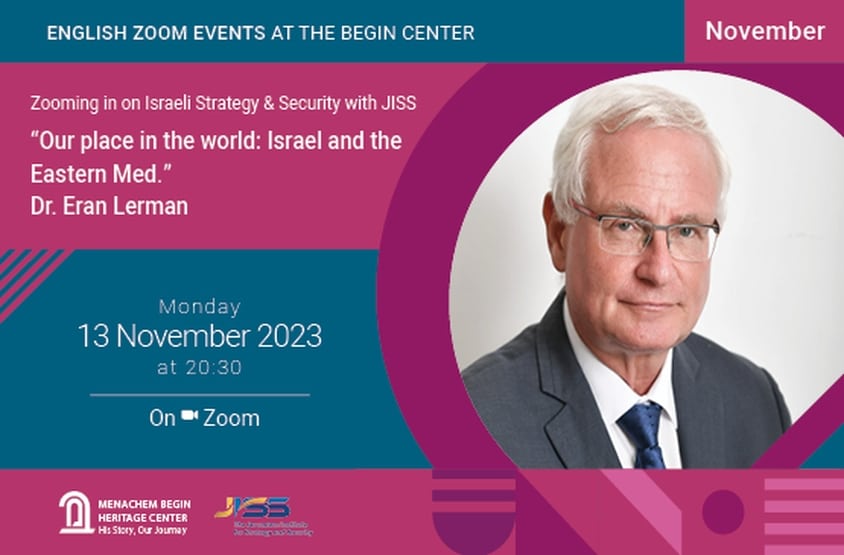
https://www.youtube.com/watch?v=AP4AySuIWPg
Watch the recording of the JISS - BNAI BRITH webinar, January 4, 2023

A briefing by expert of the Jerusalem Institute for Strategy and Security

On the Iranian Nuclear ThreatVideo briefing by Col. (res.) Dr. Eran Lerman (and others) for the Alma Research and Education Center. (June…
Briefing by JISS experts: Prof. Efraim Inbar, Maj. Gen. (res.) Yaakov Amidror, Col.(res.) Dr. Eran Lerman, and Dr. Joshua Krasna. (02.09.2020)
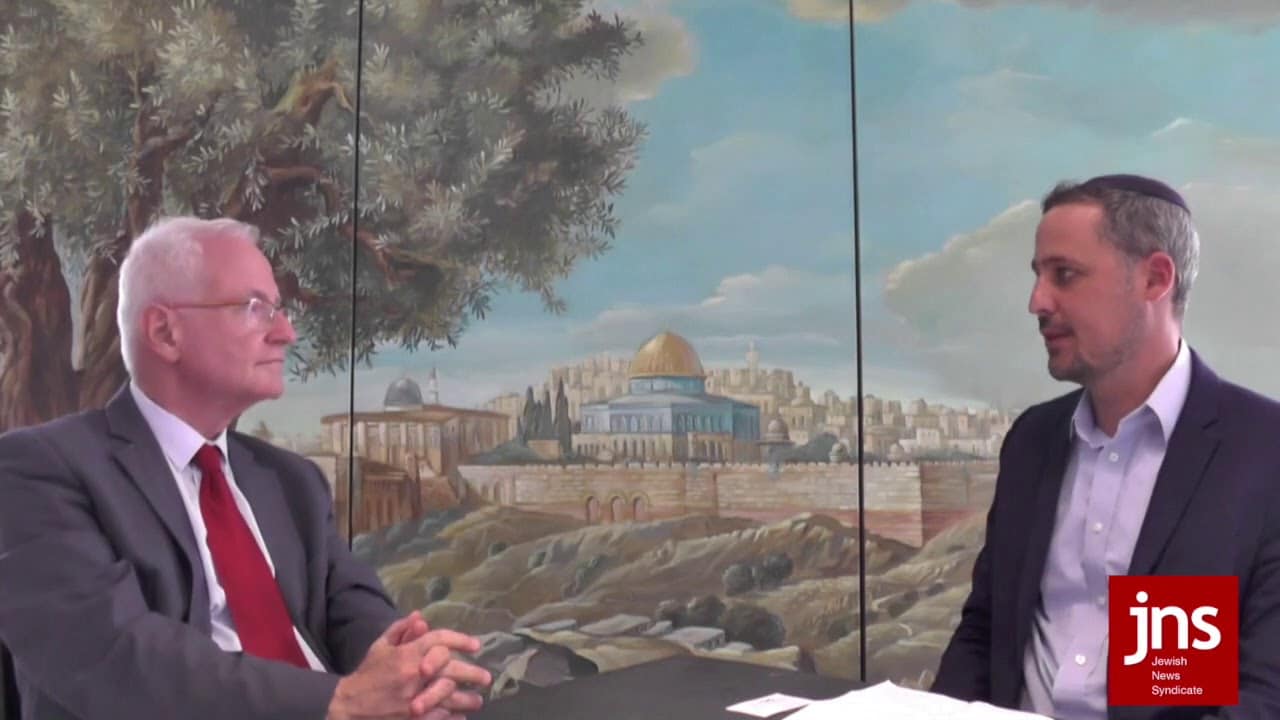
Col. (res.) Dr. Eran Lerman analyzes the Beirut port explosion for the Jewish News Syndicate. (22.08.2020)
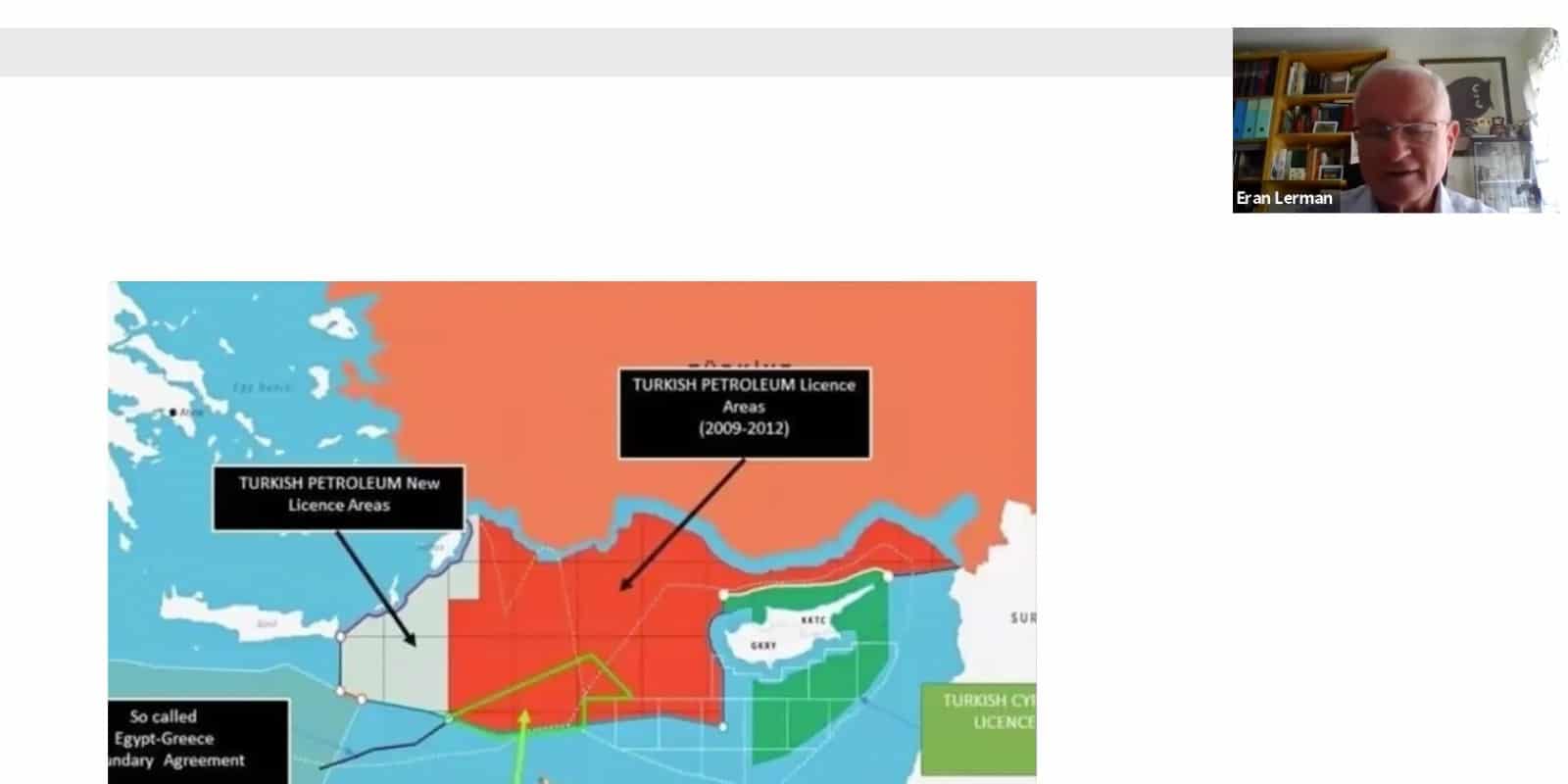
Video briefing by Col. (res.) Dr. Eran Lerman, vice president of JISS. (August 12, 2020)

Prof. Efraim Inbar and Dr. Eran Lerman brief members of “Protect Our Heritage PAC” on the American peace plan.

Video briefing by Col. (res.) Dr. Eran Lerman for the Jerusalem Press Club, focusing on the application of Israeli law to key…
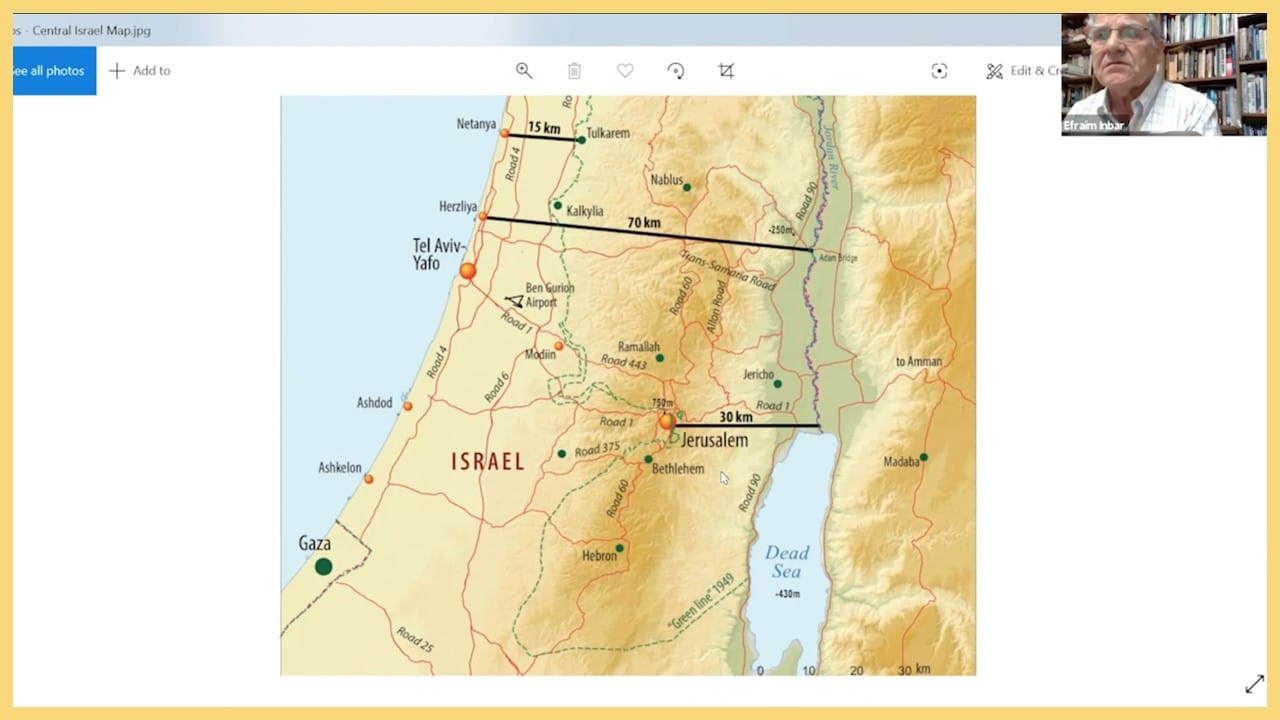
Video briefing by Prof. Efraim Inbar and Col. (res.) Dr. Eran Lerman about the Israeli government’s intention to apply Israeli law to…
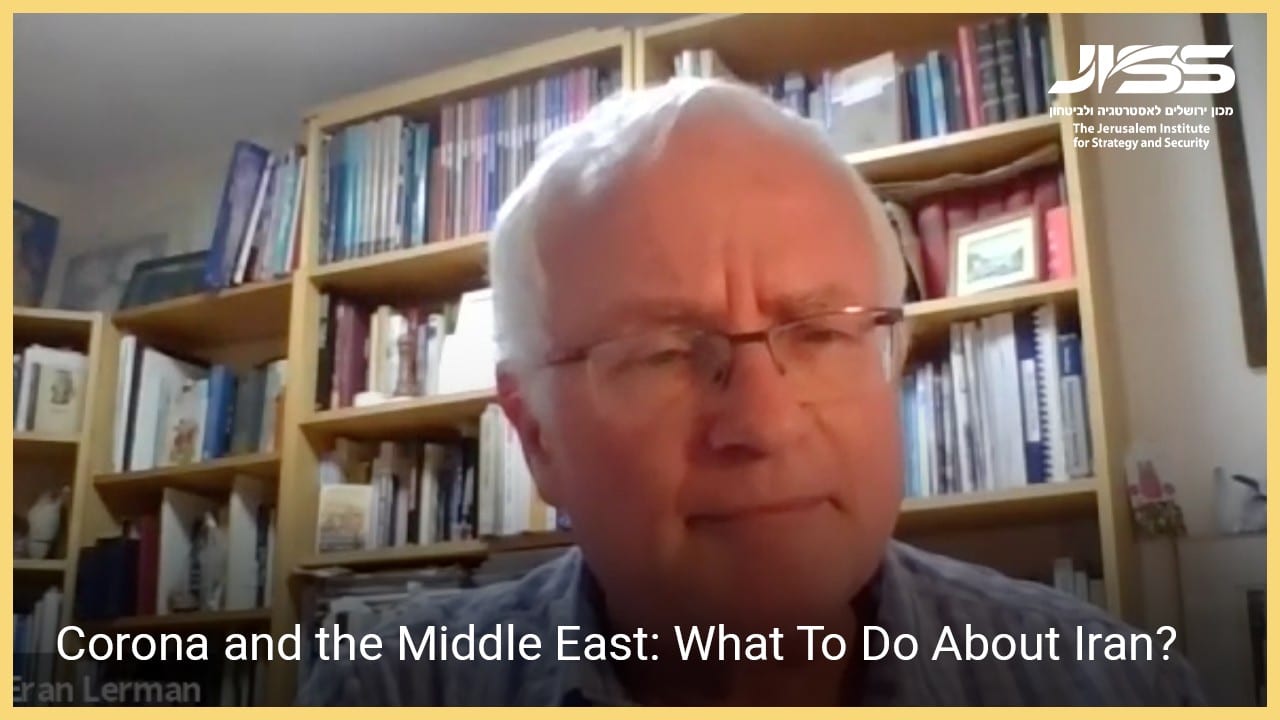
Video briefing by JISS vice president Dr. Eran Lerman about Iran’s continuing aggression and Israel’s determination to halt its march towards nuclear…

Talia Dekel speaks with renowned defense expert, Dr. Col. (res.) Eran Lerman, to try to understand what lies ahead for Israel on…
172 articles
Col. (res.) Dr. Eran Lerman is quoted in the article

The Jewish Star, 26.08.2026 Click here to read the article

TV7, 26.08.2026 https://twitter.com/i/status/2092703634228457805

Col. (res.) Dr. Eran Lerman is quoted in the article

Col. (res.) Dr. Eran Lerman is quoted in the article

Col. (res.) Dr. Eran Lerman is quoted in the article
Interview with Col. (res.) Dr. Eran Lerman

Col. (res.) Dr. Eran Lerman is quoted in the article
Col. (res.) Dr. Eran Lerman is quoted in the article
The Jerusalem Strategic Tribune, 22.04.2026 Click here to read the article

Col. (res.) Dr. Eran Lerman is quoted in the article

Col. (res.) Dr. Eran Lerman is quoted in the article
Col. (res.) Dr. Eran Lerman and Dr. Ariel Admoni are quoted in the article

The Jerusalem Post, 04.03.2026 Click here to read the article
Col. (res.) Dr. Eran Lerman is quoted in the article
Col. (res.) Dr. Eran Lerman is quoted in the article
The Jerusalem Post, 10.02.2026 Click here to read the article

Col. (res.) Dr. Eran Lerman is quoted in the article
Col. (res.) Dr. Eran Lerman is quoted in the article
Colonel (res.) Dr. Eran Lerman is quoted in the article

Brig. Gen. Yossi Kuperwasser and Col. (res.) Dr. Eran Lerman are quoted in the article
MG (res.) Yaakov Amidror and Col. (res.) Dr. Eran Lerman are quoted in the article
Interview with Colonel (res.) Dr. Eran Lerman


Col. (res.) Dr. Eran Lerman on i24News

Col. (res.) Dr. Eran Lerman is quoted in the article

Col. (res.) Dr. Eran Lerman is quoted in the article
The Jerusalem Post, 24.05.2025 Click here to read the article

An article by Yaakov Lappin published on JNS, Col. (res.) Dr. Eran Lerman quoted in the article.

Col. (res.) Dr. Eran Lerman quoted in the article
Israel’s urban warfare experience in Gaza can benefit allies
As Israel aims for more ‘focused’ operations in Gaza, key questions remain for endgame
The future of Israel’s policy in the Eastern Mediterranean

IDF Ground Invasion Pushes Deeper into Gaza Strip

Why Hamas must be undone - and what comes next

Analyzing the Surprise Attack by Hamas on Israel ft. Ex Deputy NSA Dr Eran Lerman

‘The Enemy Will Pay a Price It Never Imagined’: Israel Faces Shocking Hamas Offensive
4 Syrian soldiers killed in alleged Israeli strike on Damascus

Wary of harming Israel ties, Egypt looks to bury popular praise for border attack
Israeli gov’t must consider state’s value to the US
It's Time to Get Tough on Iran. Really Tough | Opinion
With the West Bank in Flames, De-escalation Attempts Yet to Bear Fruit

An Israeli Perspective on Qatar’s World Cup
NewMed Energy CEO: Morocco is the perfect place for investors and will become the next energy hub

Israeli-Moroccan security cooperation and the changing landscape in North Africa
The Debate over Military Rules of Engagement

Israel-Lebanon maritime talks ripple across eastern Mediterranean
‘Hezbollah threats amid Israel-Lebanon maritime border talks could spark war’
Israel engages Washington on Iran: What does Lapid hope to achieve?
Another Former General Joins the Political Fray: Will the Eizenkot Effect Make a Difference?

Israel Wins a Round in the Proxy War With Iran
Egypt as the cornerstone of the Middle East’s new regional security architecture

The US Defense Establishment’s Special Relationship with Israel
The US defense establishment’s special relationship with Israel

Previewing President Biden’s Middle East Trip - AJC Advocacy Anywhere

IRGC Stays on US Terror List after Israeli Pressure
Israel’s Defense Minister Benny Gantz Heads to US, Will Meet Austin at Pentagon
Jordan struggles with winds of change in Middle EastEran Lerman quoted in an article by JNS

Interview: Will Negev Summit Curb Iran’s ‘Audacious Demands?’

Former deputy NSA: Open warfare in Ukraine or Syria not in Israel's interests
US policy on the Yemen conflict must change
Greek and Israeli defence ministers meet after US ends support for EastMed pipeline
Interview with Dr. Eran Lerman on Iran's nuclear program
Israel, the US and the Iranian nuclear project: Back to basics
Military diplomacy as a national security asset: Israel’s widening array of joint exercisesArticle by Dr. Eran Lerman republished at JNS
What makes Israel "Iran's arch-enemy": How the Sunni-Shiite divide became a revolutionary mission
Israel plays center stage in Azerbaijan-Iran tensionsDr. Eran Lerman's JISS article cited

Nuclear Iran in a month, regional conflict in two?Col. (res.) Dr. Eran Lerman: The progression of Tehran’s nuclear program has significantly quickened…
Sensing a shift in power dynamic, Iran steps up shadow war with IsraelCol. Eran Lerman: Tehran and Hezbollah are trying to get…

On Israel-Hamas truce negotiationsInterview with Dr. Eran Lerman
Frustrated by Israel’s Refusal to Allow Qatari Cash Into Gaza, Hamas Threatens ViolenceCol. Eran Lerman: New Israeli government has a different strategy…
Despite Gaza bloodshed, few see Abraham Accords derailing Dr. Eran Lerman: Relations between Israel, the UAE and other signatories will stay on…

In DC, Israel’s top spy and security wonk face a mission impossible on IranDr. Eran Lerman: They can move the needle a…

On Biden Administration Middle East PolicyInterview with Dr. Eran Lerman

Israel, Iran on collision course as Iran vows revenge for alleged Israeli cyberattack on nuke facilityCol. Eran Lerman of JISS: The premise…
The Israel-Greece alliance: Sunburned tourists and fighter jetsDr. Eran Lerman: Israel now thinks of the eastern Mediterranean as a strategic community.
An Eastern Mediterranean Strategic OverviewInterview with Dr. Eran Lerman
With gas alliance moored to Turkey tensions, Israel tacks toward energy securityDr. Eran Lerman: The direction is to bring the Egyptians in,…
Egypt's Challenges between East and WestInterview with Dr. Eran Lerman
On Biden Administration policies that will impact IsraelInterview with Dr. Eran Lerman
Why can’t Netanyahu free Israelis from Gaza as easily as from Syria?Col. (res.) Dr. Eran Lerman: Russian President Putin has strong relationships…
Rare visit to Israel by Egypt’s oil minister sends signals to Biden, Erdogan Col. (res.) Dr. Eran Lerman: The trip, following similar…
What signals is Biden sending about his Middle East policy?Col. (res.) Dr. Eran Lerman: Early signals have been “a mixed bag,” with…
On Libya's future and strategic significanceInterview with Eran Lerman
Monthly Middle East Review for January 2021With hosts Col. (res.) Dr. Eran Lerman and Ambassador Danny Ayalon

How the Abraham Accords Changes the MideastInterview with Prof. Efraim Inbar and Dr. Eran Lerman
The IDF Prepares for Tensions with IranInterview with Dr. Eran Lerman
Israeli airstrikes on Iranian targets in SyriaInterview with Dr. Eran Lerman, ILTV 27.12.2020
The EastMed Dispute & its Implications for Israel, Part IIDr. Eran Lerman and Dr. Hay Eytan Cohen Yanarocak of JISS look ahead…
The EastMed Dispute & its Implications for Israel, Part I Dr. Eran Lerman and Dr. Hay Eytan Cohen Yanarocak of JISS analyze…

Israeli general calls for closer cooperation with Egypt against TurkeyCol. (res.) Dr. Eran Lerman: Egypt and Israel are annoyed by Erdogan's ambition…
Israel & Sudan Reach PeaceInterview with Dr. Eran Lerman

The world is watching the U.S. voteDr. Eran Lerman: The Trump administration has positioned itself on a whole range of major issues…

Israeli Perspectives on the Nagorno-Karabach conflictDr. Eran Lerman interviewed on TV7
On the Intifada’s 20th AnniversaryColonel (res.) Dr. Eran Lerman to i24NEWS
Hezbollah is coming under increased scrutiny in wake of Beirut blastDr. Eran Lerman of JISS: Hezbollah as too mired in domestic tumult…

What makes the UAE deal so groundbreaking?Col. (res.) Dr. Eran Lerman on Makom Israel Teachers Lounge Podcast

With UAE-Israel normalization, Trump's plan finally lifts off Col. (res.) Dr. Eran Lerman of JISS: The UAE-Israel agreement is not simply of…
On the significance of the diplomatic agreement with the UAE Dr. Eran Lerman to i24news
Lebanon's domestic and regional woes Dr. Eran Lerman: Iran is the foreign occupier of Lebanon, through the agency of Hezbollah.
Israel Hopes Beirut Blast will Weaken Hizbullah’s Appetite for WarDr. Eran Lerman: Public rage in Lebanon could hurt organization’s political standing
The fragility of Israel's many frontsInterview with Col. (res.) Dr. Eran Lerman and other experts.
How can Israel navigate the divide between Azerbaijan and Armenia?Dr. Eran Lerman: Israel faces a supreme challenge from Iran, and Azerbaijan is…
Will war erupt on Israel’s northern border? Col. (res.) Dr. Eran Lerman interview for i24 news
Escalating Tensions versus Hezbollah in Lebanon

West Bank annexation ends logger jam for peace, former NSC official says Dr. Eran Lerman: Israel should move forward on annexation even…
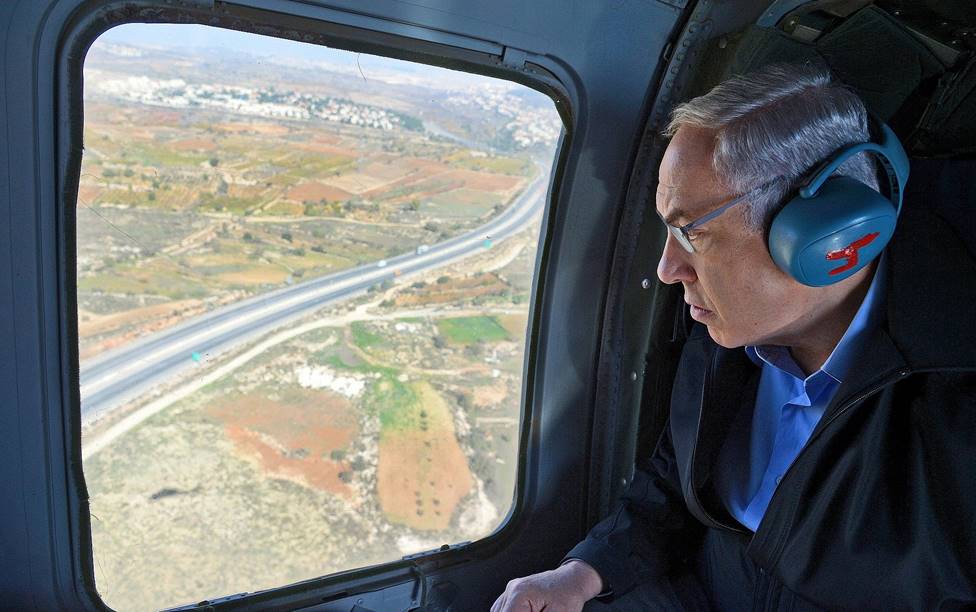
How fear of a US retreat from the Mideast is driving Netanyahu toward annexationDr. Eran Lerman of JISS: “American hegemony is crumbling…

How will Hamas respond to annexation? Col. (res.) Dr. Eran Lerman: Israel can handle any of the aftershocks.
Excluded from Netanyahu’s annexation plans, military must somehow prepare anyway Prof. Inbar and Dr. Lerman of JISS: While Israeli security forces must…
Do the benefits of annexation outweigh the costs? Dr. Lerman and Prof. Inbar of JISS: Extend Israeli law to areas that Israel…
Major upheavals due to coronavirus pose challenges for US-Israel relationship Dr. Eran Lerman of JISS: The next Israeli government will need to…
Will annexation destroy Israeli-Jordanian peace, set kingdom aflame? Col. (res.) Dr. Eran Lerman: Annexation will not destroy the Jordanian and Egyptian governments,…
Coronavirus won’t turn the Middle East all warm and fuzzy. Inbar and Lerman of JISS: Regardless of whether or not there is…
Prospects of a wide-scale Russia-Turkey conflict. Interview with Col. (res.) Dr. Eran Lerman
The struggles of democracies to combat totalitarian regimes. Interview with Dr. Eran Lerman.
After Trump abandons Kurds, Israel knows it can’t rely on anyone. Col. (res.) Dr. Eran Lerman: Trump’s step is a “moral outrage.”
Attacks on Iranian targets in Syria serve Russian interests. Col. Lerman of JISS: Down the road, what the Iranians want to do…

Tensions on Israel's northern border. Dr. Eran Lerman speaks to Xinhuanet on the tensions on israel's northern border.
What can URP’s interim ministers actually do? Col. Lerman: Smotrich will have little room to maneuver, even in the security cabinet.
Kremlin says Russia-US-Israel meeting 'very important’. Dr. Eran Lerman, former Deputy NSC head: Meeting is Russian ‘slap’ at Iran.
Did Trump's Jerusalem Embassy Move Help Peace Prospects? Trump moved the embassy under the pretense that the Palestinians had to recognize 'a…
Interview with Dr. Eran Lerman on Iran crisis. With Israelis closely watching developments between the US and Iran, as well as Iran’s…

'Israel, IDF decided to cross threshold not crossed before' IDF Colonel (Res.) Dr. Eran Lerman tells Arutz Sheva 'Israel is trying to…
What’s the deal with the Gaza Strip? The Israel Project interviews Col. (res.) Dr. Eran Lerman of JISS. He explains why Israel’s…
Does Hamas see Israel’s deterrence waning? Prof. Efraim Inbar: Deterrence is a tricky notion. Dr. Eran Lerman: Hamas is irritating us in…

Gaza rocket hits Israeli home injuring seven; Netanyahu cuts short Washington trip. Dr. Eran Lerman of JISS: “When there was intensive rocket…

Political Dynamics Raise Risk for Israel-Hamas Clash. Dr. Eran Lerman of JISS: “The anti-Hamas demonstrations that indicate a level of frustration and…

Rocket From Gaza Hits Israel, Prompting Netanyahu to Curtail U.S. Trip. Col. (res.) Dr. Eran Lerman of JISS: Hamas is playing with…
Israeli Offset to PA Terror Wages. Dr. Eran Lerman debates Dimitri Delaney, a member of the Fatah Council, regarding the freezing of…
So in Israel's election, who are the Russians for? Col. (res.) Dr. Eran Lerman: Nobody should fall off their chair at the…

Trump Syria pullout ‘blow’ to Tel Aviv: Israeli experts. Dr. Eran Lerman: The move will make anyone who thinks of a coalition…

Amid Tensions Over Peace Treaty, Jordan Requests More Water From Israel. Dr. Eran lerman: Amman’s suspension of a land lease may be…

Liberman’s exit, and how Israel’s chips may fall. Dr. Eran Lerman: Liberman’s views contradicted Netanyahu’s vision and that of the security establishment.

How Hamas Brought Israel to the Brink of Election Chaos. Dr. Eran Lerman: Lieberman was isolated by the rest of Netanyahu’s security…
Israeli and Jordanian experts downplay significance of peace-treaty changes. Eran Lerman and Joshua Krasna of JISS pour cold water on all the…
Khashoggi and the Jewish Question. Col. (res.) Dr. Eran Lerman of JISS: “It is certainly not in Israel’s interests to see the…

A Strategic Vision for the Eastern Mediterranean. Col. (res.) Dr. Eran Lerman comments on the new dynamics of the region.
Syria in Gaza, Without the Russians. Dr. Eran Lerman: The Gaza Strip is a microcosm of what is happening throughout the region…
Between Ceasefire and War: Gaza on a Knife's Edge. Dr. Eran Lerman: In a war to eradicate Hamas, the unknowns outweigh the…
Analysis of Trump-Putin Helsinki summit. with Dr. Eran Lerman and Mrs. Miki Aharonson of JISS. “One on One with Prof. Alan Dershowitz,”
After Hamas: Why Israel Fears A Power Vacuum in Gaza. Dr. Eran Lerman: Israel’s reticence to cross the fine line between a…
Concerns Raised Southern Syrian Regime Offensive May Spill Over to Israel Lerman and Boms of JISS: Will Israel abandon its allies?

Israelis Debate Future of U.S. Military Aid. Dr. Eran Lerman: it won’t be easy renegotiate the US-Israel MOU.
Ex-Israeli officials: Why would we expect NATO to help us in an Iran war? Dr. Eran Lerman: “We never asked for anyone…
Israelis Reflect on Gaza: ‘I Hope at Least That Each Bullet Was Justified’ Col. (res.) Dr. Eran Lerman: The death toll has…

Trump's announcement on Iran deal decision. Dr. Eran Lerman on france 24 news
‘America Is Back’: U.S., Israeli Right Plan Next Move Fresh off Iran deal and Jerusalem embassy wins, CPAC holds an illuminating call.…

Trump has ‘walked back’ vow of pullout in Syria, experts say. Dr. Eran Leman: Trump will allow US forces to remain, but…

recent air-strikes against targets in Syria following chemical attacks in Douma and what it means for Israel and the wider region. Dr.…
SAUDIS PUBLICLY OPPOSE U.S. EXITING SYRIA WHILE ISRAEL OBJECTS QUIETLY Col. Lerman: US withdrawal from Syria would have very negative consequences for…
Netanyahu on New U.S. Secretary of State Pick: ‘We Will Work Very Well Together’ E. Navon and E. Lerman: Pompeo’s appointment will…
Too early to judge Netanyahu-Trump impact on Iran deal in Davos. Comment by Dr. Eran Lerman World Israel News 29.1.2018
Can Trump and Netanyahu get Europe to push back against Iran’s ballistic missiles? Col. Eran Lerman: “Trump and Netanyahu cannot get backing…
On Russia’s anti-Trump posturing regarding Iran Comment by Col. (res.) Dr. Eran Lerman, The Media Line, 06.01.2018

Question of IDF Readiness For Next War Is Unanswerable. .Amidror, Lerman and Golan at JISS conference
US recognition of Jerusalem as Israel's capital would correct a historical anomaly. Comment by Col. (res.) Dr. Eran Lerman
Threats of violence over Jerusalem amount to a “toy gun”. Comment by Col. (res.) Eran Lerman
Israel’s real interest today is to prevent Jordan from being destabilized by Iran, according to Dr. Eran Lerman.

On Iran, Syria and Saudi Arabia. Interview with Col. (res.) Dr. Eran Lerman

IAF hosts largest-ever ‘Blue Flag’ aerial exercise
Interview with Col. (res.) Dr. Eran Lerman: "The main negative is that there is a sense that Trump is inconsistent, and that…
New Conservative-Leaning Think Tank Launched in Jerusalem. Interview with Col. (res.) Dr. Eran Lerman (Jerusalem Post) 26.10.2017