מכון מחקר מכוון מדיניות בנושאי חוץ וביטחון למען ישראל בטוחה

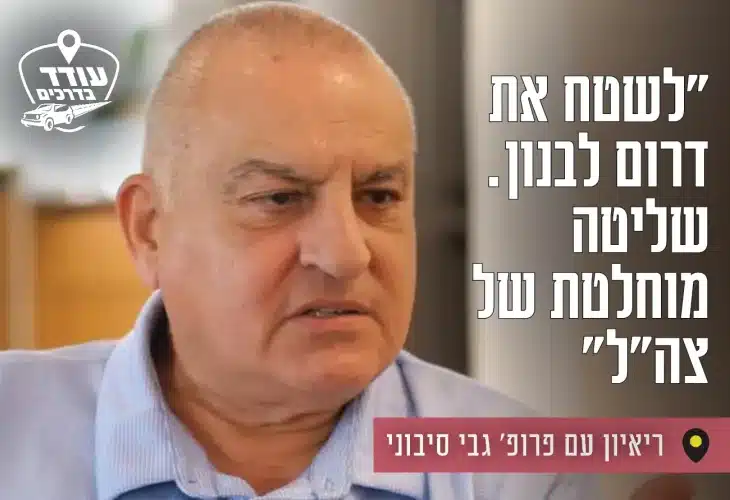
גבי סיבוני

אל"מ (מיל') פרופ' גבי סיבוני

מנכ״ל מכון ירושלים לאסטרטגיה ולביטחון. מומחה צבא וביטחון, סייבר וטכנולוגיה צבאית.

פרופ' סיבוני היה ראש תכנית צבא ואסטרטגיה ותכנית ביטחון סייבר במכון למחקרי ביטחון לאומי בין השנים 2006-2020. במסגרת זו הוא ייסד שני כתבי עת אקדמיים בתחומים המחקר האמורים. בין עיסוקיו הוא משמש כיועץ לצה"ל ולגופי ביטחון אחרים כמו גם לתעשייה הביטחונית. סיבוני הוא בעל תואר ראשון ושני בהנדסה מאוניברסיטת תל אביב ותואר שלישי במערכות מידע גיאוגרפיות מאוניברסיטת בן גוריון שבנגב.

משטרת ישראל, אילוסטרציה.

How to Deal with Severe Crime in Israel’s Arab Sector

Israel’s battle against severe crime in the Arab sector is a systemic failure that threatens the pillars of the state: the rule of law, national security, and public trust. The national task force created to manage this effort is, in principle, an excellent instrument, but in recent years it has been badly mismanaged. The Attorney General, who heads the force, must recognize that she is effectively leading Israel’s war cabinet against serious crime—a responsibility she cannot sidestep. She must work with the government to enable a coordinated and effective campaign against this escalating threat.

קרא עוד »
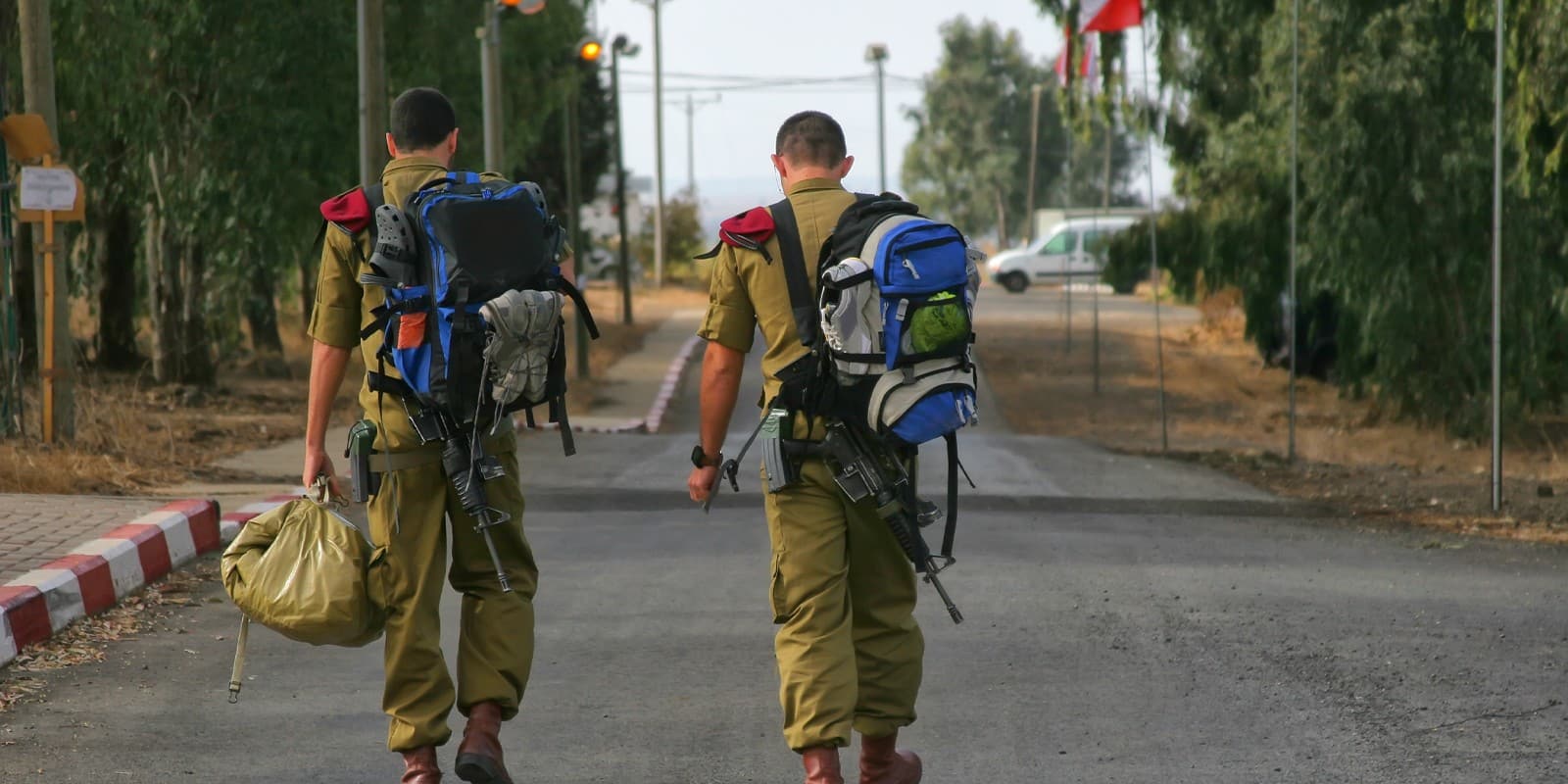
חייל צה״ל, אילוסטרציה

What Happened to the IDF?

A decline in the development of military doctrine and training has sidelined core military knowledge and produced a system misaligned with the threats Israel faces. A growing focus on technology has deepened social stratification and eroded the IDF’s combat ethos. The lessons of the War of Redemption require a fundamental restructuring. The IDF stands at a crossroads: a return to an ethos of existential mission or continued decline. The changes that have taken place from the time of the Oslo Accords to today point to the need for comprehensive reform so the army can defend the State of Israel effectively and safeguard the Jewish home for generations to come.
קרא עוד »
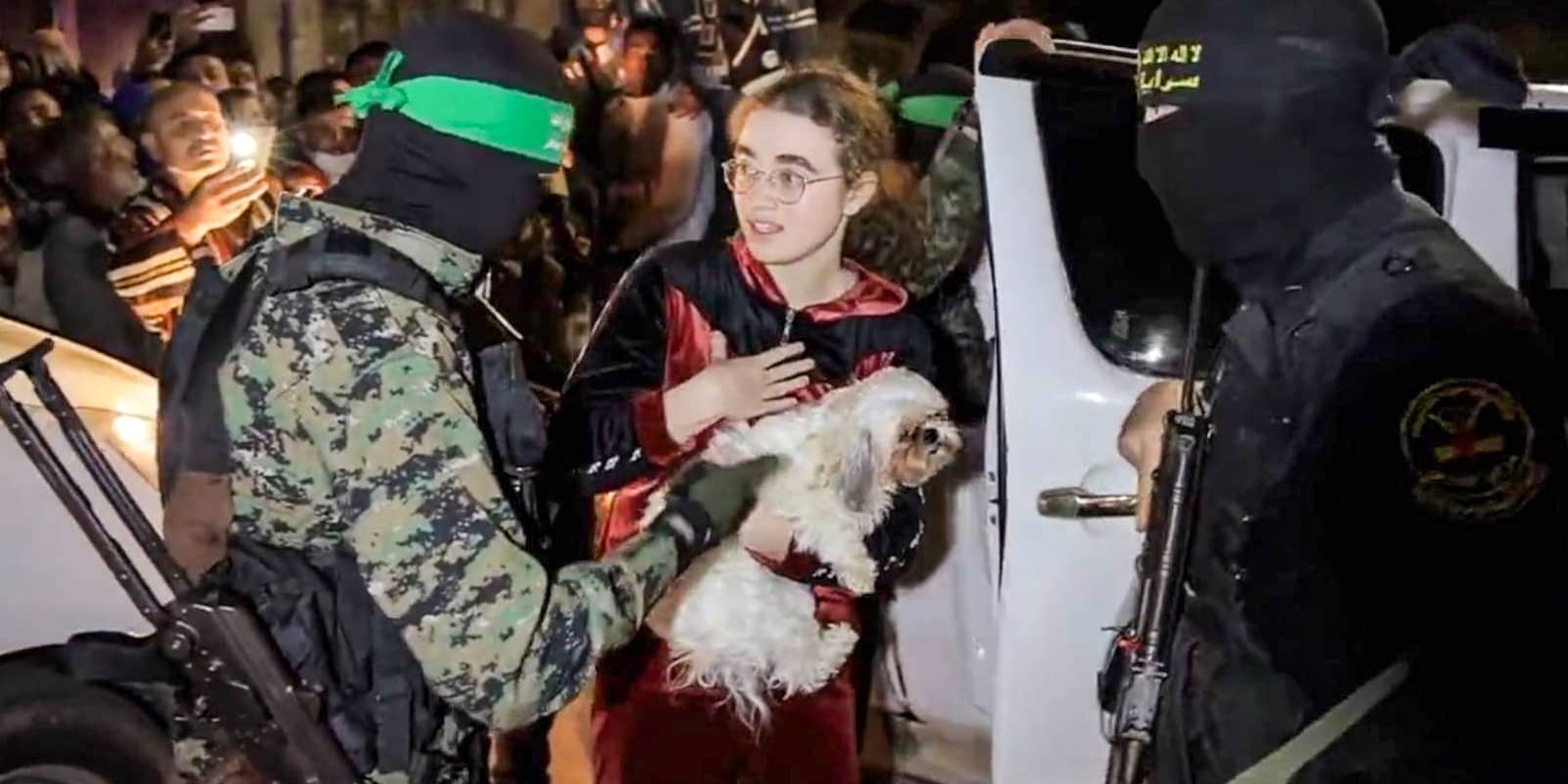
Hostages protests

The Kidnapping Threat: Preventing Israel’s Moral Commitment to Hostages from Becoming a Strategic Vulnerability

Israel’s deep commitment to the safety of its citizens and soldiers has become an incentive for its enemies to use kidnappings as a weapon. History shows that while concessions may save lives in the short term, they sustain and encourage terrorism over time. Israel must therefore act decisively to reduce this threat through a broad set of measures

קרא עוד »
egypt border

Egypt’s Force Buildup in the Sinai: A Growing Challenge from the South

Egypt is rearming at an alarming pace and continues to violate the peace treaty’s military annex. At the same time, weapons smuggling across the border, carried out with the help of Bedouin networks in the western Negev, has intensified. Israel must respond on two fronts: diplomatically, by pressing Cairo to correct its violations, and militarily, by expanding intelligence collection and analysis and preparing operationally for the challenges Egypt presents, in order to prevent a strategic surprise

קרא עוד »
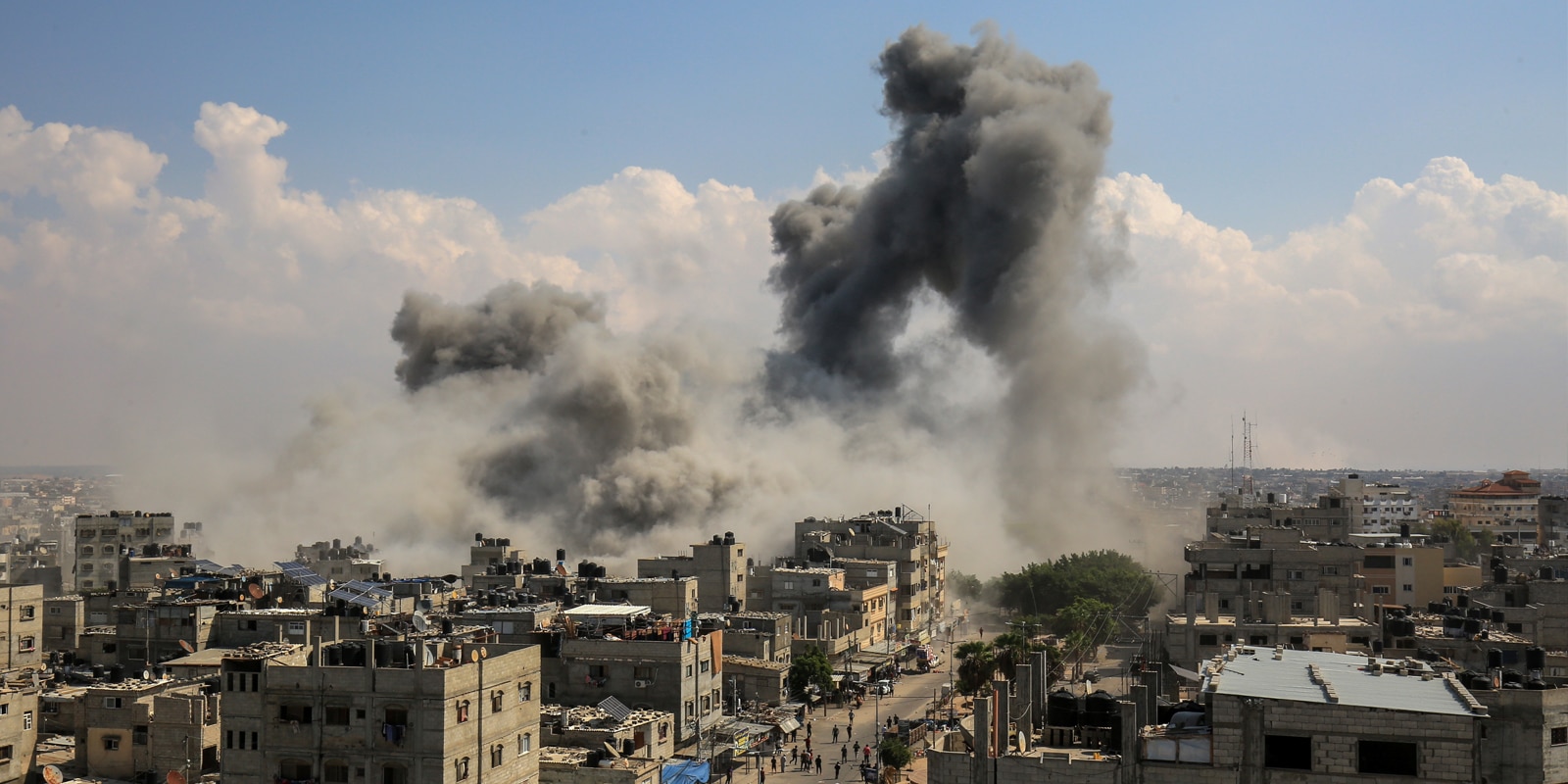
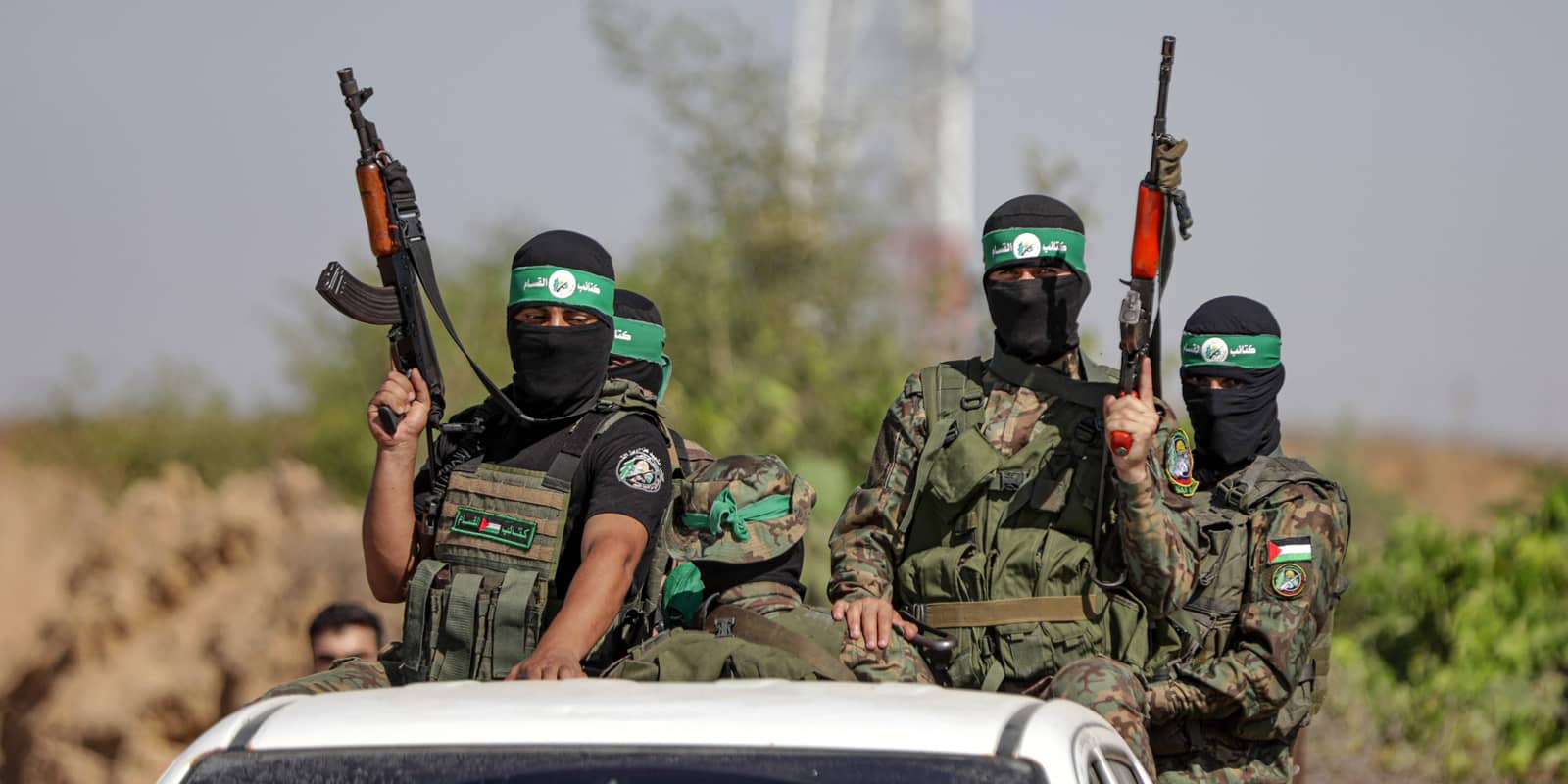
Gaza - Shutterstock

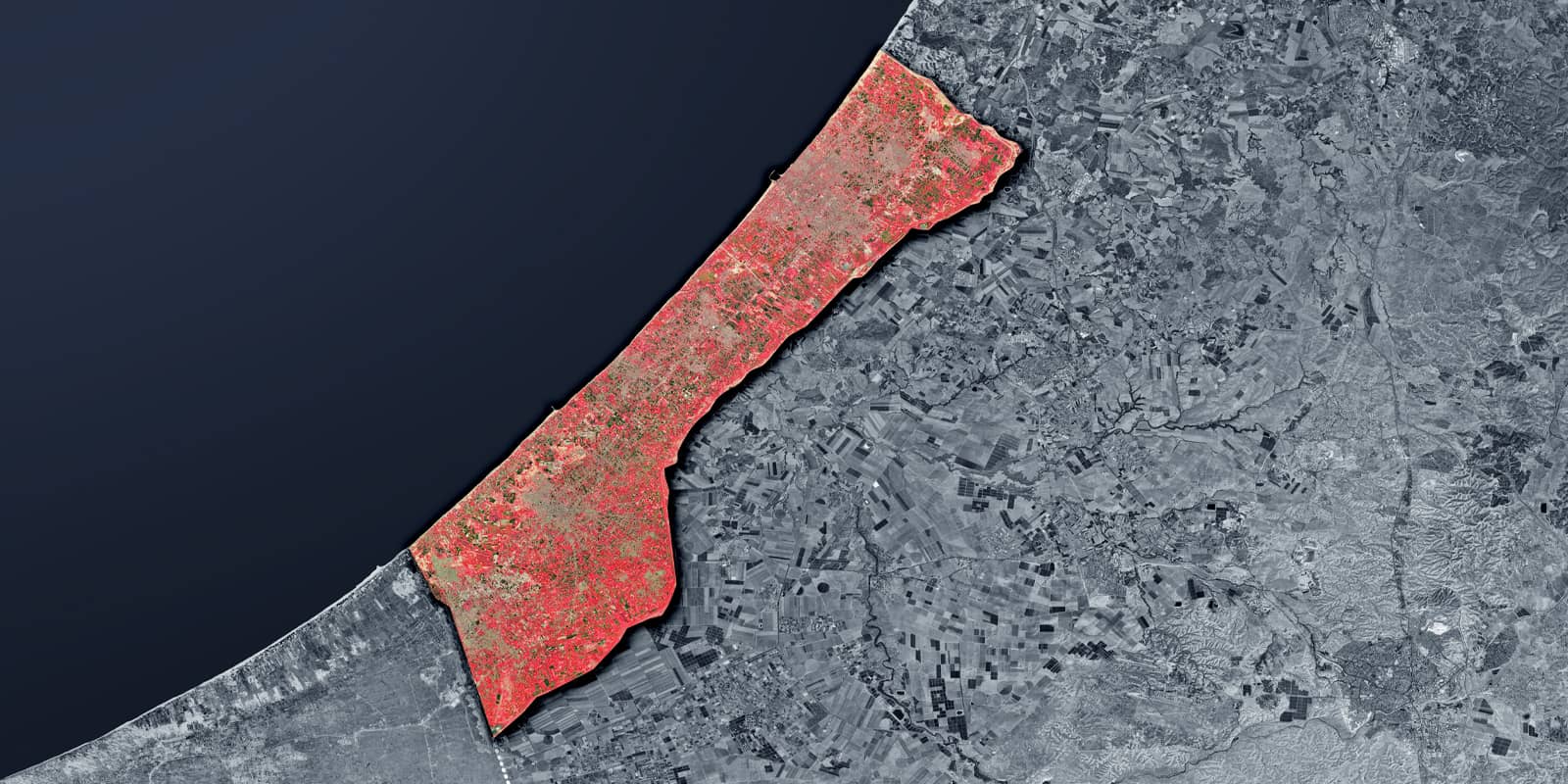
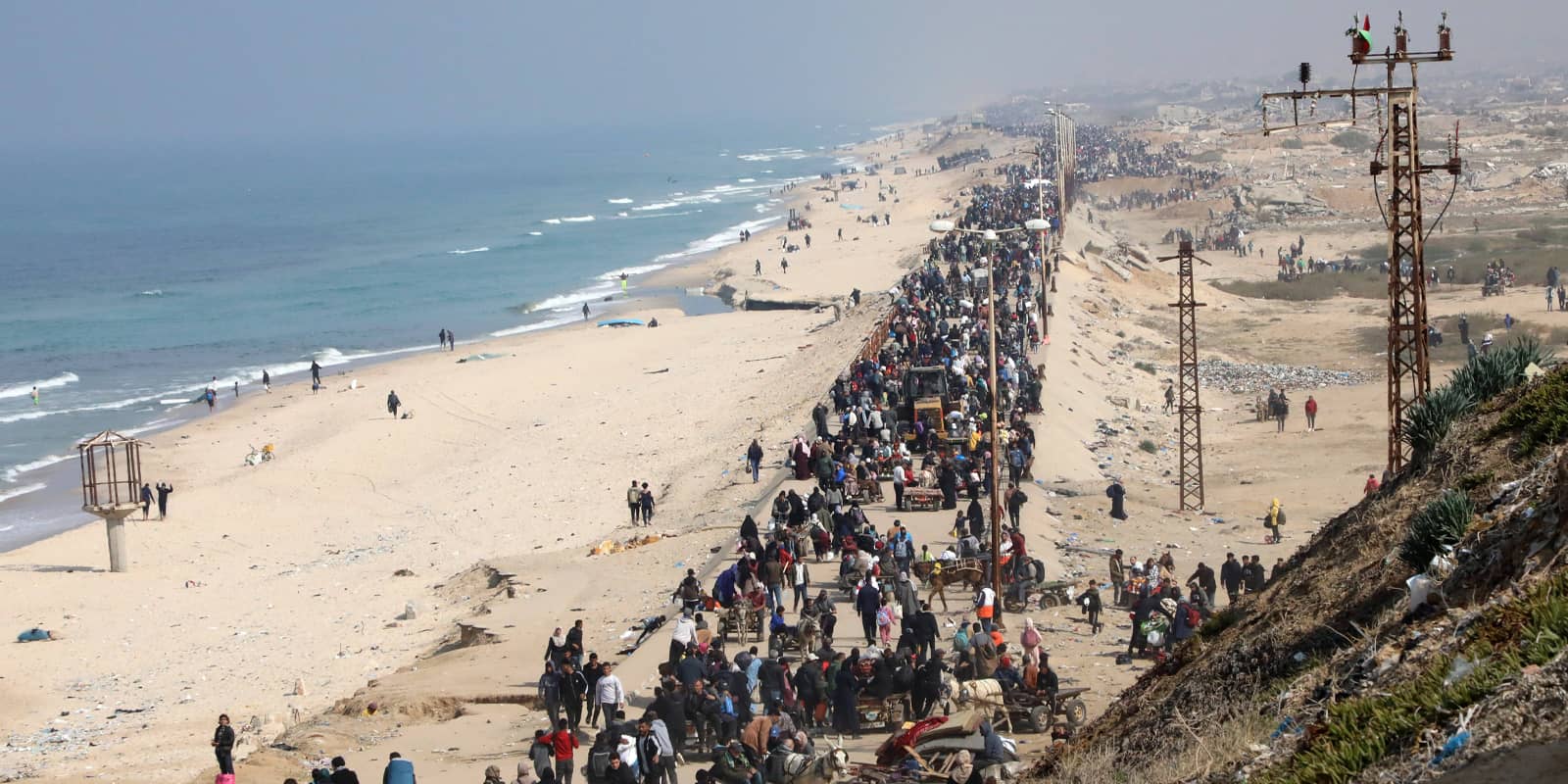
Gaza: Until When?

Exactly two years on from October 7, and in the wake of the ceasefire, we look back at the course of the fighting —at the decisions that shaped the war, the reasons it dragged on, and the steps still needed to achieve Israel’s declared objectives. If managed prudently, the Trump framework now on the table could provide Israel with a real opportunity to advance those goals.

קרא עוד »
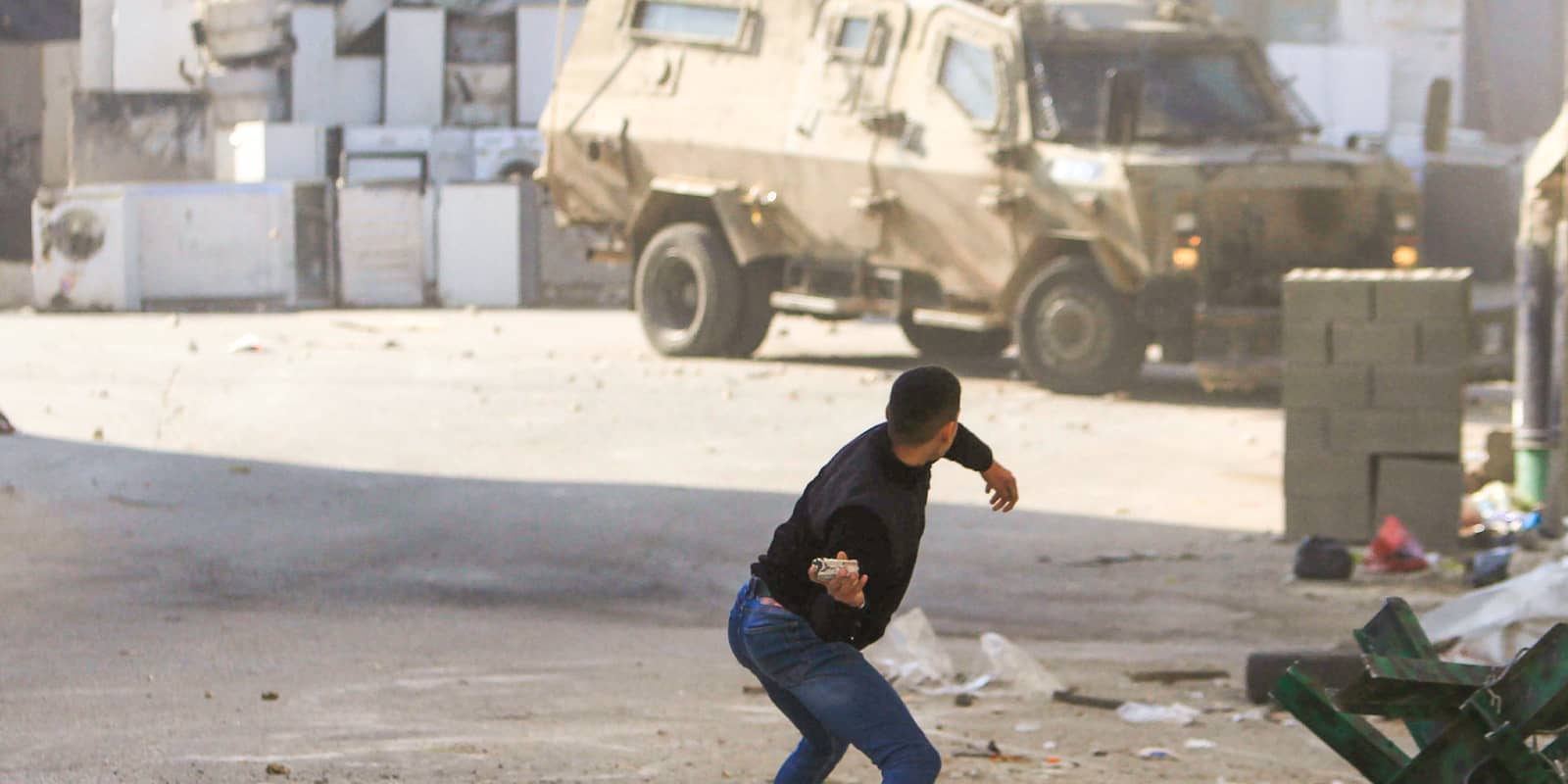
Gaza

Siege as a Legitimate Method of Warfare

When consistent with international law, siege is a lawful tool of war, crucial for victory and safeguarding lives. Israel must balance legal and operational demands, with final responsibility resting on commanders in the field.

קרא עוד »

כבר נרשמתם לאיגרת שלנו?

הצטרפו למעל 8,000 מנויים שמקבלים ישירות למייל את מיטב המאמרים לפני כולם